Breaking News & In-Depth Reports | The Nile Observer

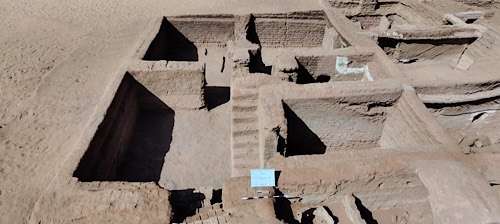
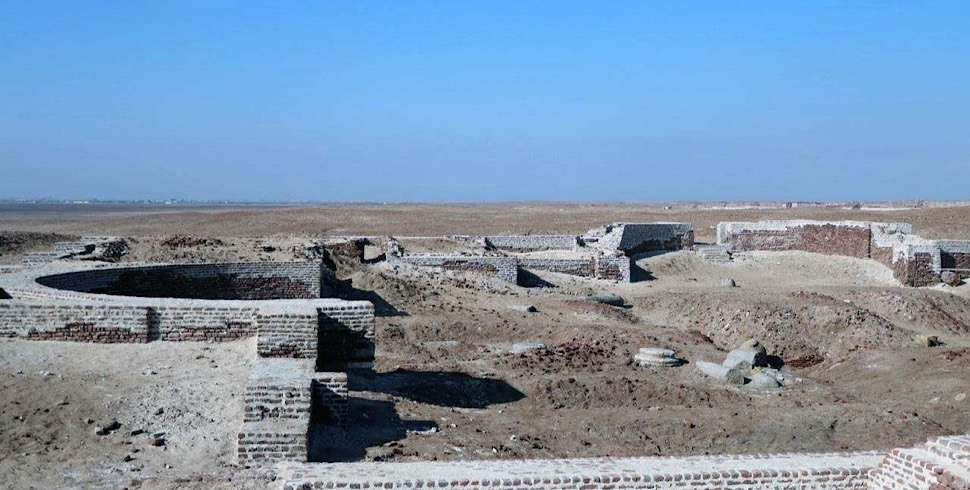
Egyptian archaeologists uncover Byzantine-era residential city in Dakhla Oasis
The results of the excavations help document the architectural, social and economic features of the community that once lived there.
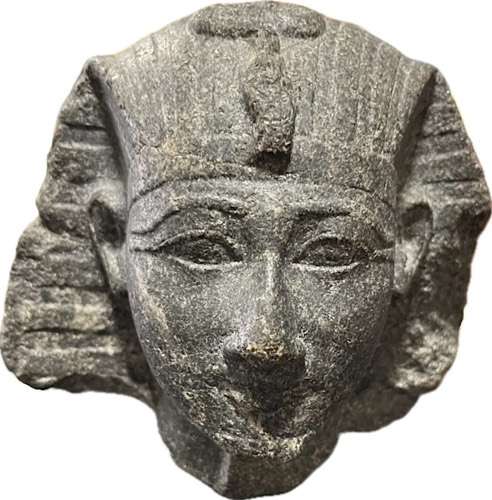
Egypt reclaims four ancient artefacts from United States
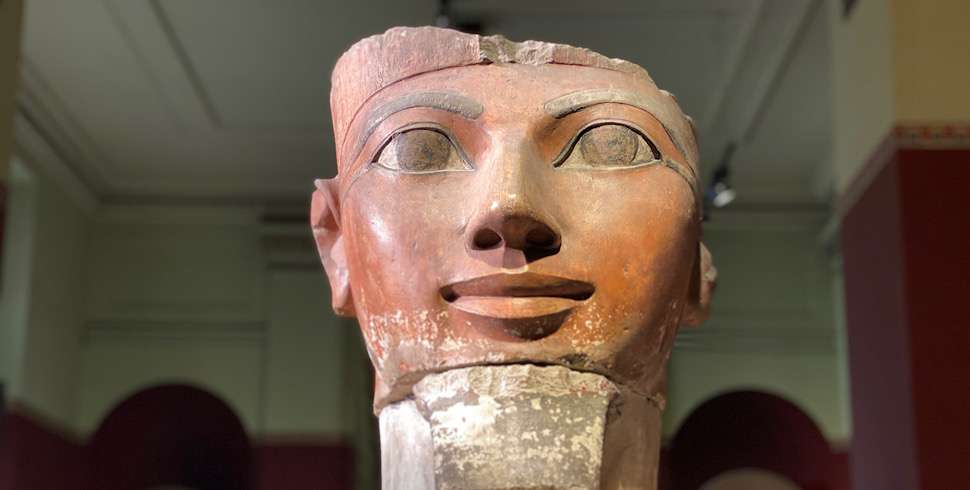
A key returned artifact is a granite sphinx head with the royal nemes and cobra, believed to depict either Queen Hatshepsut or King Thutmose III.
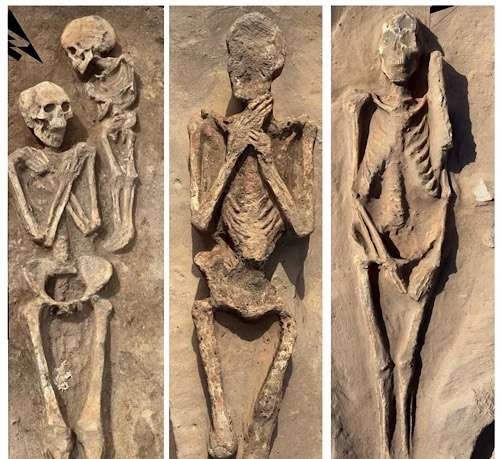
Egyptian archaeologists uncover diverse Greco-Roman burials at ancient Delta site
Excavations uncovered a variety of burial practices reflecting evolving funerary rituals over the centuries.
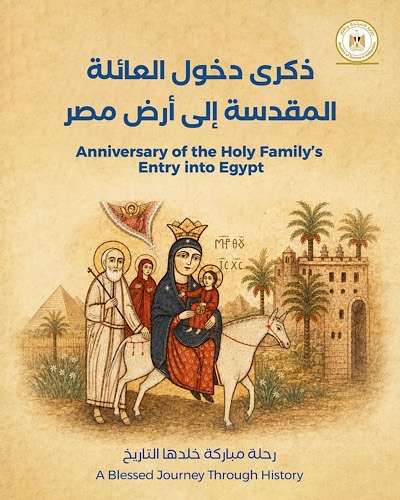
Egypt marks annual Feast of Holy Family’s journey as heritage sites restored
The government has been implementing a national project to restore and develop 25 sites along the route.
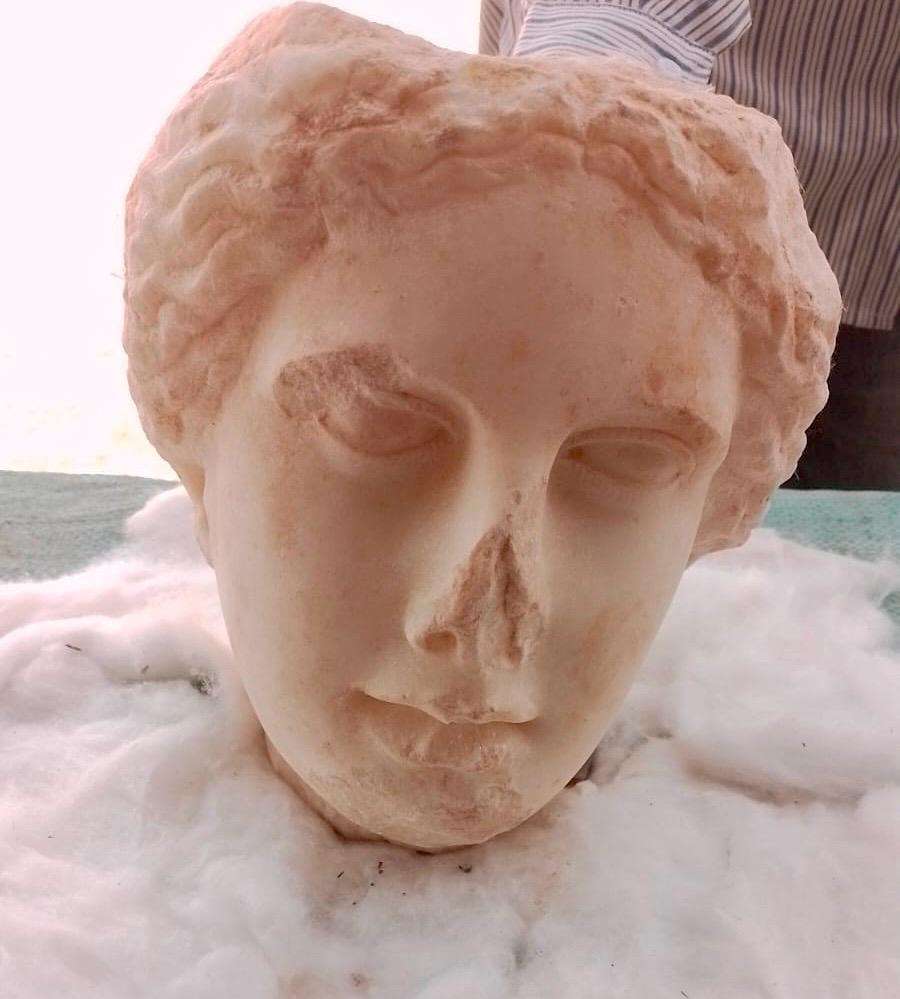
Egypt uncovers rare Aphrodite head south of Cairo
Among the most significant finds is a reused stone block featuring a prominent relief of King Senusret III, a powerful 12th Dynasty pharaoh of the Middle Kingdom, bearing both his coronation and birth names.
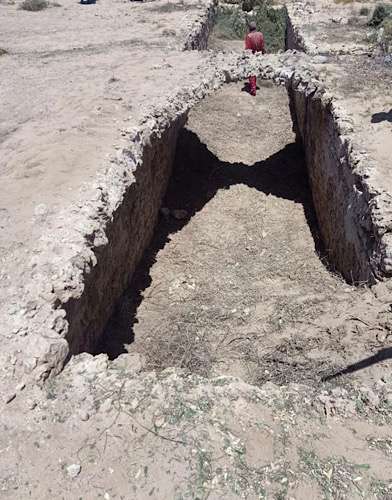
Egypt unearths medieval reservoirs at vital Red Sea port
The discoveries in the Halayeb region of southeastern Egypt offer a rare glimpse into the sophisticated infrastructure that once sustained global trade routes
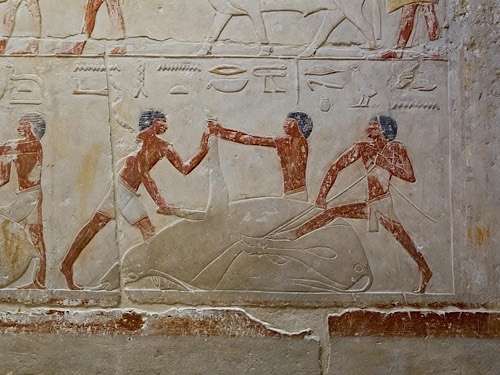
Ancient Egypt’s animal‑sacrifice rituals revealed, says expert
Depictions in tombs such as those of Ti and Mereruka show the slaughtering process in detail
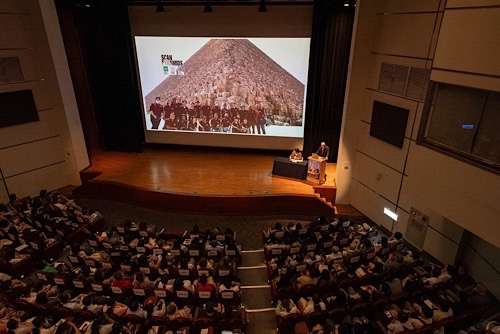
Zahi Hawass draws historic crowds in Taipei
Broadcaster ABC aired a prime‑time interview with Hawass that drew more than 10 million viewers, according to the network.
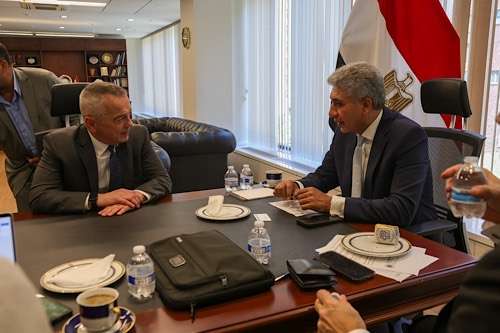
Egypt minister, Manhattan prosecutor discuss cooperation on recovering smuggled artefacts
13 artefacts were recently recovered from the United States

Egyptologist Zahi Hawass clashes with alternative‑history theorists on Piers Morgan show
The debate pitted Hawass against Jimmy Corsetti, Michael Botton and Timothy Alberino
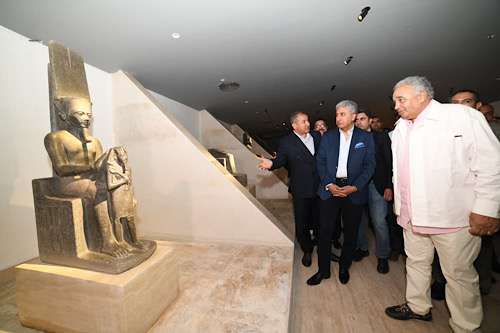
Egypt reopens renovated Luxor Cachette hall
The upgrades aim to enrich both the visual and educational experience of visitors.
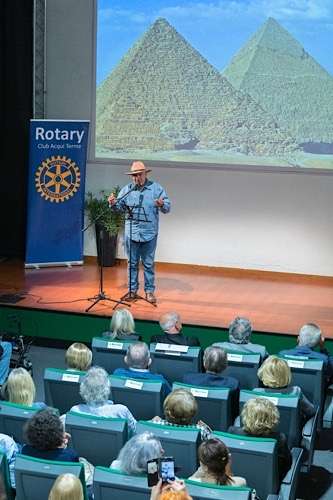
Hawass calls for return of Nefertiti bust, Rosetta Stone in Italy
Hawass said that the objects are integral to Egypt’s national heritage and should be displayed in the Grand Egyptian Museum.
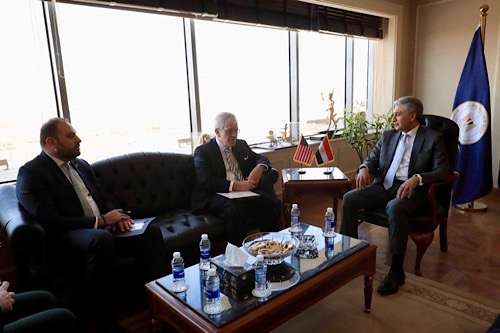
Egypt, US discuss expanding tourism and heritage cooperation
The talks covered the restoration of the Sultan Qaitbay Dome in Cairo’s City of the Dead, a project recently completed in partnership between the Supreme Council of Antiquities and the US Embassy.
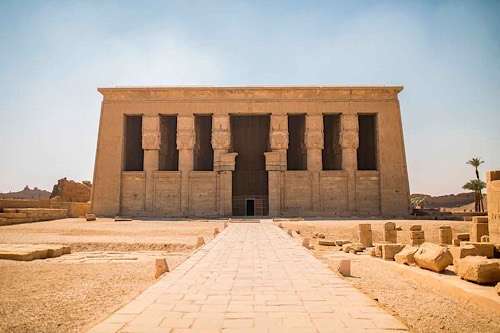
Egypt’s Dendera Temple, Rosetta’s historic houses added to Islamic world heritage list
Egypt also has five other sites on the preliminary list: the Wadi El-Natrun monasteries, the Nilometer on Rawda Island, the Bagawat necropolis, the historic town of Al-Qasr in the New Valley, and the Egyptian Museum in Tahrir.
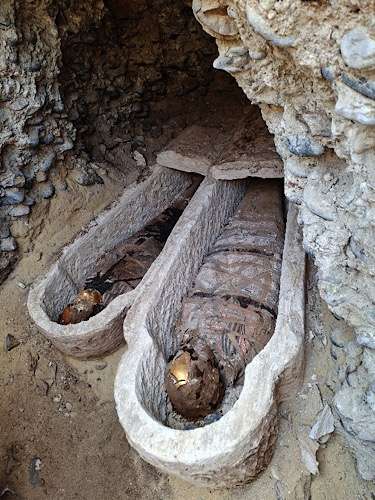
Roman-era tomb with golden tongues, Iliad papyrus unearthed in Egypt’s Minya
a Spanish archaeological mission uncovered golden tongues, decorated mummy wrappings and a fragment of Homer’s Iliad
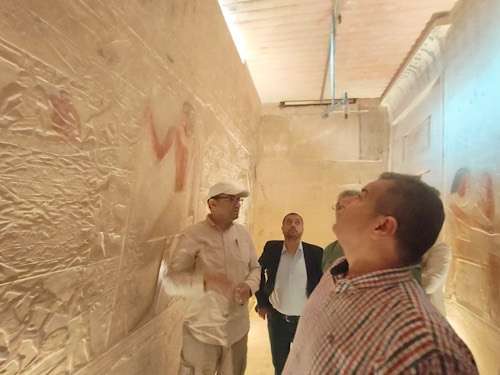
Egypt’s top antiquities official inspects Saqqara, Mit Rahina sites
The secretary‑general of Egypt’s Supreme Council of Antiquities, Hisham El‑Leithy, carried out an inspection tour on Thursday of the archaeological areas of Saqqara, Abusir and Mit Rahina to review ongoing restoration and development works
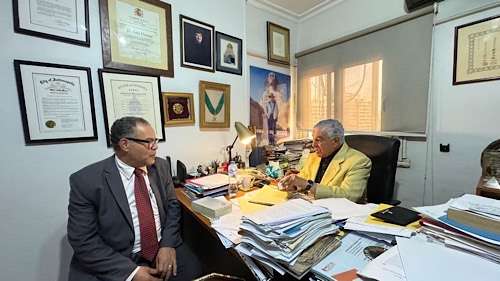
Hawass Foundation names Abdel‑Maqsoud to head Canal–Sinai branch
Abdel‑Maqsoud is regarded as one of Egypt’s leading field archaeologists.
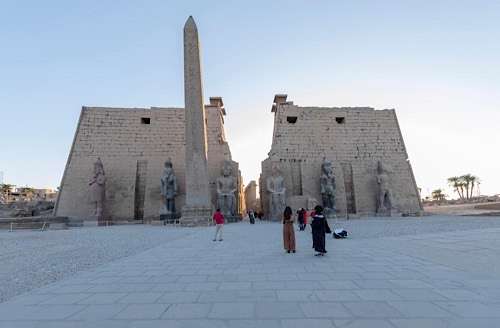
Luxor temples set for major restoration drive
The Ministry of Tourism and Antiquities said the programme, carried out by the Supreme Council of Antiquities, has begun at Luxor and Karnak temples on the east bank and at the temples of Hatshepsut and Seti I tucked against the rugged cliffs of the west bank.
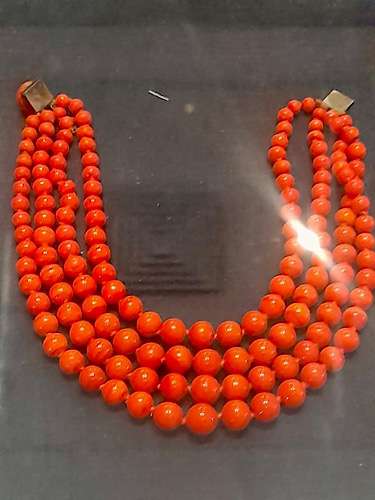
Egypt’s Royal Carriages Museum unveils rare women’s jewellery in new exhibition
The exhibition features seven unique pieces of jewellery and decorative items that highlight the finesse of traditional Egyptian handicrafts, the diversity of materials used, and the aesthetic taste associated with Egyptian women’s heritage.
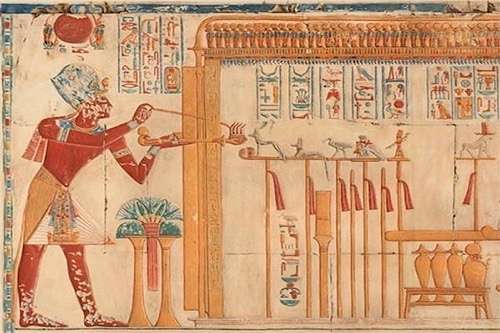
Frankincense: the ancient “white gold” that shaped empires and trade routes
Frankincense itself comes from the rare Boswellia tree, which grows almost exclusively in Oman, Yemen, Somalia and parts of the Horn of Africa near the Bab al‑Mandeb strait.
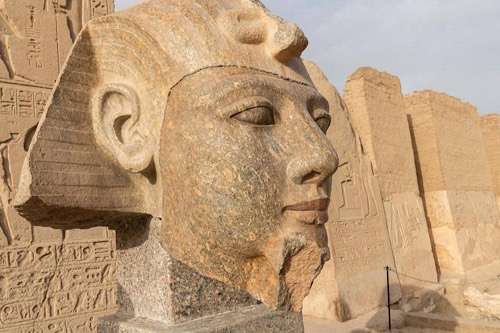
Egypt announces restoration of granite head of Ramses II at Abydos temple
The face measures about 67 centimetres and weighs about 300 kilograms. It was found in good condition with traces of red and yellow pigments
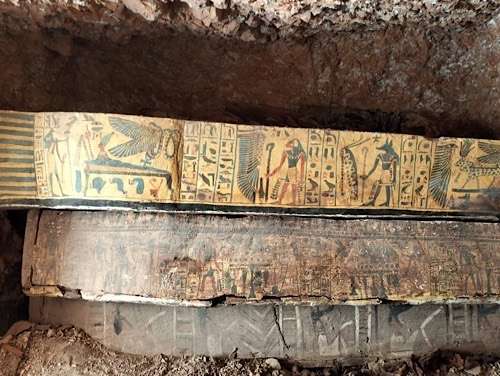
Egypt announces major archaeological discovery in Luxor’s West Bank
Zahi Hawass, called the discovery “exceptional,” revealing new insights into the Third Intermediate Period—a time in ancient Egyptian history that still holds many mysteries. He said the find provides a wealth of information about this era.
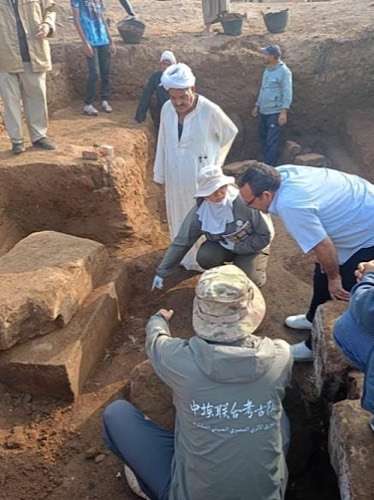
Egypt-China team uncovers temple remains of King Apries
The discovery was made at the Tell el-Aziz site in the Mit Rahina area of Giza, a location rich in remains from the ancient city of Memphis.
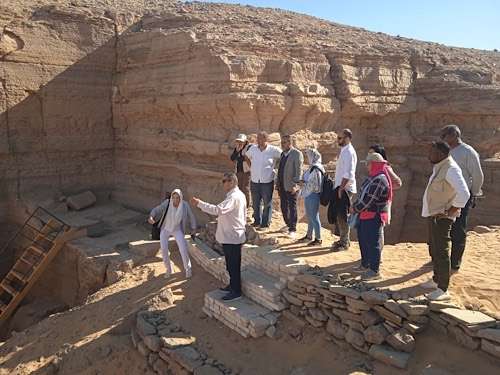
Egypt advances heritage development with new projects across Aswan
Secretary‑General of Egypt’s Supreme Council of Antiquities, conducted an extensive inspection tour of several key archaeological sites in Aswan to monitor development and conservation projects across the region.

Egypt appoints new acting Secretary-General for Supreme Council of Antiquities
He is the first Egyptian archaeologist to be appointed Honorary Researcher at the University of Oxford’s Griffith Institute
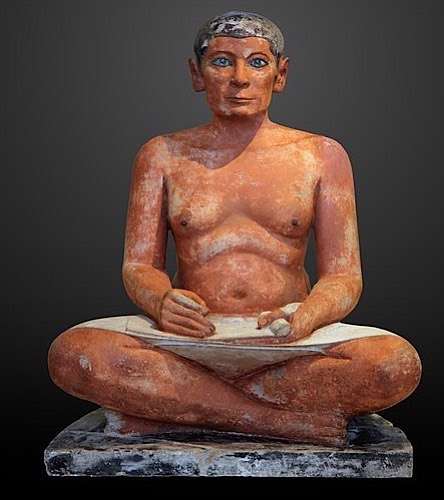
Egyptian Archaeologists Day: Honoring keepers of heritage
This day traces its roots to a transformative moment on January 14, 1953, when Mostafa Amer became the first Egyptian appointed as head of the Department of Antiquities
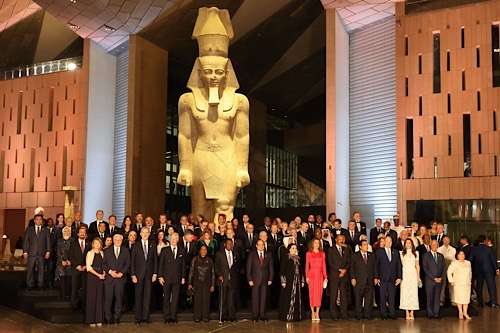
2025: A banner year for heritage and tourism
As 2025 draws to a close, Egypt stands at the heart of world heritage, celebrating a year defined by extraordinary leaps in tourism and antiquities.
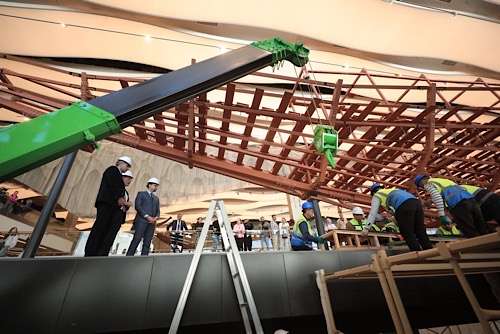
Egypt unveils restoration of Khufu’s second solar boat
This event marks the beginning of the most significant phase in an extraordinary archaeological project: the complete reassembly of the 4,500-year-old royal vessel
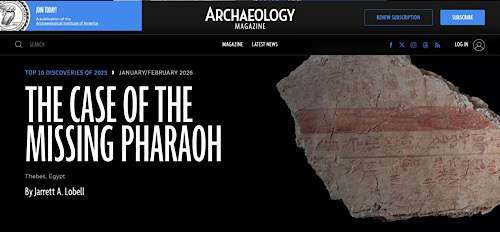
Thutmose II tomb named top 10 discovery of 2025 by Archaeology magazine
This marks the first royal tomb from Egypt's 18th Dynasty uncovered since Howard Carter's famous discovery of Tutankhamun's tomb in 1922.
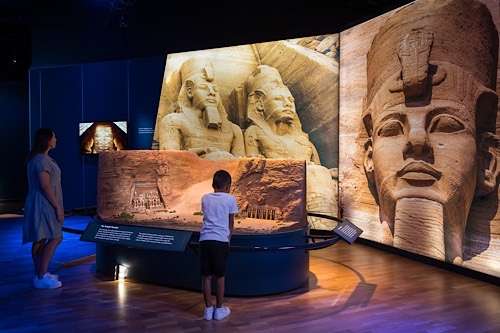
London prepares to welcome Ramses
In anticipation of the highly awaited "Ramses and the Gold of the Pharaohs" exhibition opening in London in February
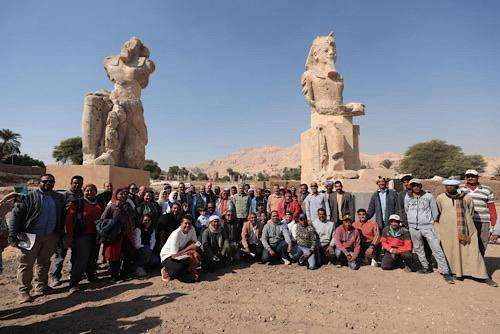
Egypt unveils two restored giant statues of Amenhotep III in Luxor
These statues, each standing over 13 meters tall, were painstakingly reconstructed from thousands of fragments scattered
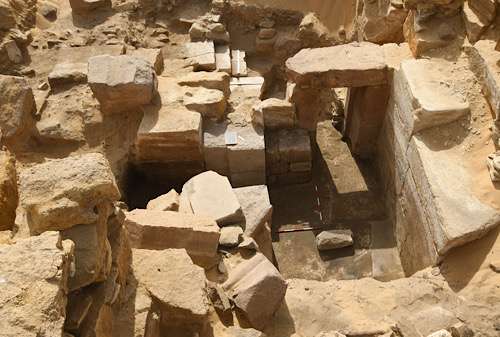
Remains of King Nyuserre’s Valley Temple discovered in Abusir
Absolutely! Here’s the main point in the shortest form: Italian archaeologists found major parts of King Nyuserre’s sun temple, revealing new details about ancient Egypt.
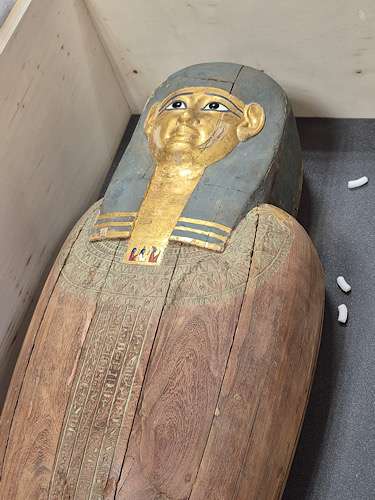
‘Leave Egypt illegally? We’re bringing you back’: Stolen artefacts returned from Belgium
Egypt has welcomed home two precious artifacts, recently recovered from Belgium. Their return is part of a decades-long journey of diplomacy, perseverance, and love for cultural heritage
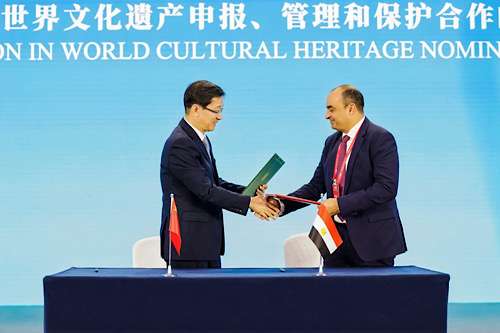
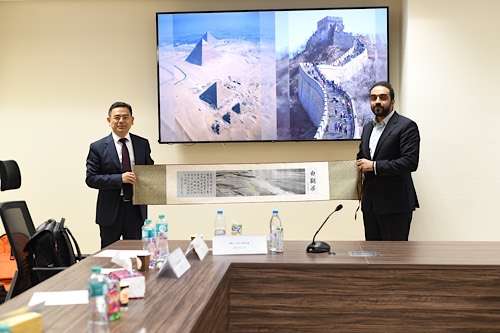
Egypt and China sign major cultural heritage co-operation agreement
A joint task force of Egyptian and Chinese experts will be established to oversee and implement the agreed projects and programs.
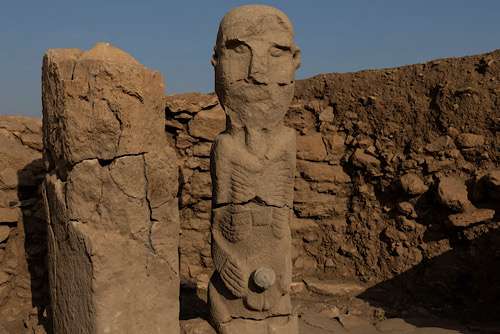
New discoveries in southeast Turkey shed fresh light on the Neolithic era
Among the most striking finds is a life-sized human statue whose facial expression appears to depict a deceased person—the first known representation of death in Neolithic sculpture and a rare window into early beliefs about mortality and the afterlife.
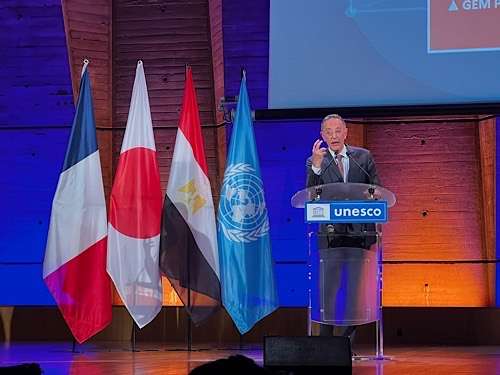
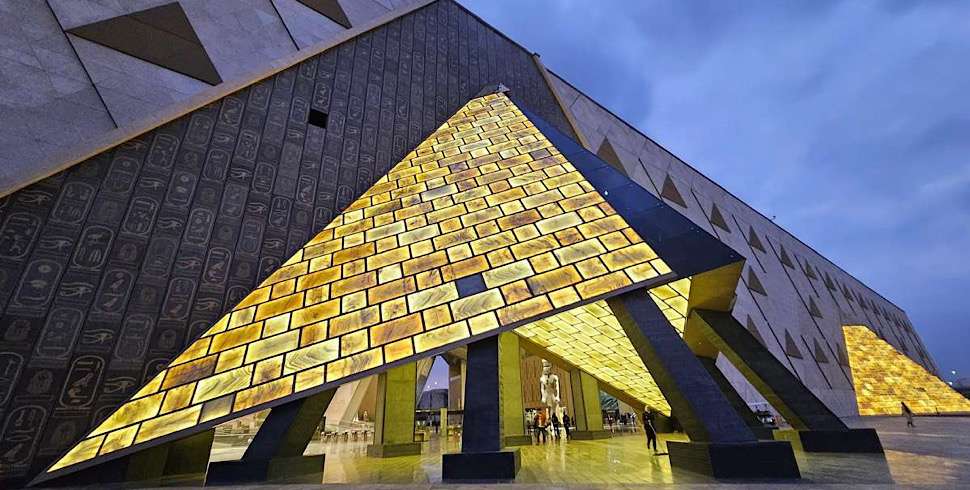
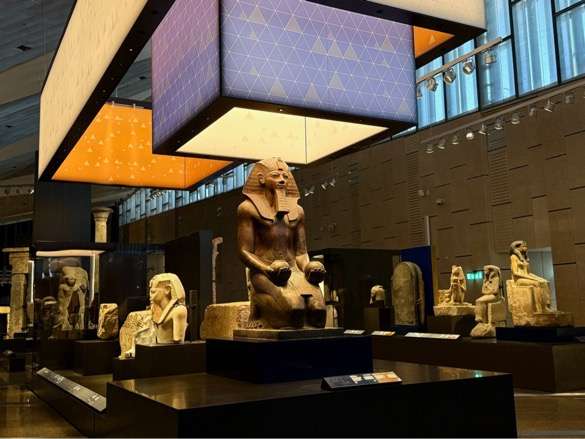
The Grand Egyptian Museum shines at UNESCO
CEO of the Grand Egyptian Museum presented at a key UNESCO event in Paris, highlighting the museum’s global importance and Egypt’s dedication to preserving ancient heritage.
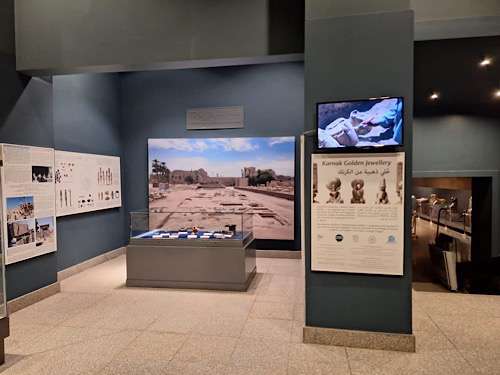
Egypt to reopen Luxor Museum’s Cachette Hall with modern visitor experience
The project is set to present Luxor’s famous cachette, a discovery often called one of the most fascinating archaeological finds of modern Egypt, in an engaging, contemporary display.
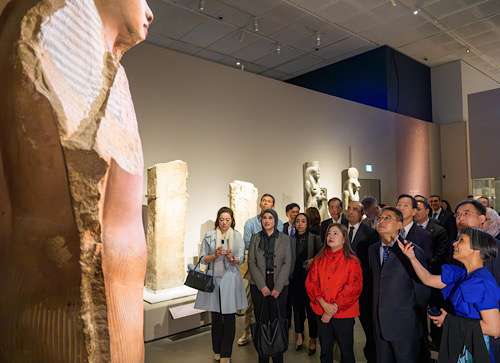
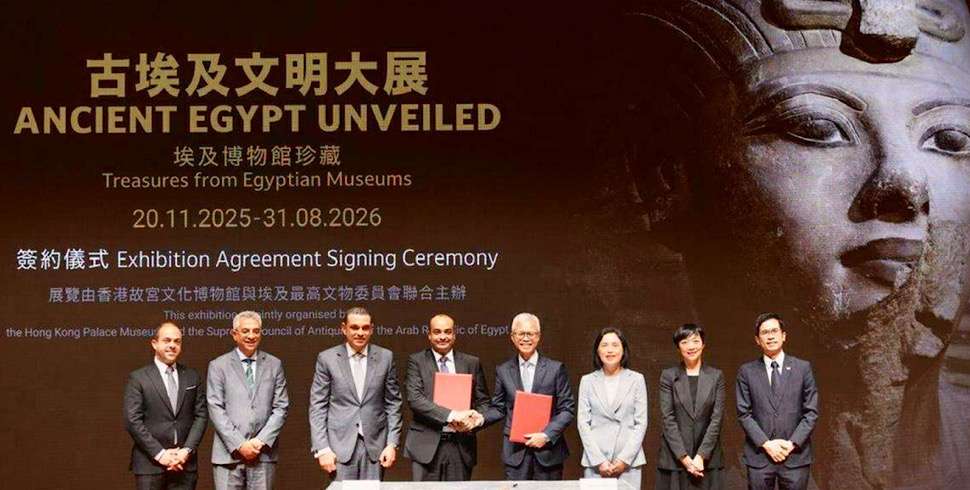
Ancient Egypt shines in Hong Kong
Running until August 31, 2026 the exhibition displays 250 artifacts from five of Egypt’s most distinguished museums
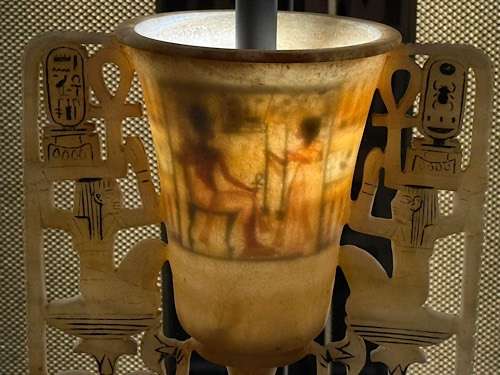
Tutankhamun’s Magical Lotus Lamp: Ancient love revealed by light
Tutankhamun’s alabaster lamp reveals a hidden image of him and his queen when illuminated, highlighting ancient Egyptian artistry and love.
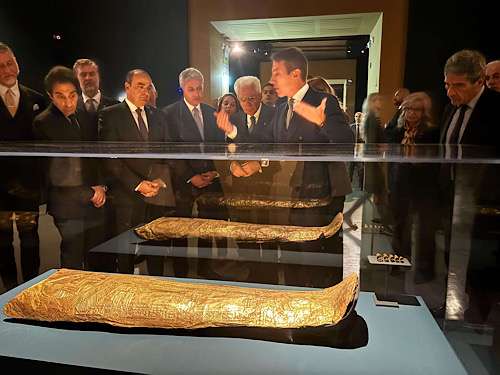
'Treasures of the Pharaohs' brings Ancient Egypt to Rome
The exhibition, which opens to the public on October 24, and runs until May 2026, showcases 130 meticulously curated artifacts that pulse with the soul of ancient Egypt.
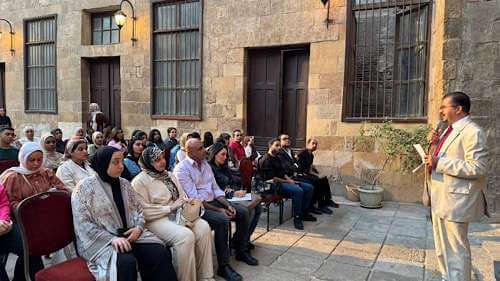
Zahi Hawass Foundation hosts lecture on Abu Simbel Temples in Cairo
The lecture shedding new light on the historical, spiritual, and global significance of Egypt’s Abu Simbel Temples, and highlighting the remarkable international efforts to preserve this ancient wonder.
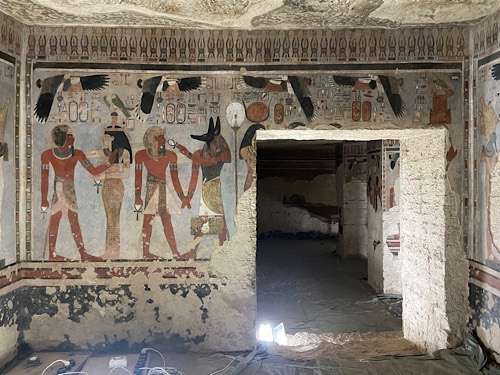
Egypt reopens Tomb of King Amenhotep III after 20 years of restoration
This achievement is the result of a joint project between Egypt’s Supreme Council of Antiquities and Japan’s Waseda and Higashi Nippon Universities, with the vital support of UNESCO and the Japanese government
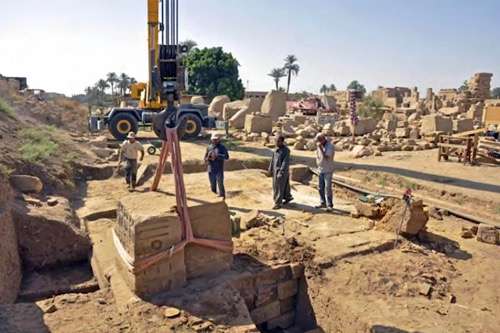
New archaeological discovery at Karnak Temples uncovers Greco-Roman stela
The stela was found close to the pathway leading to the Temple of Ptah, located in the northern part of the Karnak complex.
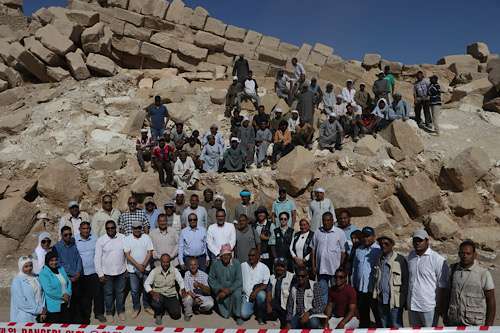
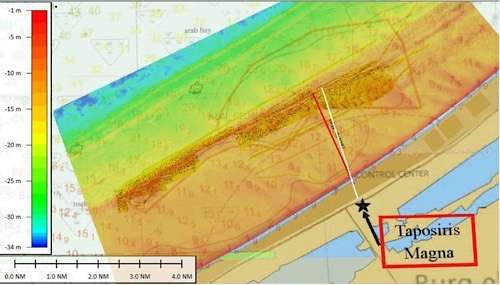
Ancient harbor unveiled beneath Alexandria’s waves
An international team of archaeologists has uncovered compelling evidence for a long-lost submerged harbour, that once connected the ancient Temple of Taposiris Magna directly to the sea.
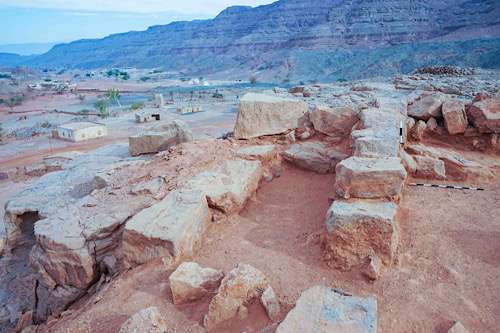
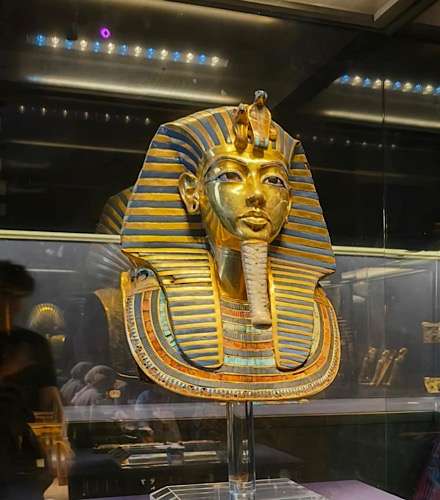
Tutankhamun’s treasures move to the Grand Egyptian Museum
King Tutankhamun’s entire collection will soon move to the Grand Egyptian Museum, where it will be displayed together for the first time. The current gallery in Tahrir will close on October 20 to prepare for this exciting new chapter.
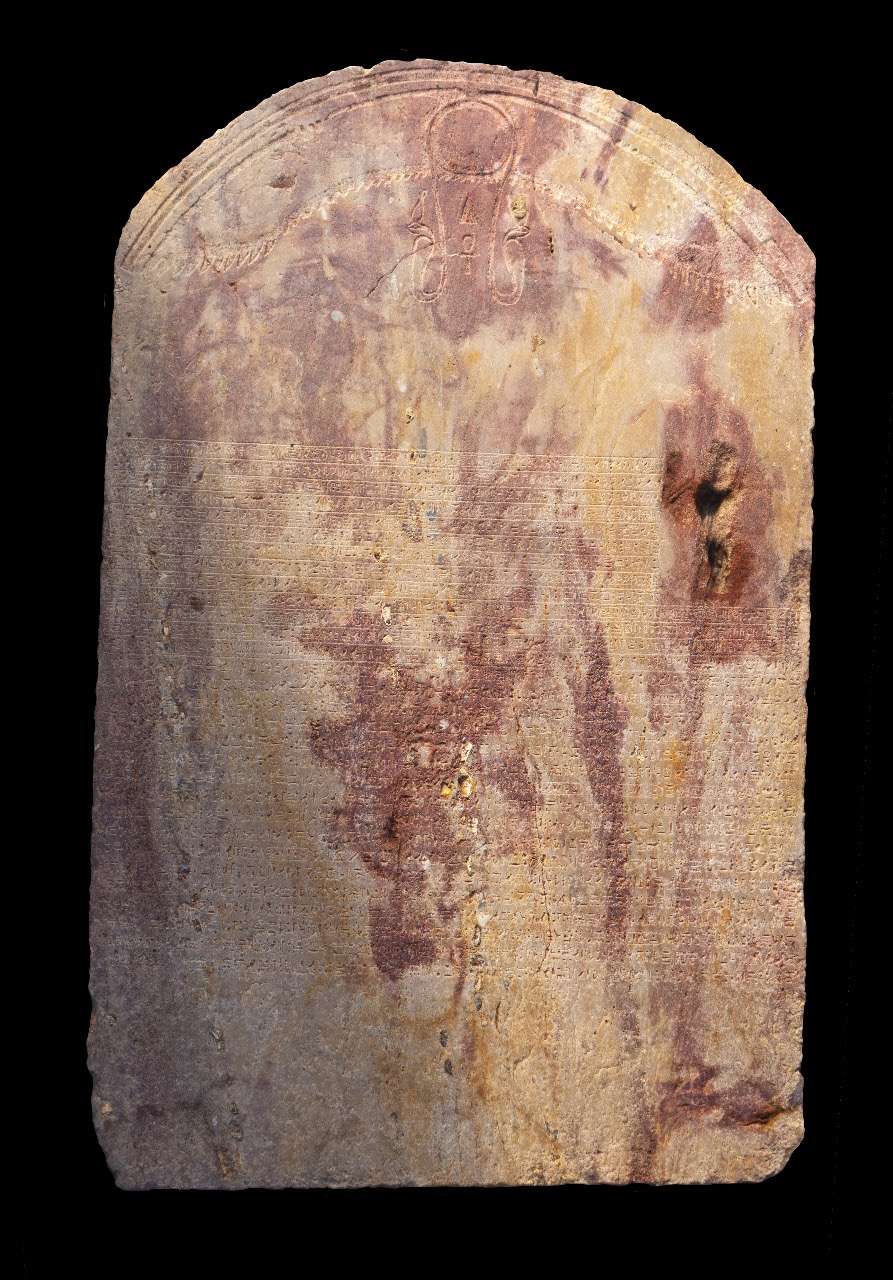
Complete new version of ancient Canopus Decree discovered in Egypt
This is the largest discovery of its kind in over 150 years, as no complete new version of the decree has been found since the mid-19th century.
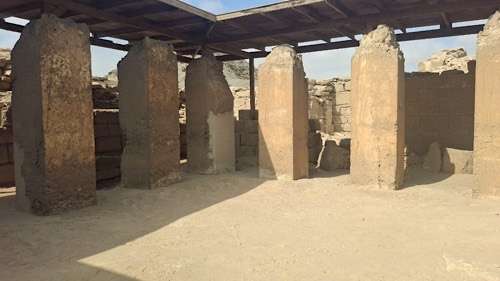
Egypt confirms ancient Abu Sir tomb unharmed after viral video
Egypt's Ministry of Tourism and Antiquities confirms that the ancient Ptahshepses tomb at Abu Sir is undamaged and in good condition, following rumours sparked by an old viral video.
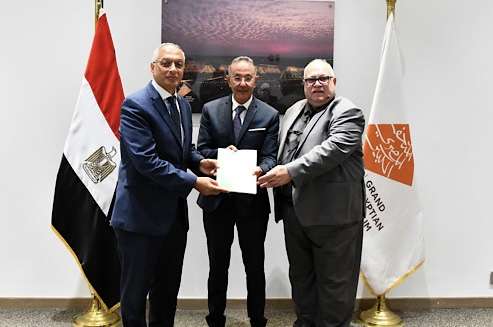
Grand Egyptian Museum earns greenhouse gas report certification ahead of opening
This achievement highlights the museum’s role as a global leader in environmental responsibility and green tourism.
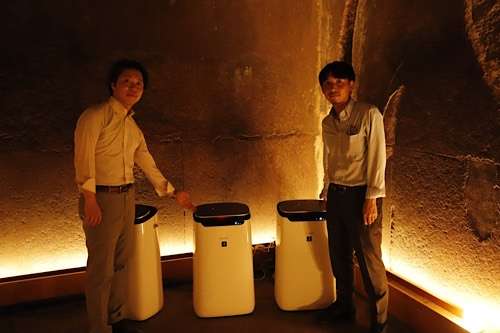
State-of-the-art air purification installed inside the Pyramid of Khufu
Advanced air purifiers with Plasmacluster technology have been installed inside the Great Pyramid of Khufu to protect the ancient monument and improve air quality for visitors.
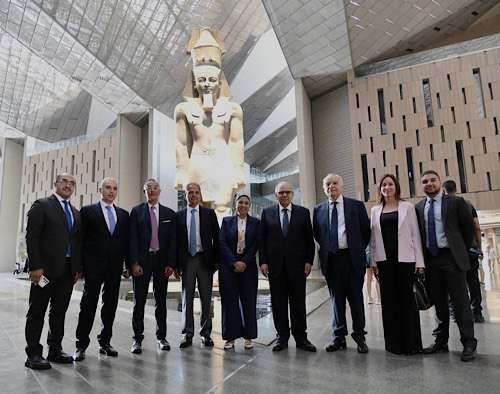
Lebanese delegation celebrates ancient Egyptian civilization at Grand Museum Museum
Lebanon’s Prime Minister and an official delegation visited Egypt’s Grand Egyptian Museum, expressing admiration for the museum’s exceptional preservation of ancient Egyptian heritage and its world-class cultural exhibits.
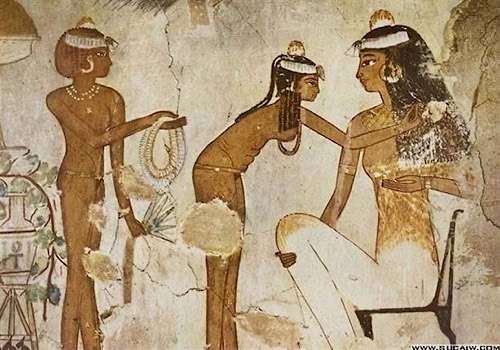
Ancient Egyptian pregnancy mysteries: The world’s first gender reveal?
Ancient Egyptians ingeniously used everyday items like seeds and milk to test for pregnancy, predict a baby’s gender, and check fertility—showing their early curiosity and inventiveness about life’s beginnings.
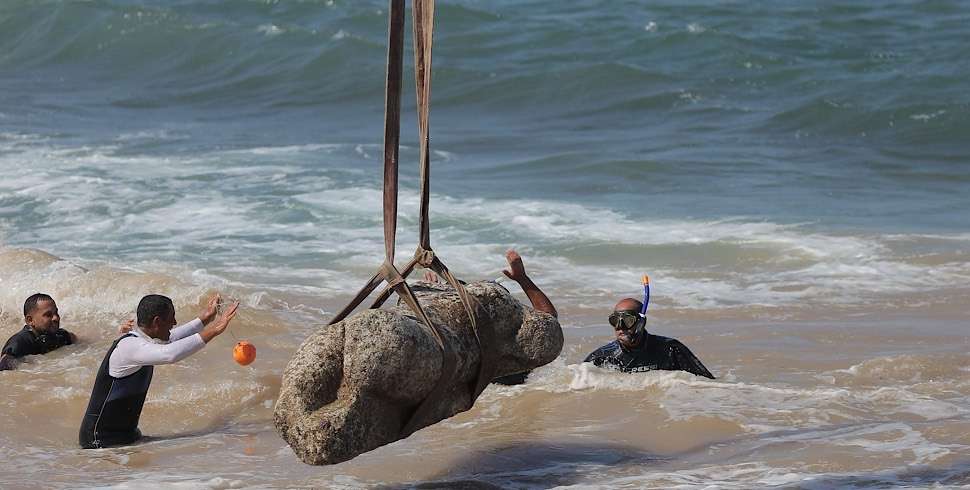
Egypt’s sunken cities: Alexandria’s underwater marvels rewrite ancient history
Recent underwater discoveries in Alexandria are revealing lost ancient cities, reshaping our understanding of Egypt’s history and exciting the world.
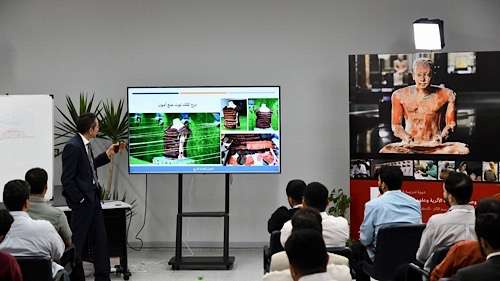
GEM unveils cutting-edge training initiative to preserve artifacts
The Grand Egyptian Museum (GEM) launched a comprehensive four-week training initiative dedicated to the art and science of restoring and preserving archaeological artifacts.
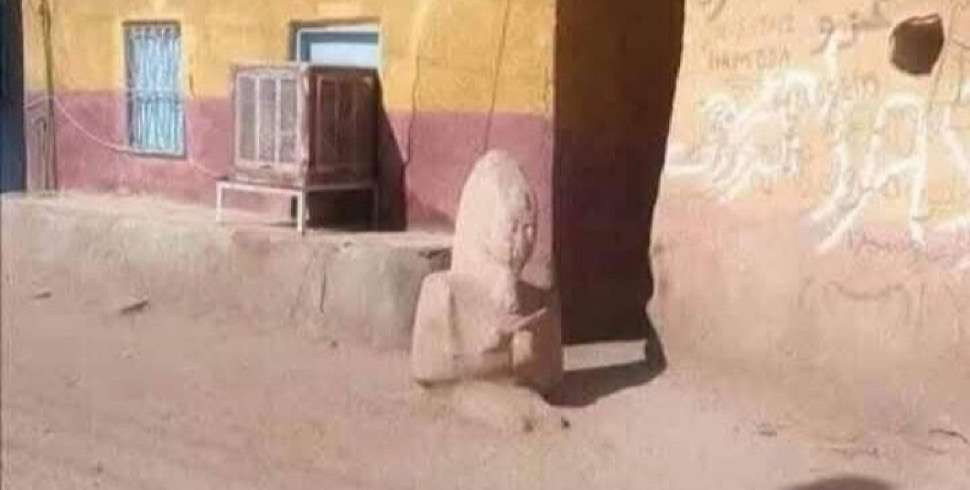
The statue of King Senusret I: A timeless guardian of a Nubian village
The statue of King Senusret I, a Twelfth Dynasty ruler (1971–1926 BCE), is carved into the bedrock of a Nubian village on Elephantine Island, Aswan.
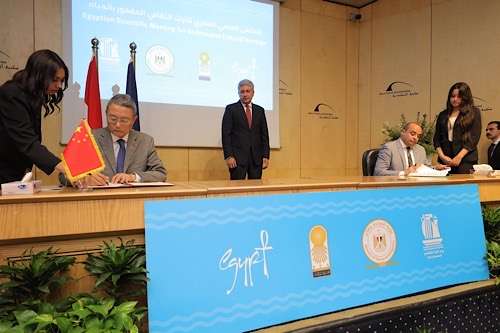
Egypt and China sign landmark agreement to protect underwater cultural heritage
Egypt and China have agreed to work together to protect and study underwater cultural heritage, setting up a joint center in Alexandria to share knowledge and discoveries.
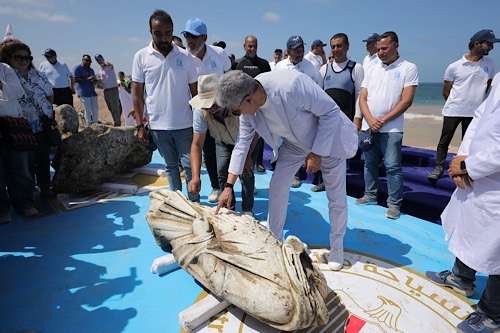
Egypt recovers major artifacts from Abu Qir Bay in historic underwater excavation
This marks the first recovery operation of sunken antiquities in 25 years in the Abu Qir area of the Mediterranean city of Alexandria.
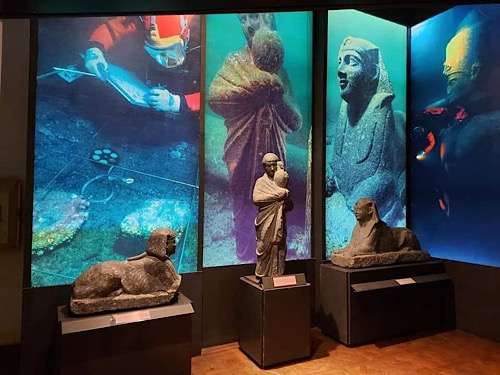
Egypt unveils sunken treasures exhibition, showcasing global archaeological significance
Egypt’s new Sunken Antiquities Exhibition at the Alexandria National Museum highlights the country’s global archaeological importance by showcasing rare underwater discoveries.
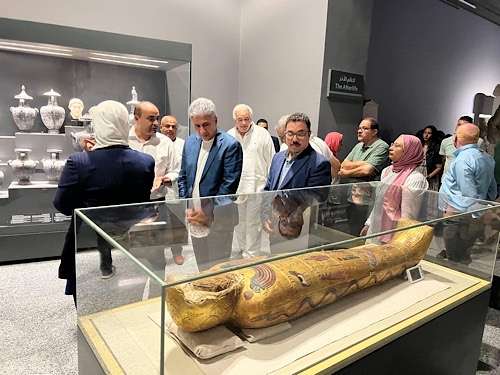
Egypt’s Minister of Tourism and Antiquities champions Alexandria’s cultural revival
Egypt’s Minister of Tourism and Antiquities visited Alexandria’s Greco-Roman Museum and Qaitbay Citadel, directing officials to develop a new tourism promotion plan to highlight the museum and integrate Alexandria’s archaeological sites into global travel itineraries.
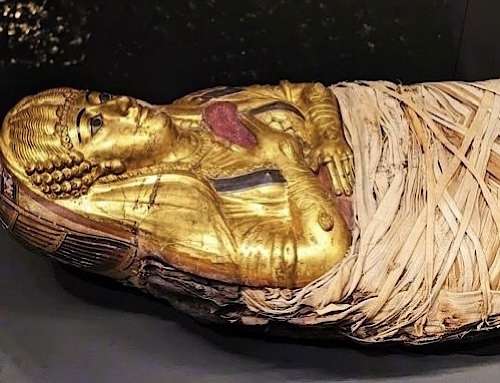
Grand Egyptian Museum prepares for historic unveiling with temporary closure
Ahead of its much-awaited official opening on November 1, the museum will close its doors temporarily from October 15 to November 4
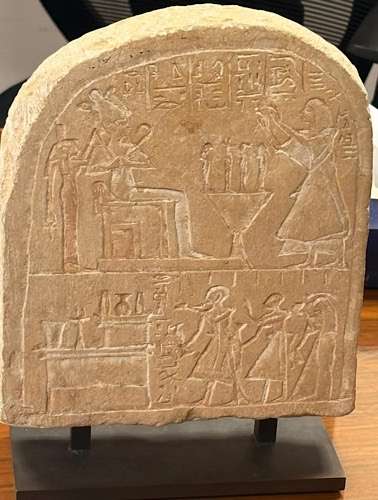
Egypt reclaims 13 ancient artefacts from the United Kingdom and Germany
These valuable pieces of Egypt’s heritage have now been safely returned to the Egyptian Museum in Cairo, where they will be preserved and displayed for the public.
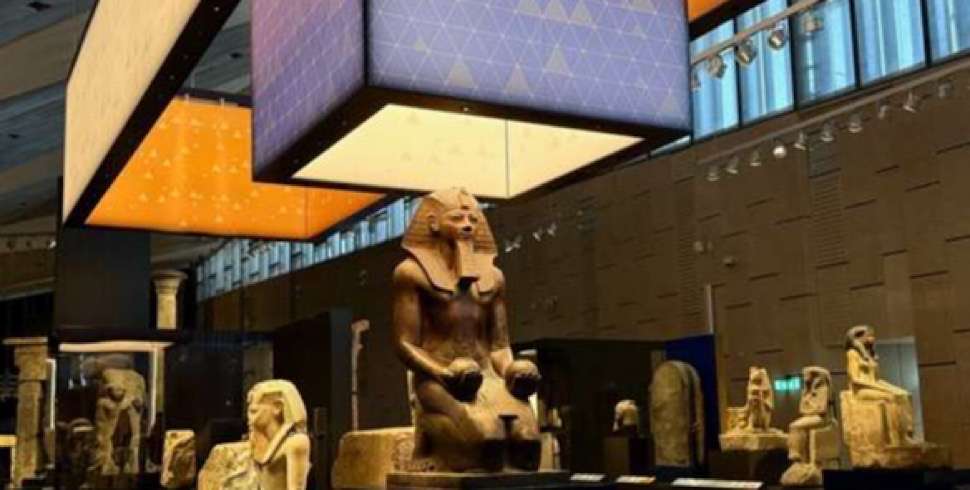
Egypt sets Grand Egyptian Museum opening for November 1st
Egyptian Prime Minister has confirmed that President Abdel Fattah El-Sisi has approved November 1st, 2025, as the official opening date for the highly anticipated Grand Egyptian Museum
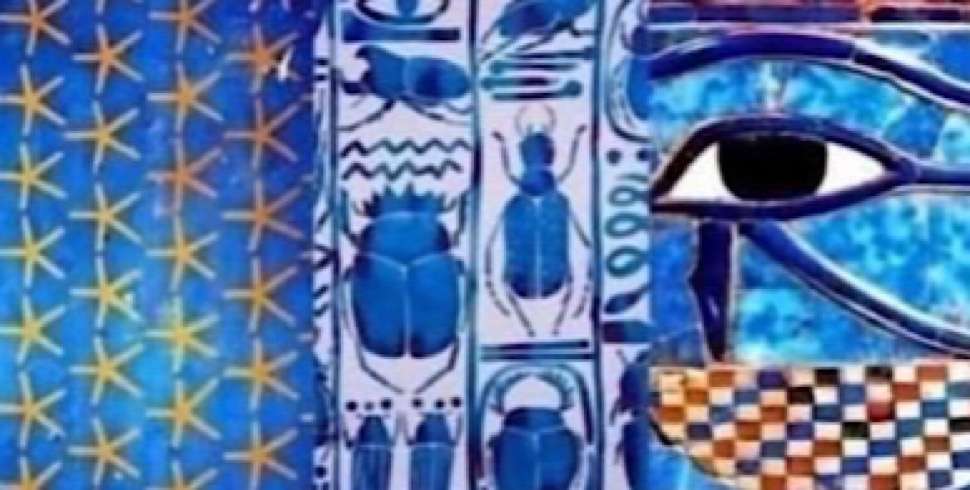
Ancient Egypt’s Egyptian blue: The World’s first artificial pigment
Researchers and historians have long marveled at the vibrant colors that decorated ancient Egyptian art and tombs.
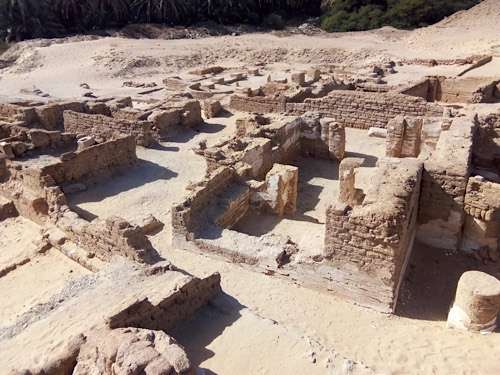
Major discovery sheds light on Egypt’s early Christian era
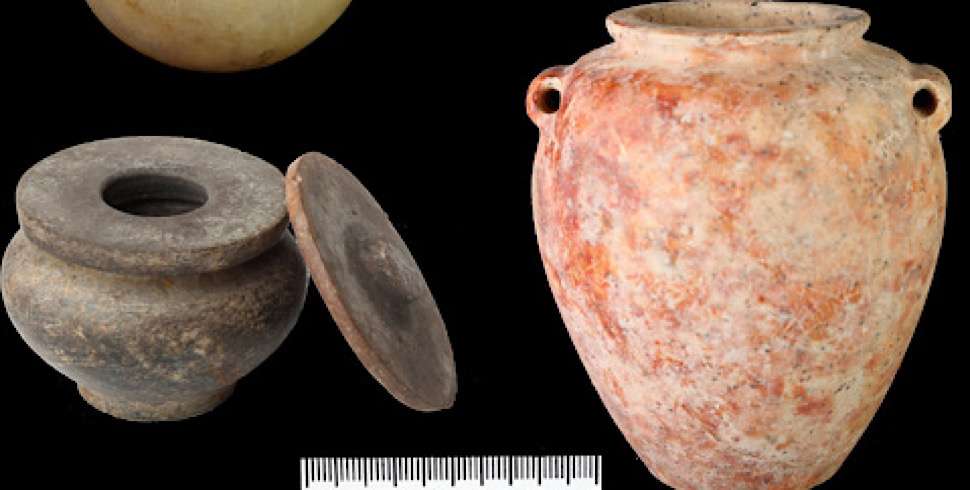
An Egyptian archaeological mission has uncovered the remains of the principal residential city of the Kharga Oasis, revealing critical evidence from the early Coptic period during Egypt’s transition from paganism to Christianity
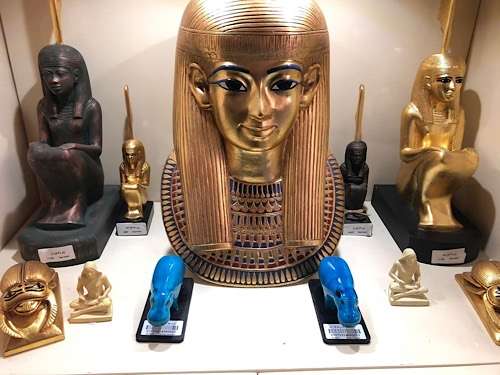
Konouz: Egypt’s bridge between ancient wonders and modern artistry
Konouz has been dedicated since its founding in 2021 to the art of replicating Egypt’s priceless heritage with breathtaking precision.
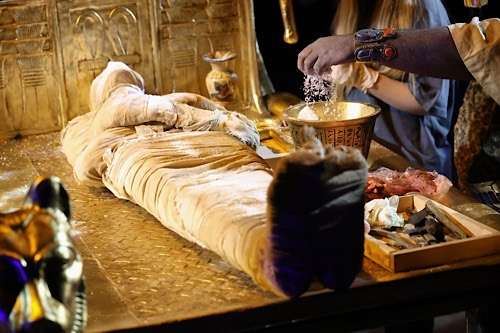
Egypt stages first live interactive mummification ritual
The performance faithfully re-enacted the mummification ceremony as practiced by ancient priests.
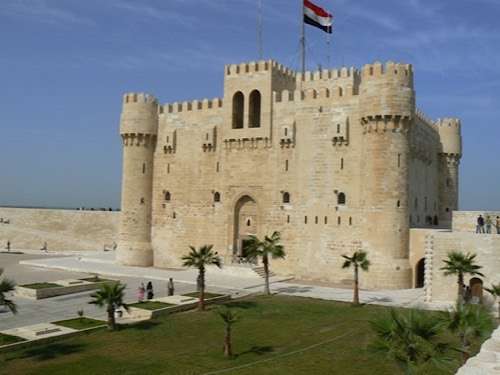
Experience Alexandria’s magic — Free heritage sites and museums for all on July 24
The initiative marks Alexandria’s National Day – a festive occasion honouring the city’s storied heritage and vibrant cosmopolitan spirit.
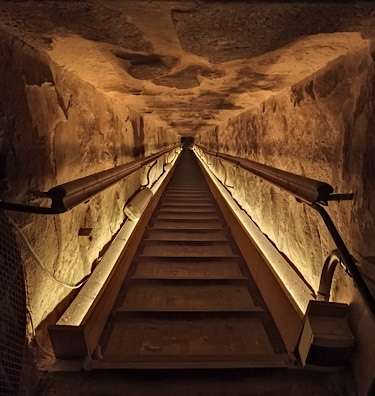
Egypt’s Pyramids glow with new eco-friendly lighting
For the first time, visitors from around the world can experience the interiors of Khufu, Khafre, and Menkaure pyramids aglow with innovative LED lighting.
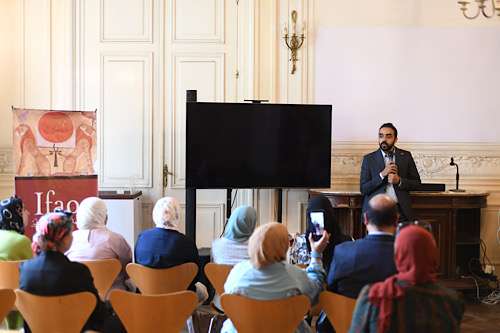
Egypt, France train 40 archaeologists to boost research skills
Egypt’s Ministry of Tourism and Antiquities and the French Institute for Oriental Archaeology have completed specialized training programs to enhance the research skills of 40 Egyptian archaeologists, preparing a new generation of experts to protect and promote the nation’s heritage.
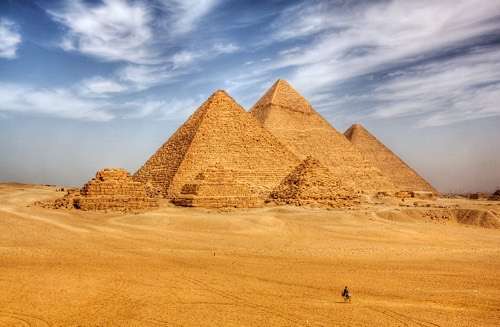
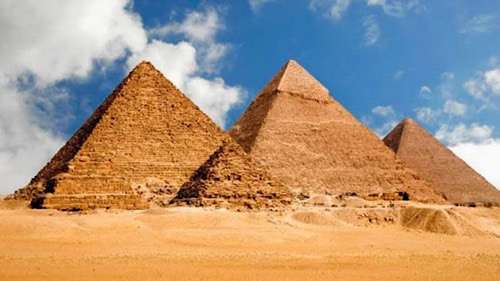
Egypt’s Pyramids lead the 7 must-visit ancient sites across the globe
The National Geographic reports that Egypt’s Pyramids of Giza remain rightfully at the forefront of must-see ancient sites, capturing the awe and imagination of history lovers everywhere.
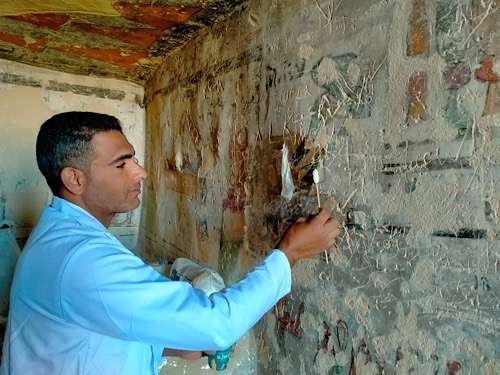
Tomb of the Brothers brought back to life in Sohag
Although the tomb was first brought to light over 150 years ago, and famously documented by the British archaeologist Flinders Petrie in the early 20th century, it remains a hidden gem even today.
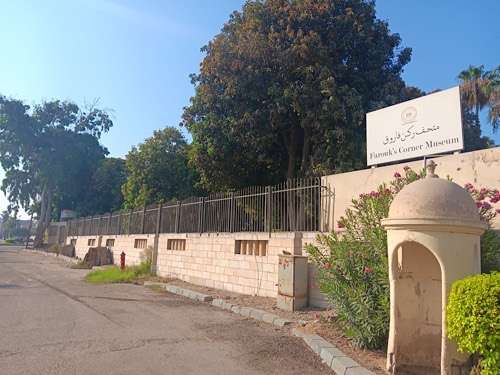
Egypt's Rokon Farouk Museum safe following false fire reports
Egypt assures the public that the museum is unharmed and safe. A nearby plant nursery fire was unrelated.
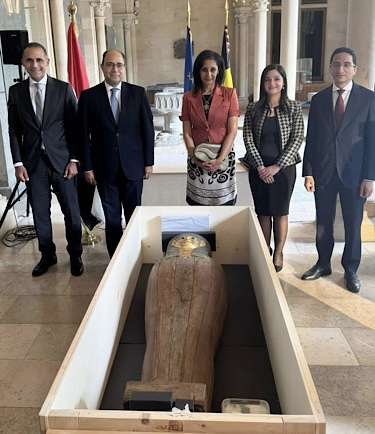
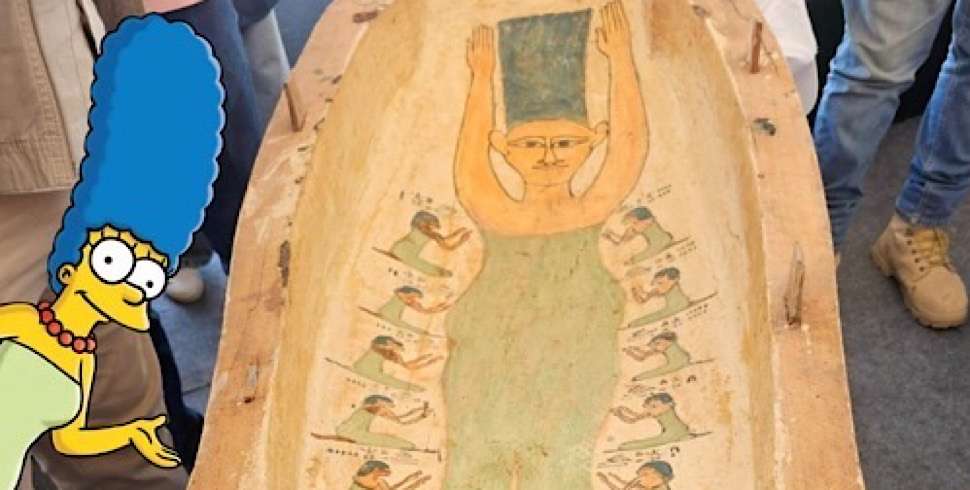
Egypt repatriates two ancient artefacts from Belgium
The first artefact is a decorated wooden coffin lid from the Ptolemaic era with gilded inscriptions. The second is a wooden beard from an ancient Egyptian statue.
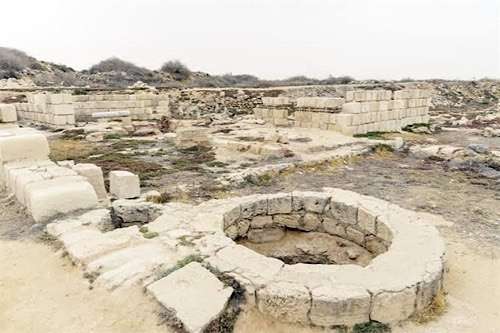
Abu Mena rises again: How Egypt saved a sacred jewel from danger
Once considered at risk of vanishing forever, Egypt’s ancient pilgrimage site of Abu Mena has just been declared safe by UNESCO.
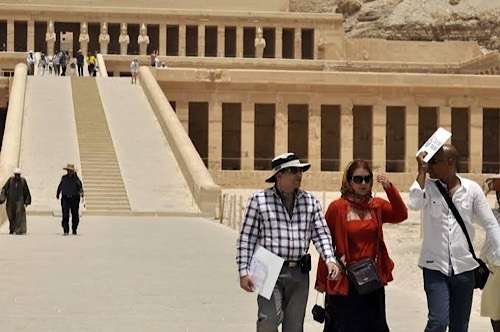
Egypt to adjust museum fees for Arab visitors
Starting January 2026, Arab tourists visiting Egypt’s world-famous museums and archaeological sites will see a change in entry fees.

Show more news