










































































































































































































































































































































































































































































































































































































































































































































































































































Friday, 09 October 2026
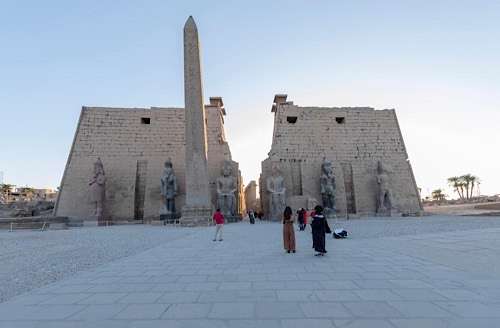
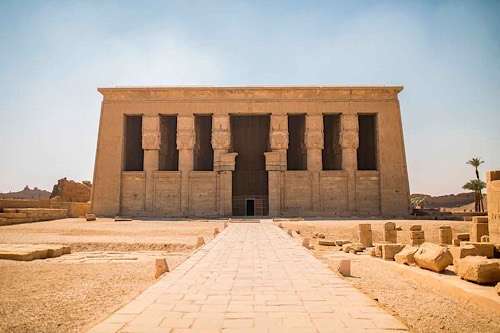
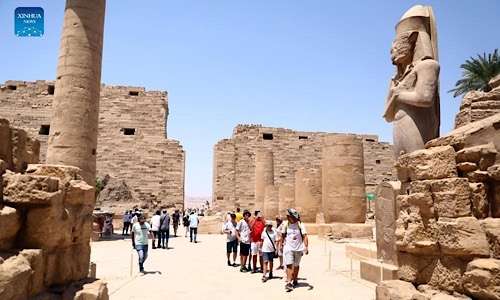
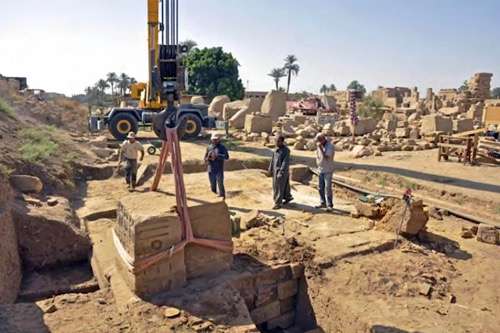
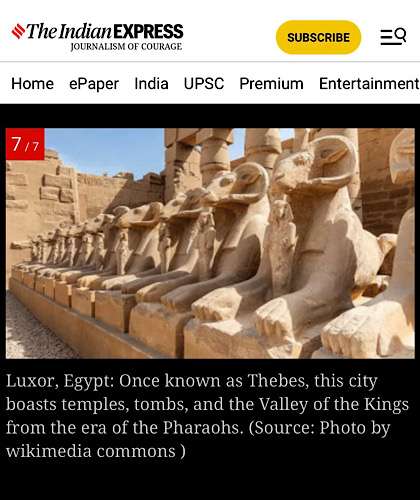
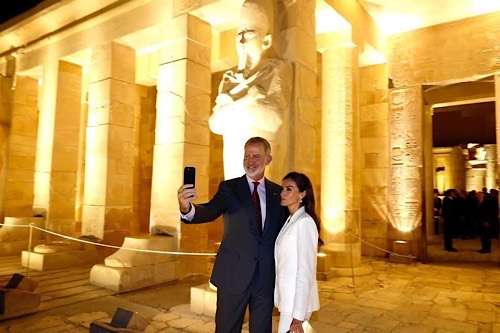
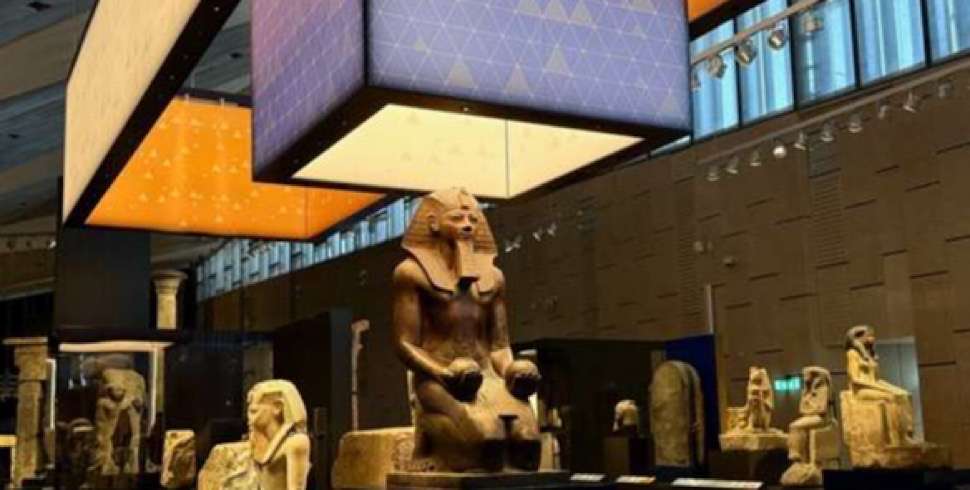
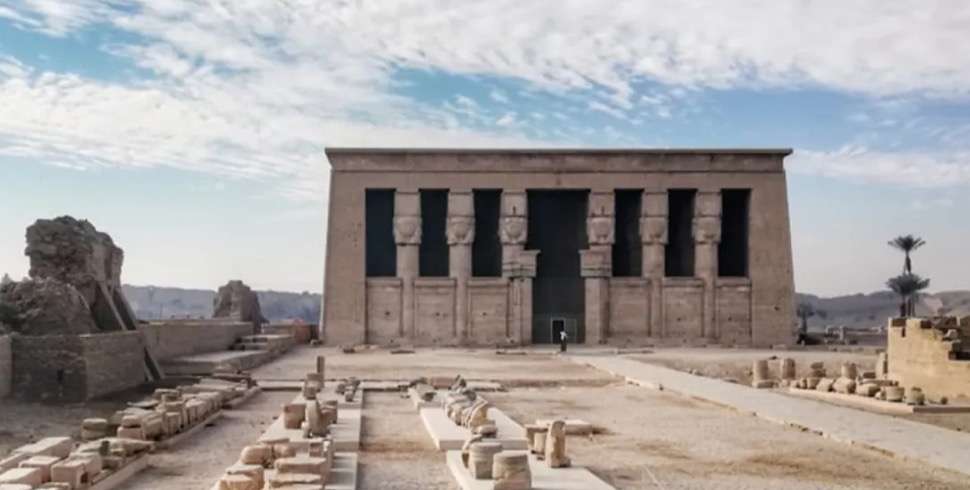
Beneath the vast skies of Luxor, where pharaonic columns rise like stone forests and desert winds curl around ancient walls, Egypt has launched an ambitious wave of restoration and development across some of its most storied temples. The works, spanning both banks of the Nile, aim to revive the grandeur of monuments that have stood for millennia while easing the path for the millions of visitors who flock to them each year.
The Ministry of Tourism and Antiquities said the programme, carried out by the Supreme Council of Antiquities, has begun at Luxor and Karnak temples on the east bank and at the temples of Hatshepsut and Seti I tucked against the rugged cliffs of the west bank.
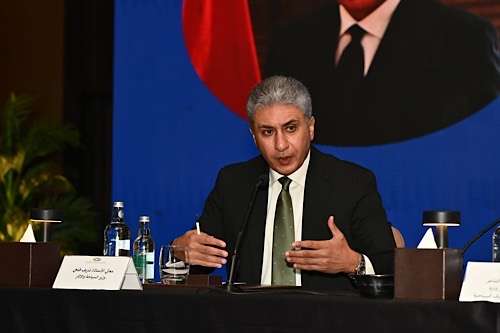
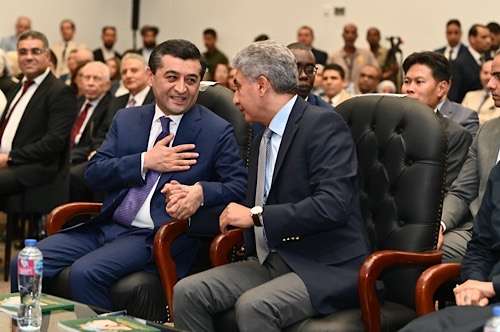
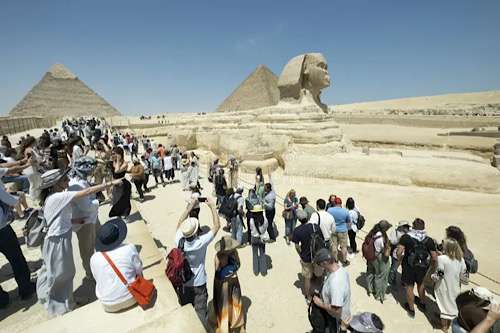
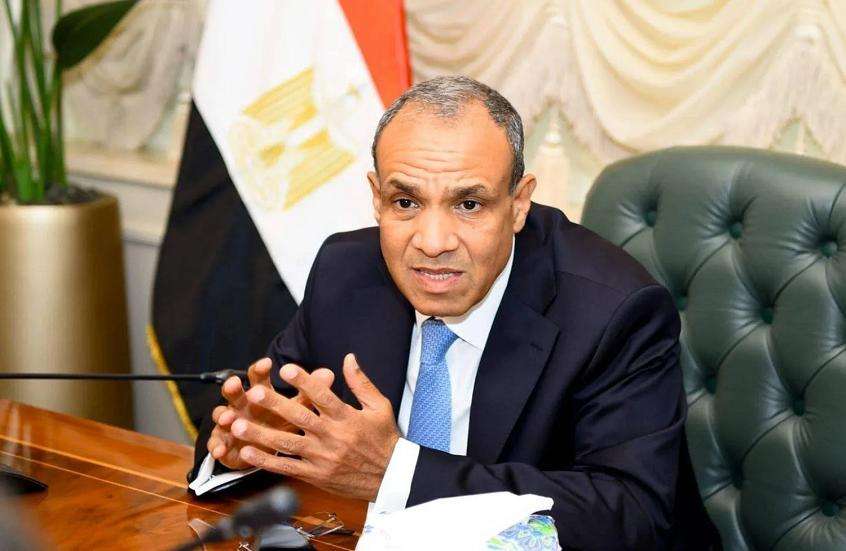
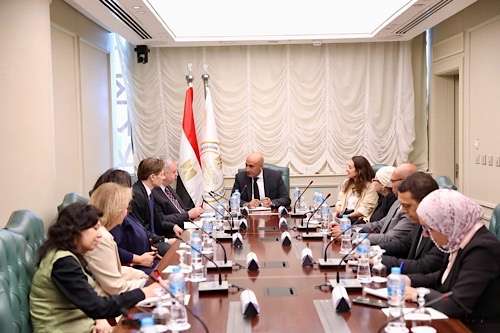
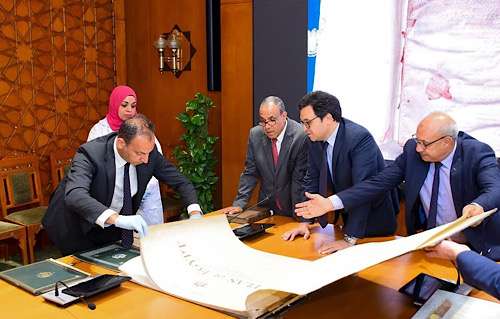
Tourism and Antiquities Minister Sherif Fathi said the restoration effort is advancing “on a precise timetable” to ensure completion before the winter tourism rush, when Luxor’s archaeological zones swell with travellers from around the world. The goal, he said, is not only to protect the monuments but to “offer a more complete and comfortable experience” that lets visitors appreciate the ancient sites at their fullest.
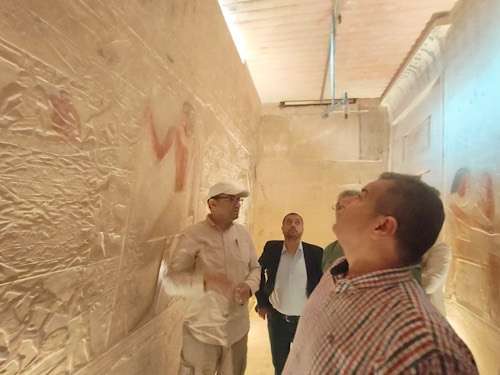
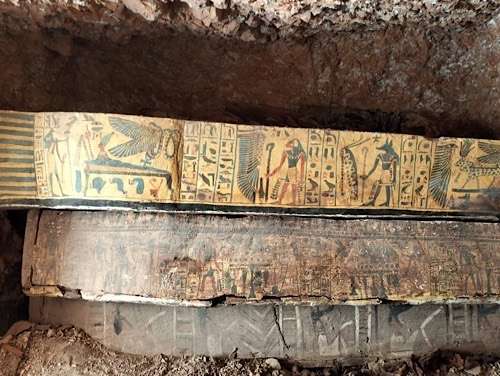
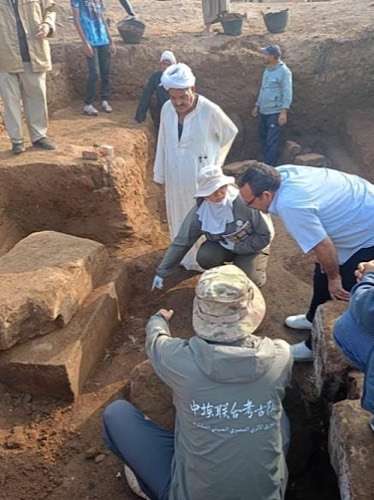
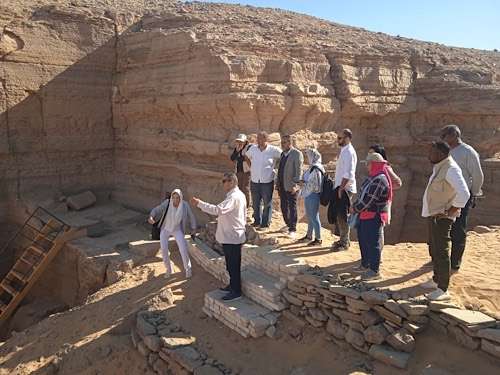
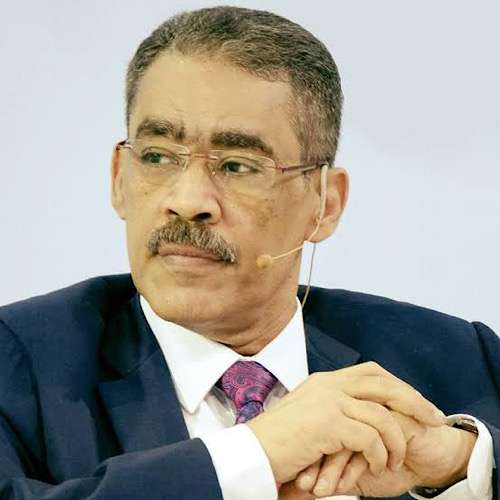
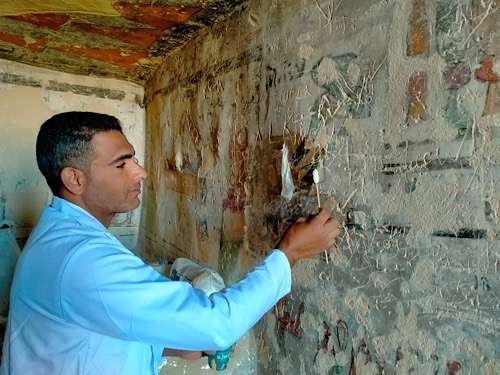
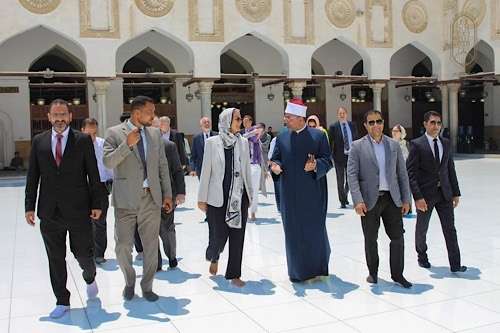
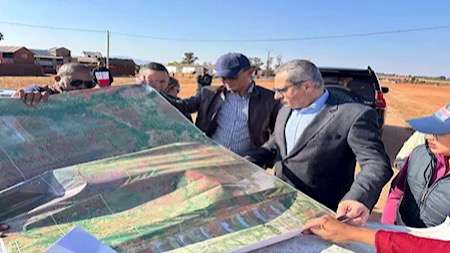
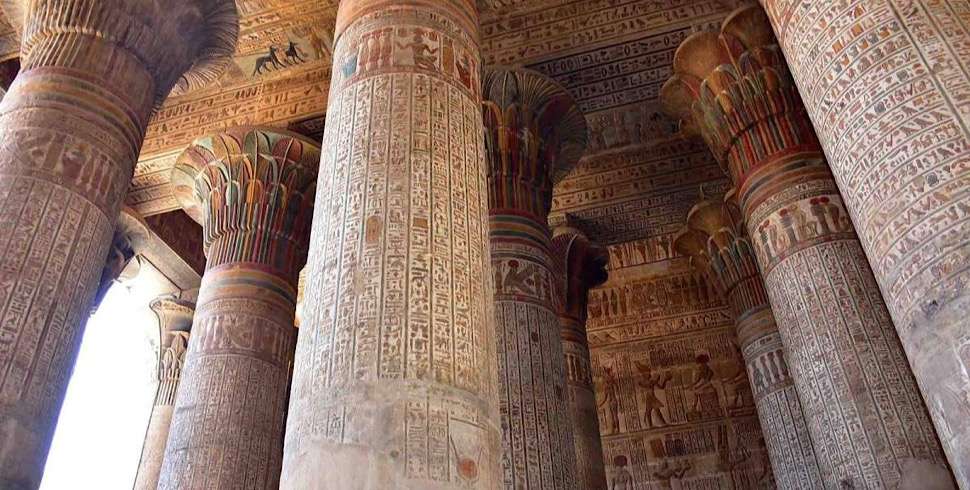
Hesham El‑Leithy, secretary‑general of the Supreme Council of Antiquities, said expert teams have begun working delicately across the temples, applying modern scientific methods to conserve structures whose stones still bear the colors, inscriptions and architectural brilliance of Egypt’s ancient dynasties. Recent inspection tours, he added, helped identify pressing needs at each site, enabling a tailored plan of upgrades.
At Karnak—the vast temple complex whose pylons and obelisks dominate Luxor’s eastern horizon—workers have begun modernising the control building for the extensive electronic surveillance system. A new study is in progress to expand coverage to the entire perimeter, creating a ring of cameras that will watch over the sprawling sacred precinct.
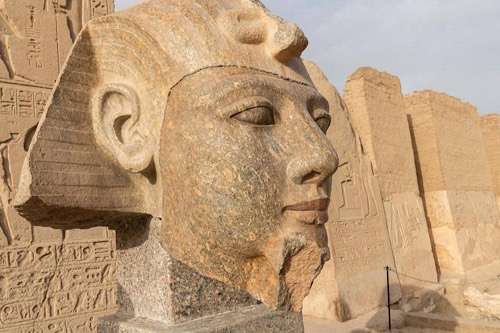
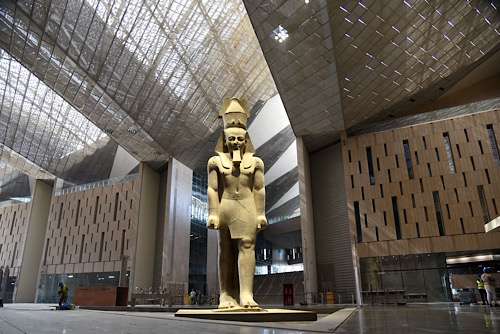
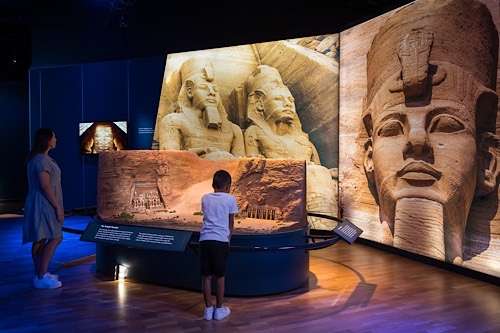
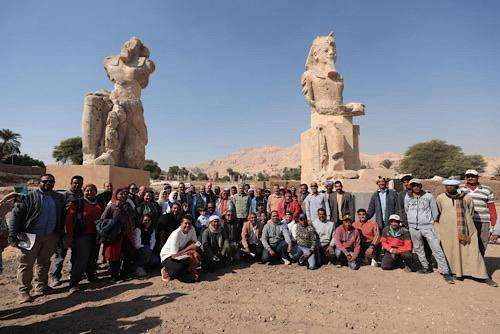
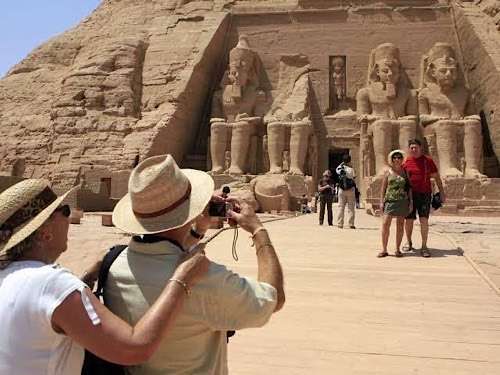
Across the avenue at Luxor Temple, home to colossal statues of Ramses II and a luminous forest of papyrus‑shaped columns, the entrance area is undergoing a major overhaul. The ministry plans to more than double the size of the entry hall to about 250 square metres. Six new entry gates will be added, along with more X‑ray scanning machines and ticketing points, to relieve congestion at the threshold where crowds often gather at peak hours.
Moamen Osman, head of restoration and archaeological projects at the council, said the current summer low season—from May to August—will be used to carry out the bulk of the works. During that period, the temple’s exit gate will temporarily serve as the main passage for both entry and exit. Broader shading structures and a redesigned frontage that echoes the temple’s ancient aesthetic are also planned.
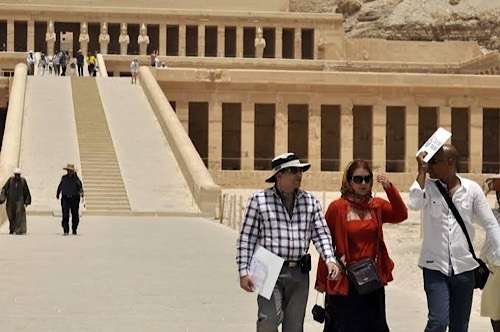
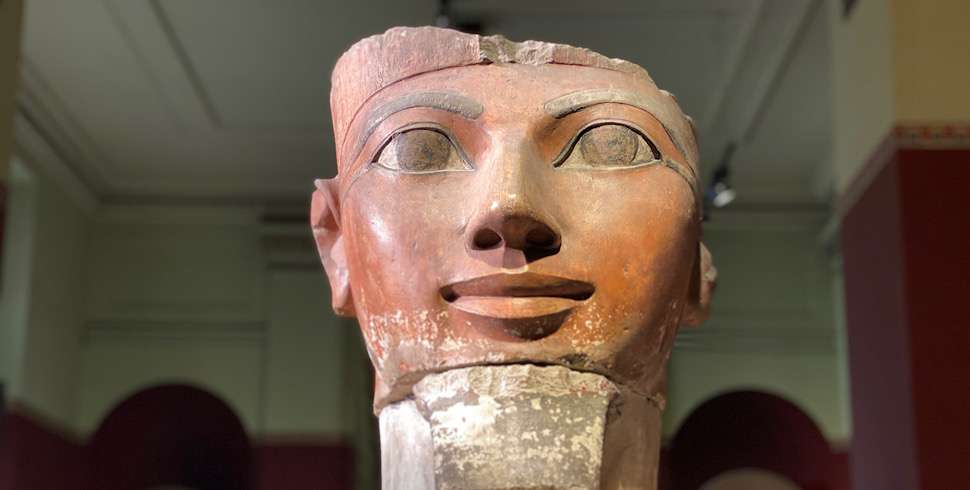
On the west bank, where the morning sun paints the cliffs in shades of rose and gold, the Temple of Hatshepsut is receiving a comprehensive upgrade. The visitor centre is being modernised and fitted with two X‑ray baggage scanners, while four new entrance gates with disinfection systems are being installed. Eleven electronic ticketing gates will help streamline the flow of tourists who climb the terraces of the mortuary temple built for Egypt’s famed female pharaoh.
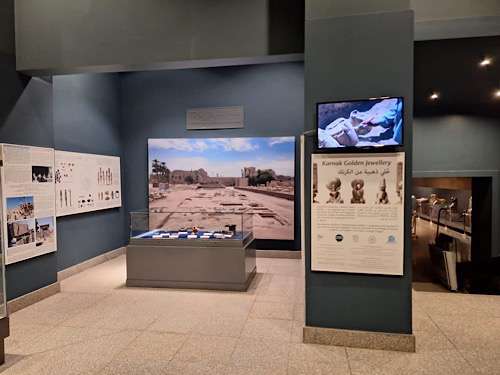
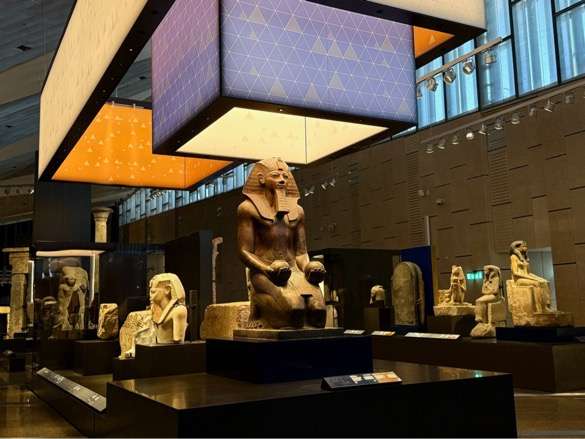
A new exhibition hall will feature seating and an interactive screen that brings the temple’s history to life, and the surveillance, audio and fire‑alarm systems are being fully updated. New shading structures now shelter visitors before and after they pass through the centre.
Mohamed Abdel‑Badea, who heads the Egyptian Antiquities Department, said the ministry will soon begin a broader enhancement plan for the area around Hatshepsut’s temple, including new paving, renovated bazaars and restored wooden coverings along the visitor paths.
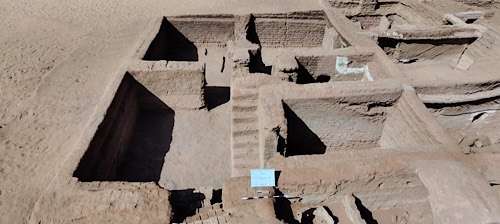
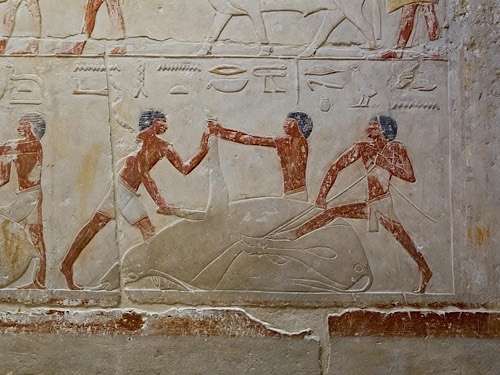
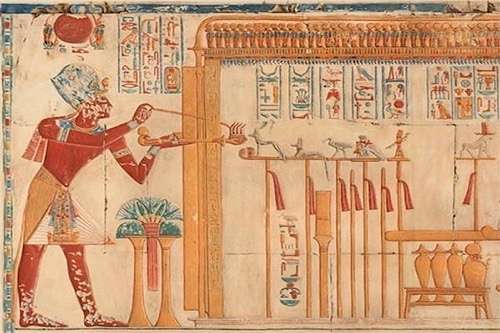
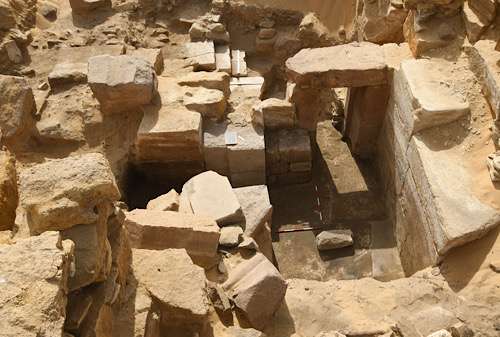
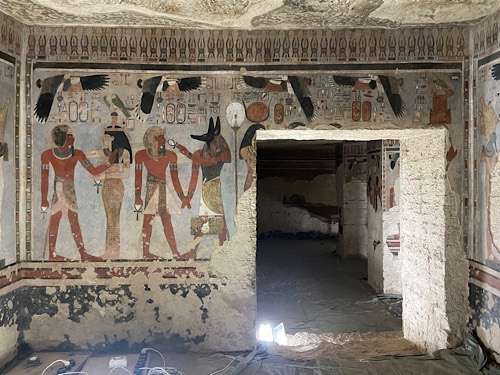
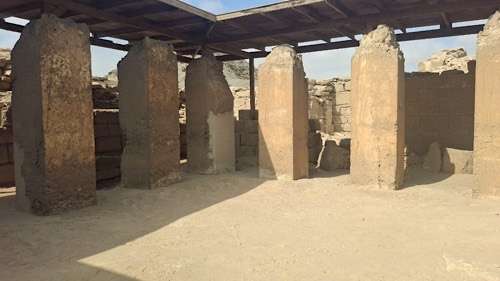
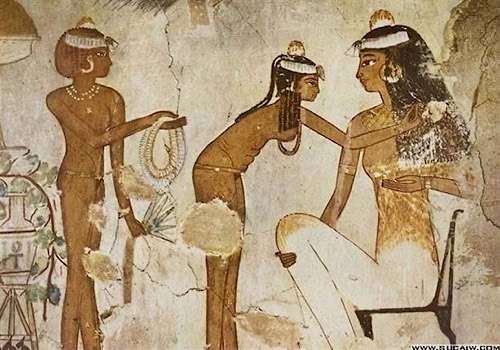
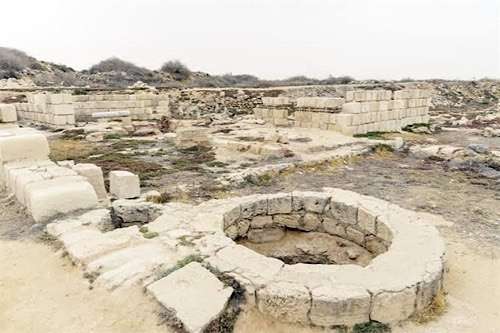
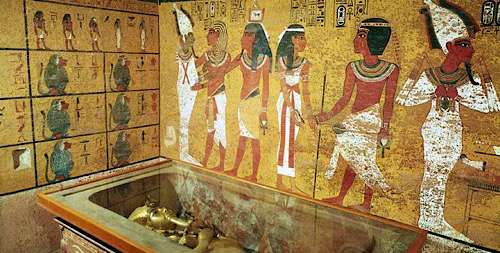
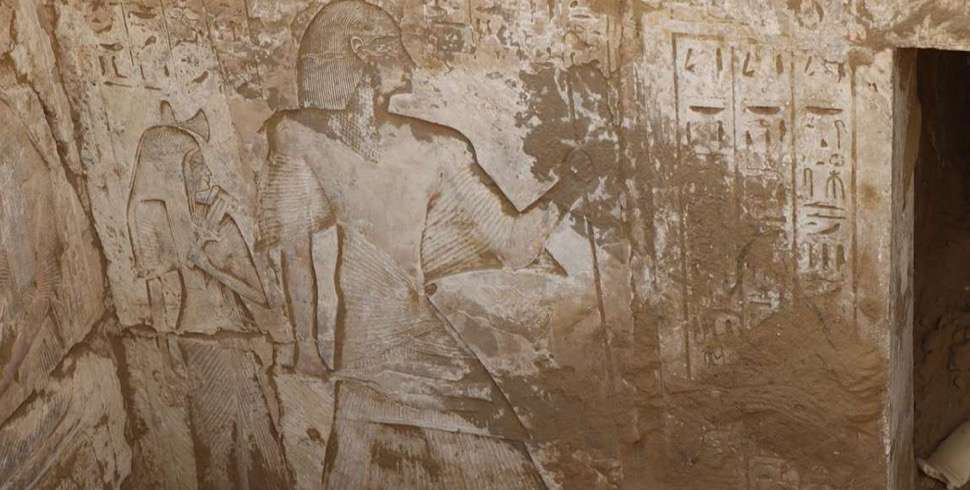
At the Temple of Seti I, one of the west bank’s quieter gems, restoration teams are gently removing layers of soot, grime and bird droppings to reveal the vivid colours of reliefs long muted by time. New sandstone pathways will guide visitors through the site, while invasive plants are being cleared and fragile sections of wall strengthened. A new entrance hall and upgraded main gate are also planned, along with an informational panel detailing the temple’s history.
Officials say the sweeping works reflect a renewed commitment to protecting Egypt’s ancient heritage while preparing it for the future. As scaffolding rises and conservators move carefully across painted walls, Luxor’s temples—silent witnesses to thousands of years—are beginning to emerge with renewed clarity, ready to welcome visitors into their long and luminous history.