













































































































































































































































































































































































































































































































































































































































































































































































































































































































































































































































































































































































































































































































Friday, 09 October 2026
 Getty Images
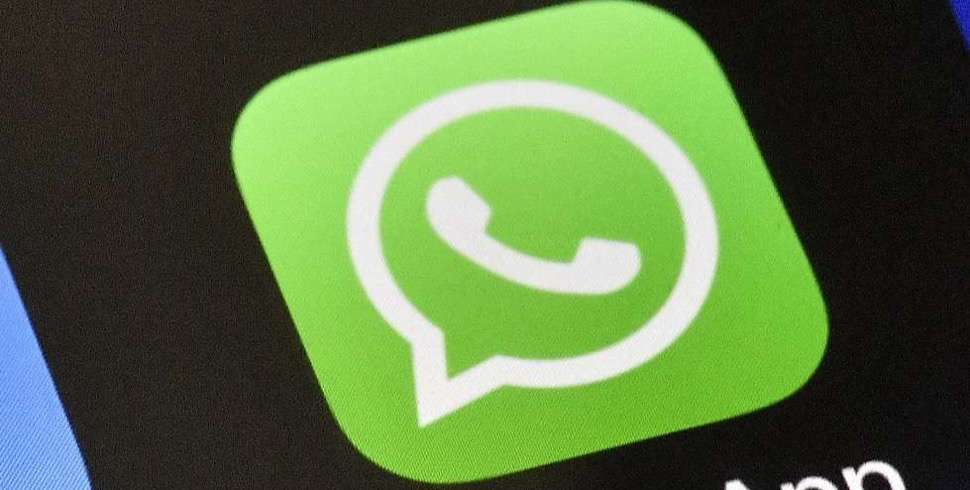
HONG KONG (Reuters) – A safety app originally called “Are you dead?” has become a sensation in China, amassing rapid downloads and creating a buzz across social media. The app’s instant fame has pushed its creators to introduce a subscription fee and prepare for an international launch with a new name.
Known as Sileme in Chinese, meaning “Are you dead?” in English, the app is described by its developers as a “simple safety solution for those living alone.” Designed for students, solo office workers, and anyone embracing a solitary lifestyle, the app offers peace of mind with a minimum setup: users register an emergency contact, and the app will automatically alert them if the user fails to check in for several consecutive days.
With the number of solo households in China estimated at up to 200 million—over 30% of the population, according to state-run Global Times—Sileme’s rapid rise reflects a growing demand for such safety tools.
On Tuesday, Sileme announced on its official Weibo account that its upcoming version will launch globally under the name Demumu. It’s already listed as Demumu on Apple’s paid app rankings, where it holds the number two spot after topping the chart earlier in the week.
“We’re so grateful for the enthusiastic support from netizens. We started off as just a small, unknown team of three, all born after 1995,” Sileme shared in a statement.
To address rising operational costs, the app’s creators revealed plans on Sunday to introduce an eight yuan ($1.15) subscription model. The Demumu app is currently available on Apple’s App Store for HK$8.
Social media users on platforms like Weibo have debated the planned name change, with some urging the developers to keep the original. Others suggested alternatives such as “Are you alive,” “Are you online,” or “Are you there.”
“Maybe some conservative people find it hard to accept,” one user commented, “but it brings real benefits for safety. It will help those of us who are unmarried feel more comfortable living on our own.”