




































































































































































































































































































































































































































































































































































































































































































































































































































































Friday, 09 October 2026
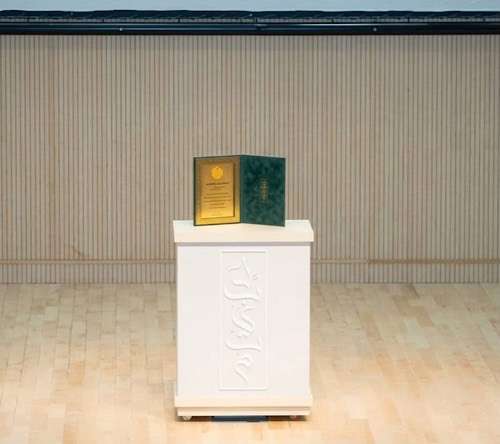
After two decades since Egypt last won this prestigious honor, the Aga Khan Award for Architecture has once again spotlighted Egypt, recognizing the “Revival of Historic Esna” project as a laureate for 2025. This international architectural prize, established in 1977 in Geneva, Switzerland, celebrates projects that meaningfully blend design excellence with social, cultural, and environmental impact.
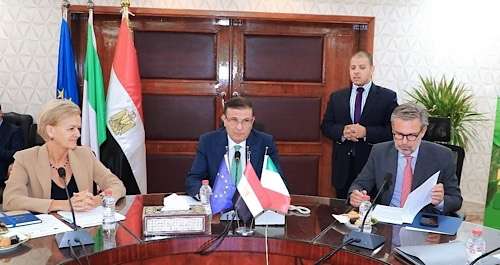
This victory marks Egypt’s return to the world stage of architectural innovation. The last time Egypt received this award was in 2004 for the visionary Bibliotheca Alexandrina—making the 2025 recognition a moment of pride and inspiration. The Esna project is the result of extended, collaborative efforts involving Takween Integrated Community Development, Egypt’s Ministry of Tourism and Antiquities, Luxor Governorate, and international partners from the United States, the Netherlands, and Spain. Together, they fostered a unique development model centered on cultural heritage preservation and community empowerment.
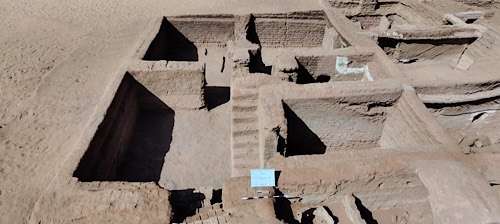
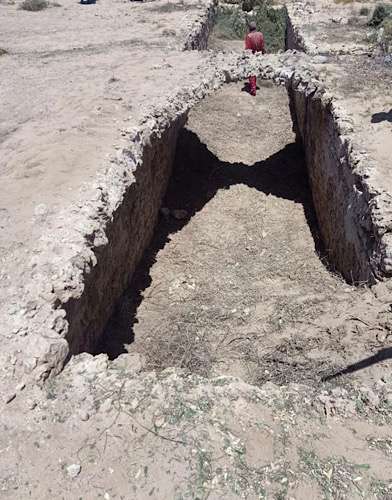
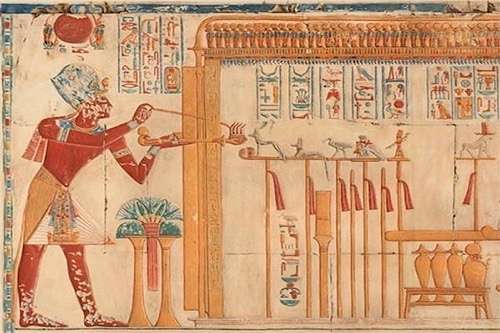
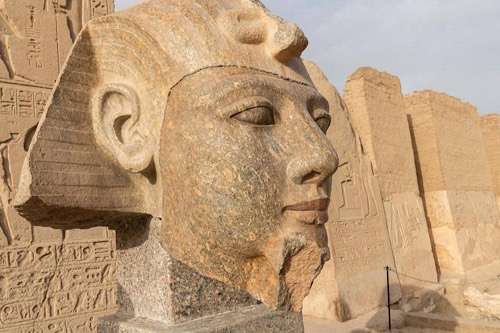
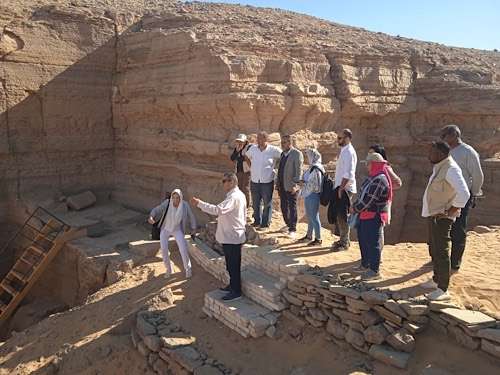
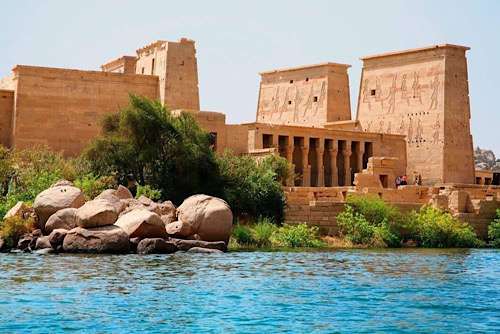
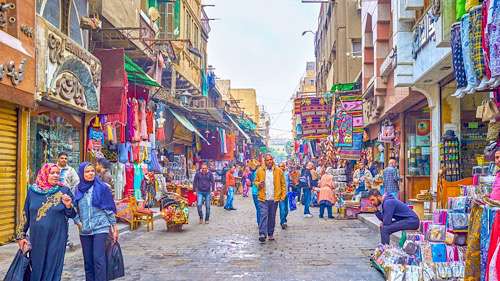
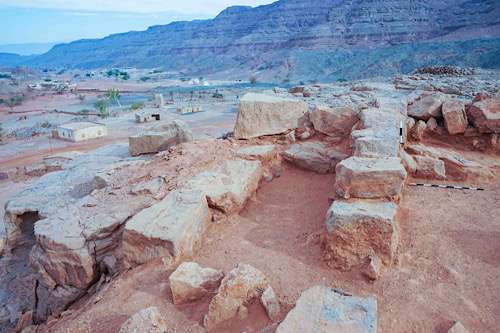
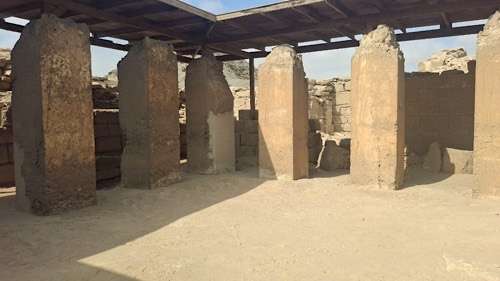
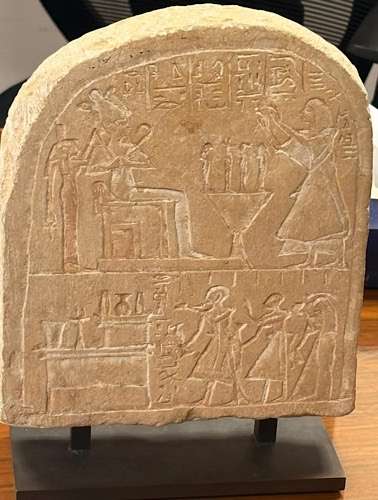
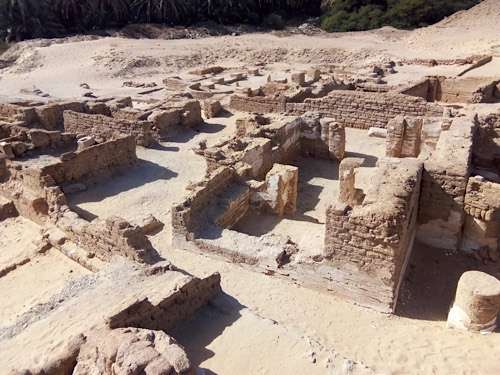
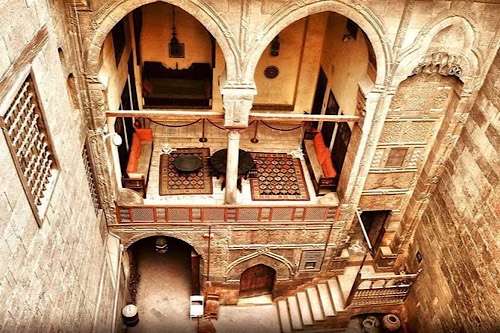
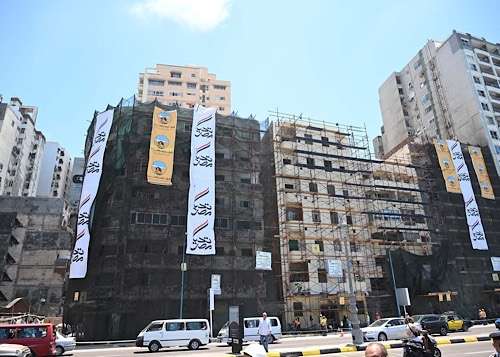
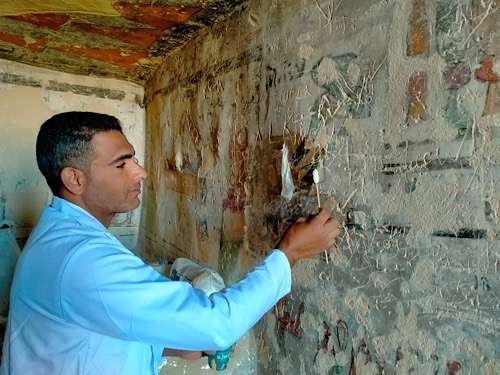
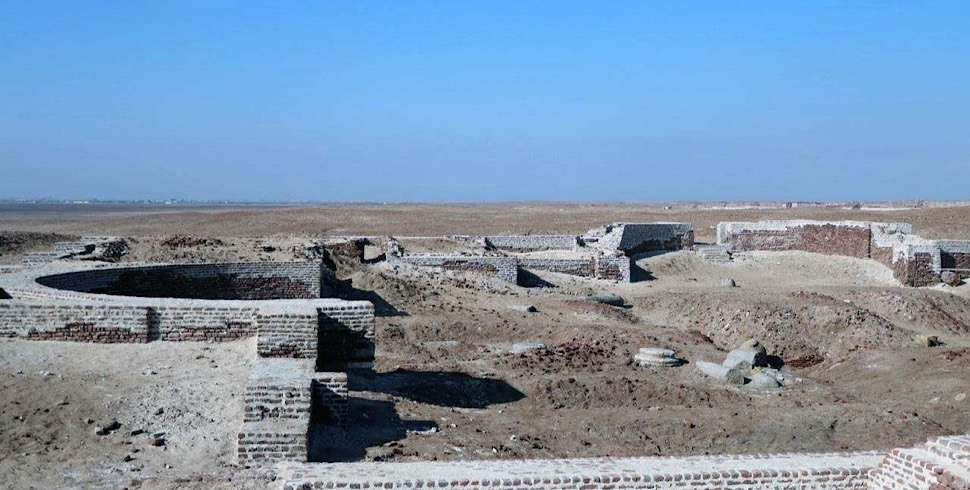
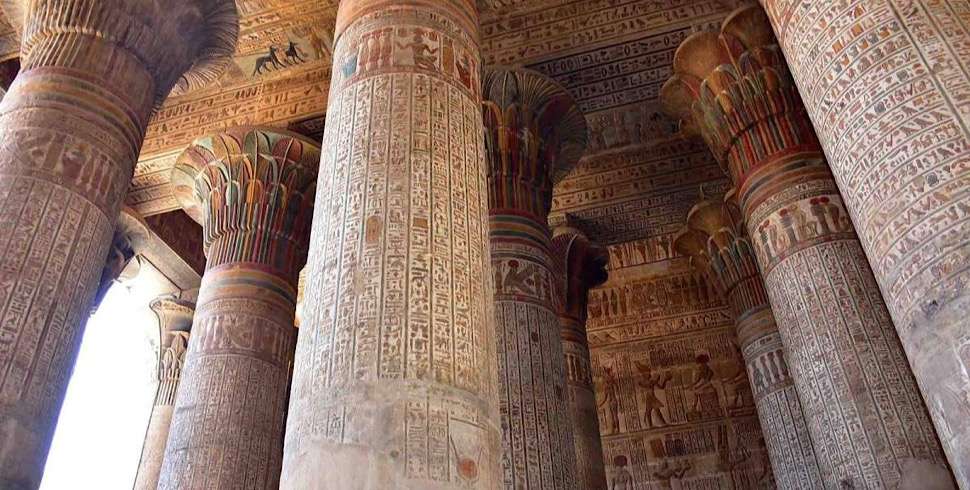
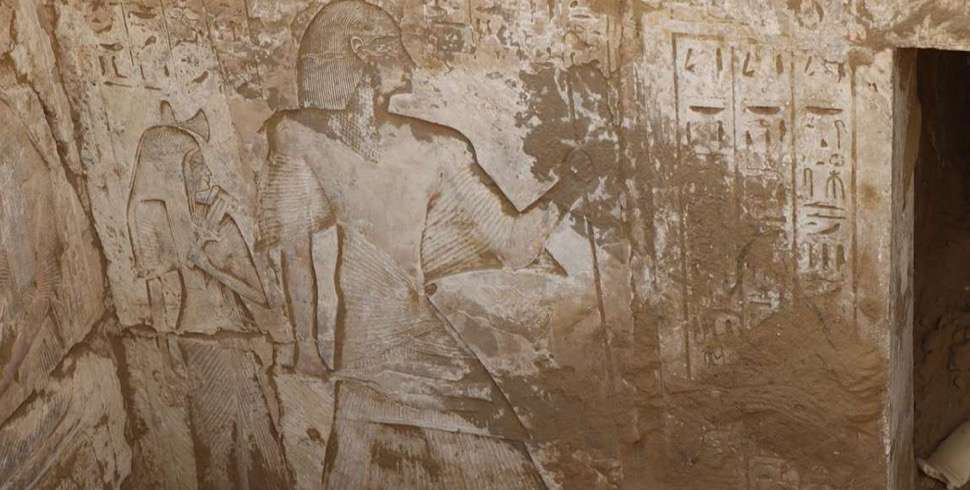
Situated in Luxor Governorate, Esna boasts a rich tapestry of Greek-Roman, Coptic, Islamic, and modern heritage, yet for years its treasures remained overshadowed by time and neglect. The revival project worked to rescue its architectural and urban fabric—restoring historic buildings, reinvigorating bustling markets, and breathing new life into neglected streets and public spaces.
The Aga Khan Award jury praised the project for “transcending conventional boundaries of conservation,” emphasizing how it holistically nurtured the city’s economic and cultural vitality. What sets the Esna effort apart, the jury noted, is the central role played by the local community. Rather than being mere beneficiaries, Esna’s residents became active partners—championing their living heritage and creating a lasting momentum of renewal.
The award’s independent panel—composed of architects, cultural leaders, and international experts—was particularly impressed by Esna’s inclusive approach:
_"Through the adaptive reuse and revitalization of commercial, residential, and spiritual buildings, the project has activated a complete historic urban system, meeting today’s challenges by enhancing human conditions and supporting local artisanship. The community’s participation has set in motion a sustainable, regenerative spirit across once-dilapidated areas.”_
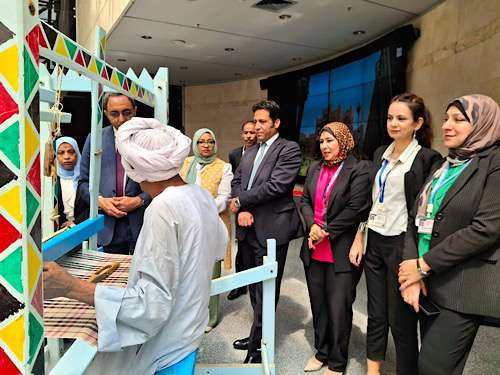
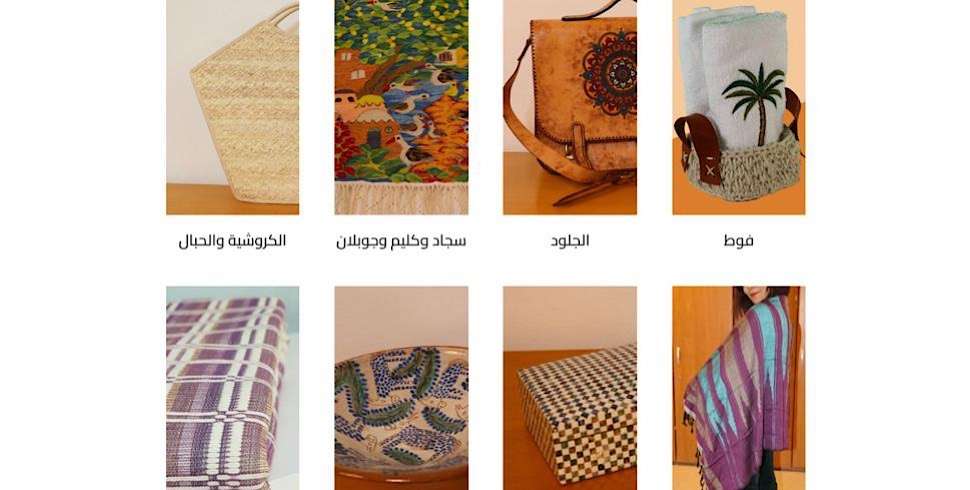
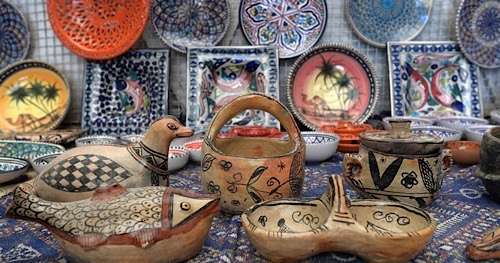
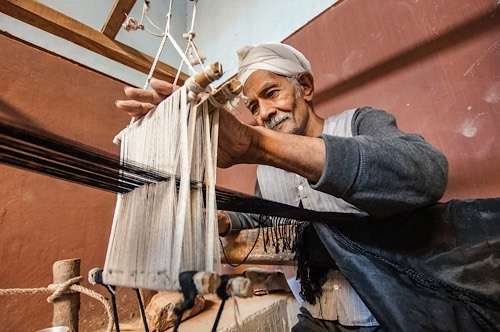
Moreover, the project’s attention extended beyond monuments to the intangible treasures of Esna: traditional crafts, culinary heritage, and cultural practices, enshrining these as vital engines for the city’s renewal.
Engineer Karim Ibrahim, Director of the Esna revival project, expressed deep gratitude for the global recognition, emphasizing that _“the award not only honors architectural excellence but acknowledges the power of design as a driver for sustainable development and community spirit.”
The project led to an array of impactful interventions:
- Restoring the historic Jedawi agency (opened for the first time in over 70 years)
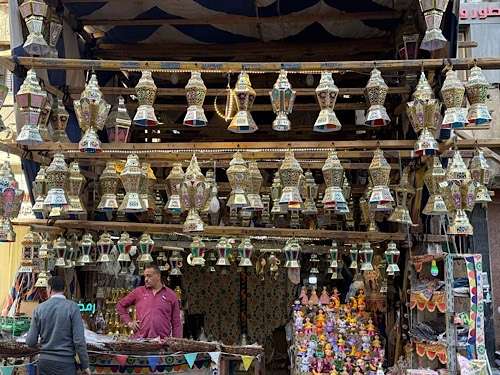
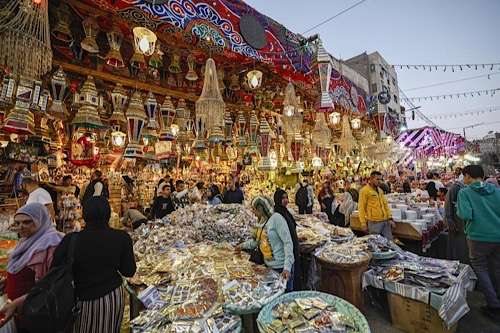
- Upgrading the traditional Qaysariyya market in partnership with local shopkeepers
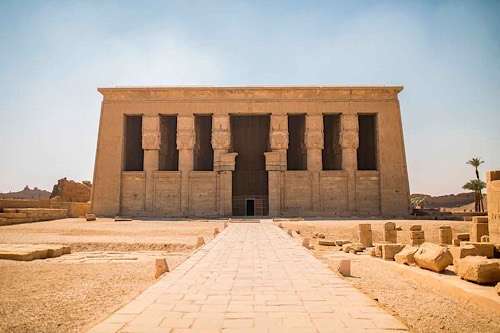
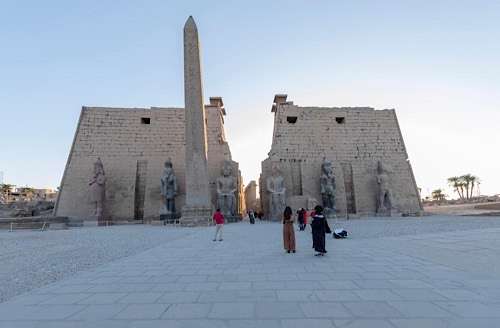
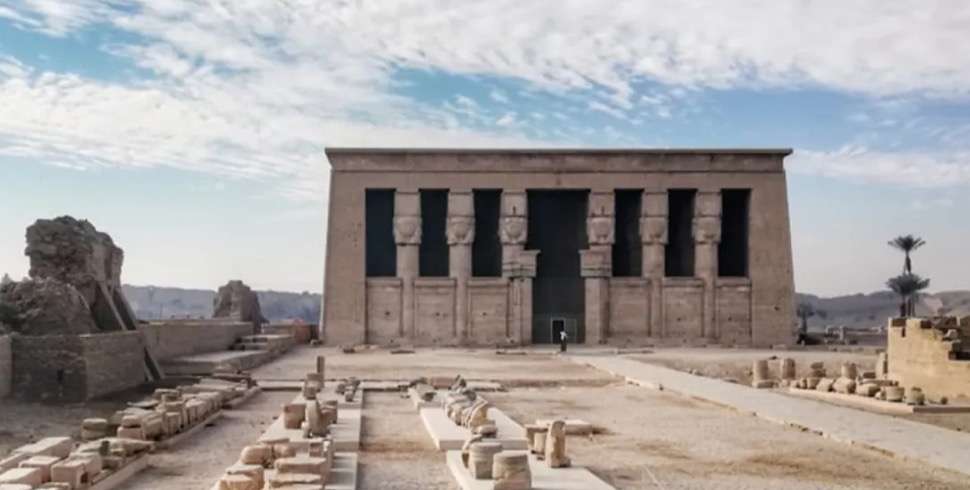
- Enhancing the visitor experience at the iconic Temple of Khnum
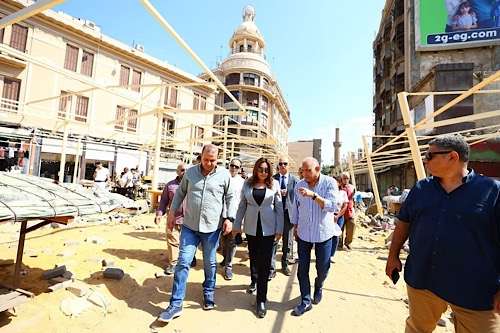
- Renovating facades of 15+ heritage structures and revitalizing the central bazaar street with improved shading and public spaces
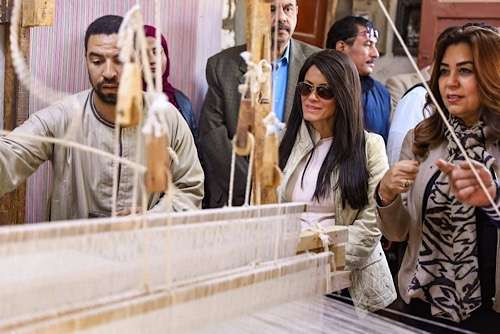
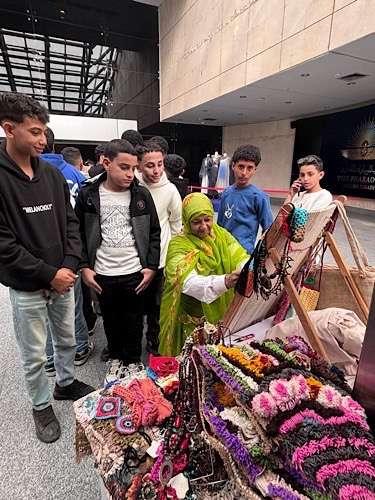
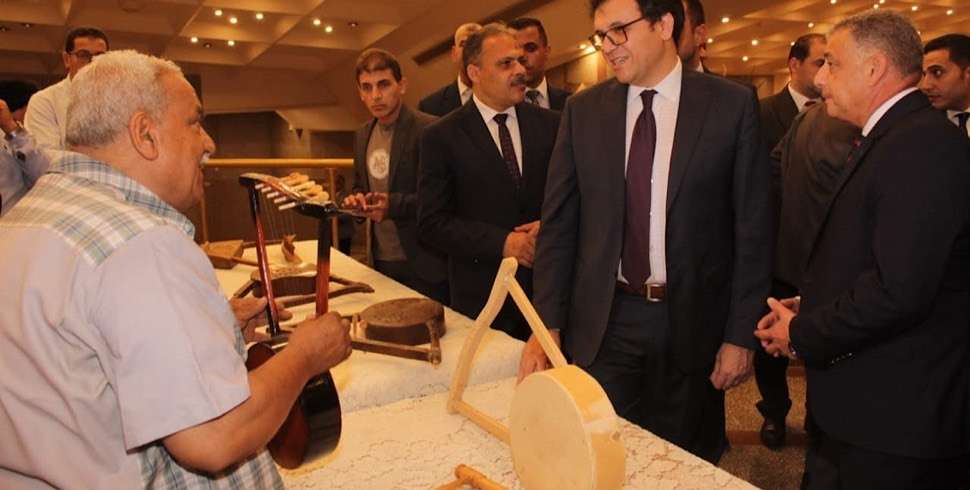
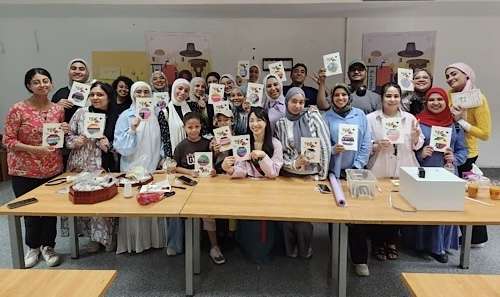
- Supporting women-led small businesses, such as the “Okra Kitchen” and woodwork workshops
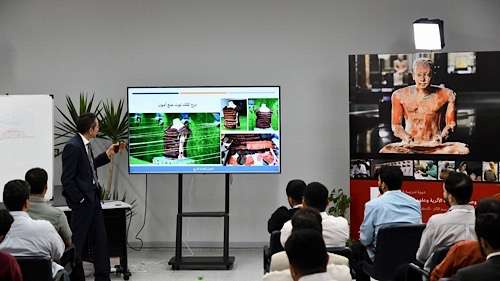
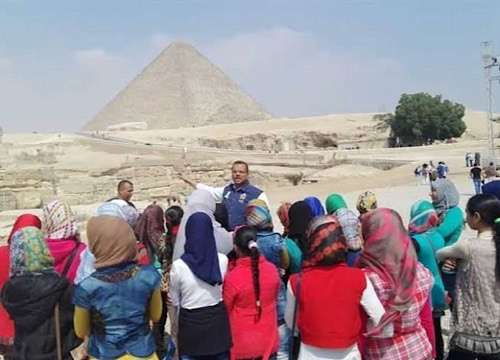
- Training more than 400 local residents in crafts, heritage management, and tour guiding
Such initiatives have generated hundreds of local jobs, tripled tourist visits, and fostered new opportunities for women and youth—proving that heritage can indeed be a catalyst for social inclusion and economic growth.
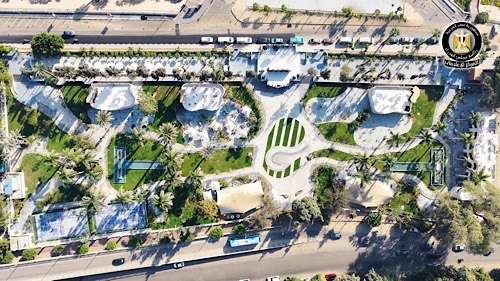
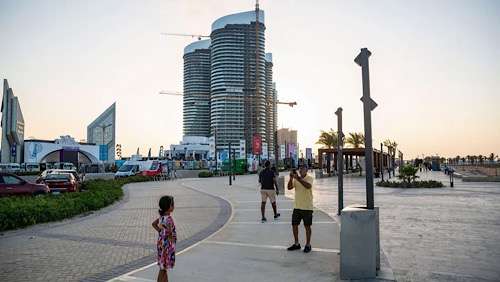
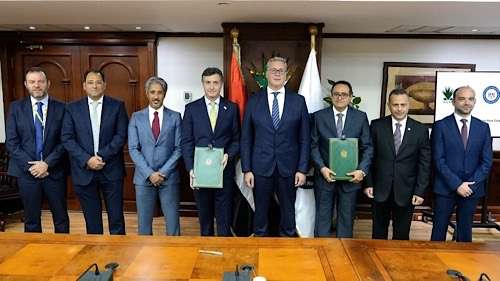
The project’s success owes much to the exemplary collaboration between government, civil society, and international development agencies. As Luxor Governor Abdel Motleb Mamdouh Emara observed, Esna’s triumph strengthens Egypt’s ongoing efforts to promote sustainable tourism and urban transformation in Upper Egypt, highlighted by a new city corniche, riverside promenade, modernized public spaces, and enhanced infrastructure.
Perhaps most importantly, the project has reshaped perceptions of Esna, from an overlooked city to a vibrant cultural destination, rich in history and promise.
This win rekindles Egypt’s longstanding relationship with the Aga Khan Award—one that has previously honored the Nubia Museum (2001) and the Bibliotheca Alexandrina (2004). Yet until now, no Egyptian project had made the shortlist in over twenty years.
“Esna’s recognition marks a watershed for Egyptian architecture,” affirms Ibrahim, “and charts a hopeful, practical path for other cities seeking to blend their unique identity with dynamic, sustainable futures.”
The story of Esna is ultimately a heartening reminder that when communities, architects, and public leaders work hand in hand, heritage becomes more than a memory—it is renewed as a living force for progress, belonging, and hope.