






























































































































































































































































































































































































































































Friday, 09 October 2026
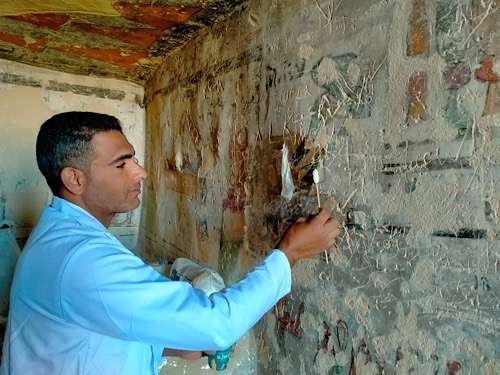 Source: Tourism and Antiquities Ministry
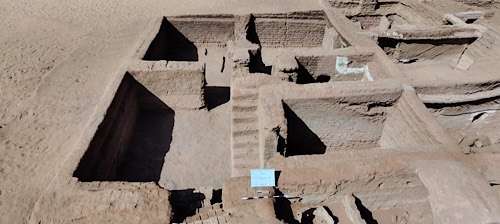
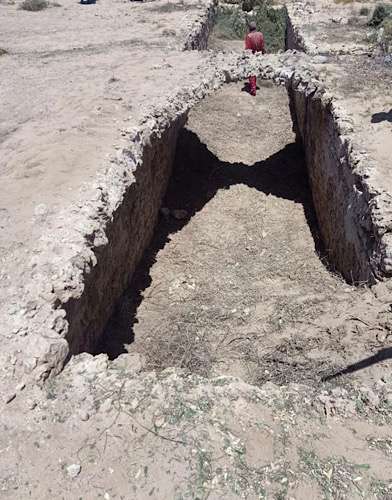
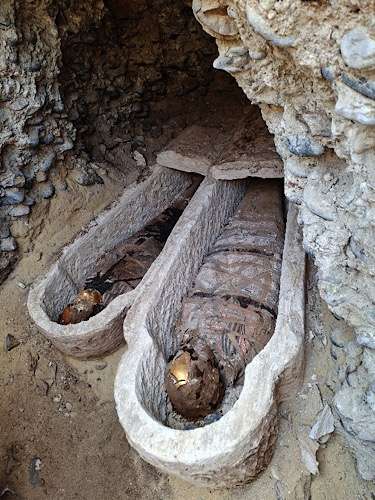
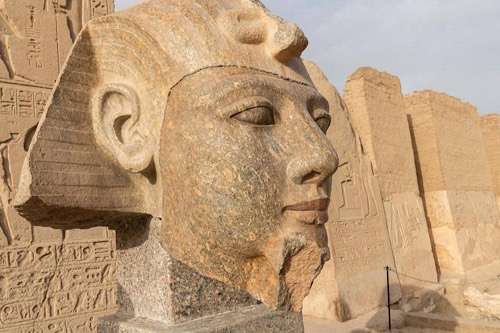
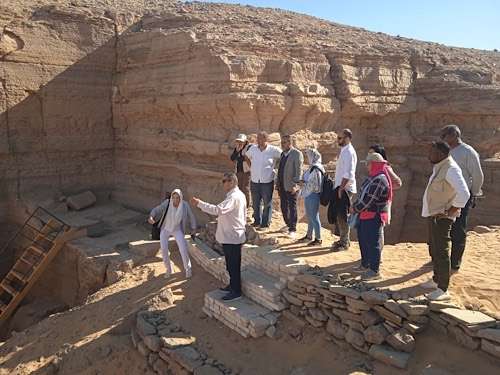
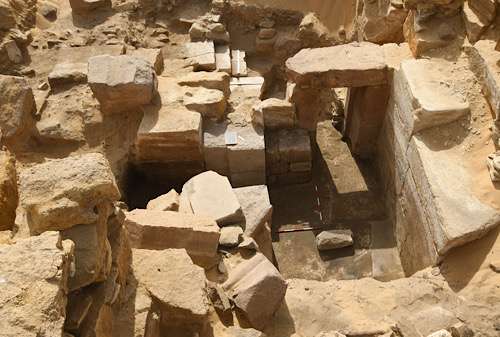
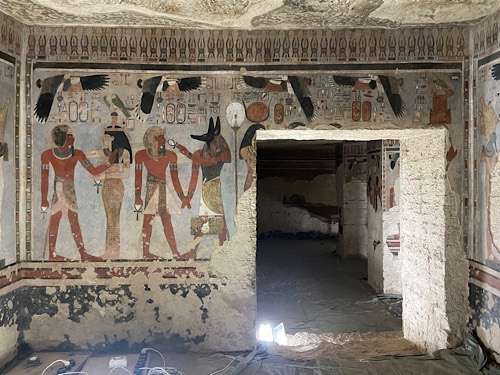
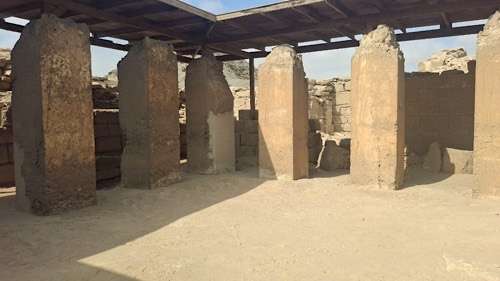
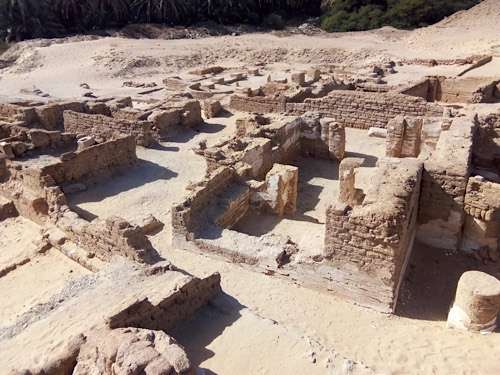
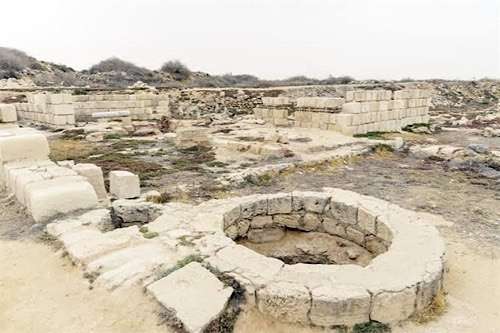
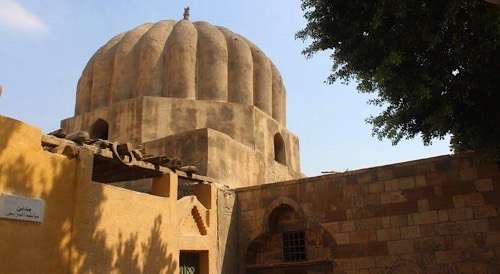
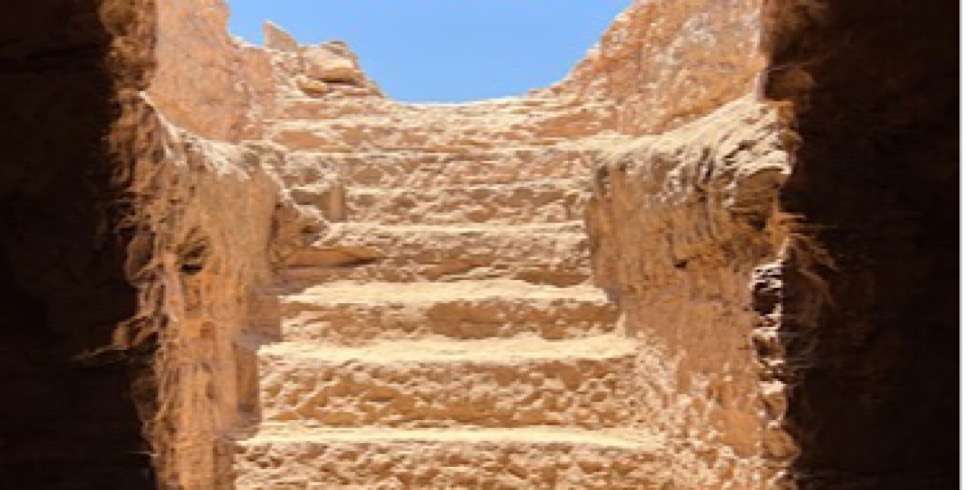
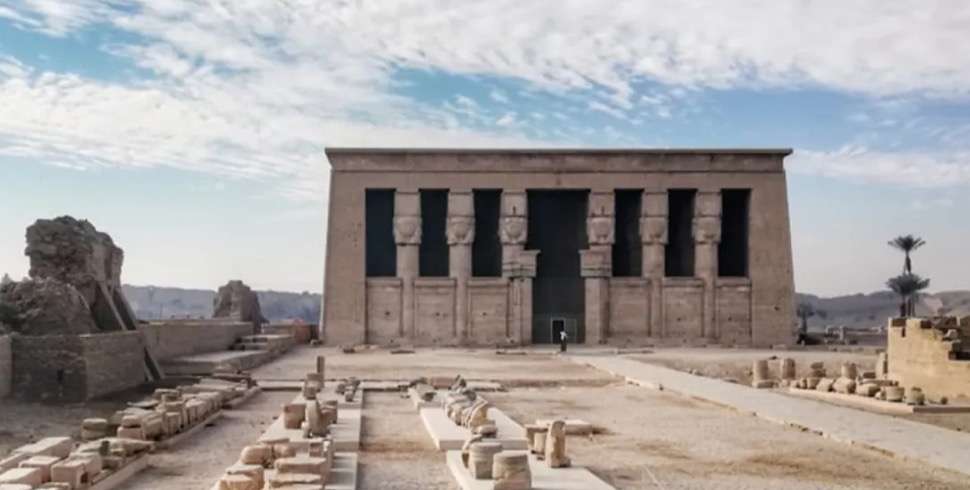
Nestled on the west bank of Sohag, in the enchanting city of Atribis, the ancient “Tomb of the Brothers” has been lovingly restored after a year of painstaking work. This marvel of history is now ready to share its treasures with the world, inviting travelers and culture enthusiasts to rediscover Egypt’s vibrant heritage in the heart of Upper Egypt.
The careful restoration of the Tomb of the Brothers, also known as the “Tomb of the Towers,” marks a major achievement for Egypt’s Ministry of Tourism and Antiquities and the Supreme Council of Antiquities, which have made the preservation of historical sites a top national priority. It aligns with Egypt’s broader vision to revitalize cultural tourism and unlock the stories of ancient civilizations for both local communities and international visitors.
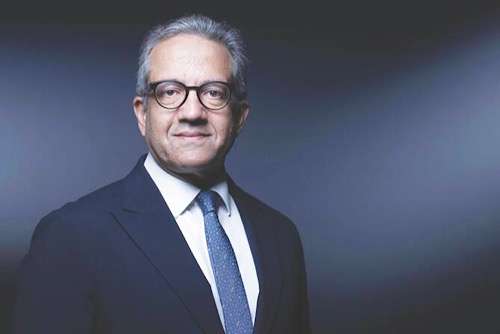
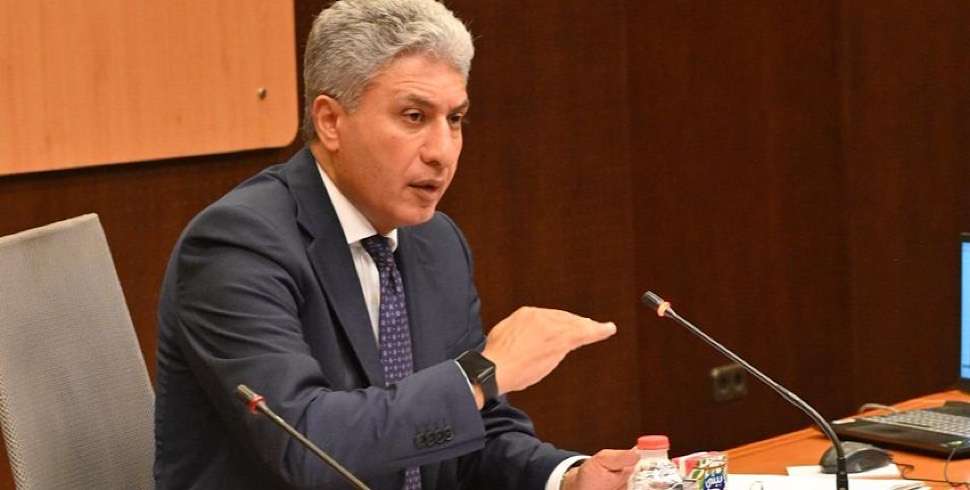
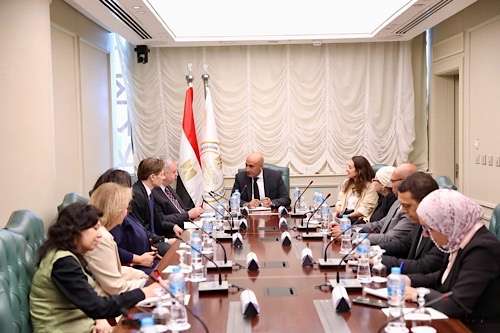
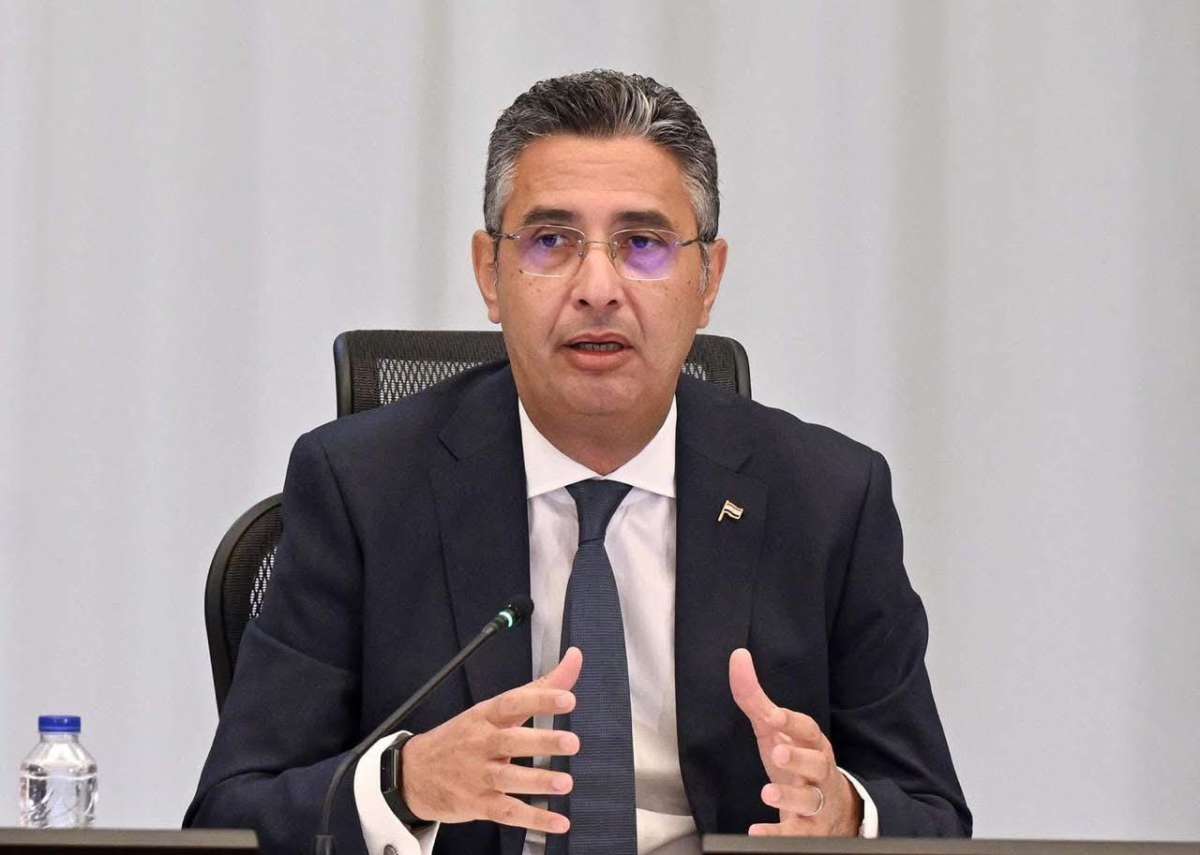
“Our heritage is a gift to the world and a defining element of Egyptian identity,” said Sherif Fathy, Egypt’s Minister of Tourism and Antiquities. “By restoring sites like the Tomb of the Brothers, we honor the legacy of those who came before us and create new opportunities for visitors to connect with the wonders of our past.”

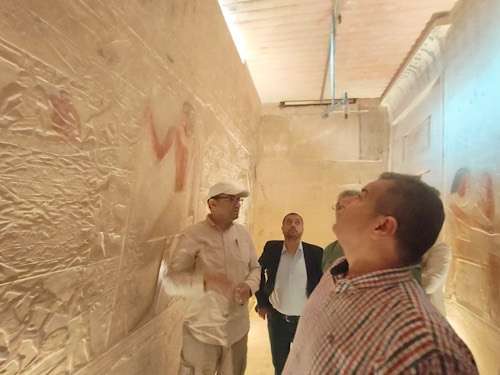
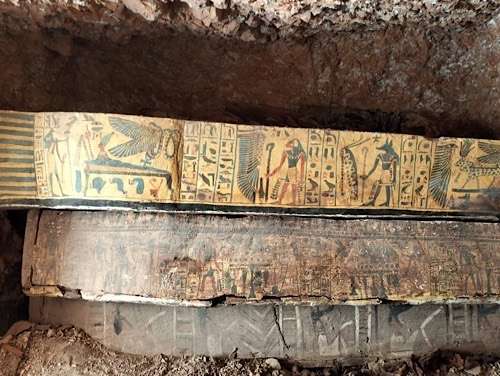
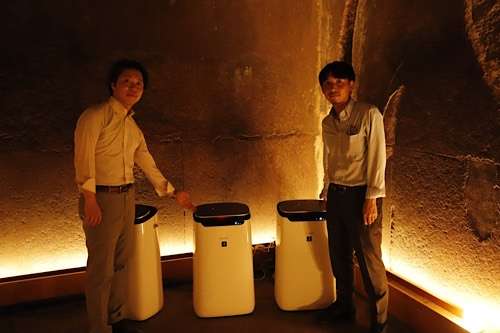
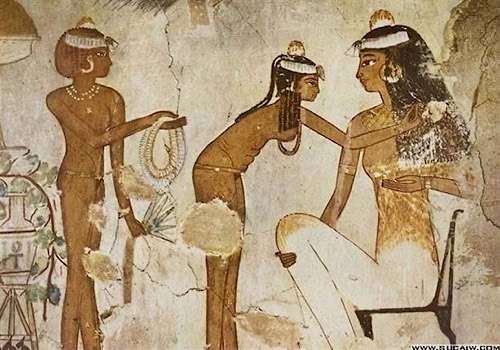
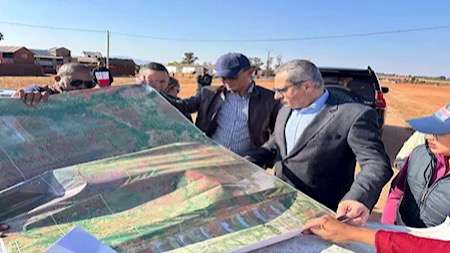
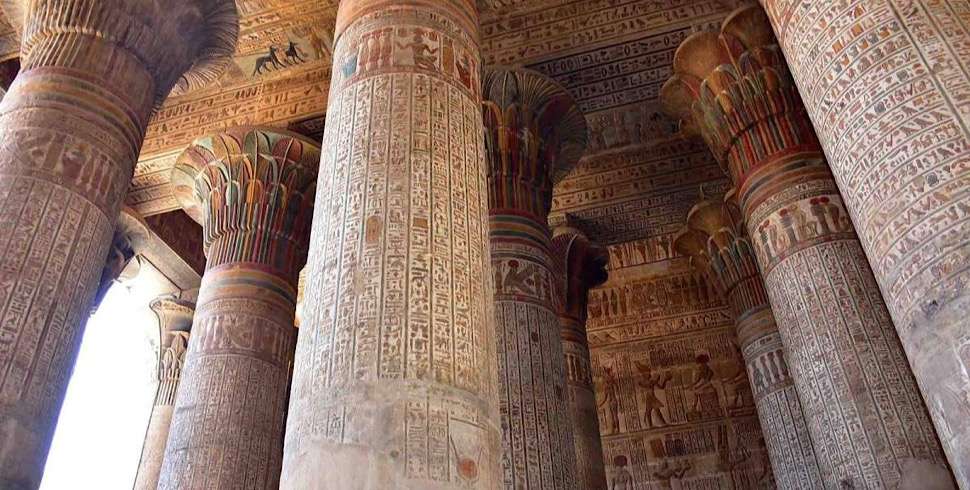
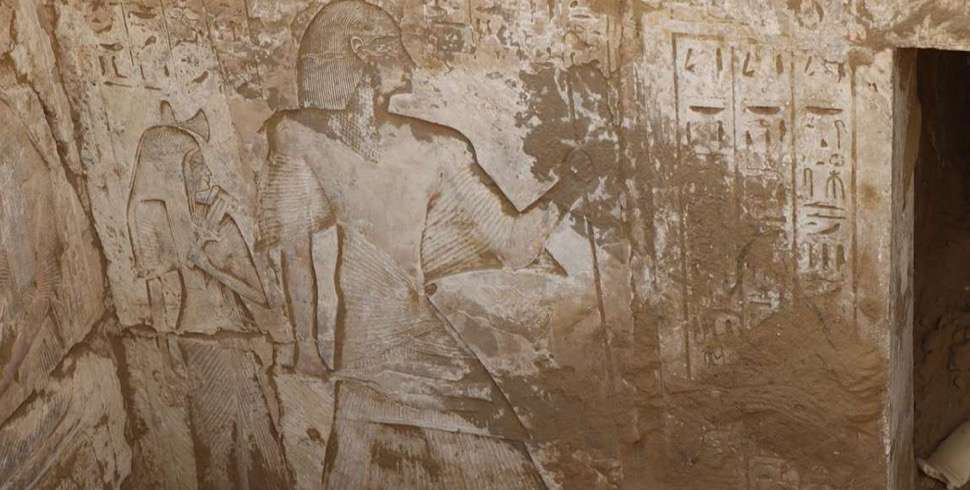
The restoration was a labor of heart, science, and skill. Led by master conservators, the project included comprehensive cleaning and consolidation of the tomb’s vibrant wall and ceiling paintings, stabilizing fragile mortar, and using materials specially chosen to be in harmony with the ancient structure. The team carefully documented every detail to preserve the tomb’s secrets for future generations.
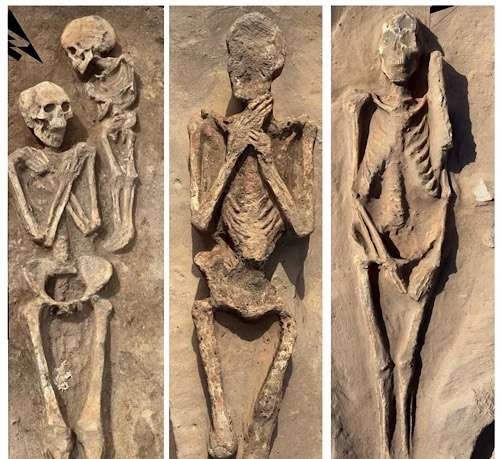
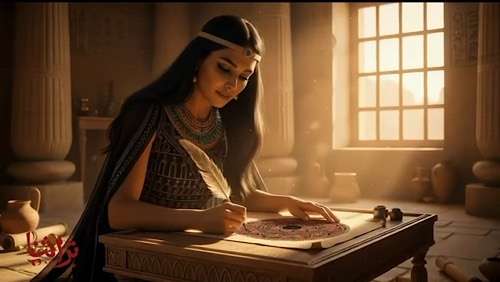
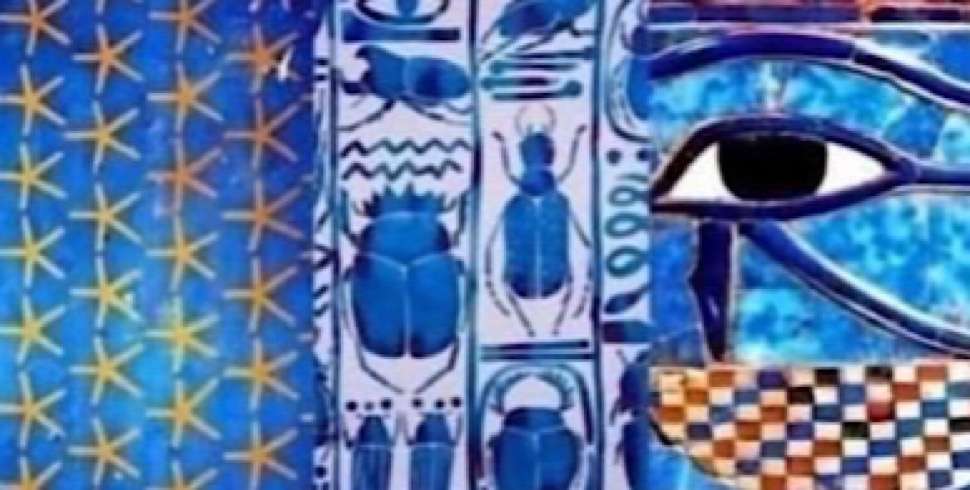
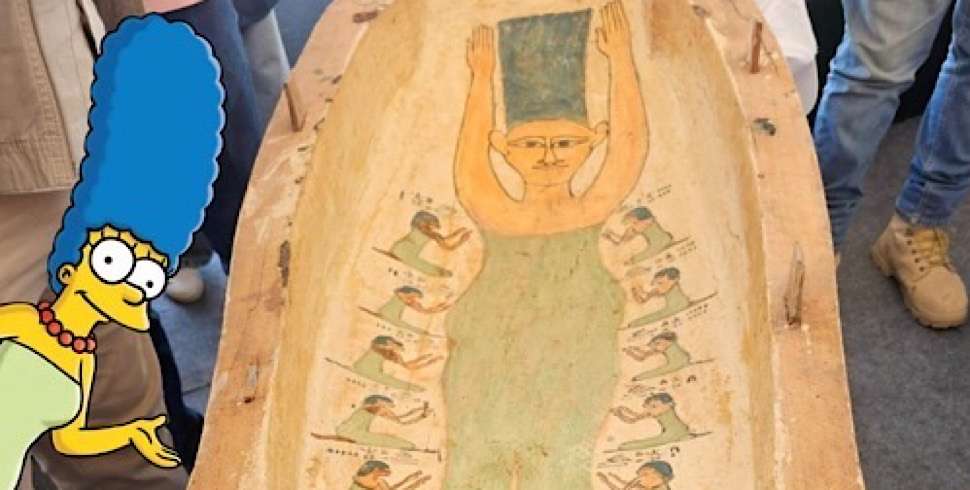
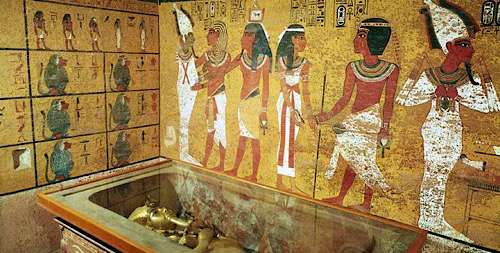
The tomb itself is steeped in fascinating history. Dating to the second century AD, it once sheltered two brothers—Ibpemeny the Younger and Pemehyt, sons of Hor-Nefere and Tasheret-Hor-Segem. The unique artwork, painted directly onto the tomb’s plaster, sets it apart: the ceiling dazzles with detailed astronomical imagery depicting two towers, one for each brother, inspiring the tomb’s evocative nickname. The walls and burial niche are adorned with rich funerary scenes and delicate ornamentation, creating an atmosphere both intimate and celestial.
Although the tomb was first brought to light over 150 years ago, and famously documented by the British archaeologist Flinders Petrie in the early 20th century, it remains a hidden gem even today. Its reopening gives a renewed voice to this special story—one that bridges ancient artistry, family bonds, and spiritual aspirations.
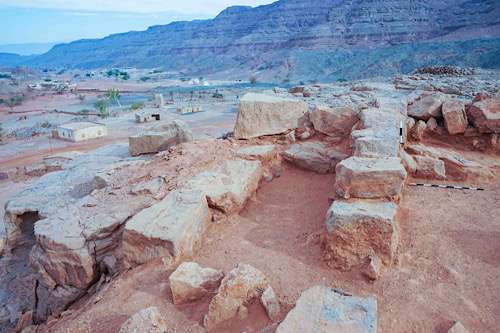
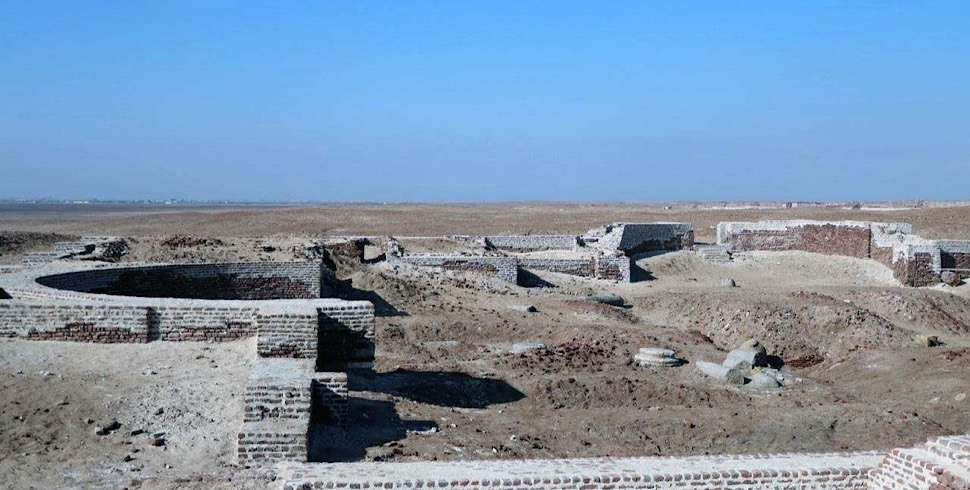
For the people of Sohag, and for visitors from across the globe, the revival of the Tomb of the Brothers is much more than a cultural milestone. It is a beacon of hope, showing that the patient work of restoration can breathe life back into history and help communities prosper. Beyond the tomb itself, the city of Atribis boasts a wealth of sites—grand temples, ancient quarries, monasteries, workshops—that chart the rich tapestry of life on the Nile from pharaonic times through the dawn of Christian monasticism.
As Egypt warmly invites travelers along new cultural pathways in Sohag and beyond, the restored Tomb of the Brothers stands ready to share its radiant beauty—a testament to humanity’s enduring connection to the past, and a promise for the future.