


























































































































































































































































































































































































































































































































































































































































































































































Friday, 09 October 2026
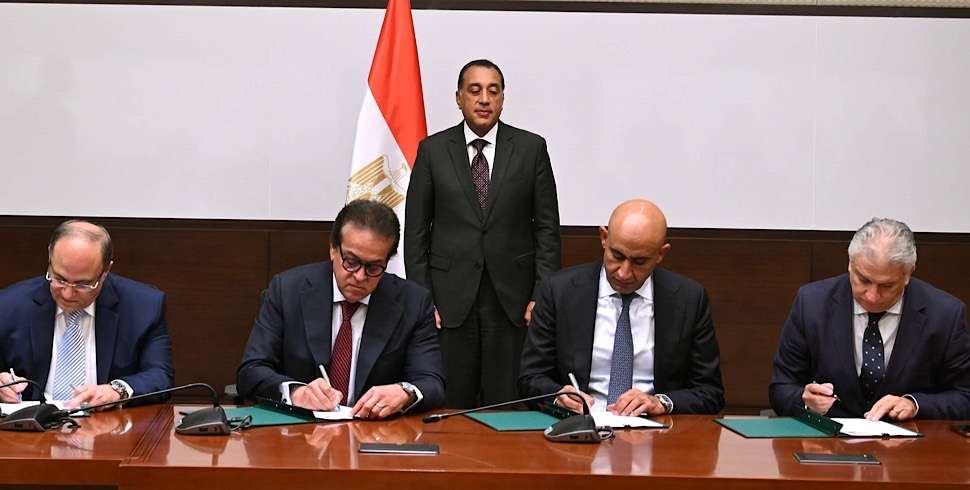
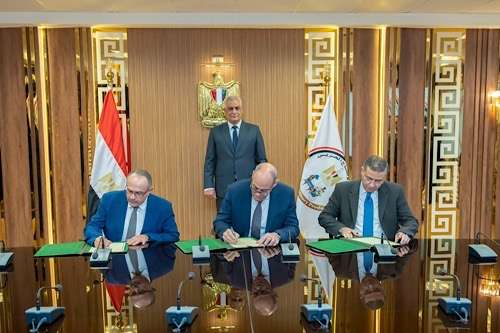
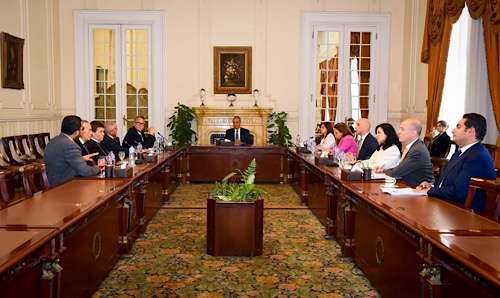
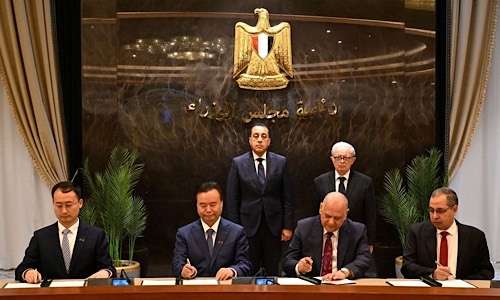
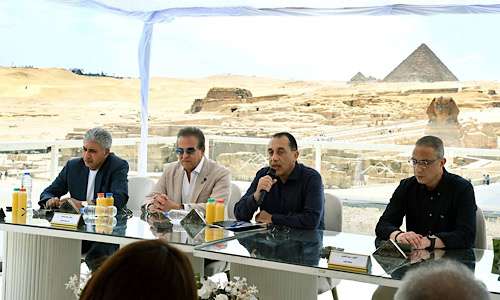
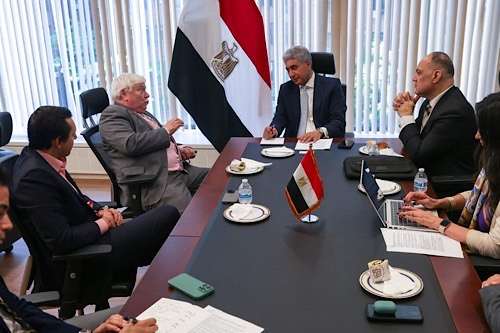
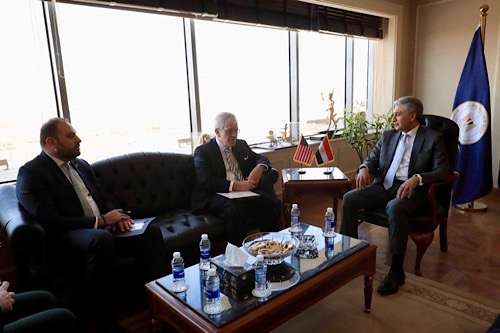
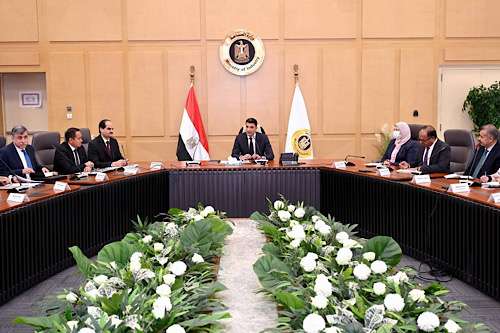
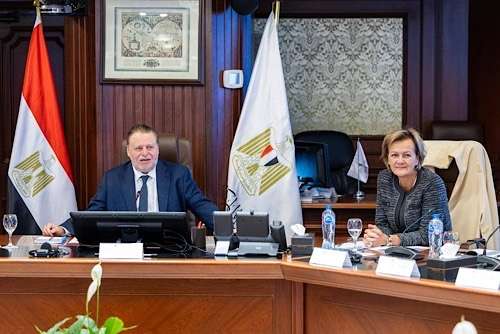
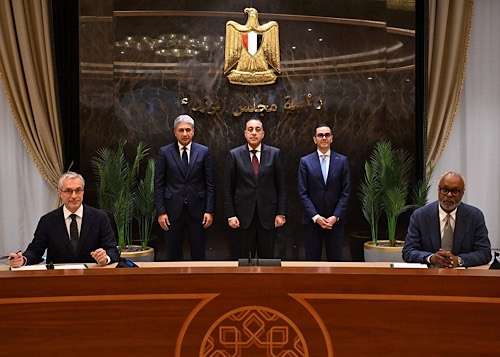
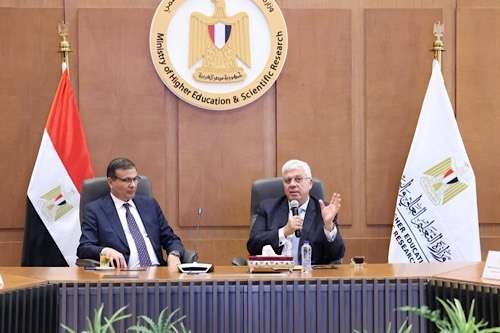
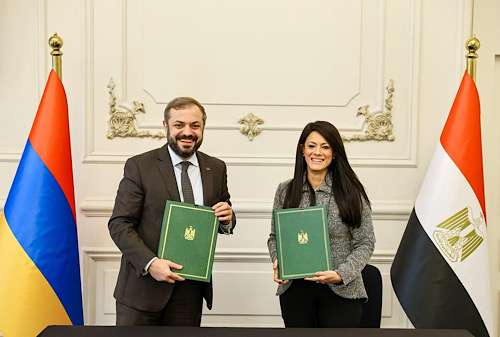
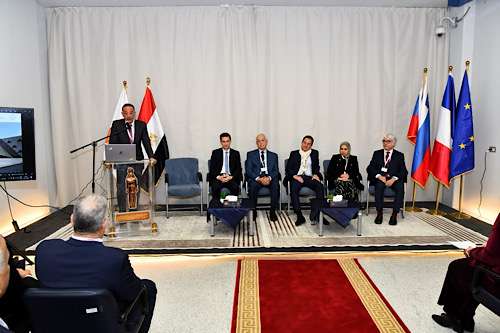
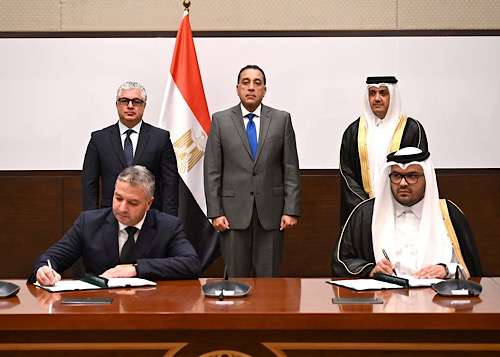
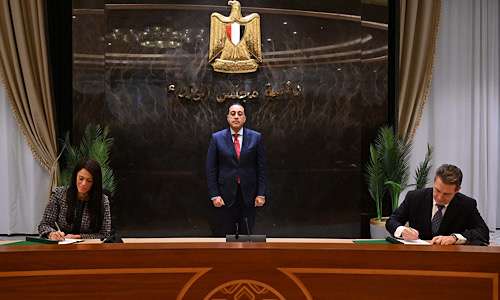
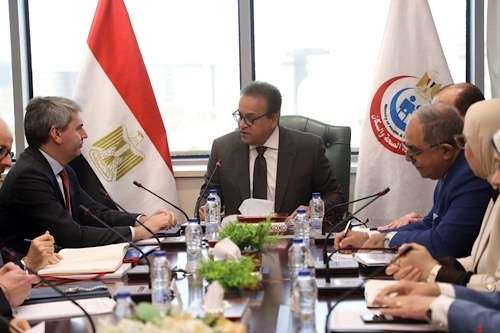
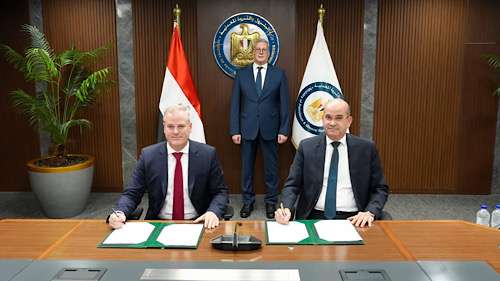
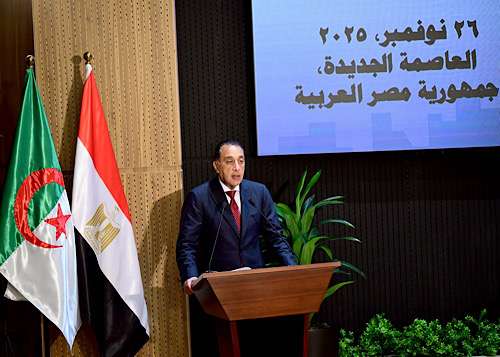
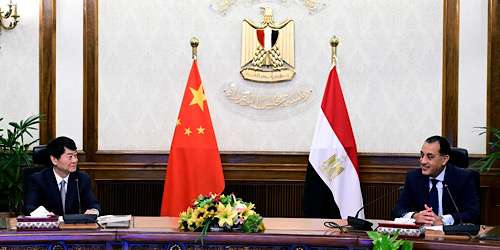
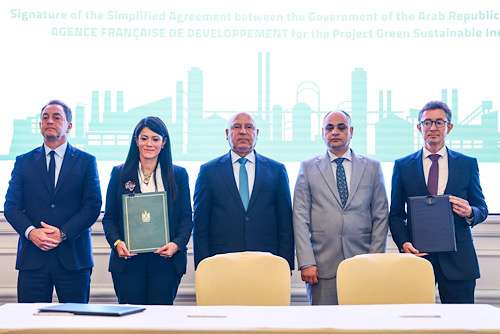
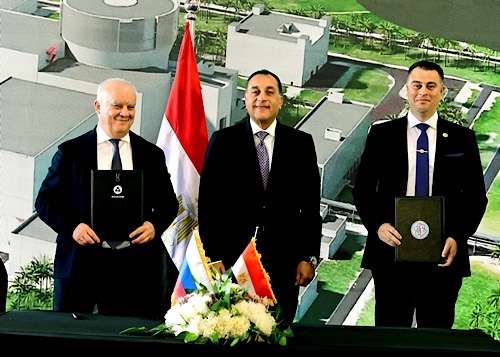
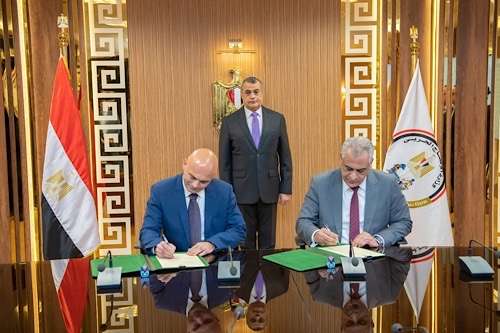
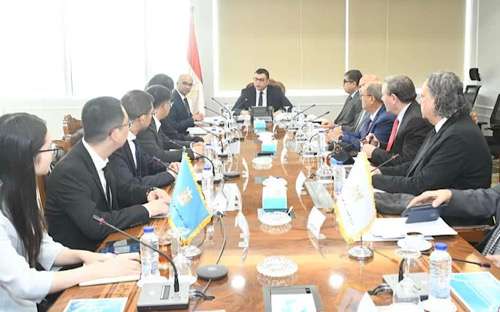
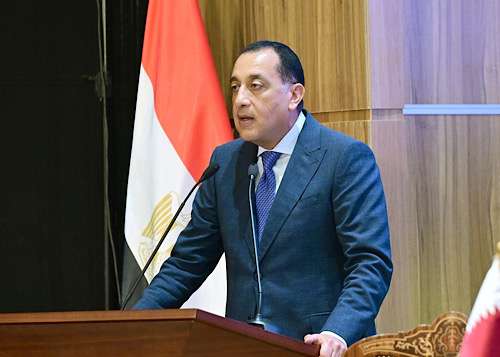
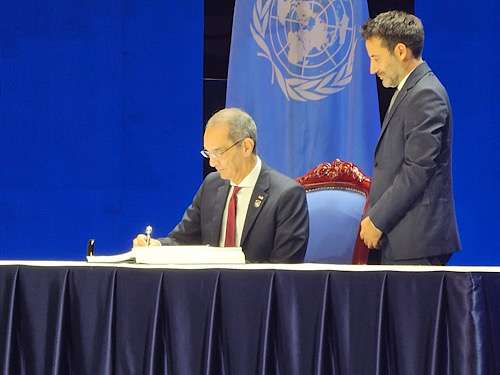
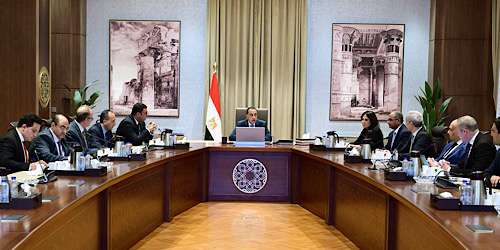
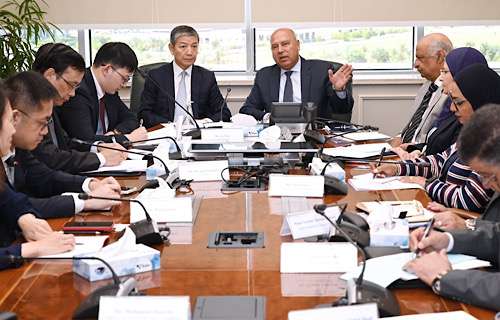
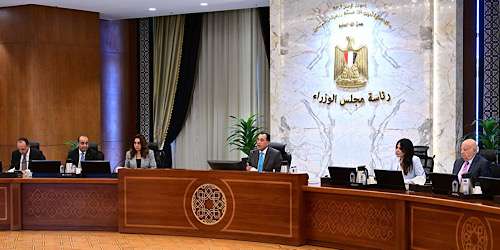
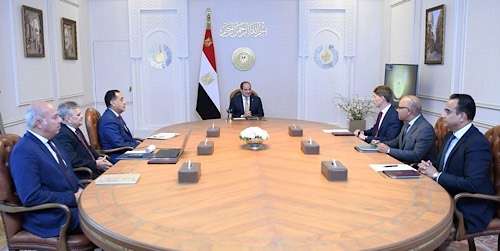
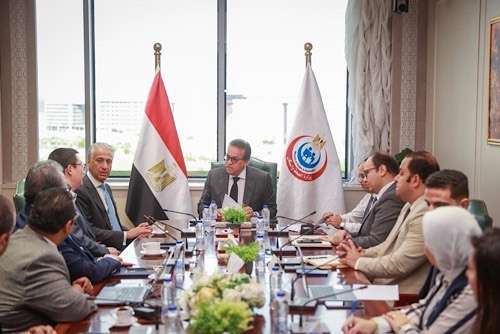
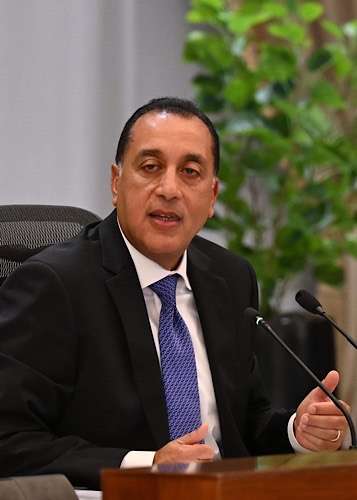
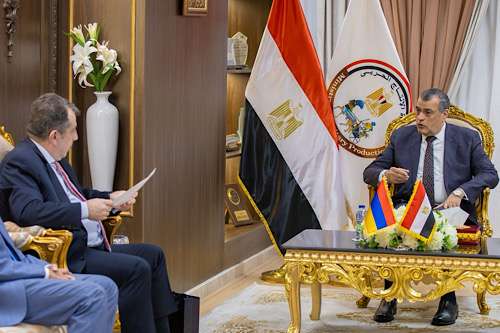
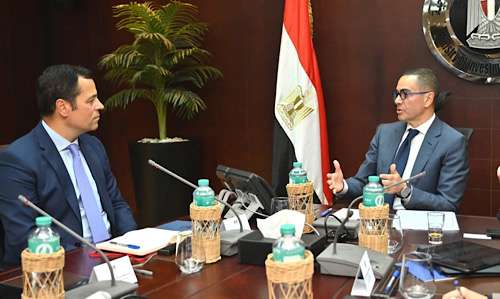
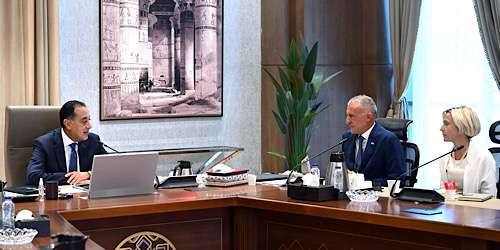
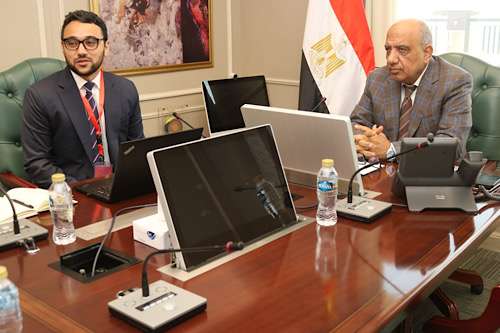
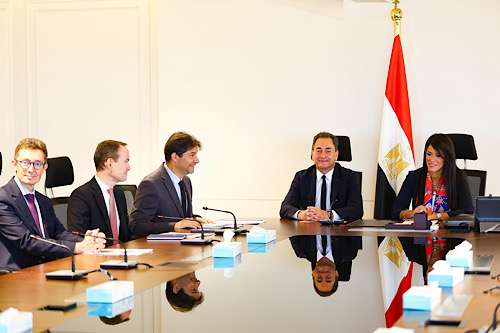
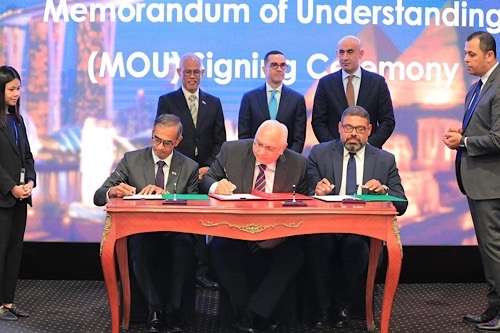
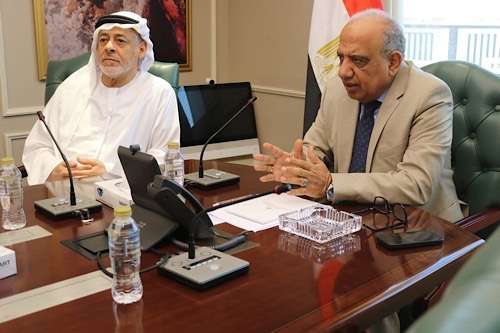
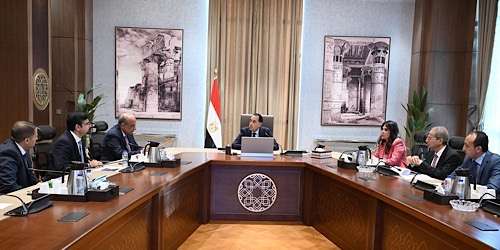
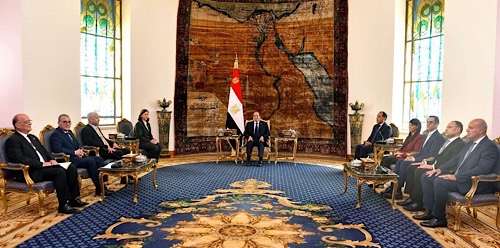
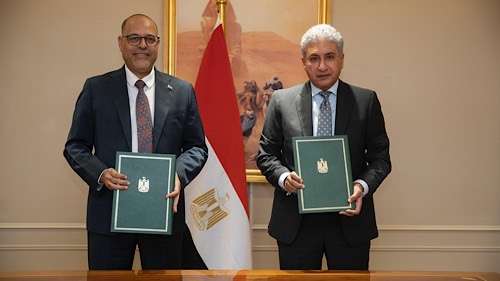
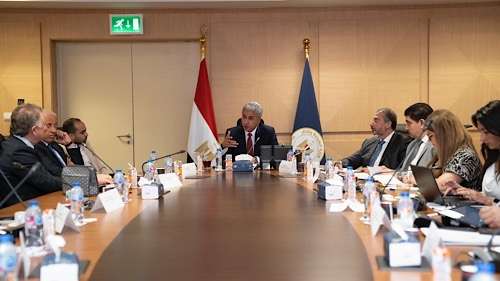
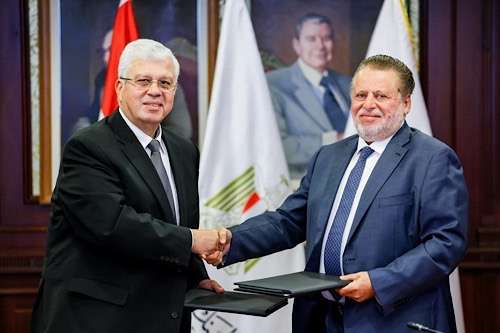
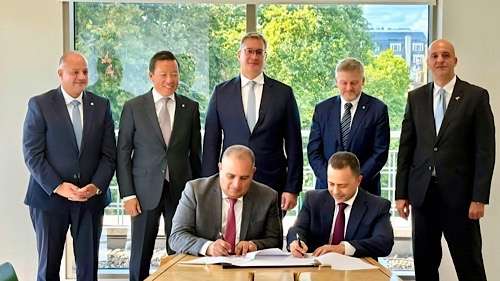
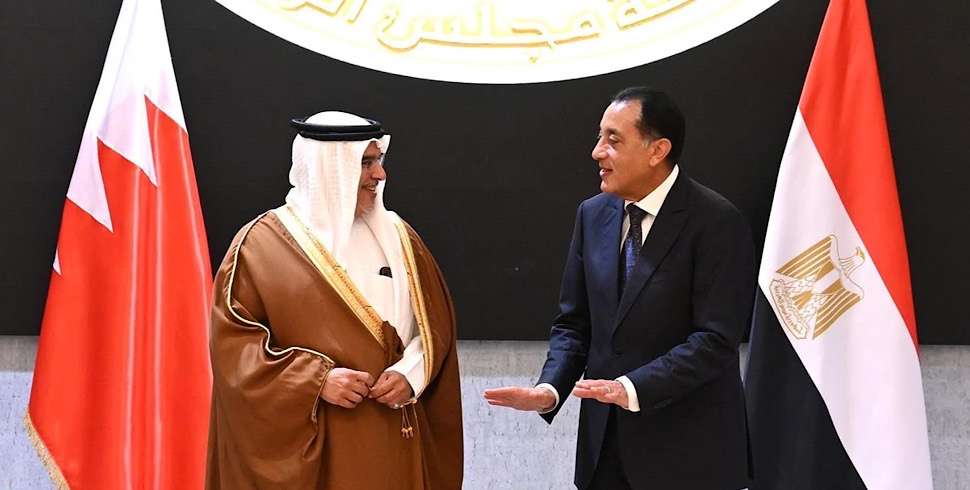
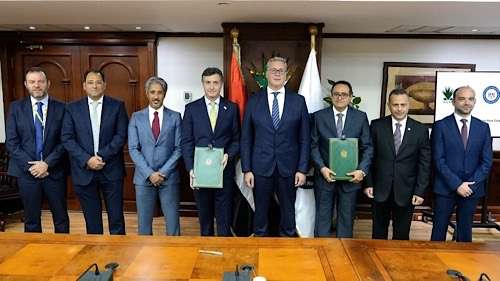
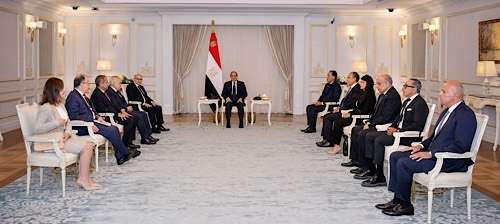
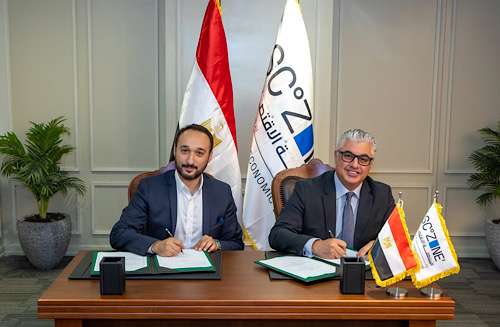
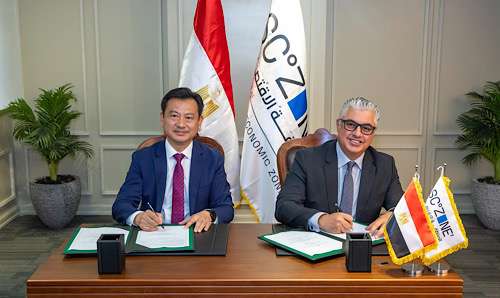
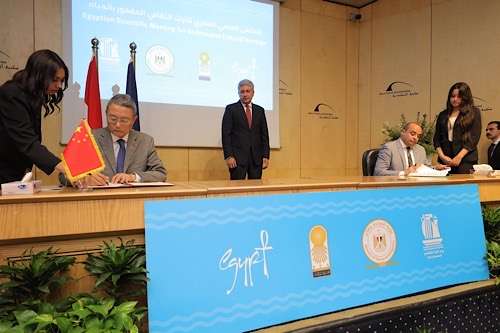
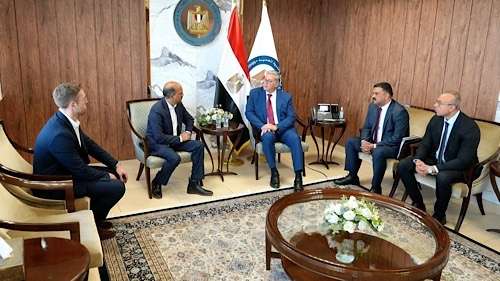
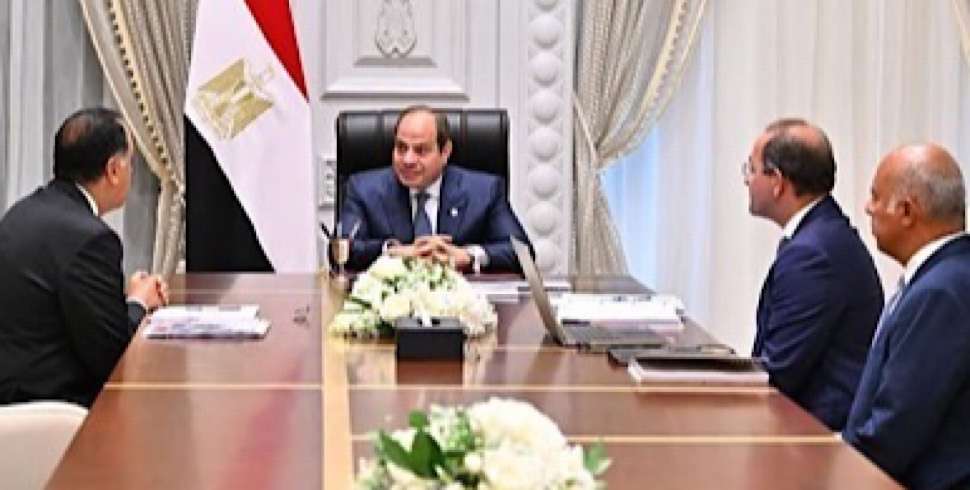
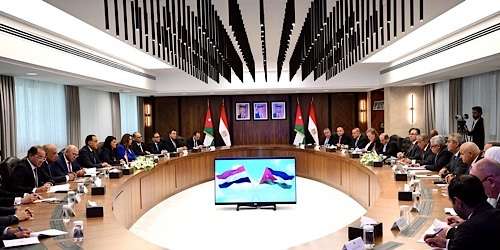
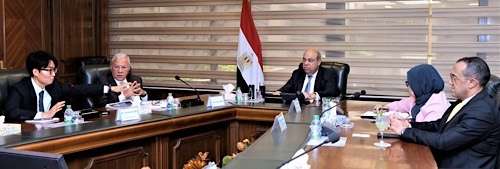
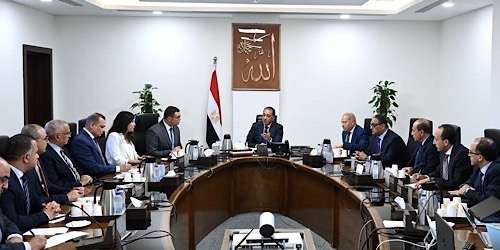
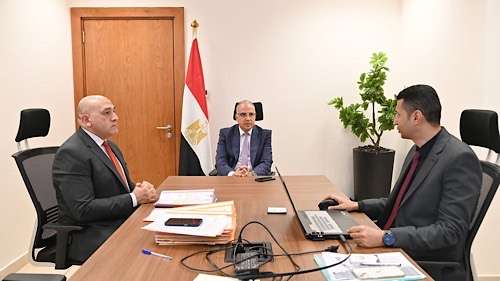
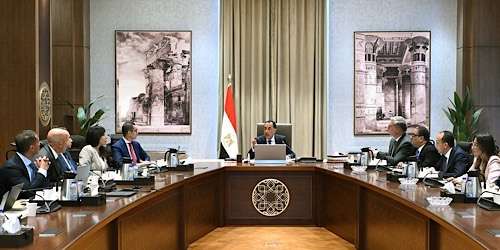
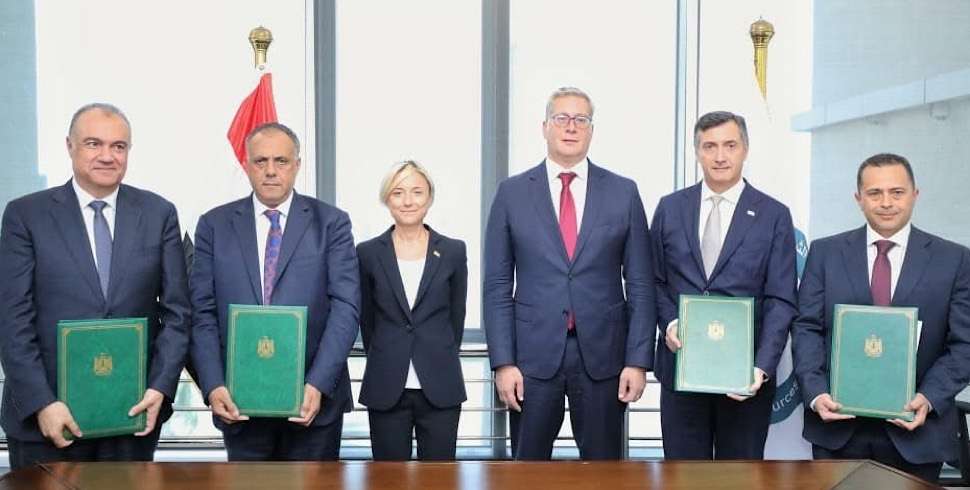
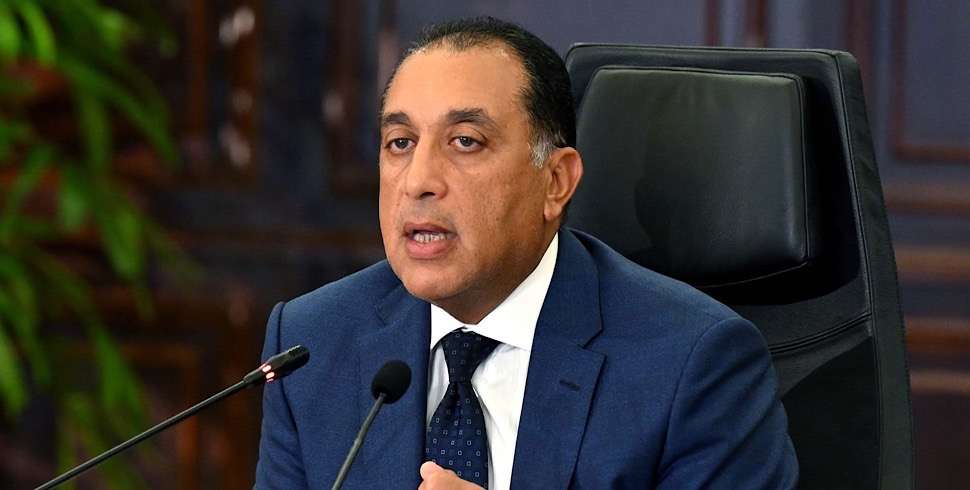
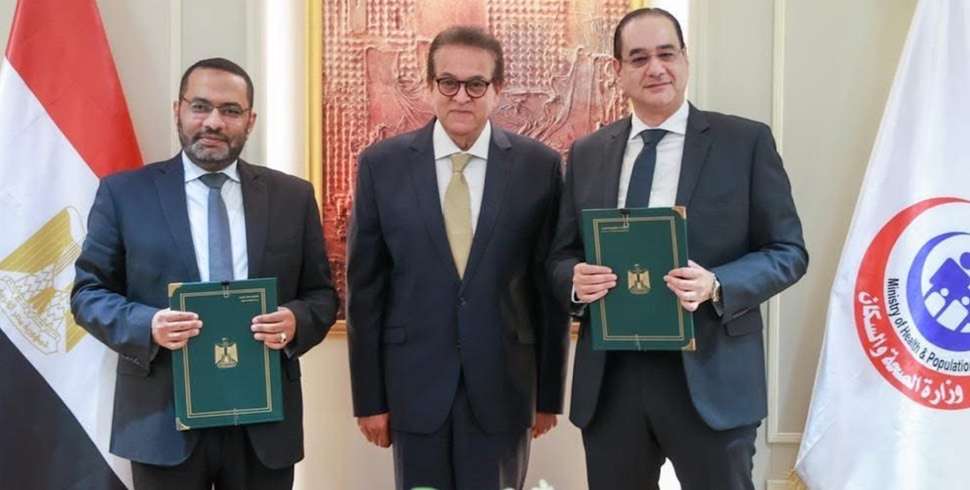
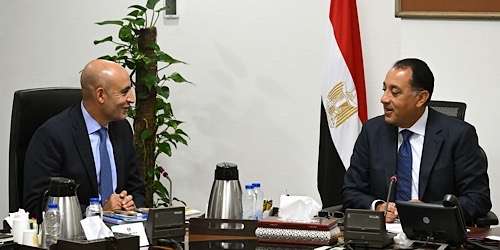
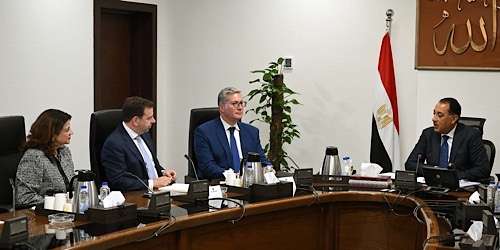
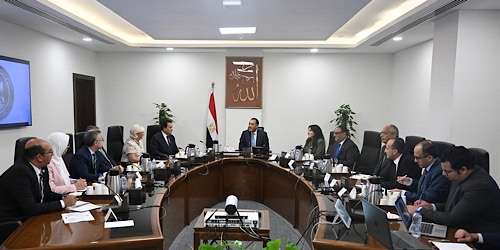
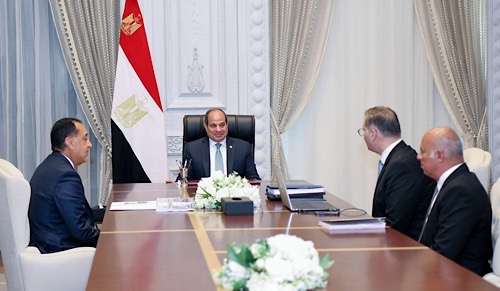
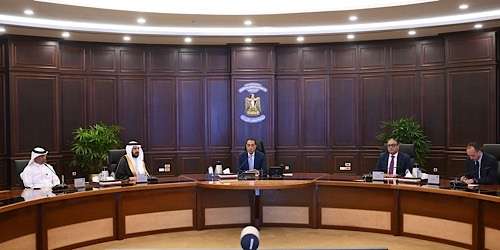
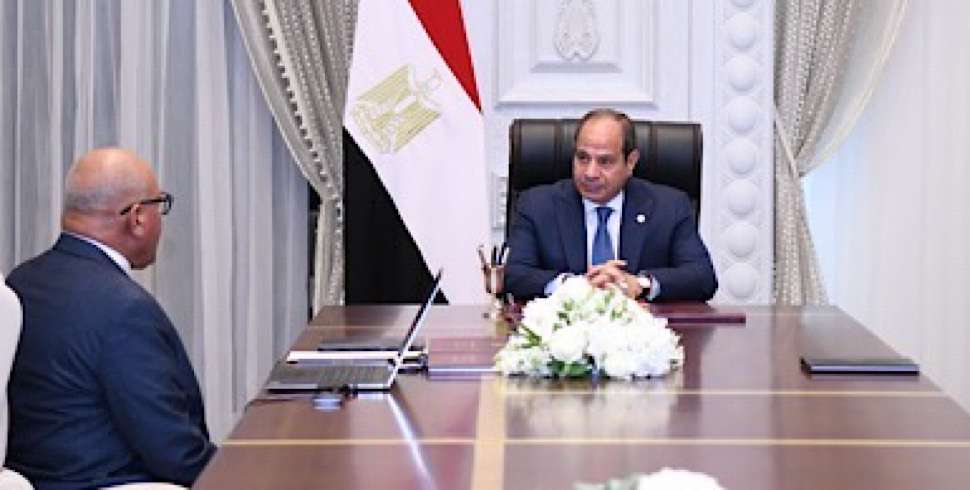
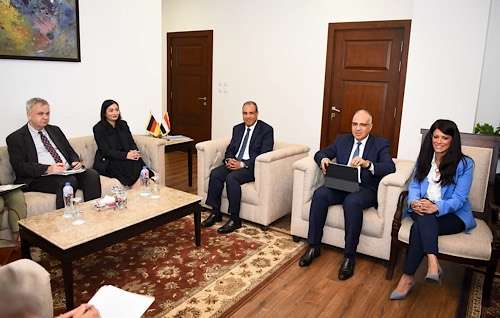
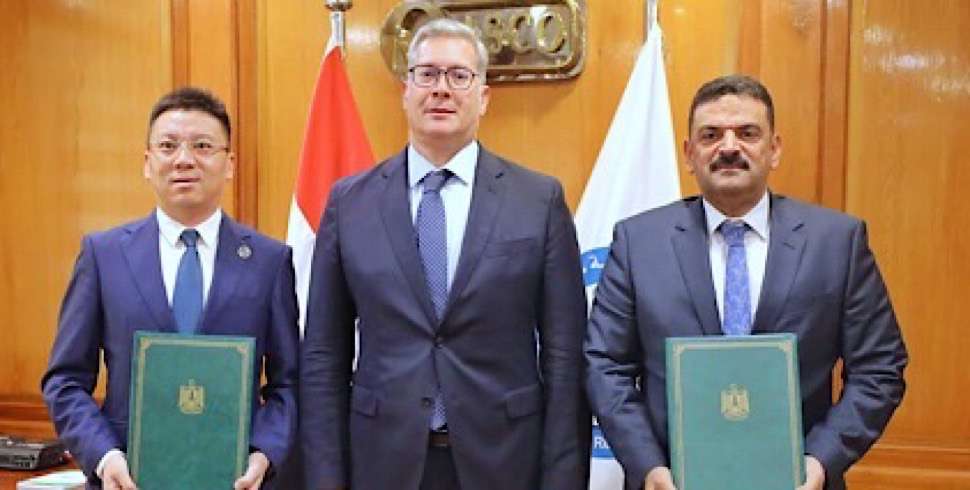
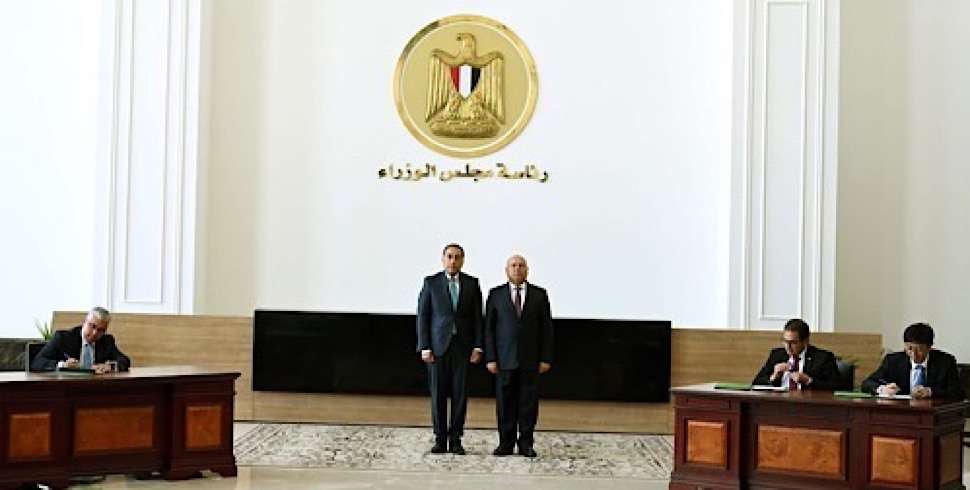
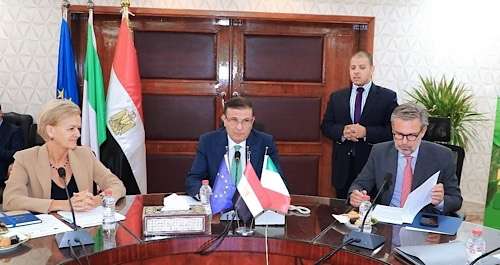
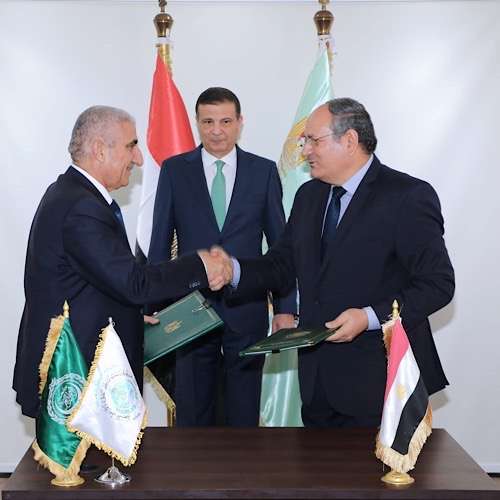
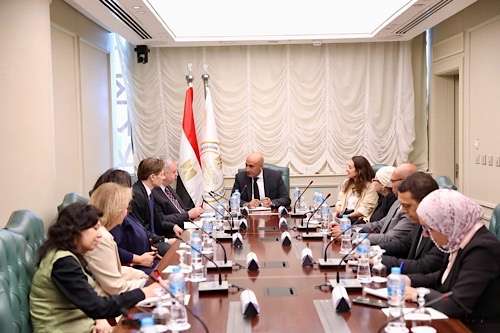
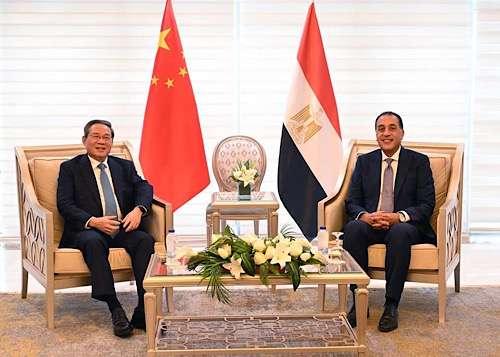
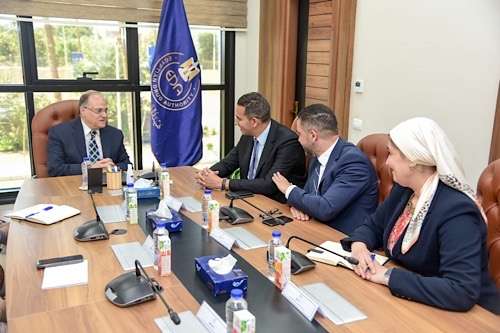
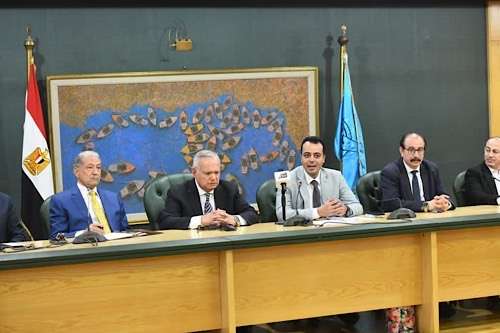
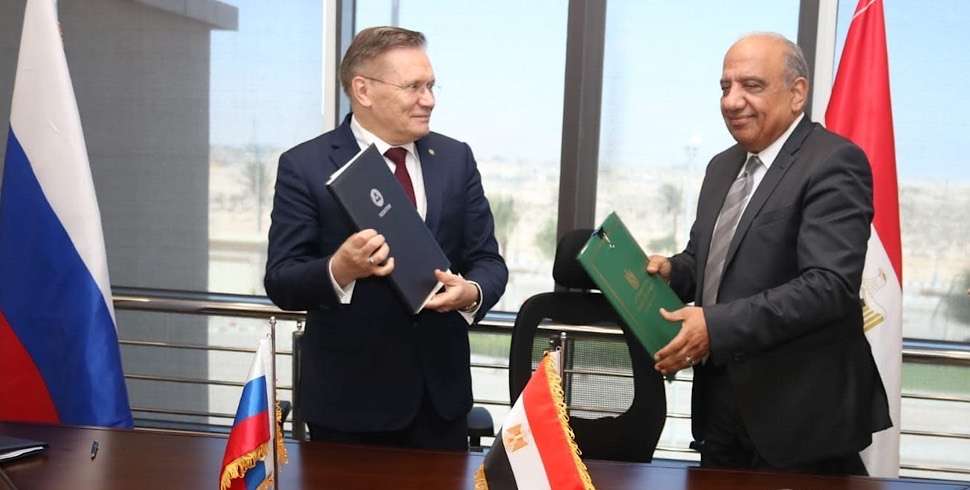
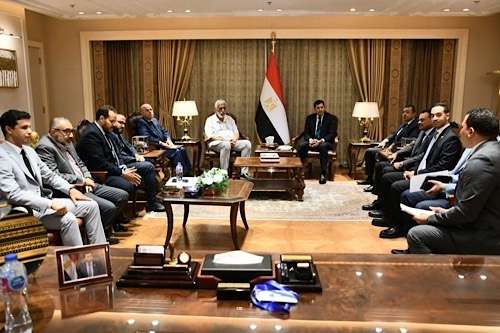
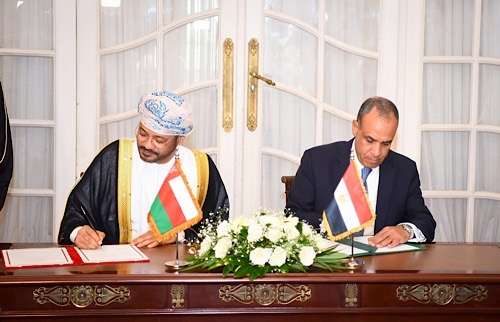
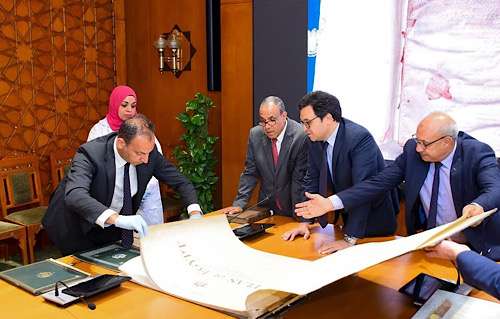
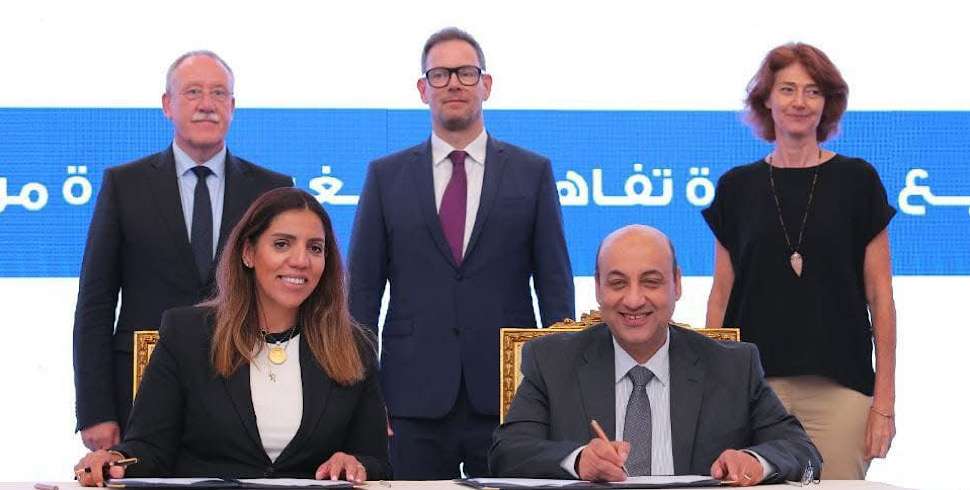
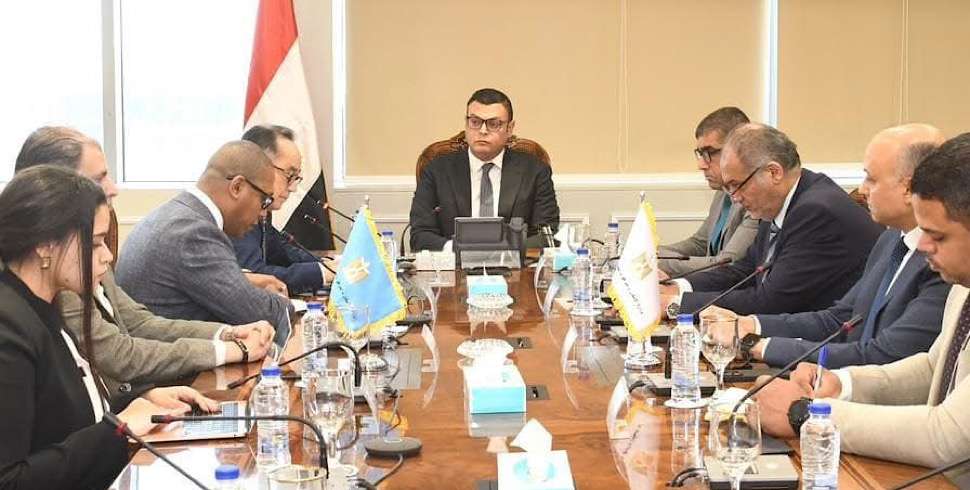
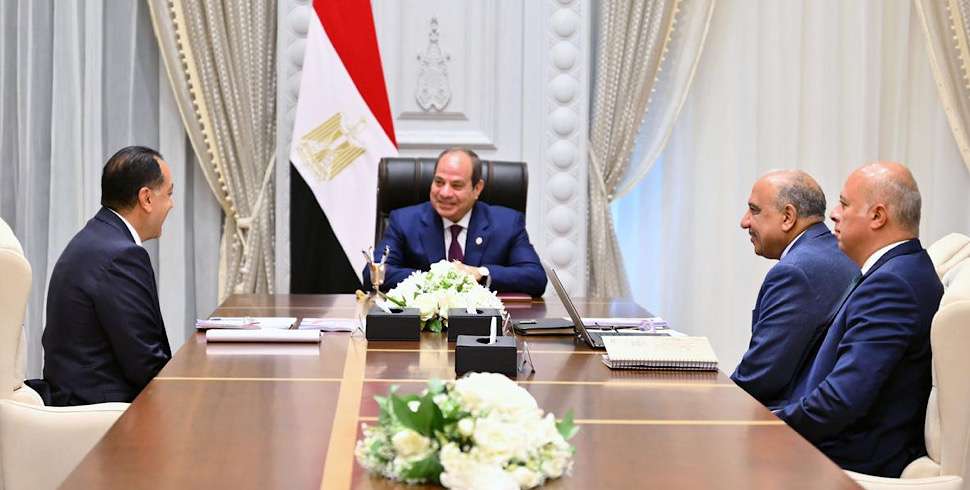
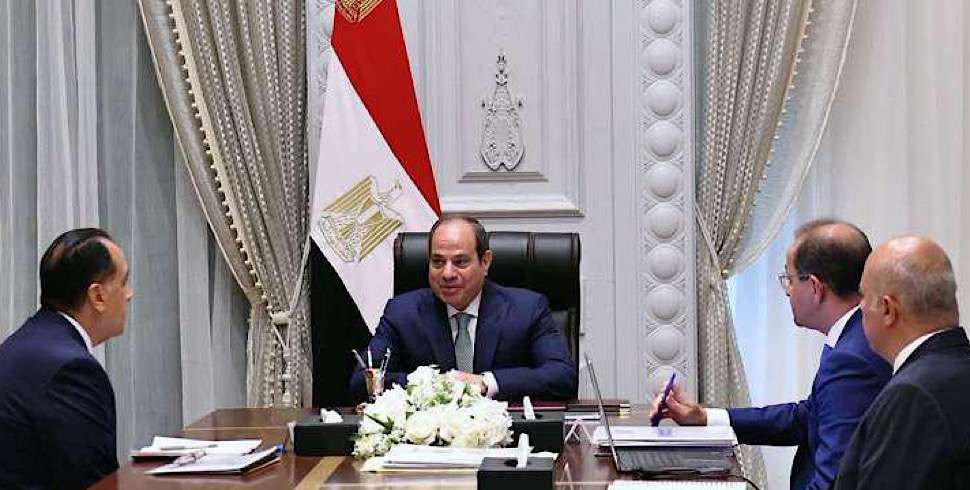
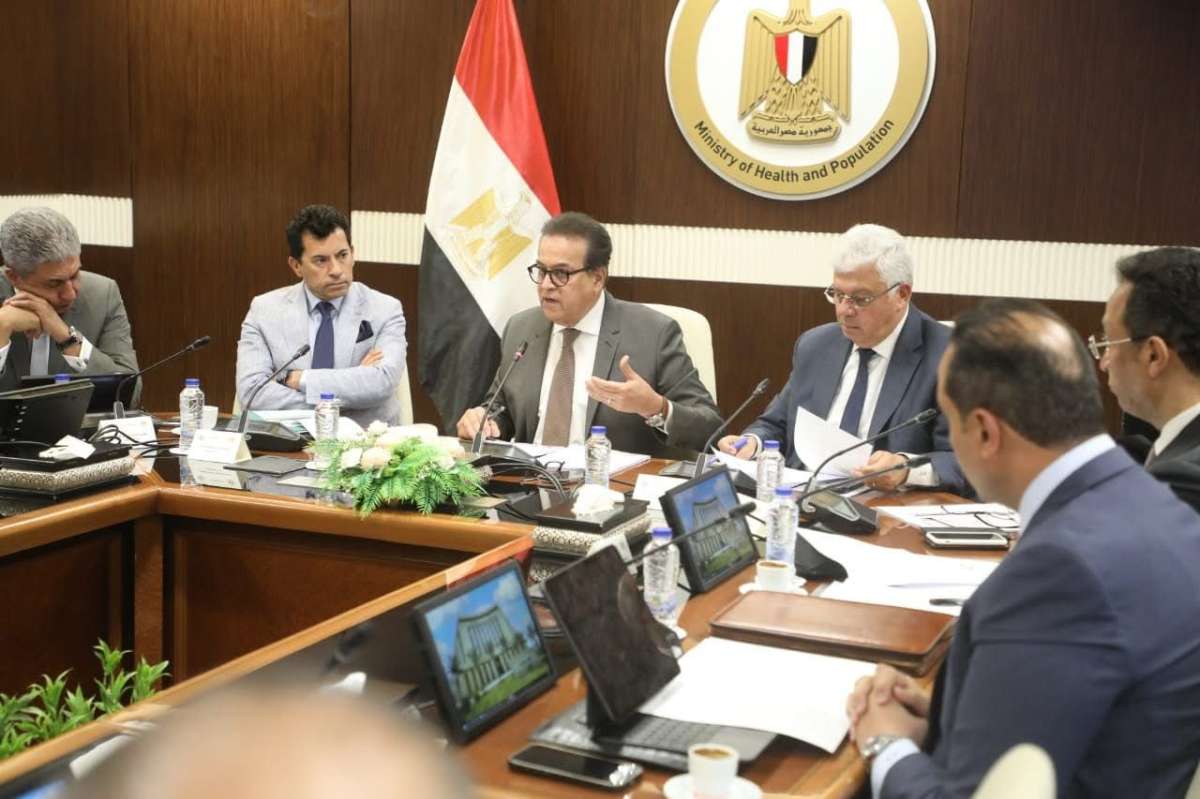
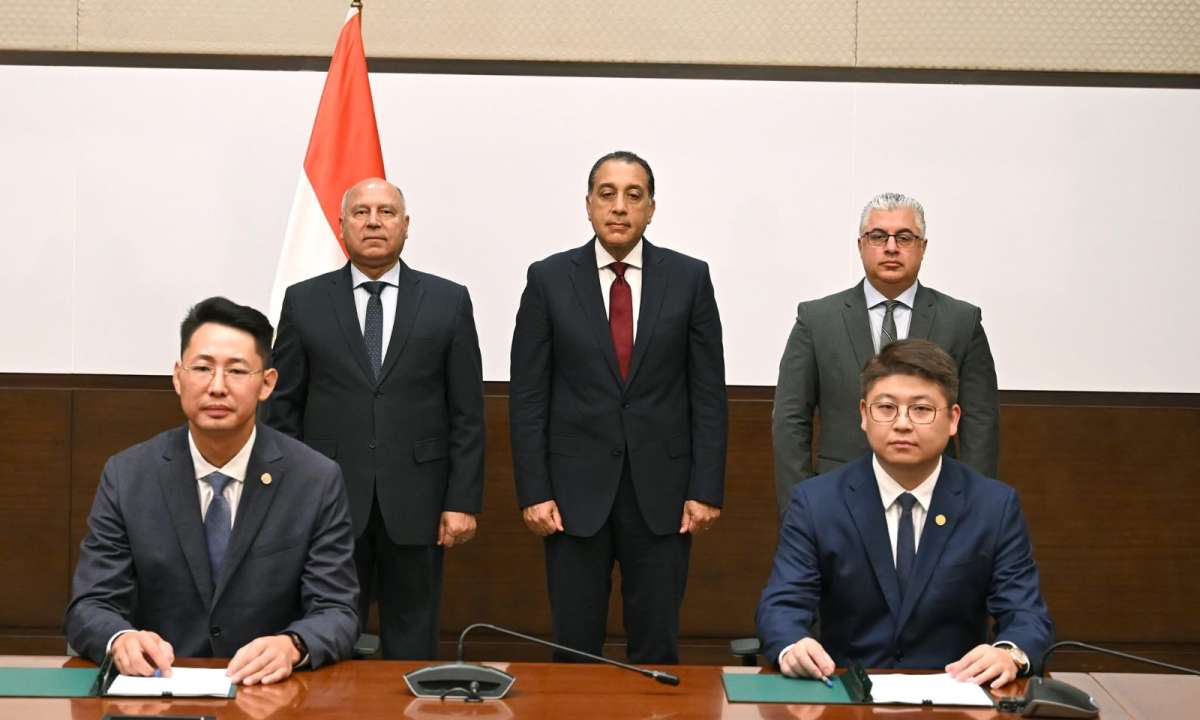
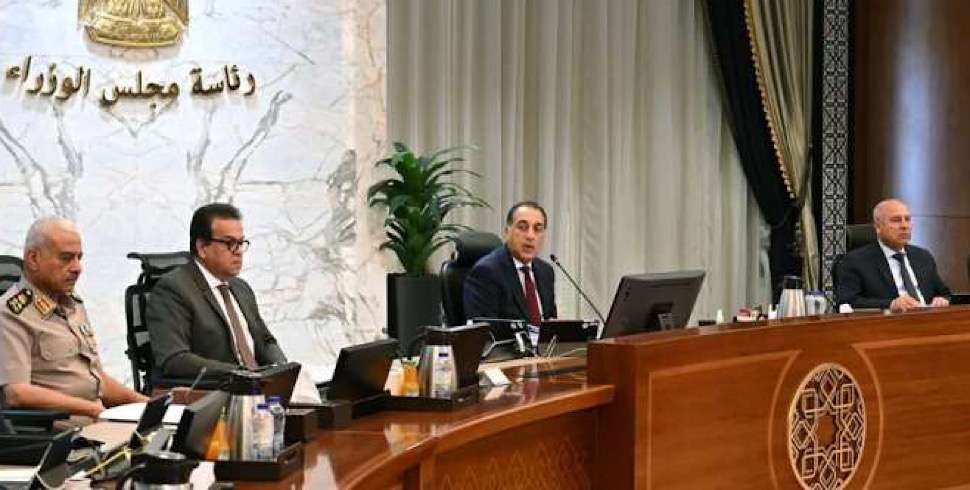
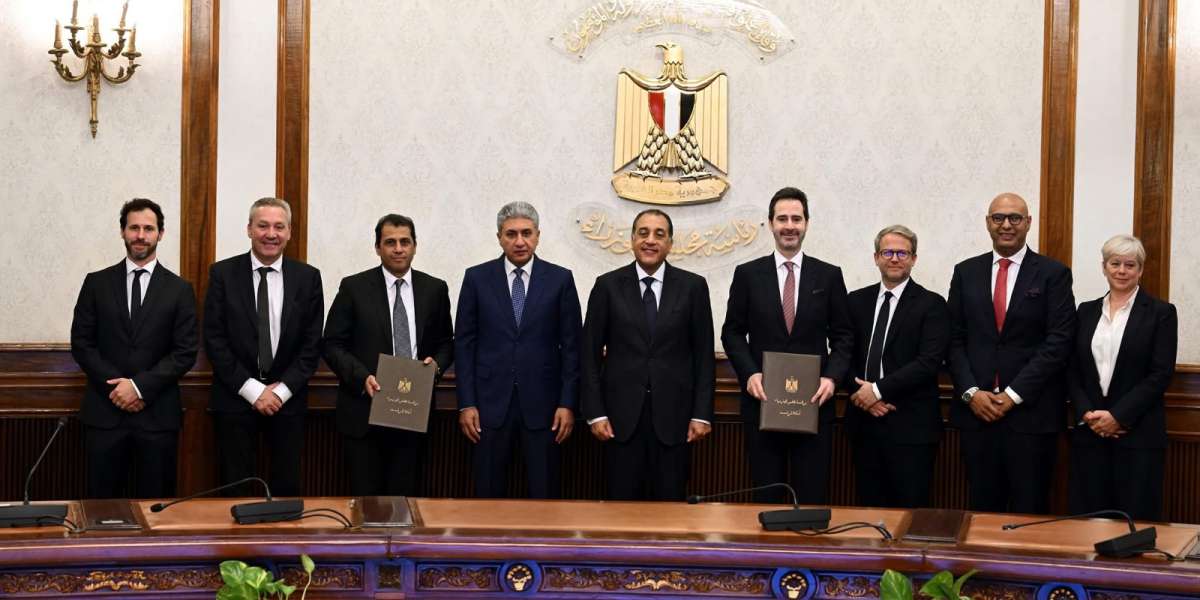
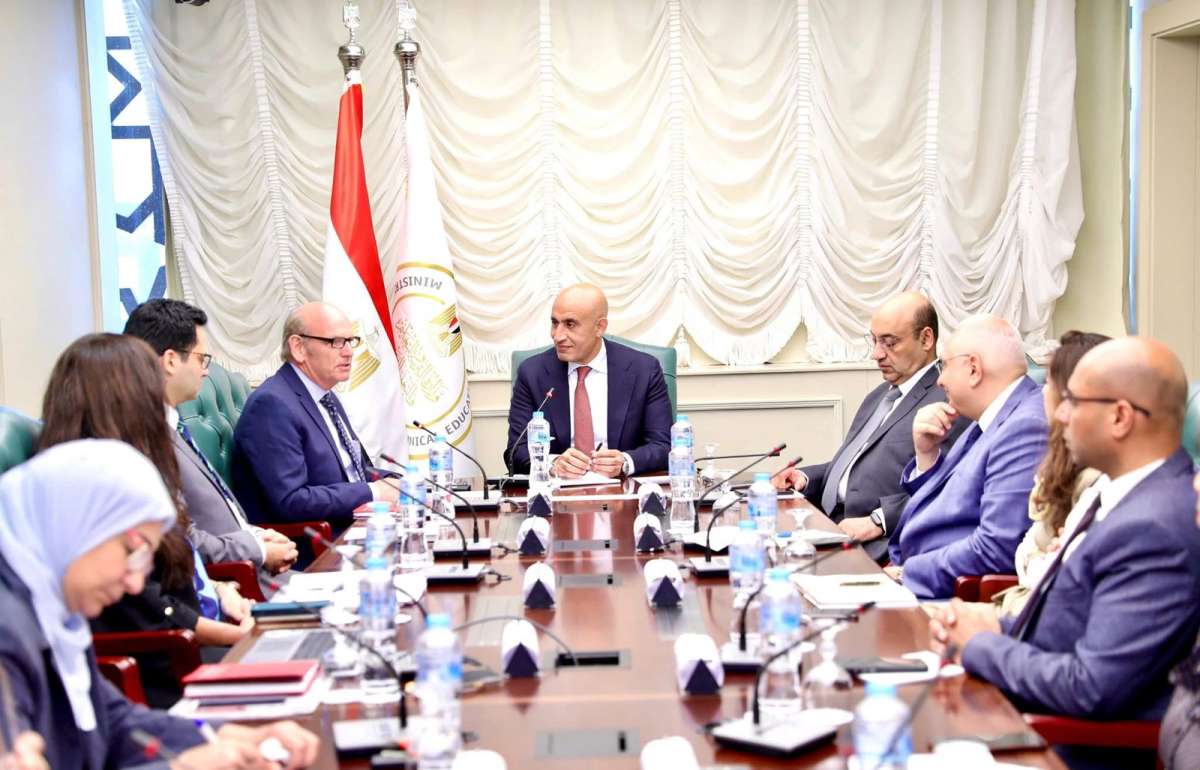
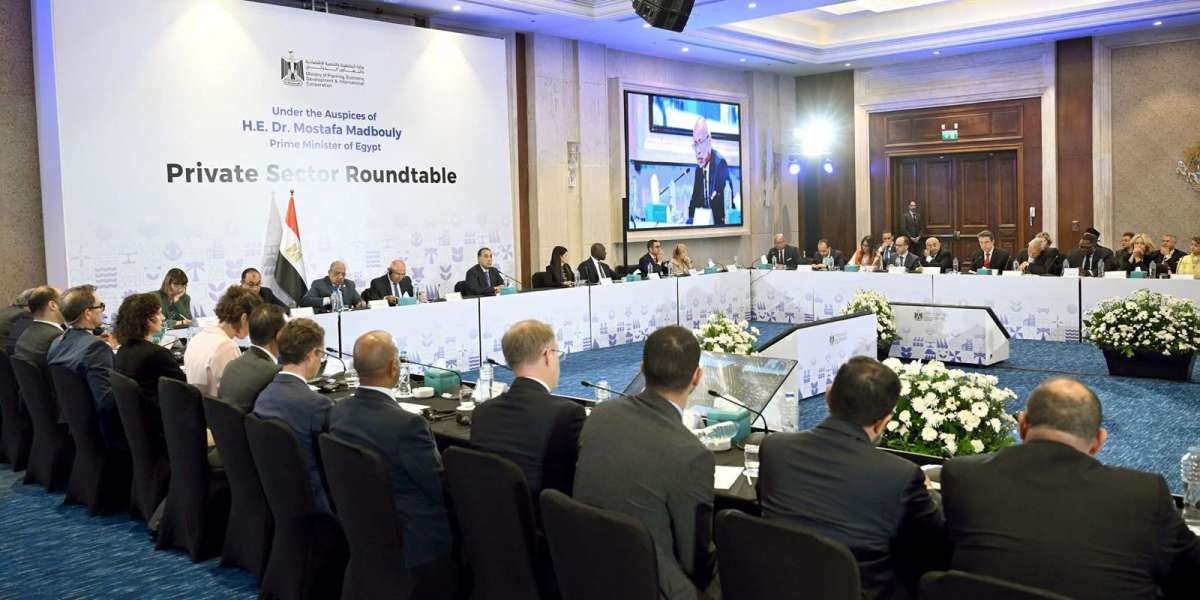
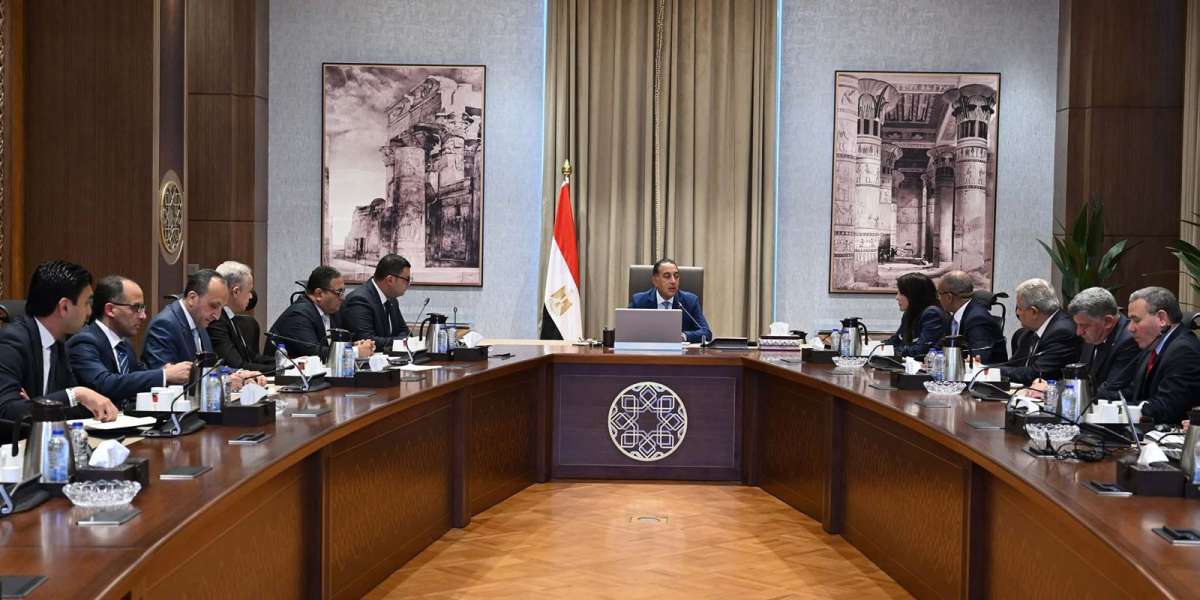
Egypt’s Prime Minister, Dr. Mostafa Madbouly, witnessed the signing of a landmark cooperation protocol aimed at establishing and developing five specialized applied technology schools focused on the pharmaceutical industries and healthcare.
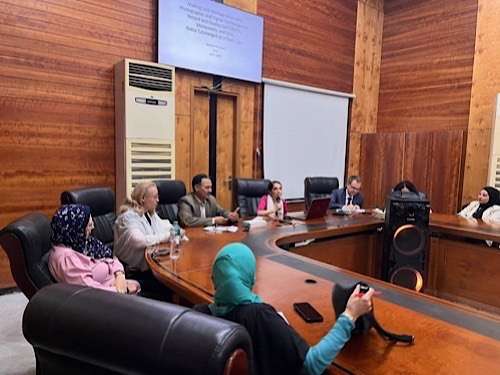
The event, held at the Cabinet headquarters in the New Administrative Capital, marks a significant step in the country’s efforts to bridge the gap between vocational education and the needs of Egypt’s rapidly growing pharmaceutical sector.
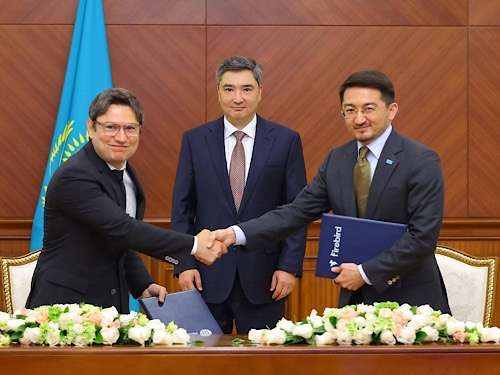
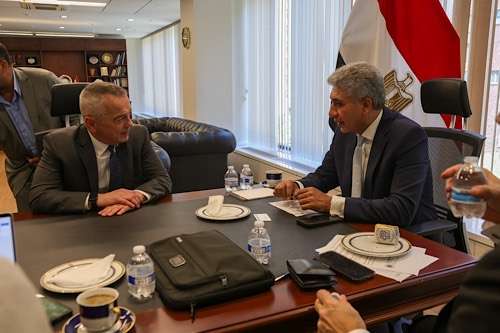
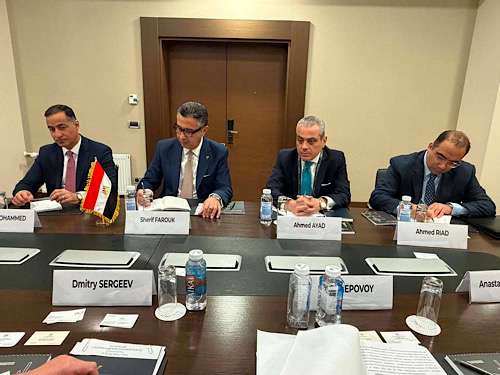
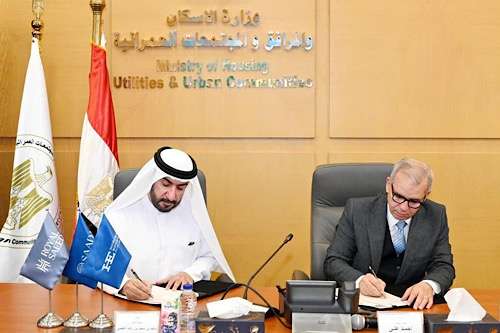
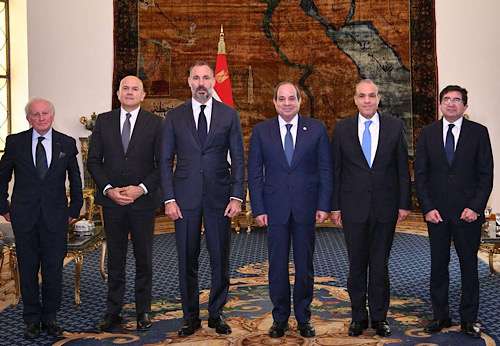
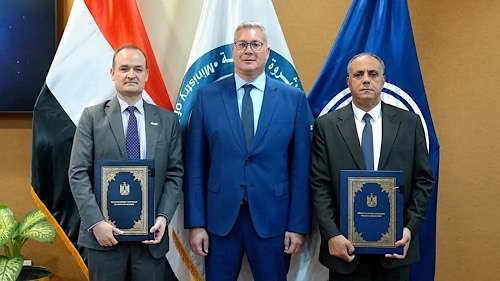
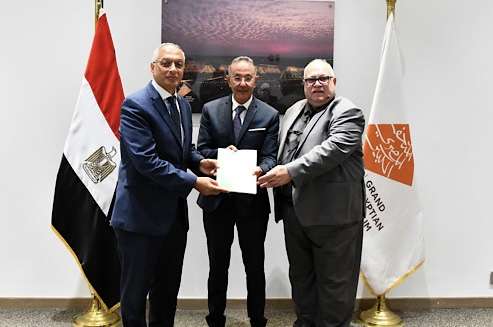
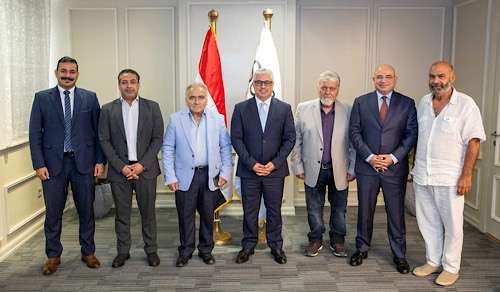
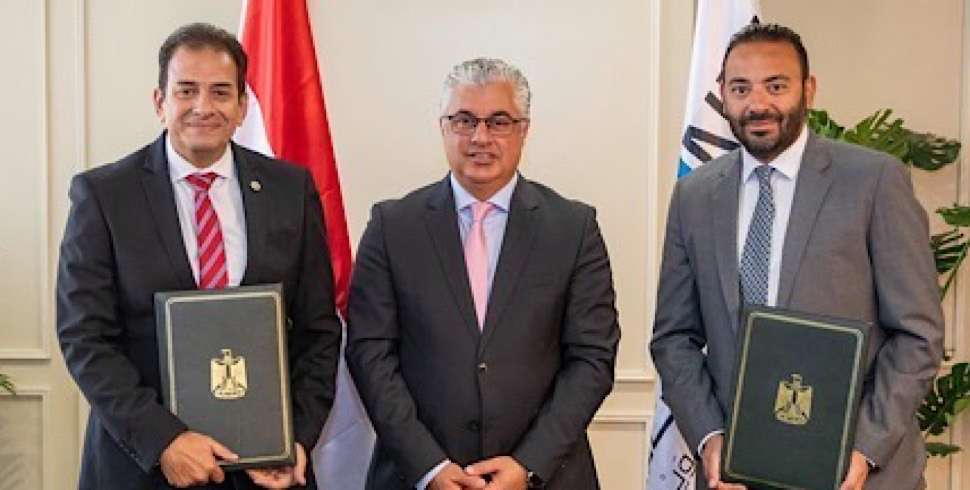
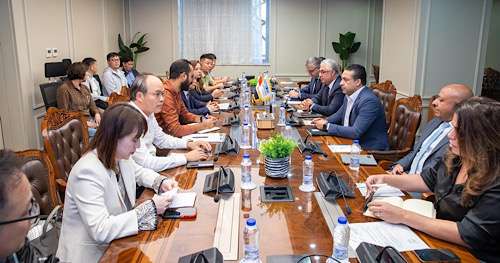
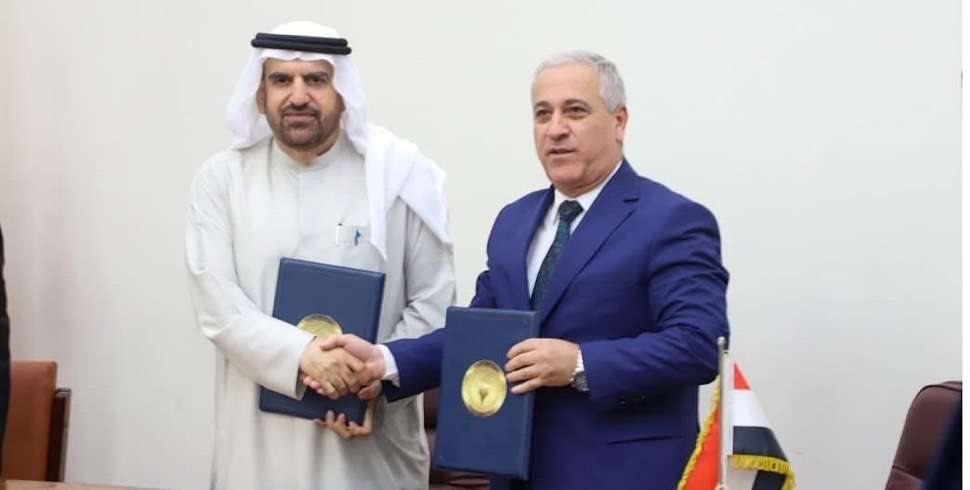
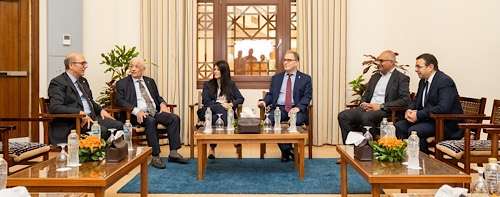
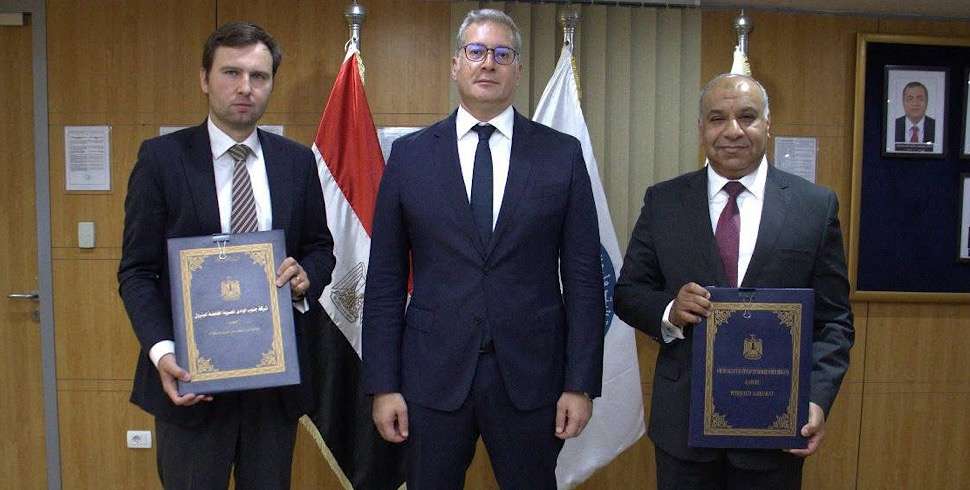
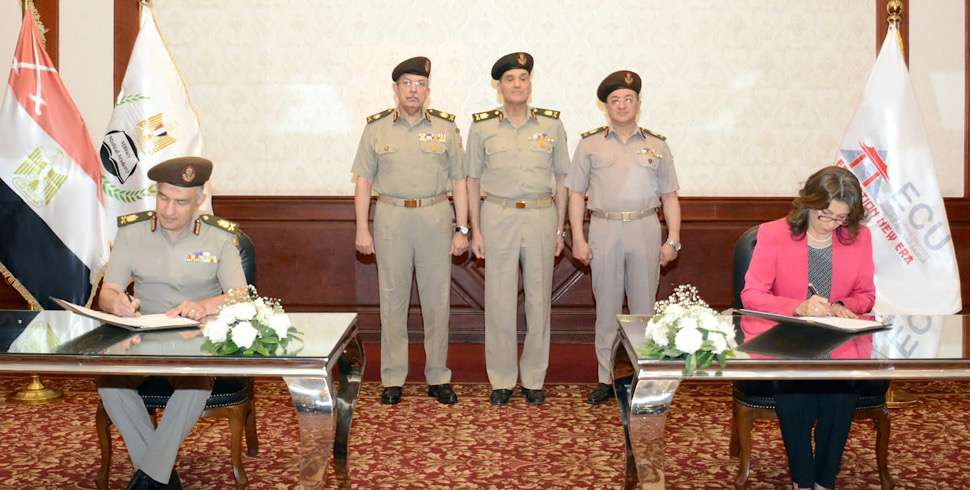
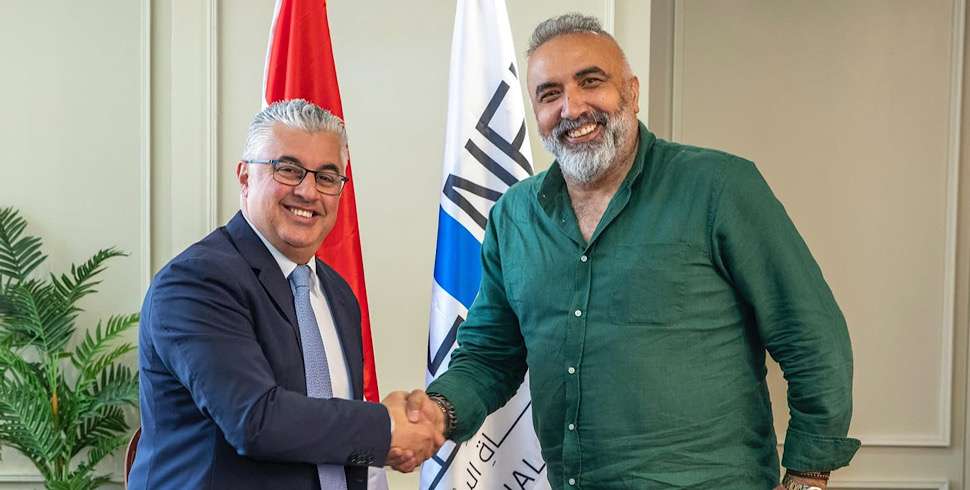
The protocol was signed by representatives from the Ministry of Health and Population, the Ministry of Education and Technical Education, the Egyptian Drug Authority, and the Technological Institute for Pharmaceutical Industries in Rome, Italy. The new schools are set to open at the start of the 2025/2026 academic year, and will operate under the applied technology system, a model that combines academic study with practical training and international standards.
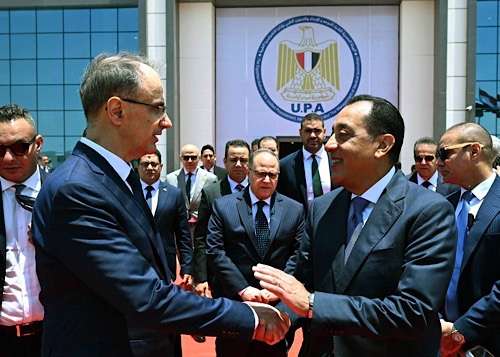
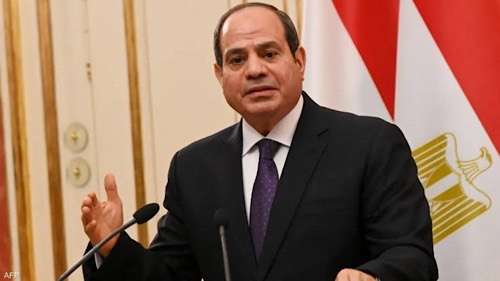
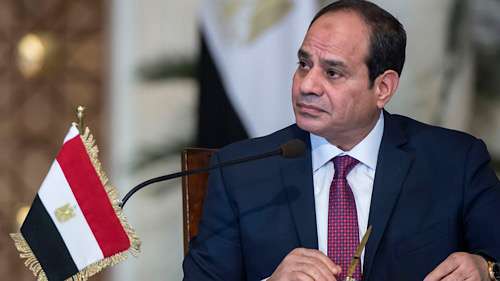
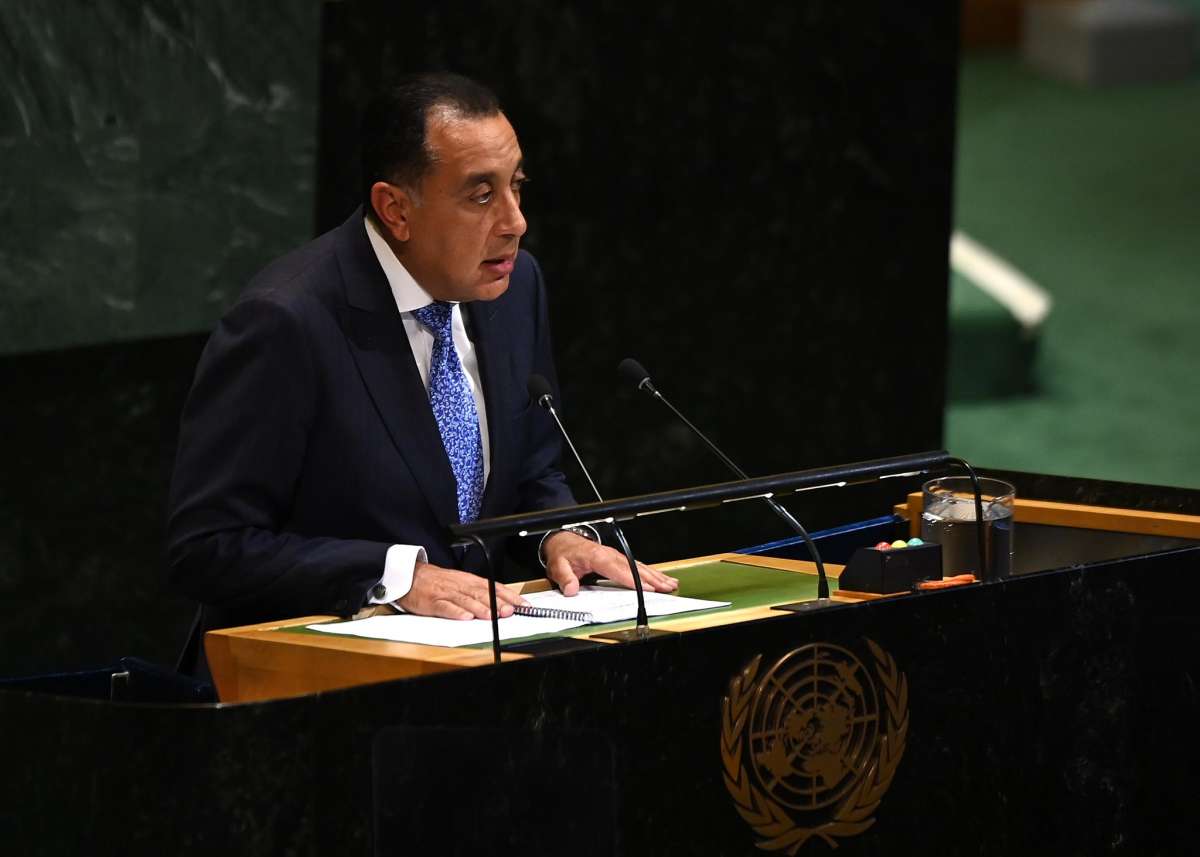
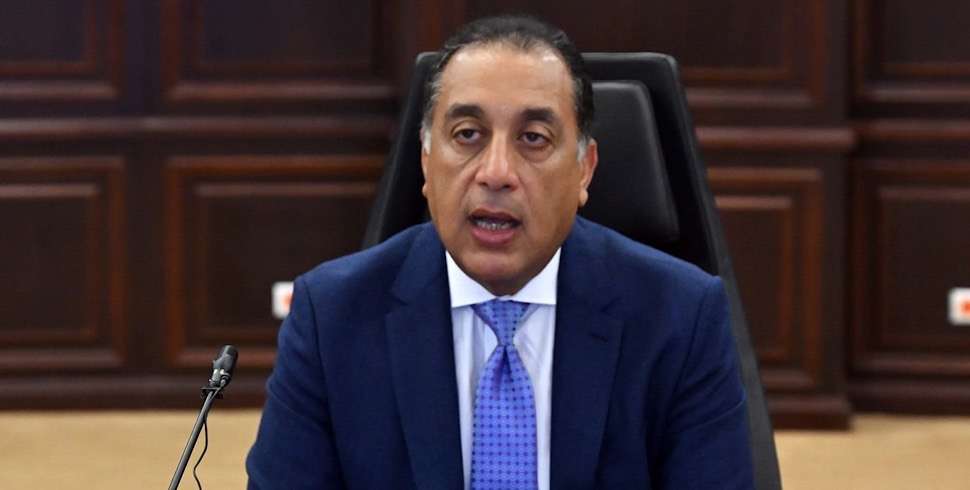
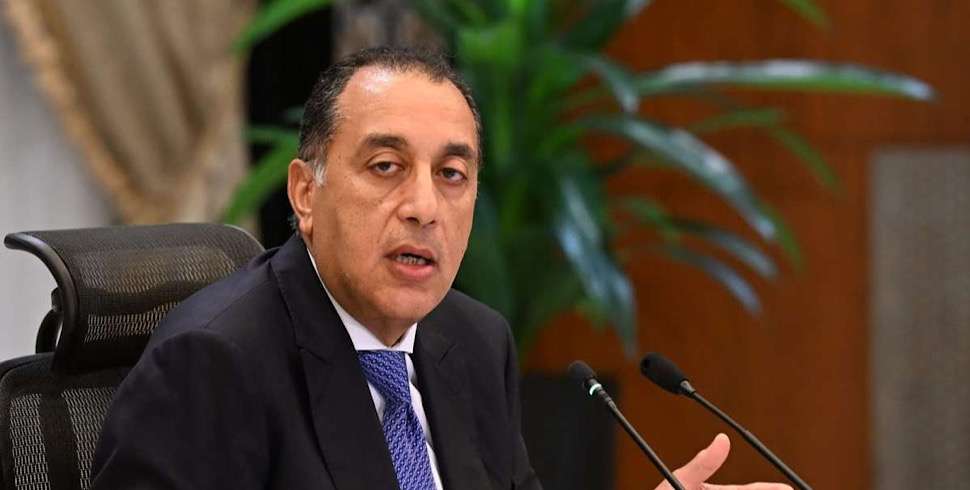
Prime Minister Madbouly emphasized that the initiative reflects the directives of President Abdel Fattah El-Sisi to enhance the integration between technical education and the requirements of key industries—particularly biotechnology, pharmaceutical manufacturing, and the production of nutritional supplements. “This protocol is a strategic step towards providing qualified cadres in critical sectors like pharmaceuticals and healthcare, supporting Egypt’s competitiveness both regionally and internationally,” Madbouly stated.
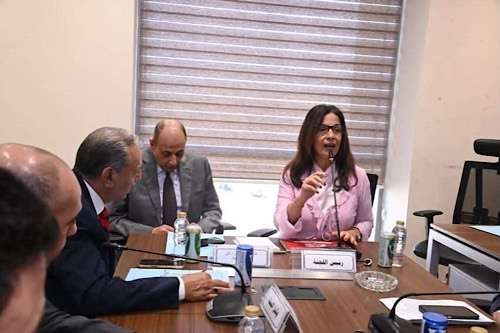
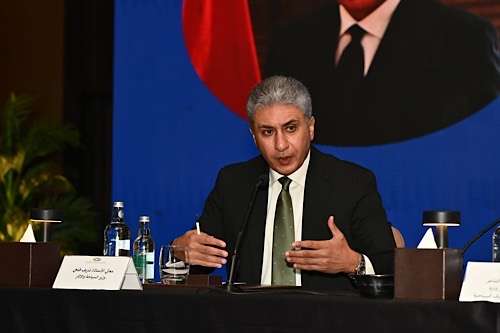
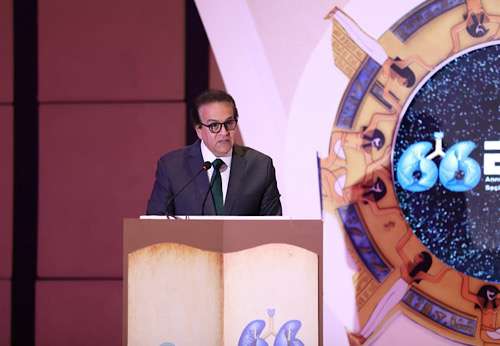
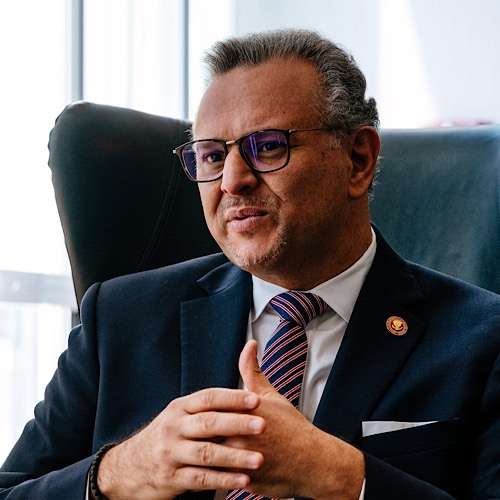
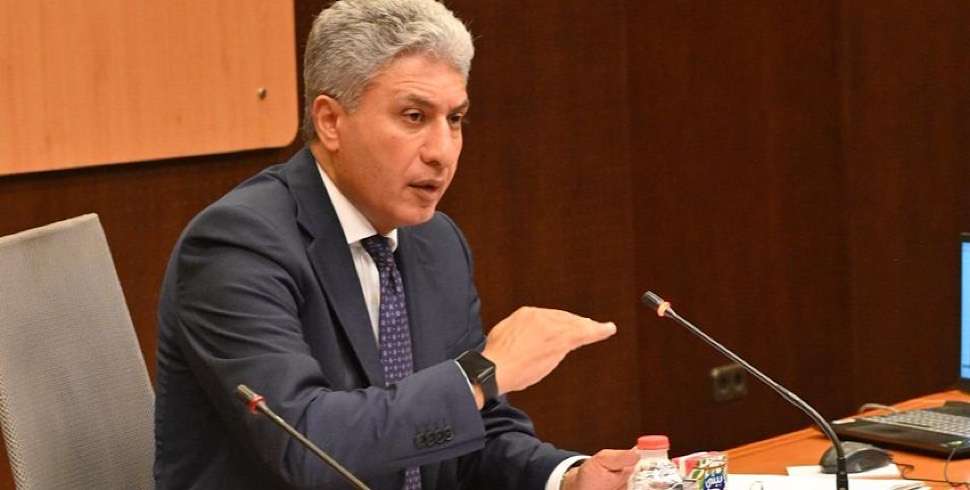
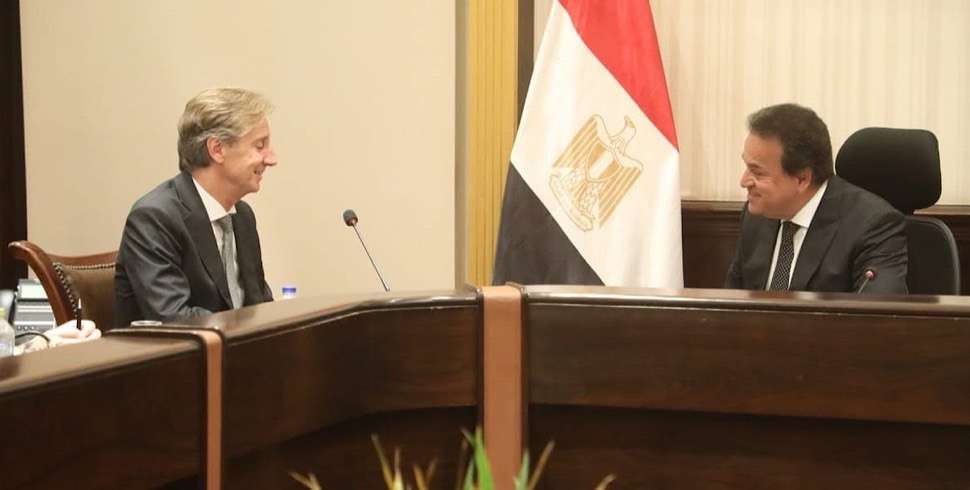
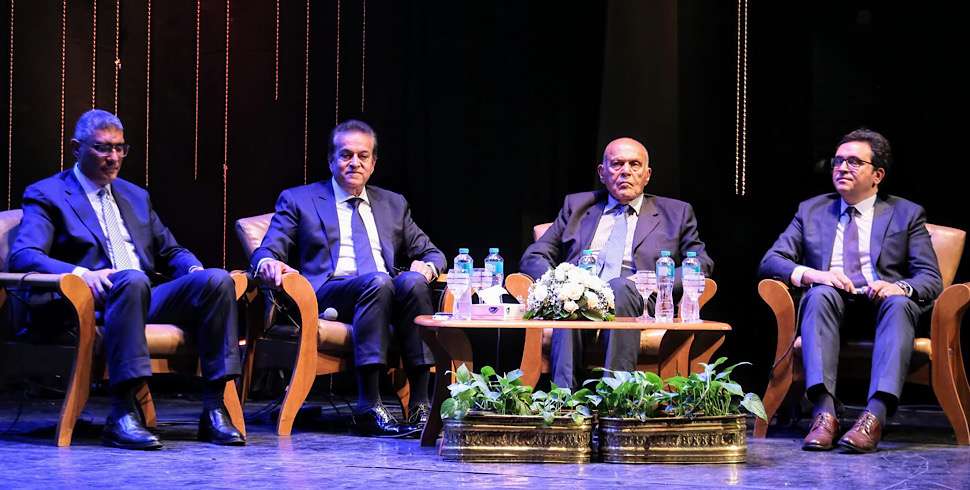
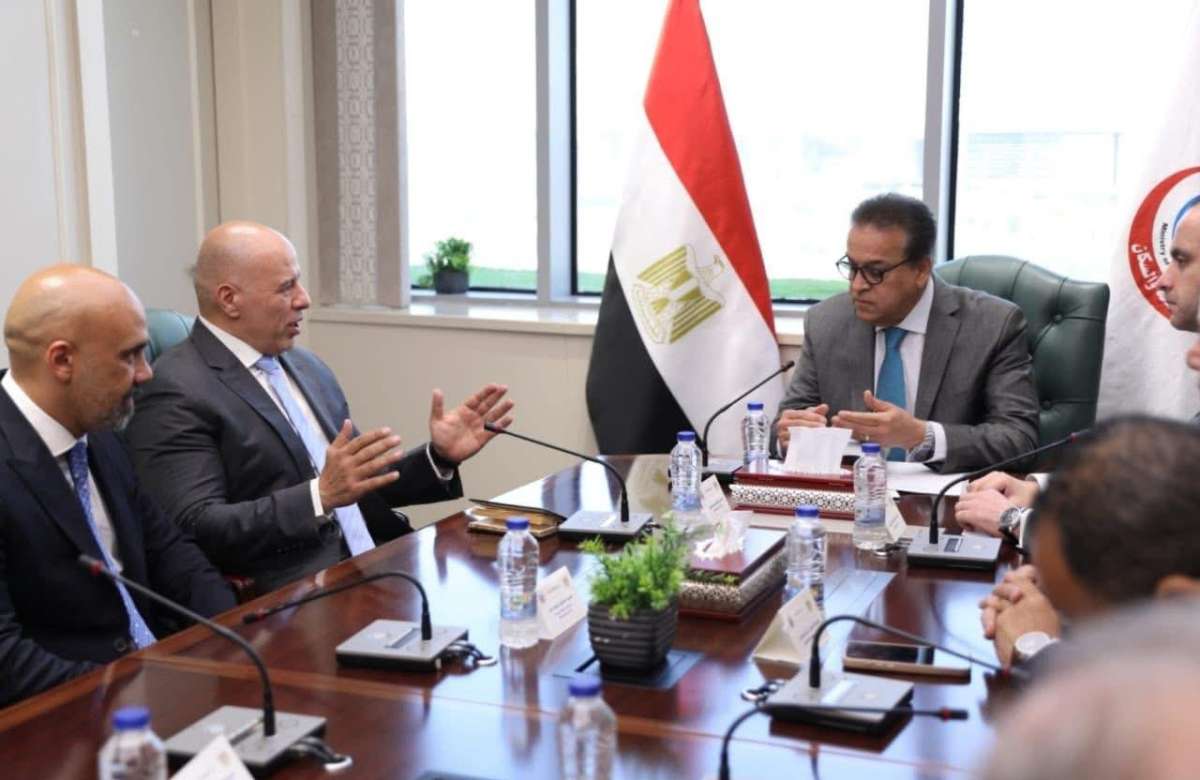
Dr. Khaled Abdel Ghaffar, Deputy Prime Minister for Human Development and Minister of Health and Population, explained that the Ministry of Health will participate in developing curricula, supervising practical training programs, and overseeing student evaluation to ensure that educational outcomes align with national health policies. He highlighted that this cooperation opens up international avenues for Egyptian youth to work in the pharmaceutical industry, both within Egypt and abroad, in line with Egypt’s Vision 2030 for human, economic, and health development.
Mohamed Abdel Latif, Minister of Education and Technical Education, noted that applied technology schools have become a successful model for education closely linked to labor market demands. He stated, “Today, five new schools in non-traditional specialties are added, meeting real needs in the pharmaceutical and healthcare sectors, and demonstrating our commitment to investing in education as a pillar of economic and social development.”
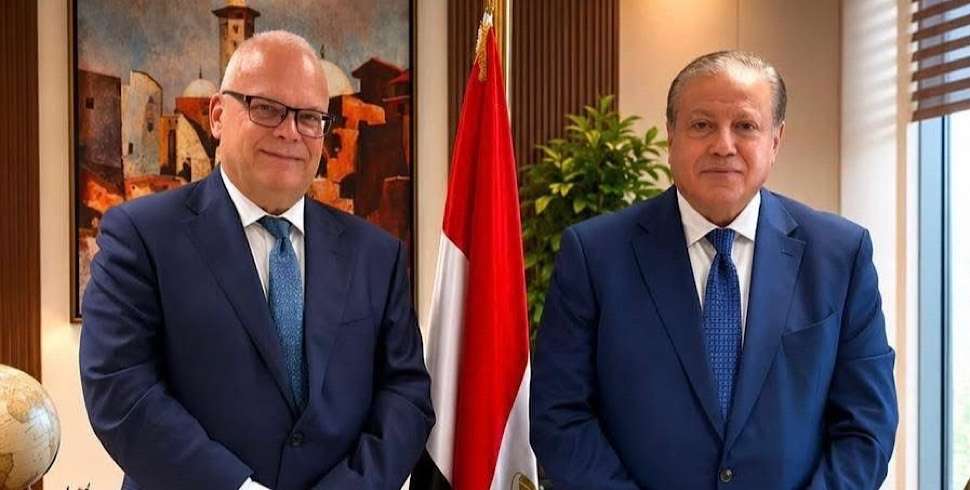
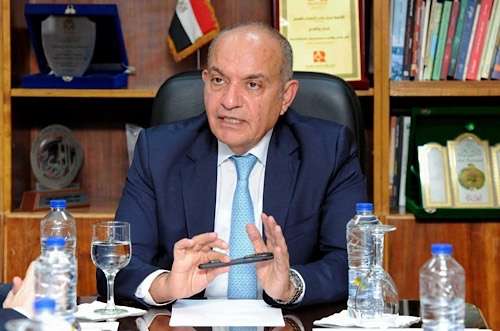
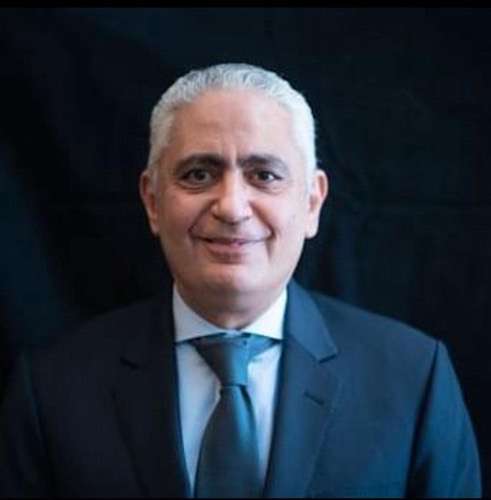
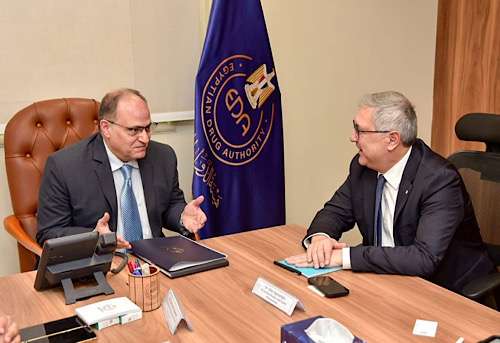
Dr. Ali El-Ghamrawy, President of the Egyptian Drug Authority, outlined how the protocol fits into the national plan for developing the pharmaceutical industry by preparing highly skilled technical professionals. The project will enhance partnerships with the private sector, providing in-factory training and direct job placement for graduates. A joint board, with representatives from all four parties, will ensure governance and the highest standards of quality.
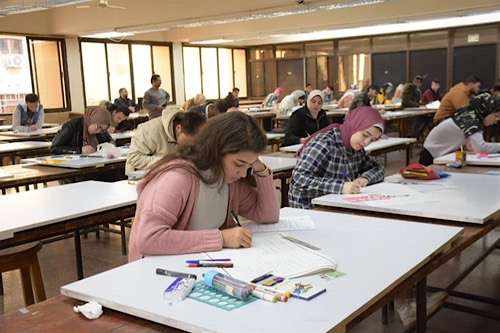
The protocol aims to establish five specialized applied technology schools for pharmaceuticals through collaborative efforts, awarding students dual certificates: a diploma accredited by the Ministry of Education and internationally recognized training certificates. Curricula will be aligned with international standards such as Good Manufacturing Practice (GMP), Good Laboratory Practice (GLP), Regulatory Affairs, and Clinical Trials.
Graduates of these schools will be qualified technicians specializing in pharmaceuticals, cosmetics, nutritional supplements, clinical trials, and medical devices. The initiative also covers upgrading school infrastructure, training teachers, accrediting curricula, and implementing hands-on training programs in factories—with a strong focus on occupational safety and international quality systems.
The program includes a three-year study period, with the option of an additional two years. Students successfully completing the third year will receive a diploma in technological secondary education (either three- or five-year system) recognized by the Ministry of Education. Additionally, graduates will be awarded an experience certificate from the Egyptian Drug Authority and a competency certificate from the Technological Institute for Pharmaceutical Industries in Rome.
This initiative is widely viewed as a pioneering move to modernize technical health education in Egypt, empower youth with international career opportunities, and support the localization of essential industries for sustainable national development.