



































































































































































































































































































































































































































































































































































































































































































































































































































































































































































































































































































































































Friday, 09 October 2026
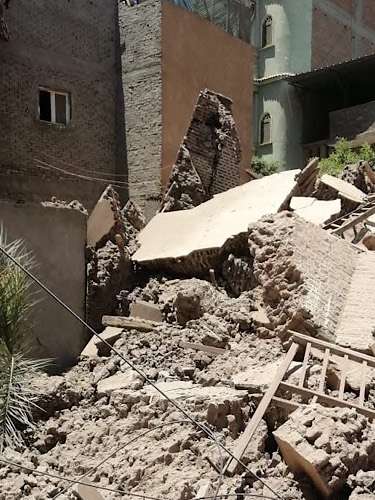 (Source:Egypt Historical Guard Facebook Page)
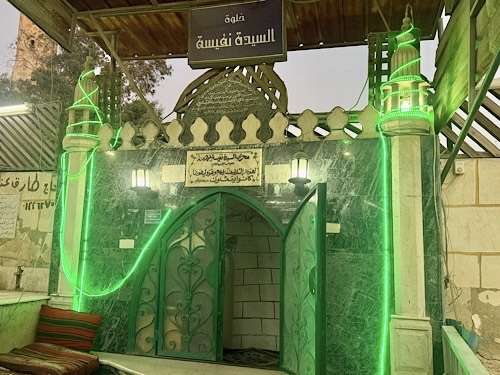
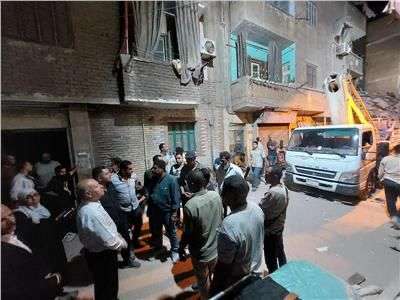
In a deeply regrettable incident that highlights ongoing challenges in heritage preservation, the historic minaret of the Sayyid Salama Mosque in Samannoud, Gharbia Governorate, Egypt, which dates back to 1737, collapsed following years of neglect and delayed intervention by authorities.
A senior official from Egypt’s Supreme Council of Antiquities revealed that the immediate cause of the collapse was a persistent failure to secure necessary restoration funding from the Ministry of Religious Endowments (Awqaf), despite repeated warnings about the deteriorating state of the structure.
The official explained that the minaret had not undergone any restoration work since 1992, even though technical reports had continually warned that the base of the structure was suffering severe erosion due to longstanding moisture problems. Studies had confirmed that the overall body of the minaret was still intact, but its foundation had become dangerously weak.
The Ministry of Religious Endowments—which owns the mosque and is responsible for allocating maintenance budgets—was officially notified of the urgent need to repair the minaret as early as February 2025. Throughout 2024, the ministry received numerous illustrated and detailed technical reports warning of the risks facing the minaret.
Despite these repeated notifications, officials failed to take meaningful action, and the minaret collapsed suddenly on Friday morning. The official noted that the legal provision that allows for emergency intervention in situations where a historical building is at risk—known as the "risk prevention" clause—also requires financial approval from the Ministry of Endowments, which was not granted in time.
Experts and heritage lovers alike have expressed their sorrow at the loss, which they say could have been prevented with more timely action and adequate funding.