














































































































































































































































































































































































































































































































































































































































Friday, 09 October 2026
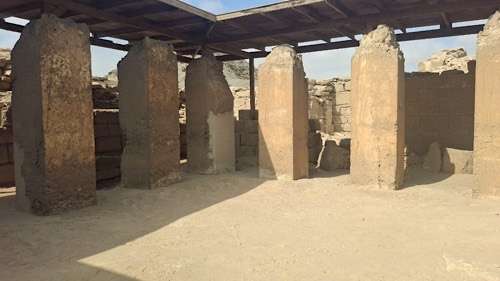
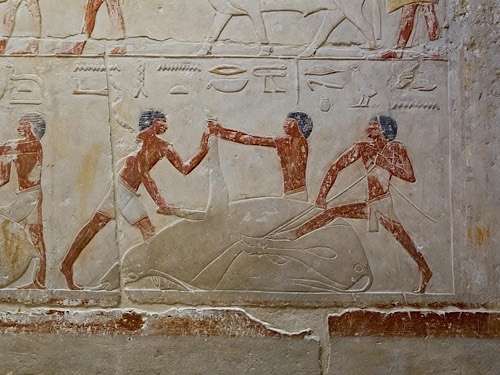
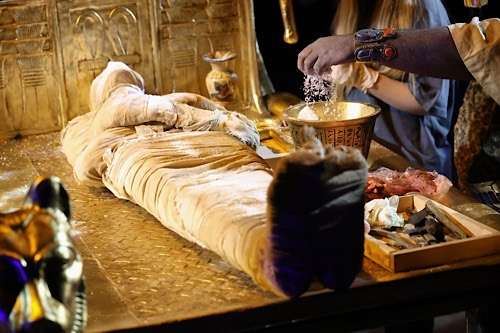
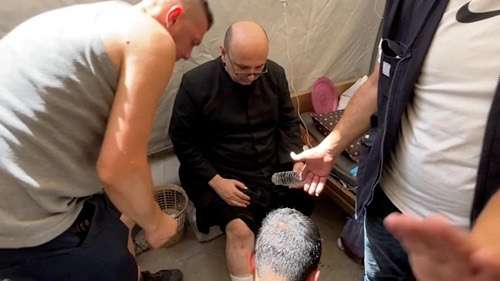
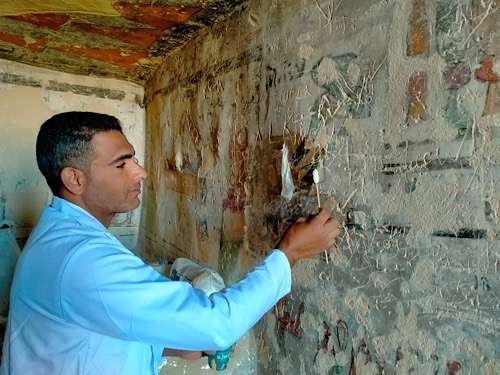
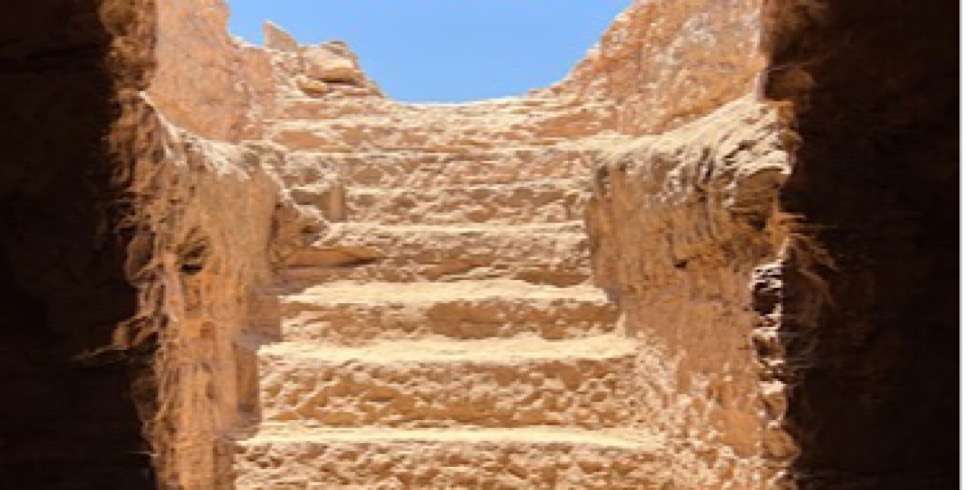
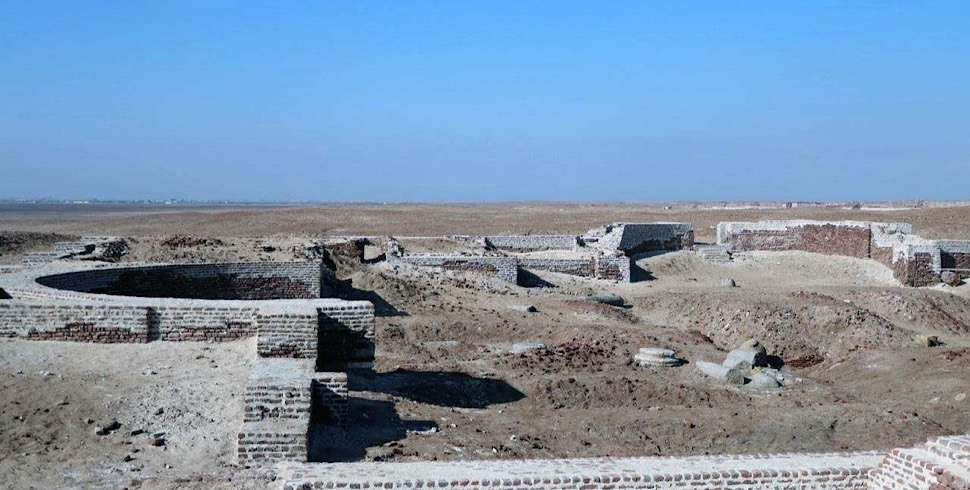
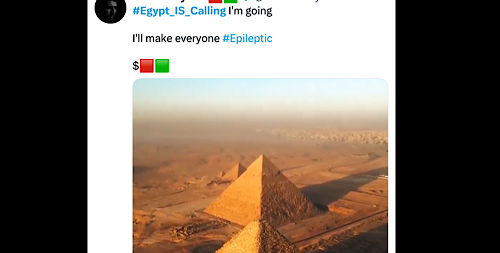
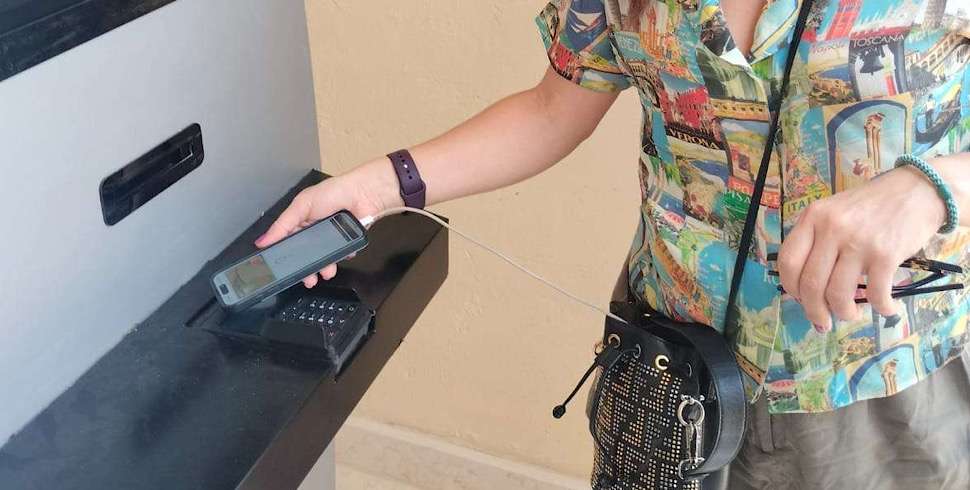
The Egyptian Ministry of Tourism and Antiquities has issued an official statement regarding a widely circulated video on social media appearing to show a tourist applying an oily substance to the walls of the ancient Ptahshepses tomb in the Abu Sir archaeological area as part of a personal ritual.
The Ministry wishes to assure local and international audiences that the video in question is old and does not reflect any recent events at the site.
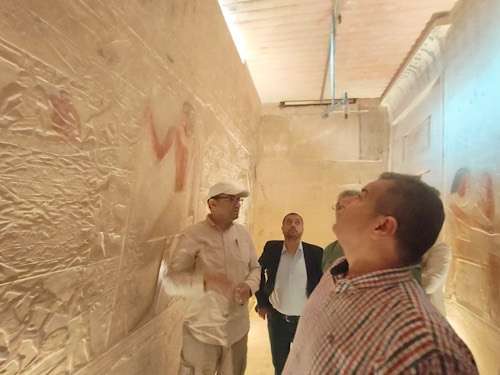
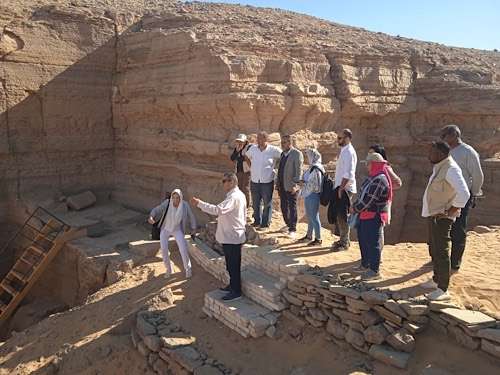
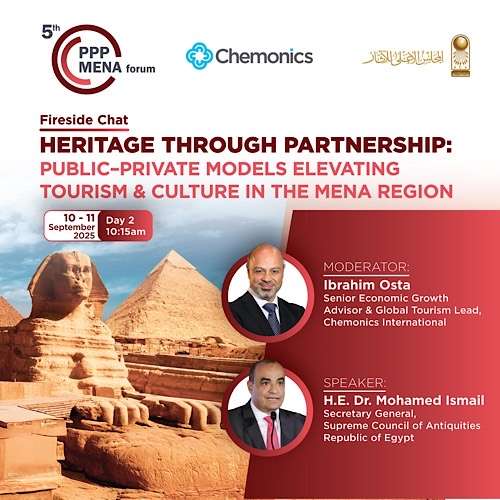
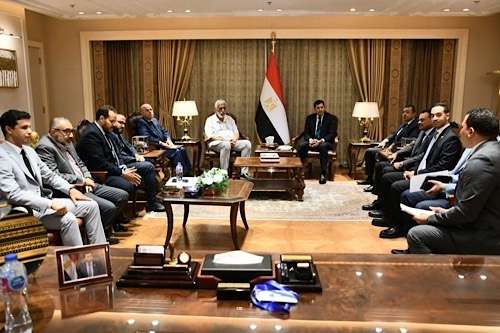
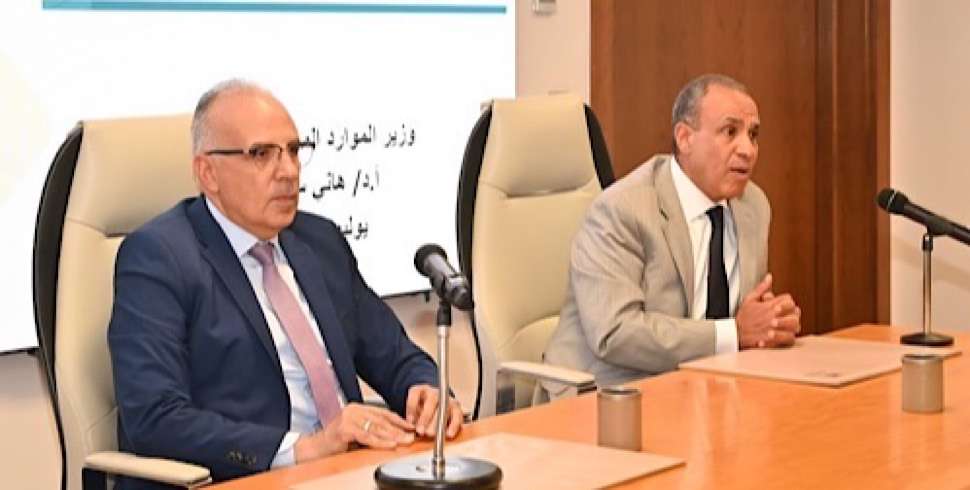
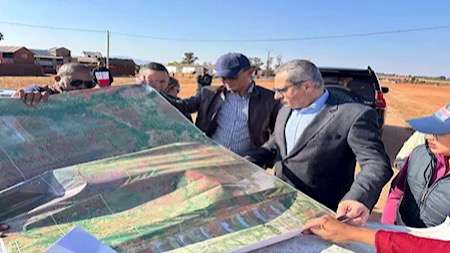
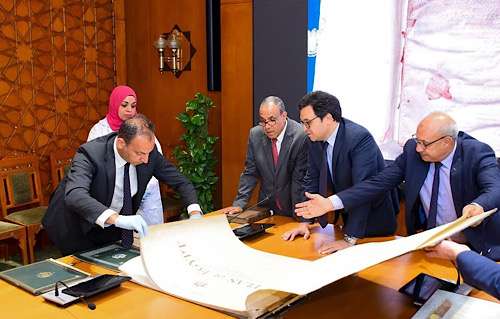
Following the circulation of the footage, Dr. Mohamed Ismail Khaled, Secretary-General of the Supreme Council of Antiquities, immediately tasked a specialized archaeological committee—headed by Dr. Amr El-Tibi, General Supervisor of the Saqqara Antiquities area—to inspect the tomb.

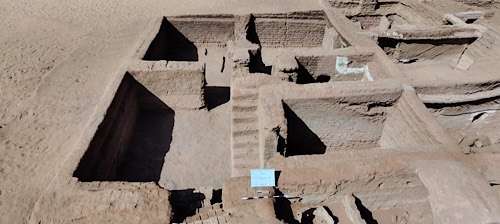
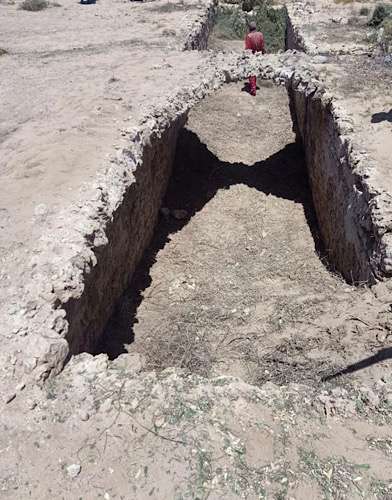
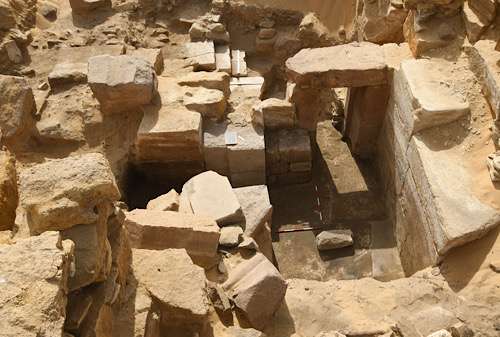
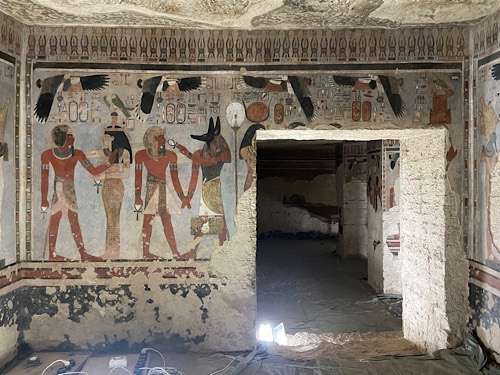
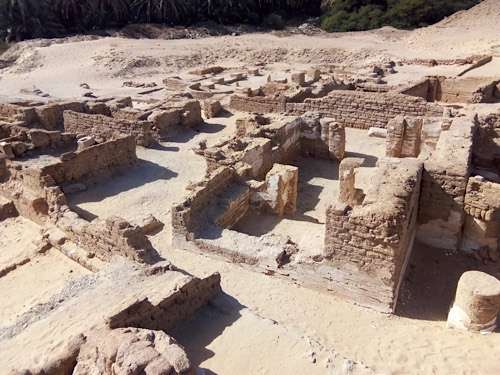
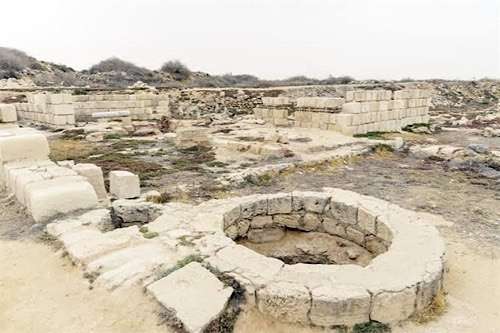
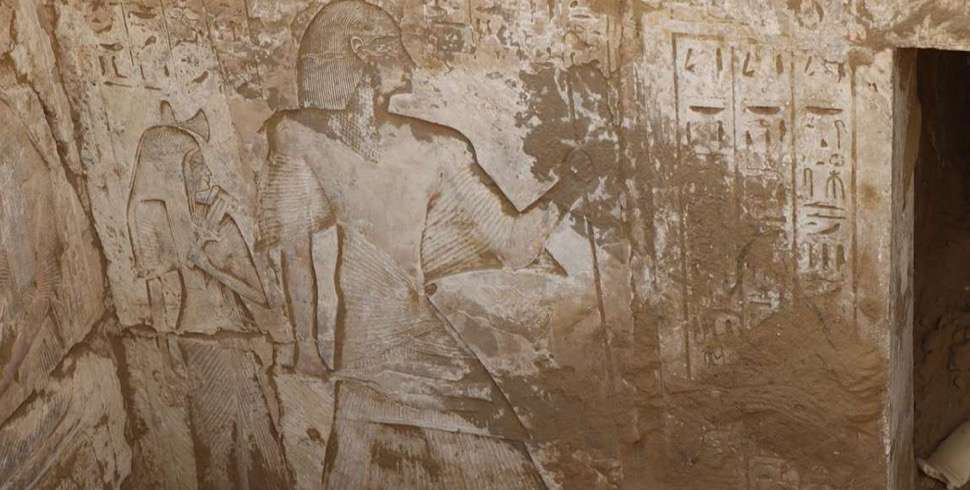
The committee has released its findings, confirming that the Ptahshepses tomb remains in excellent condition. All walls and inscriptions are completely intact, with no signs of stains, damage, or residue from any substances. This thorough inspection counters claims made in the viral video.
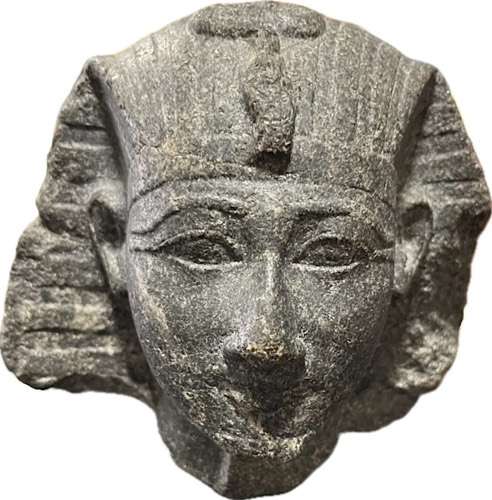
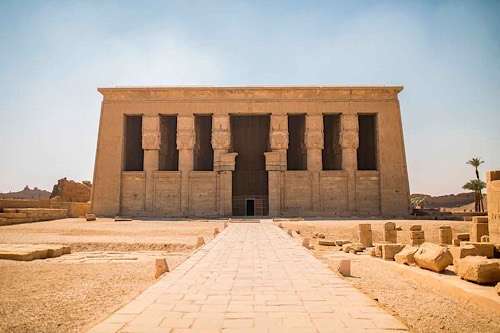
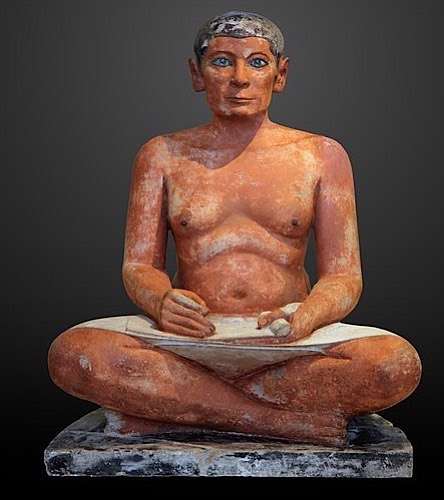
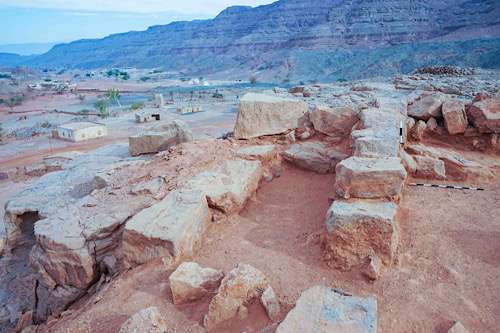
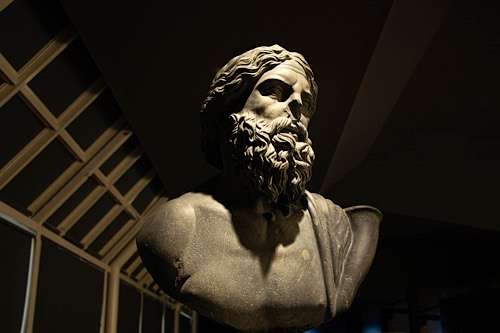
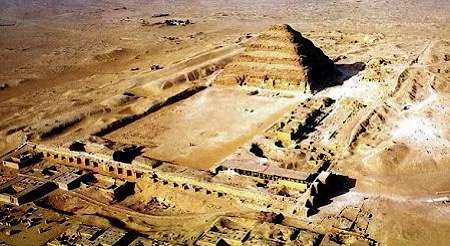
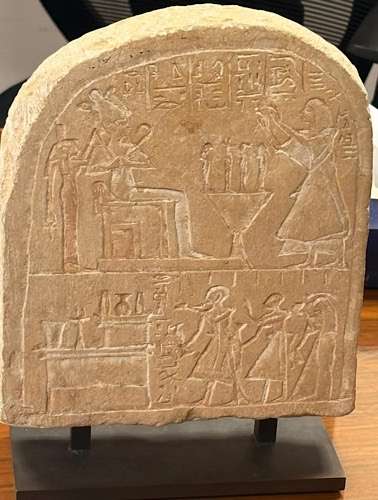
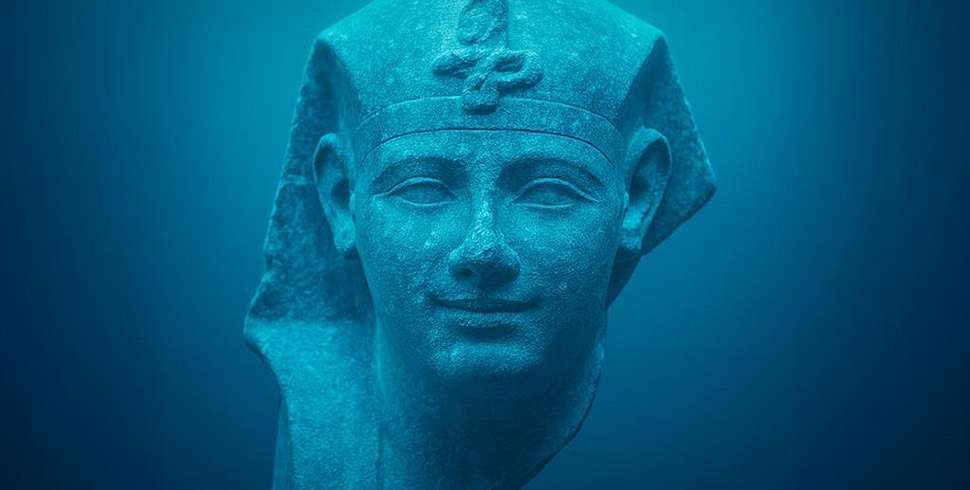
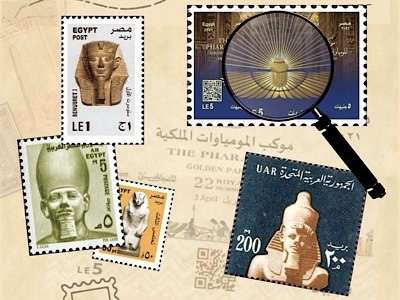
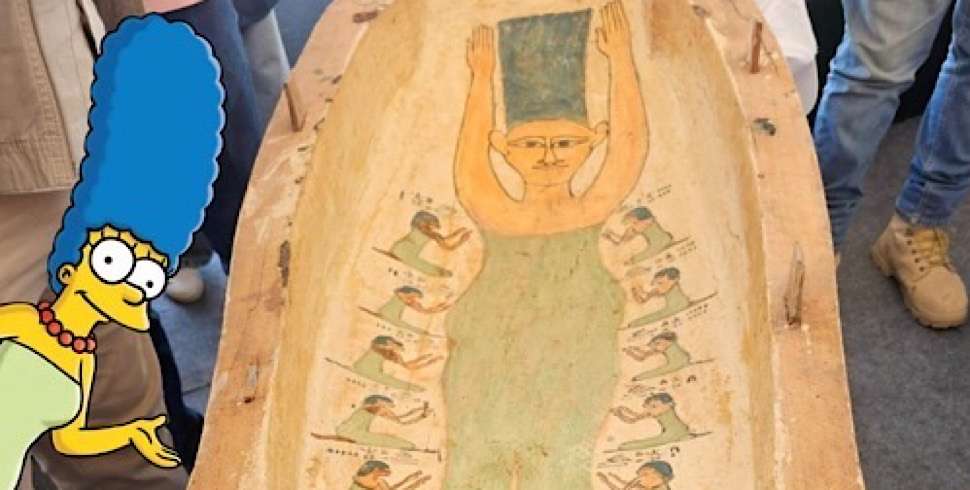
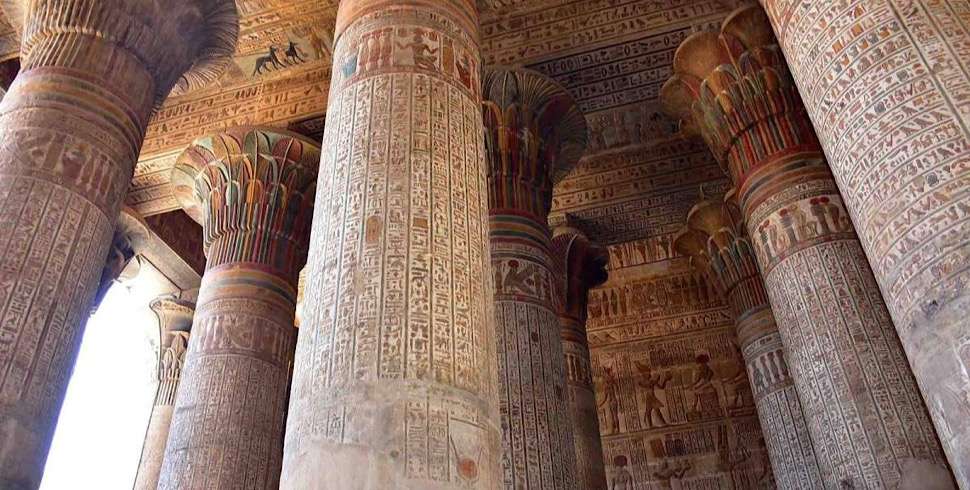
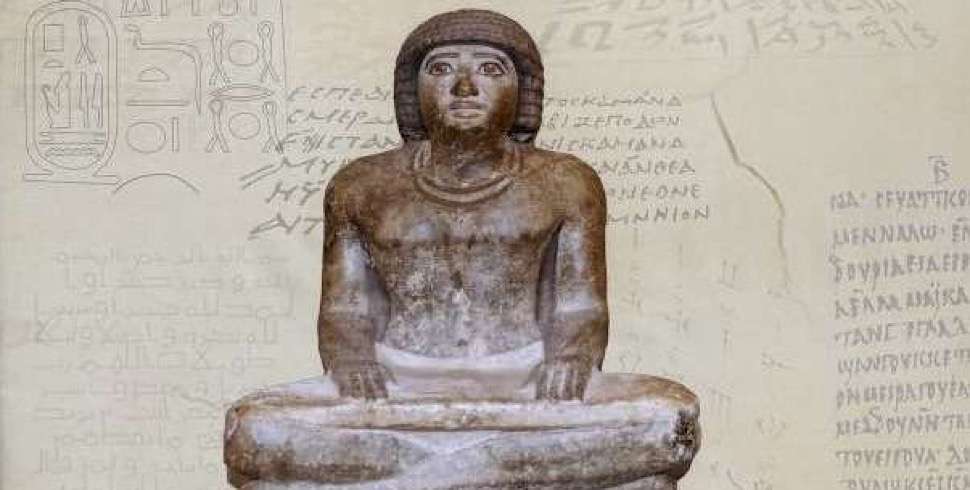
Ptahshepses, who flourished around 2450 BC, served as vizier and was the son-in-law of King Nyuserre Ini during Egypt’s Fifth Dynasty. His esteemed position made him one of the most prominent figures at the royal court. Notably, Ptahshepses’ mastaba complex at Abusir is widely regarded as the largest and most architecturally distinctive non-royal tomb from the Old Kingdom.
The Ministry kindly urges everyone to verify information carefully before sharing it on social media, as the spread of unfounded rumors can cause unnecessary public concern. Egypt is wholly committed to the protection and preservation of all of its valuable archaeological sites and treasures.