





































































































































































































































































































































































































































Friday, 09 October 2026
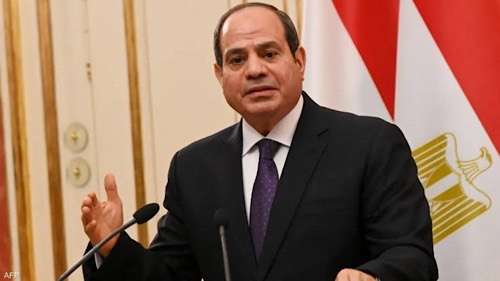
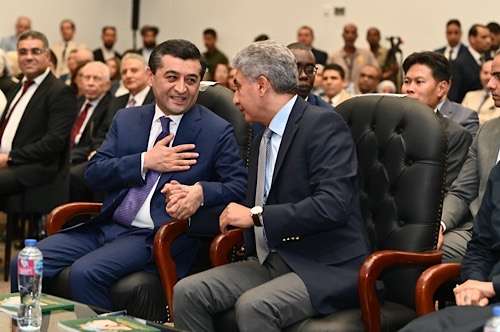
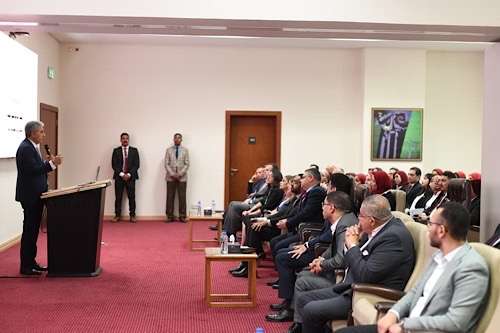
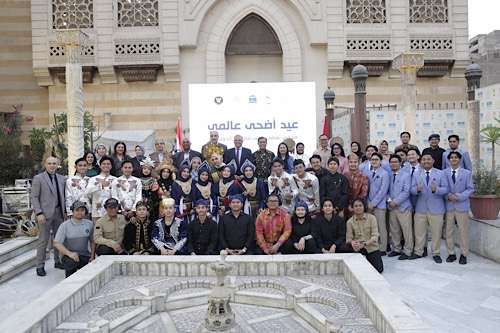
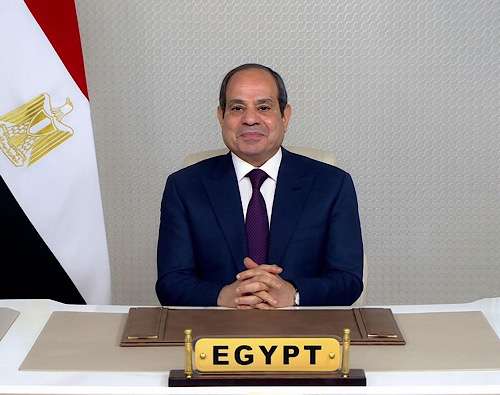
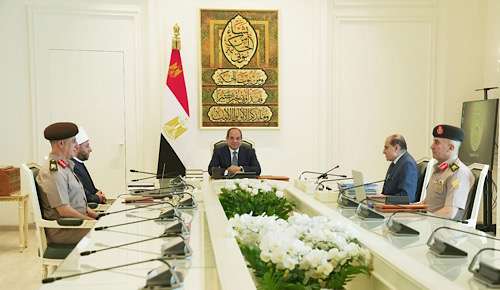
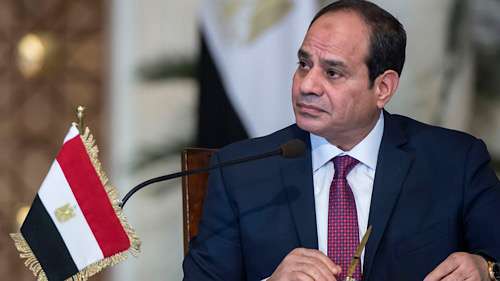
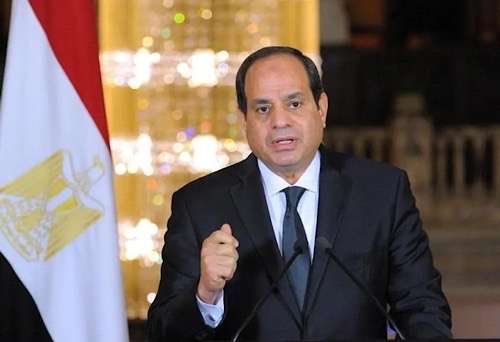
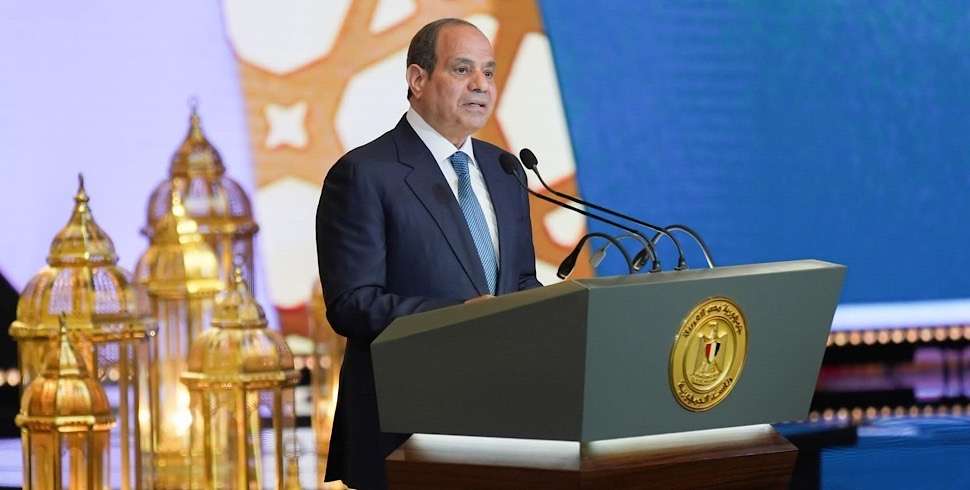
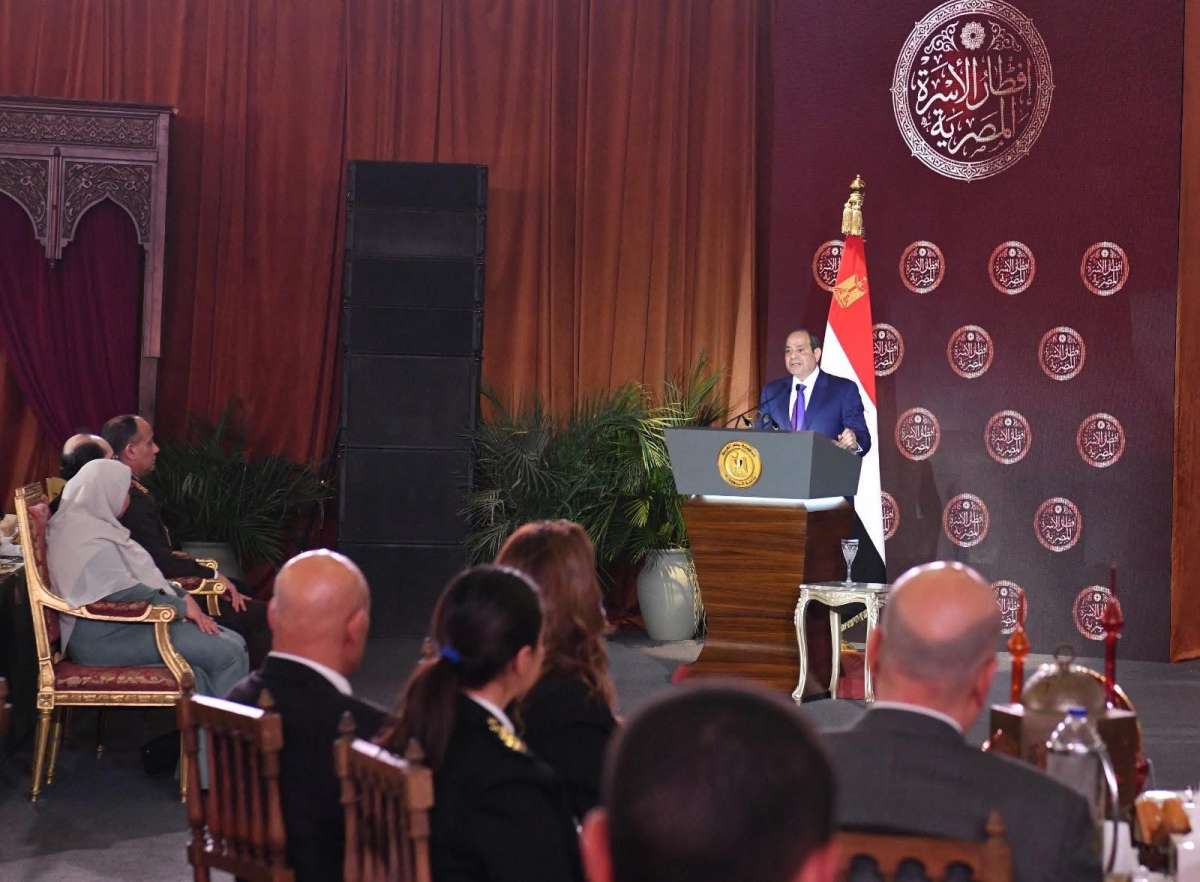
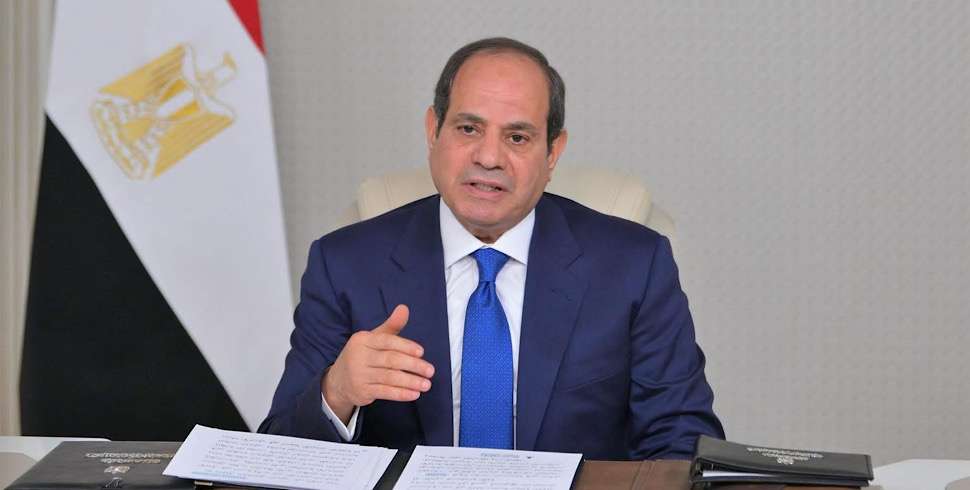
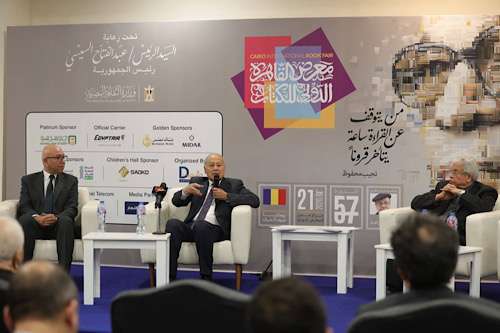
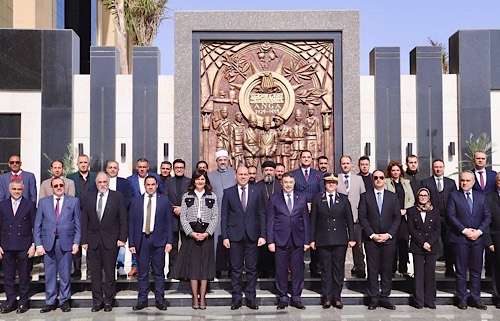
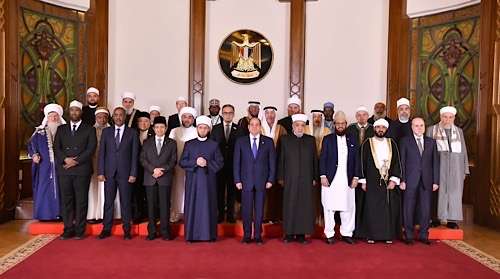
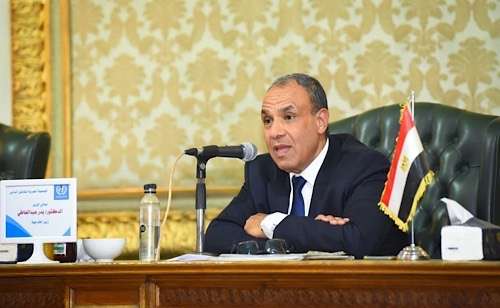
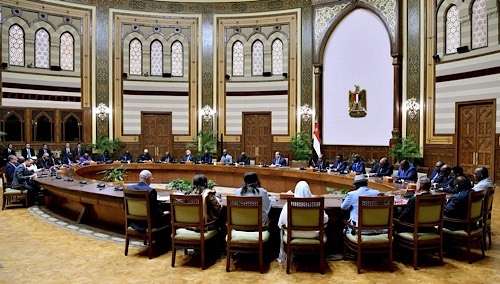
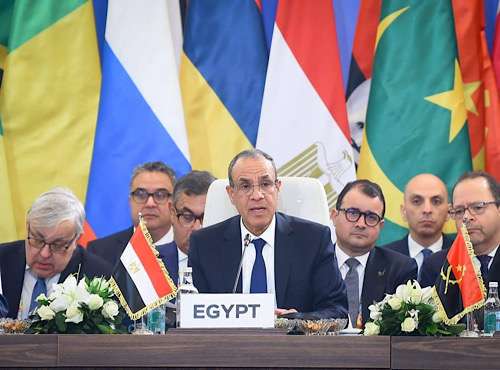
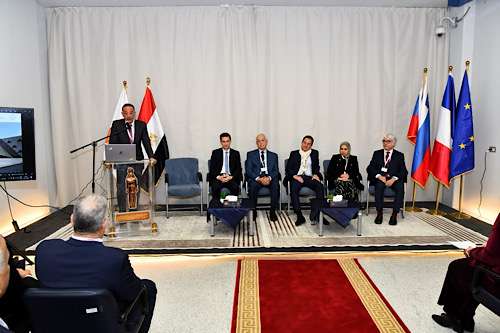
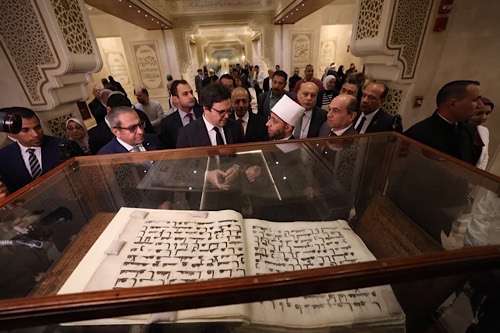
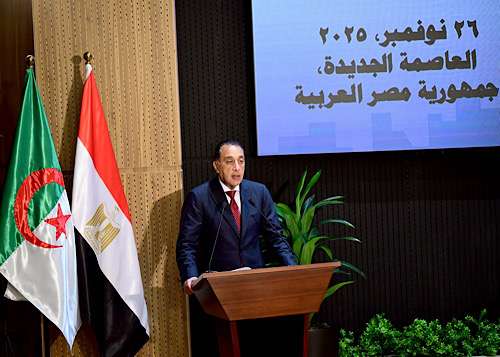
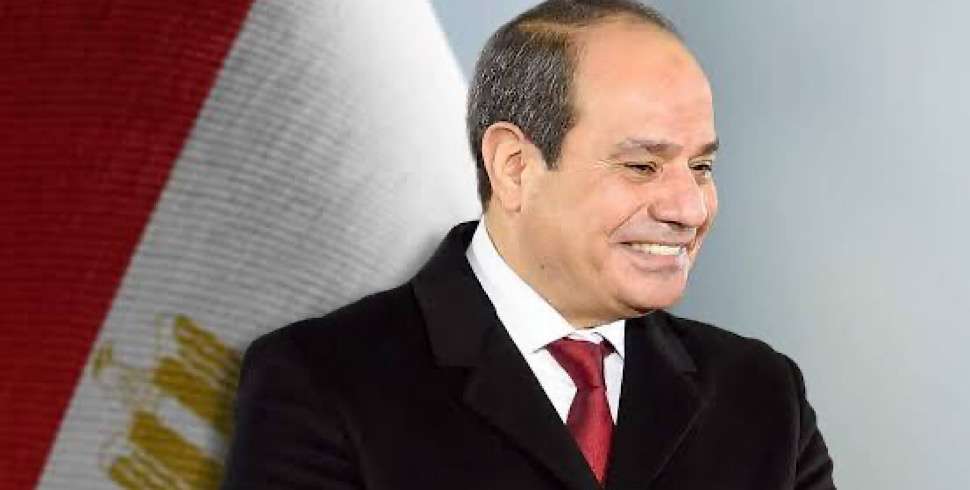
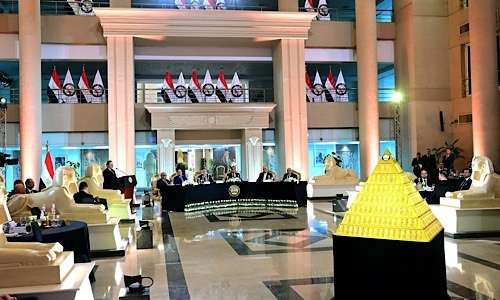
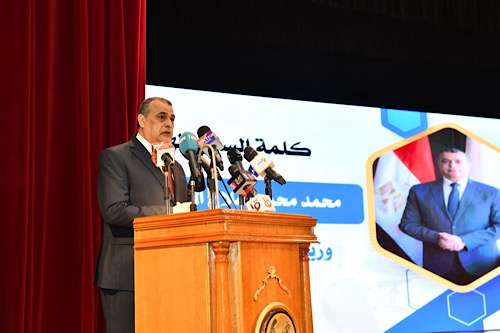
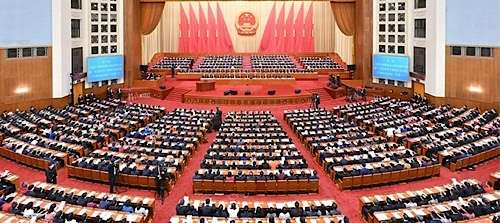
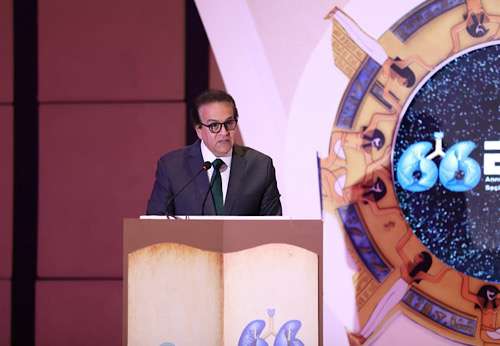
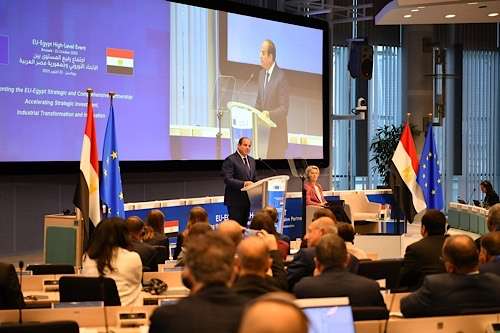
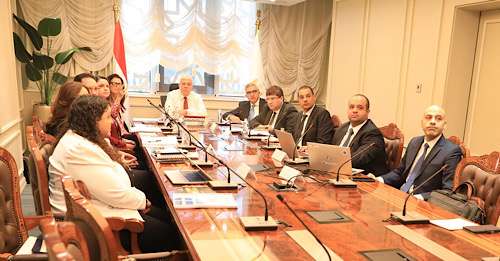
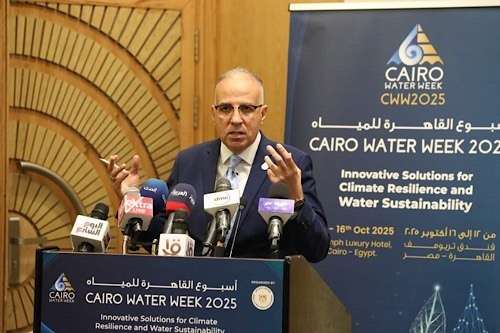
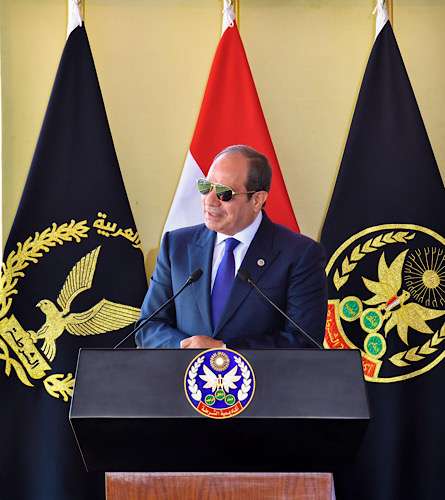
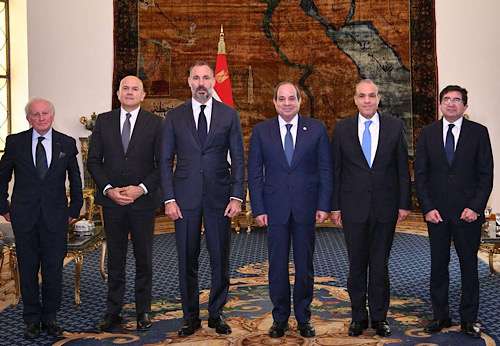
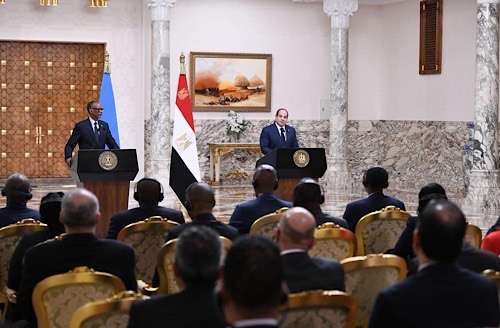
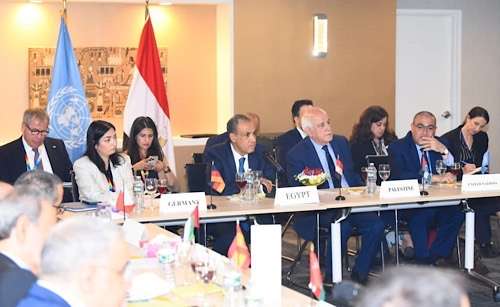
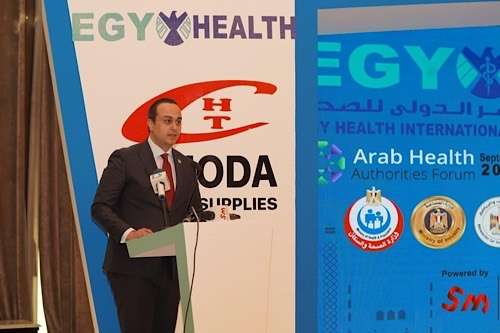
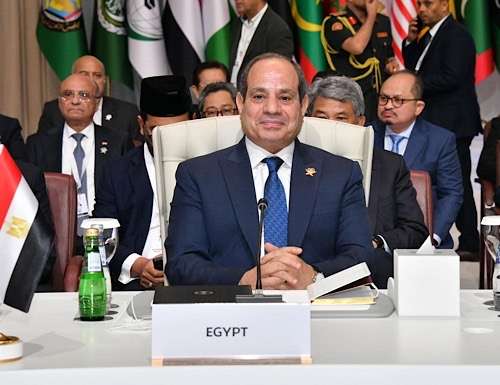
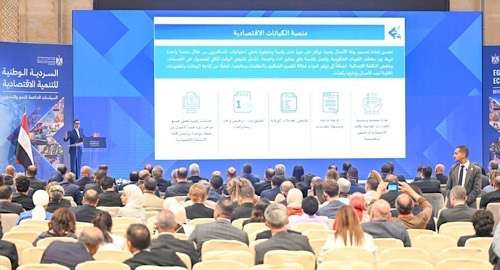
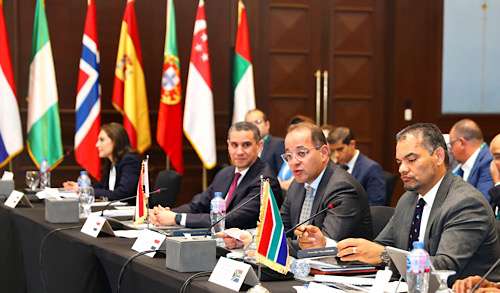
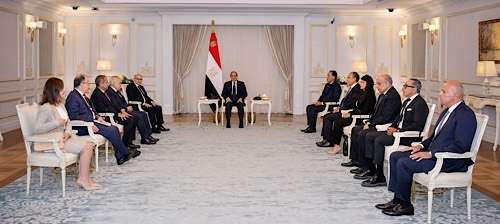
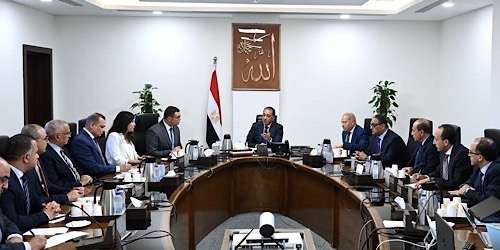
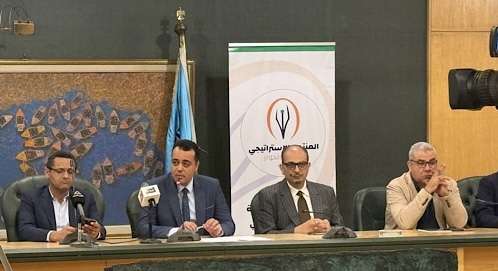
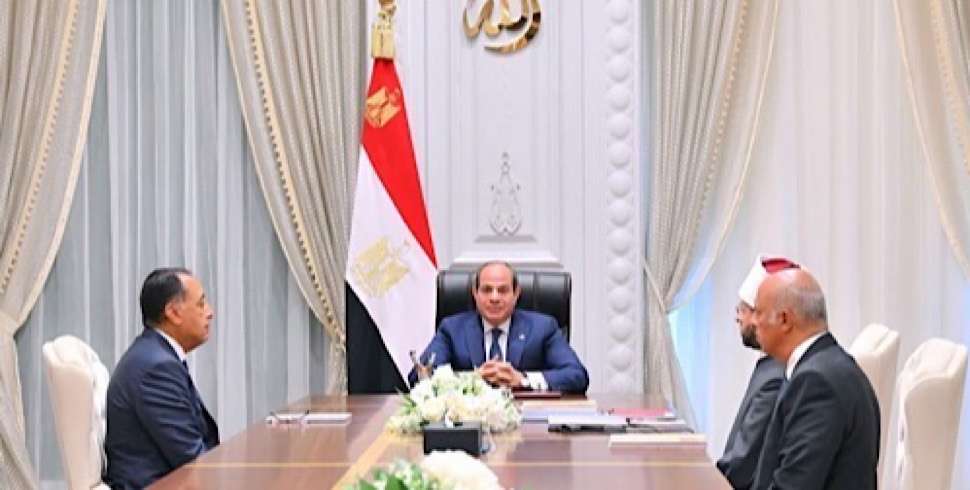
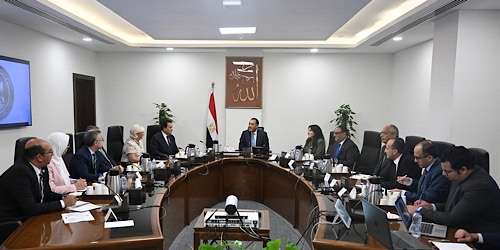
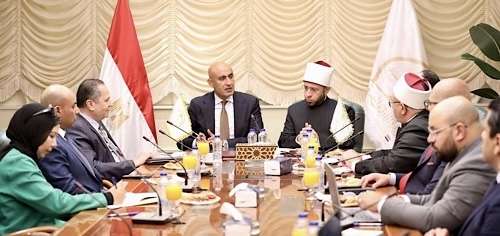
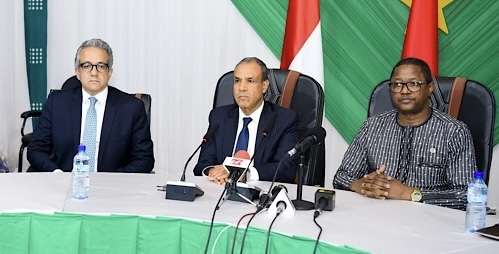
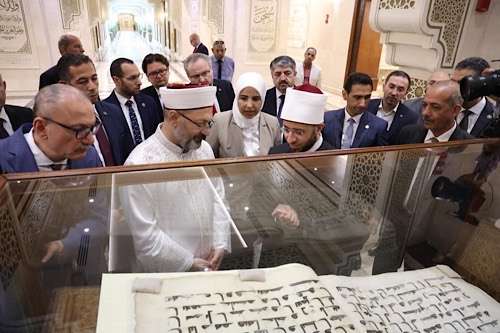
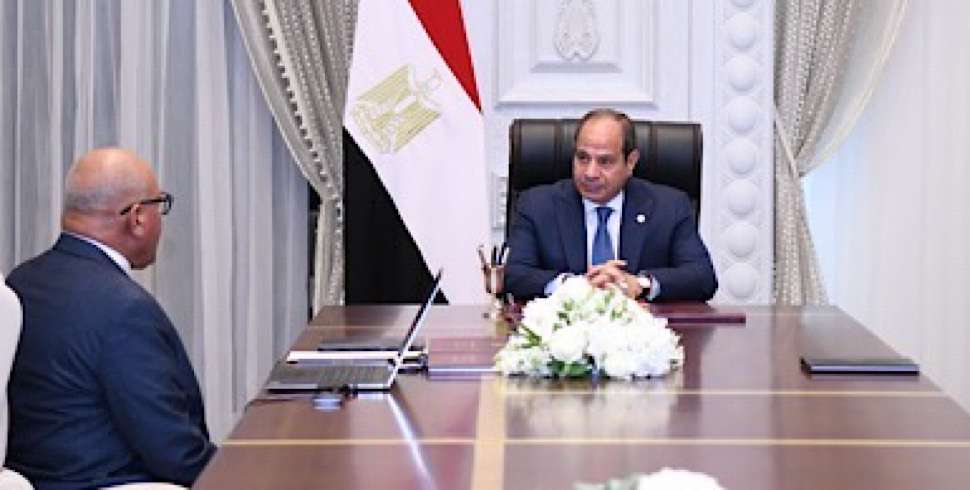
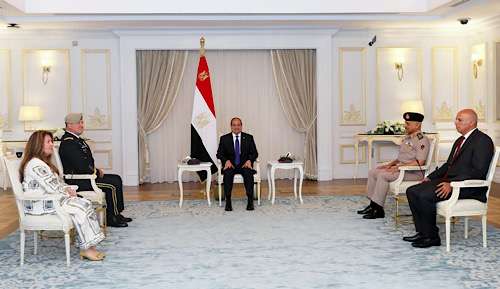
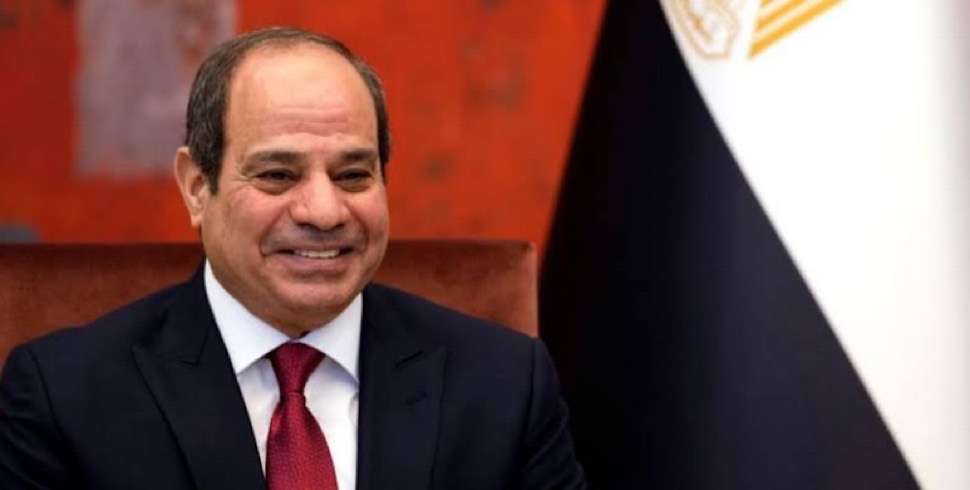
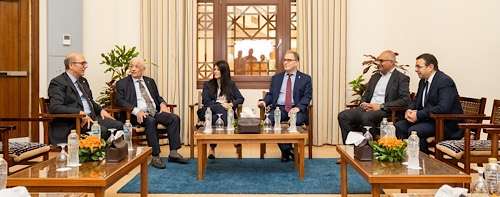
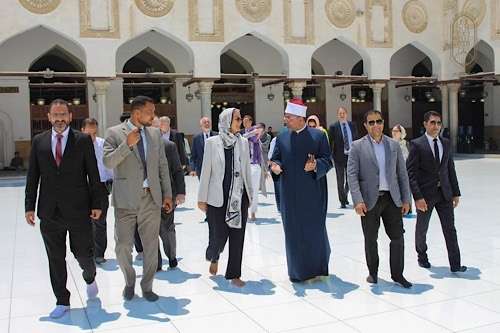
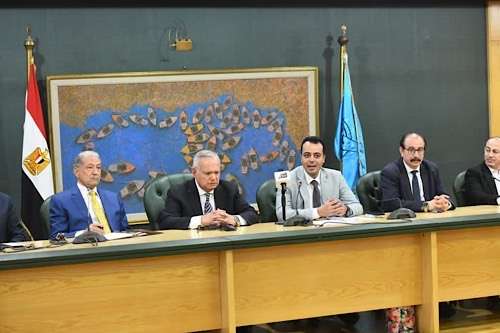
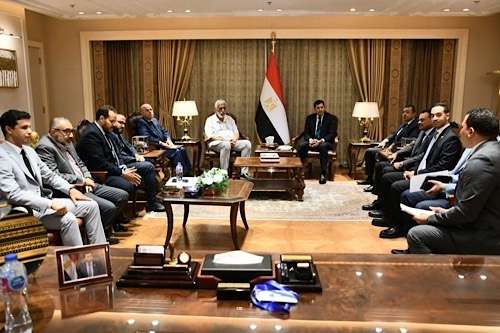
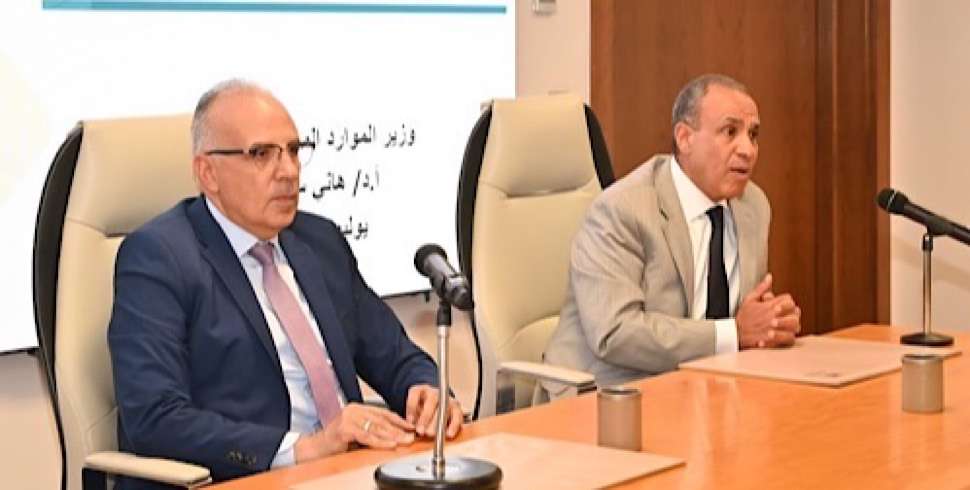
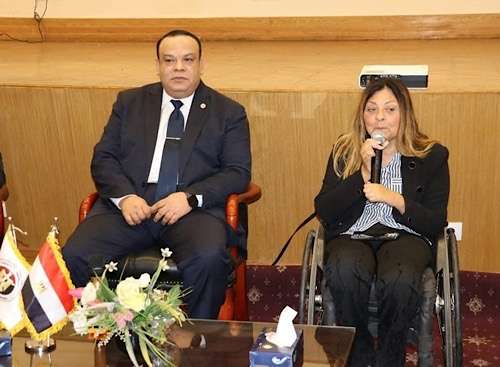
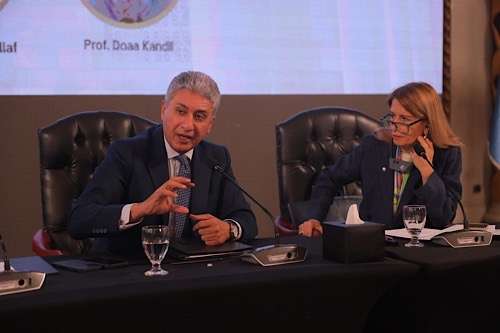
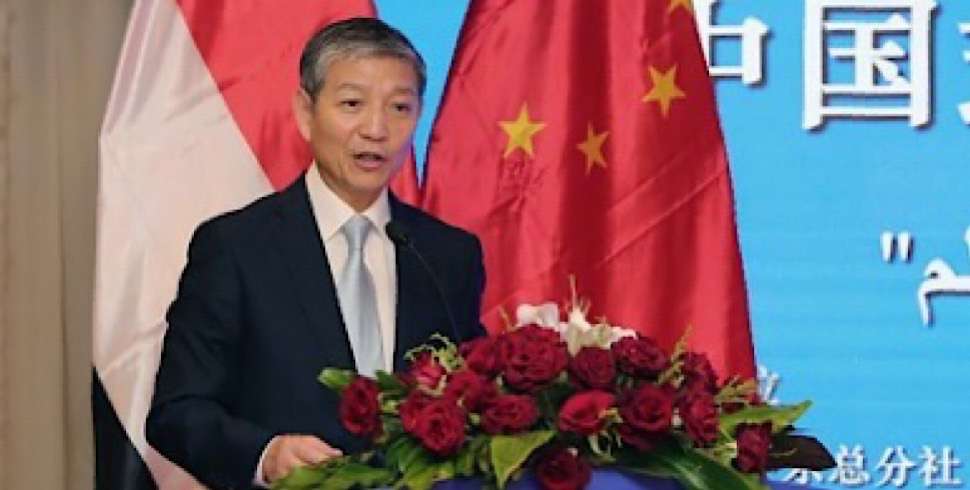
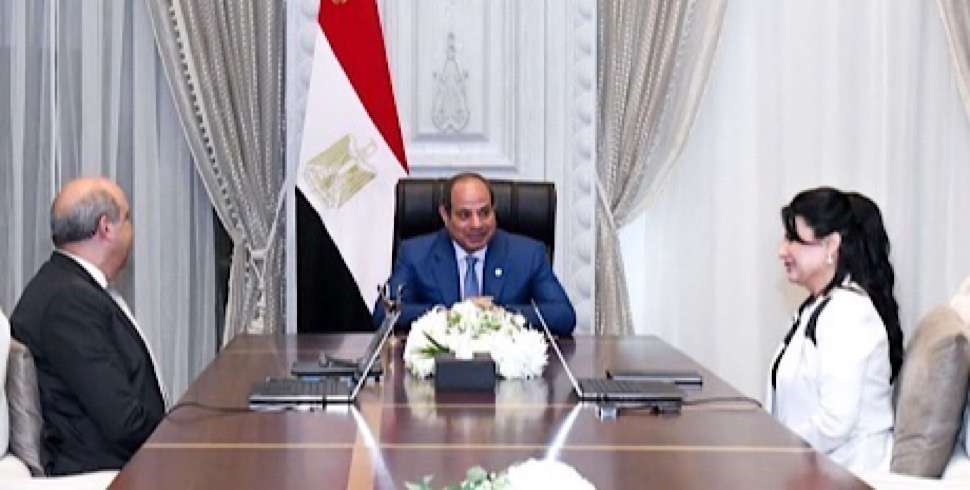
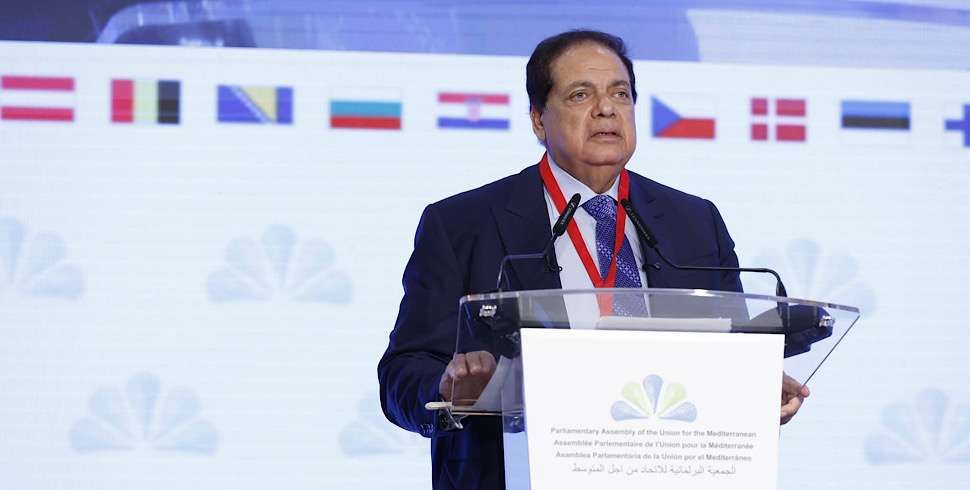
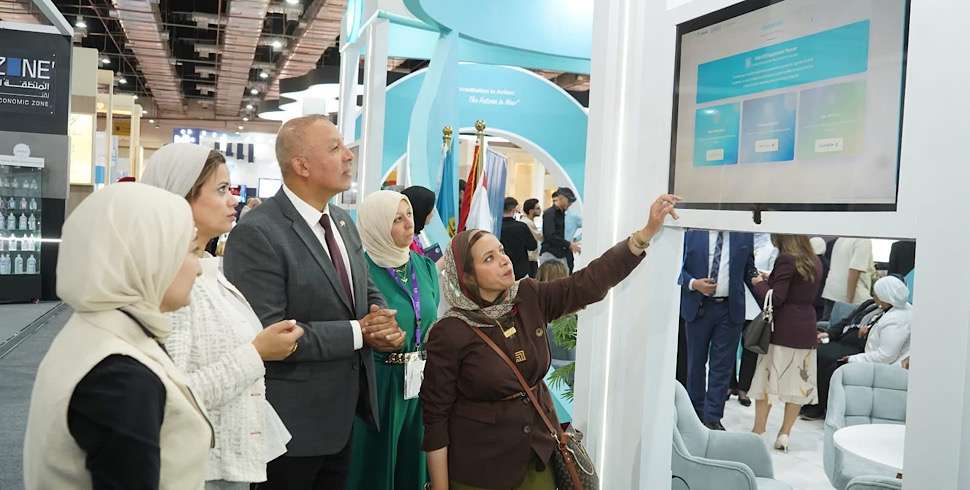
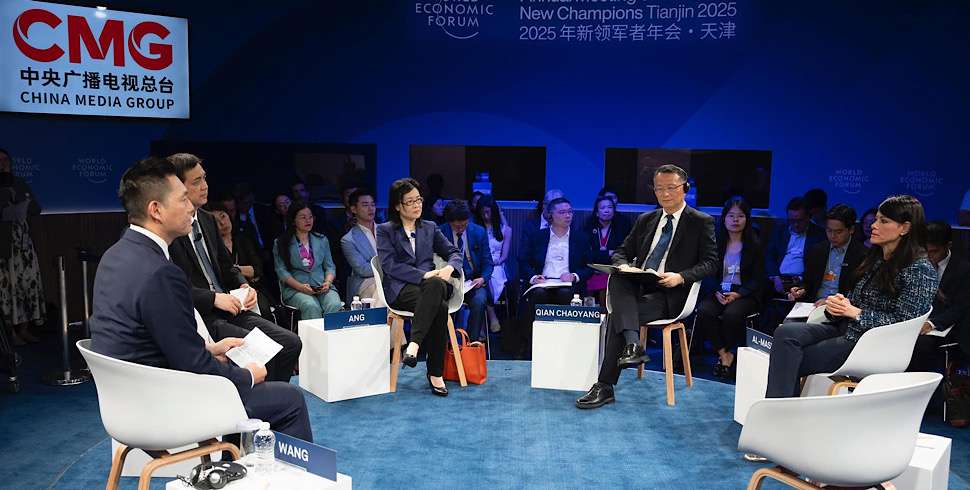
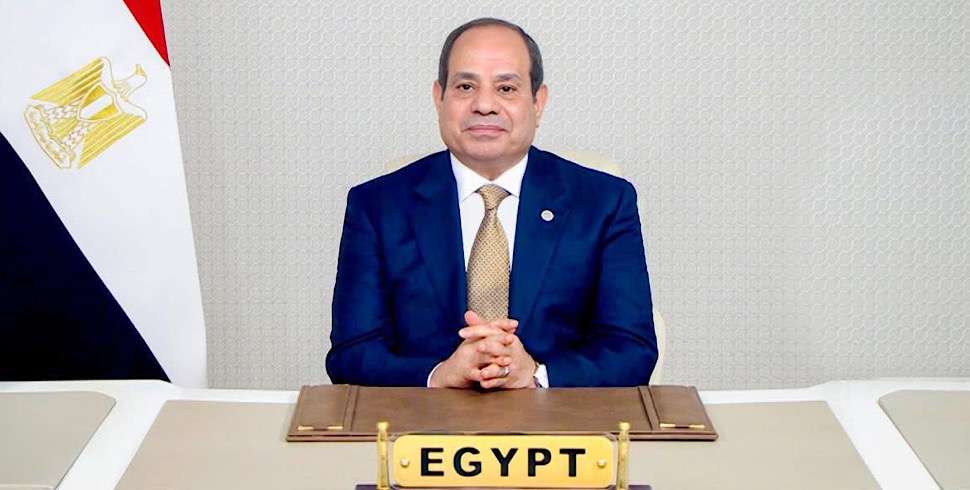
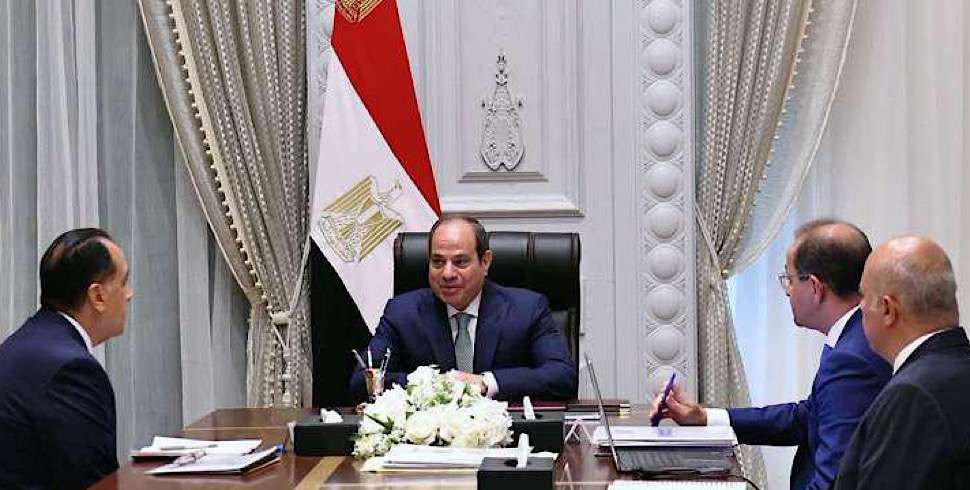
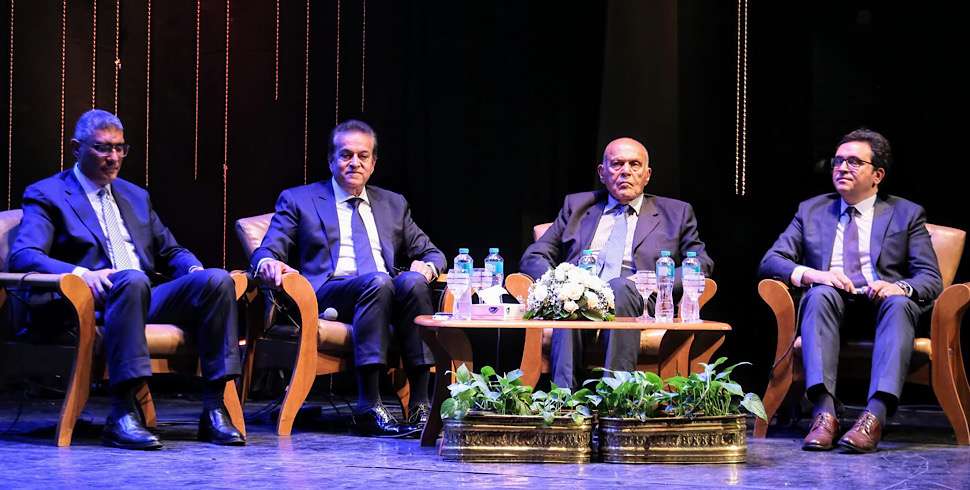
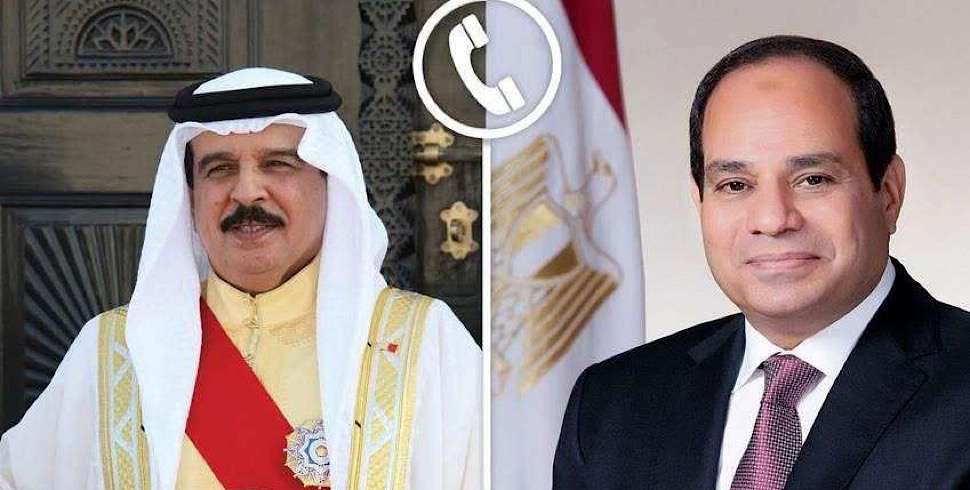
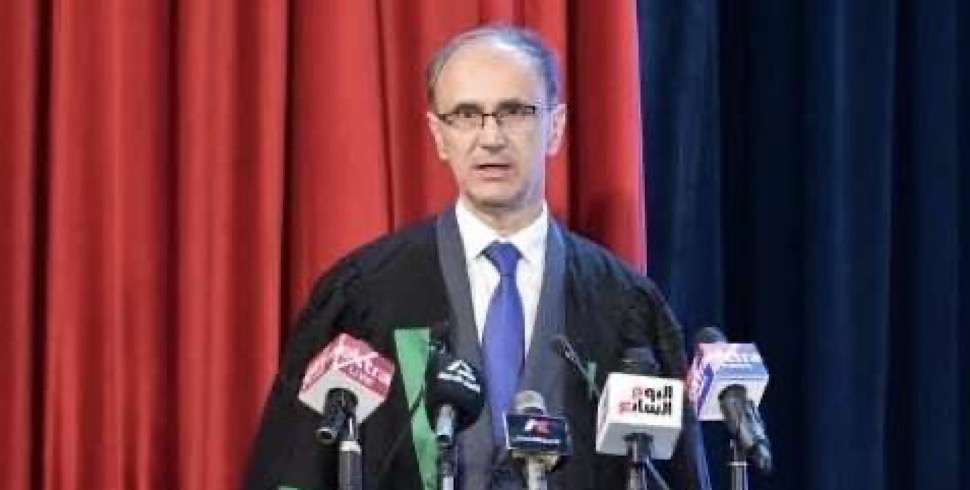
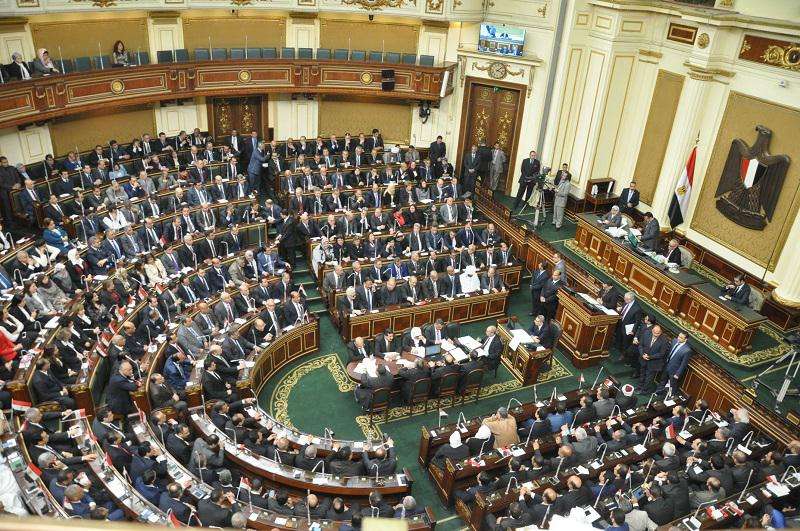
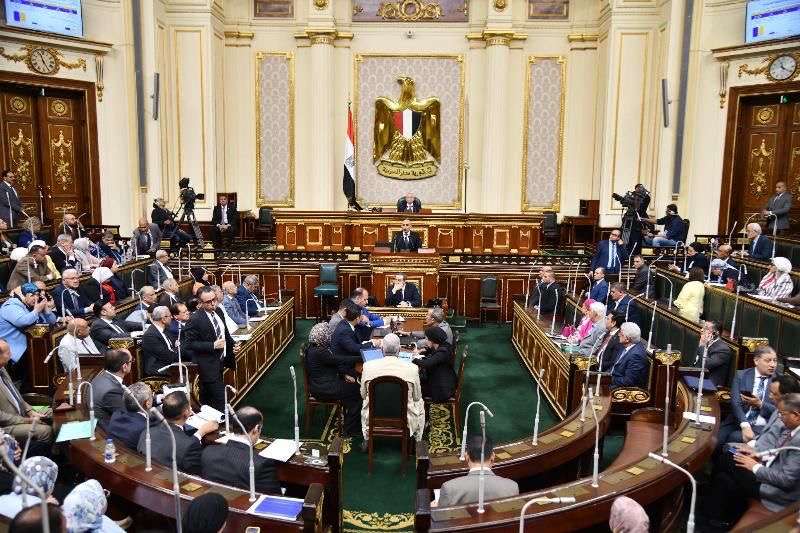
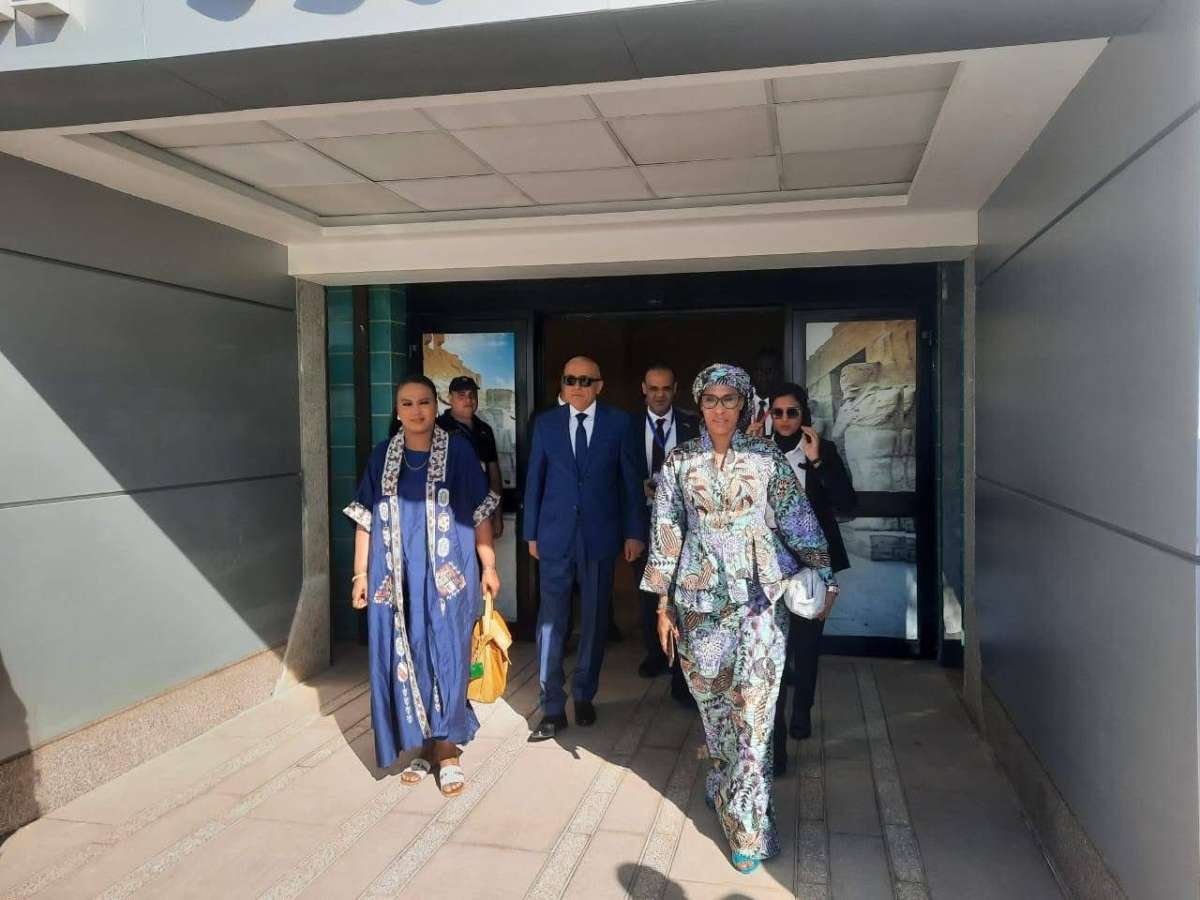
Leading scholars and representatives from Islamic institutions around the world gathered in Cairo today for the opening session of the international conference, “Developing the Wise Mufti in the Age of Artificial Intelligence.” The event, hosted by the General Secretariat of Fatwa Authorities Worldwide, is held under the patronage of Egyptian President Abdel Fattah El-Sisi and chaired by Egypt’s Grand Mufti, Dr. Nazir Mohamed Ayad.
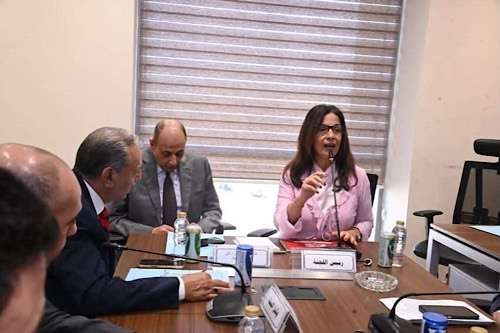
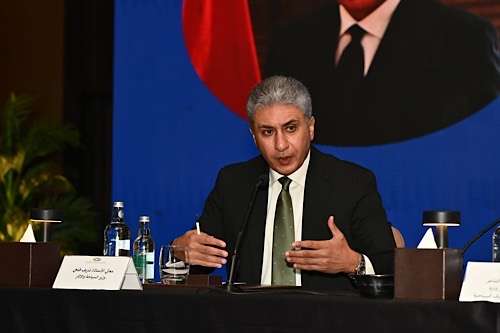
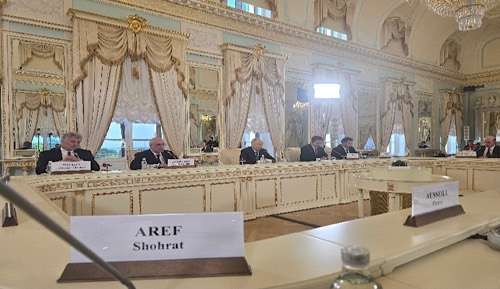
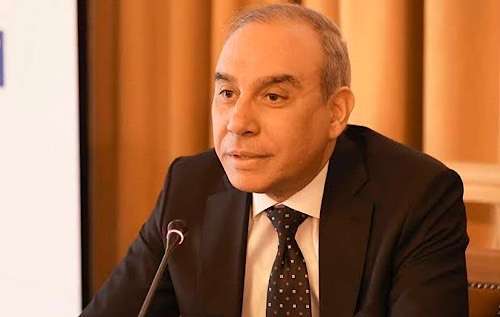
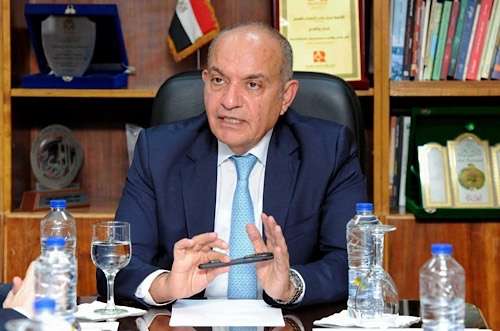
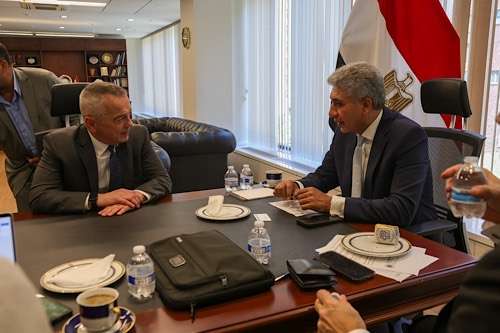
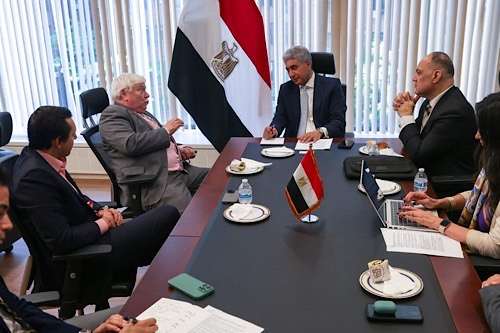
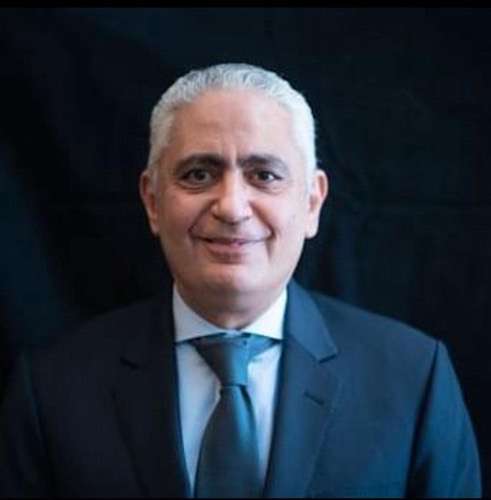
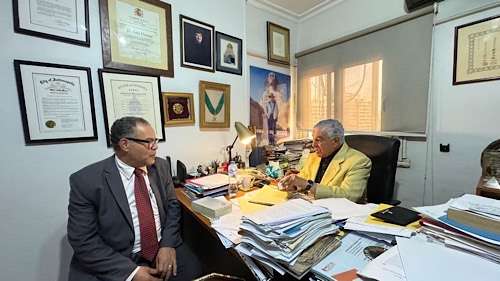
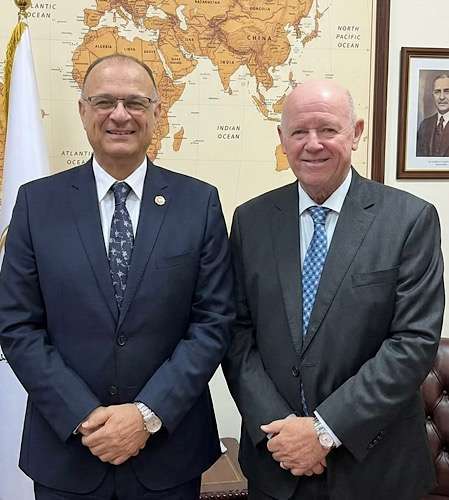
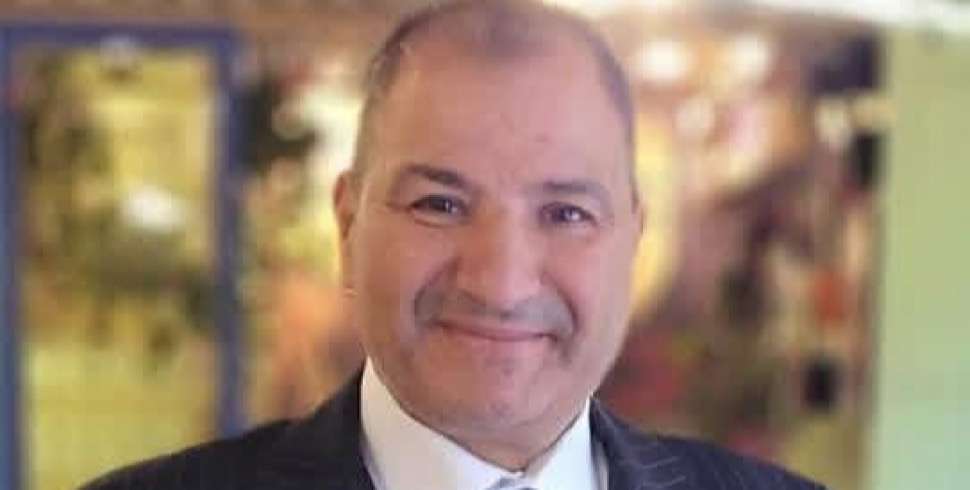
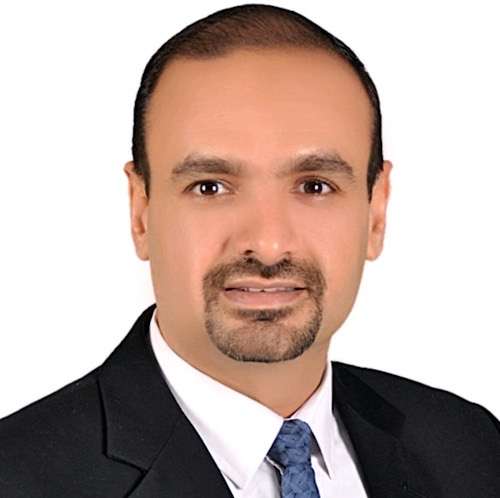
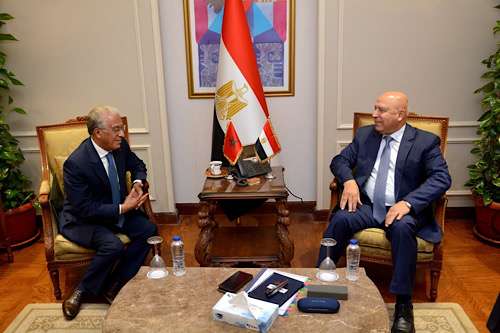
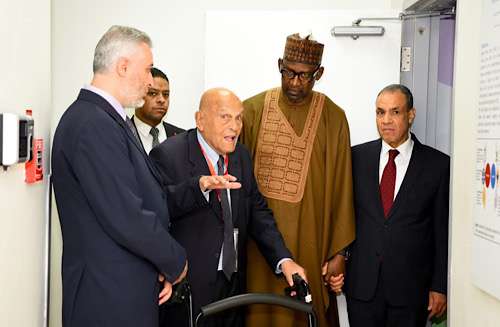
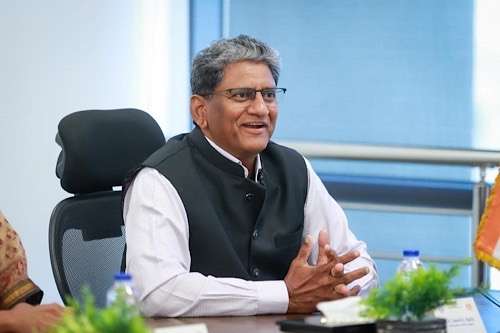
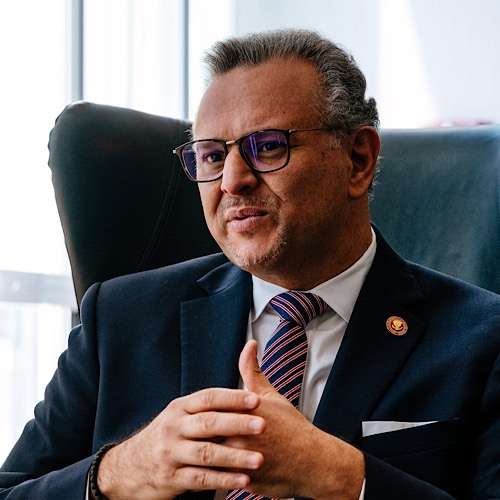
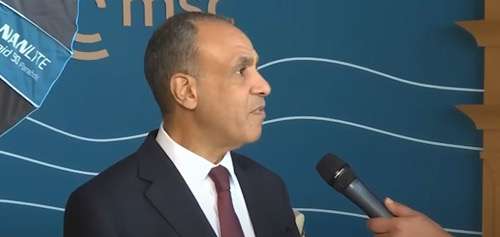
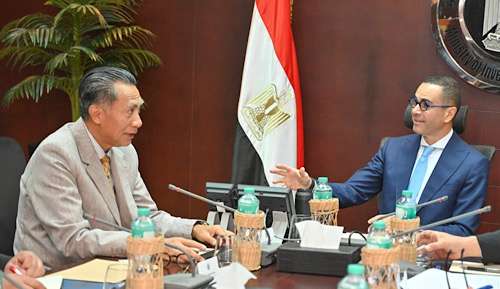
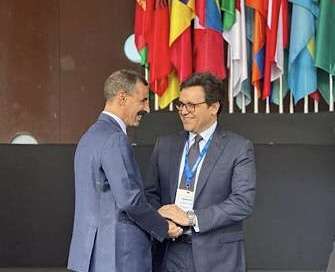
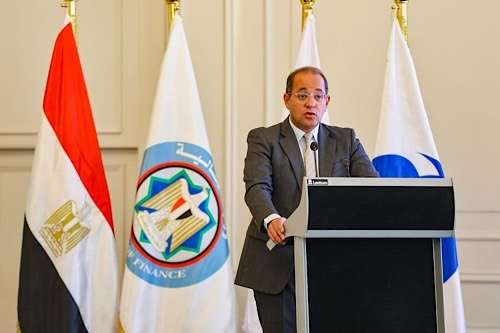
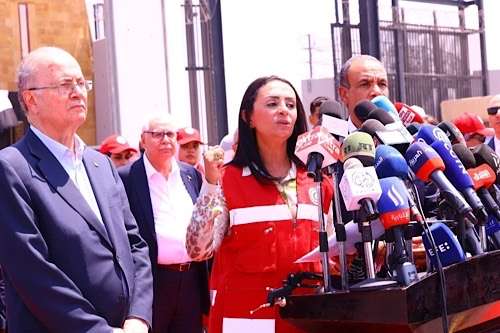
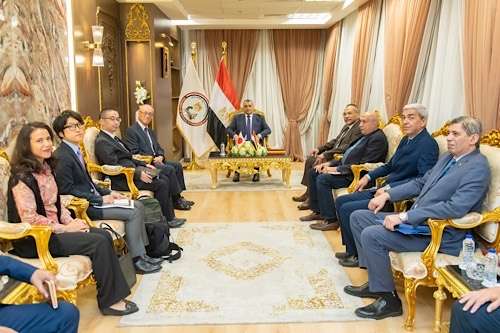
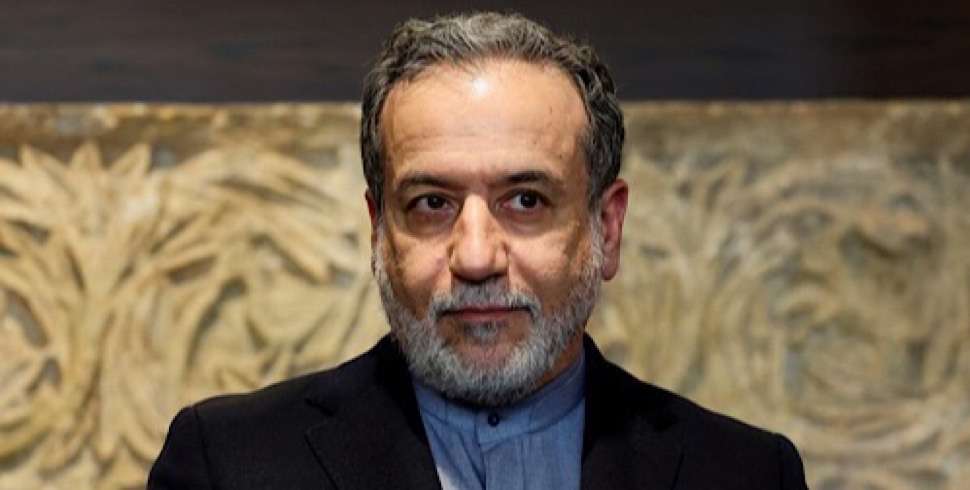
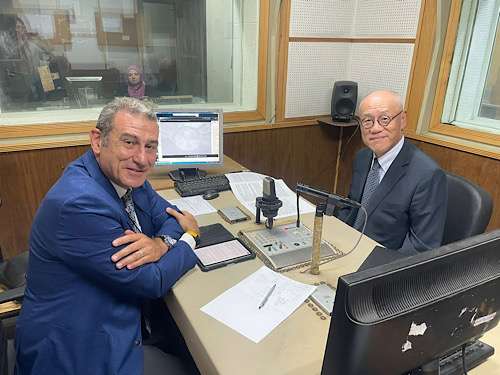
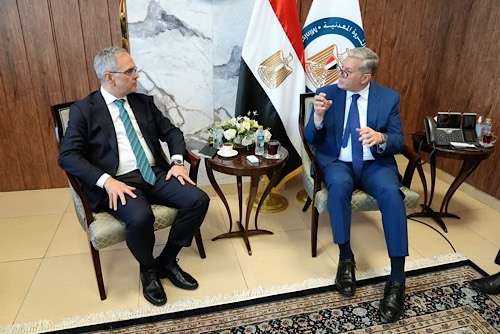
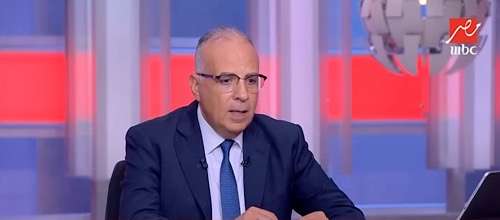
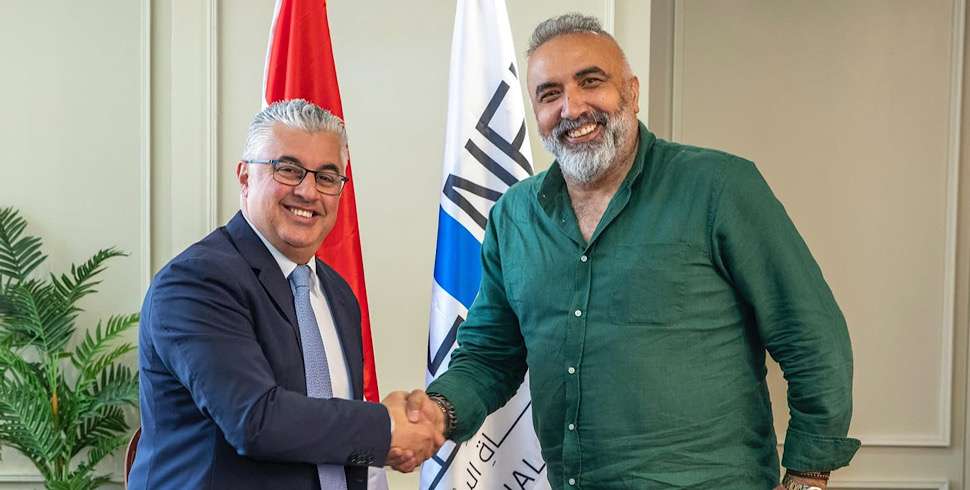
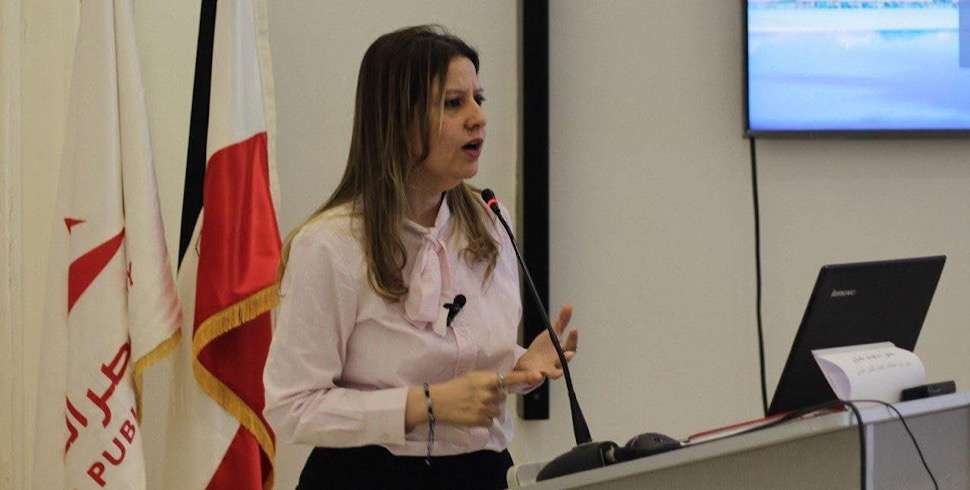
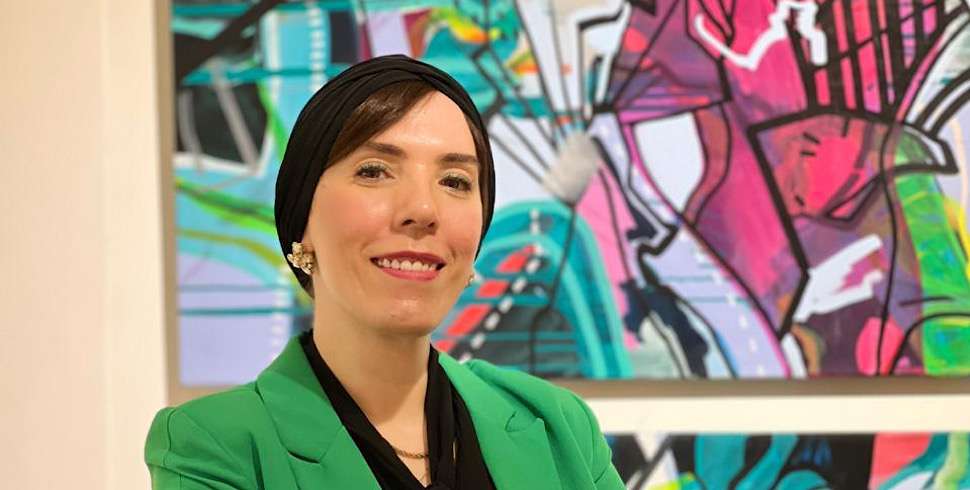
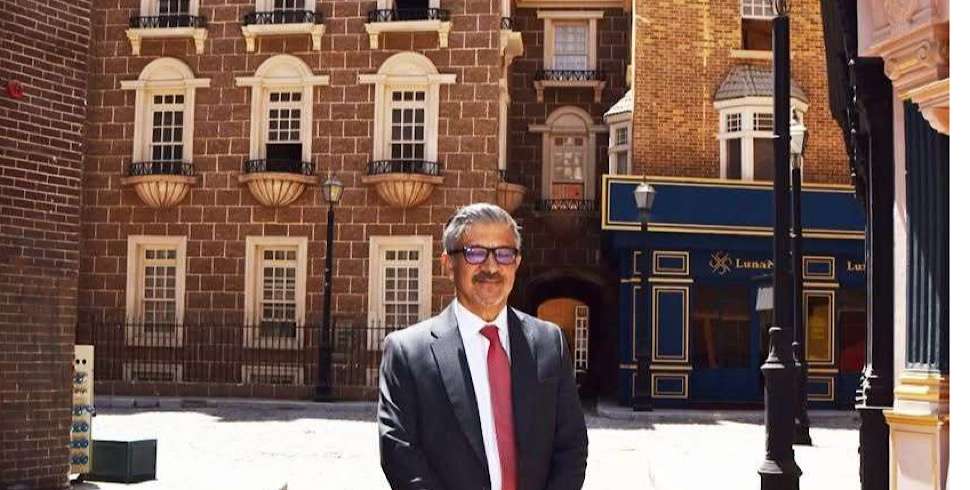
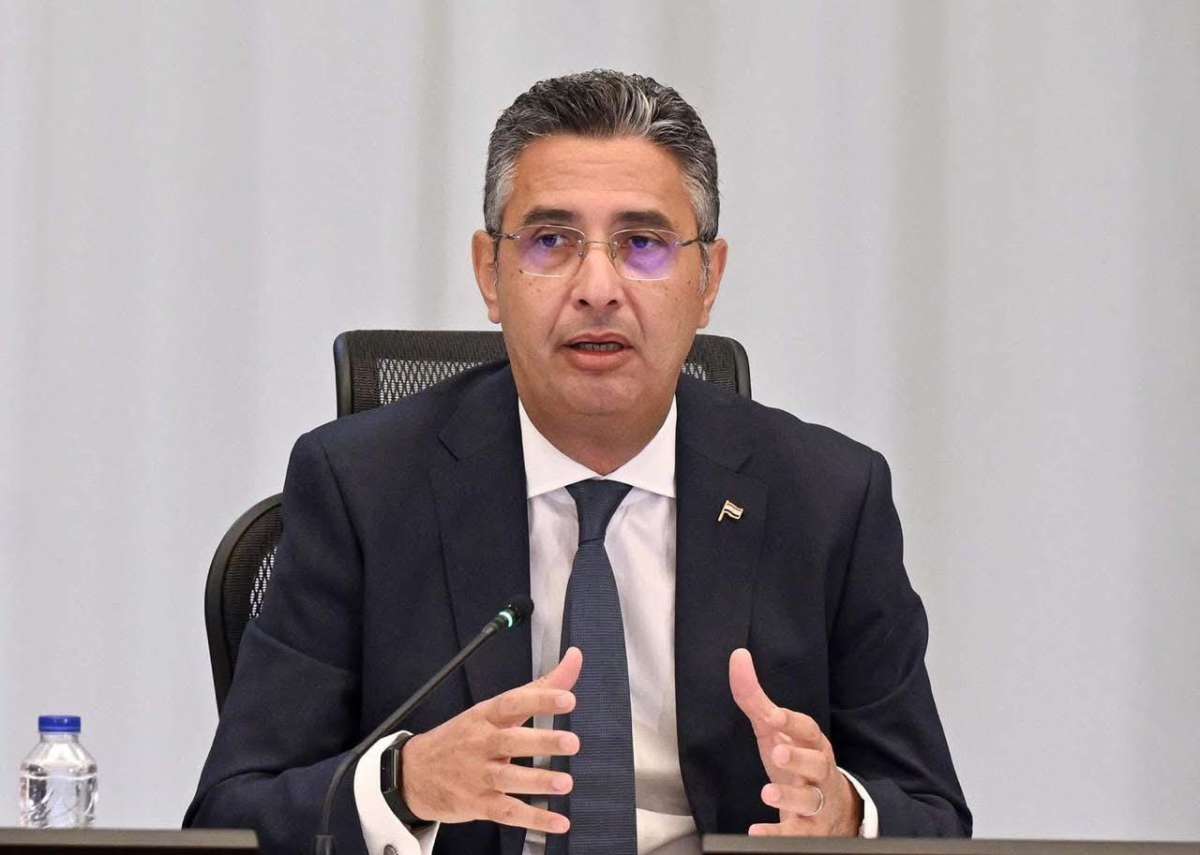
The Secretary-General of the League of Islamic Universities, Professor Dr. Sami Al-Sherif, participated in the conference’s opening and expressed deep appreciation for the choice of theme. In an exclusive statement, he emphasized the urgent relevance of addressing the challenges and opportunities posed by rapid technological advances, stating, “Dealing with these developments is no longer optional, but a necessity in all walks of life.”
Dr. Al-Sherif explained that the participation of the League of Islamic Universities reflects a steadfast belief in the importance of preparing contemporary muftis—Islamic legal scholars—who are able to serve society in an era defined by digital transformation.
“Artificial intelligence is no longer a luxury; it’s a powerful tool influencing every aspect of our lives, including the sphere of issuing fatwas (religious verdicts), which require precision, deep understanding, and wisdom.”
He stressed that scientific and religious institutions must work together to establish religious and ethical frameworks for the use of these technologies. “We need to safeguard the sanctity and trustworthiness of fatwas, while also harnessing technology’s strengths to gather, analyze, and present information to qualified muftis, ultimately supporting the integrity of their rulings.”
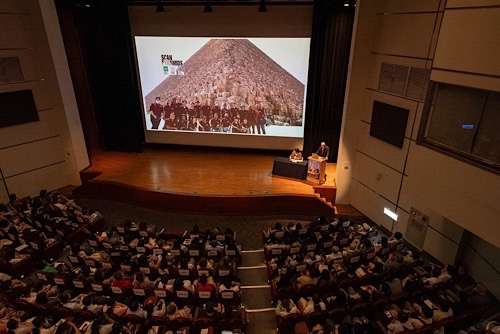
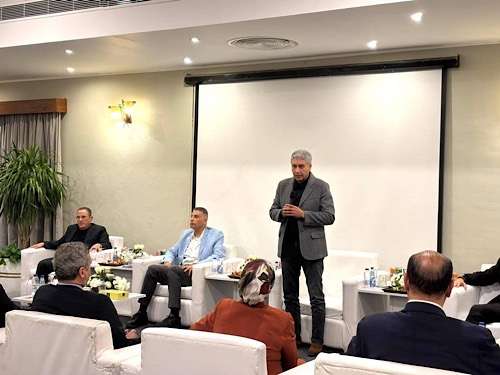
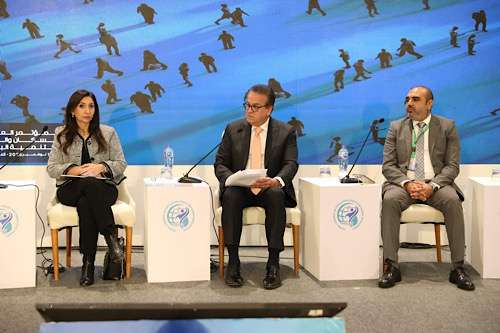
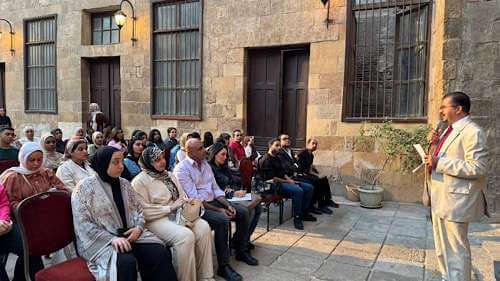
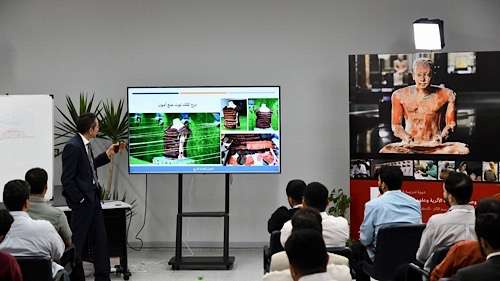
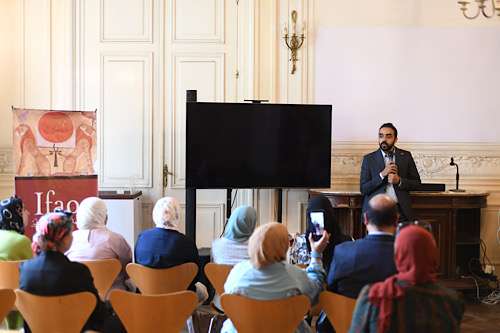
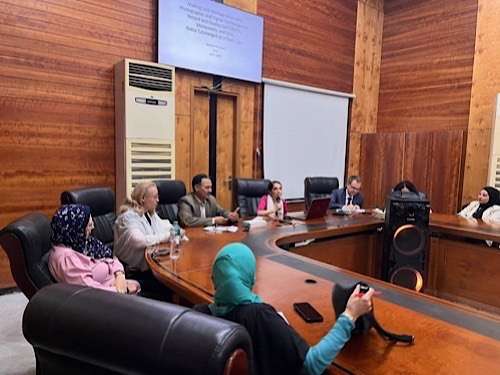
Speaking in a dedicated workshop at the conference, Dr. Al-Sherif underscored that applying artificial intelligence in the field of fatwa must be guided by strong moral and ethical standards to maintain the core principles of Islamic law and ensure trustworthy religious discourse.
While AI can help with research and information gathering, “it cannot replace qualified, knowledgeable, and genuinely attuned muftis, whose understanding of real-life circumstances and higher purposes of Islamic law is irreplaceable.”
He further called for clear legislation and robust oversight to prevent the misuse of smart applications—such as the spread of incorrect or extremist fatwas—and urged religious and academic entities to collaborate in setting ethical and professional standards for the safe and responsible use of technology.
“We, at the League of Islamic Universities, fully support initiatives that bring together traditional religious knowledge and modern tools,” Dr. Al-Sherif said. “Our ultimate goal is for fatwas to remain a beacon of wisdom and guidance, able to address evolving intellectual and societal challenges in our fast-paced world.”
This event marks a significant step in fostering cooperation between religious and academic institutions, exploring how modern technology can serve the timeless mission of Islamic guidance—ensuring a harmonious balance between authentic scholarly tradition and progress in science and technology.