



































































































































































































































































































































































































































































































































































































































































































































Friday, 09 October 2026
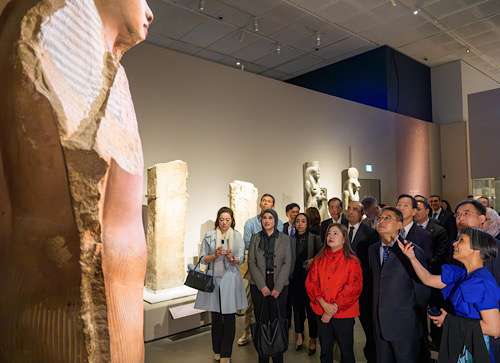
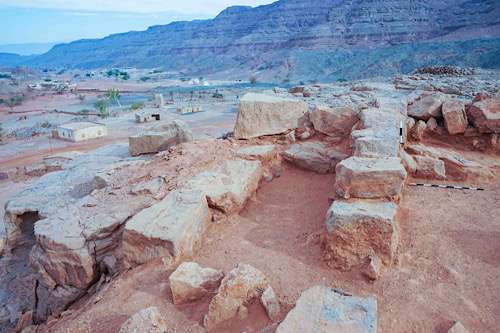
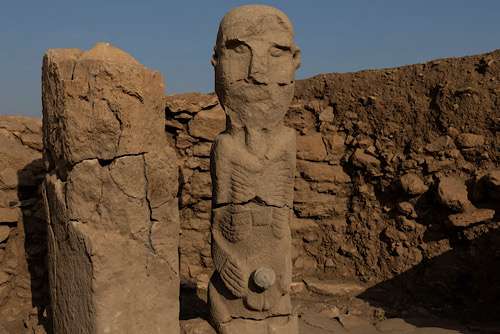 A pillar and a human statue stand at the Karahantepe excavation site, widely regarded with Gobeklitepe as keys to understanding the birth of symbolic thought, social complexity and monumental architecture thousands of years before cities or states existed, near the southeastern city of Sanliurfa, Turkey, November 25, 2025.
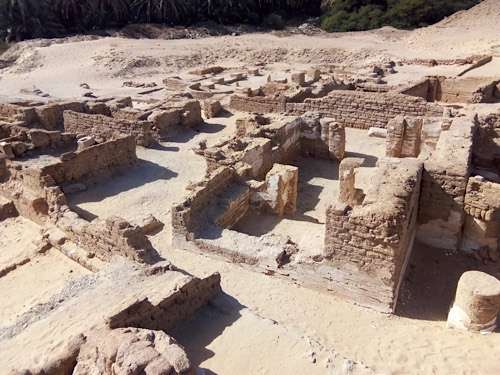
SANLIURFA - Turkish archaeologists have unveiled more than 30 stunning new artifacts from Karahan Tepe, a prehistoric site in Şanlıurfa province close to the world-famous Göbeklitepe, further illuminating humanity’s momentous transition from mobile hunter-gatherers to settled communities over 11,000 years ago.
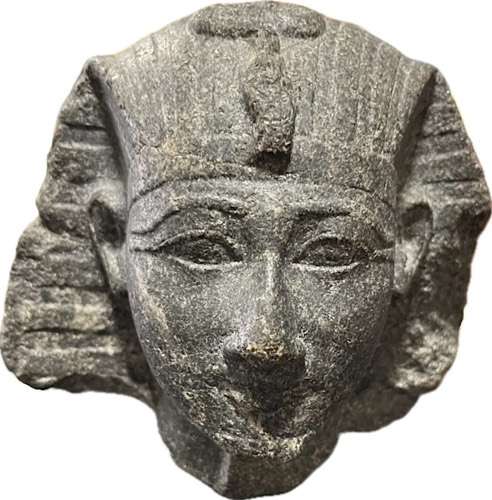
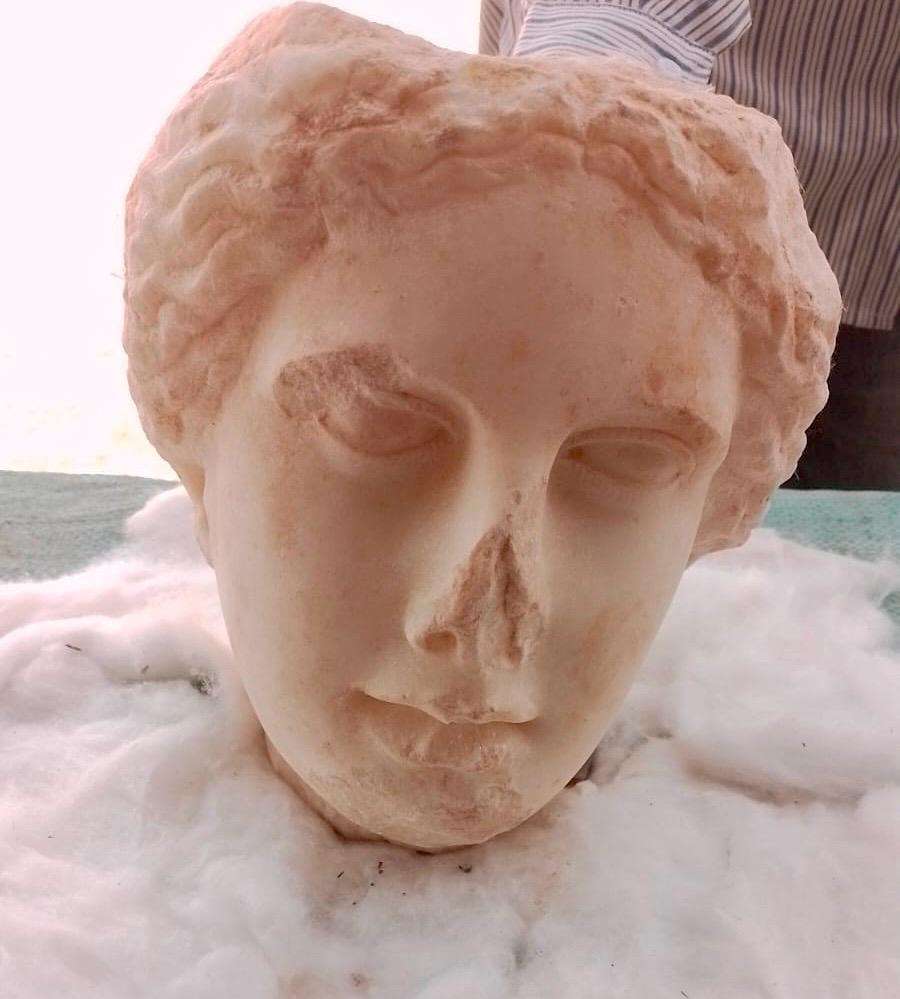
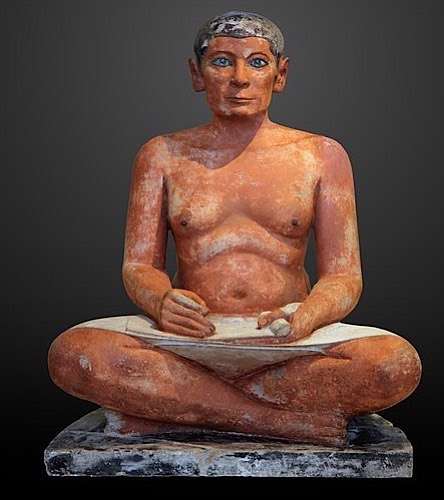
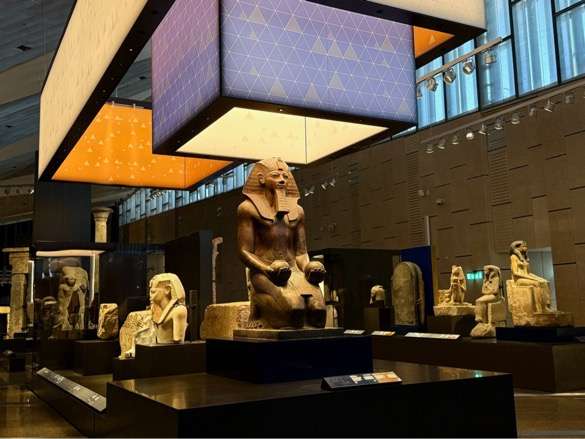
Among the most striking finds is a life-sized human statue whose facial expression appears to depict a deceased person—the first known representation of death in Neolithic sculpture and a rare window into early beliefs about mortality and the afterlife, according to Reuters.
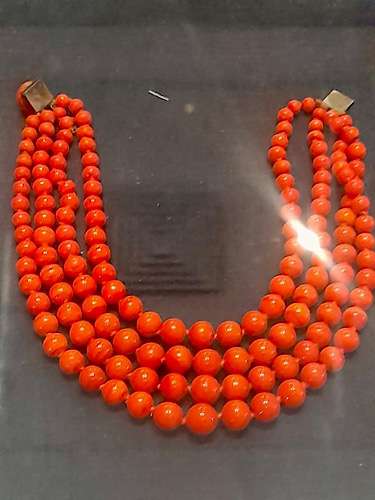
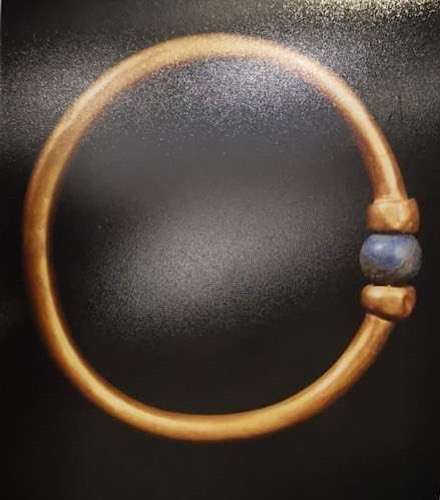
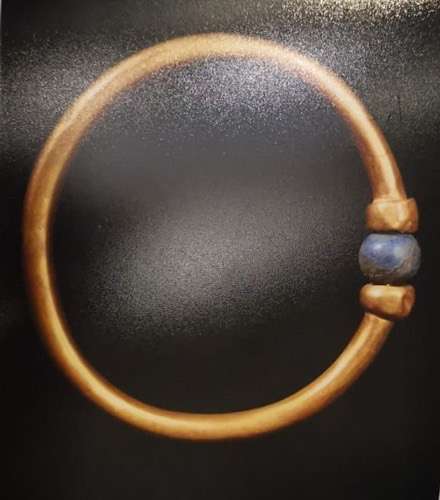
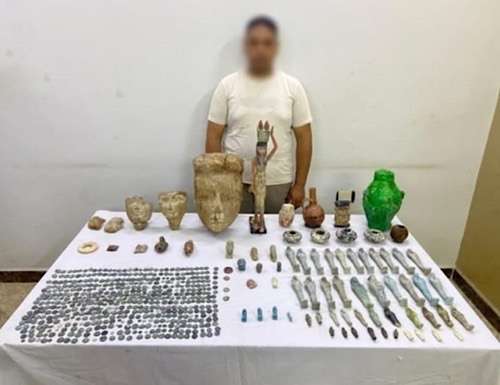
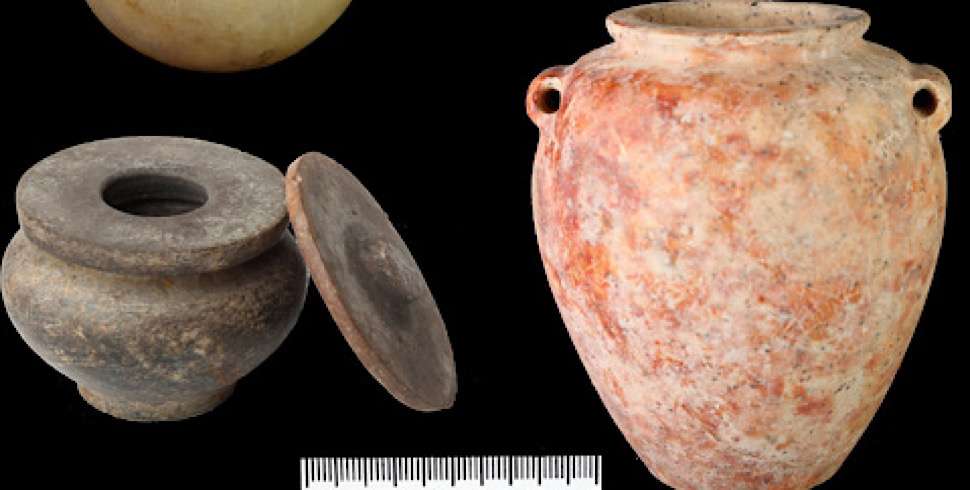
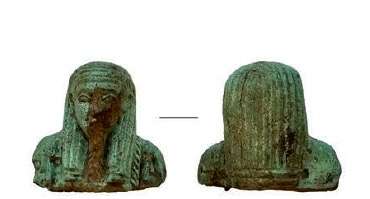
Other newly revealed objects include additional human and animal statues, figurines, stone vessels, plates, necklaces, and beads—one of which is shaped like a miniature human figure.
“These sites are completely rewriting what we thought we knew about the Neolithic period and the beginnings of settled life,” Culture and Tourism Minister Mehmet Nuri Ersoy told reporters. He emphasized that the discoveries, part of Turkey’s “Stone Hills Project” (Taş Tepeler), prove prehistoric people possessed far more sophisticated religious beliefs, ritual practices, social organization, and artistic skill than previously imagined.
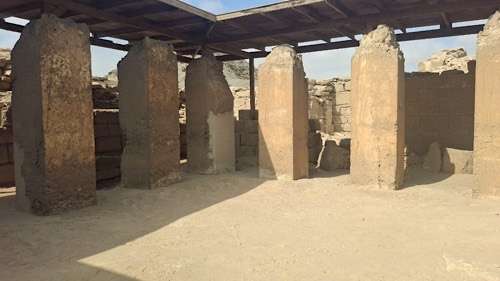
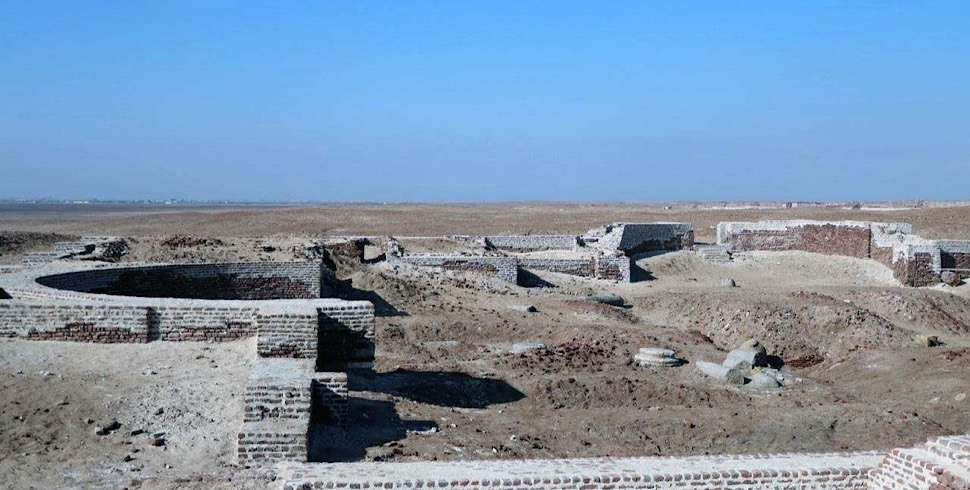
Perched on a windswept plateau overlooking the fertile plains often called the “cradle of civilization,” the UNESCO World Heritage site of Göbeklitepe and its sister site Karahan Tepe contain the world’s oldest known monumental buildings—large oval structures up to 28 meters across, ringed by T-shaped limestone pillars up to 5.5 meters tall. Many pillars are carved with vivid animal reliefs; a newly excavated example at Karahan Tepe bears the first confirmed human face ever found on such a pillar.
The broader Stone Hills Project now encompasses twelve Neolithic settlements in Şanlıurfa dating as far back as 9,500 BC. Excavation director Necmi Karul explained that the evidence—from diet and architecture to symbolism and ritual—brings us remarkably close to the daily lives and minds of these ancient people.
Most significantly, the discoveries challenge the long-held view that permanent settlement only began after the invention of farming. “These communities were still primarily hunter-gatherers,” Karul said, “yet they had already built complex, sedentary societies centered on elaborate ritual structures—showing that the shift to settled life preceded agriculture.”
With visitor numbers at Göbeklitepe expected to reach 800,000 this year, the ongoing revelations from Turkey’s southeast continue to captivate the world and reshape our understanding of where civilization truly began.