















































































































































































































































































































































































































































































































































































































































































































































































































































































































































































































































































































































































































































































































































































































Friday, 09 October 2026

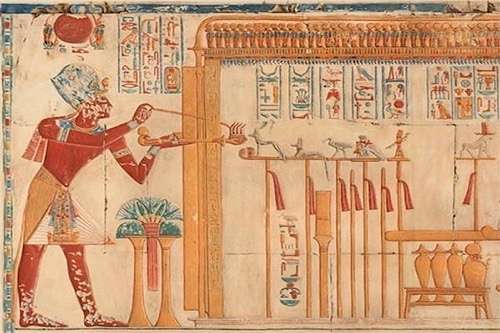
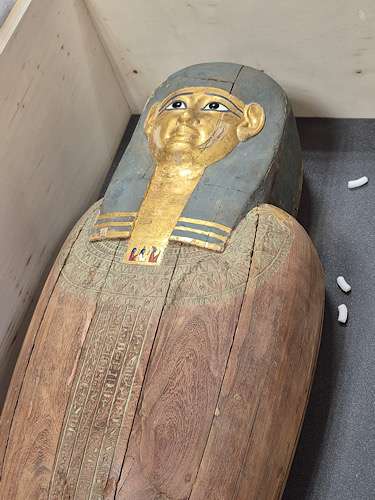
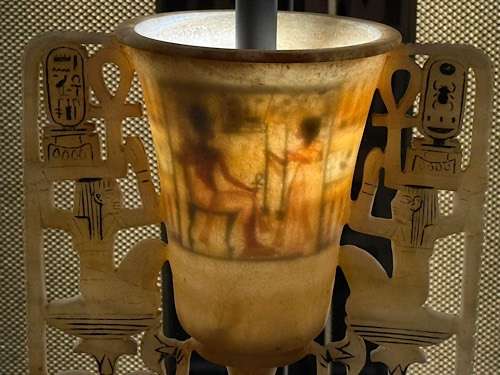
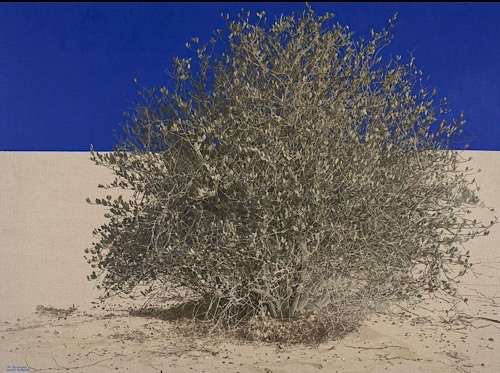
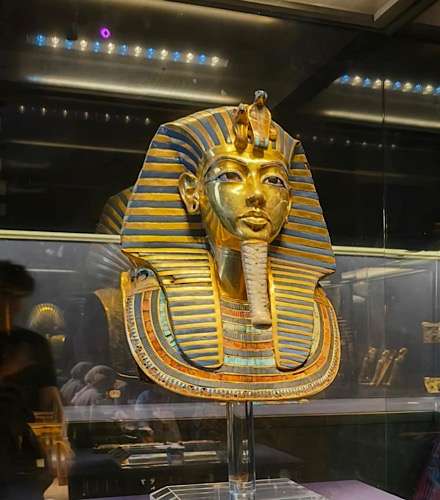
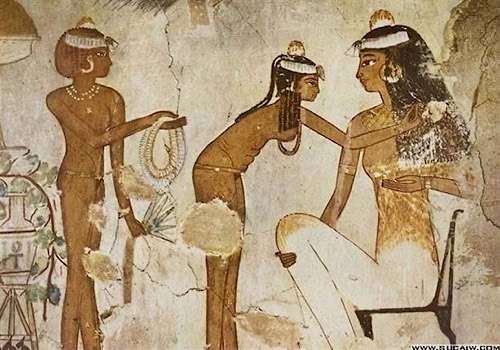
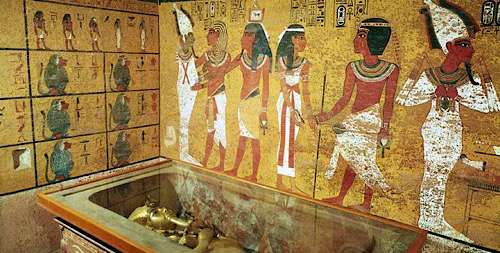
Researchers and historians have long marveled at the vibrant colors that decorated ancient Egyptian art and tombs. Among these, the brilliant hue known as “Egyptian Blue” holds a special place. Not only was blue highly valued by ancient Egyptians, it represents a remarkable technological achievement: the world’s first synthetic pigment.
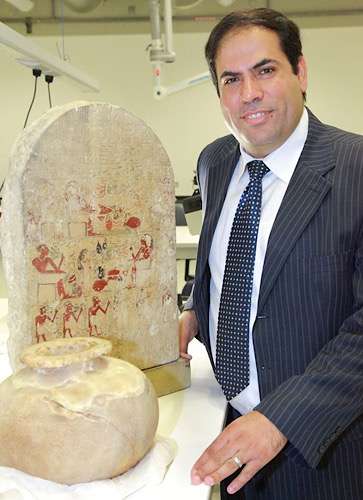
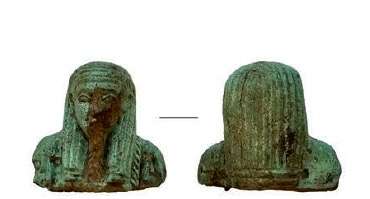
Egyptologist Khaled Saad explained that more than 4,000 years ago, Egyptians invented this unique shade by heating a precise mixture of silica, copper, lime, and an alkaline substance to around 850°C—a remarkable feat for ancient times. The resulting pigment, known scientifically as calcium copper tetrasilicate, was used to adorn statues, pottery, and even the tombs of pharaohs, symbolizing the heavens and the divine.
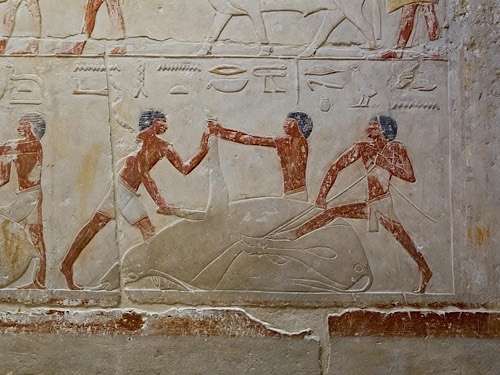
Archaeologists have traced the earliest use of Egyptian Blue to around 2200 BCE, and astonishingly, its chemical formula remained virtually unchanged for over a thousand years. Examples have been found on the walls of the Mastaba of Mereruka at Saqqara and even on textiles from Egypt’s Greco-Roman period.
In 2006, Egyptologist Saad stated that scientists discovered another marvelous property of Egyptian Blue: when exposed to fluorescent light, it glows and emits infrared radiation. This discovery may one day help experts uncover hidden artwork or develop new scientific applications.
Although the exact recipe was lost over the centuries, modern researchers successfully recreated it following clues from Roman writers like Vitruvius. Today, the pigment is so significant it even has its own Pantone color code: TSX18-4142, “Egyptian Blue.”
The enduring beauty and advanced chemistry behind Egyptian Blue is a shining example of ancient Egypt’s innovative spirit—a legacy still admired by artists, scientists, and history lovers all around the world.