




















































































































































































































































































































































































































































































































































Friday, 09 October 2026
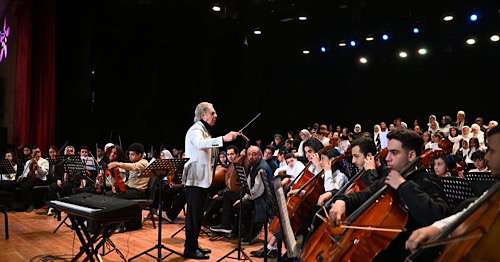
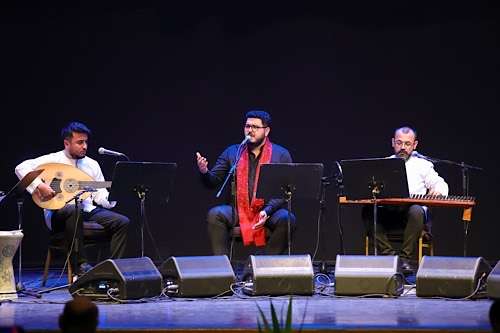
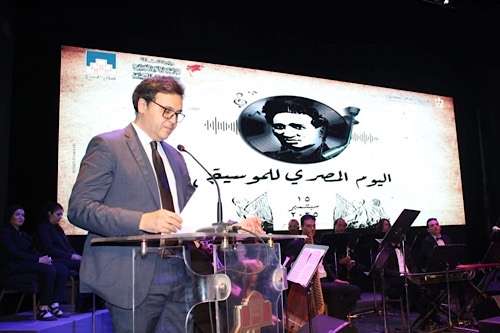
In a dimly lit rehearsal hall in Agouza, the soaring voices of young singers rise above the steady pulse of violins as maestro Selim Sahab guides them with his trademark precision.
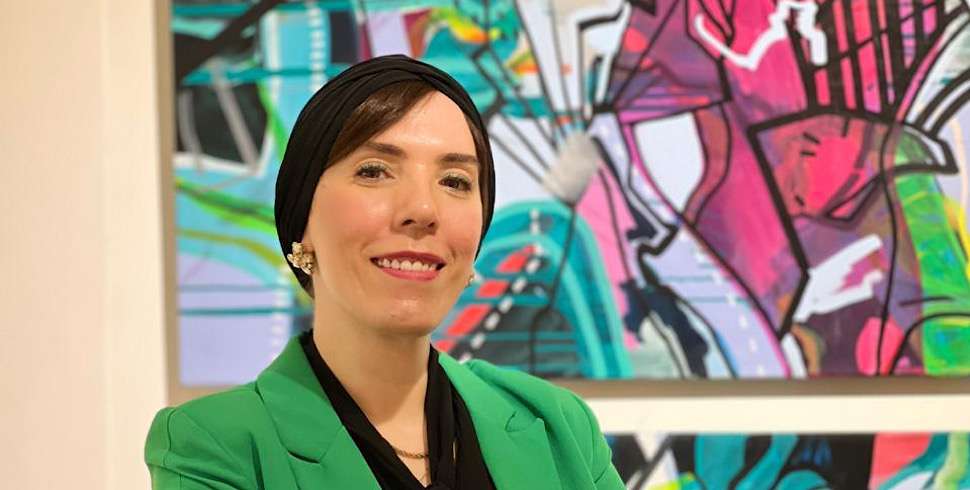
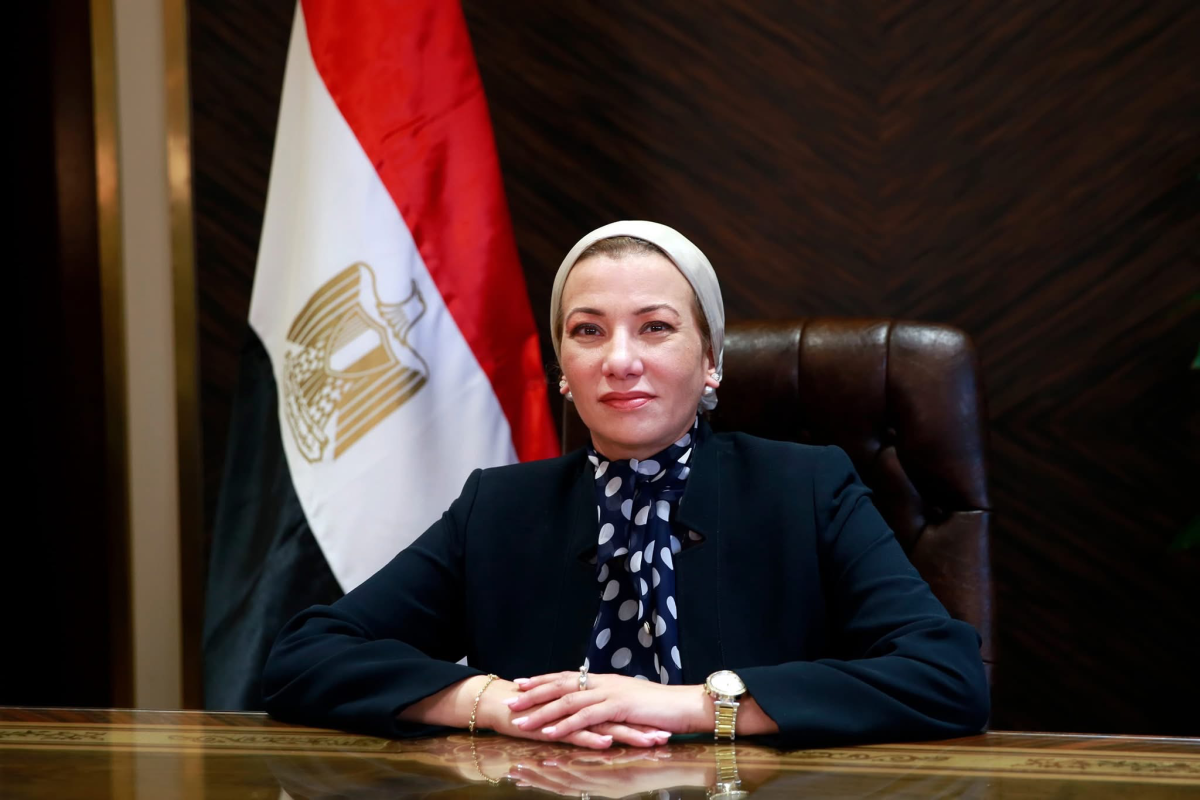
From the front row, Egypt’s Culture Minister Gehan Zaki watches intently, smiling as the “National Choir and Orchestra of Egypt” takes shape before her eyes.
The rehearsal, held at El‑Samer Theatre and organised by the General Authority for Culture Palaces, brought together dozens of young performers from across Egypt’s provinces—many stepping into a professional training environment for the first time. For Zaki, the moment captures what she says is at the heart of her ministry’s work: opening cultural doors to the entire country, not just Cairo.
“This project is an important step in supporting talented young people from the regions,” Zaki told reporters during the visit. “Our aim is to prepare a new generation capable of carrying the banner of Egyptian arts and preserving the authenticity of our musical heritage.”
She praised the initiative led by Sahab, one of Egypt’s most respected conductors, whose volunteer involvement gives the project a rare sense of prestige and mentorship. “Working with a figure like maestro Selim Sahab offers these young musicians real opportunities to learn on a strong artistic and scientific foundation,” she said.
For many of the participants, the chance to train under Sahab represents a dream long out of reach. To find such talent, the maestro has been travelling across the country—from Giza to Alexandria, Zagazig and Ismailia—auditioning young performers in cultural centres where classical music rarely takes centre stage. The turnout, officials say, has exceeded expectations.
Zaki, who has vowed to “bring culture to every citizen,” said the ministry is committed to providing serious training spaces that nurture vocal and orchestral talent. She added that Egypt’s artists and cultural icons are welcome partners in discovering and shaping the next wave of performers.
“Egypt is rich with creators whose contributions never run dry,” she said. “Drawing on their irreplaceable expertise strengthens culture’s role in building the Egyptian person and reinforcing our national identity.”
The National Choir and Orchestra project is one of the ministry’s flagship artistic initiatives, aiming to revive interest in classical performance and expand cultural activity outside the capital. By offering professional‑level training in the provinces, officials hope to build a new artistic base with skill, awareness and a deep connection to Egypt’s heritage.
As the rehearsal winds down, Sahab offers final notes to the choir while the young musicians beam with a mix of nerves and pride. Their debut performance is still ahead—but for many, simply being here, instruments in hand, already feels like a beginning.