





































































































































































































































































































































































































































































































































Friday, 09 October 2026
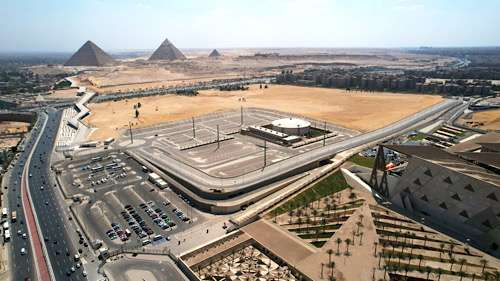
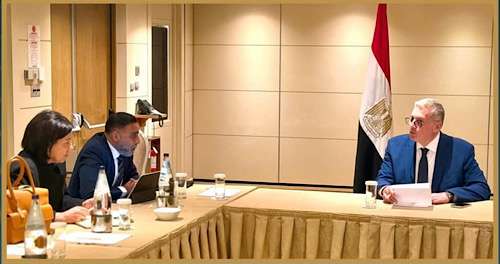
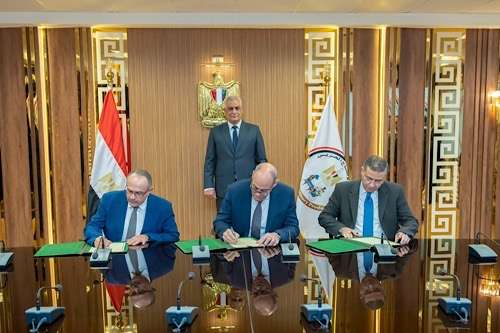
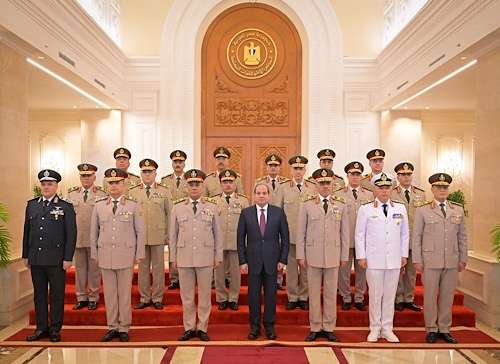
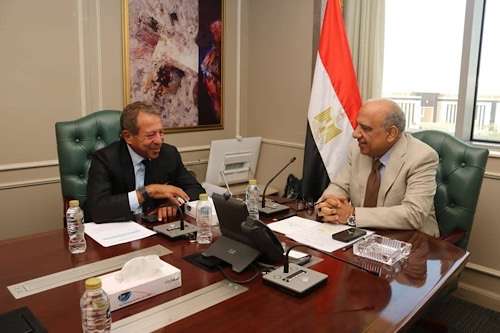
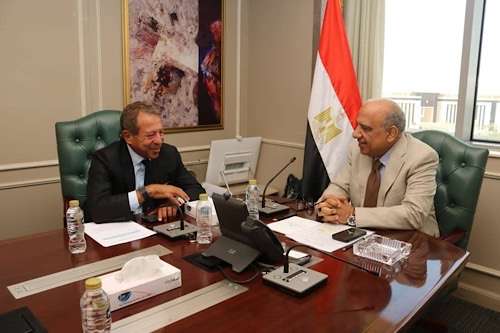
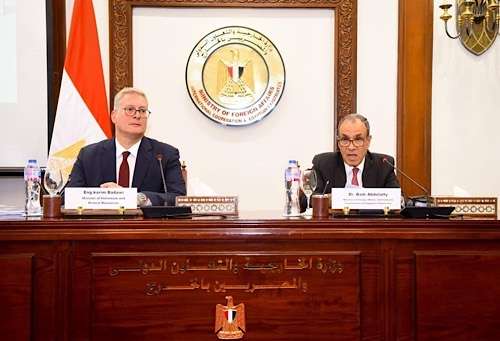
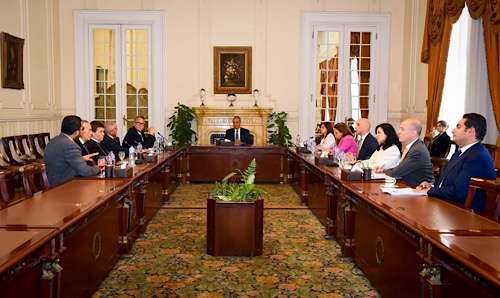
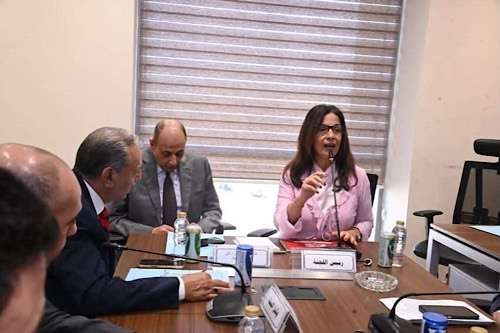
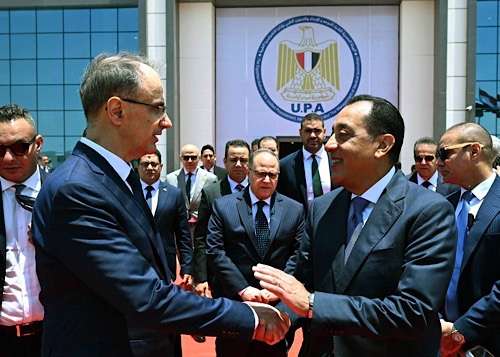
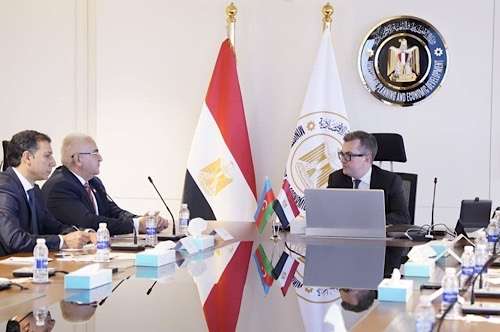
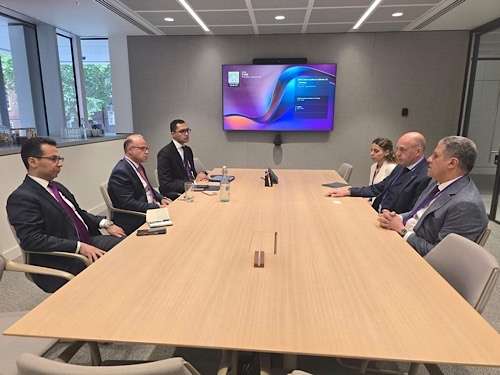
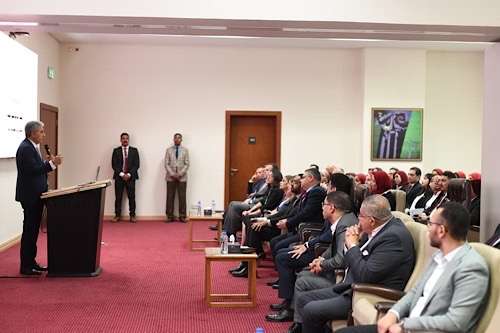
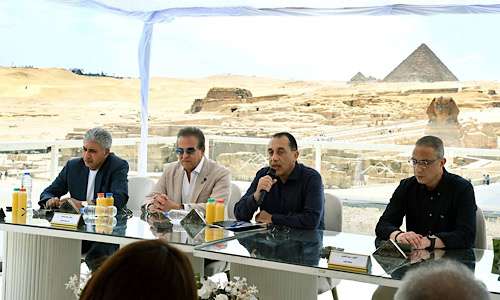
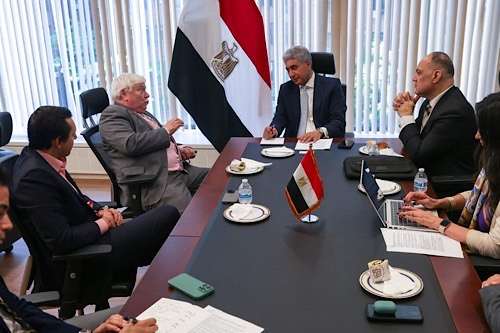
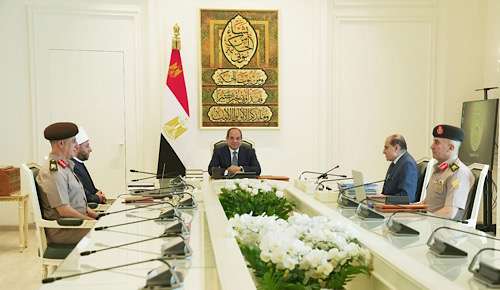
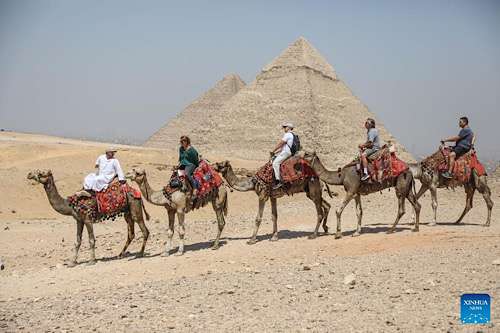
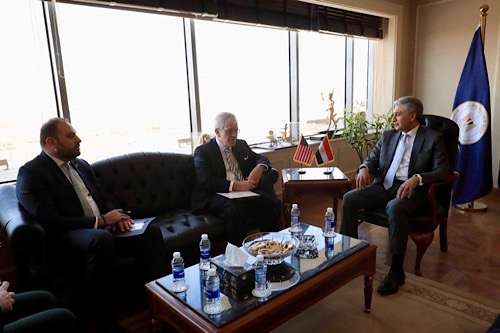
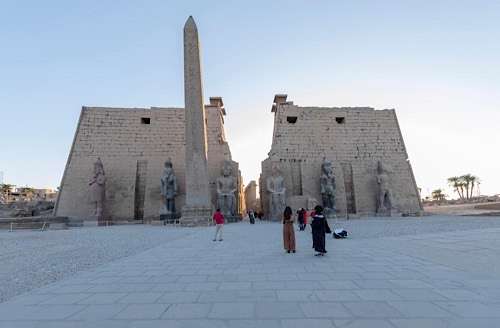
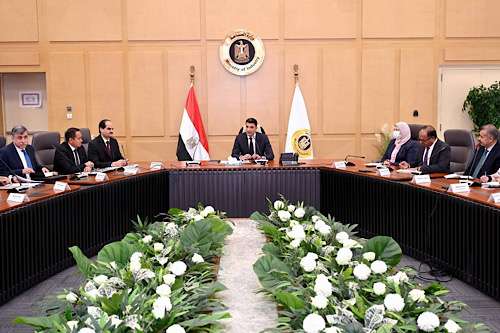
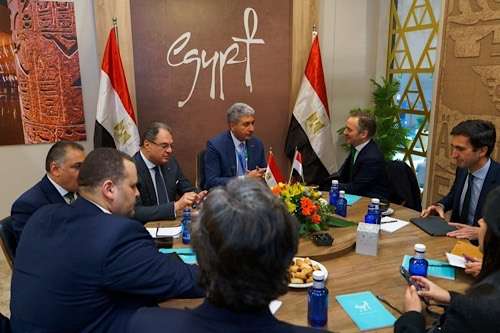
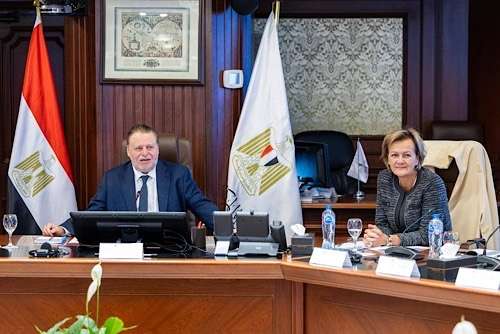
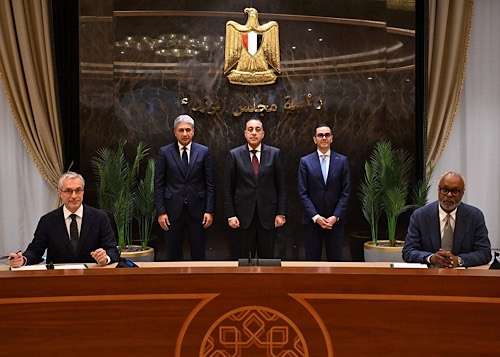
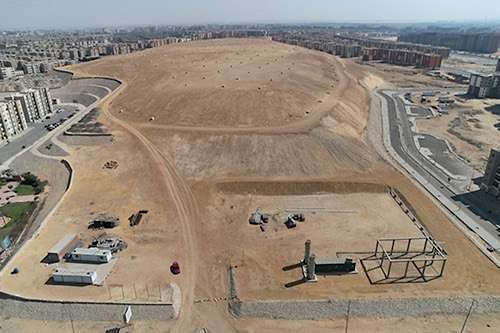
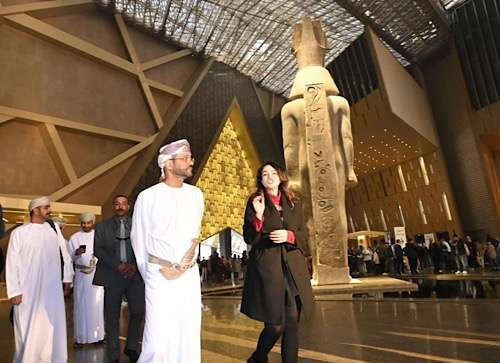
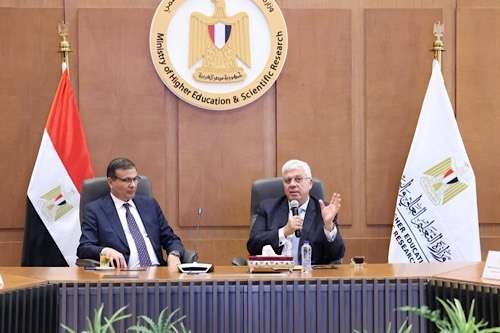
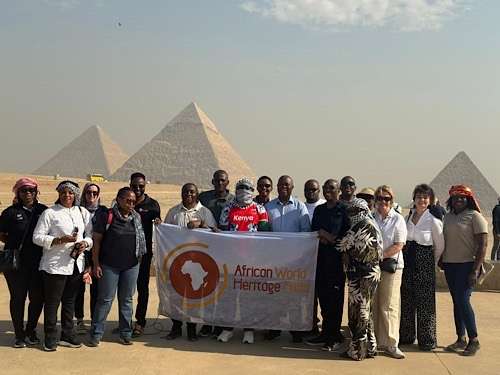
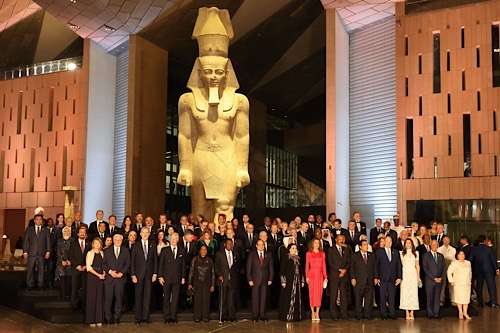
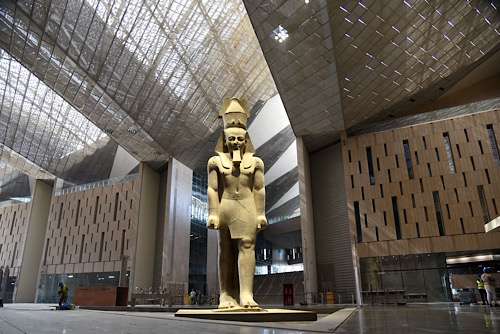
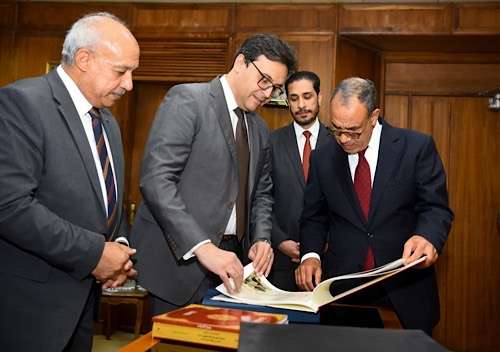
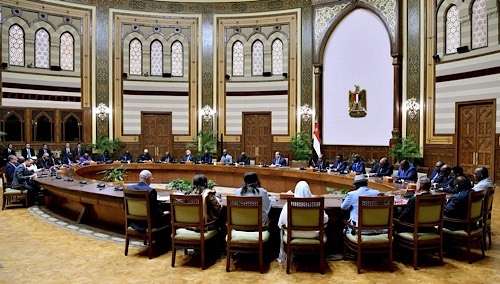
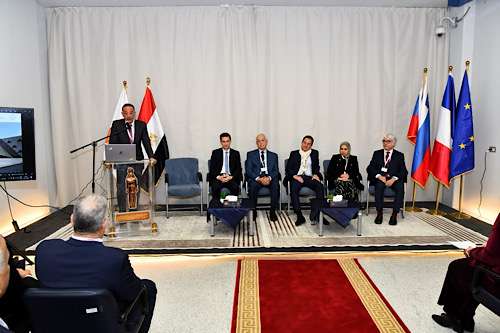
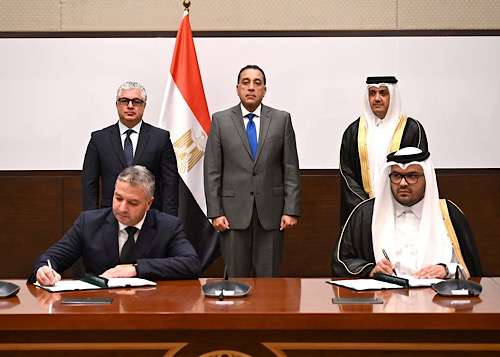
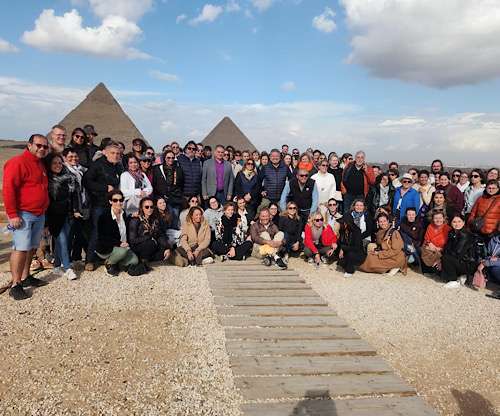
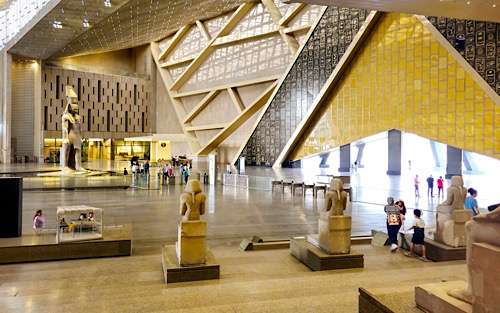
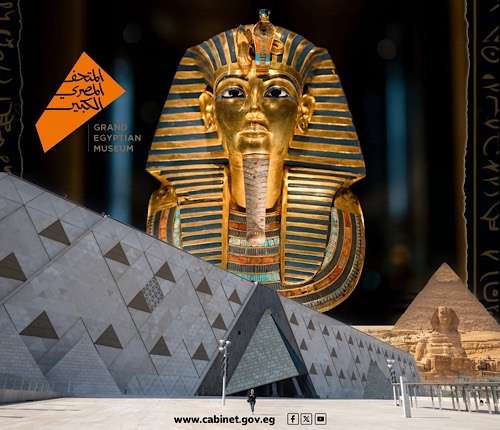
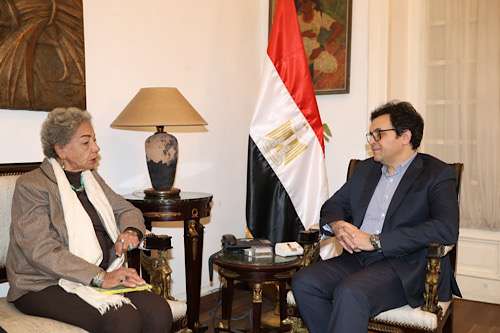
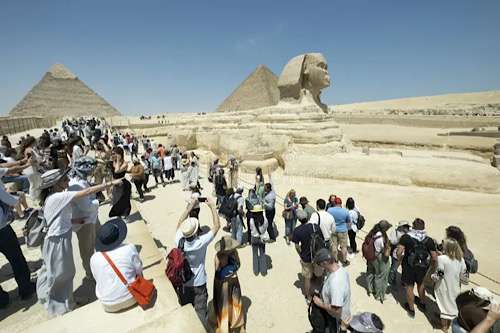
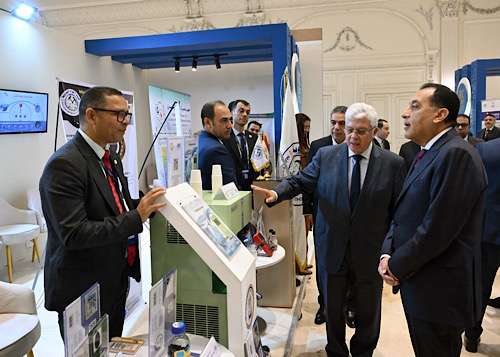
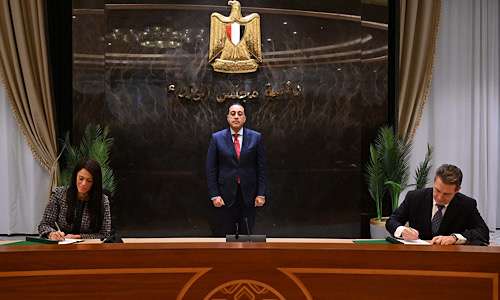
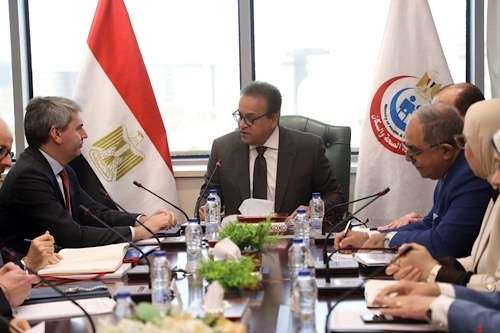
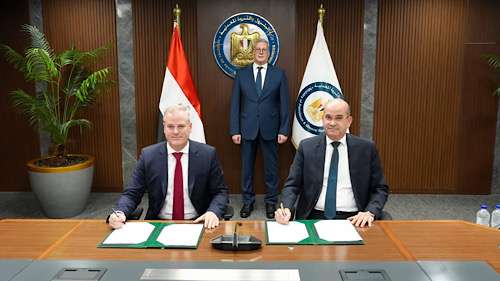
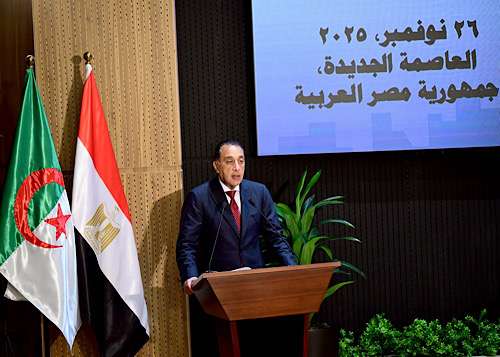
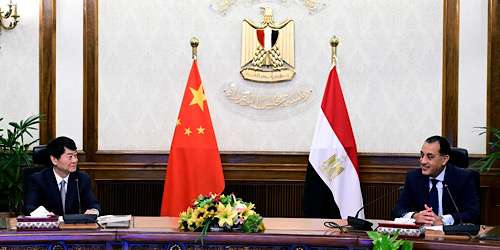
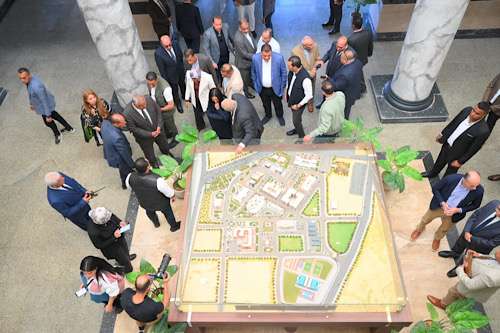
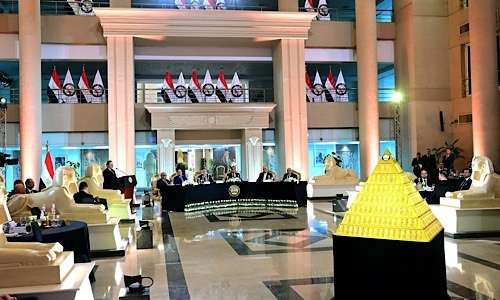
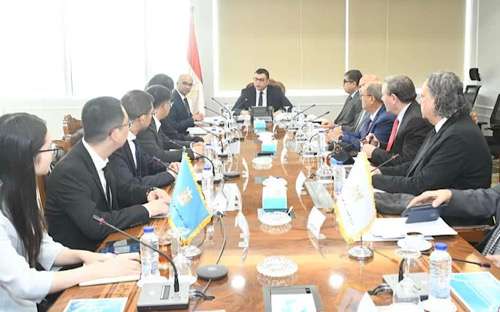
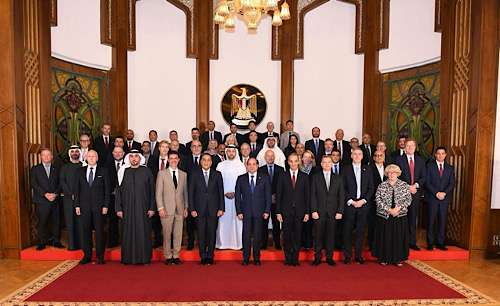
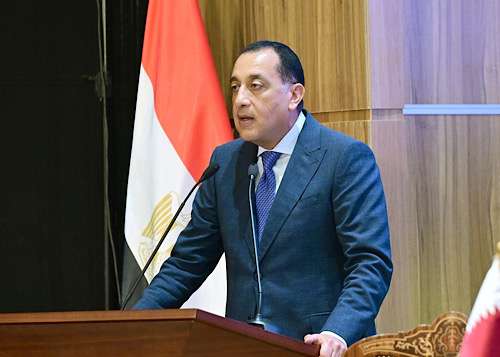
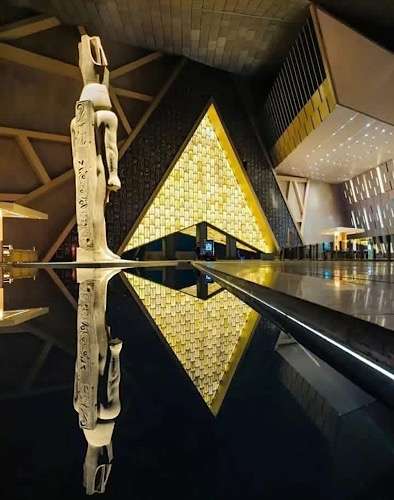
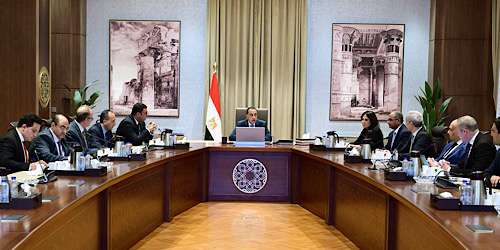
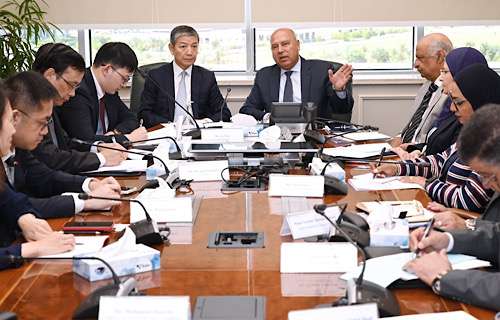
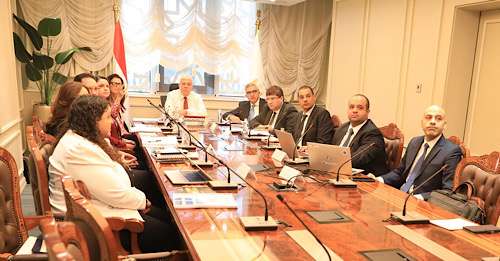
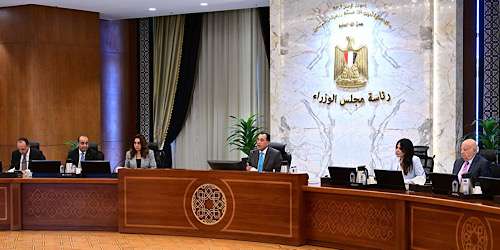
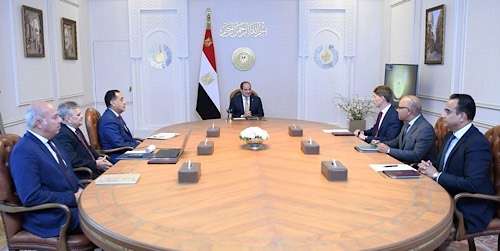
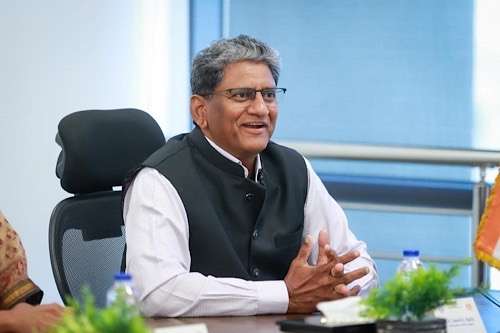
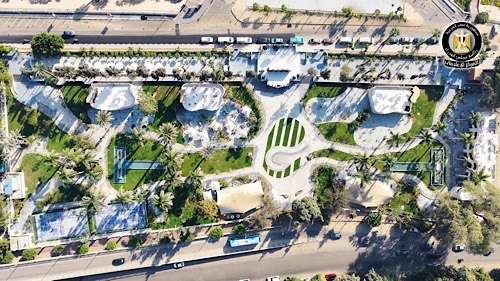
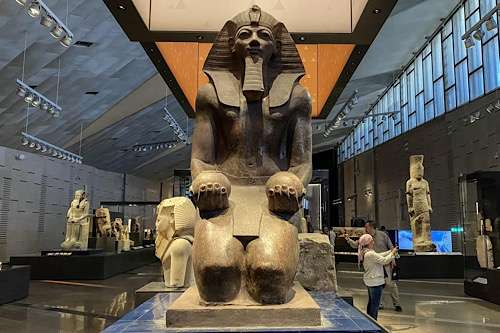
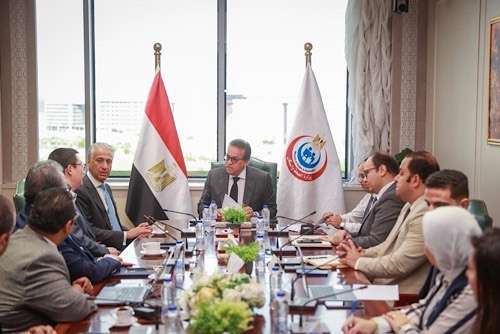
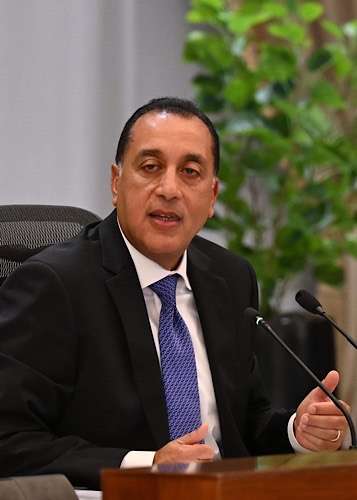
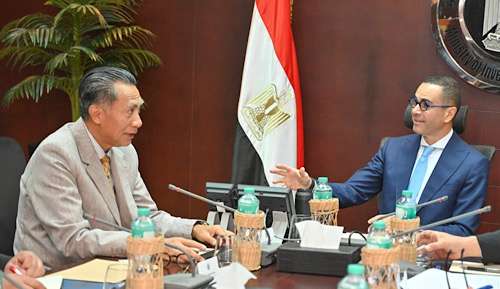
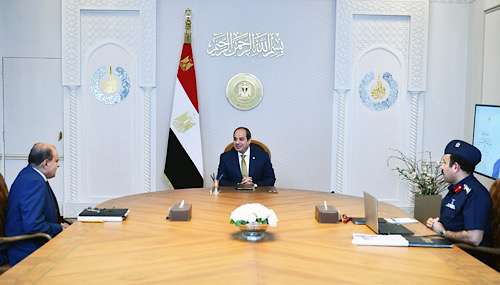
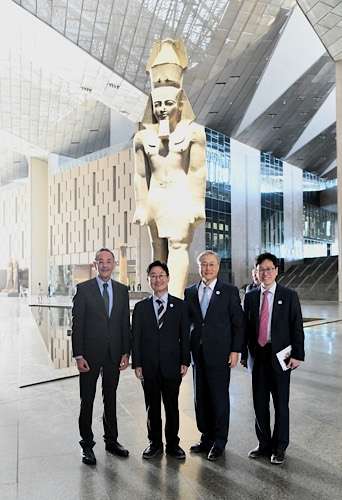
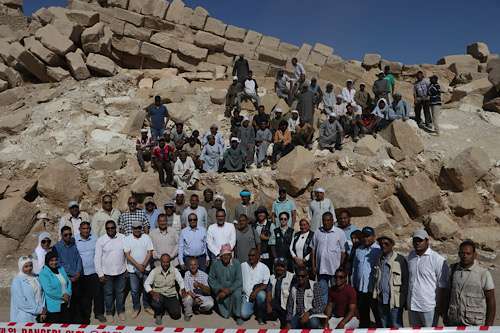
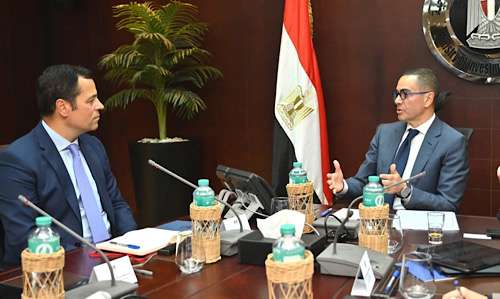
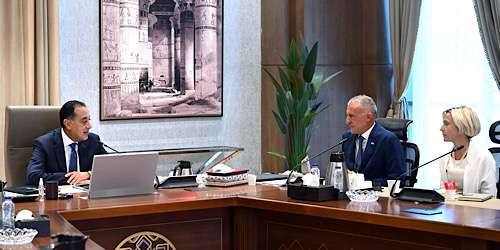
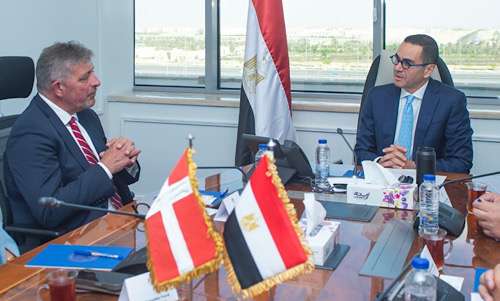
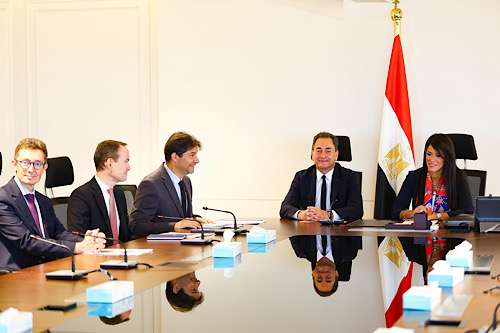
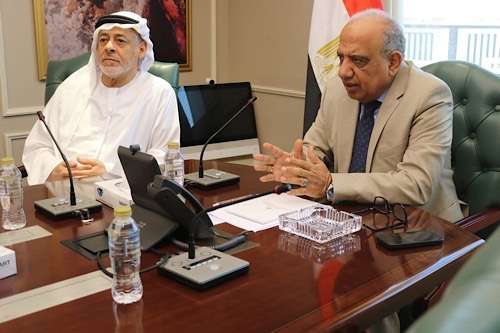
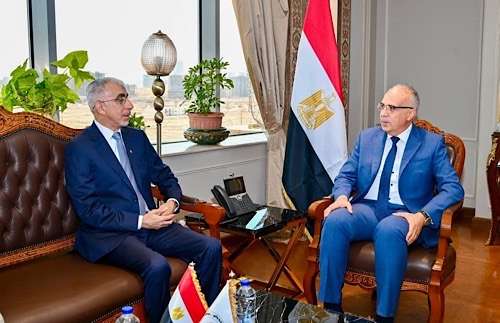
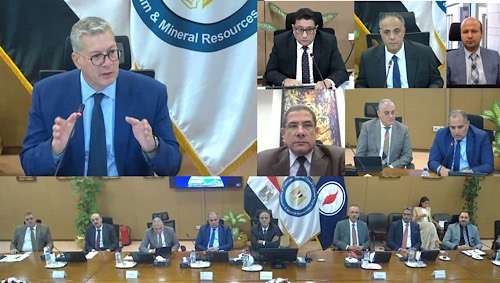
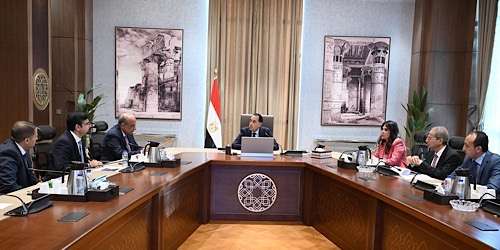
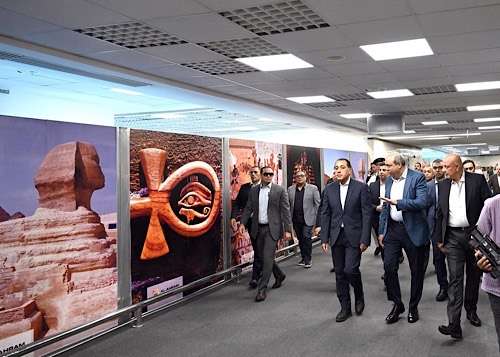
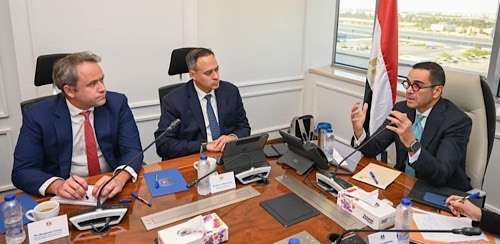
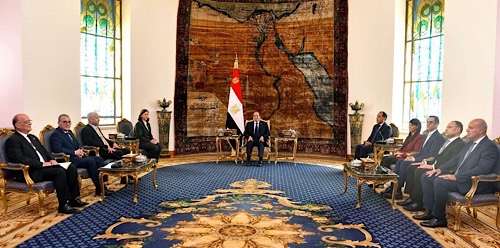
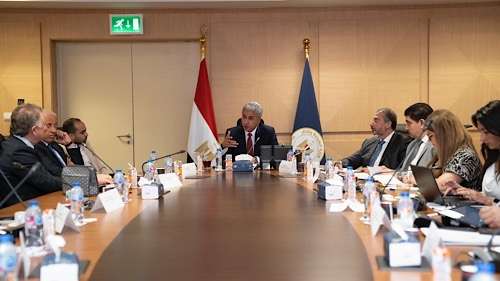
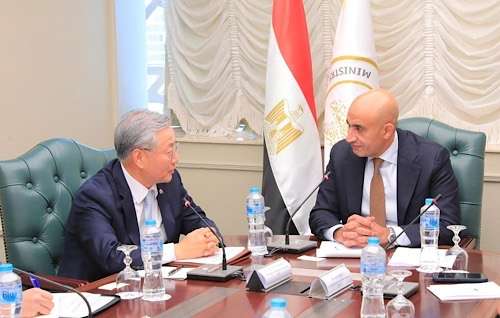
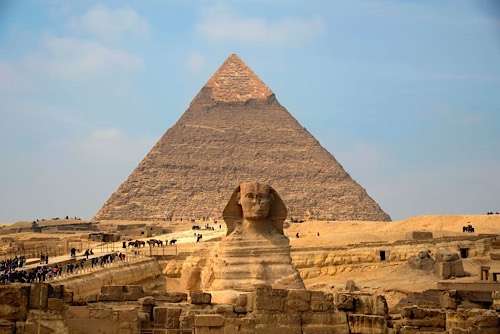
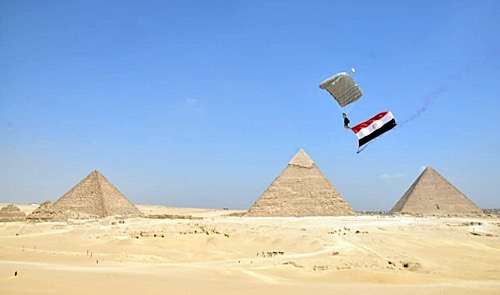
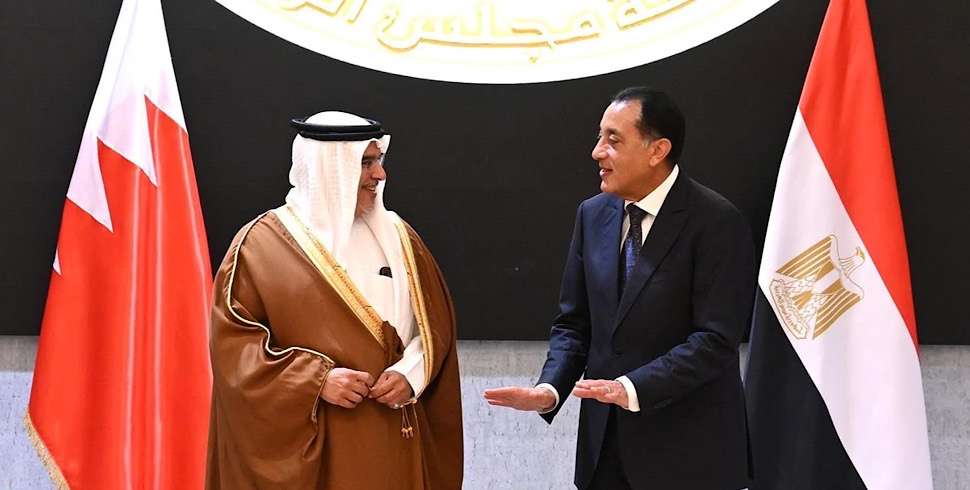
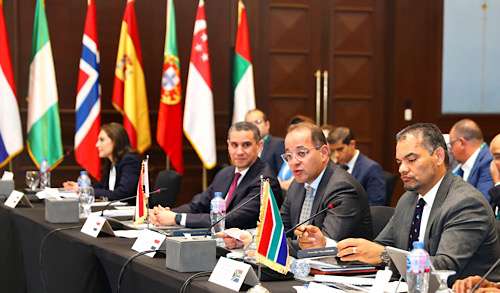
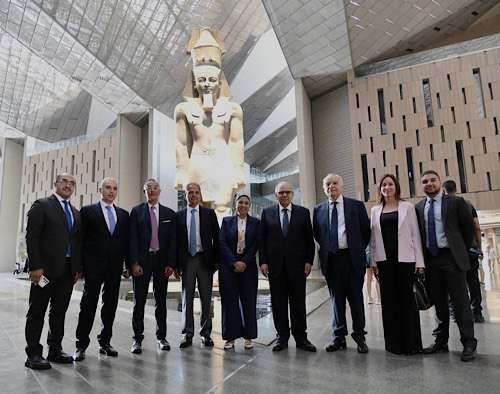
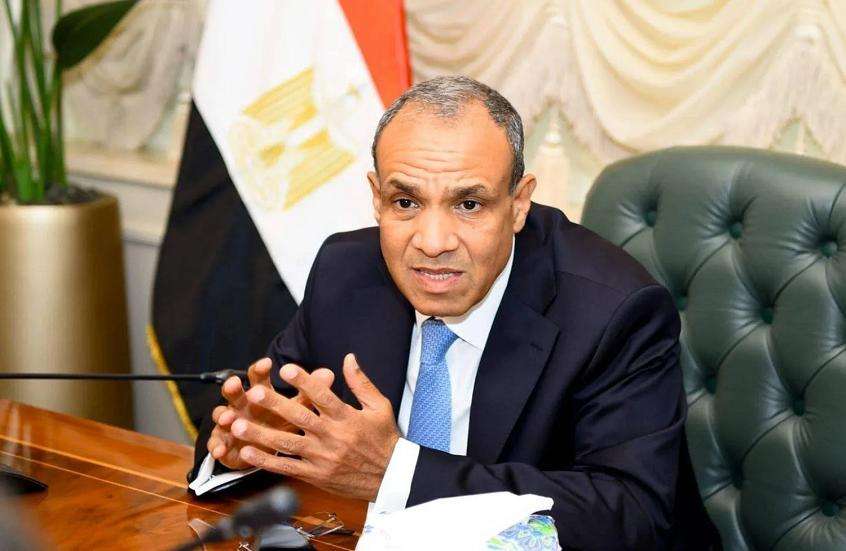
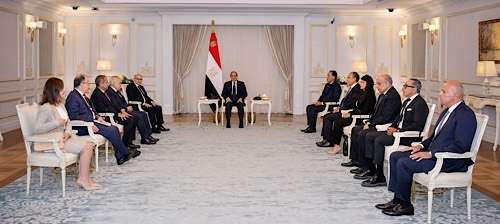
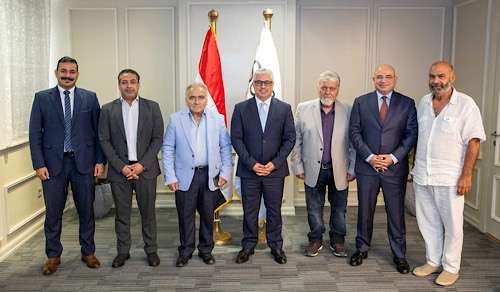
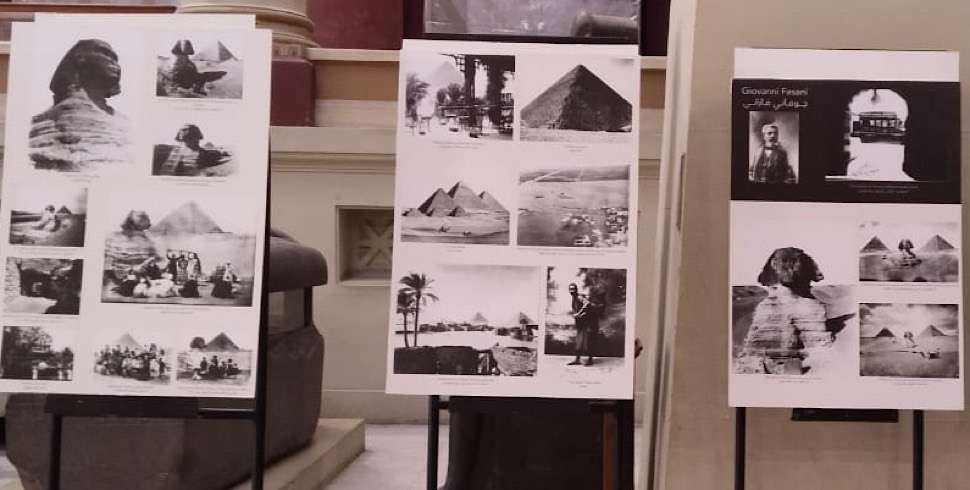
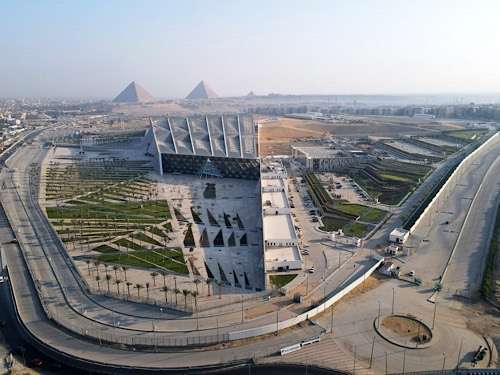
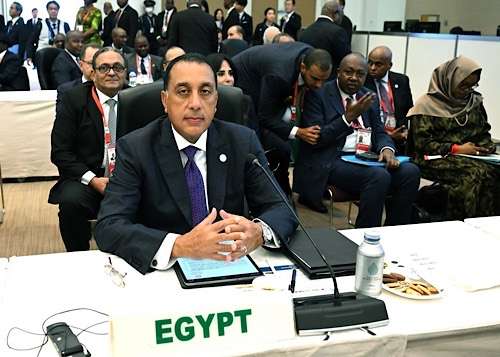
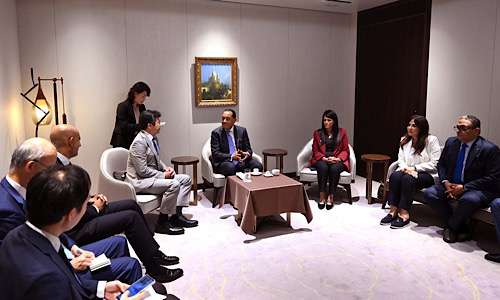
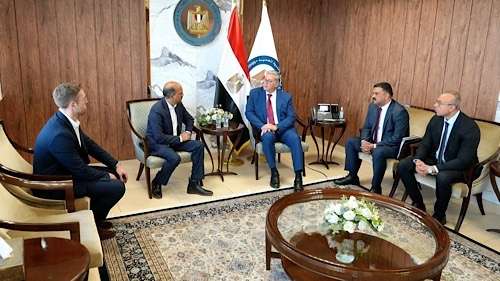
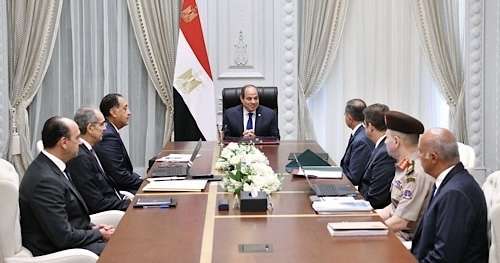
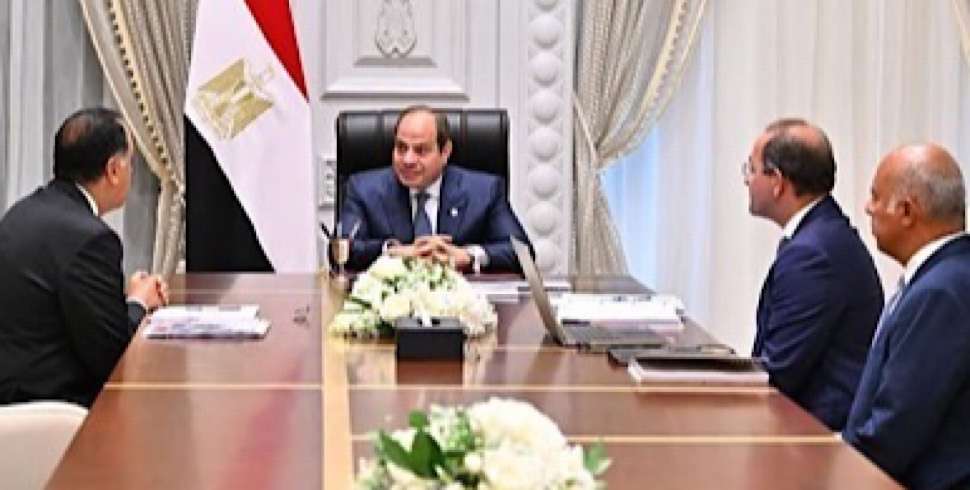
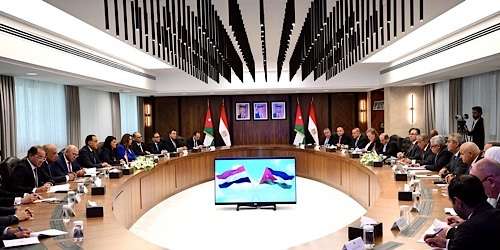
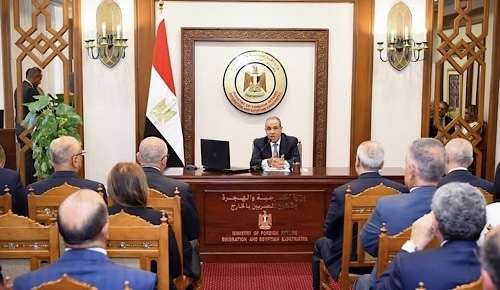
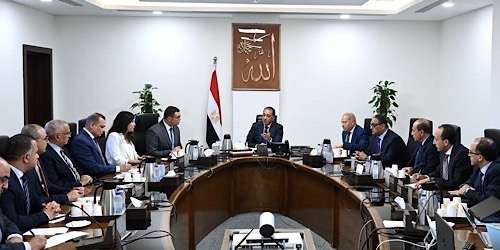
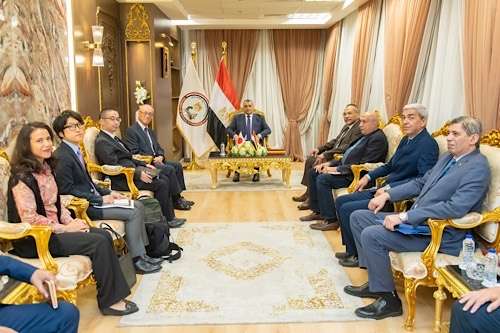
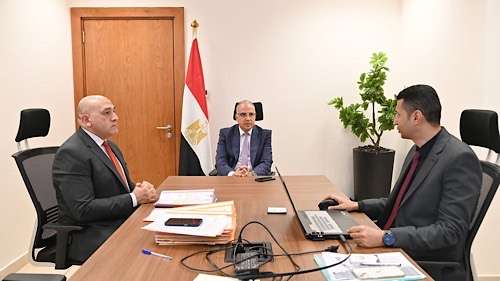
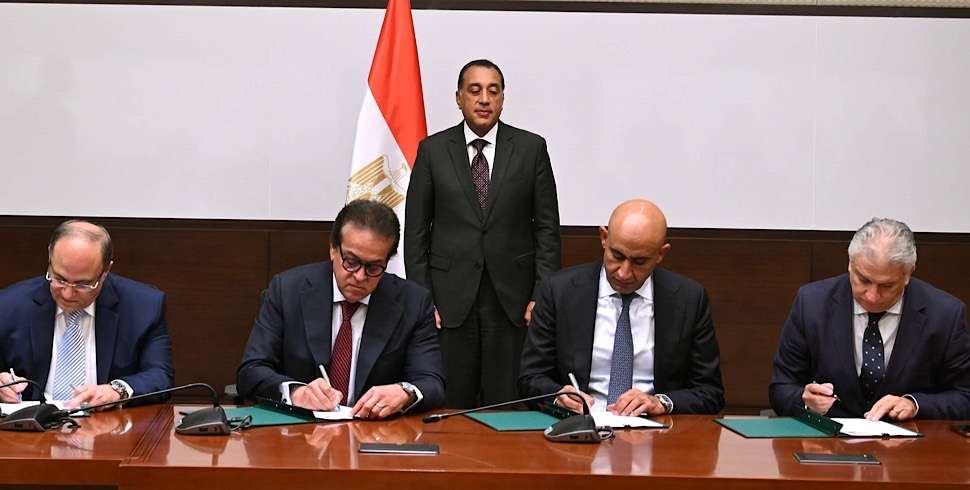
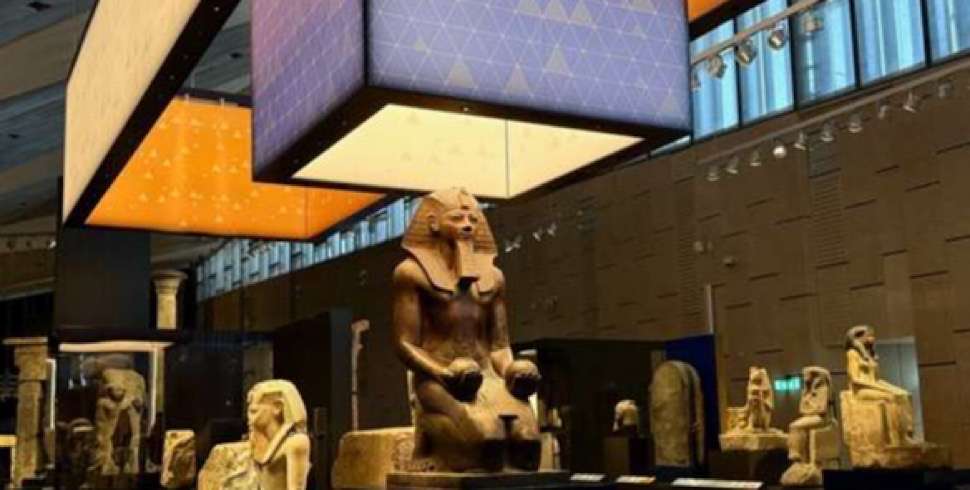
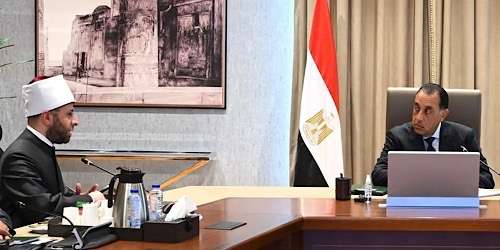
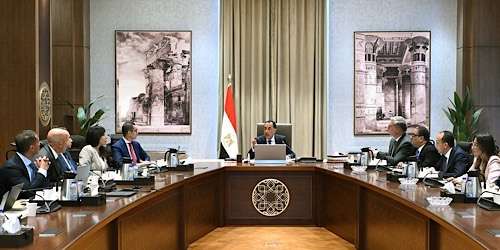
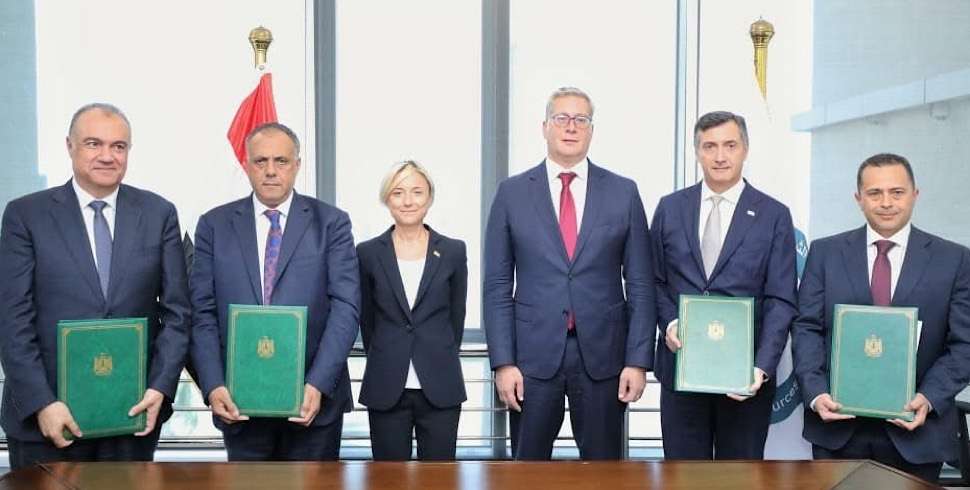
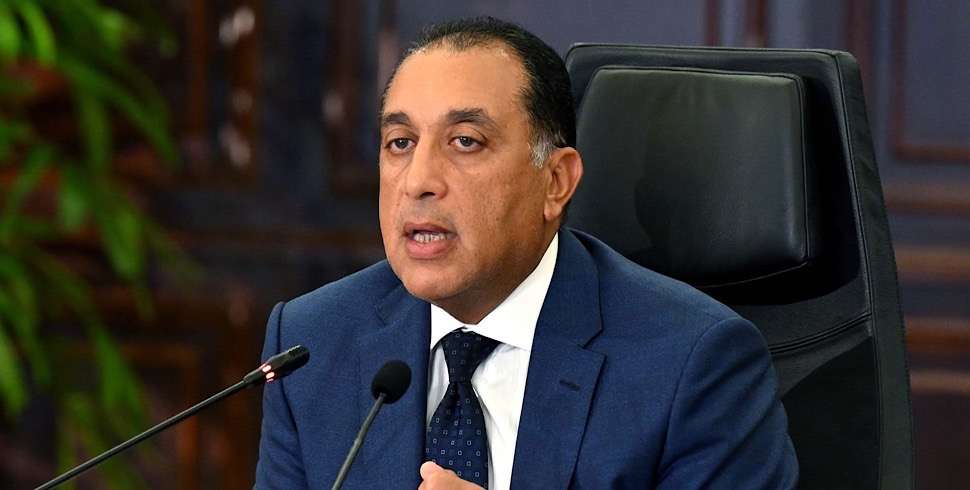
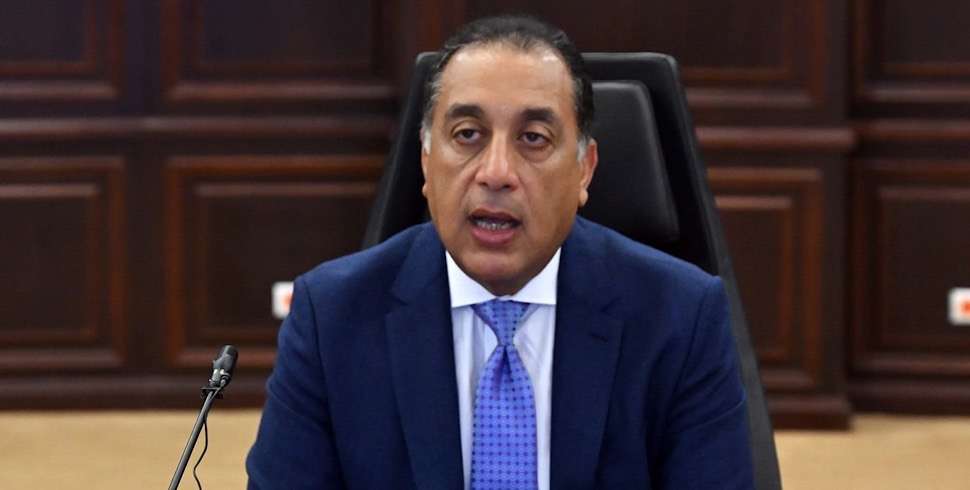
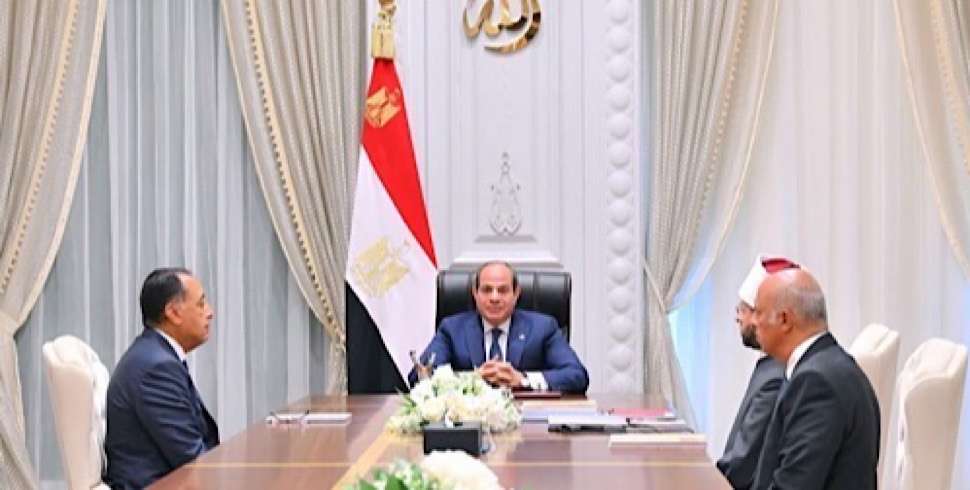
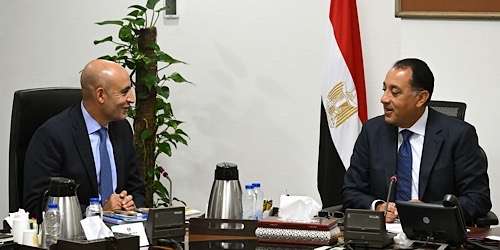
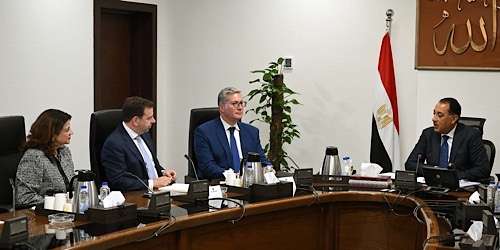
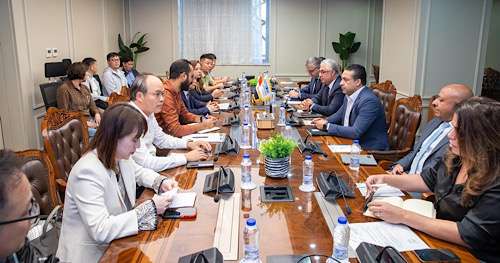
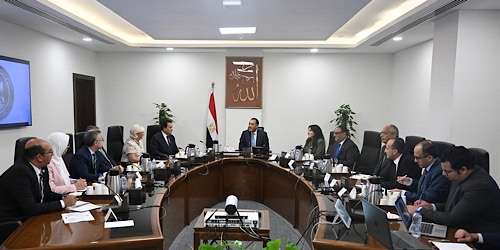
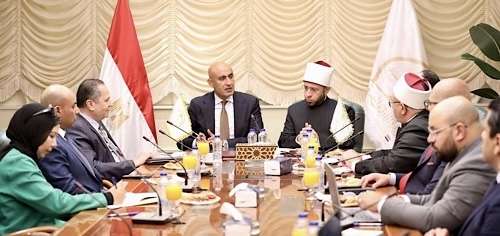
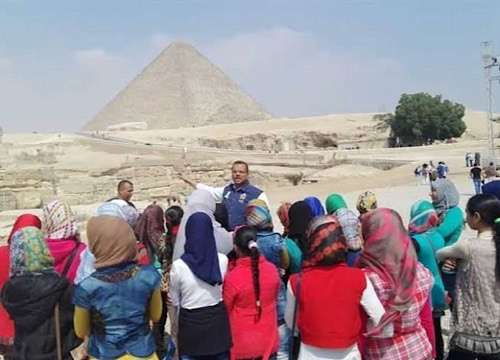
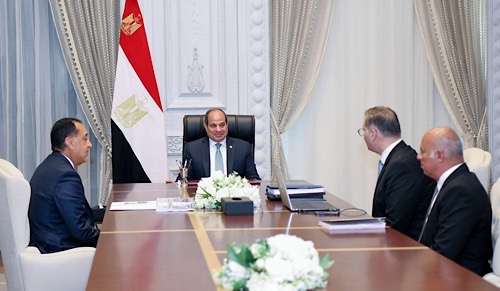
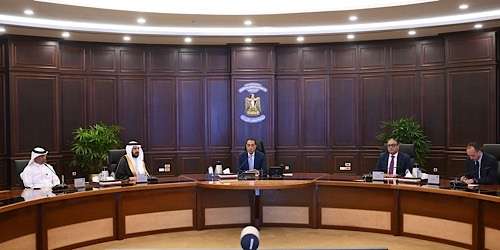
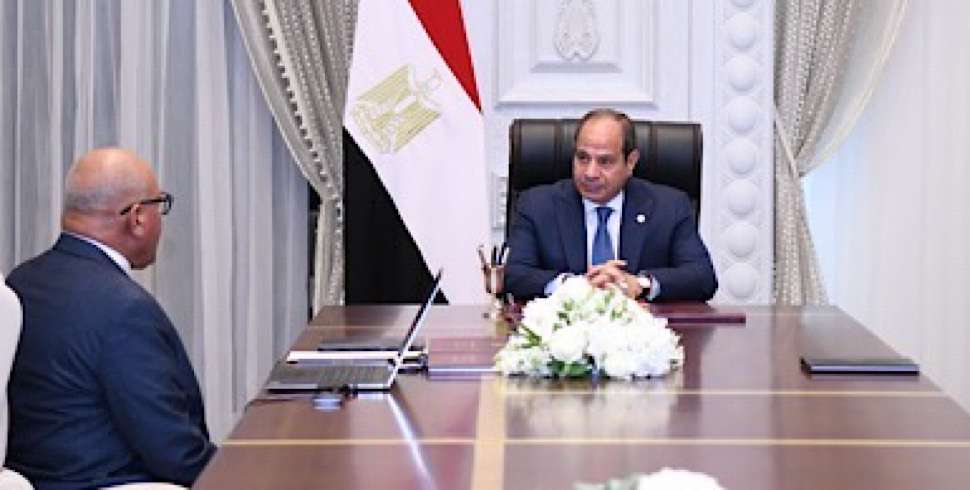
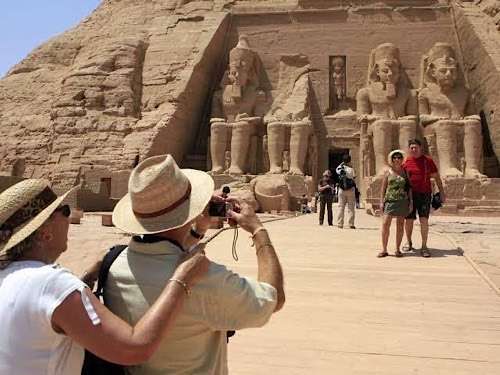
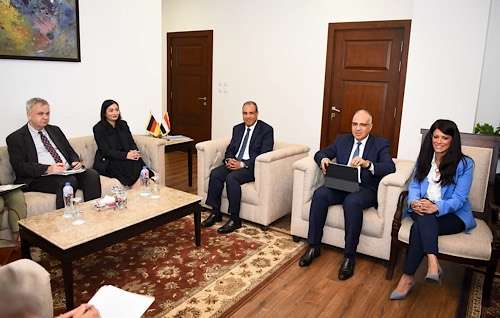
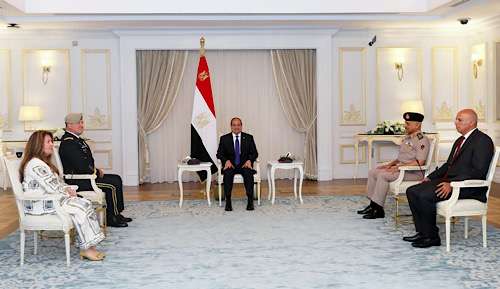
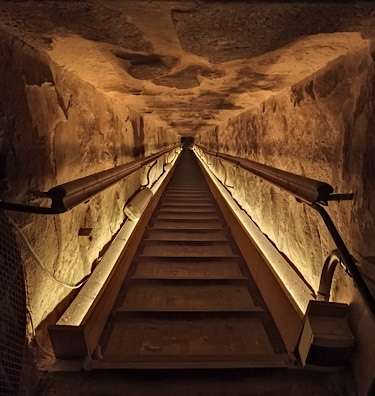
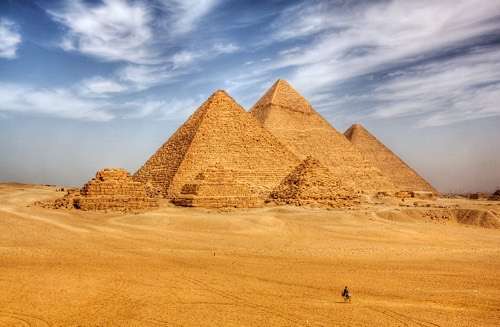
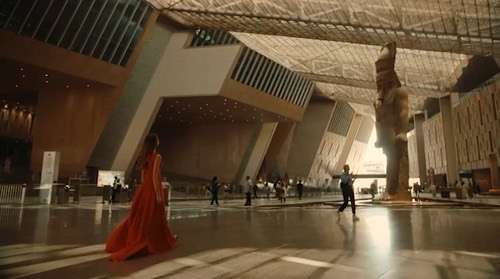
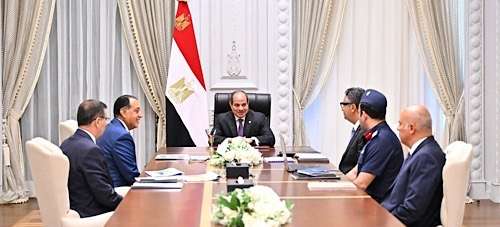
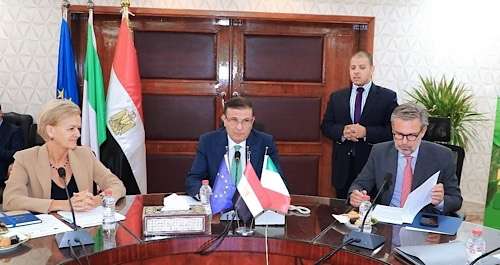
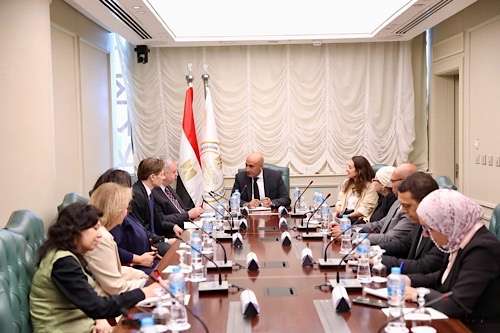
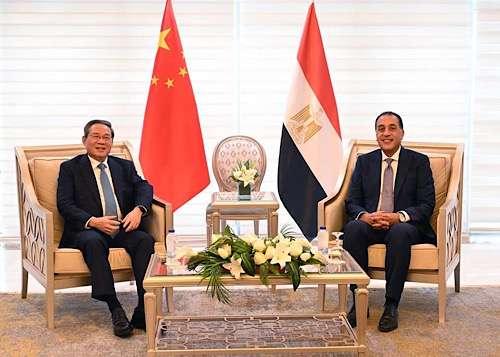
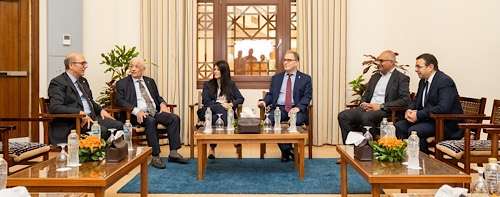
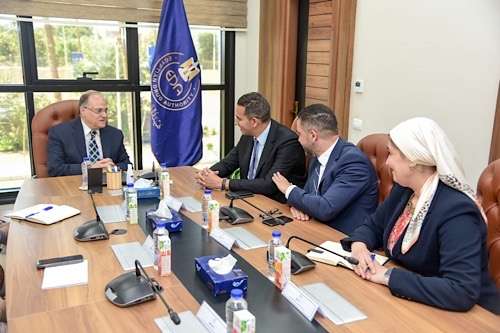
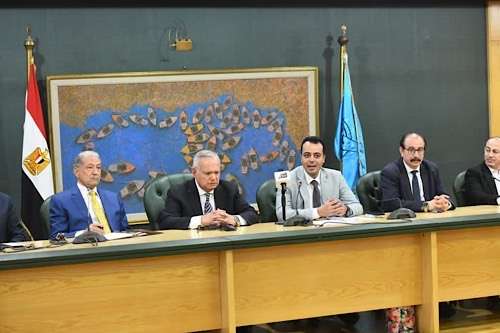
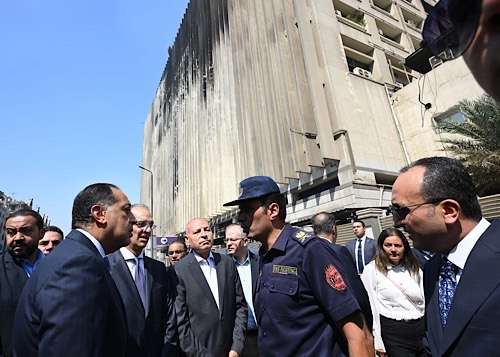
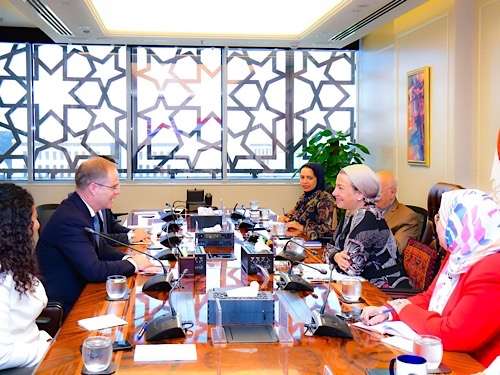
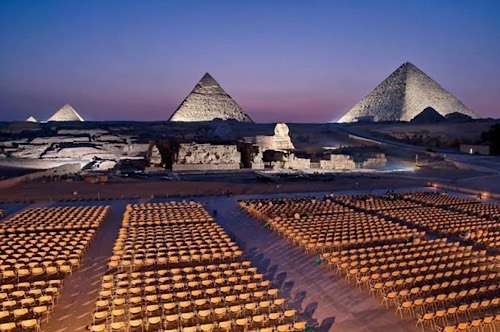
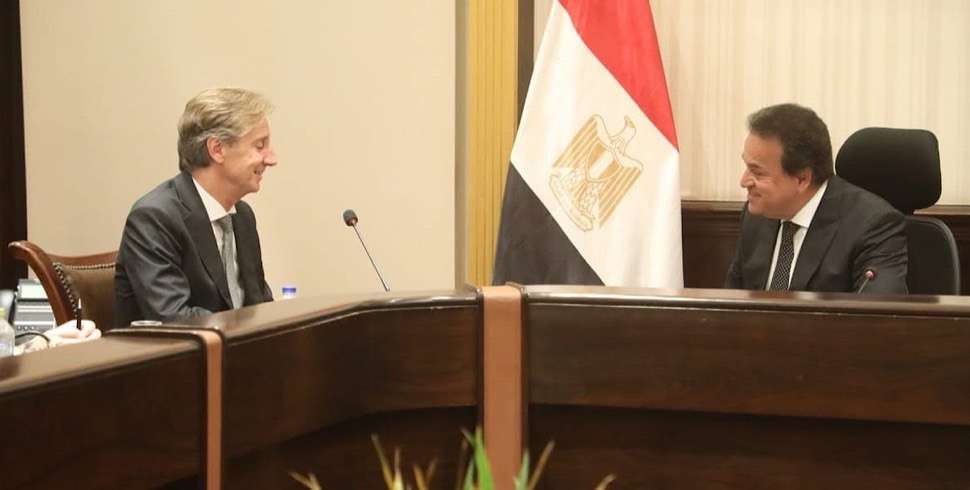
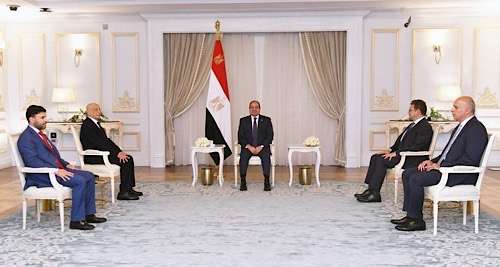
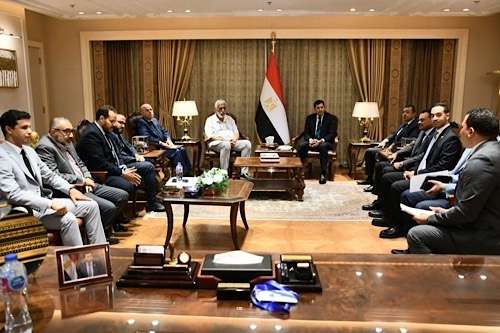
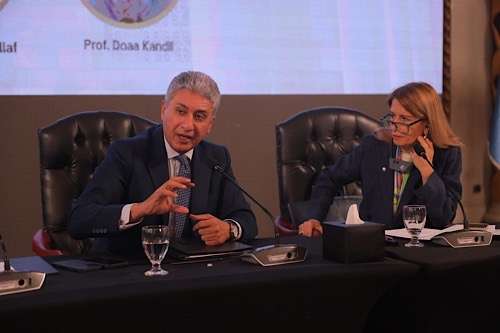
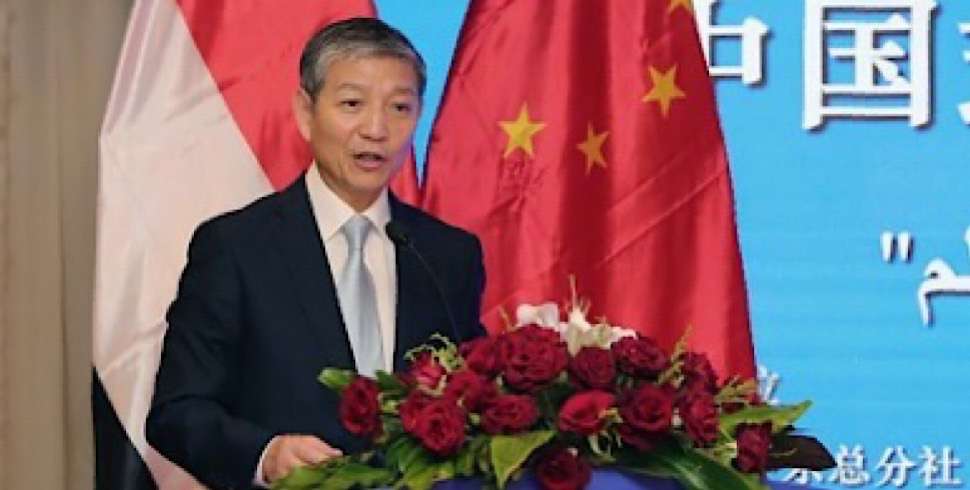
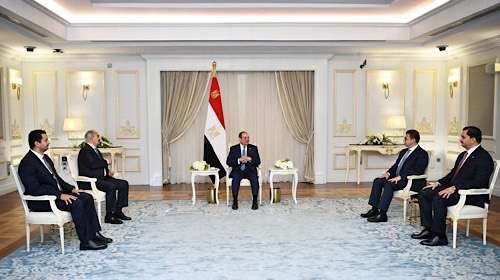
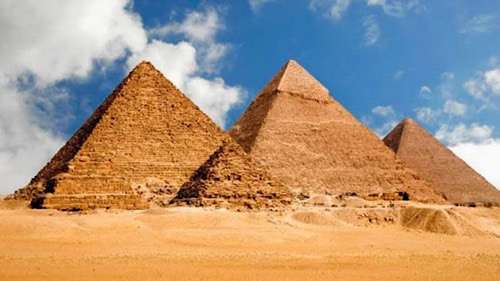
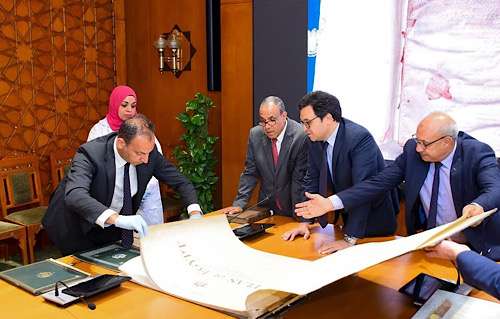
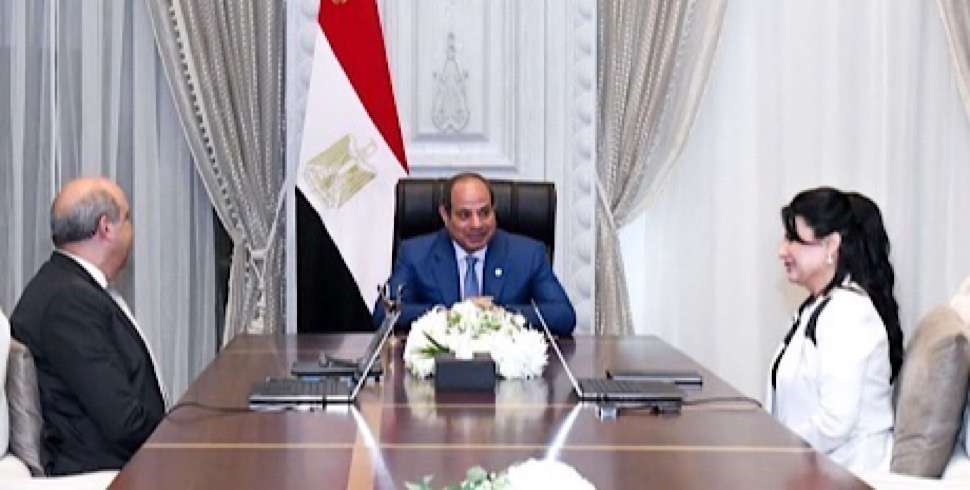
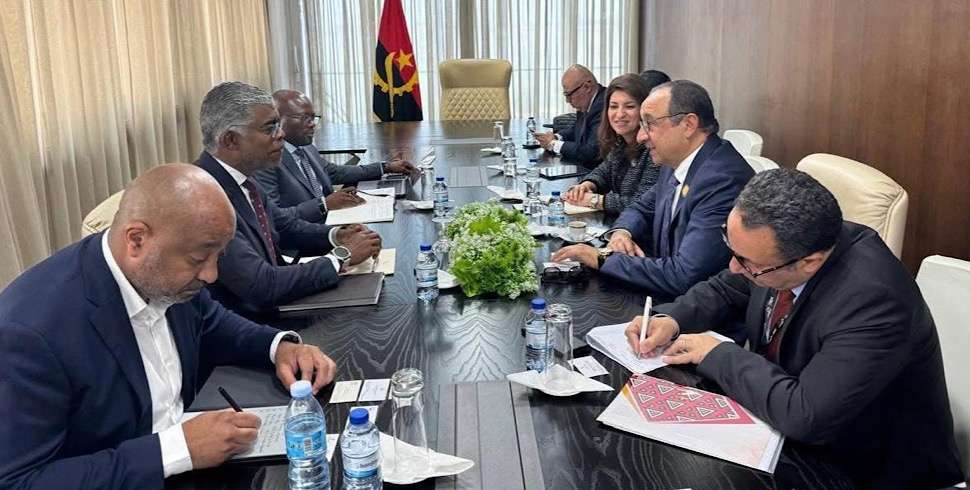
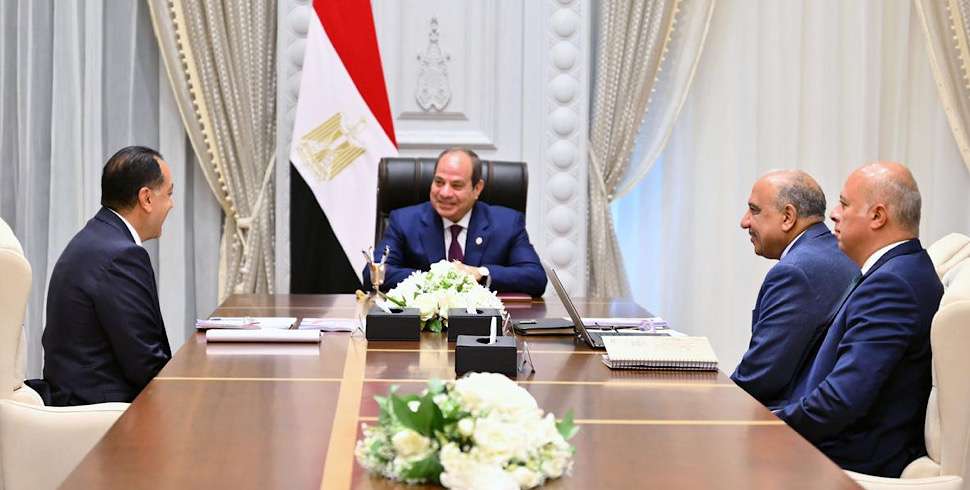
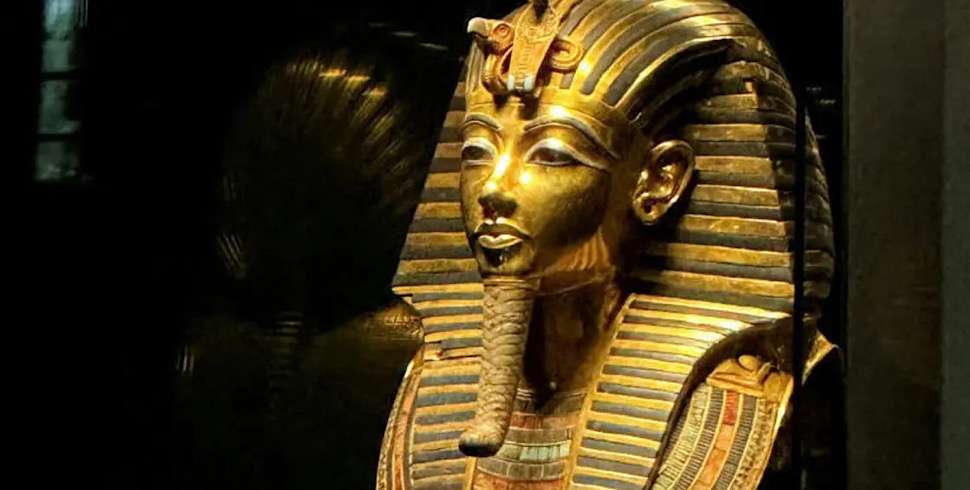
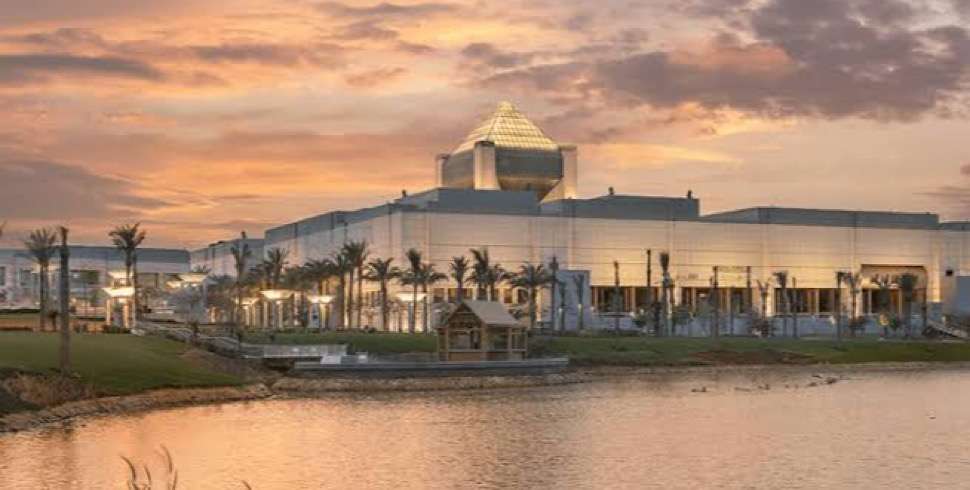
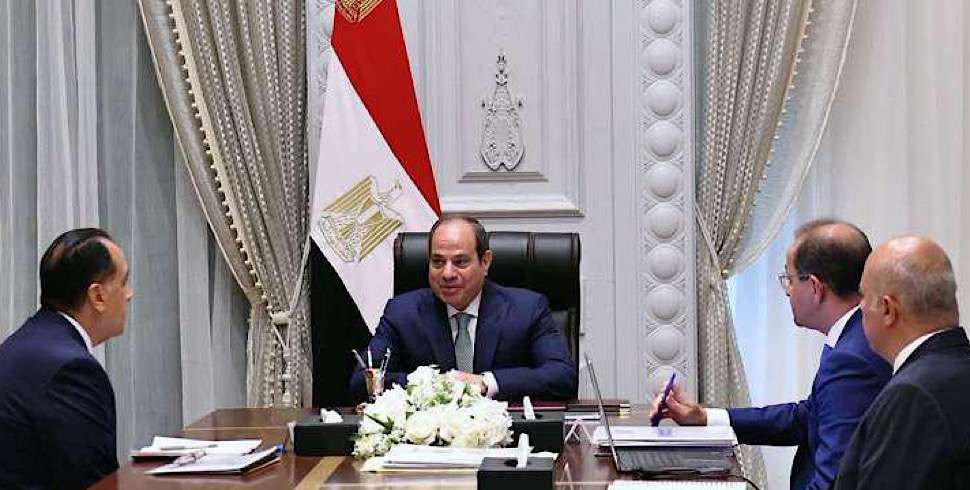
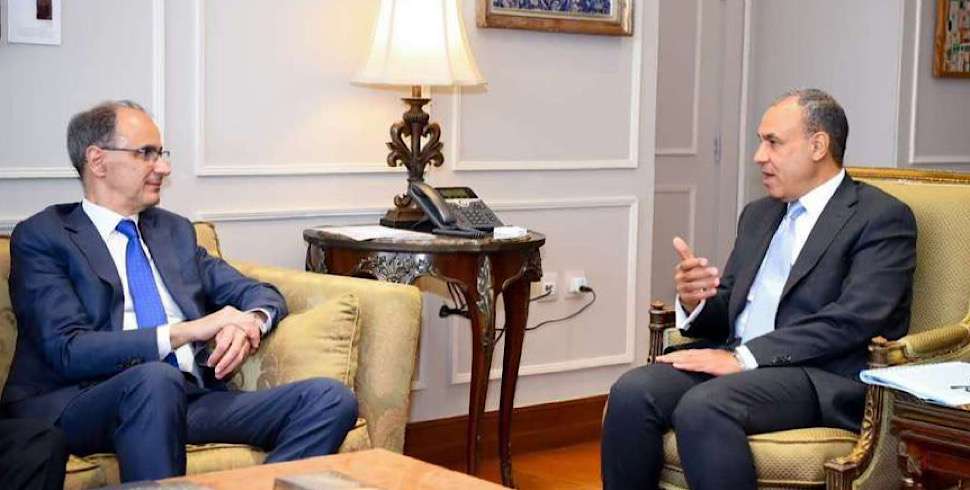
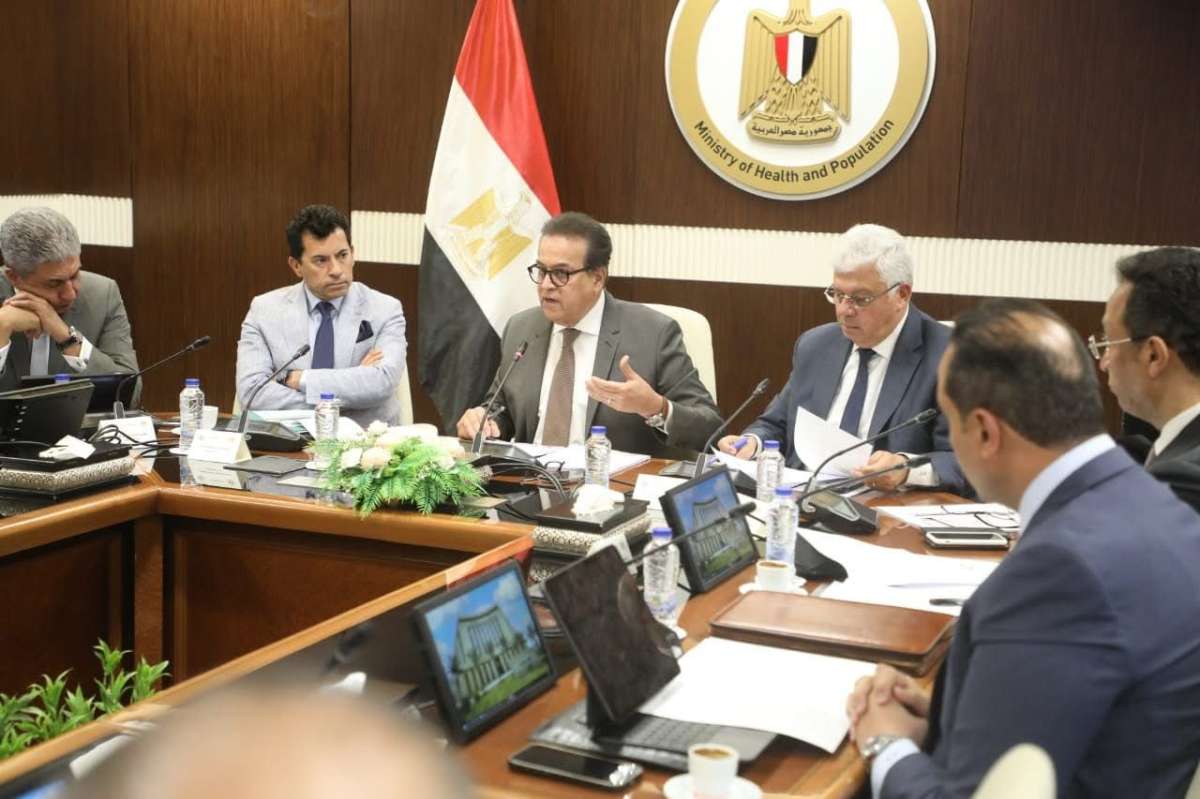
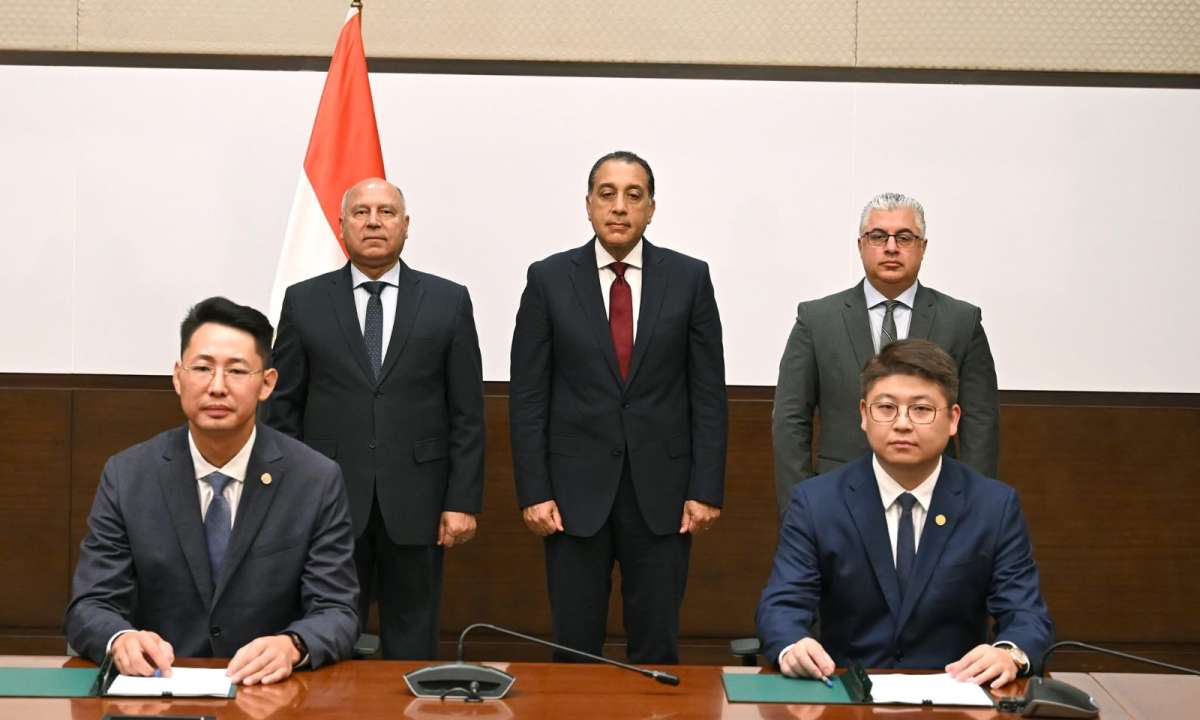
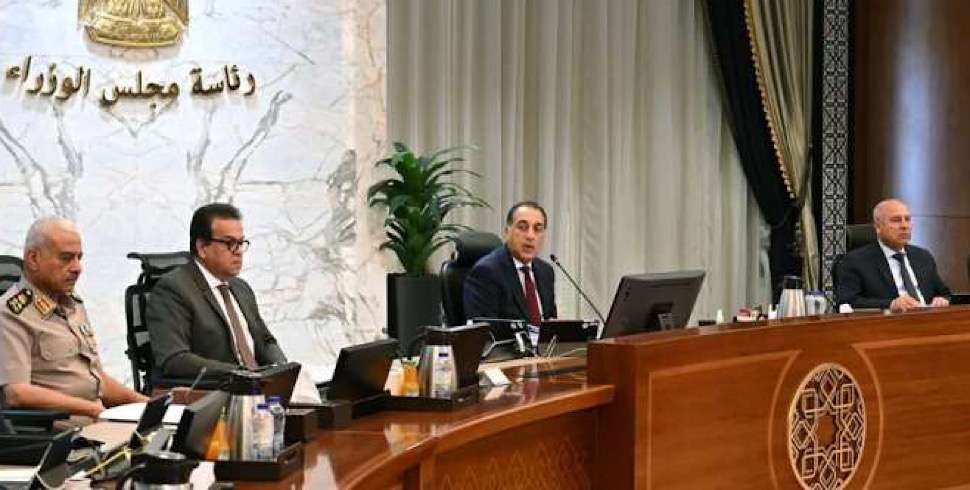
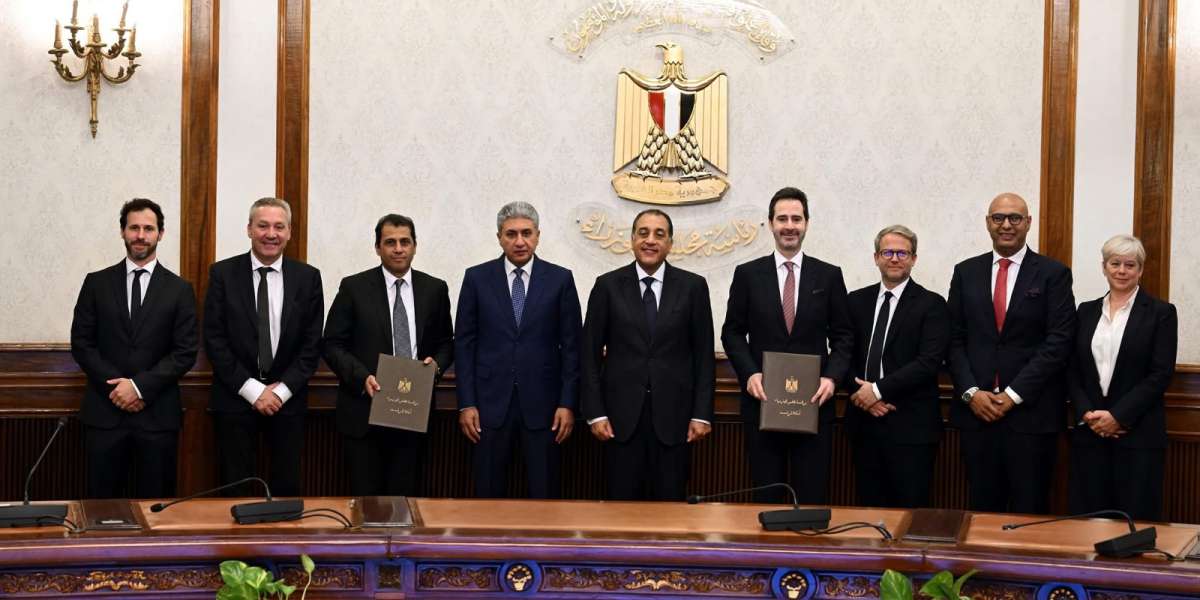
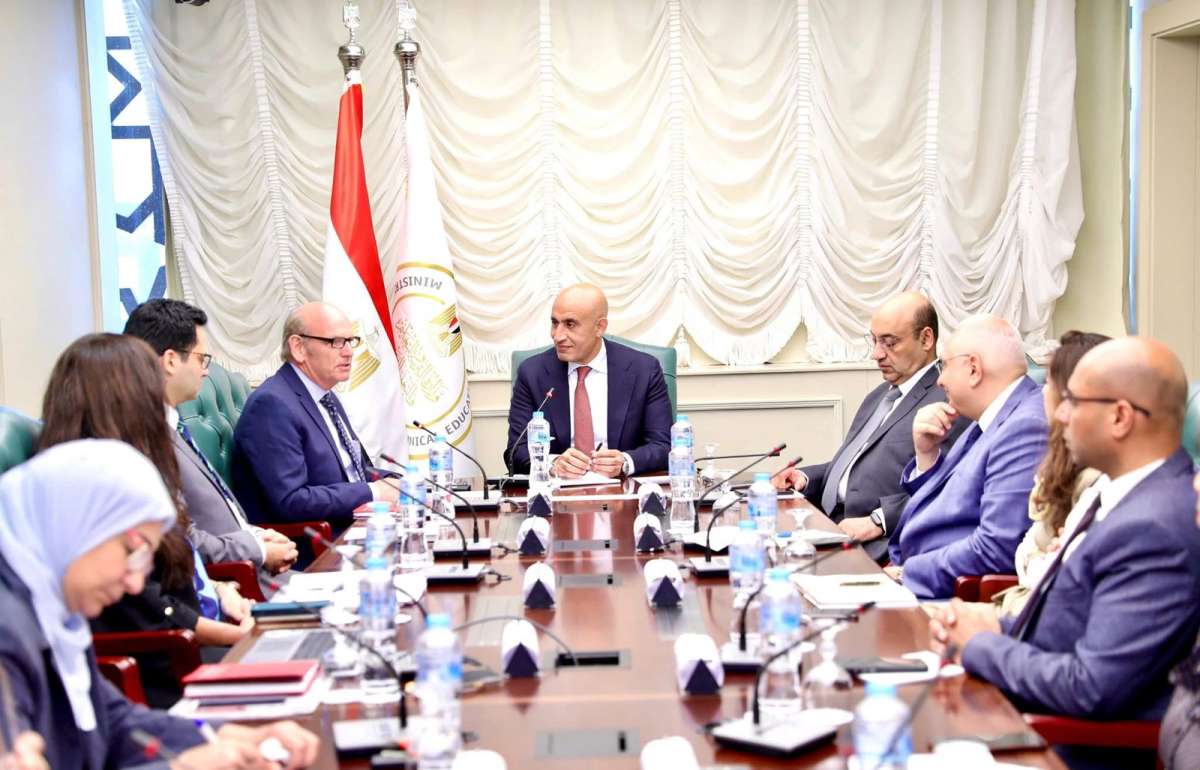
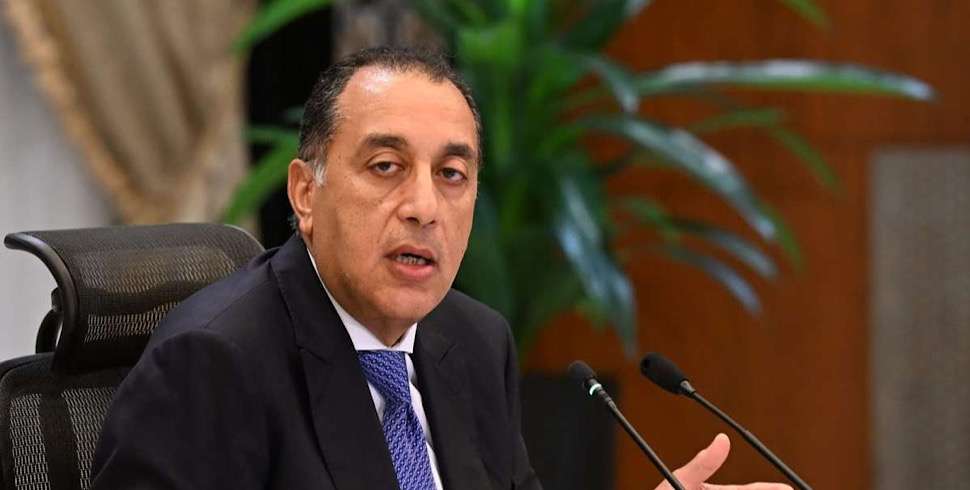
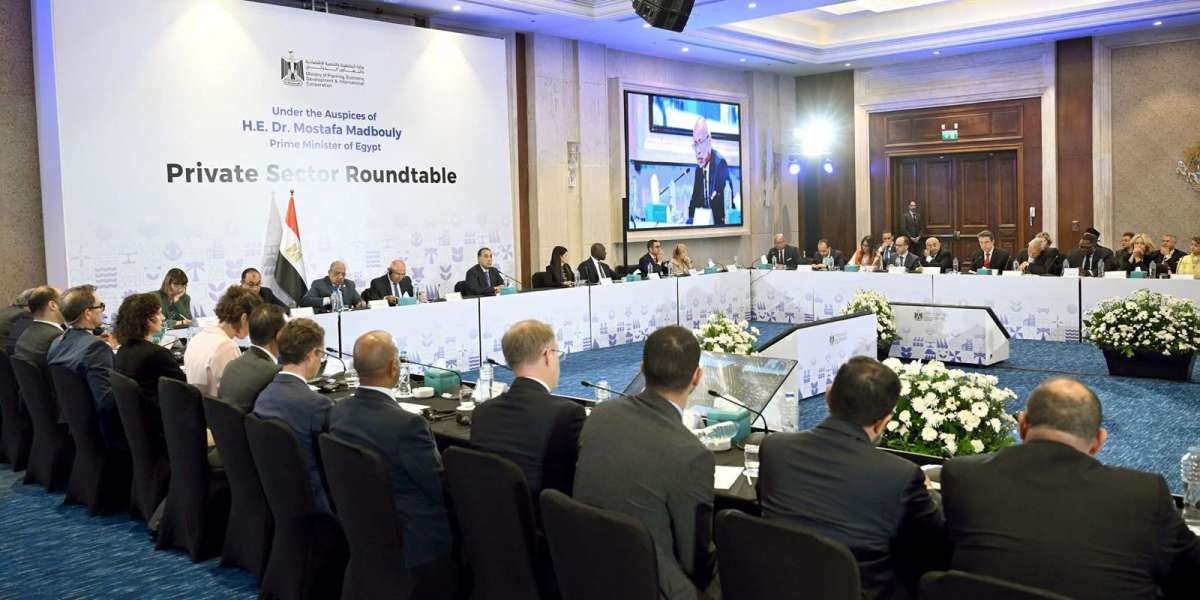
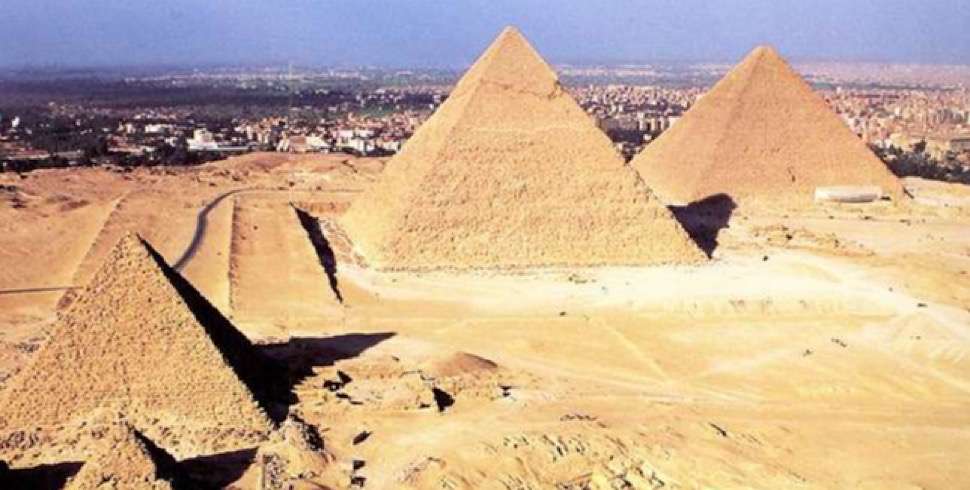
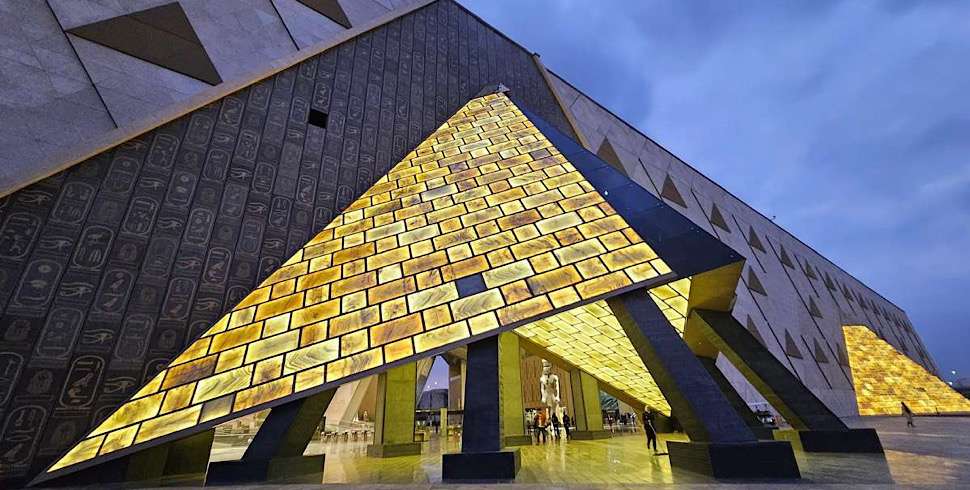
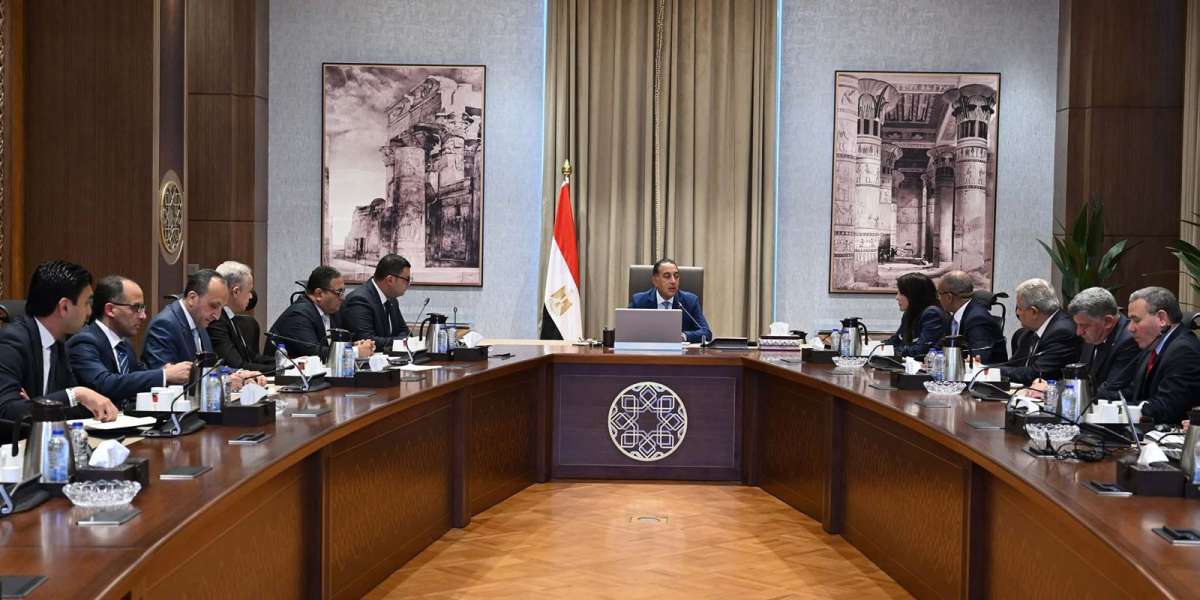
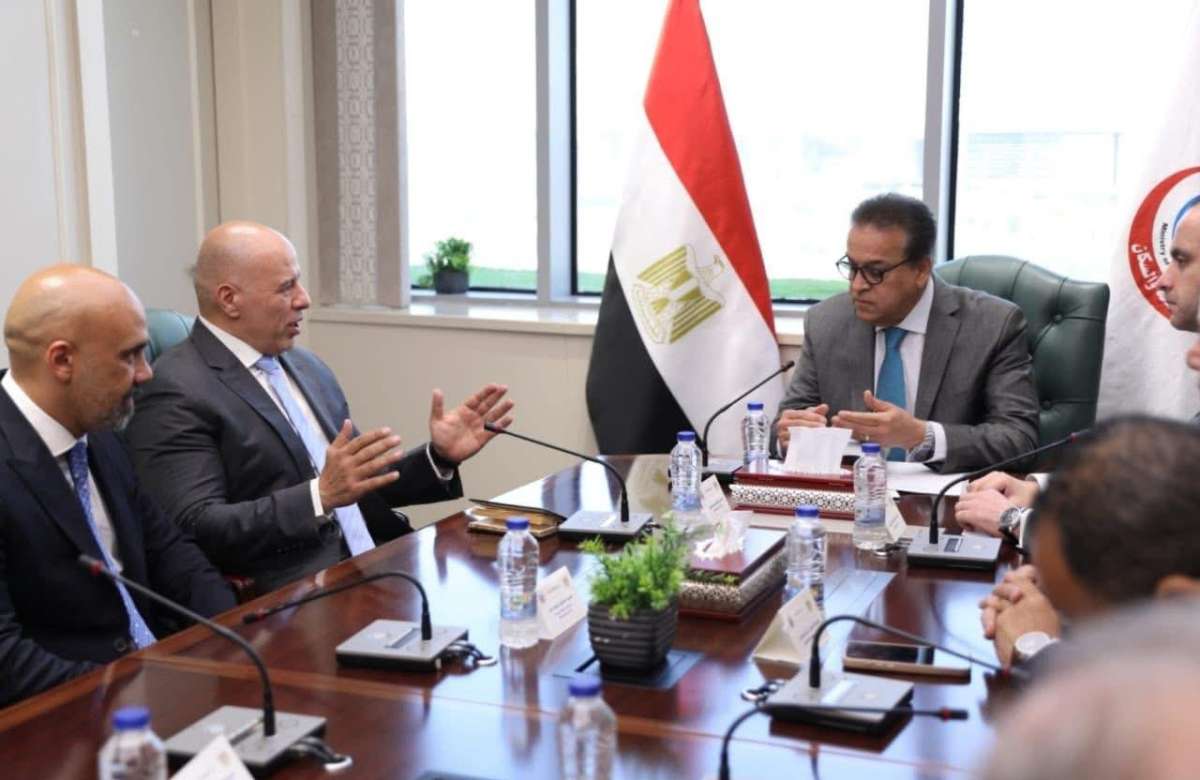
Prime Minister Mostafa Madbouly chaired a high-level meeting this evening at the government headquarters in the New Capital to review the proposed master plan for the comprehensive development of the areas surrounding the Giza Pyramids and the Grand Egyptian Museum (GEM).
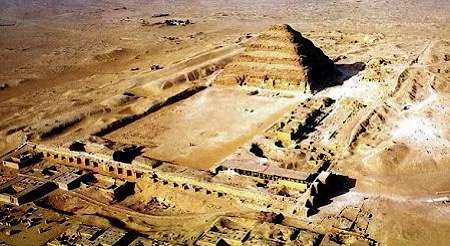
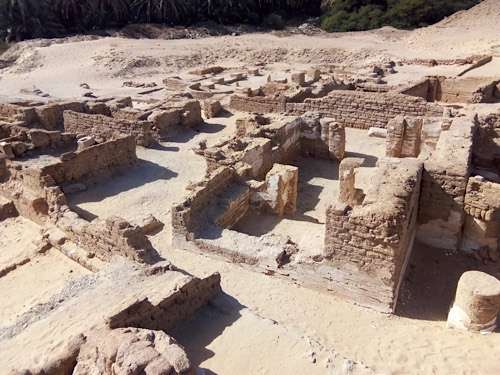
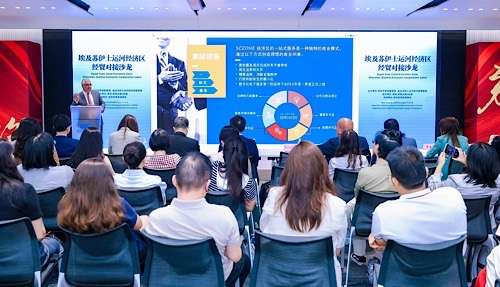
The ambitious project, presented by an international consortium comprising a leading global firm in partnership with an Egyptian consultancy company, covers a vast zone stretching from Sphinx International Airport in the north to the Dahshur archaeological site in the south.
Dr. Madbouly stressed that the Egyptian state is committed to developing the entire area around the Giza Pyramids and the GEM to transform it into a world-class tourism destination while fully complying with UNESCO standards for the protection of historical and human heritage. He added that the project is fully aligned with Egypt’s Sustainable Tourism Strategy 2030.
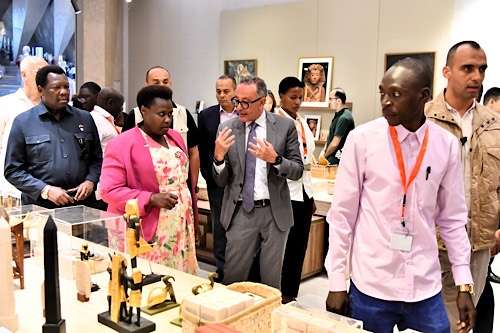
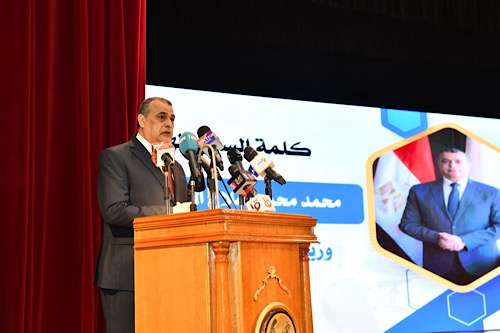
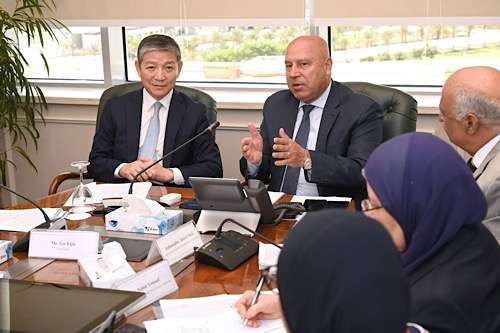
Government Spokesman Counselor Mohamed El-Homsany said the international company’s representatives presented the key features of the master plan, emphasising that it will cement Egypt’s position as a leading global destination for heritage, civilisation and modern tourism by creating an unparalleled visitor experience that links the country’s historical, cultural and environmental assets.
The plan is based on a sustainable tourism vision that will strategically turn the greater Giza Pyramids zone into an integrated destination offering advanced cultural, entertainment and tourism activities under the concept of an “Pyramids Destination Corridor”.
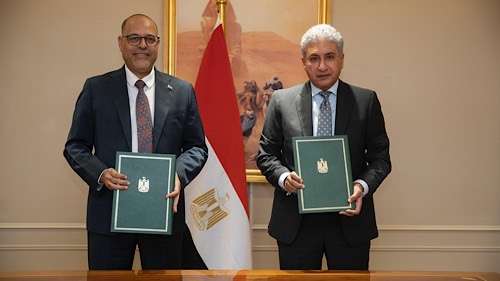
Company officials confirmed that, once all necessary approvals are secured, concrete implementation steps will begin shortly. Serious discussions are already underway to set development priorities and investment opportunities in tourism, services and infrastructure, with the aim of attracting both local and international investment.
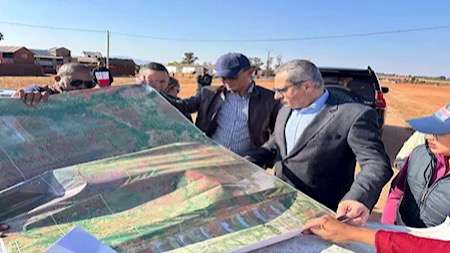
The strategic framework combines heritage protection with tourism activation and infrastructure modernisation, using data-driven planning methodologies to ensure effective land-use management and accurate forecasting of future tourism demand.
Key elements of the plan include:
In conclusion, Prime Minister Madbouly directed that a dedicated government entity be tasked with fast-tracking all required procedures and pledged full governmental support to ensure swift implementation of the landmark project.