



















































































































































































































































































































































































































































































Friday, 09 October 2026
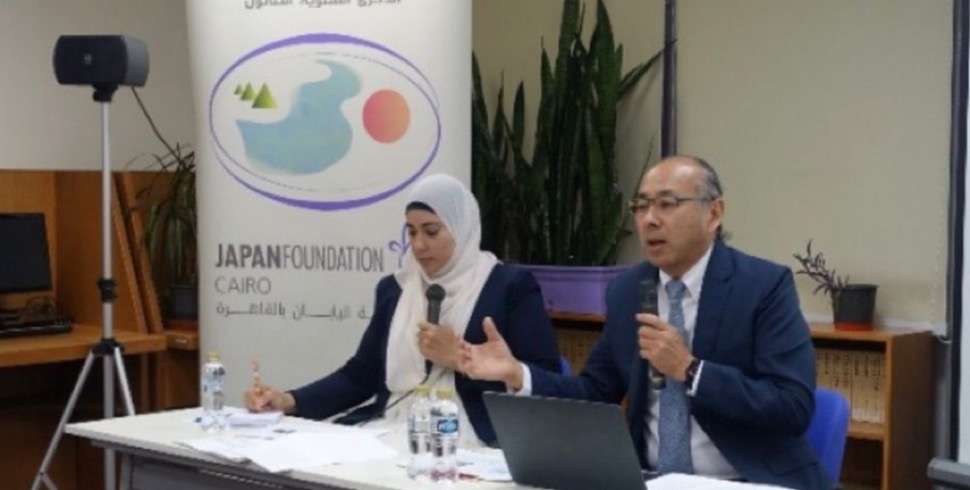
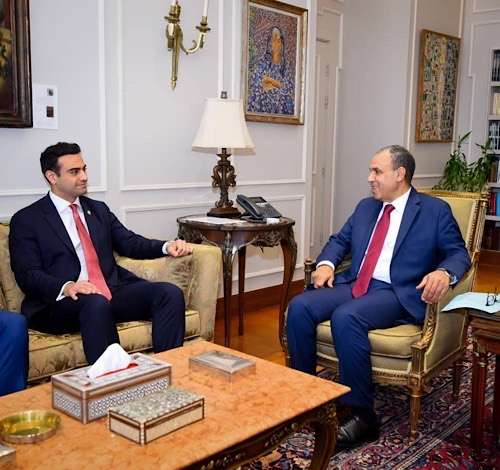
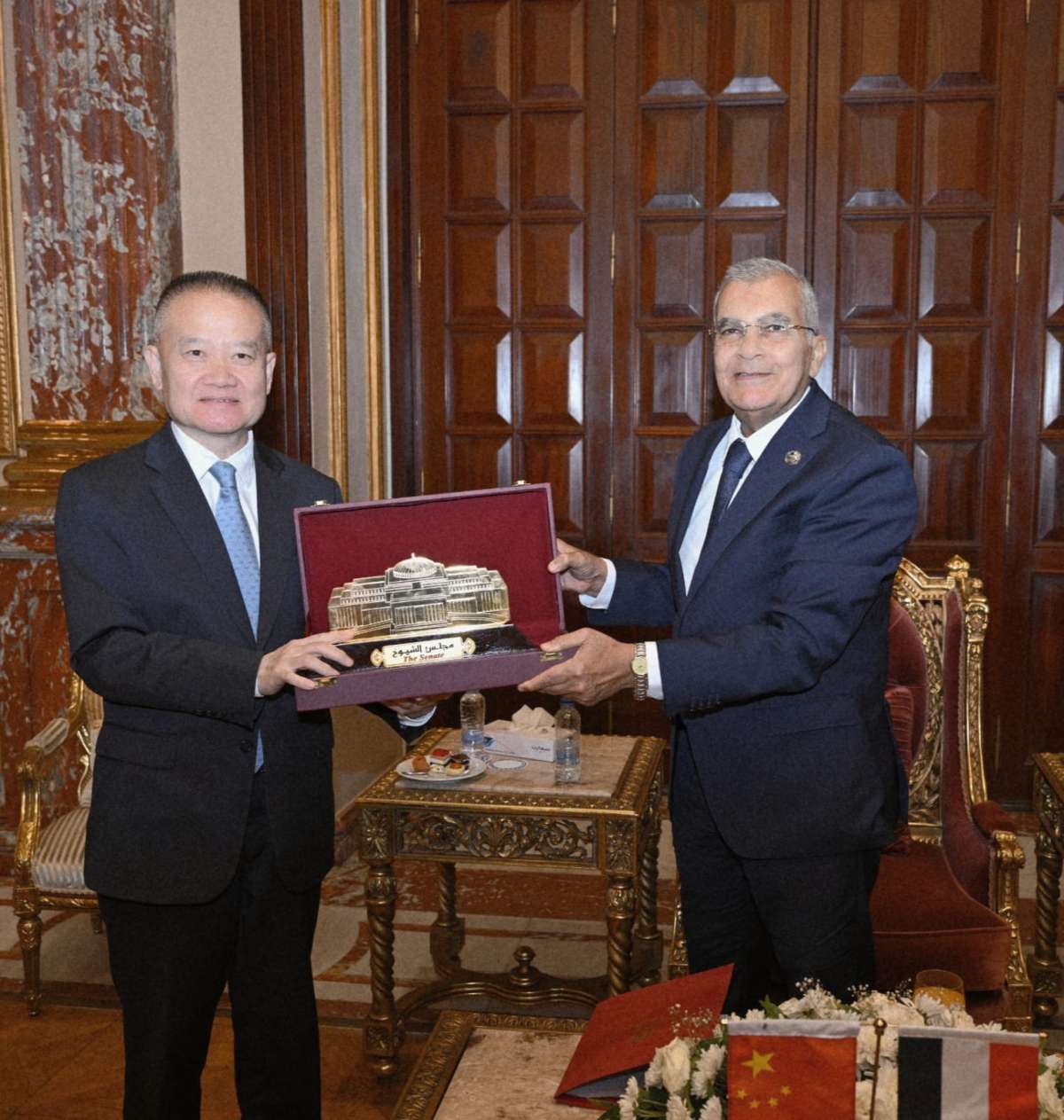
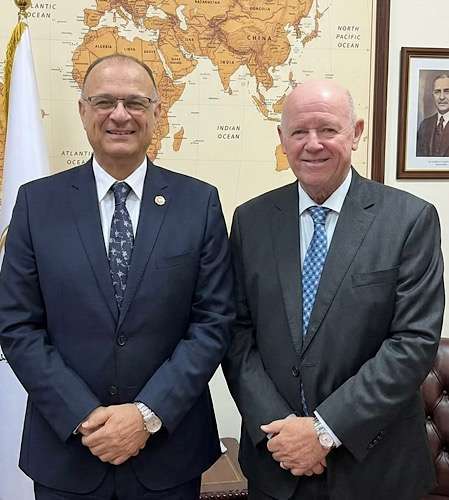
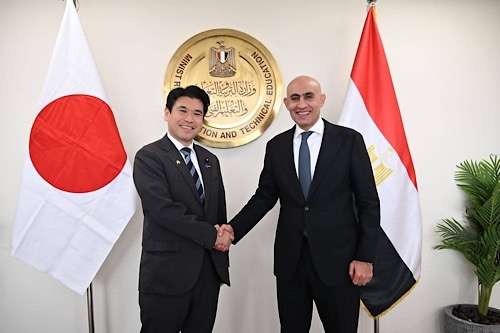
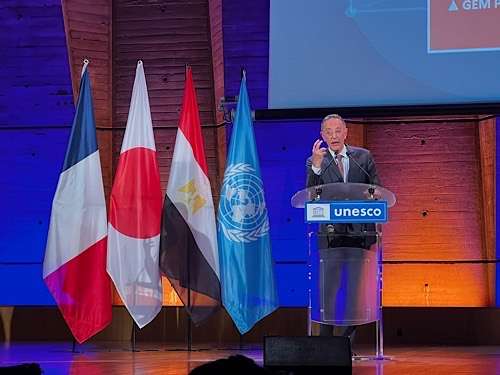
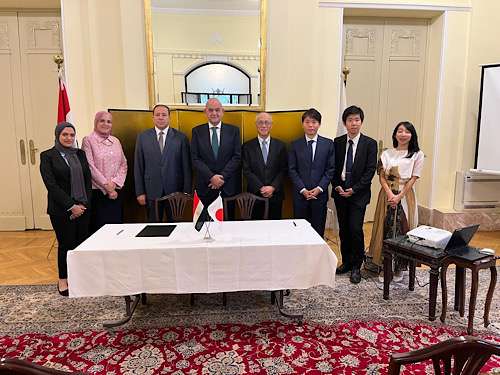
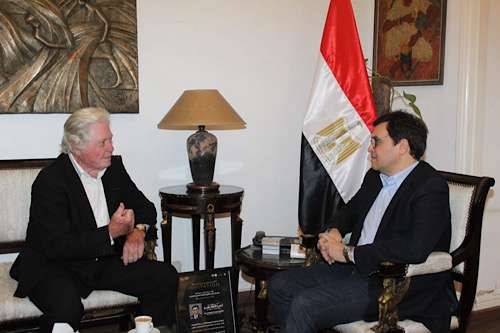
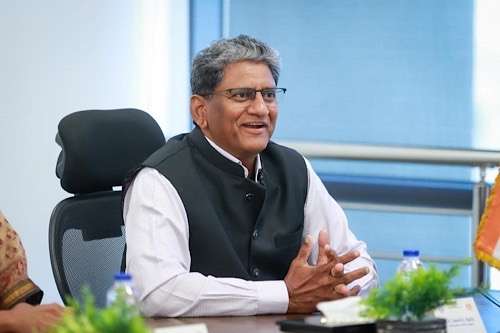
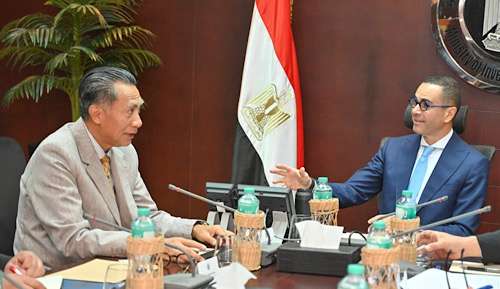
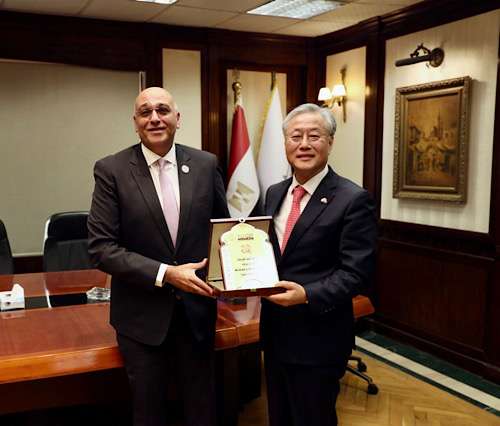
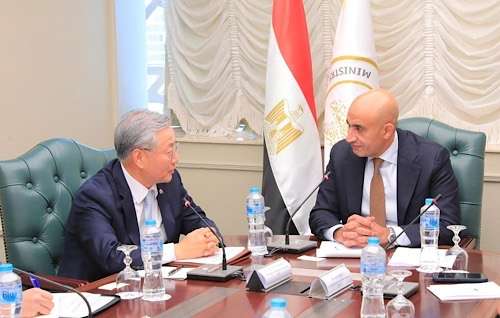
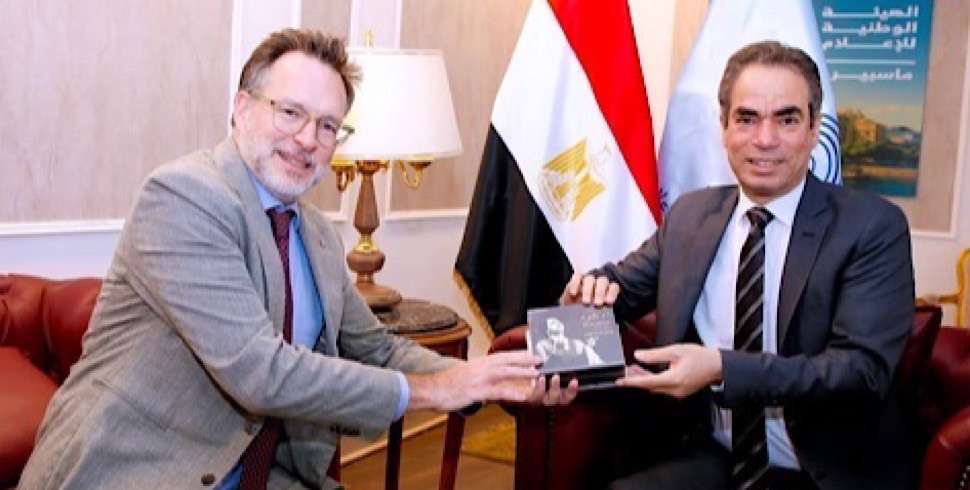
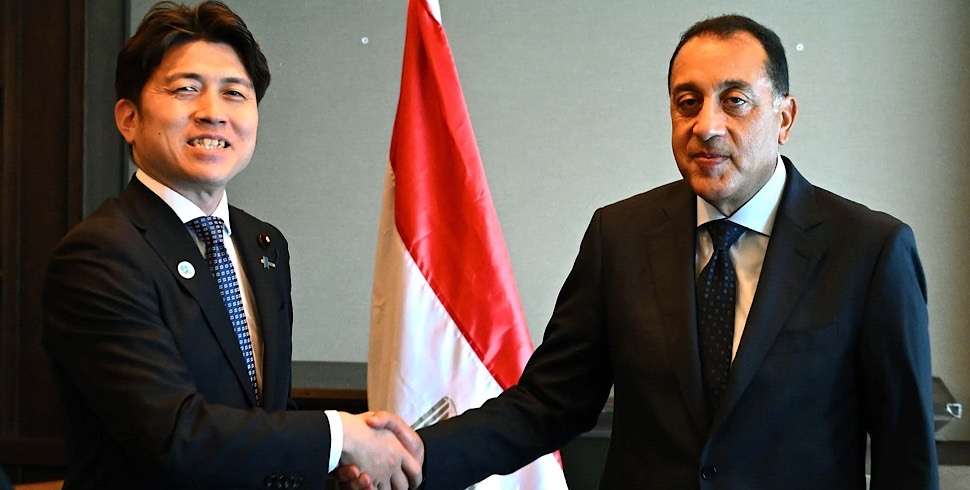
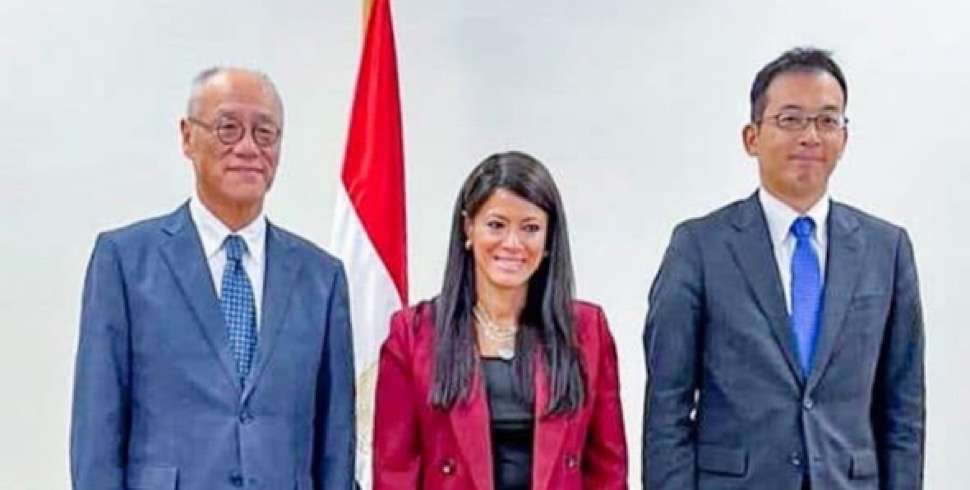
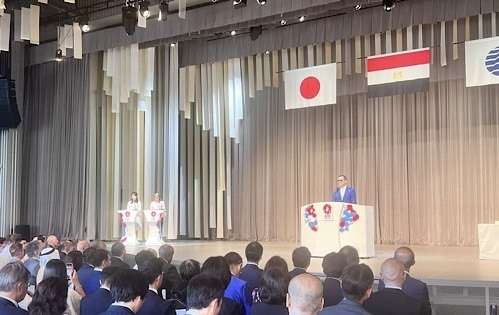
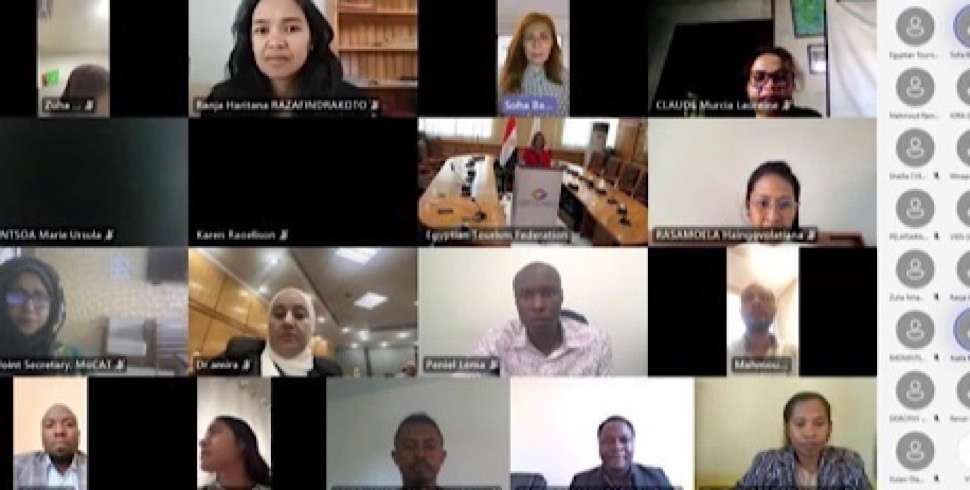
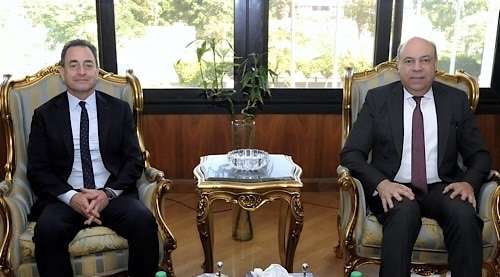
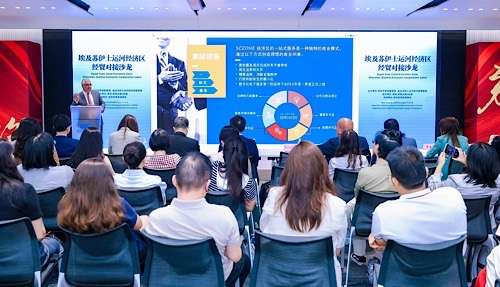
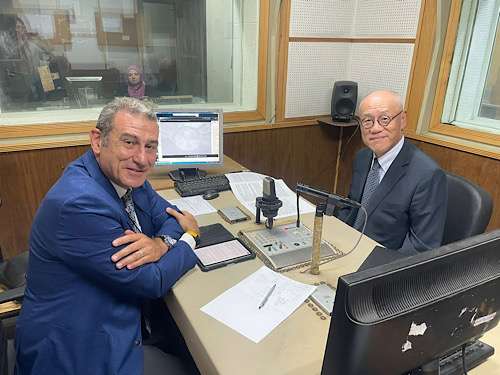
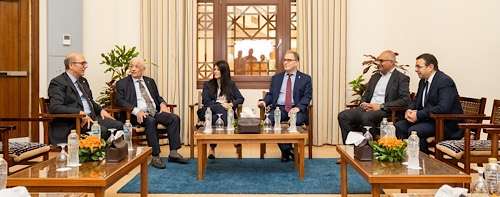
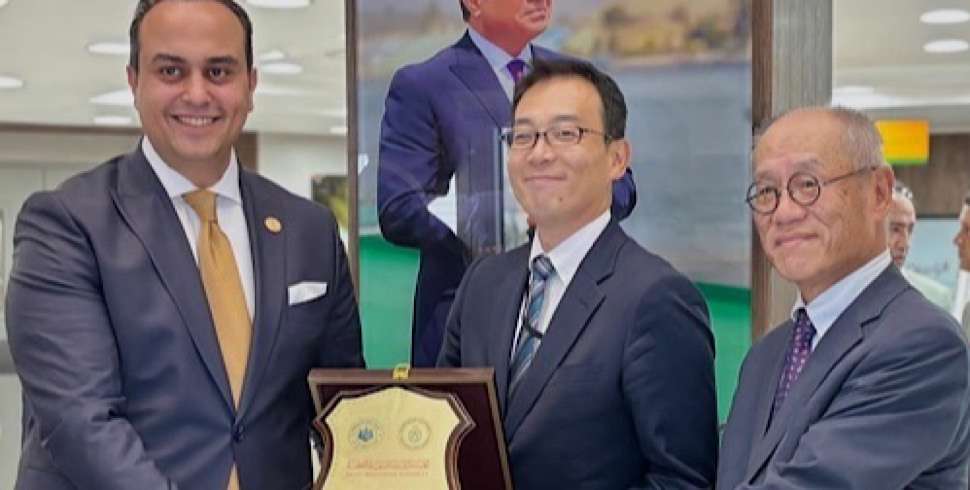
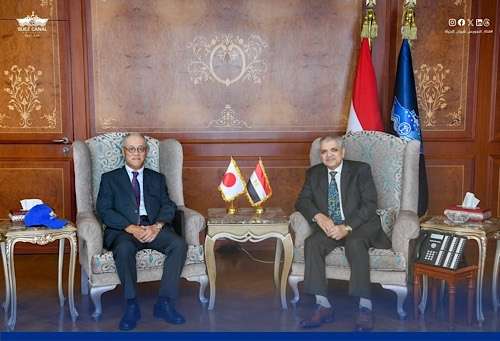
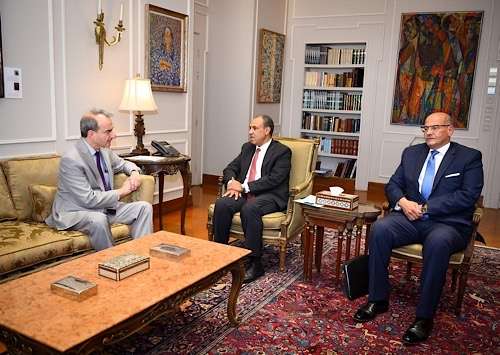
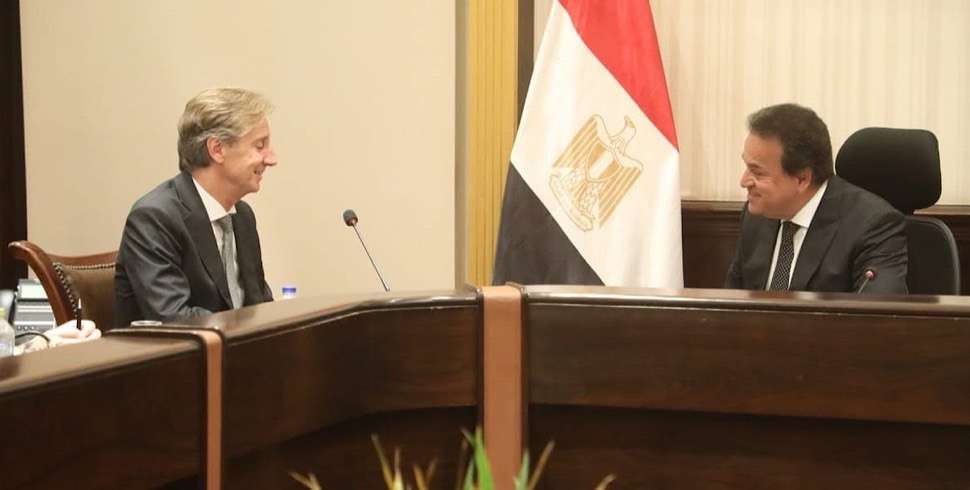
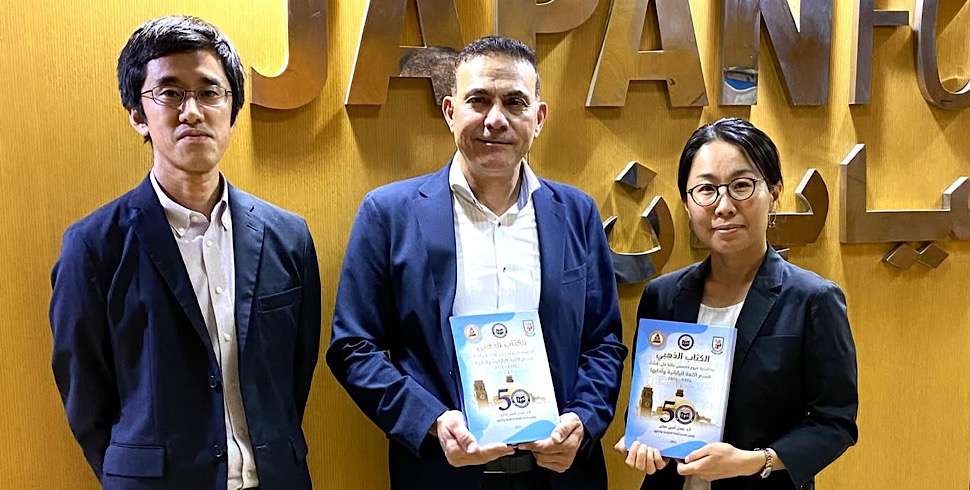
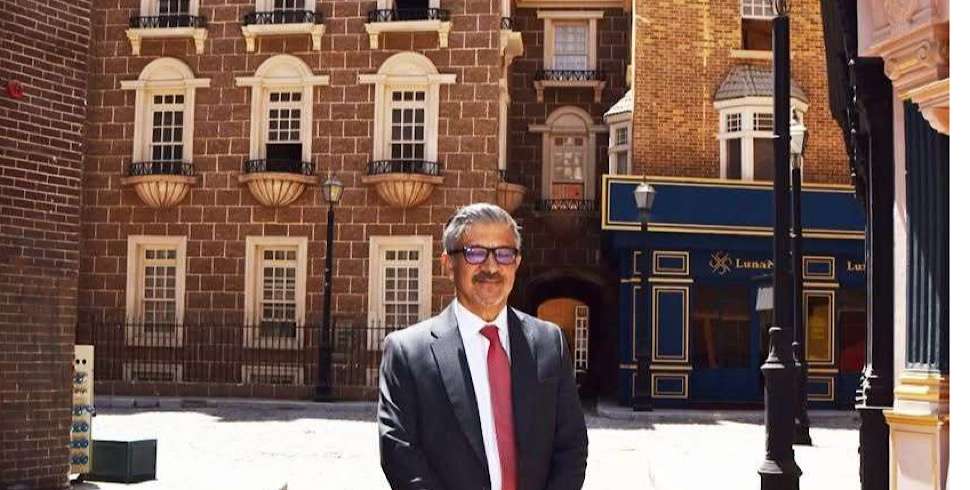
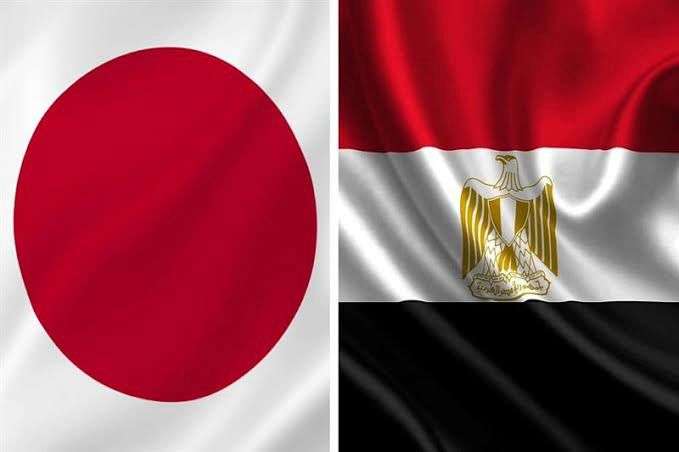
As part of its 30th anniversary celebrations, the Japan Foundation Cairo held a remarkable series of seminars exploring the theme: “Current and Future Artificial Intelligence in Higher Education.” The events welcomed Professor Toshihide Nakayama, Vice President of Tokyo University of Foreign Studies, as an esteemed guest speaker.
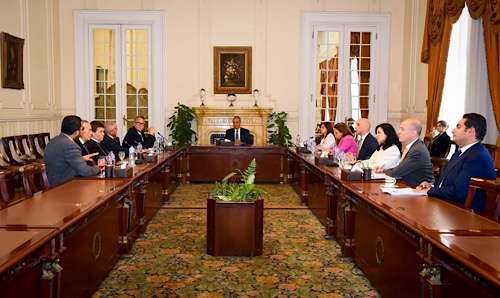
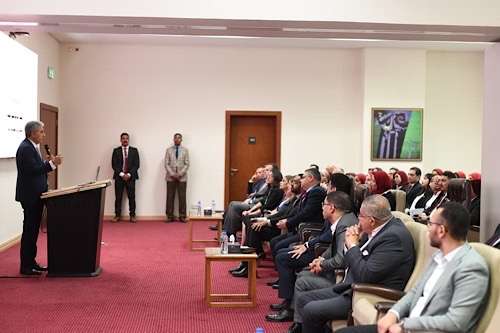
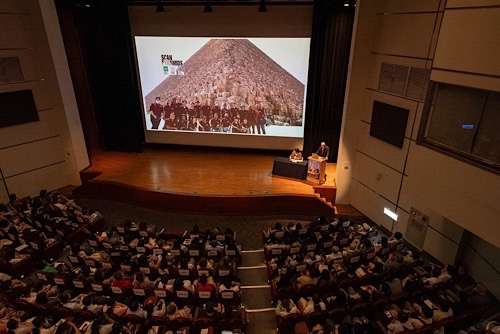
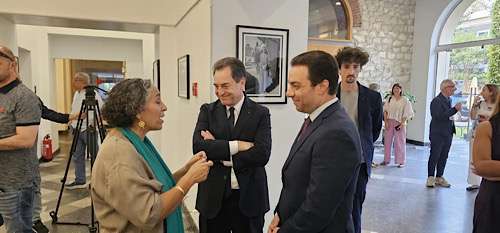
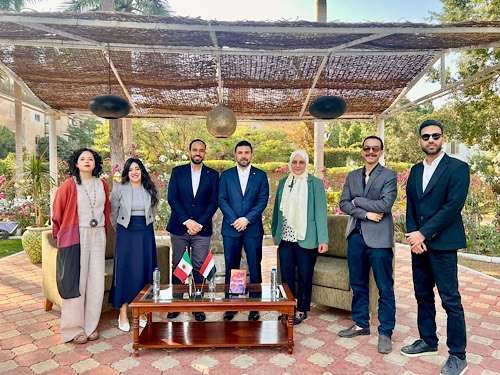
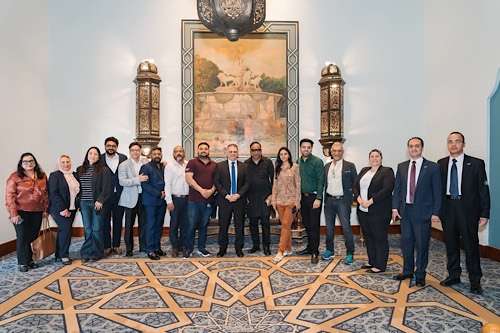
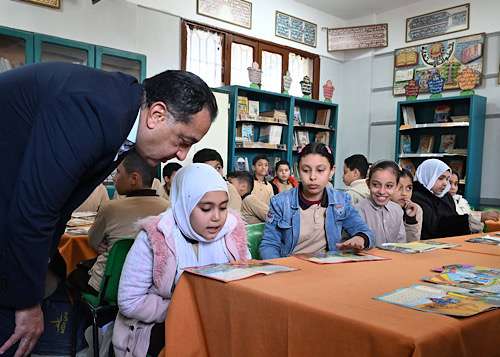
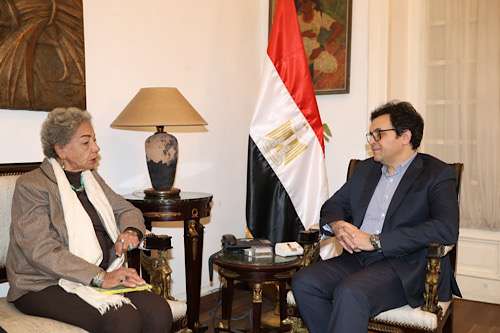
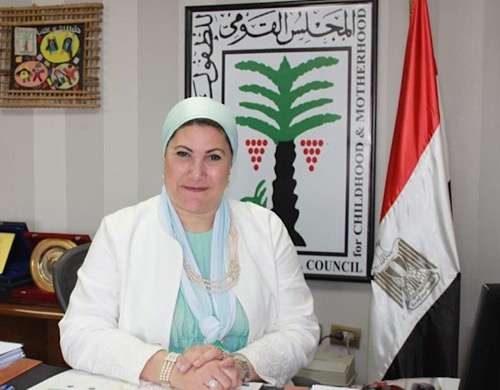
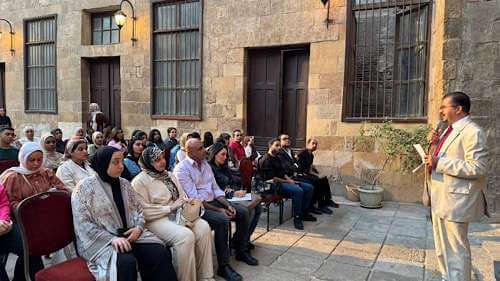
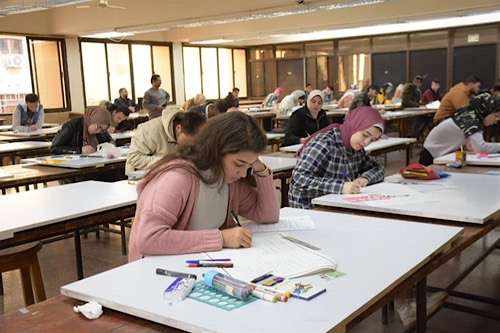
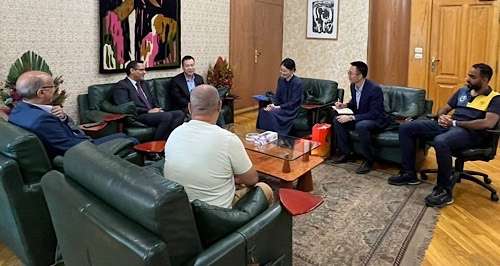
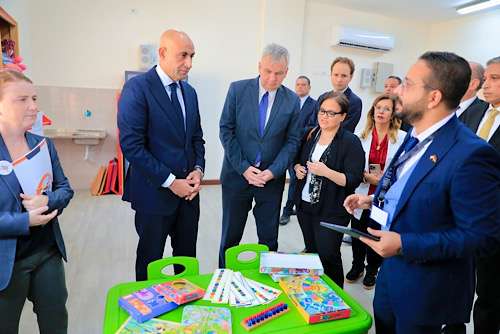
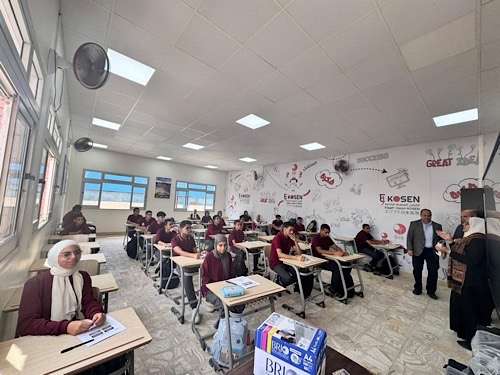
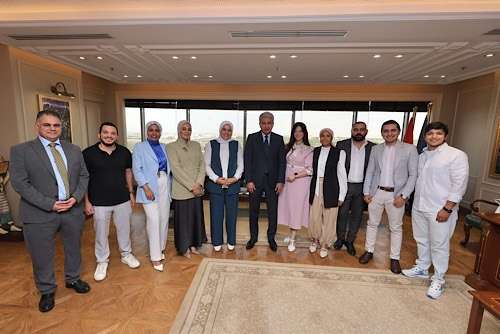
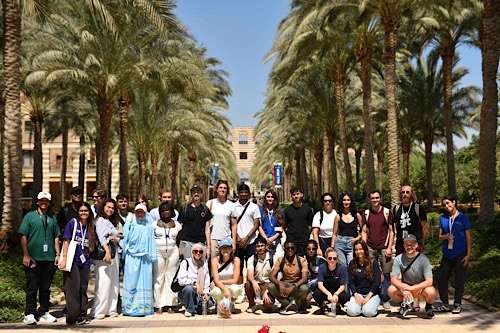
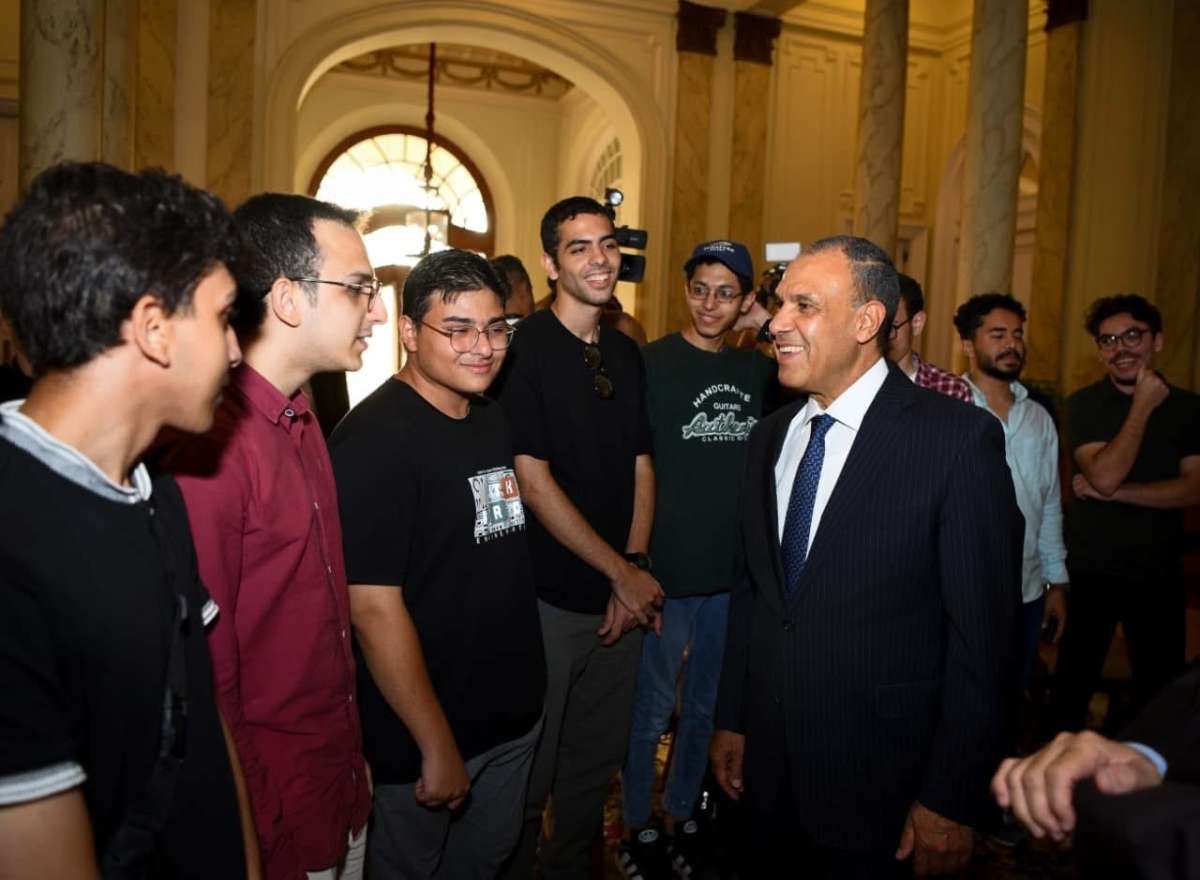
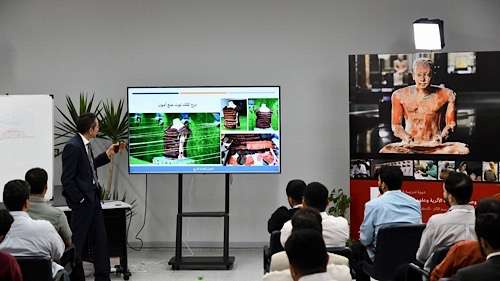
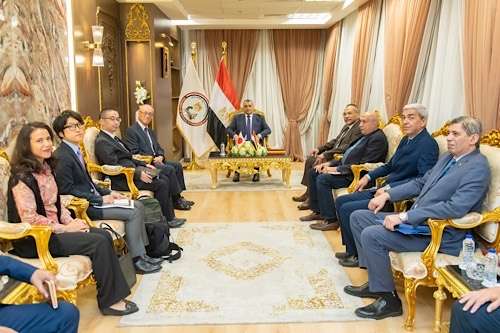
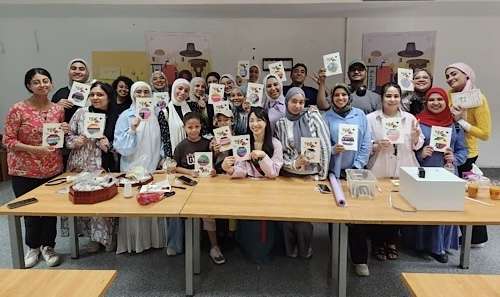
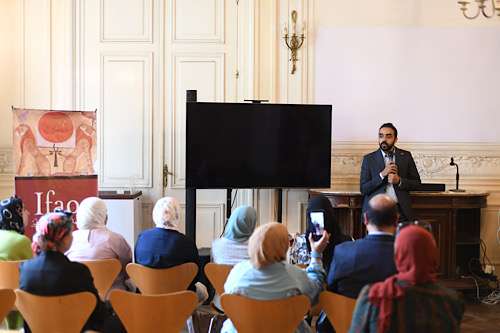
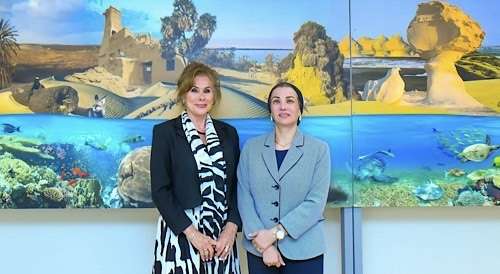
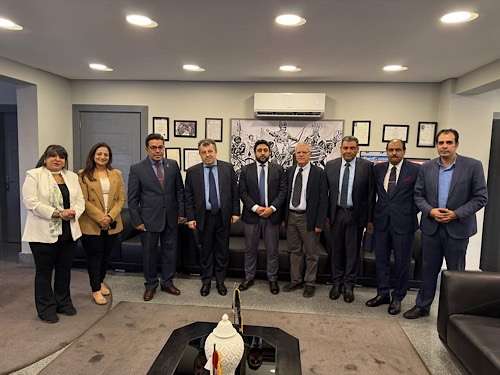
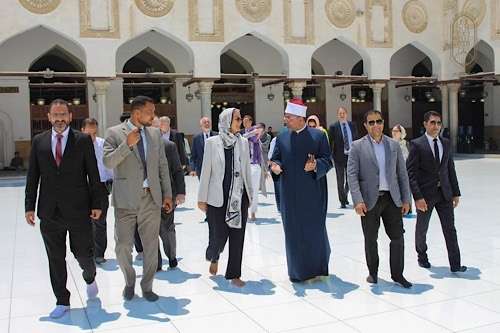
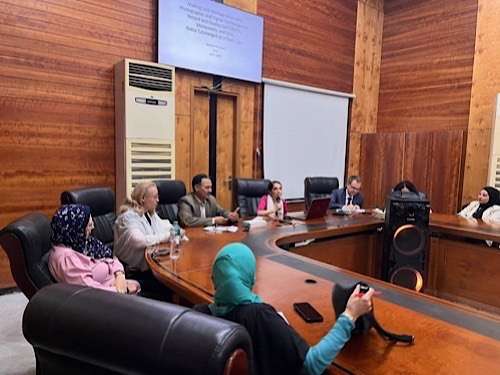
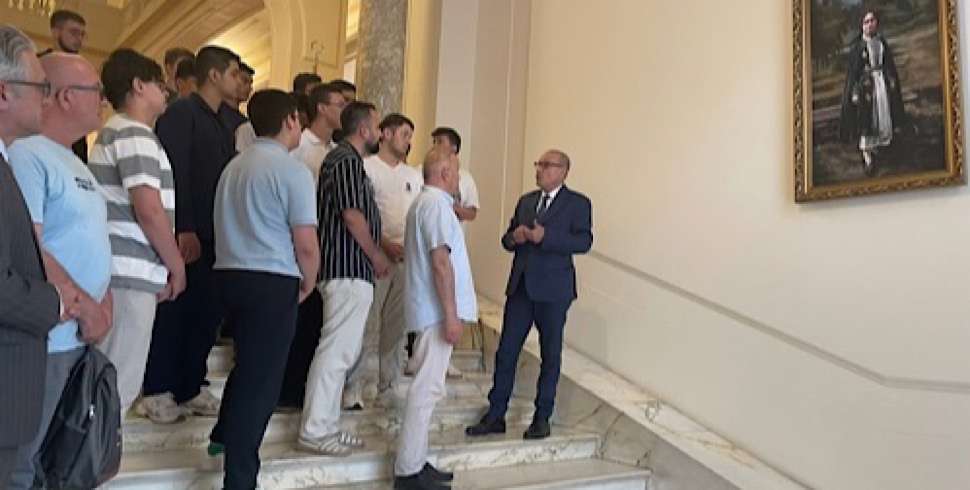
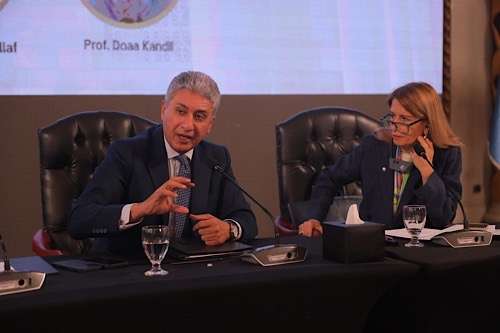
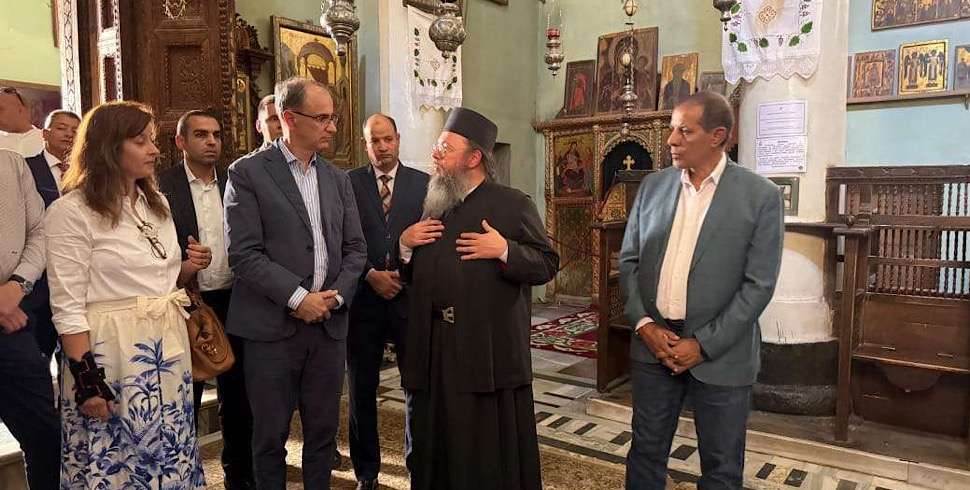
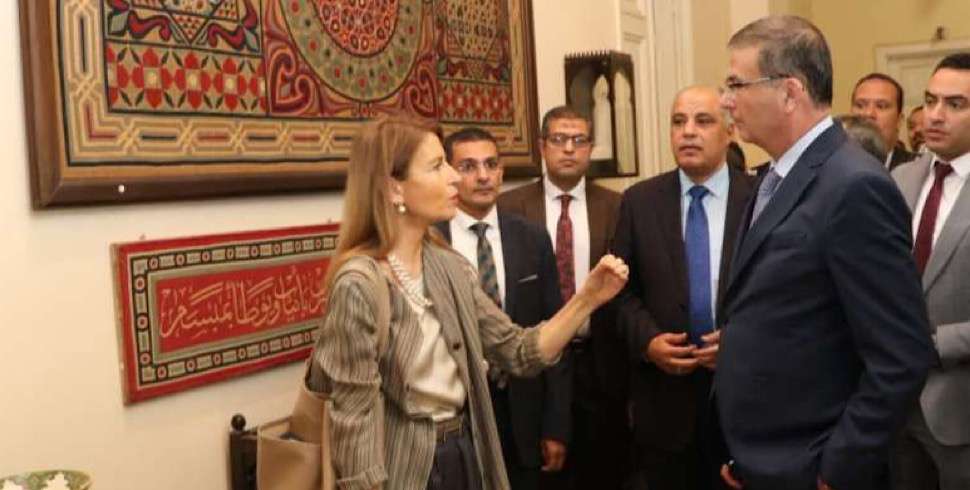
The first seminar took place at Ain Shams University’s Faculty of Al-Alsun, under the patronage of Dean Professor Salwa Rashad. There, students and faculty engaged in open dialogue with Professor Nakayama, delving into the faculty’s history, student body, academic departments, and current educational methods. Around 100 participants from various disciplines joined this vibrant session.
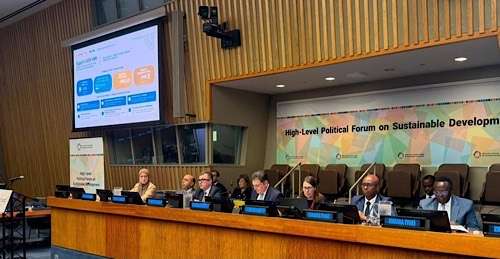
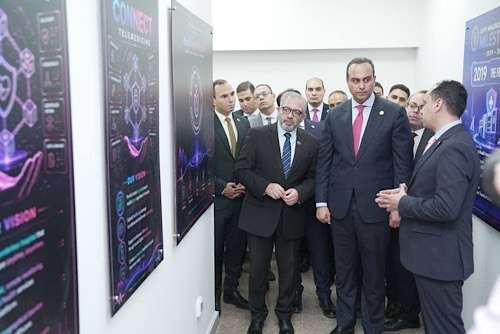
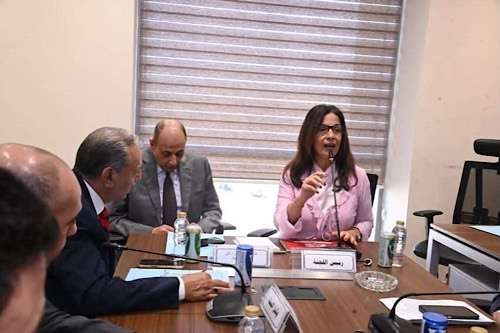
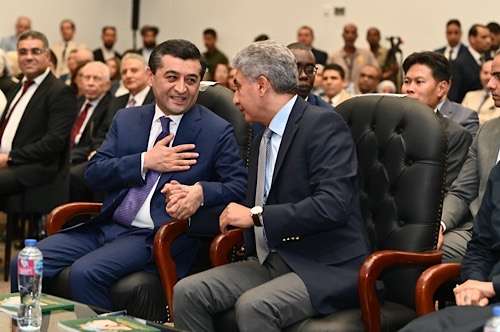
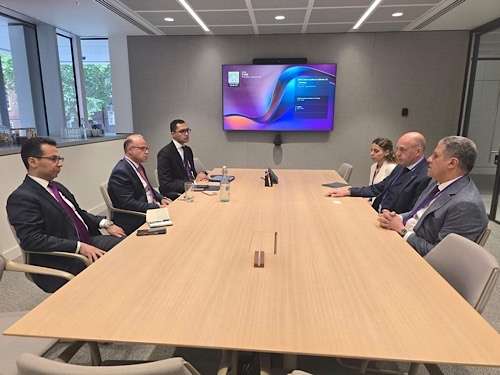
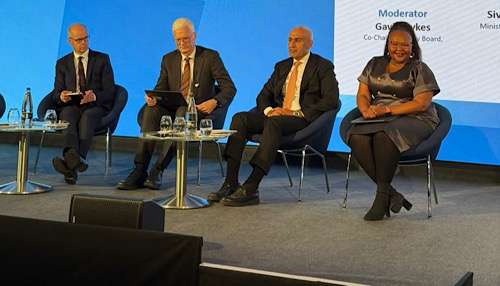
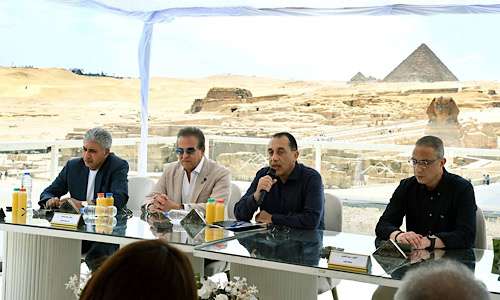
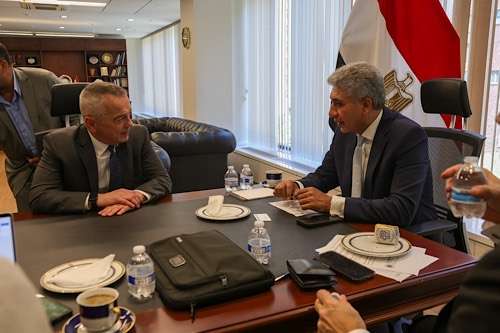
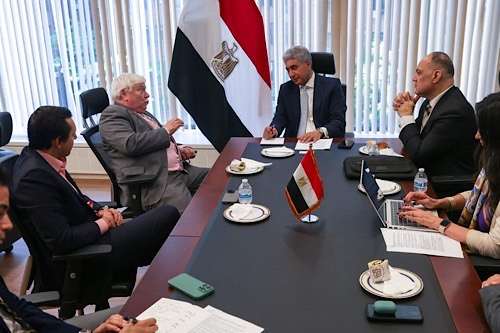
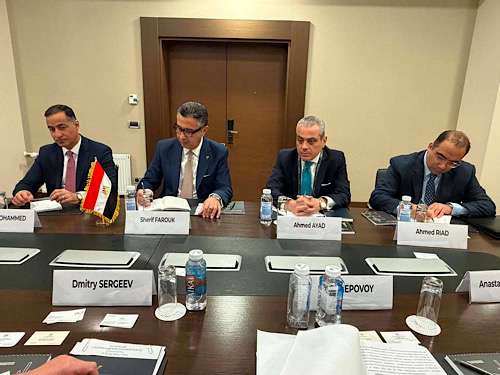
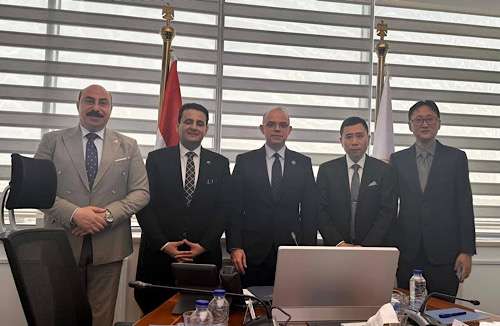
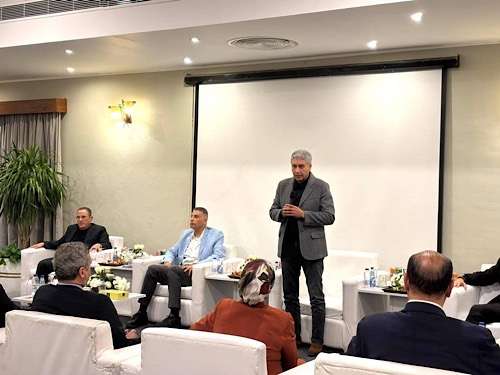
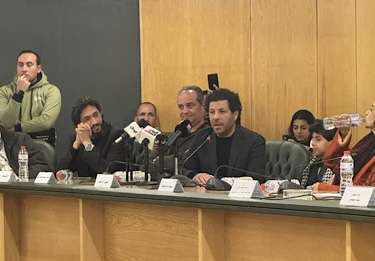
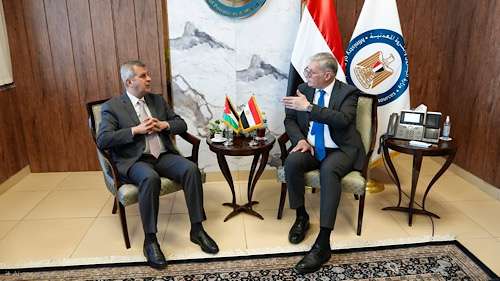
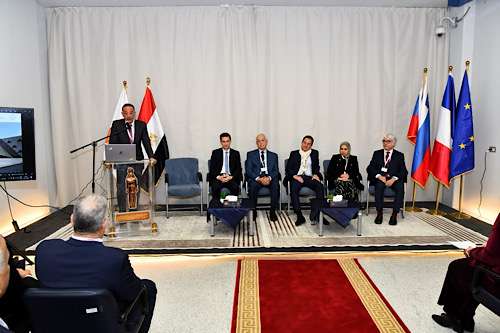
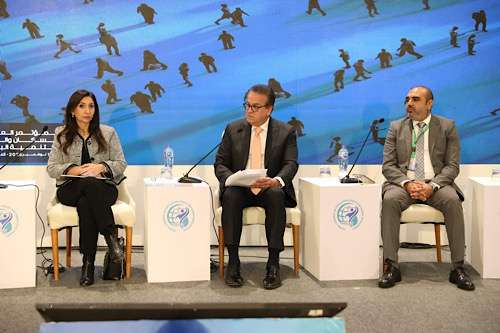
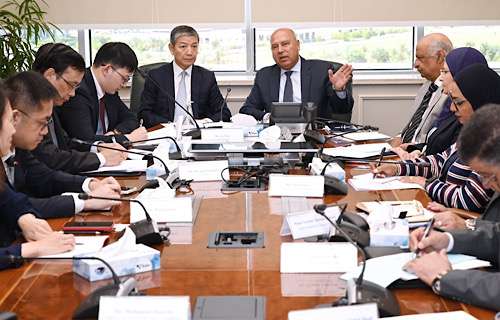
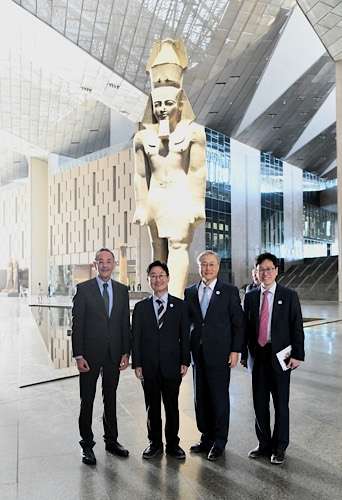
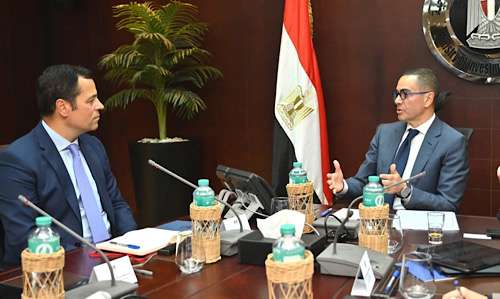
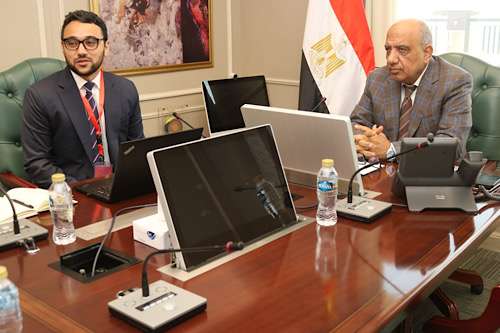
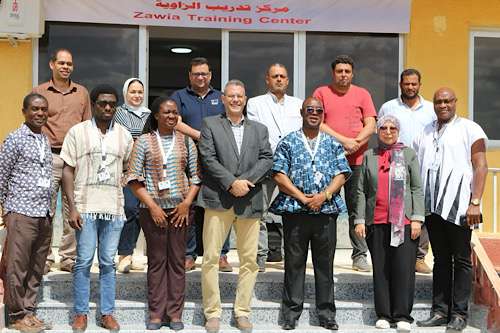
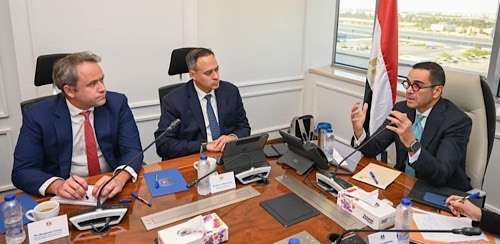
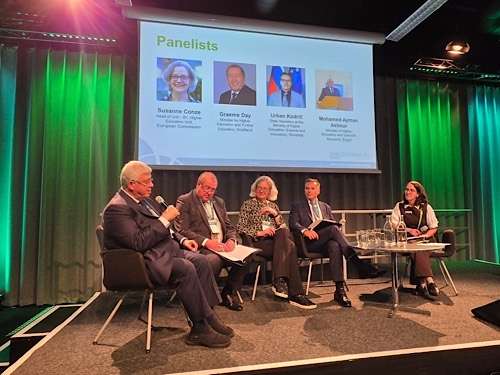
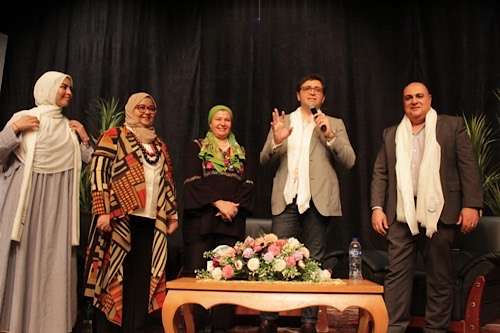
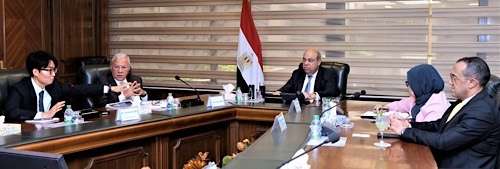
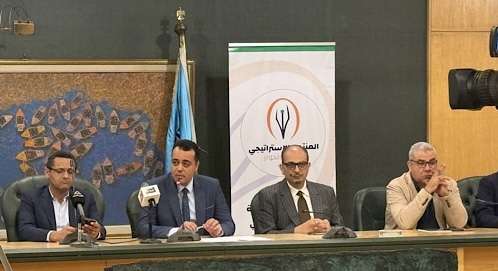
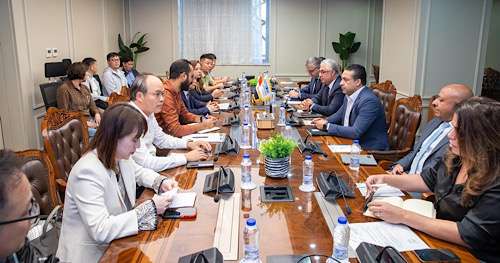
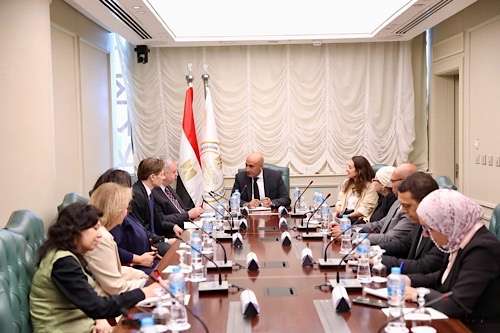
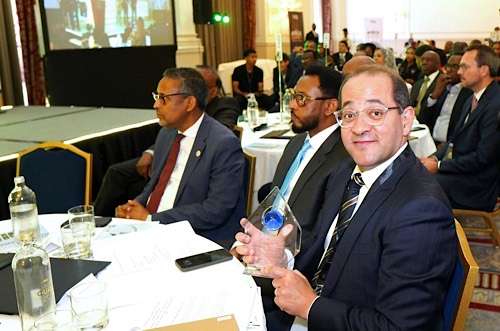
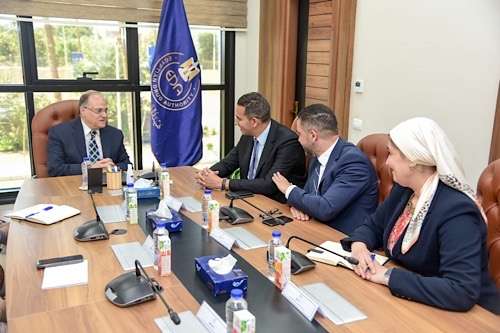
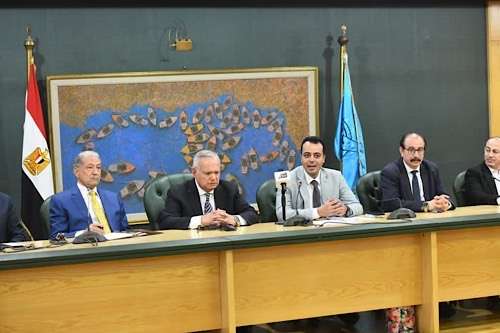
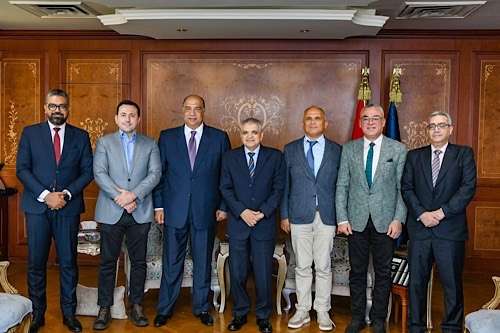
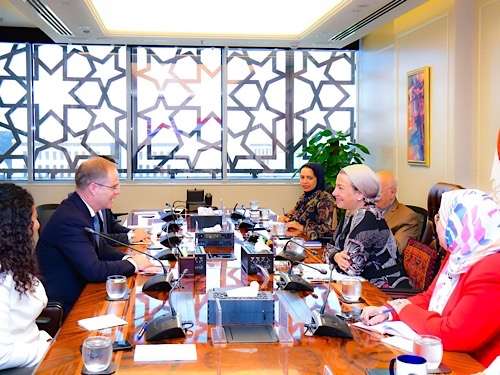
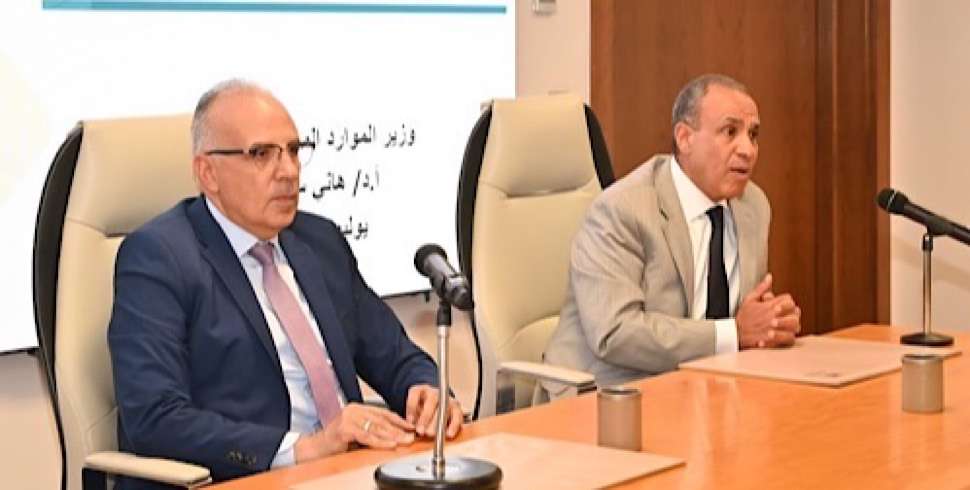
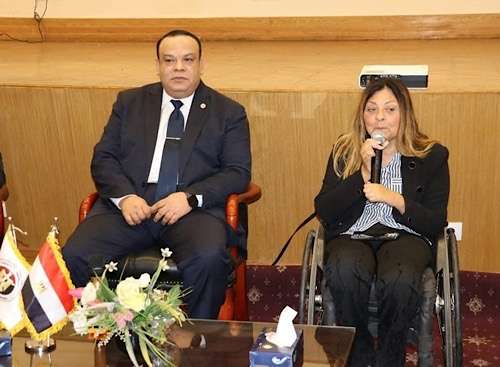
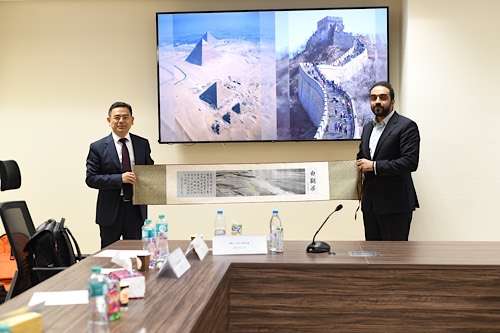
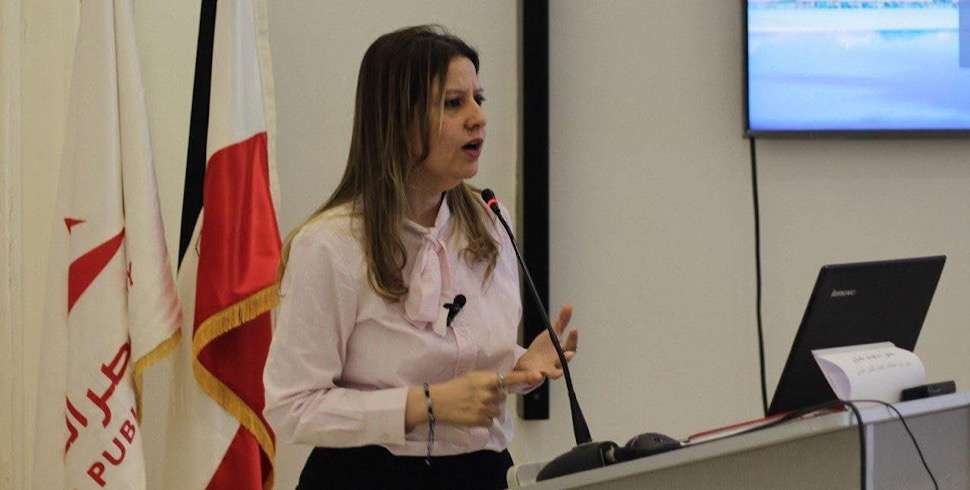
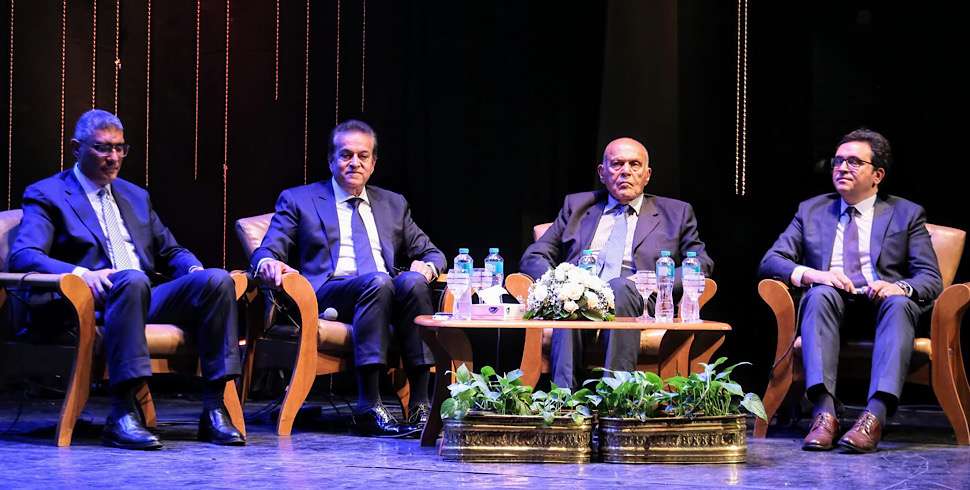
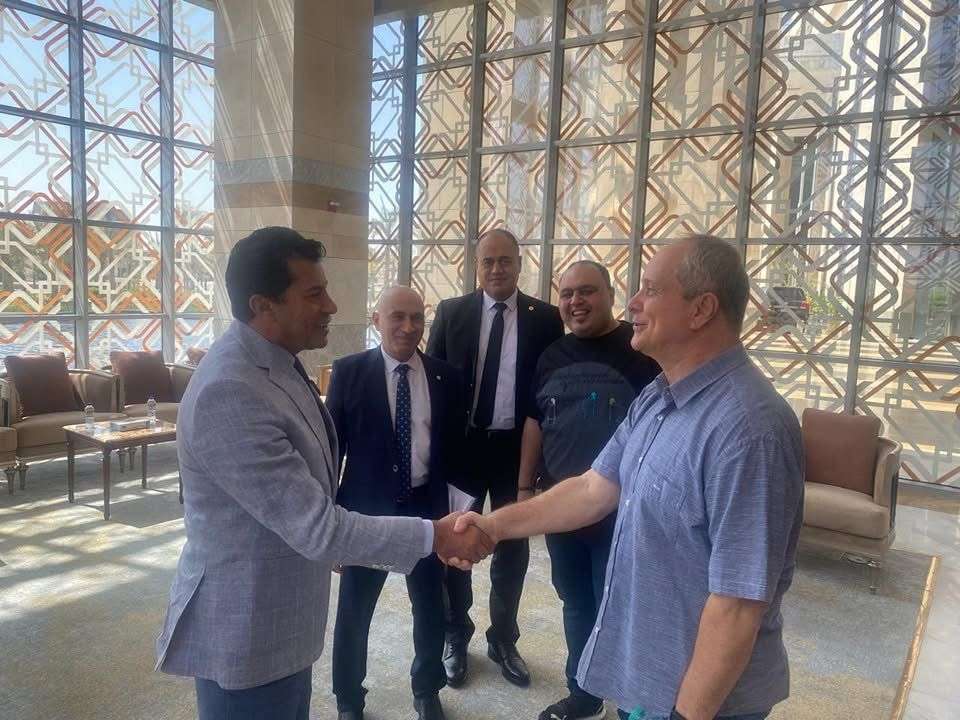
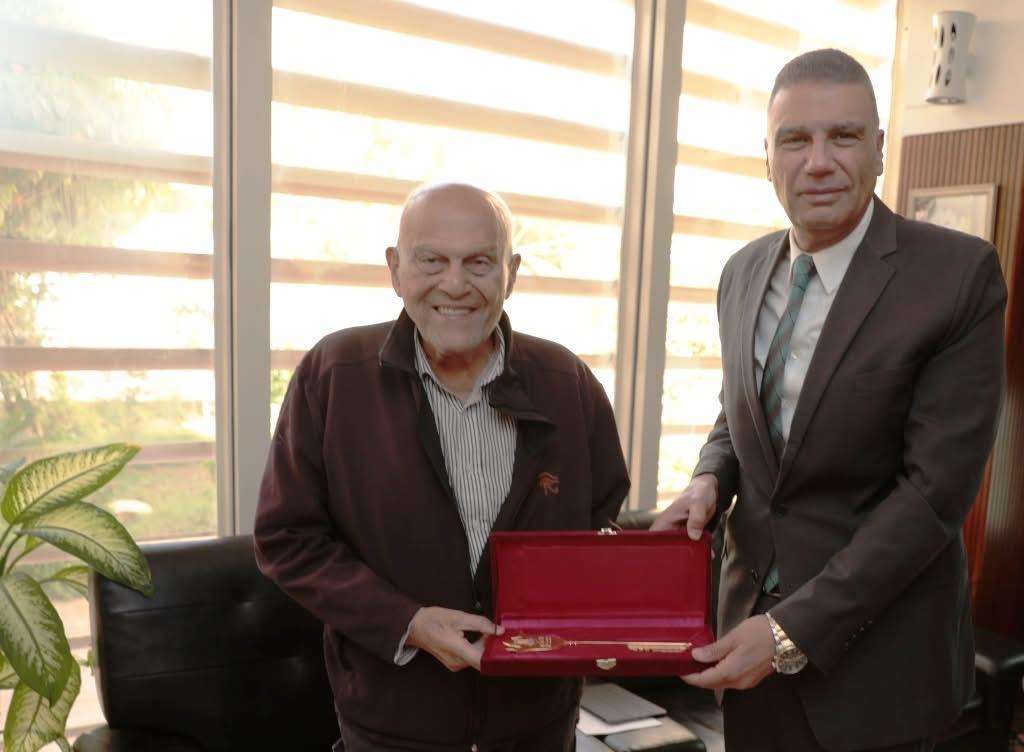
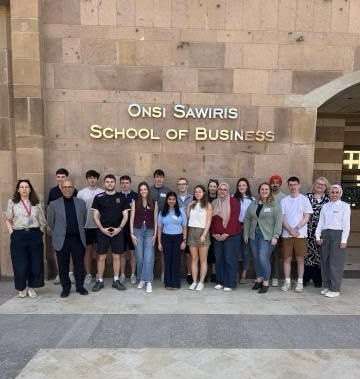
A second seminar followed at the Japan Foundation Cairo Library, attracting an audience of around thirty people from diverse academic and professional backgrounds. The third and final event was hosted by the Egypt-Japan University of Science and Technology (E-JUST), where a lively panel discussion ensued, featuring prominent academic figures such as Dr. Samah Nada, Vice President for Academic Affairs, and Dr. Mohamed Sharaf, Chair of Electronics, Communications and Computer Engineering. Panelists also included Dr. Waleed Gomaa (Computer Science and Engineering), Dr. Reda El-Basiony (Faculty of Computer Science and Information Technology), and Dr. Ahmed Ramouzy (Director of Arts and Design Programs).
Discussions across all seminars focused on the creative yet cautious application of artificial intelligence in education. Speakers emphasized the importance of fostering independent learning and critical thinking among students, encouraging them to use AI as a helpful tool rather than relying on it completely. The value of traditional learning methods—like reading books—was highlighted, empowering students to evaluate AI-generated answers critically. Educators, the panels noted, play a vital role in maintaining continuous communication, setting clear guidelines for the responsible use of AI in learning.
Reflecting on the seminars, Professor Nakayama expressed, “It was both enjoyable and deeply rewarding to interact with people of such varied backgrounds and interests. These conversations reinforced my view that artificial intelligence is a societal issue that concerns us all.”
The Japan Foundation Cairo continues its mission of building cultural bridges. Established in 1995 as the Foundation’s sole office in the Middle East and Africa, it promotes mutual understanding through arts and cultural exchanges, Japanese language education, and academic collaborations.
The Foundation offers diverse activities:
- Arts and Cultural Exchange: Facilitating events spanning music, fine and applied arts, literature, cinema, and more, to foster cultural dialogue between Japan and the MENA region.
- Japanese Language Education: Offering Japanese language courses in Cairo and Alexandria, along with online seminars, workshops, conferences, and Japanese-language proficiency testing.
- Japanese Studies Support: Organizing workshops and conferences to support Japanese studies in the region.