



































































































































































































































































































































































































































































































































































































































































































































Friday, 09 October 2026
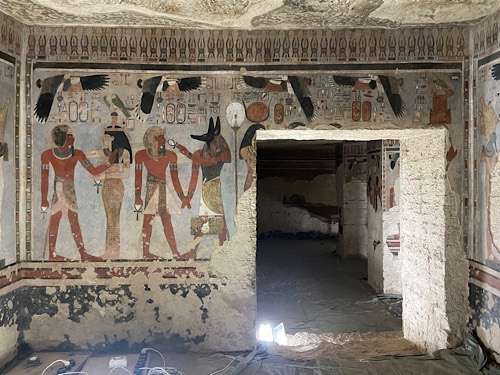
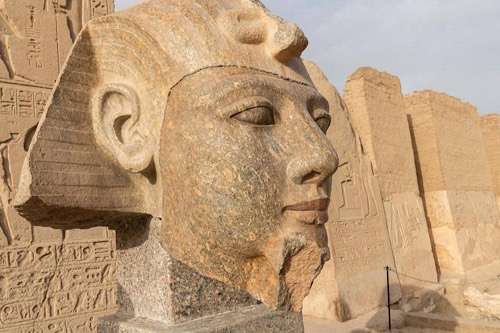
Luxor - After more than two decades of careful restoration, one of ancient Egypt’s greatest treasures has been brought back to life.
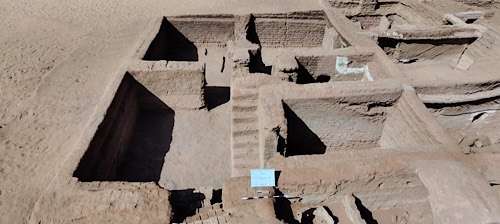
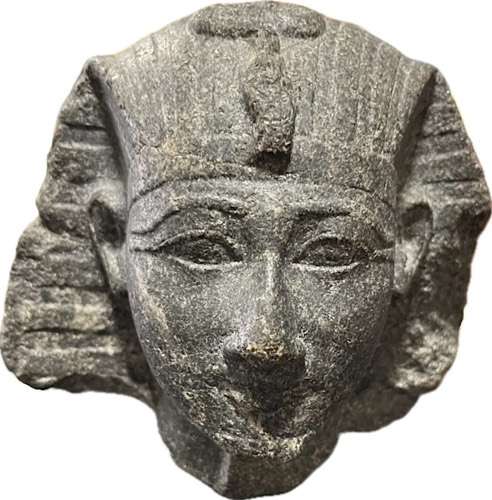
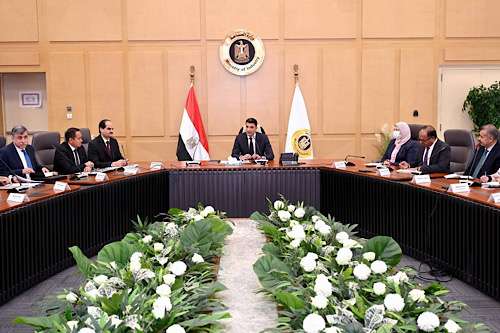
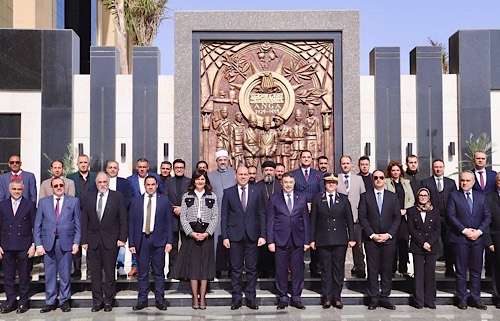
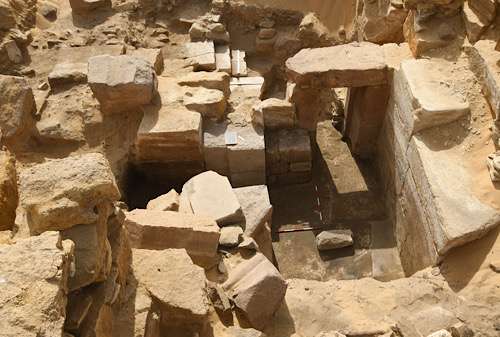
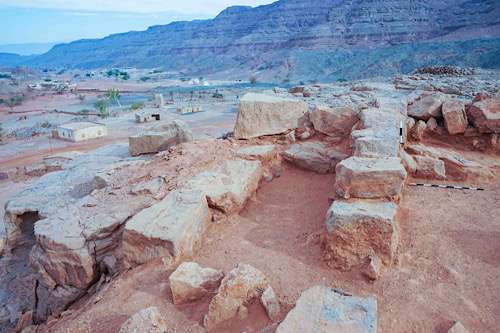
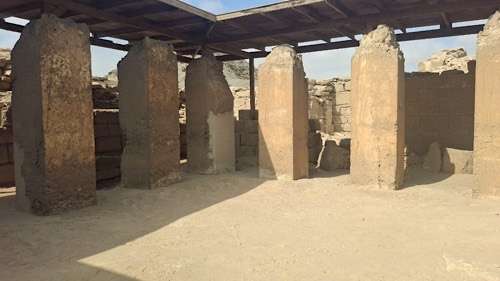
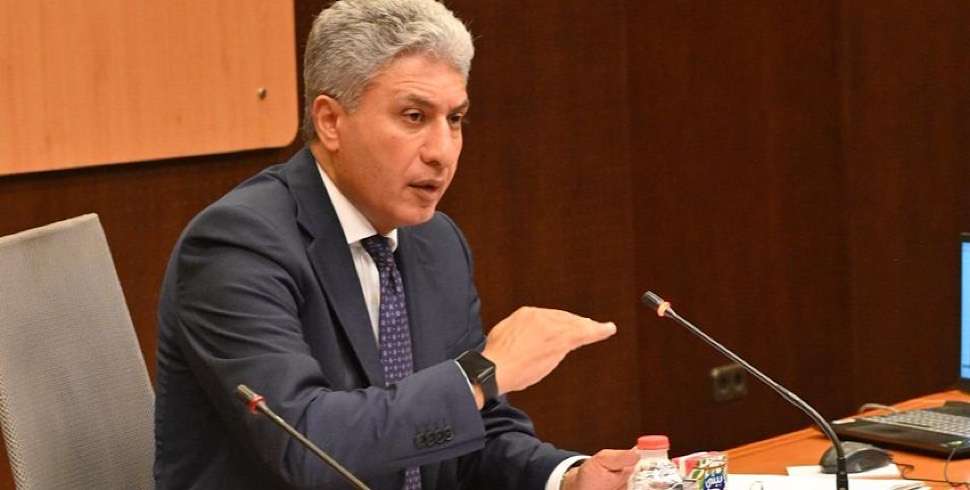
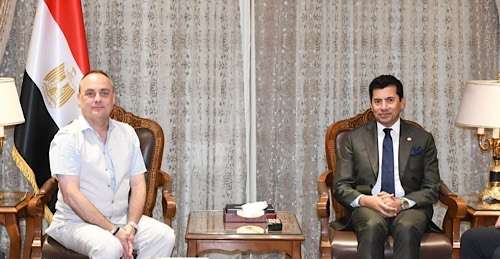
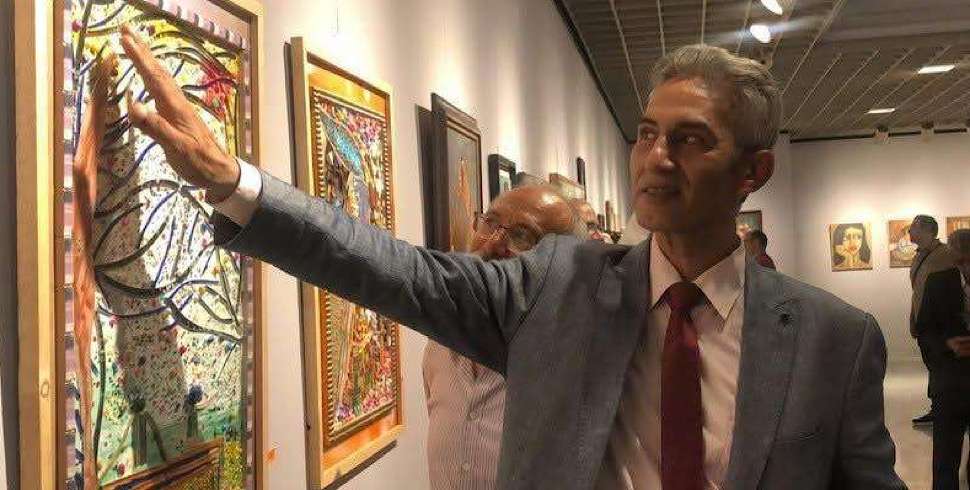
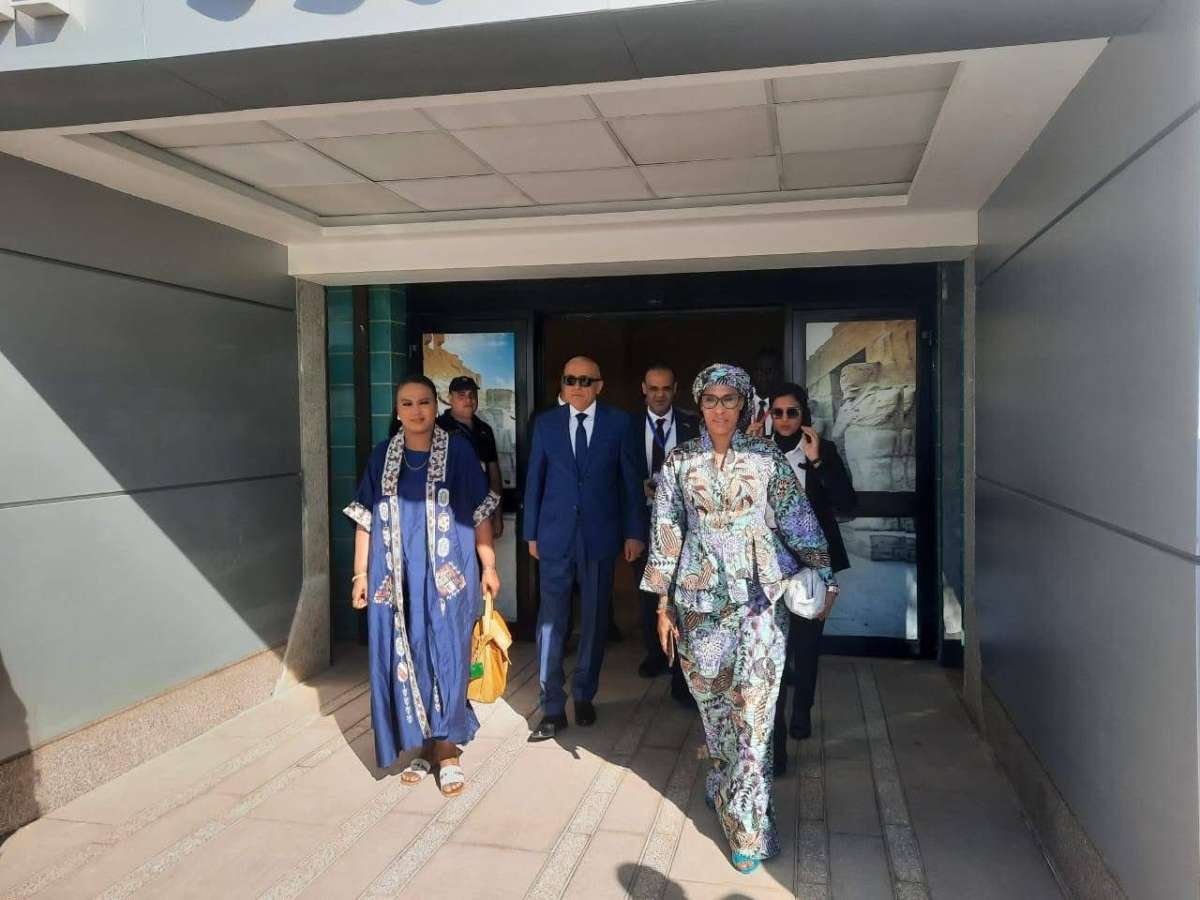
In a moment marked by history and hope, Egypt’s Minister of Tourism and Antiquities, Mr. Sherif Fathy, officially reopened the magnificent tomb of King Amenhotep III—one of the most celebrated and influential pharaohs of Egypt’s New Kingdom—located in the heart of the Valley of the Kings, on Luxor’s West Bank.
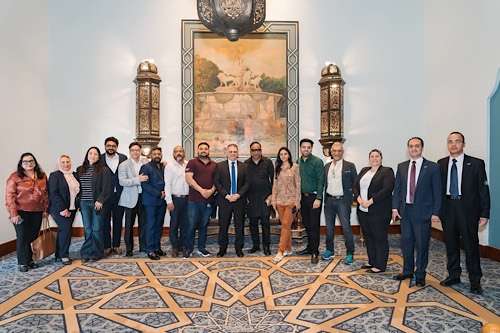
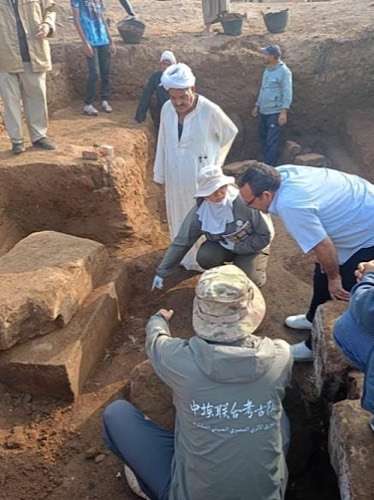
This remarkable achievement is the result of a joint project between Egypt’s Supreme Council of Antiquities and Japan’s Waseda and Higashi Nippon Universities, with the vital support of UNESCO and the Japanese government. The project, known as the “Preservation of the Wall Paintings in the Tomb of Amenhotep III,” brought together talented conservators, engineers, Egyptologists, and heritage specialists from Egypt, Japan, Italy, and beyond.
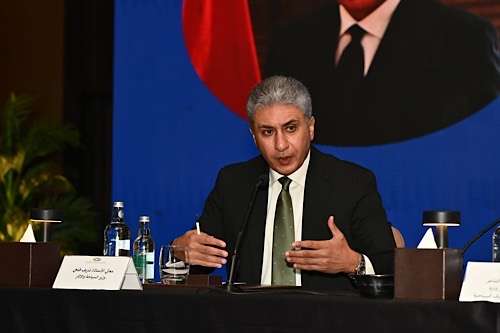
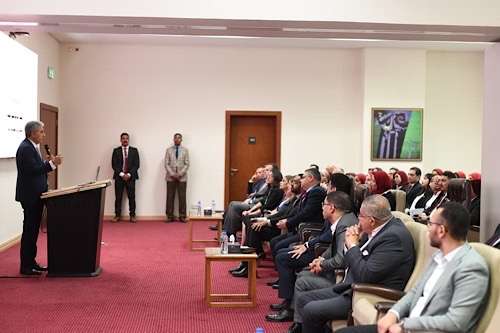
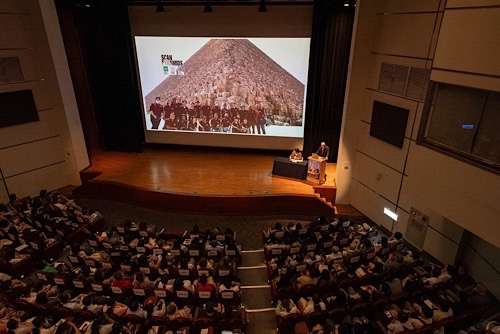
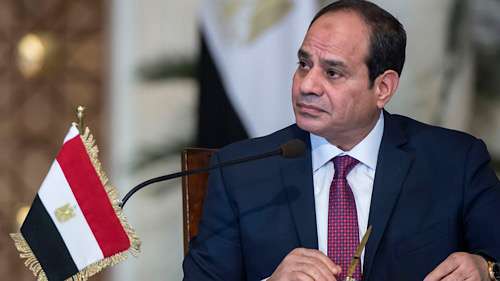
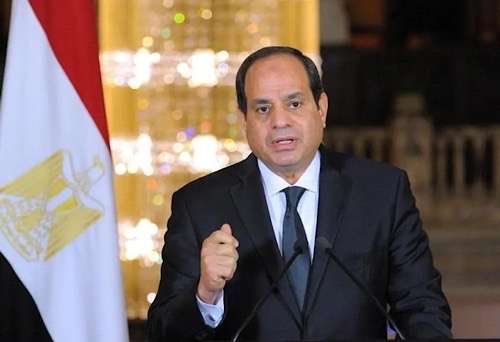
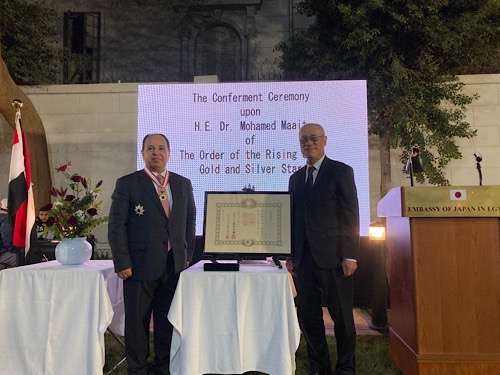
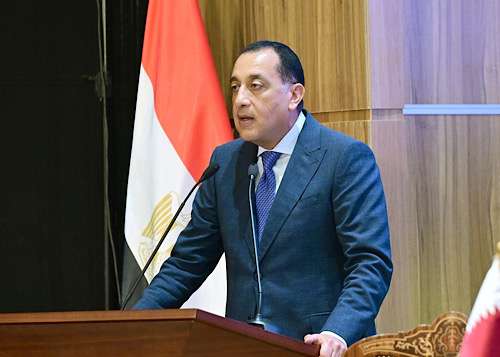
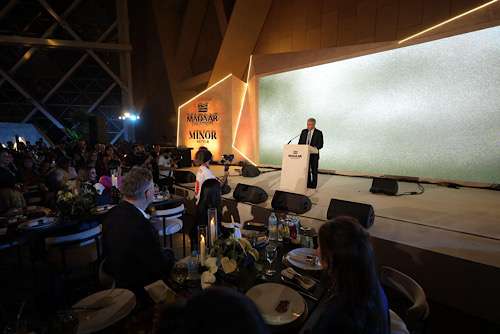
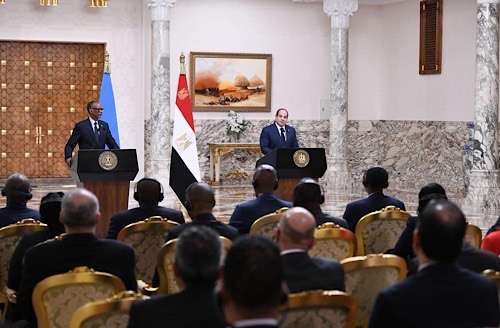
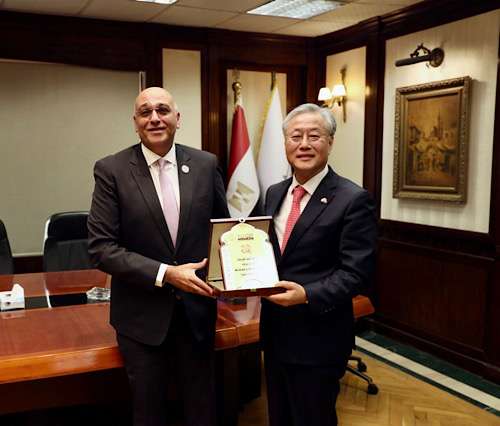
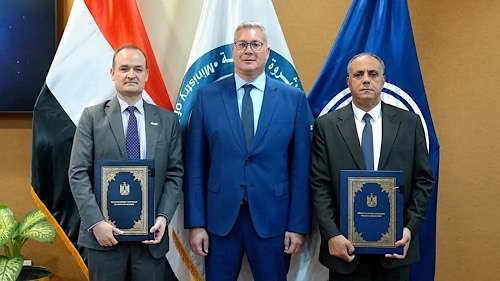
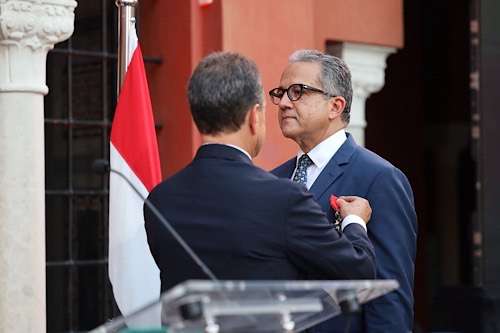
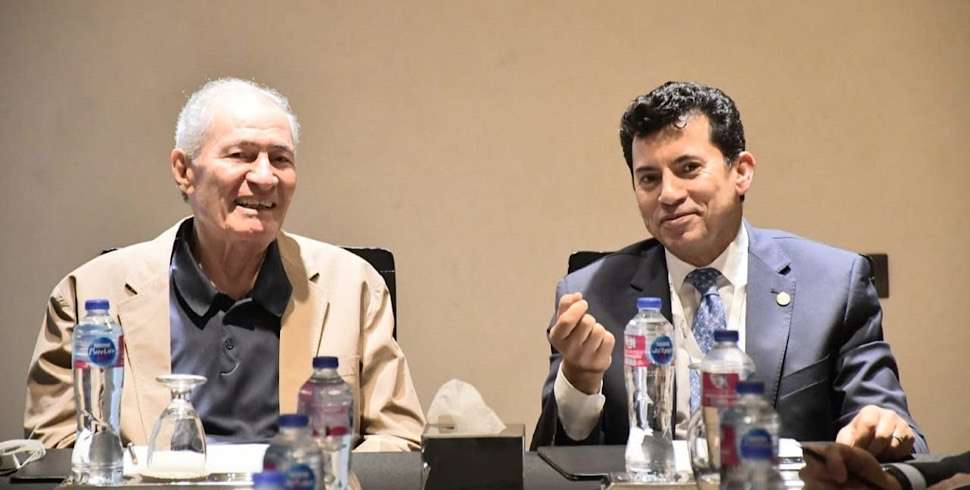
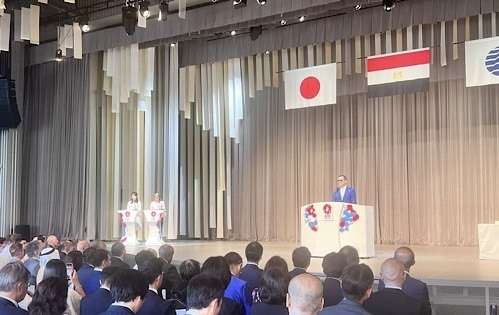
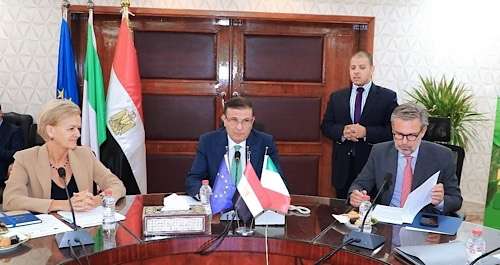
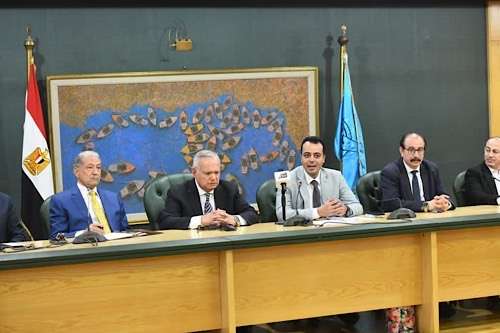
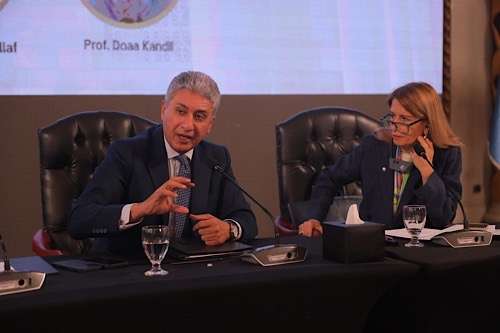
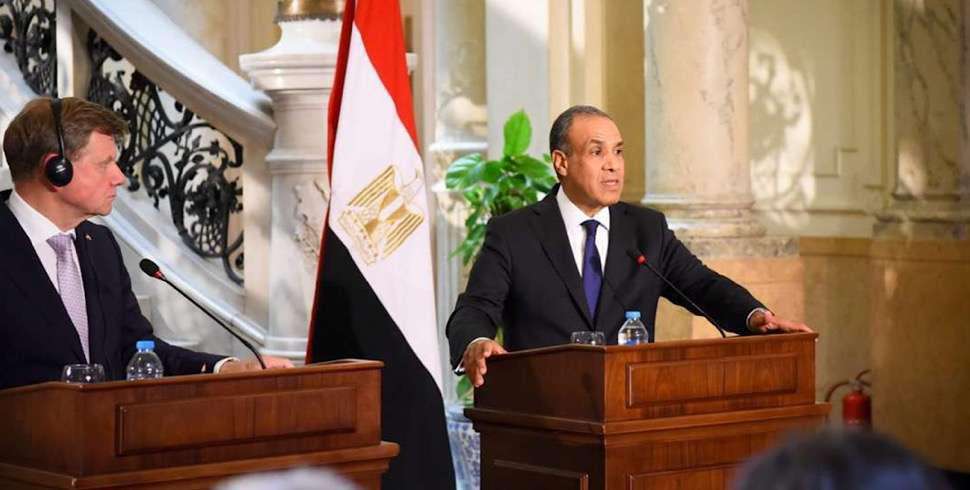
During the celebration, Minister Fathy expressed his deep gratitude for the unflagging dedication and expertise poured into this endeavor. He extended special thanks to the Japanese partners and UNESCO for their unwavering support and vision. Their contributions, he said, stand as a beacon of friendship and shared responsibility for protecting world heritage.
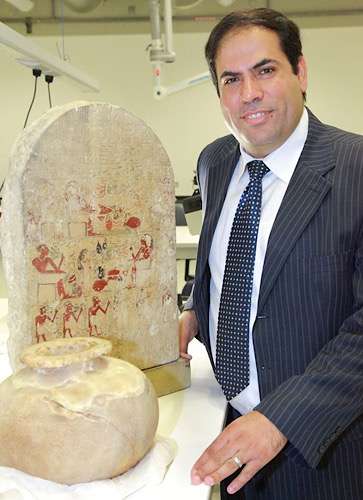
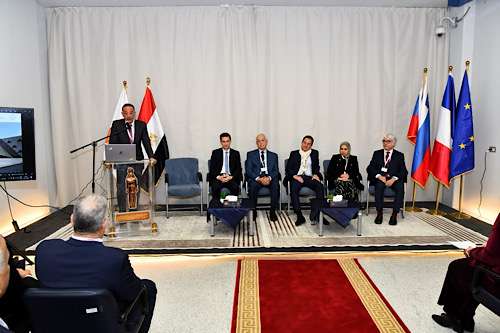
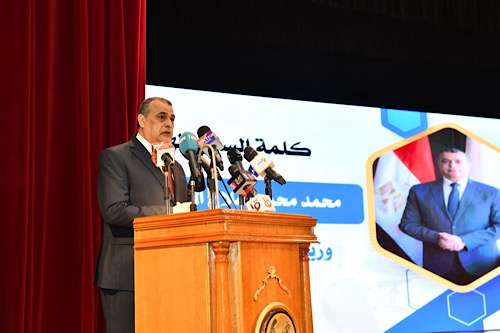
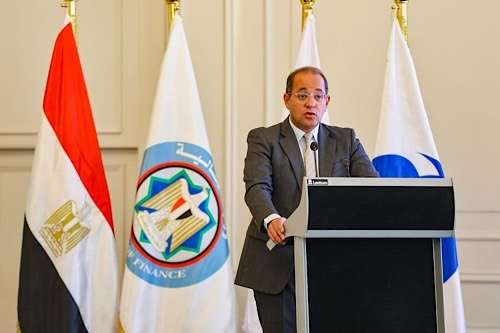
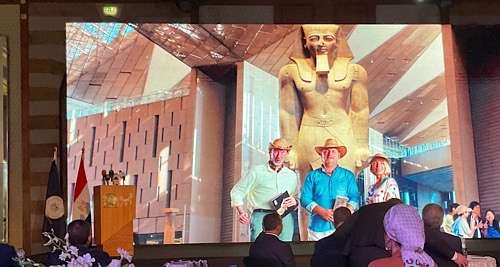
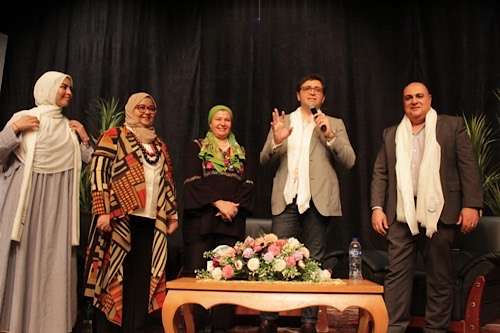
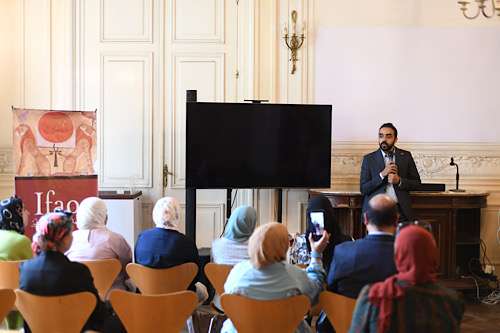
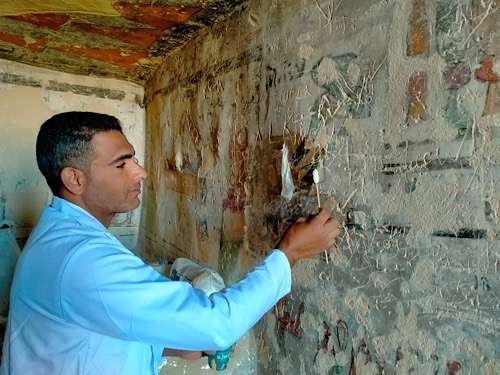
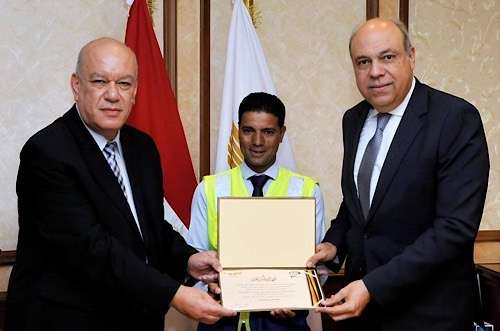
A touching highlight was the invitation of Egyptian conservator Mohamed Mahmoud to the podium—a skilled specialist who has dedicated over 20 years of his life to the project and had returned, after retirement, to witness this special moment. His words were filled with pride and emotion, reflecting a lifetime’s devotion to preserving Egypt’s ancient legacy for future generations.
King Amenhotep III—whose reign (c. 1386–1349 BCE) was marked by prosperity, artistic achievement, and international prestige—was laid to rest in one of the grandest tombs of the Valley of the Kings. In the 18th century, the tomb was first brought to international attention by French engineers during Napoleon’s expedition to Egypt, and later fully excavated by the legendary British archaeologist Howard Carter in 1915.
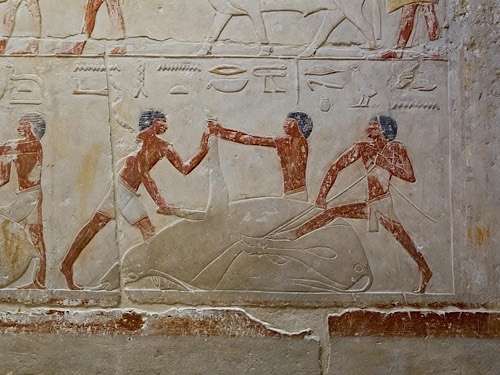
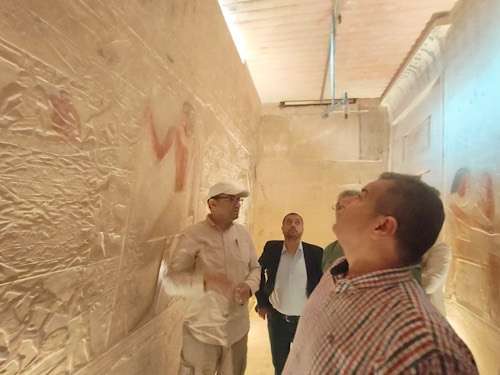
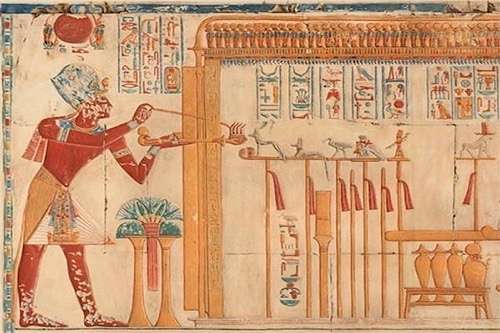
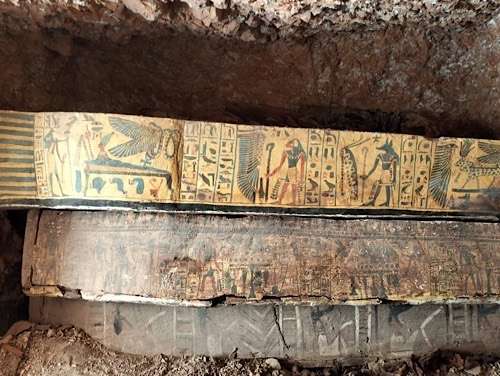
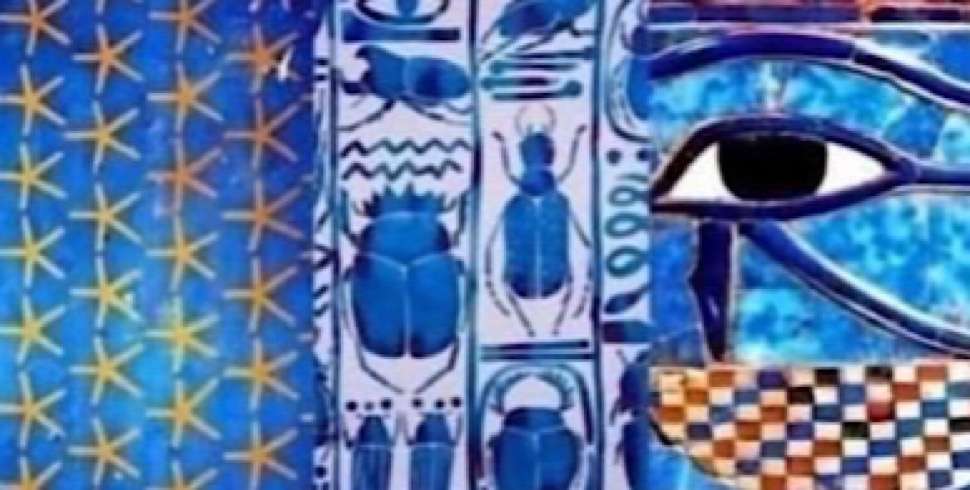
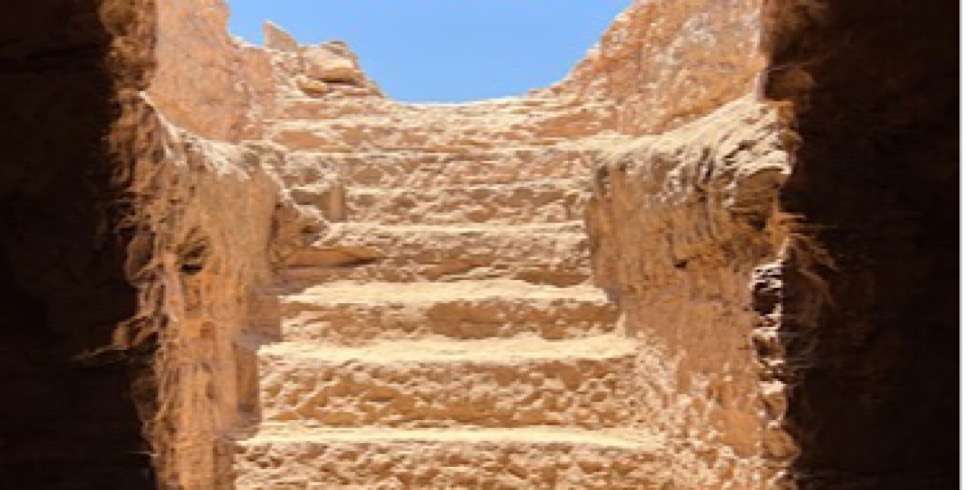
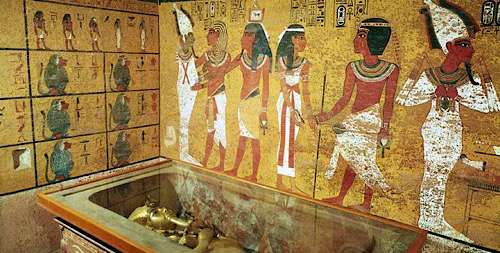
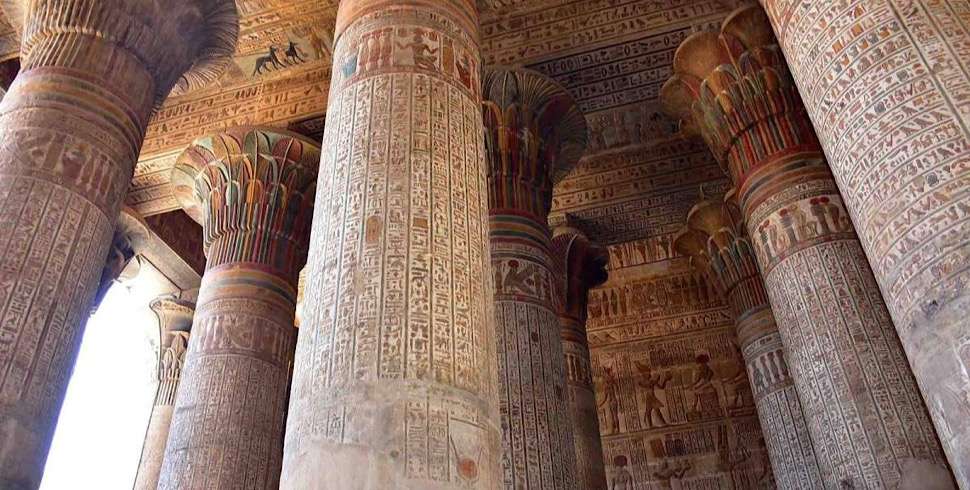
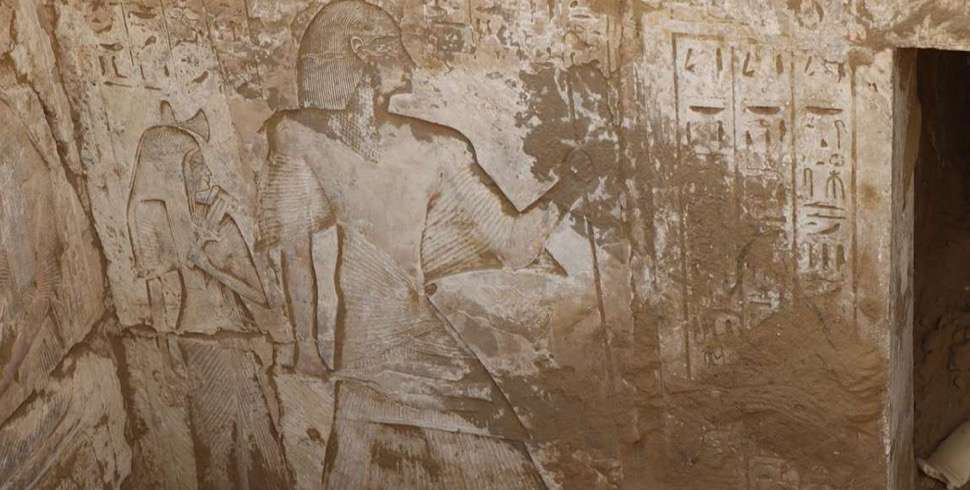
The tomb is a marvel of ancient artistry, with vast chambers adorned in brilliantly colored scenes of the king’s journey through the afterlife, interacting with gods, goddesses, and the spirit of his father. Its ceilings glitter with stars against an indigo sky, and the walls bear sacred texts from the Book of the Imi-Duat, shimmering after years of painstaking conservation.
Over centuries, natural disasters and human interference had taken their toll. Salt encrustations, deep cracks, and structural weaknesses threatened the survival of its painted walls and massive granite sarcophagus. It was clear that only a determined, expertly coordinated effort could save it.
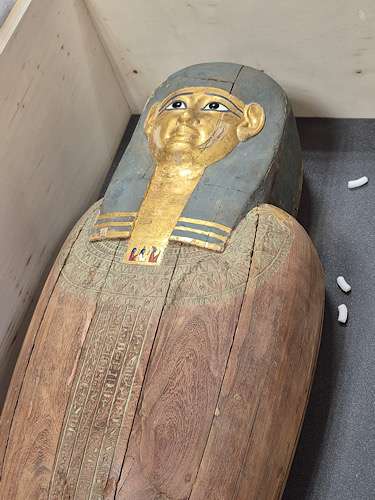
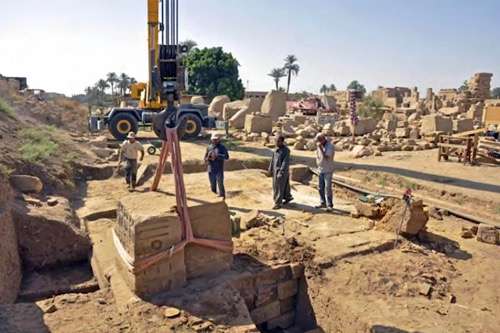
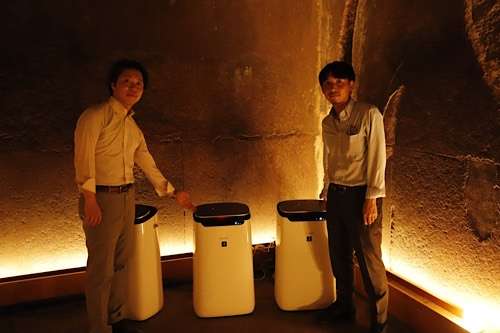
The restoration unfolded in three major phases—from 2001–2004, 2010–2012, and 2023–2024. Teams of Egyptian, Japanese, and Italian experts meticulously consolidated the tomb’s stonework, delicately cleaned and stabilized over 200 fragments of the king’s sarcophagus lid, restored artwork in multiple rooms, and installed advanced lighting and visitor signage to enhance both preservation and the visitor experience.
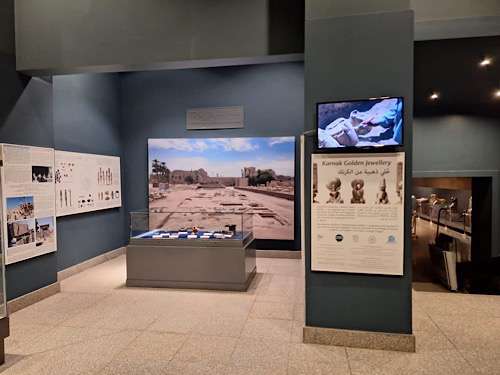
Cutting-edge 3D scanning, rock stability monitoring, and scientific study illuminated new details, not only about the tomb but also about Amenhotep III’s place in Egypt’s storied past. Informational displays now greet visitors at the entrance, offering insights into the tomb’s artistry, history, and the decades-long work of revival.
Head of UNESCO’s regional office in Cairo, Dr. Nuria Sanz, reflected during the event, the project is “a celebration of cooperation, discovery, and the enduring power of heritage.” She praised the partnership between Egypt, Japan, UNESCO, and the international expert community, all united by a passion for Egypt’s timeless civilization.
Today, the restored tomb of King Amenhotep III welcomes travelers, scholars, and admirers from all nations—an enduring message of the beauty, resilience, and unity woven through human history.