












































































































































































































































































































































































































































































































































































































































































































Friday, 09 October 2026
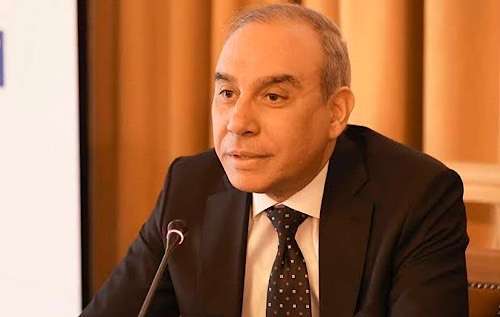
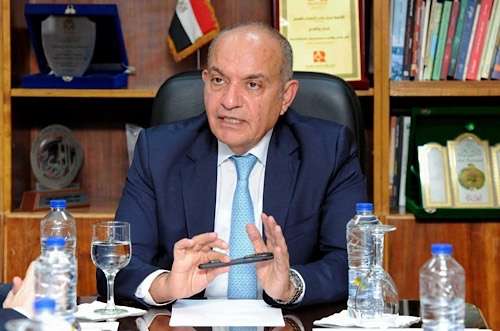
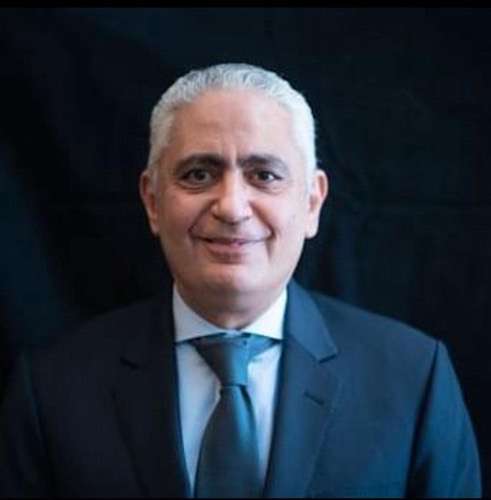
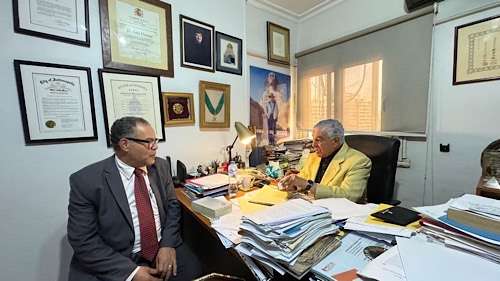
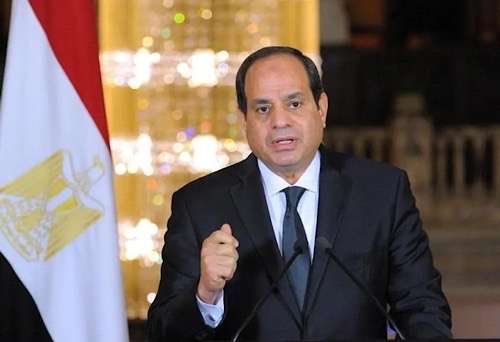
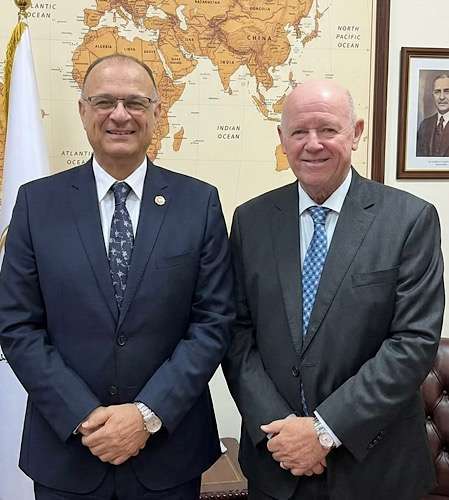
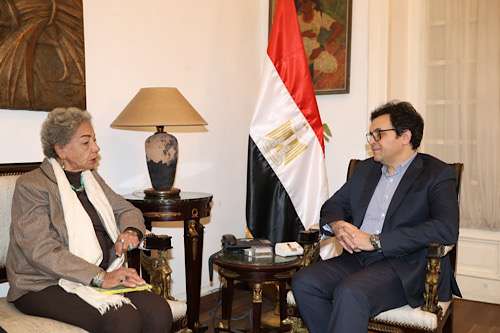
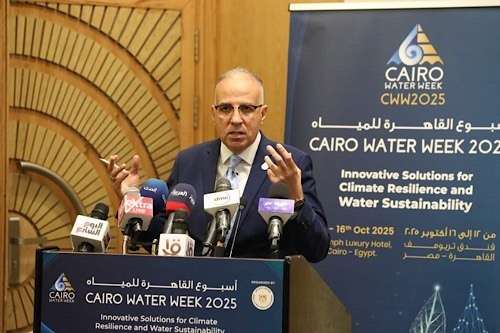
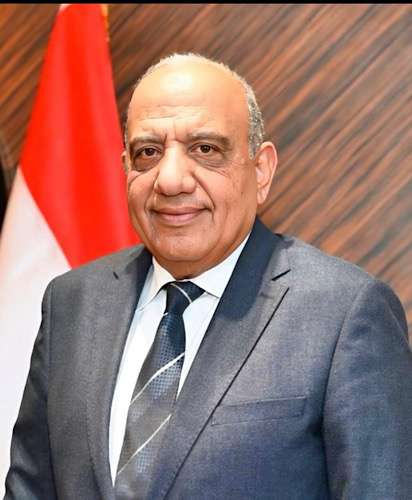
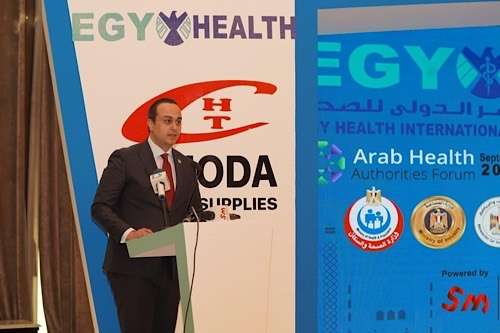
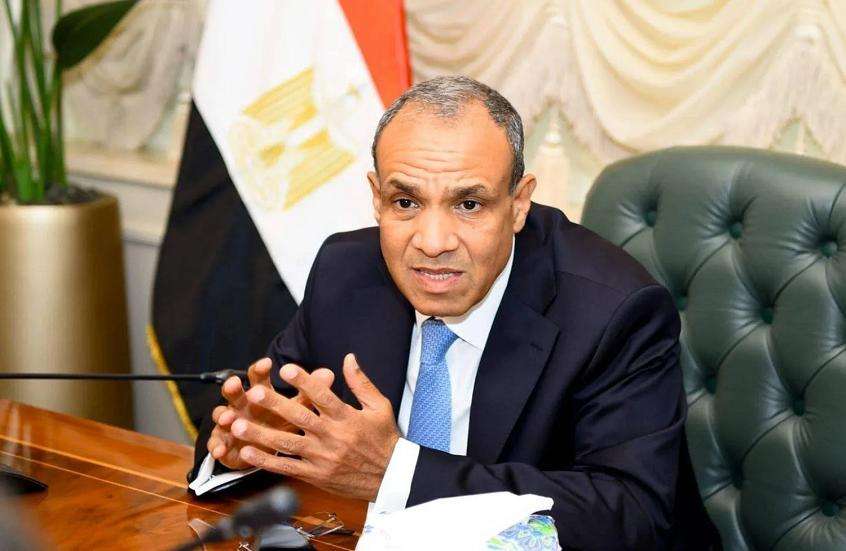
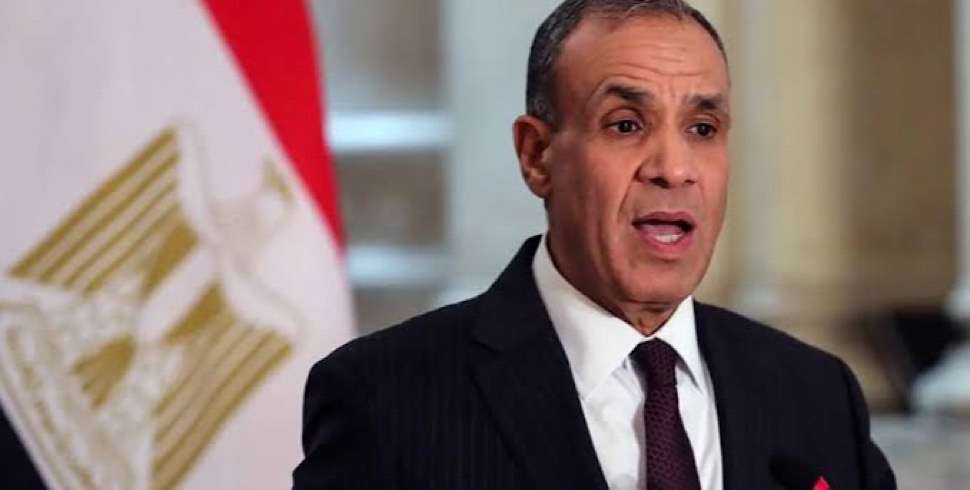
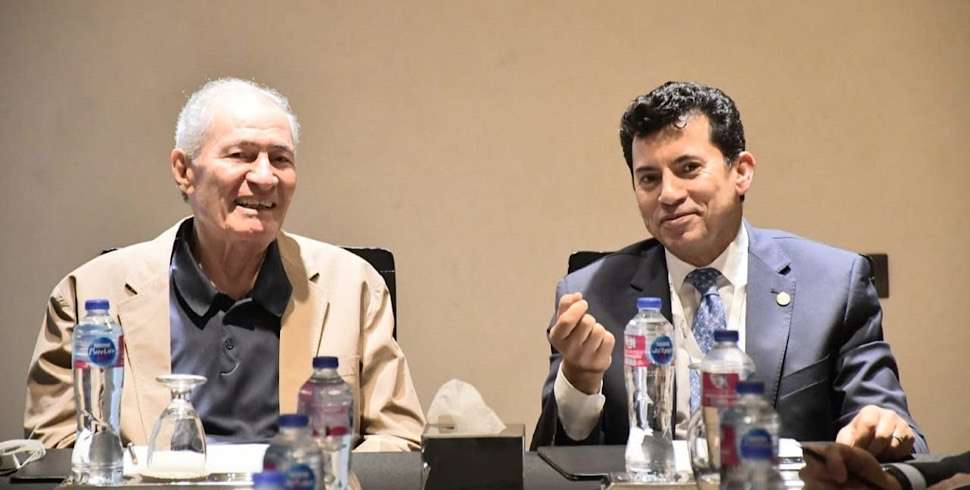
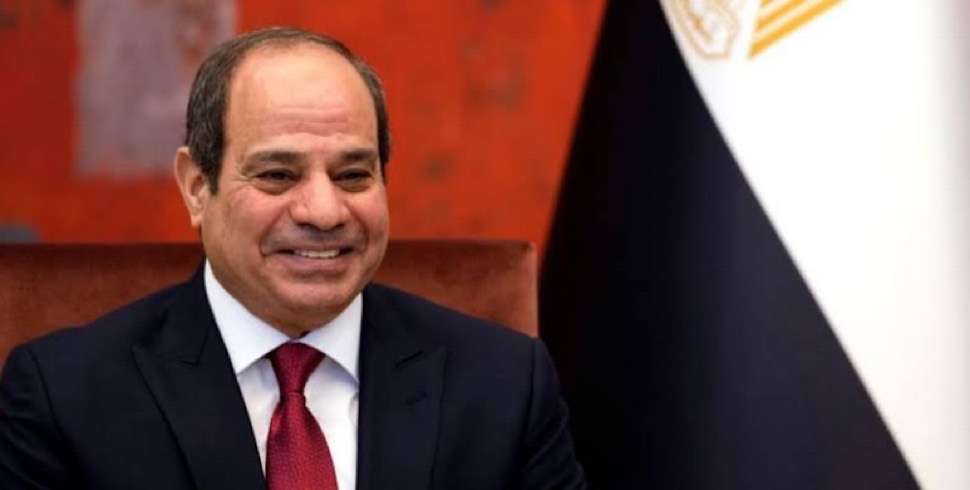
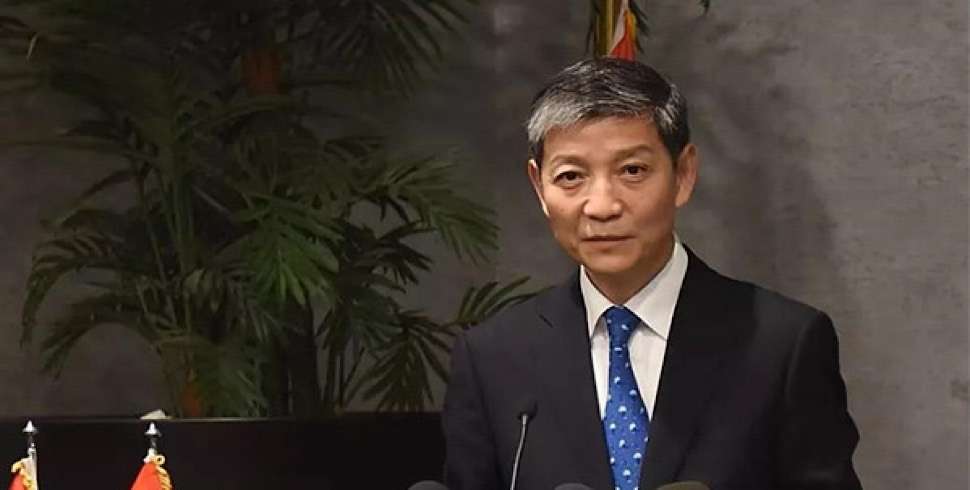
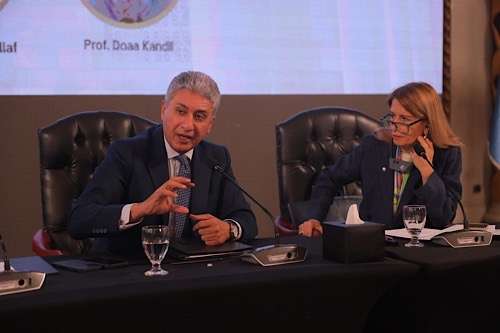
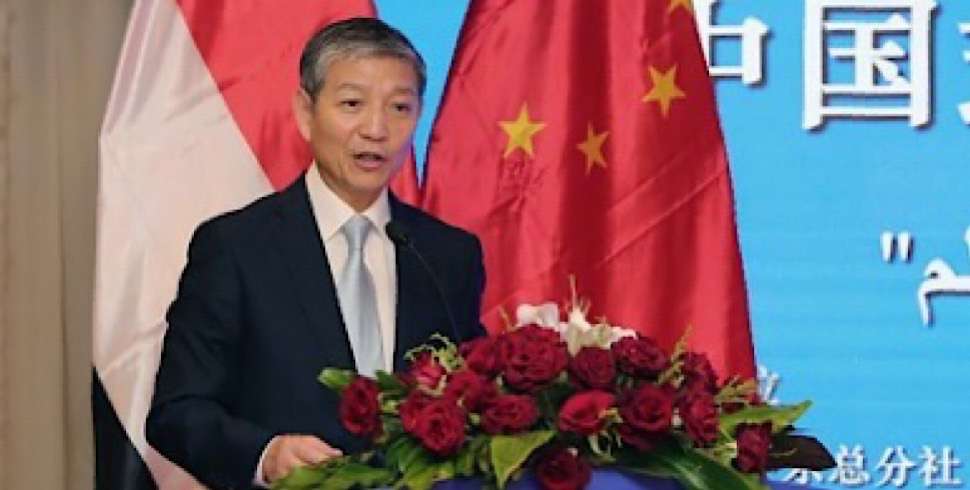
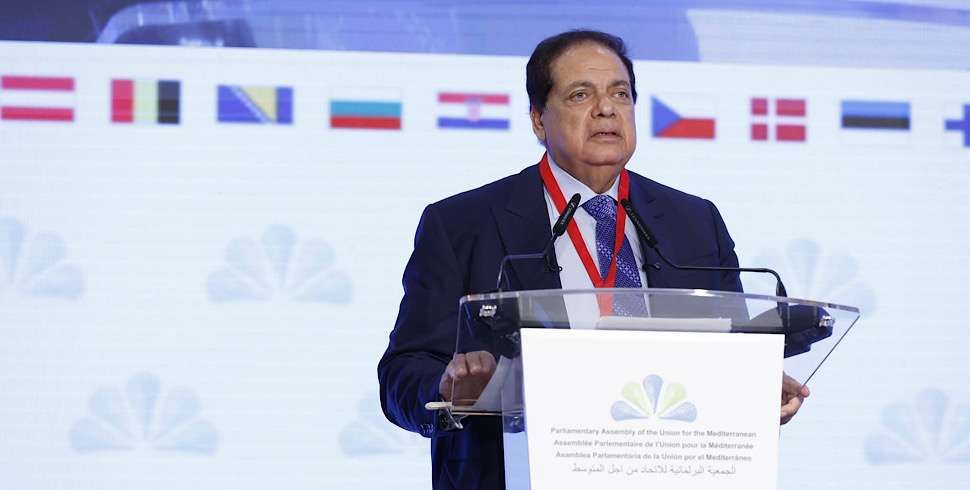
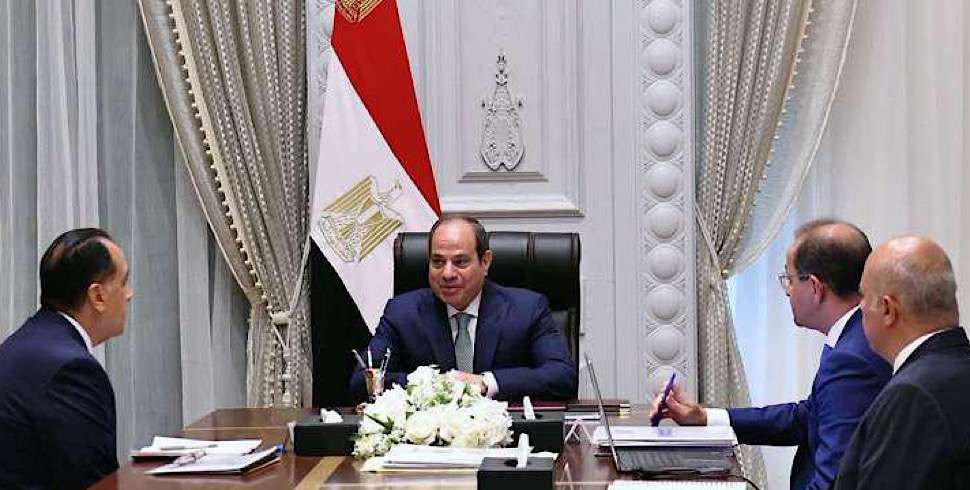
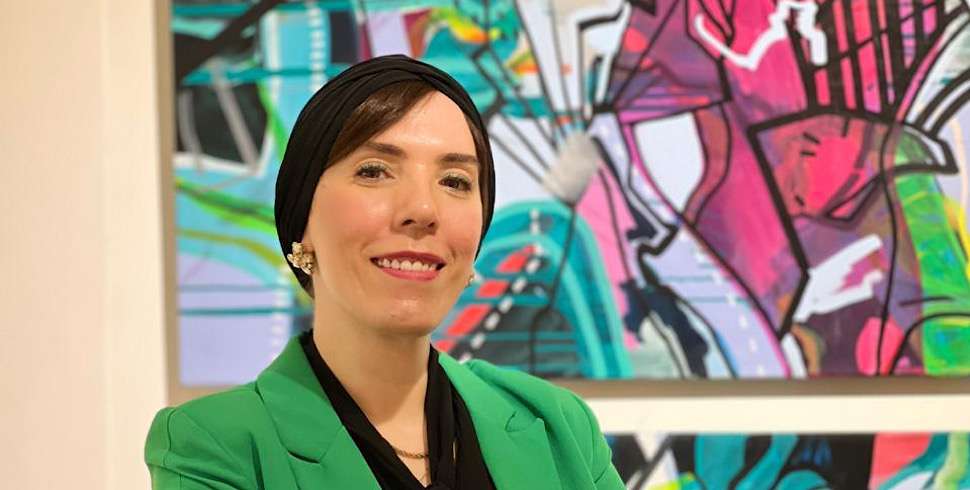
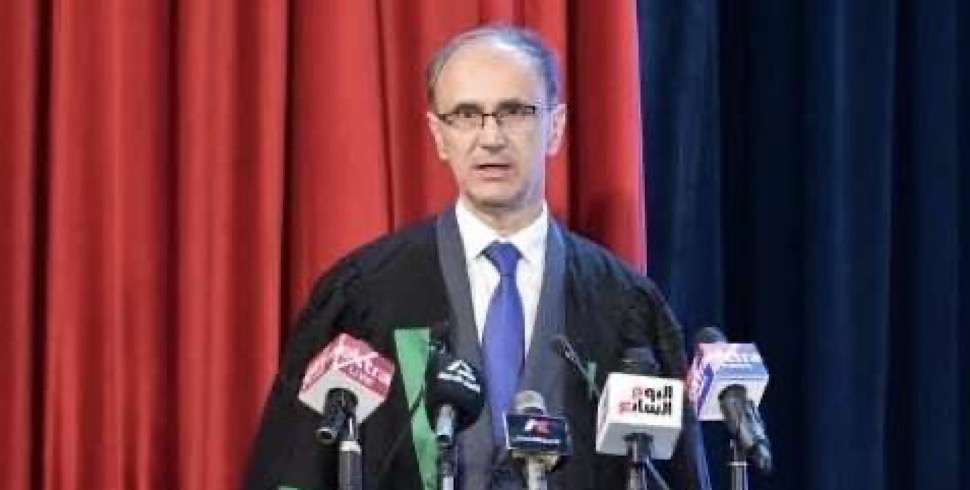
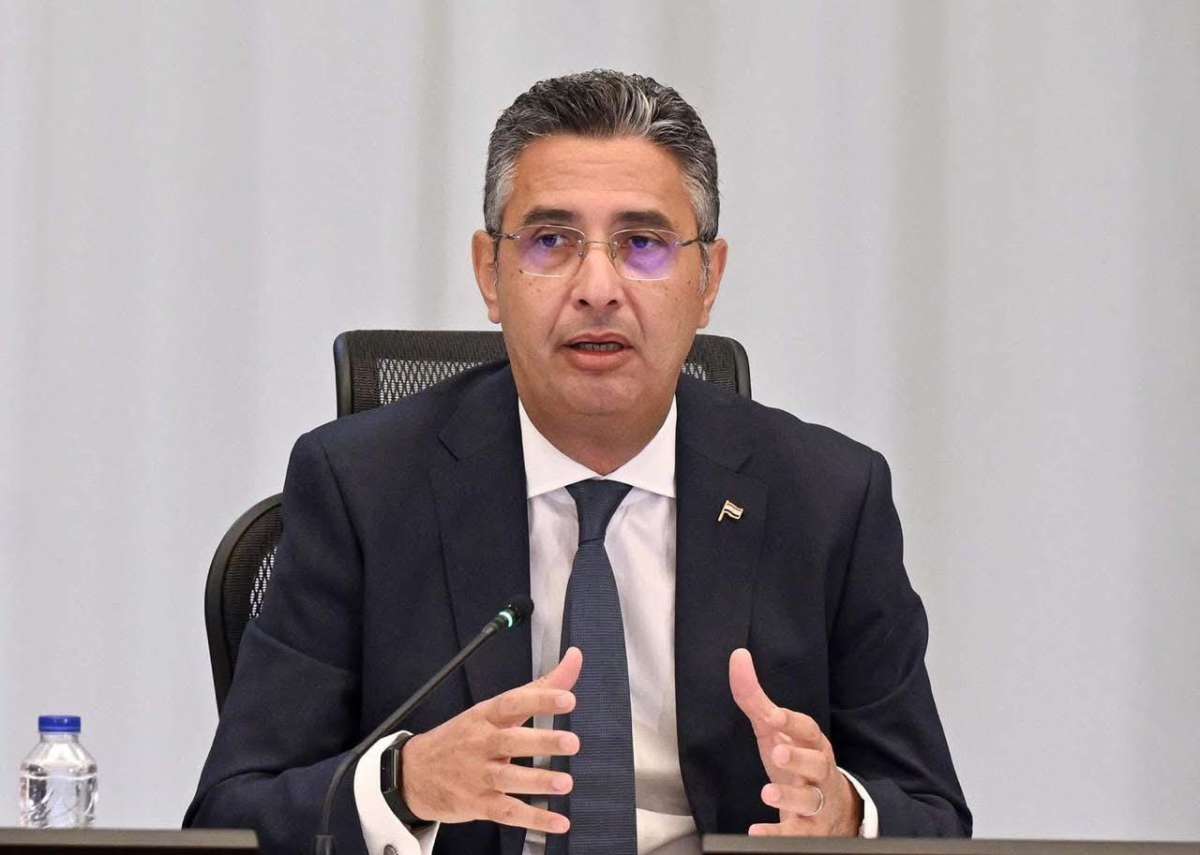
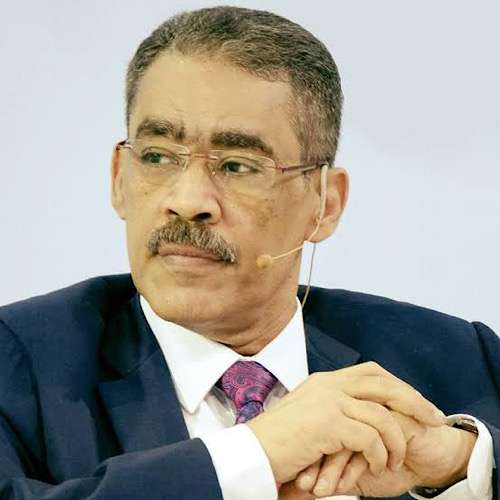 Diaa Rashwan, head of Egypt’s State Information Service
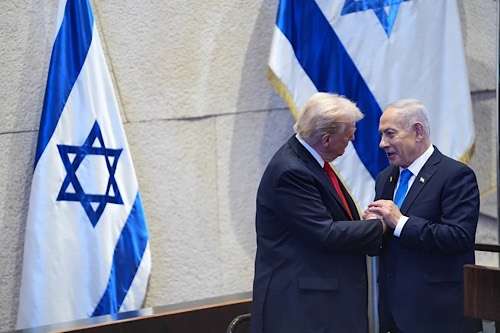
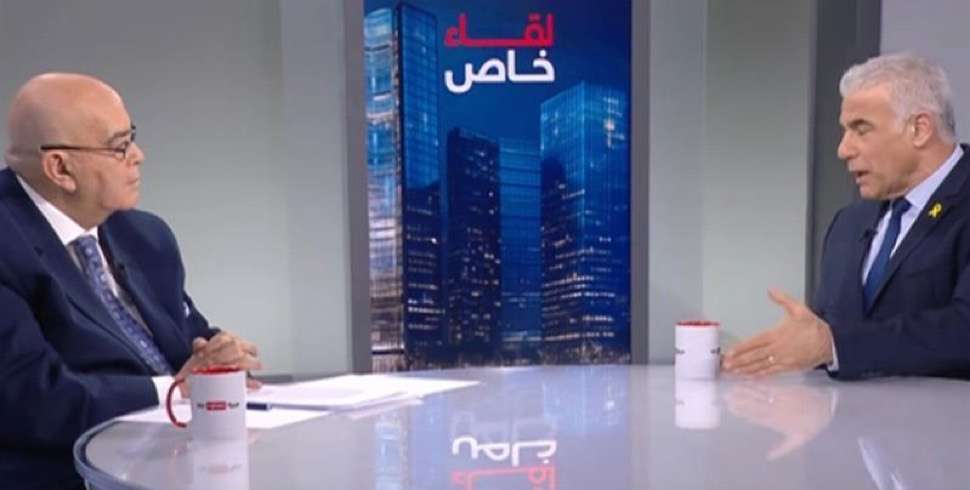
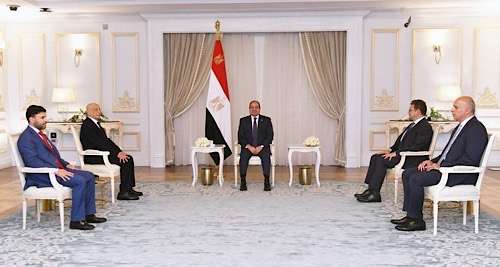
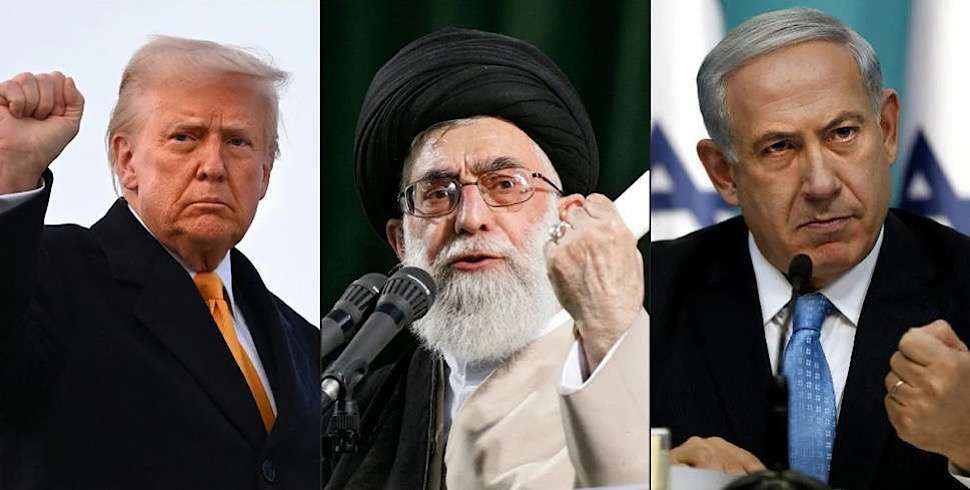
Diaa Rashwan, head of Egypt’s State Information Service (SIS), has cautioned that Israel risks facing serious repercussions if Prime Minister Benjamin Netanyahu moves forward with scrapping the $35 billion natural gas deal with Egypt.
Speaking Wednesday on Al-Mashhad TV, Rashwan addressed recent comments by Netanyahu on the agreement’s future.
“If he wants to terminate the deal, let him—but he should be prepared to deal with the fallout,” Rashwan stated.
He rejected the notion that Israel serves as Egypt’s sole energy conduit, calling such claims “an illusion.”
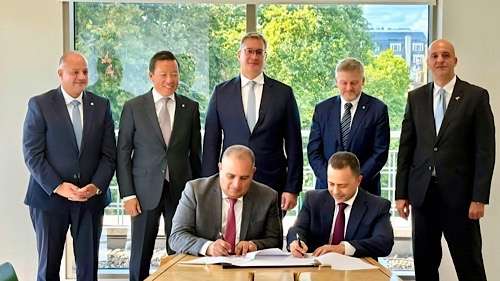
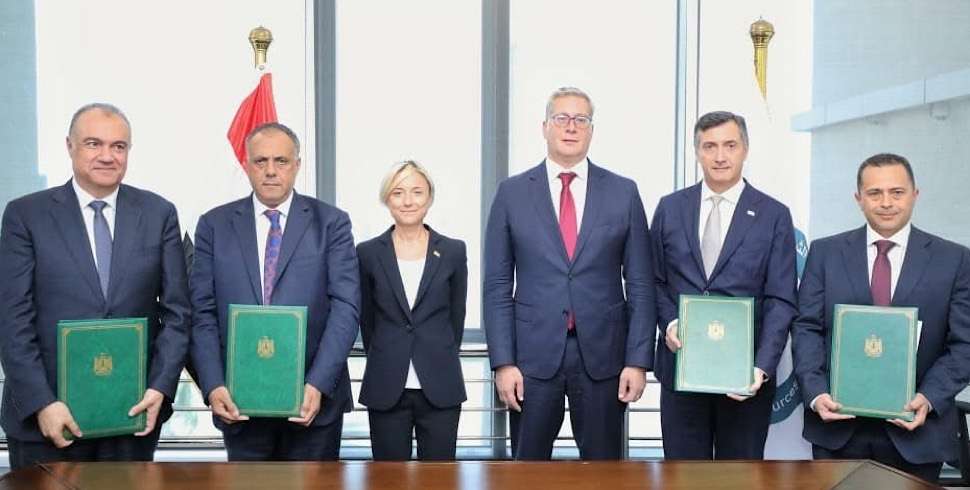
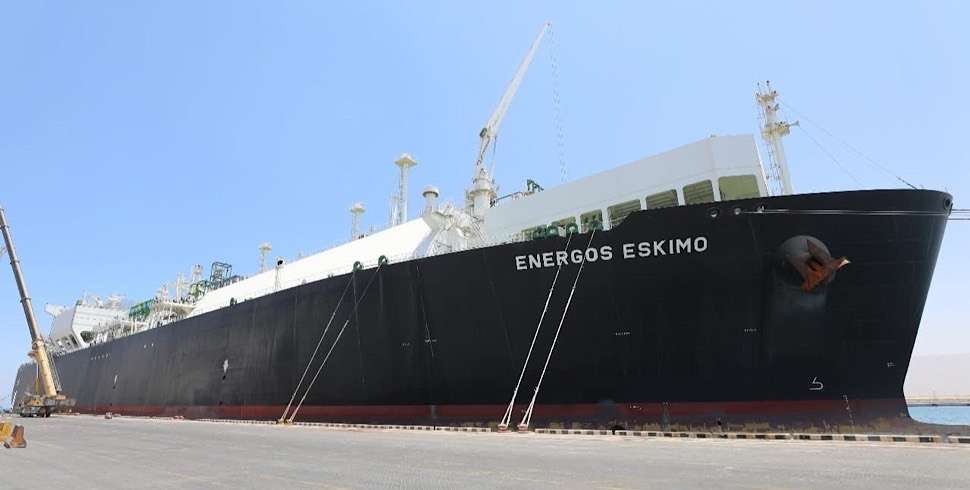
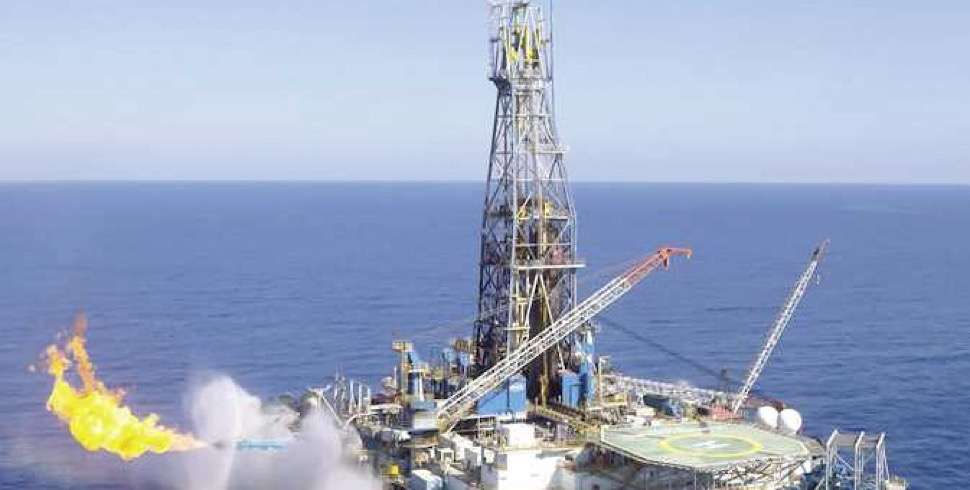
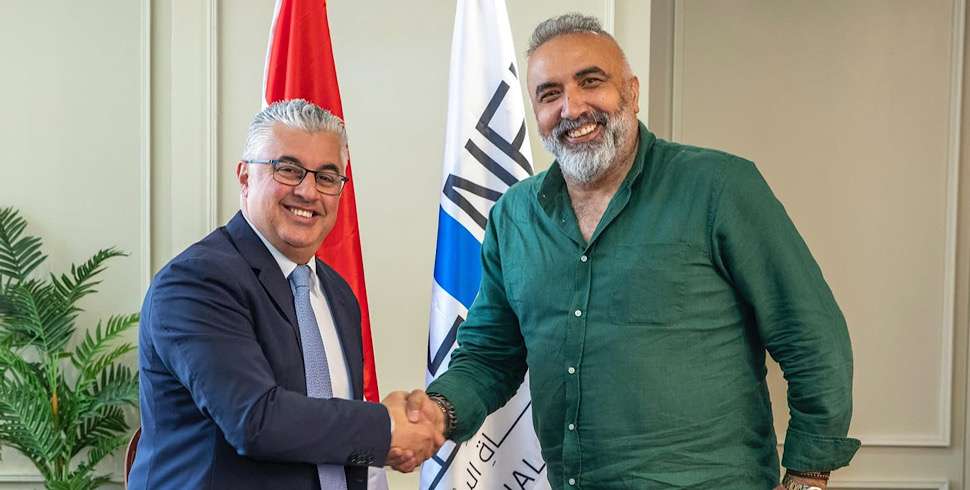
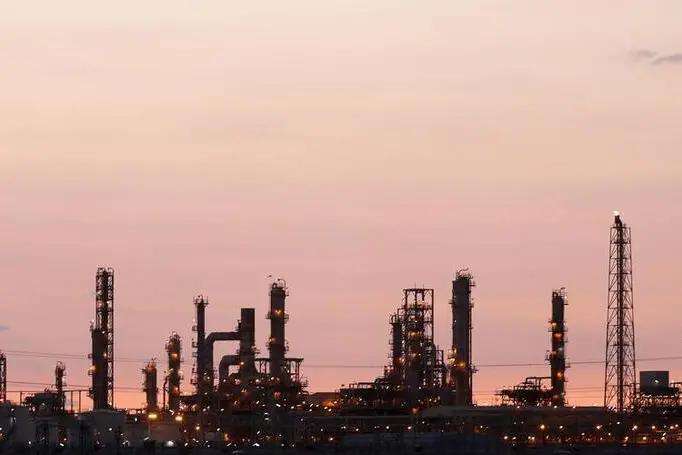
On August 7, Israeli energy company NewMed Energy inked a pivotal deal to export 130 billion cubic meters (bcm) of natural gas to Egypt through 2040.
Worth an estimated $35 billion, it stands as the biggest export agreement in Israel’s history and the most significant since the discovery of its natural gas fields.
Rashwan pointed out during the interview that voiding the agreement would carry far-reaching consequences, affecting both nations, but especially Israel.
“It’s not just about politics. The economic impact is substantial—this is a mutually beneficial arrangement, but Israel stands to gain even more. Israel’s economic profit is greater,” he emphasized.
His comments followed Israeli media reports on Tuesday that Netanyahu and Energy Minister Eli Cohen are revisiting the major gas export contract between Israel’s Leviathan consortium and Egypt. According to Israel Hayom, Netanyahu initiated the review after allegations surfaced that Egypt breached the military annex of the peace treaty with Israel.
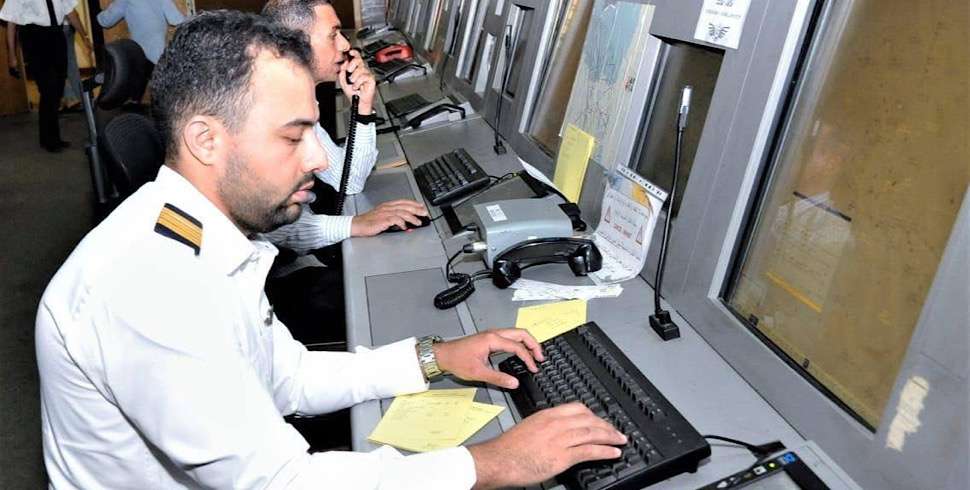
These purported violations involve constructing tunnels in Sinai capable of storing weapons, lengthening airport runways, and deploying infantry and armored units beyond the treaty’s permissible limits—all without Israeli authorization.
Rashwan also dismissed assertions that Egypt relies solely on Israeli gas imports. “The Egyptian government has alternatives and is prepared for any outcome. We’re not dependent on just one energy source,” he said, describing the Israeli Prime Minister’s perspective as “delusional.”
He questioned the timing of Netanyahu’s threats, arguing they were not a genuine attempt to trigger an energy crisis in Egypt.
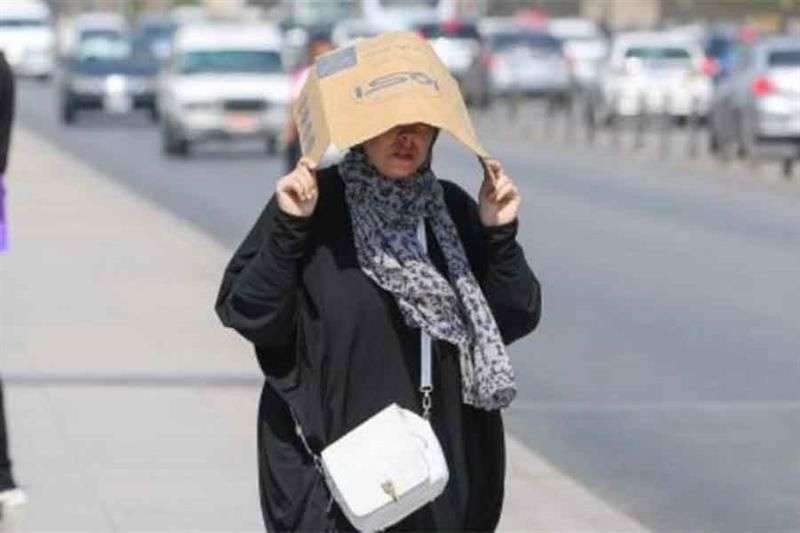
“If his goal was to cause a domestic gas shortage, he would have chosen August—when demand peaks during the intense summer heat, which could truly destabilize the country,” Rashwan noted.
“Netanyahu isn’t actively seeking a crisis in Egypt. He wants to give the impression that Egypt is under pressure, but that is far from reality,” Rashwan concluded.