










































































































































































































































































































































































































Friday, 09 October 2026
In a heartening display of regional leadership, Egypt’s pioneering approach to addiction treatment has earned high praise from the World Health Organization (WHO), marking a significant milestone in the nation’s public health journey.
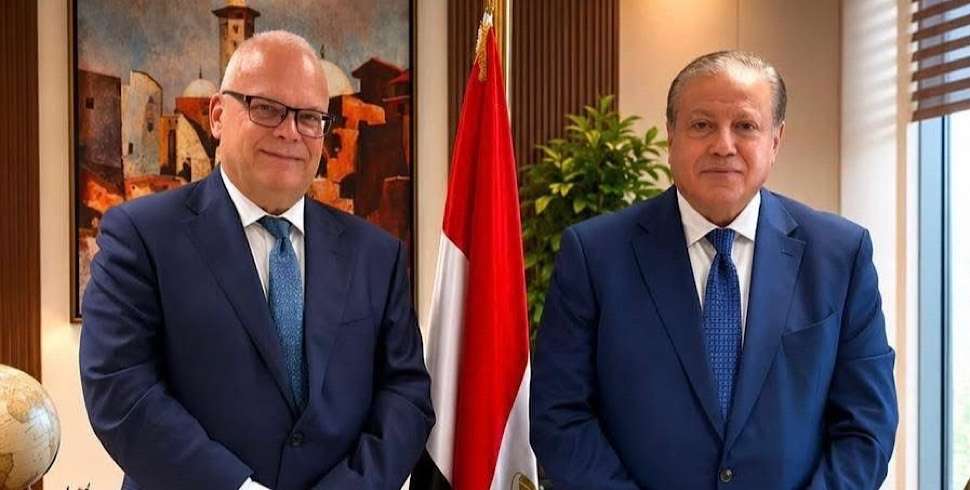
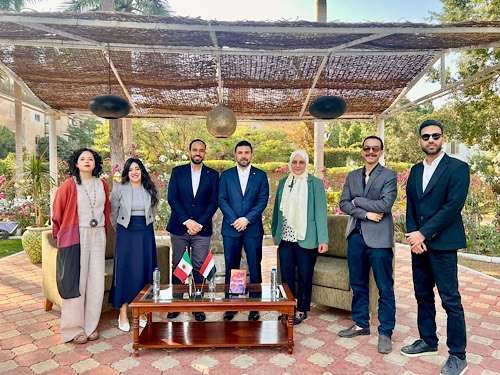
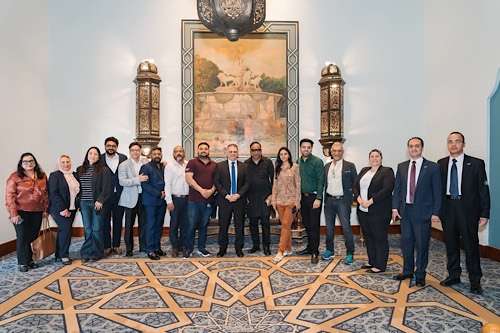
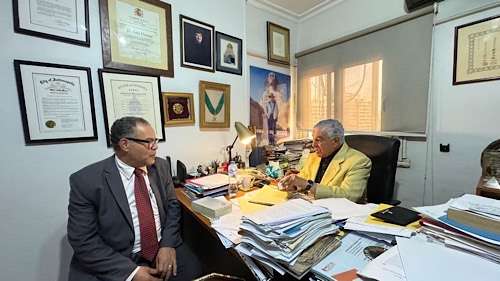
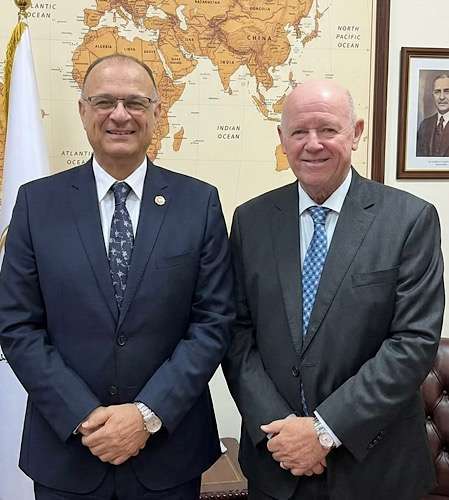
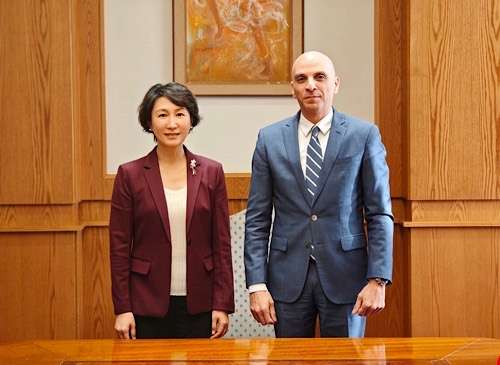
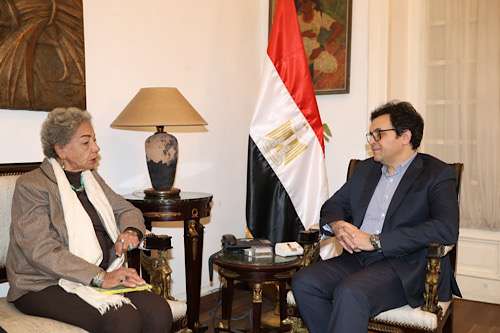
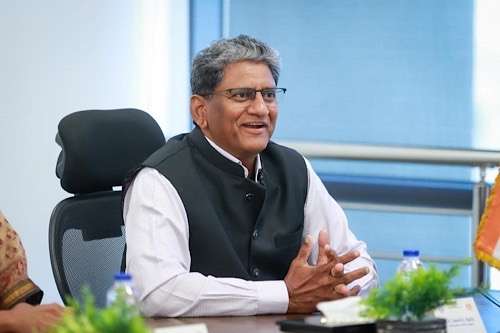
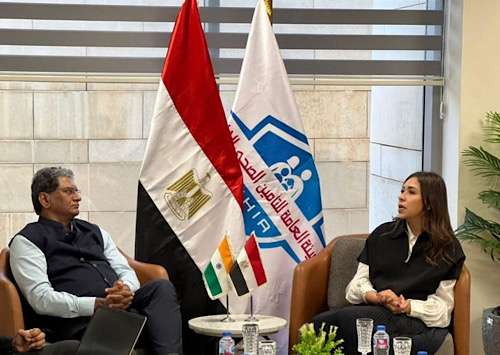
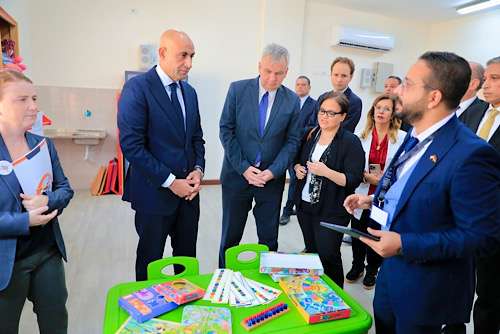
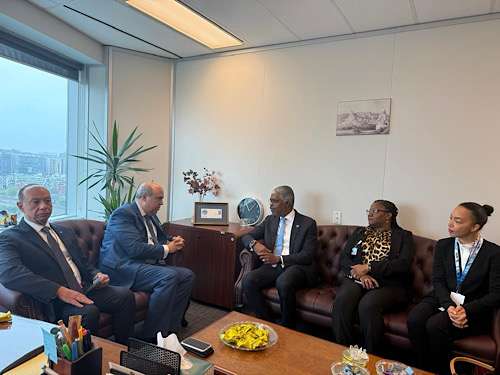
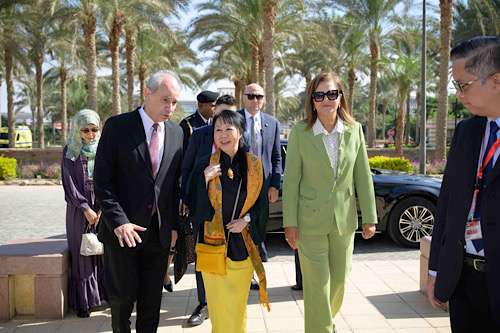
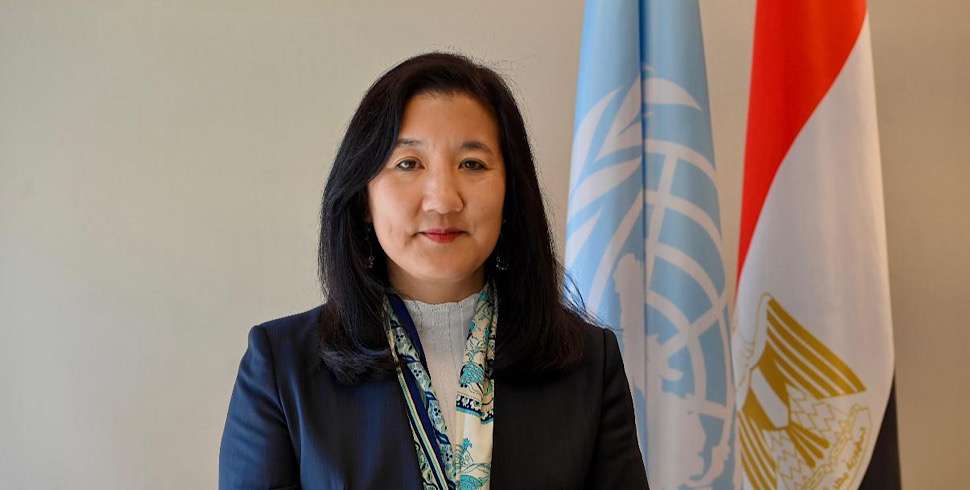
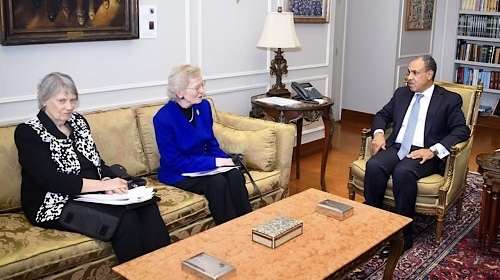
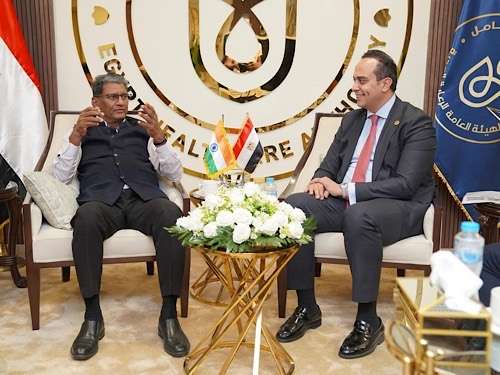
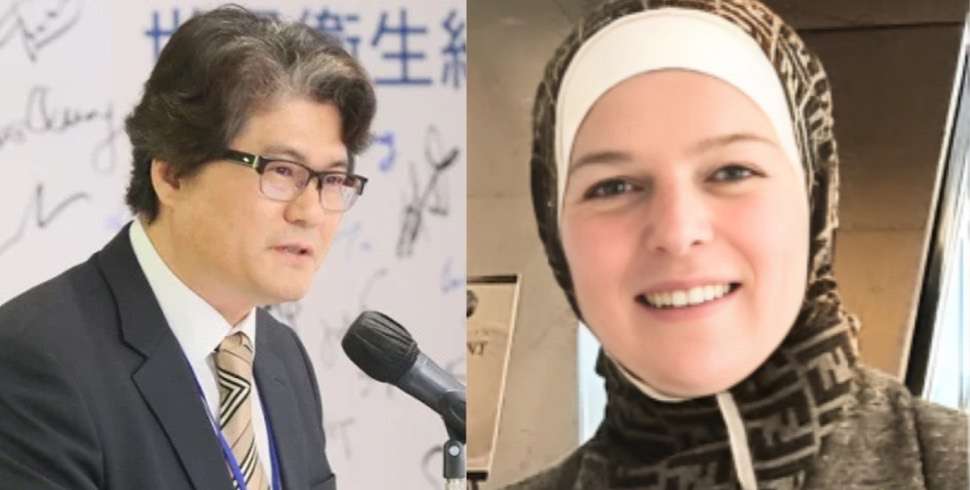
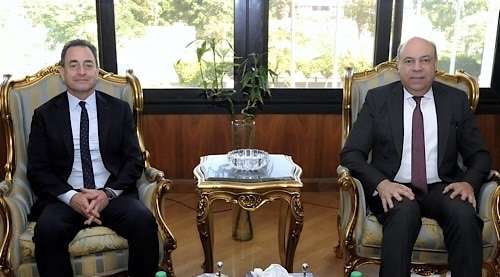
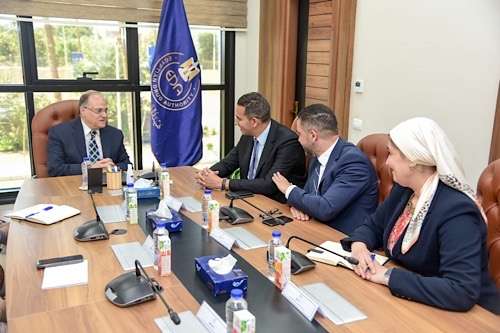
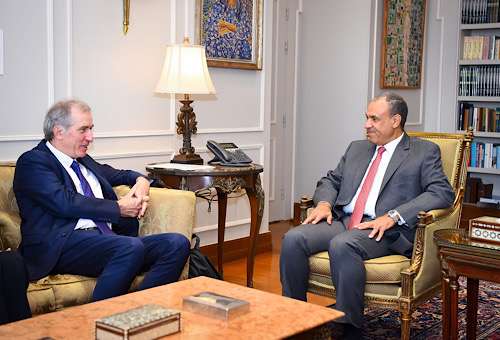
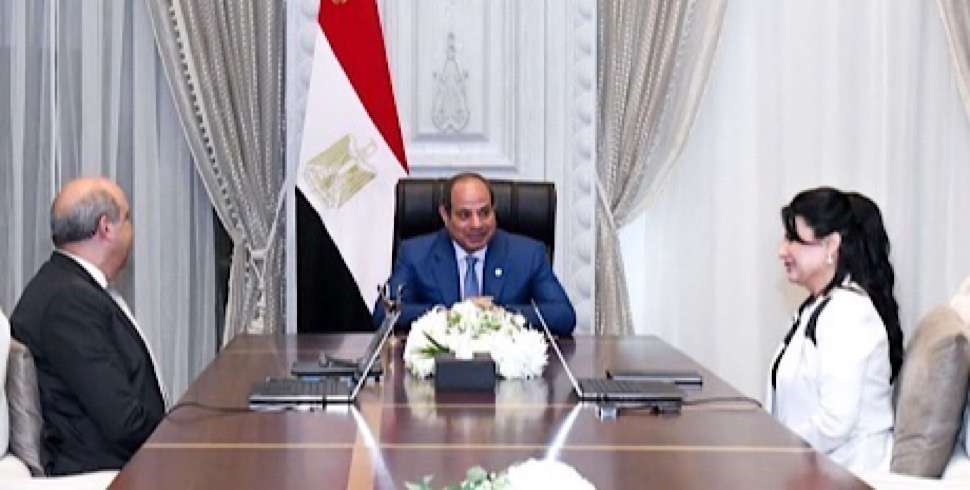
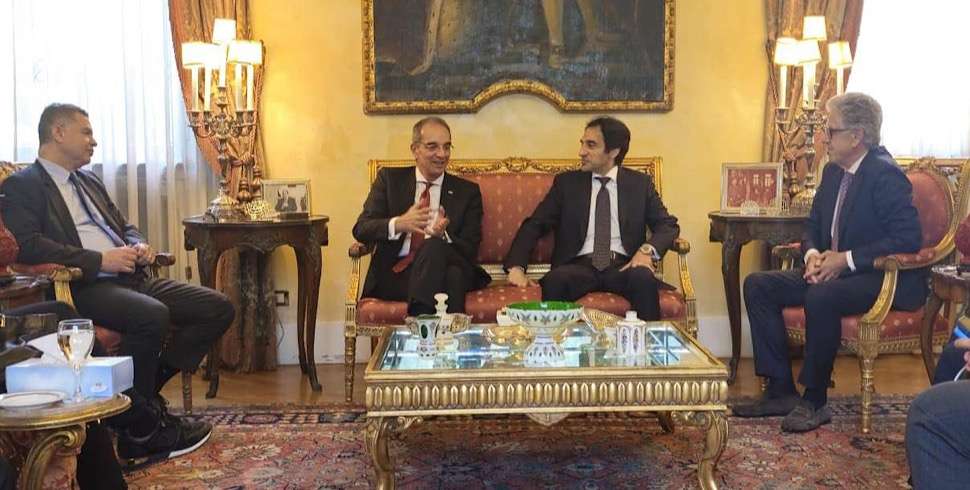
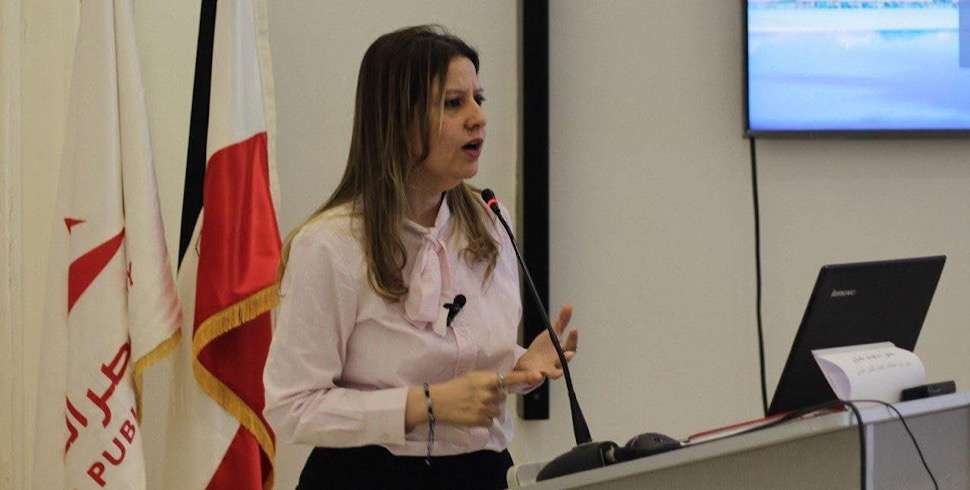
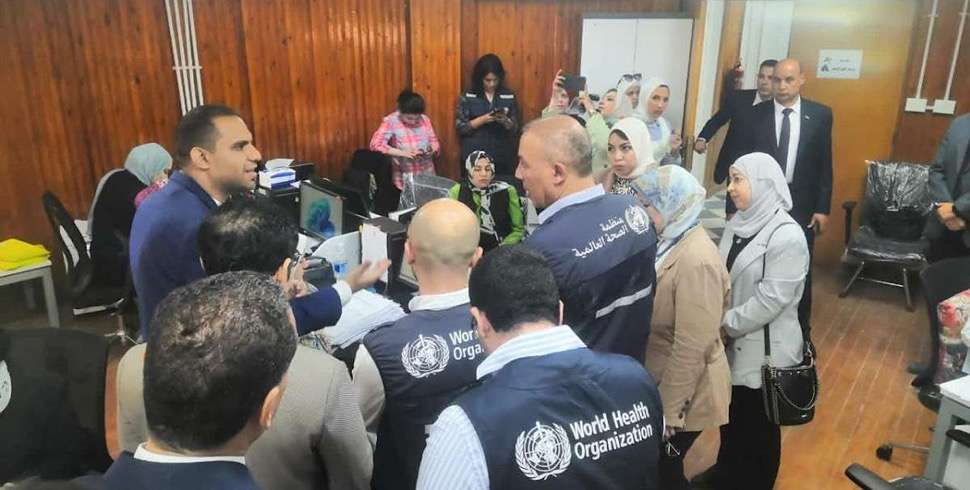
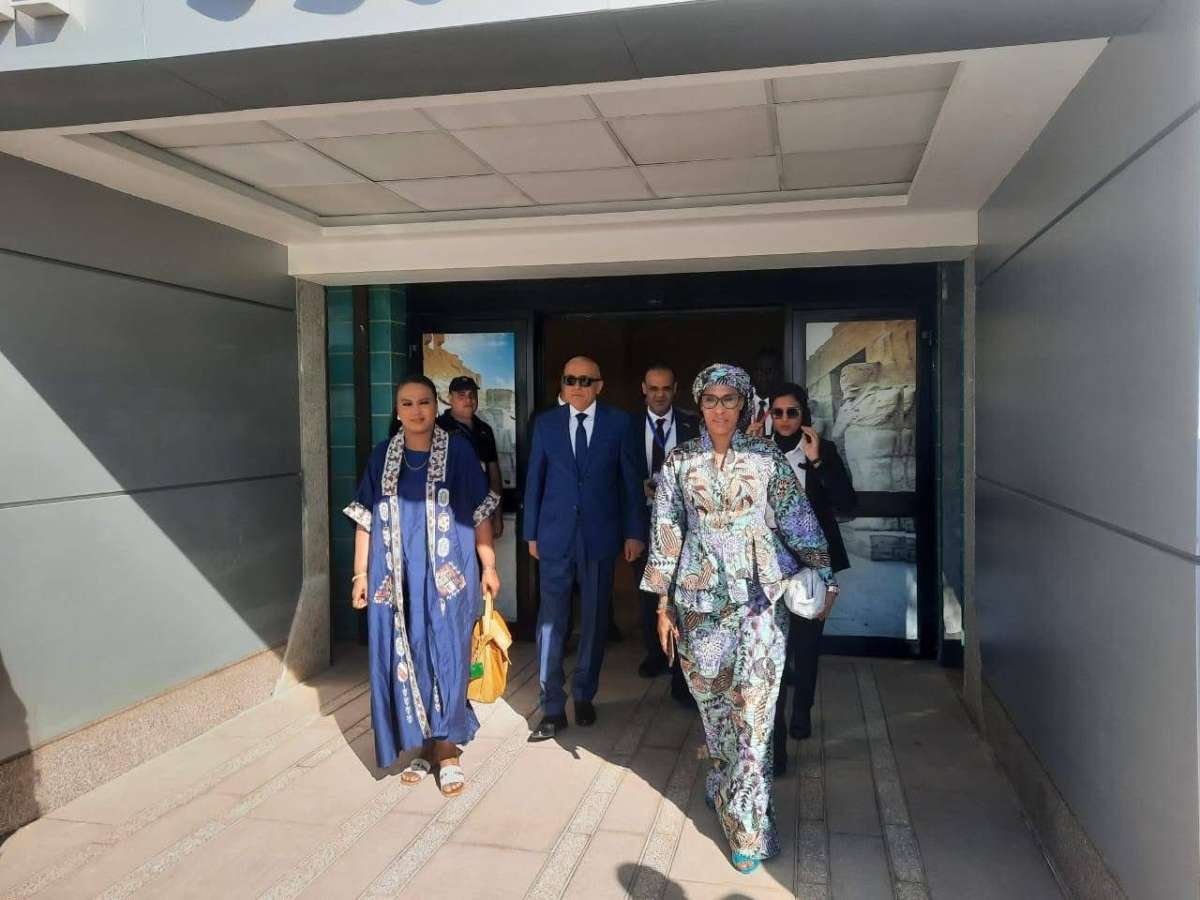
During a recent visit to the Imbaba Addiction Treatment Center in Cairo, Dr. Hanan Balkhy, WHO Regional Director for the Eastern Mediterranean, lauded Egypt’s model as “region-leading” and firmly aligned with international standards.
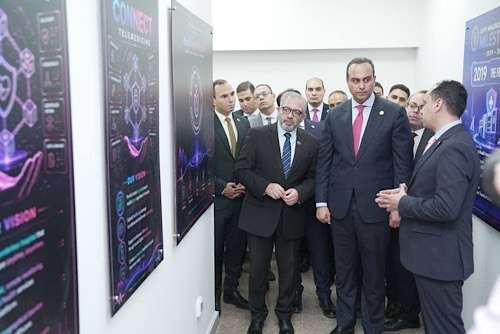
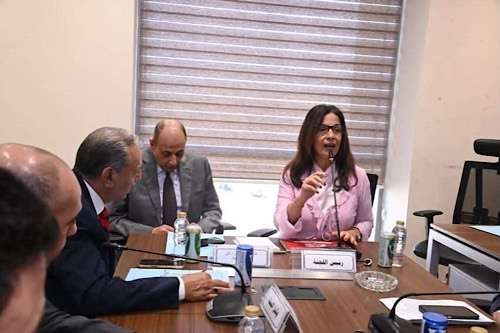
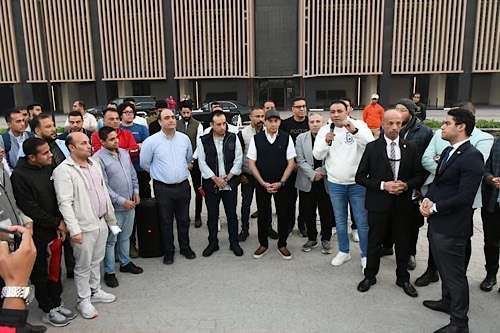
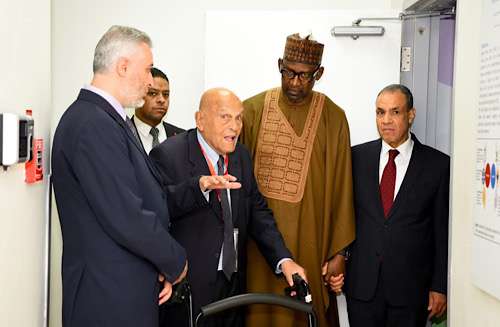
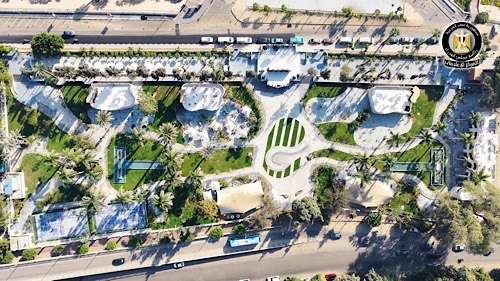
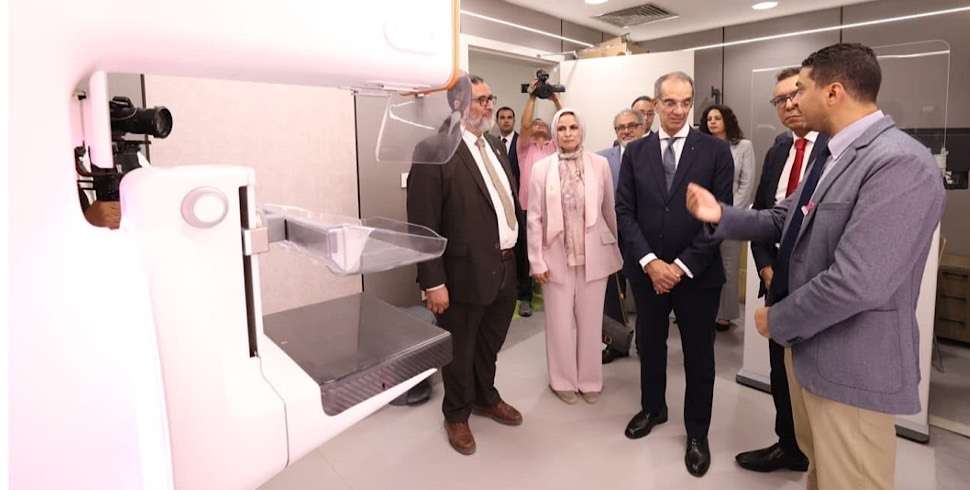
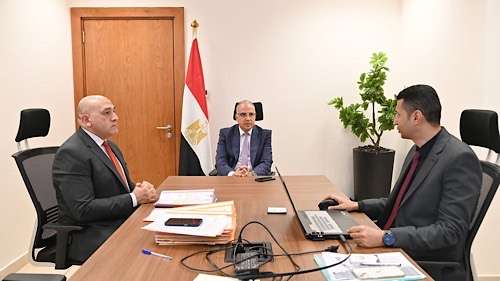
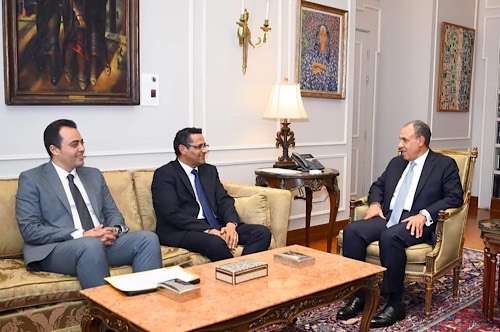
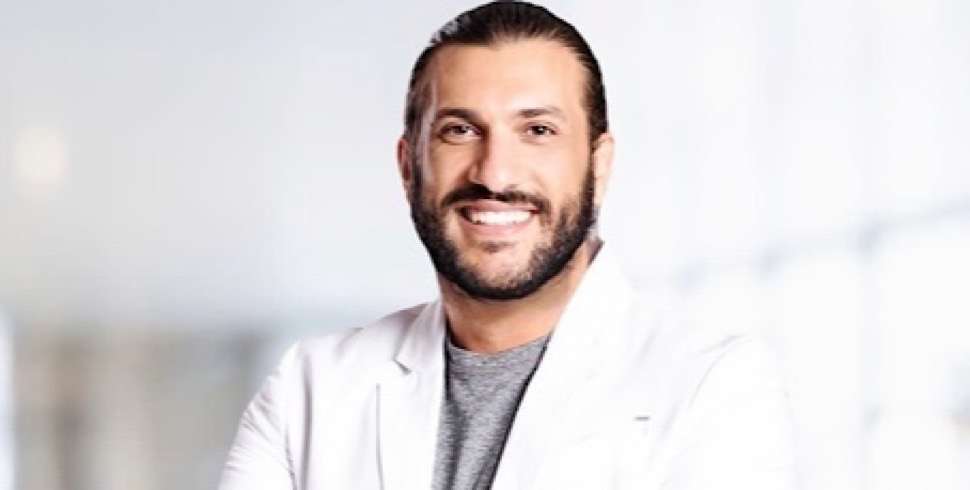
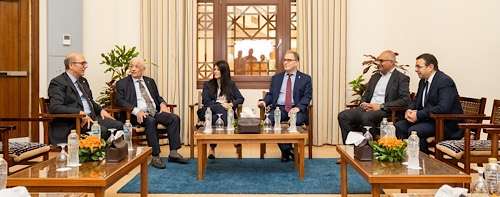
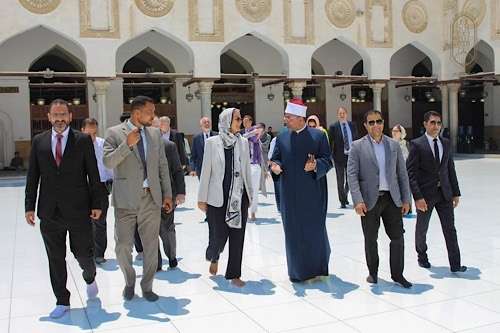
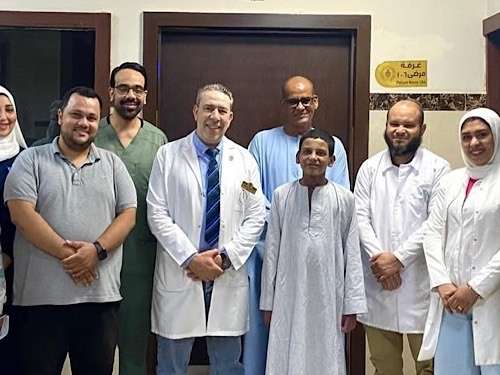
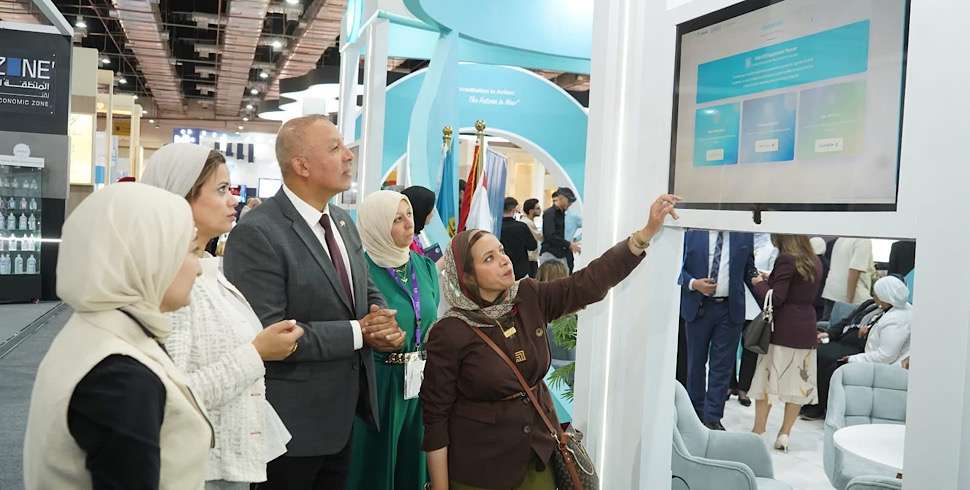
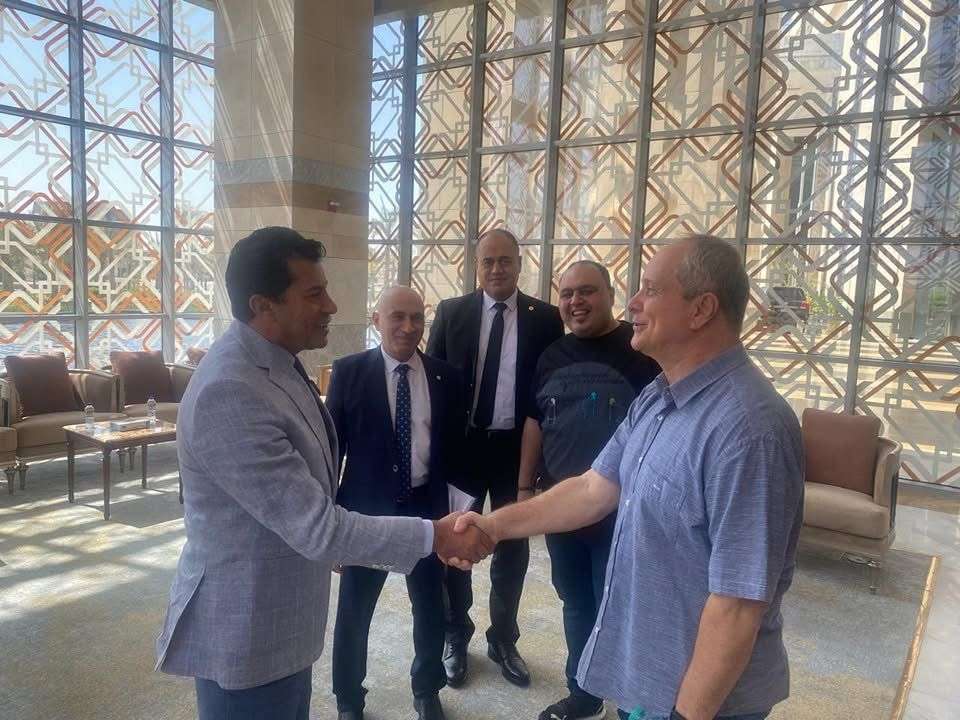
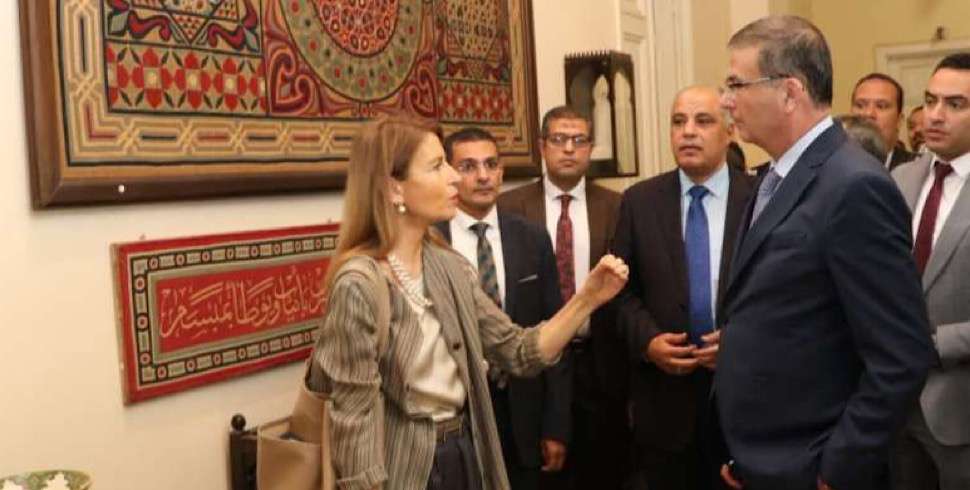
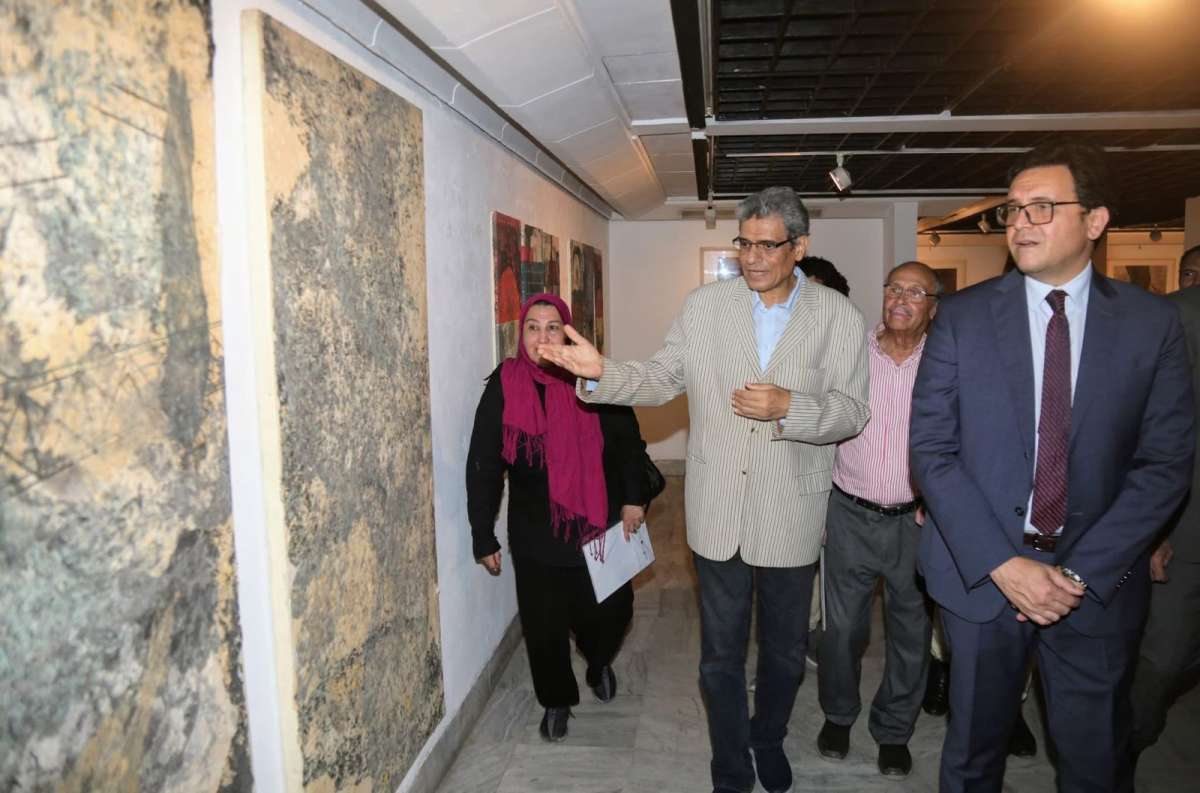
The Imbaba Center—one of over thirty specialized facilities created under Egypt’s National Fund for Drug Control and Treatment of Addiction—welcomed Dr. Balkhy and her delegation with an in-depth tour led by Dr. Amr Osman, Fund Director.
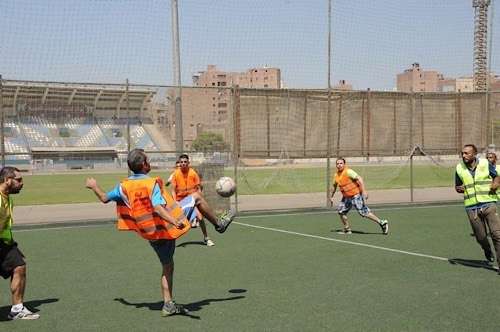
The center stands as a vibrant testament to Egypt's holistic philosophy, offering far more than standard medical care. In addition to clinical treatment, the facility provides diverse rehabilitation services: separate wards for men, women, and adolescents; dual-diagnosis support (mental health and addiction); sports and recreation areas; music and computer rooms; professional training workshops; and tranquil green spaces.
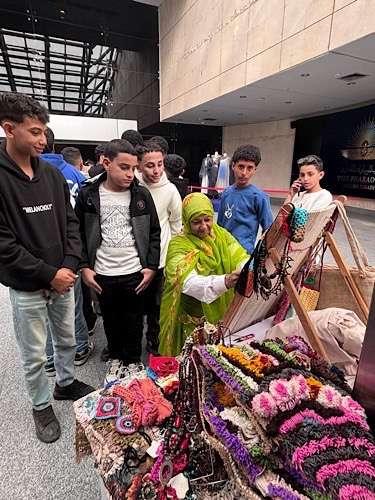
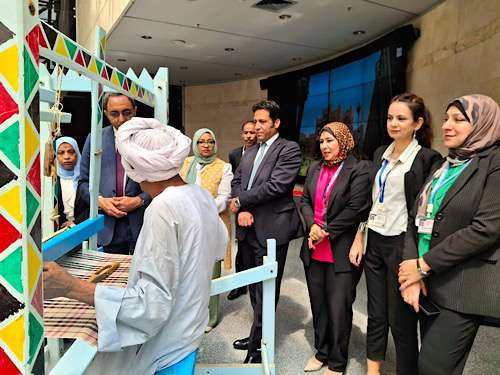
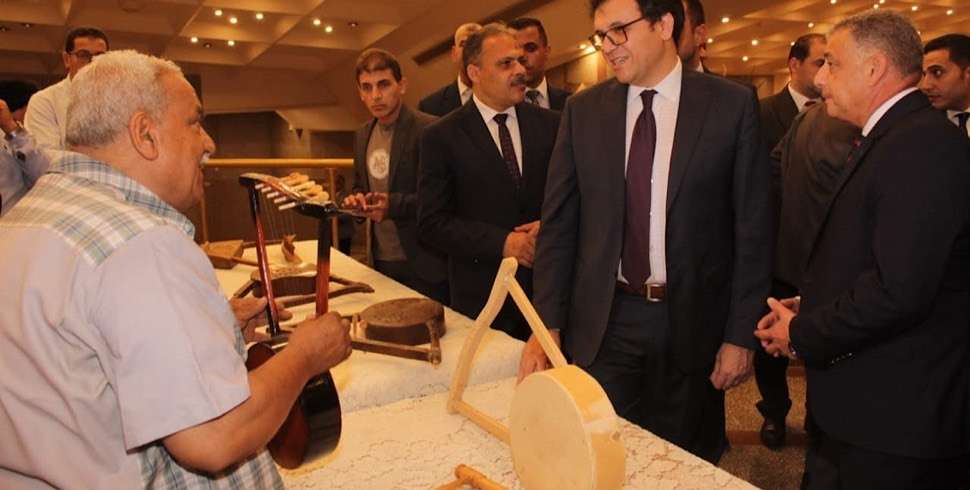
Crucially, these centers offer confidential, free-of-charge treatments—a crucial element for accessibility and dignity. Many of the center’s furnishings were crafted by individuals who are themselves in recovery, showcasing the transformative power of Egypt’s "treatment through work" program.
In a moment both symbolic and uplifting, Dr. Balkhy joined recovering patients in a friendly game of table tennis, underlining the importance of social reintegration. Patients expressed gratitude for the comprehensive care, from advanced medical treatment to psychological and social rehabilitation, provided without cost.
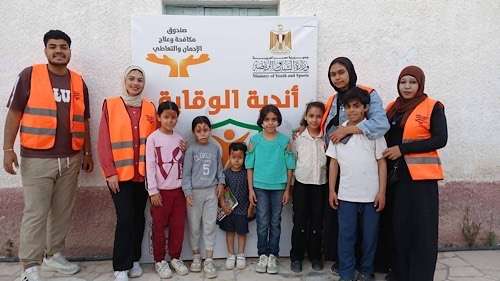
Dr. Osman outlined Egypt’s ambitious, multi-pronged approach to addiction: wide-reaching prevention and awareness campaigns, early detection efforts, and a focus on at-risk communities. A highlight is the "You Are Stronger Than Drugs" media campaign, fronted by global football star Mohamed Salah. This initiative saw a reported 500% increase in calls to Egypt’s national addiction helpline and was recognized by the United Nations and at the Dubai Lynx International Festival of Creativity.
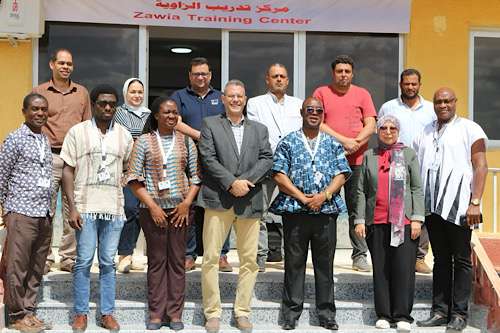
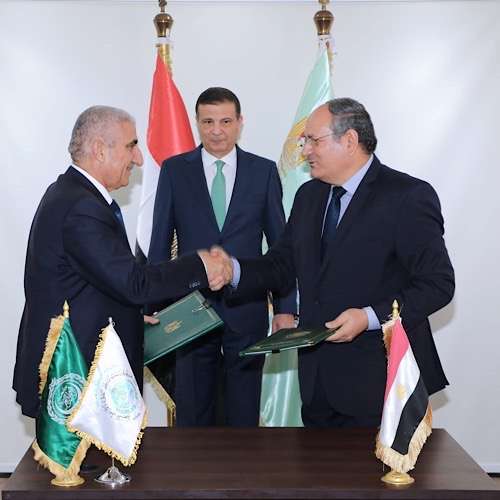
Dr. Balkhy praised Egypt’s integrated, evidence-based programs as a model for the region—spanning prevention, comprehensive free treatment, psychological support, and reintegration of recovered individuals. She called on the Fund to share its expertise and help train addiction professionals from across the Arab world.
Egypt’s success story is a powerful reminder that evidence-based, compassionate care can revive hope, inspire personal resilience, and reduce the stigma surrounding addiction—not just domestically, but across broader regions facing similar challenges.
As Egypt continues to expand its outreach and partnerships, its model offers a blueprint for neighbouring countries eager to improve outcomes for those struggling with addiction—reminding us, in the warmest sense, that recovery and dignity go hand in hand.