




















































































































































































































































































































































































































































































































































































































































































































































































































































































































































































































































































































































































































































































Friday, 09 October 2026
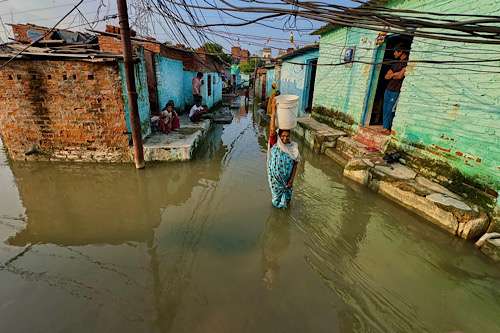
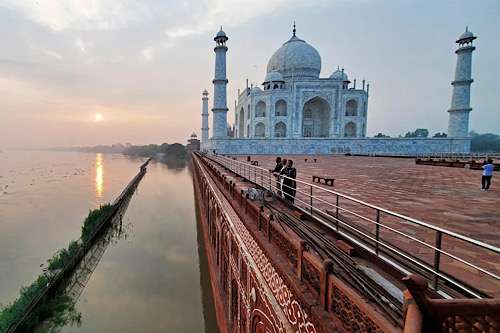 This photograph taken on July 18, 2023 shows flooded banks of river Yamuna along the Taj Mahal in Agra. / Credit: PAWAN SHARMA/AFP/Getty
PARIS - Nearly three-quarters of the world’s cultural and natural heritage sites face severe threats from water-related dangers, according to the UN’s cultural agency.
Driven by rising global temperatures, scientists caution that extreme weather events—such as hurricanes, droughts, floods, and heatwaves—are becoming more frequent and severe, AFP reported.
UNESCO reports that 73 per cent of its 1,172 designated non-marine World Heritage sites are vulnerable to at least one major water risk, such as drought, water stress, river flooding, or coastal flooding.
“Water stress is projected to worsen, particularly in regions like the Middle East and North Africa, parts of South Asia, and northern China,” the agency noted, warning of serious, long-term consequences for local ecosystems, heritage sites, and the communities and tourism economies that depend on them.
According to the UNESCO study, cultural sites are primarily threatened by water scarcity, while more than half of natural heritage areas are at risk from river flooding.
In India, the iconic Taj Mahal in Agra is grappling with growing water shortages that are increasing pollution and depleting groundwater, both of which are harming the historic mausoleum, the report found.
In the United States, widespread flooding in 2022 forced the closure of Yellowstone National Park, requiring over $20 million in repairs to restore access.
The report highlighted several other vulnerable sites:
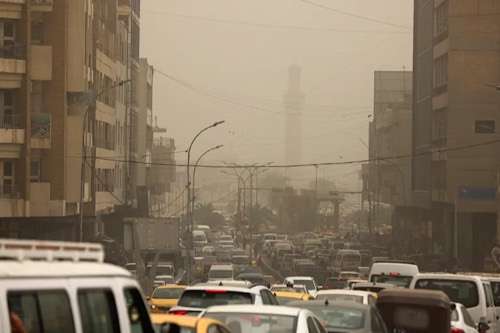
Iraq’s southern marshes—often linked to the biblical Garden of Eden—suffer from extremely high water stress, with more than 80 percent of their renewable water supply consumed to meet human demand. The competition for water here, vital for both migratory birds and the local buffalo-raising communities, is expected to intensify as temperatures rise.
At the border of Zambia and Zimbabwe, Victoria Falls—originally called Mosi-oa-Tunya, or “the smoke that thunders”—has experienced repeated droughts, at times leaving the famed waterfall reduced to a mere trickle.
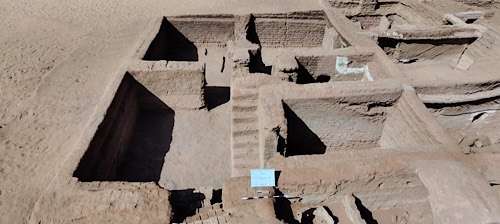
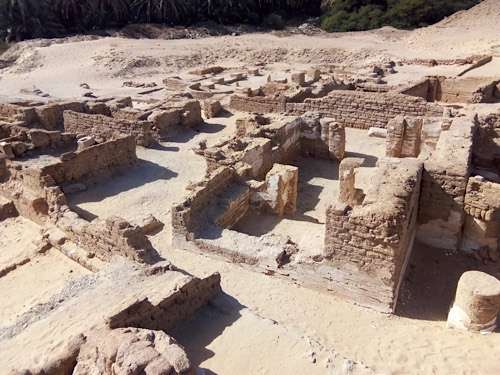
In Peru, UNESCO warns that the pre-Columbian city of Chan Chan, with its fragile thousand-year-old adobe walls, faces an acute threat of river flooding.
China, meanwhile, faces coastal flooding driven largely by climate change and rising sea levels—endangering the mudflats that provide crucial feeding grounds for migratory waterbirds.