


































































































































































































































































































































































































































































































































Friday, 09 October 2026
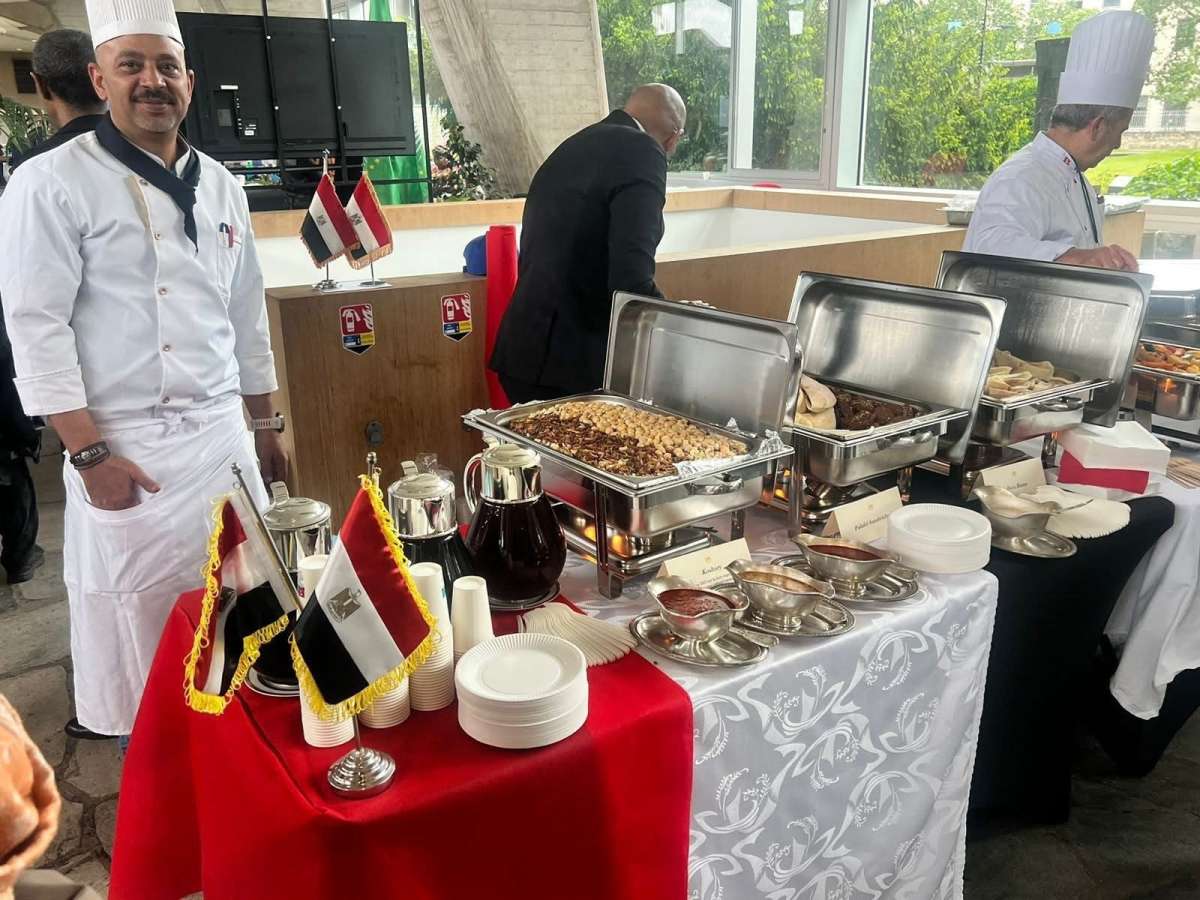
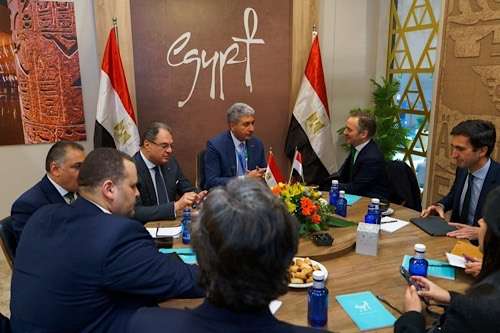
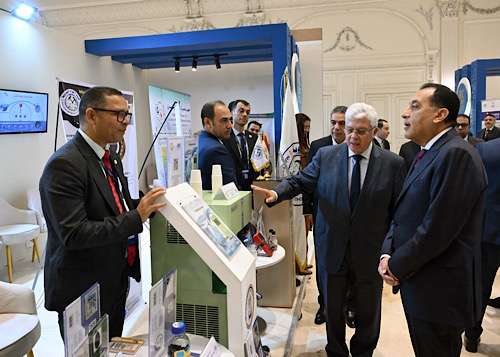
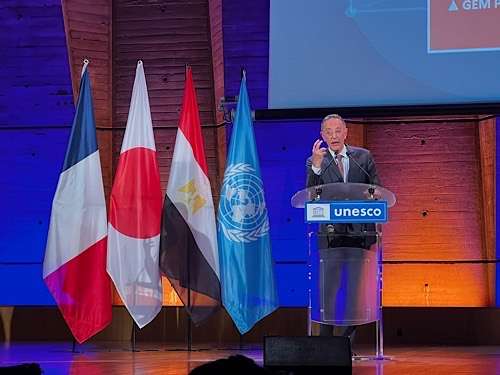
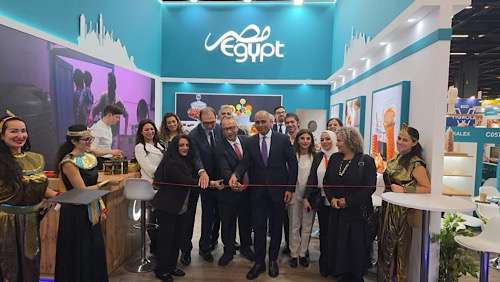
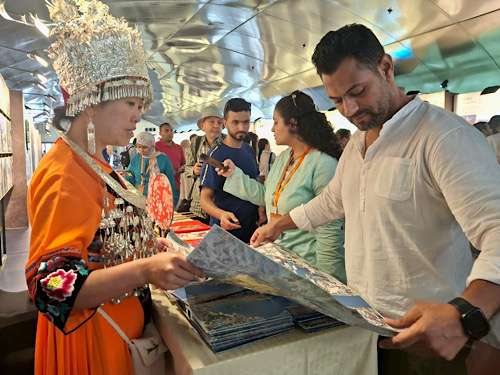
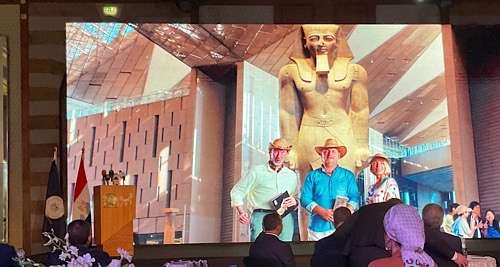
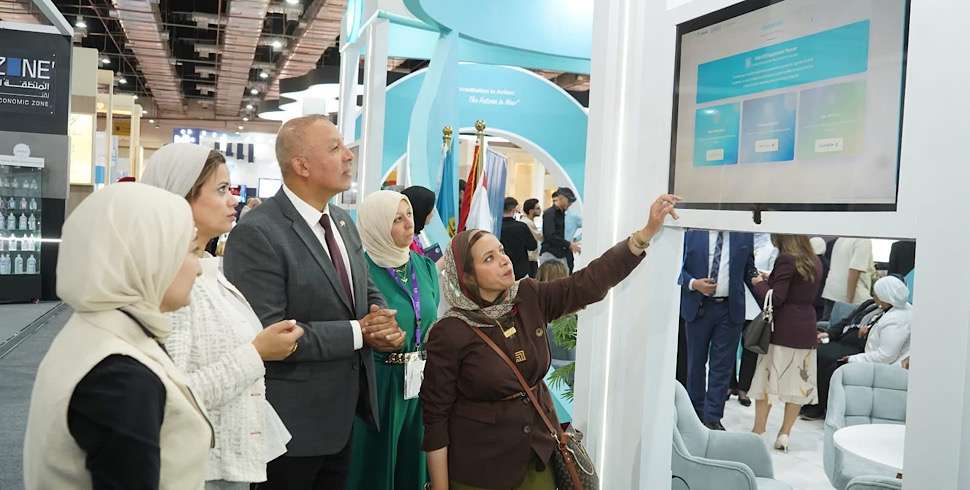
Egypt’s pavilion drew crowds at UNESCO’s Africa Week in Paris from May 19 to 21, blending Pharaonic icons with street food in a showcase of cultural “soft power” staged as the agency spotlighted water and sanitation.
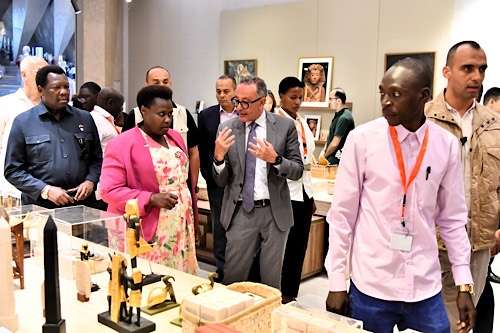
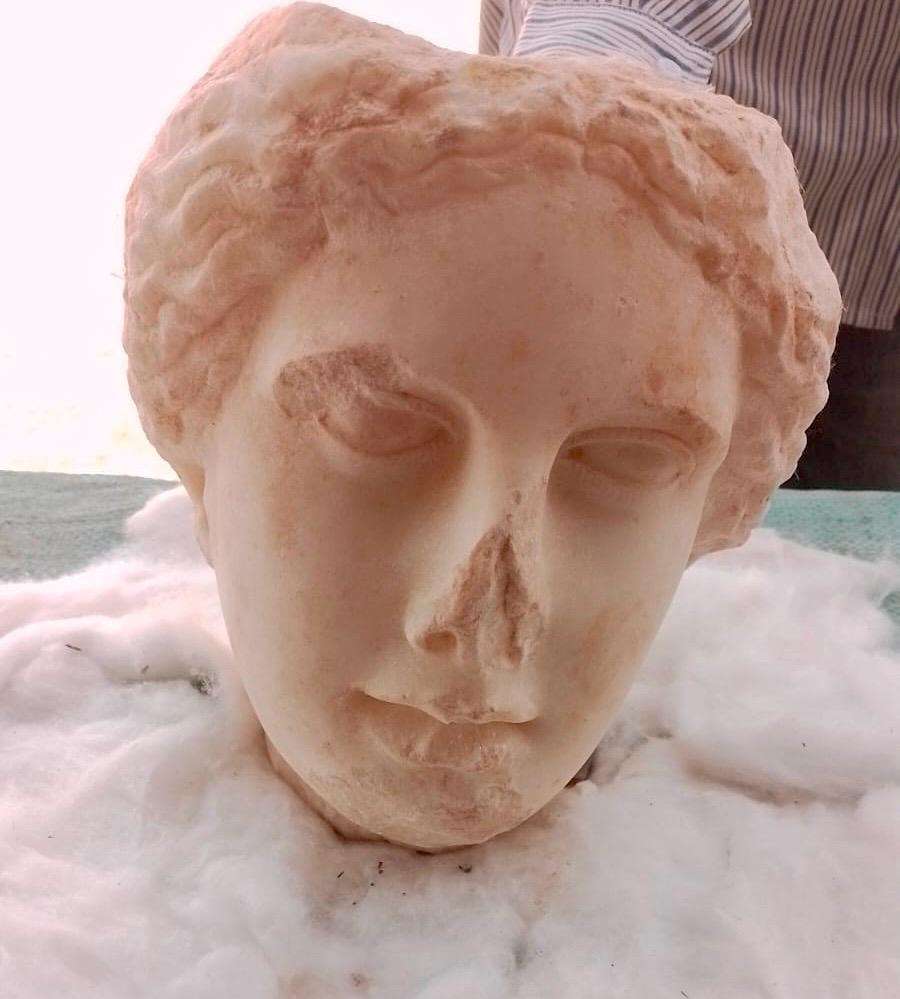
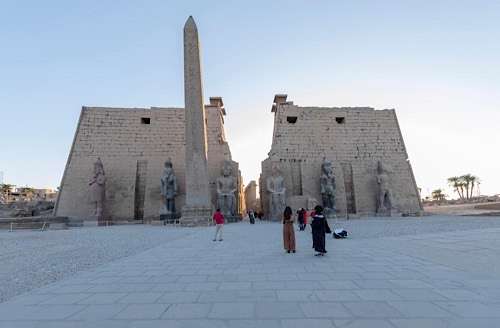
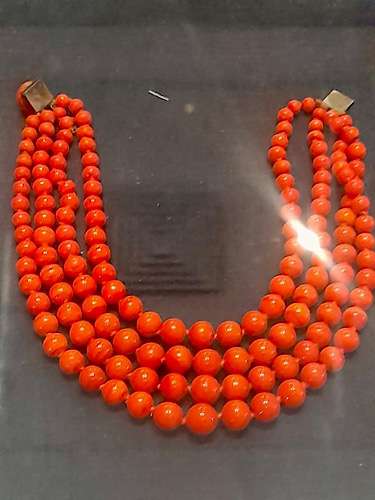
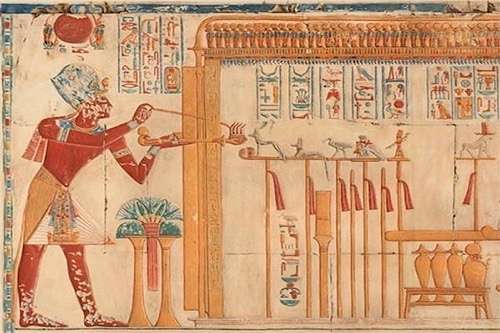
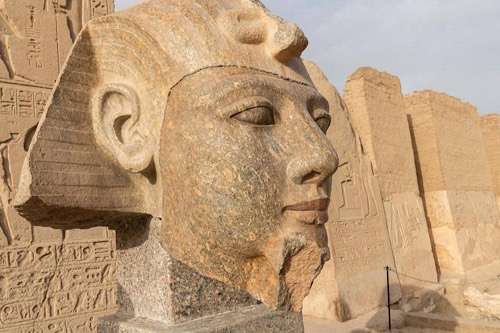
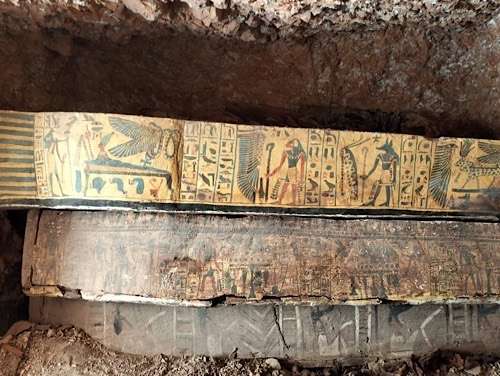
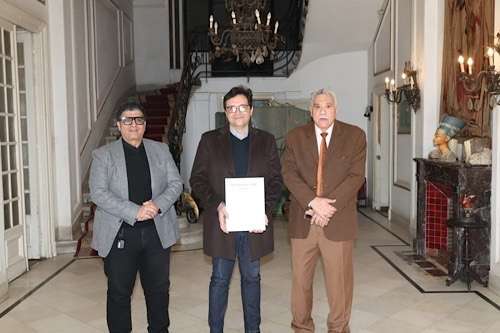
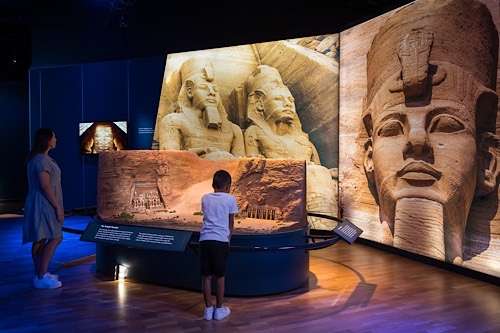
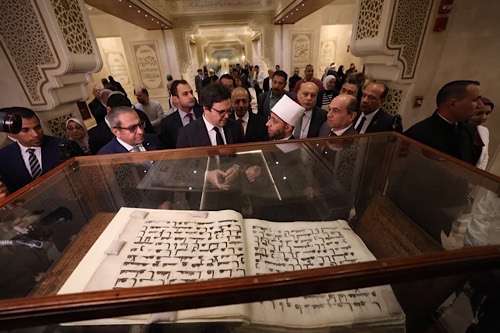
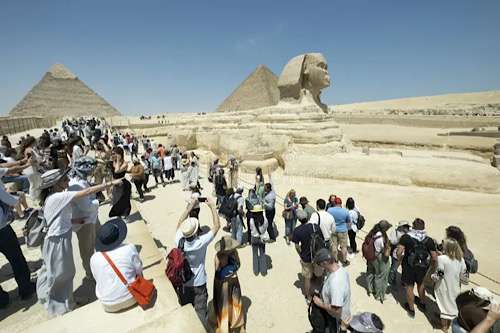
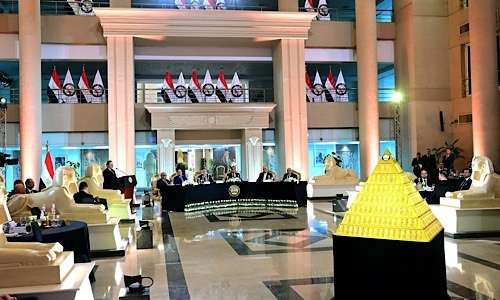
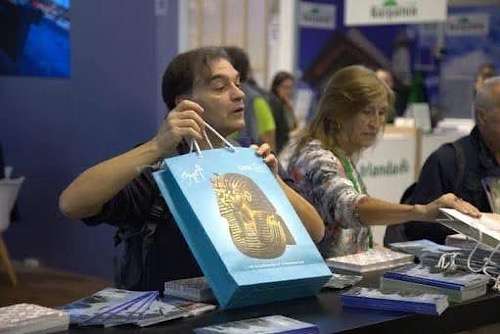
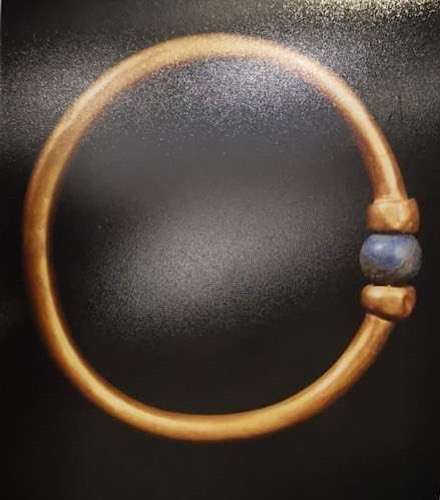
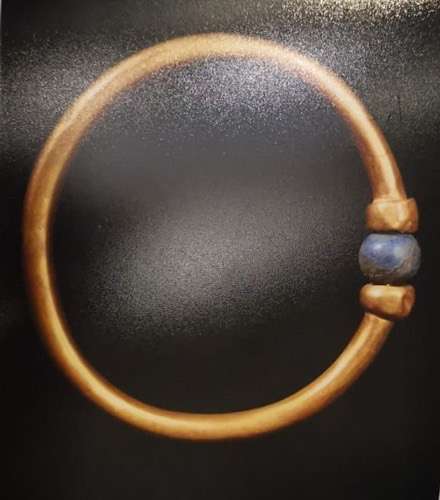
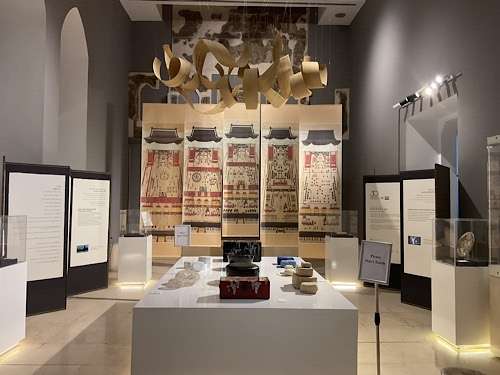
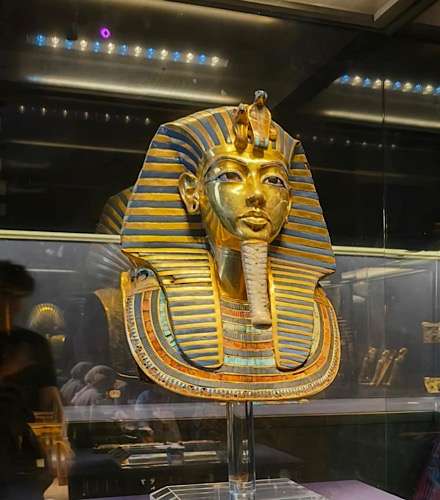
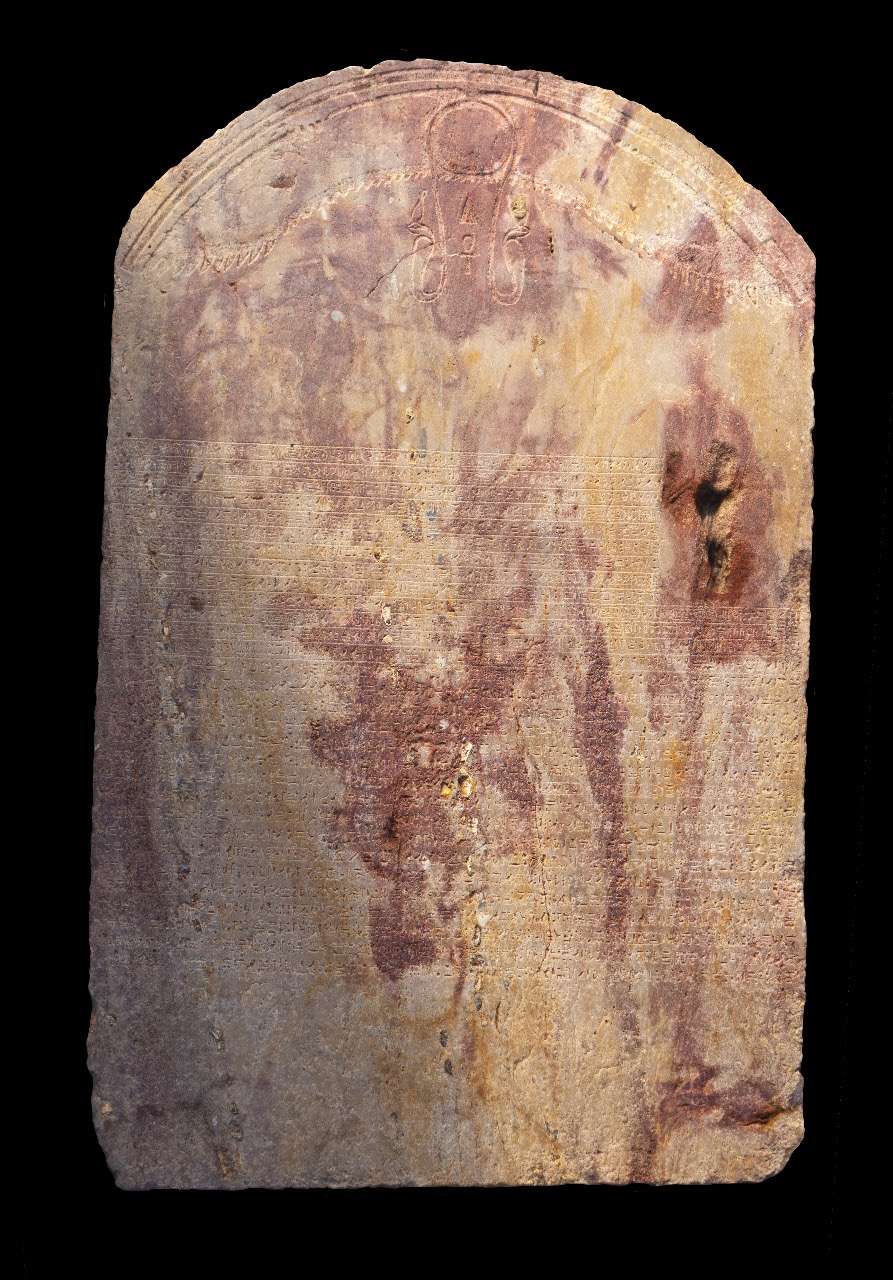
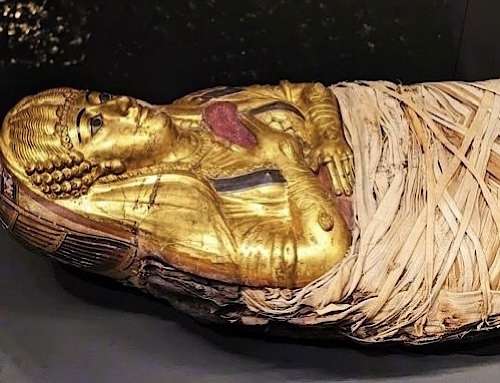
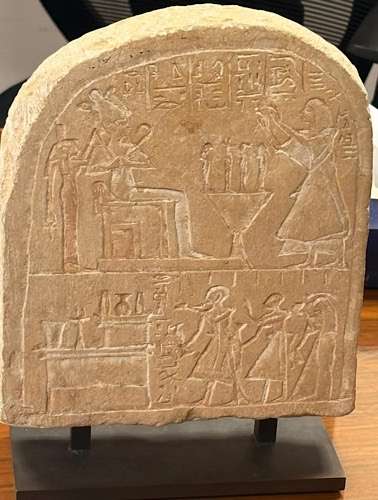
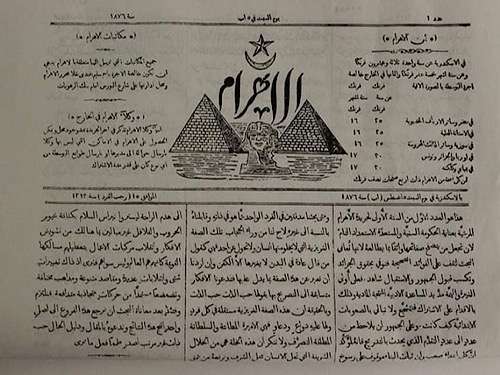
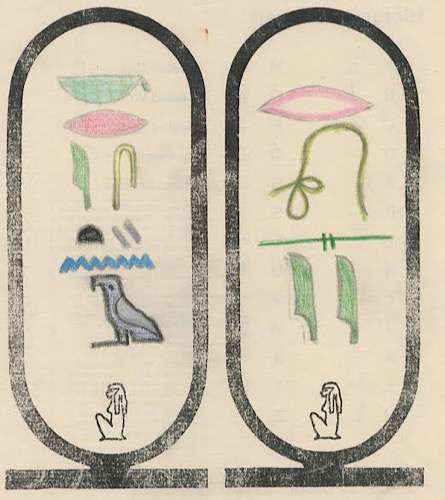
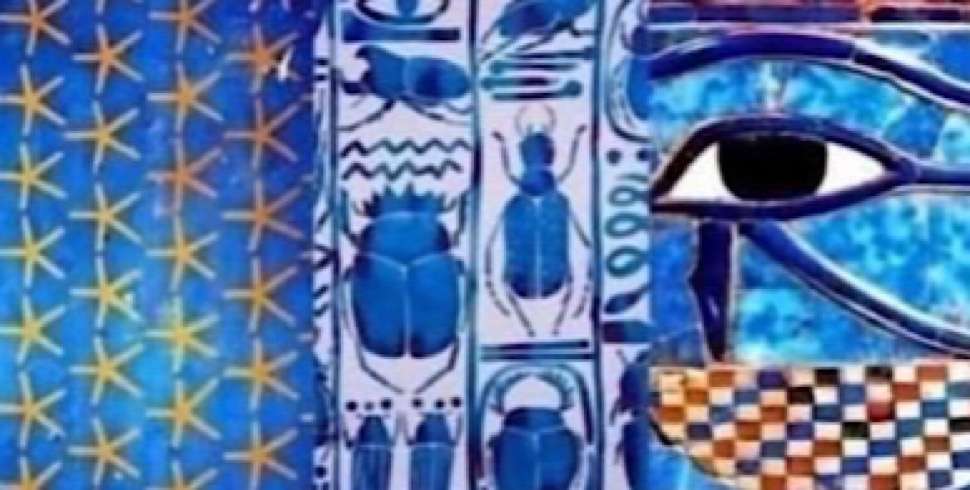
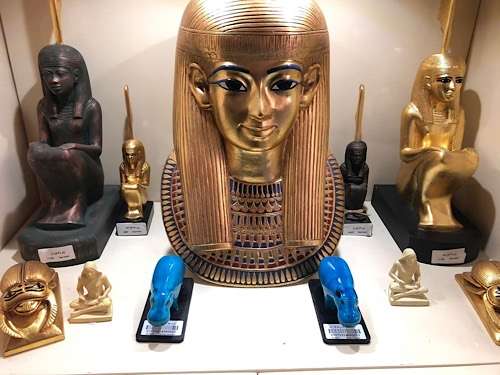
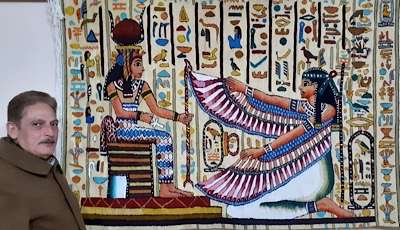
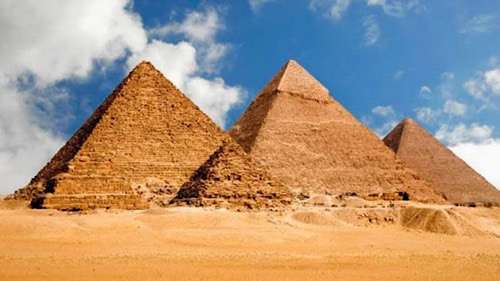
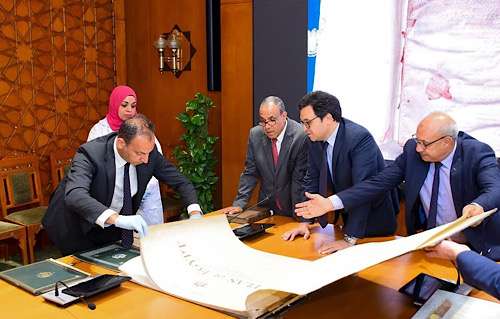
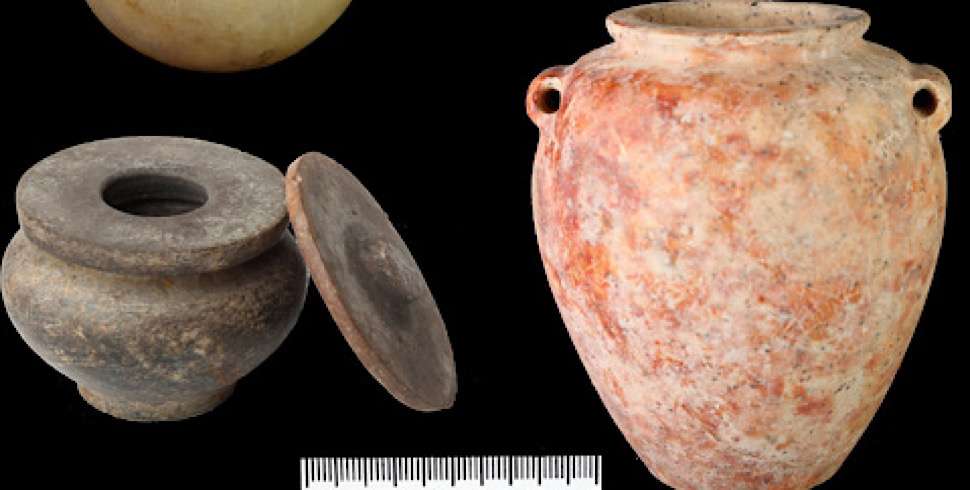
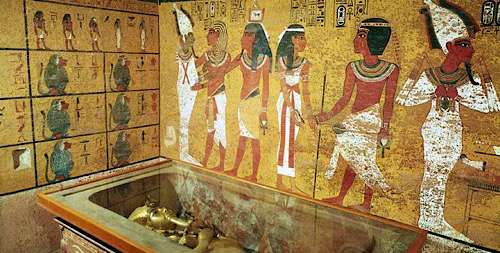
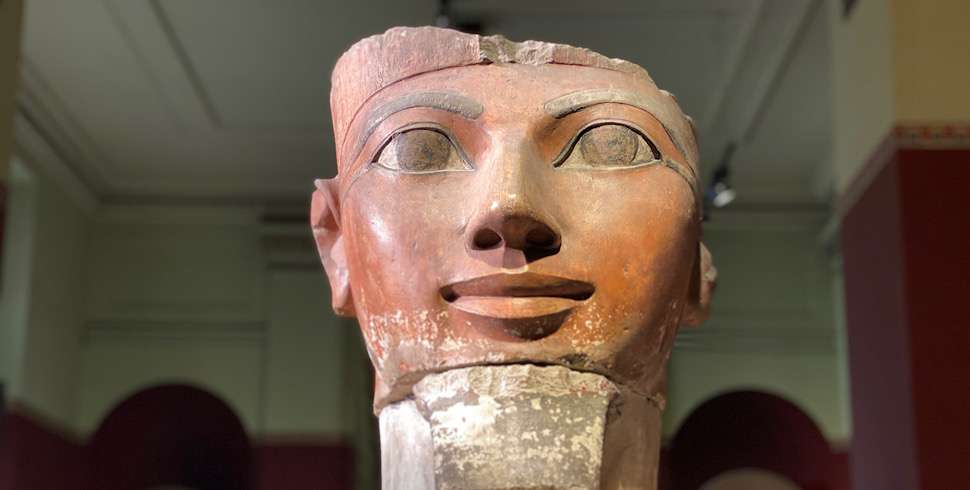
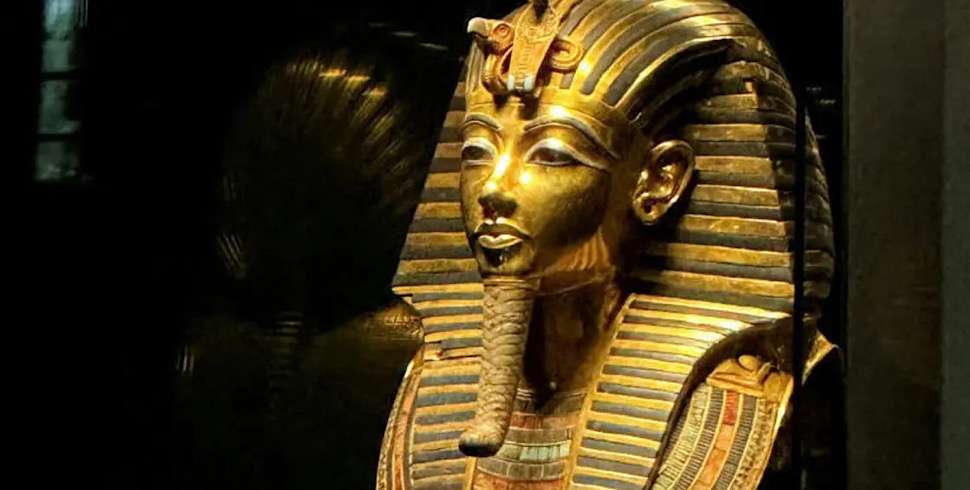
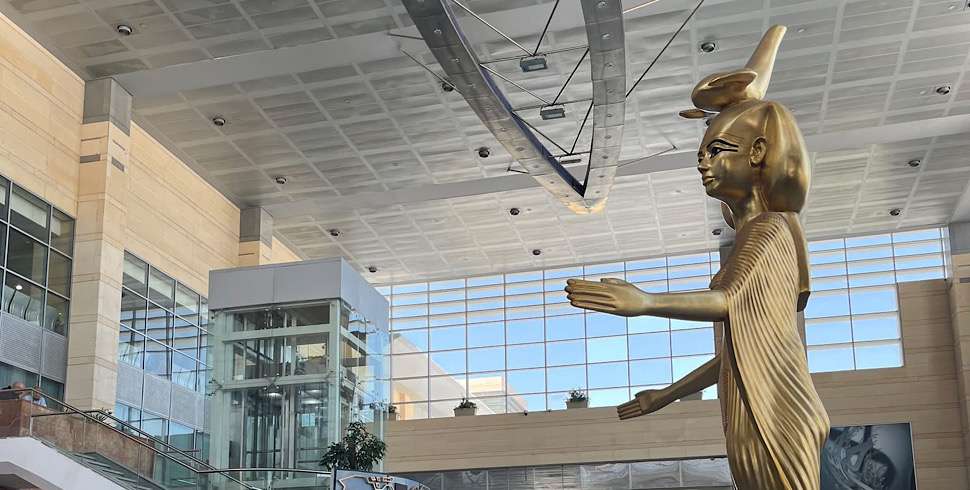
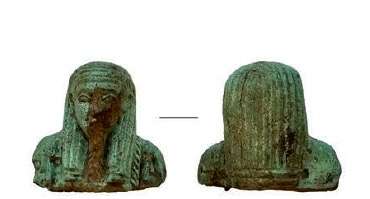
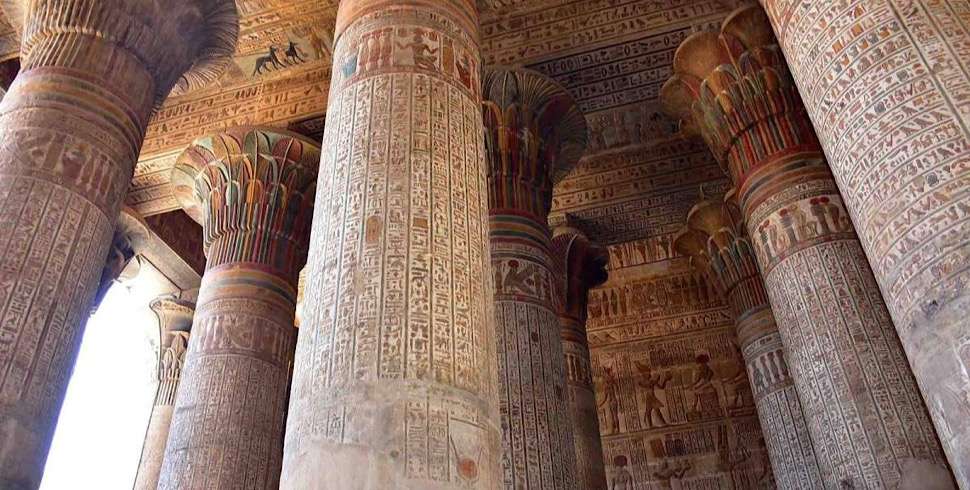
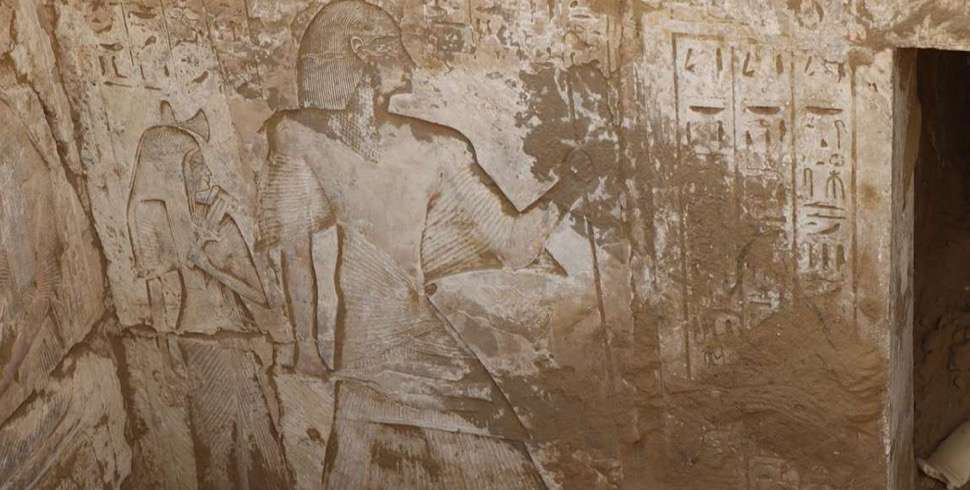
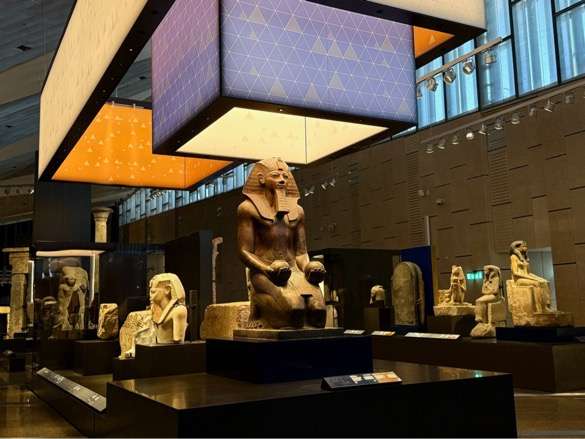
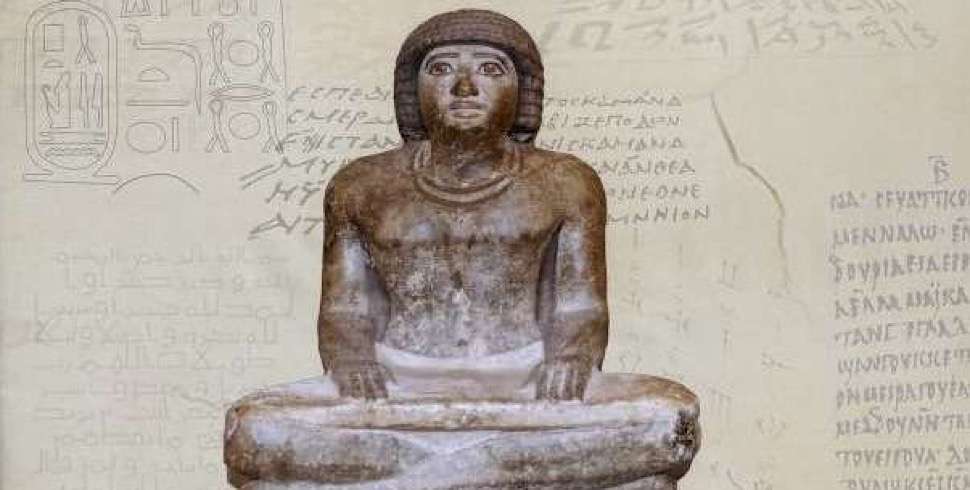
Visitors entering the hall of national stands were greeted by a replica of Queen Nefertiti’s famed bust, flanked by copies of gilded artefacts, facsimiles of archaeological documents and large photographs tracing Egypt’s civilisation across millennia.
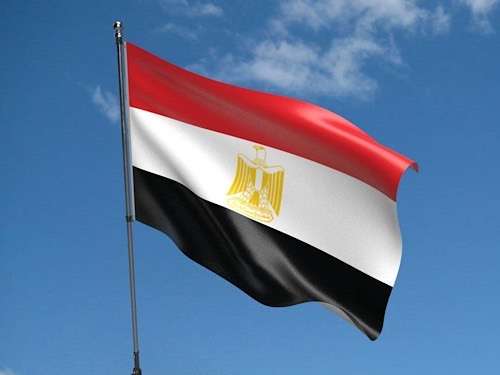
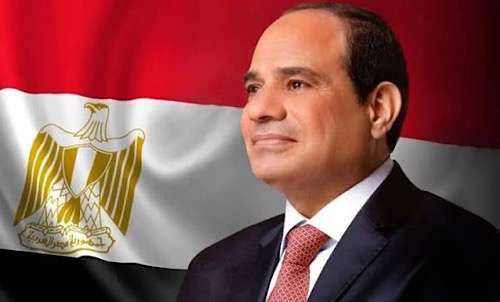
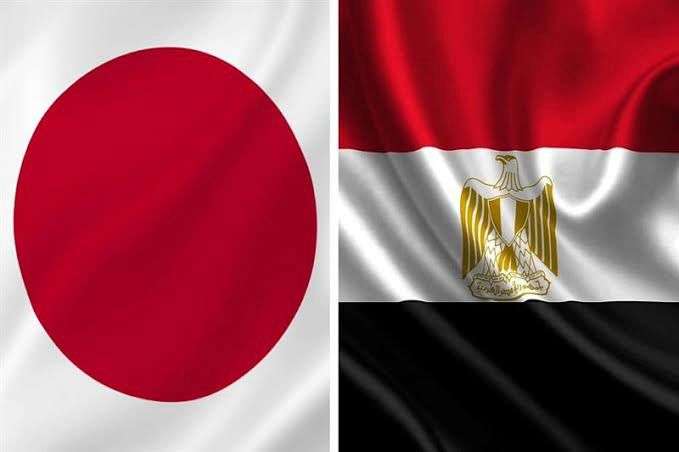
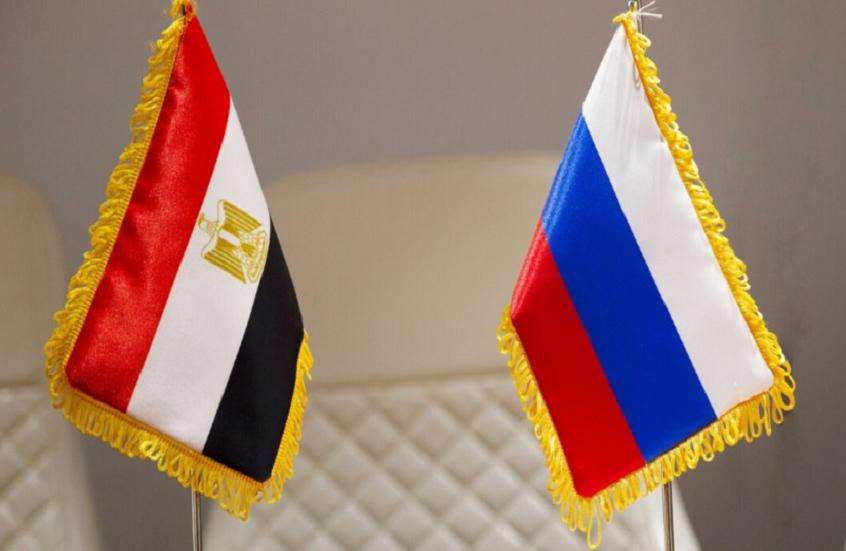
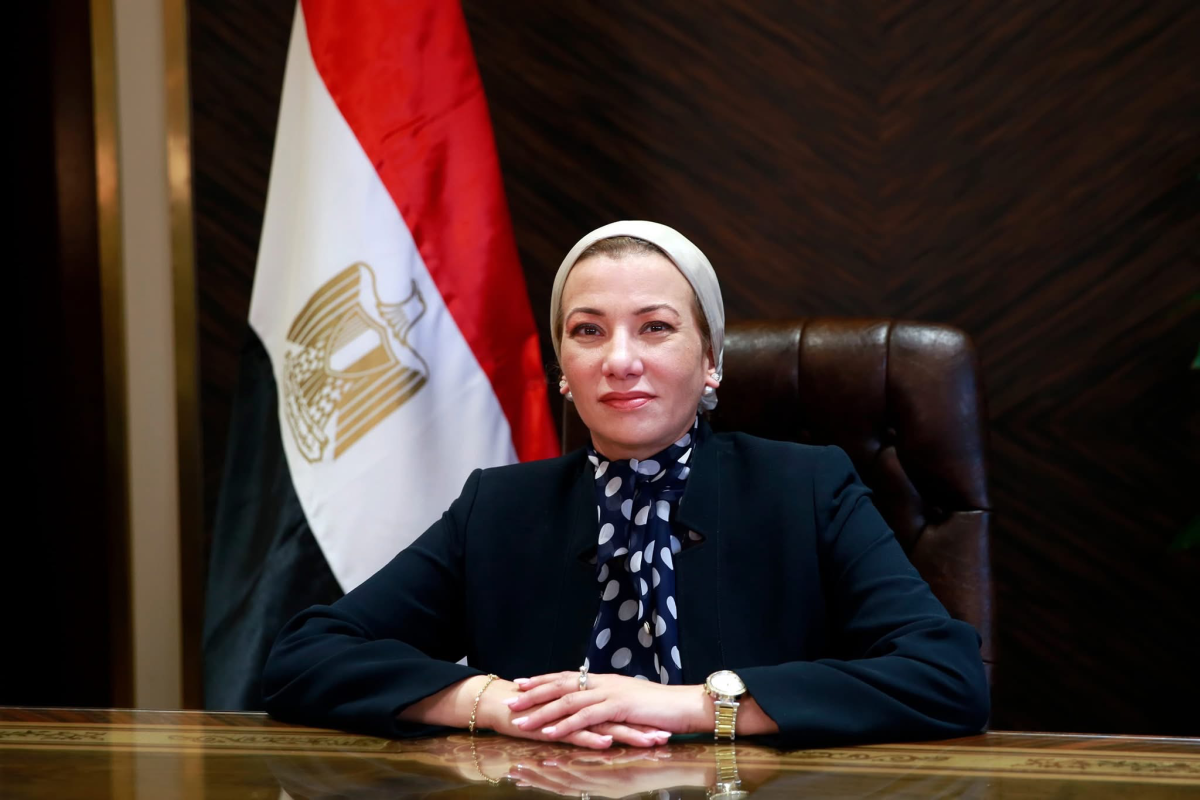
Behind the display, the red, white and black Egyptian flag, with its golden eagle, framed what organisers described as a narrative of a country built on history and struggle.
The pavilion was organised by Egypt’s permanent delegation to UNESCO, led by Ambassador Tarek Dahrug, for the 2026 edition of Africa Week, held under the theme: “ensuring sustainable water availability and safe sanitation systems to achieve Agenda 2063 goals”.
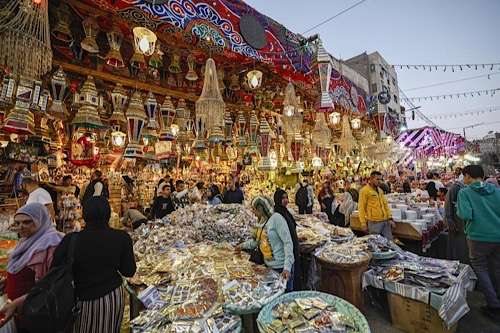
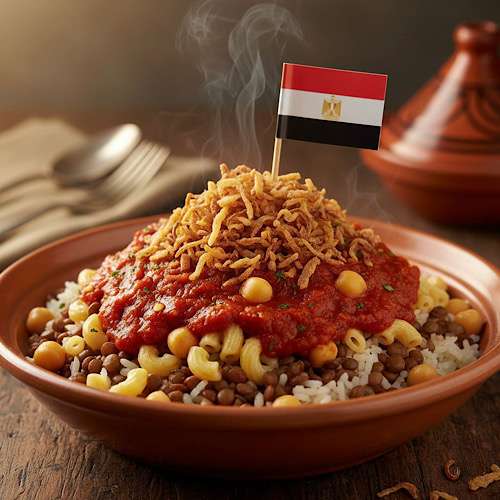
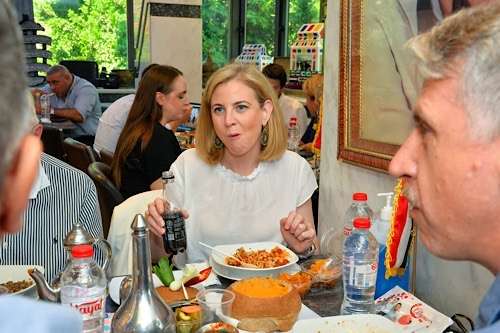
Alongside the ancient motifs, staff served koshari, a popular mix of rice, pasta, lentils and tomato sauce, as well as other staples such as ful medames and taameya, inviting visitors to taste contemporary Egyptian culture.
A small screen played a short film explaining the dish’s origins, while a card placed beside the flag in French said: “Koshari — inscribed in 2025 on the Representative List of the Intangible Cultural Heritage of Humanity.”
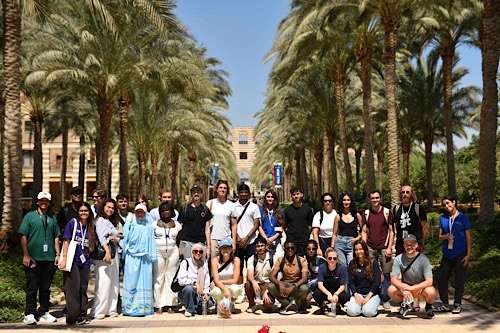
“It’s not just an exhibition; it’s a window onto who we are,” said one Egyptian student volunteering at the stand, part of a group of young Egyptians studying in French universities who welcomed guests in several languages.
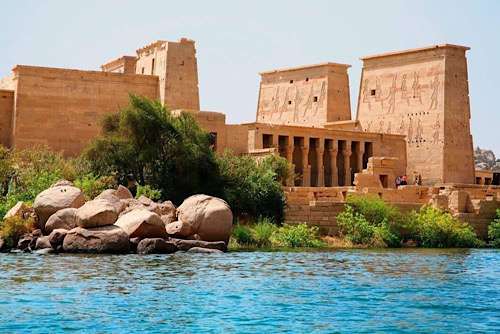
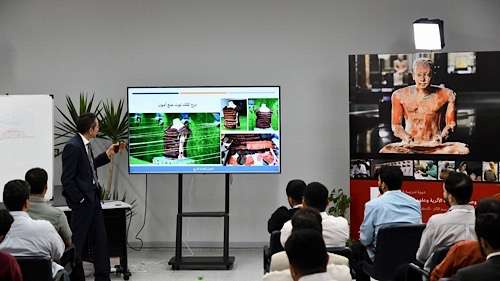
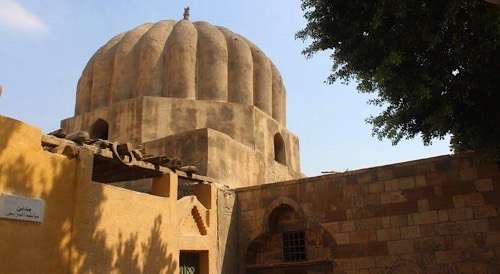
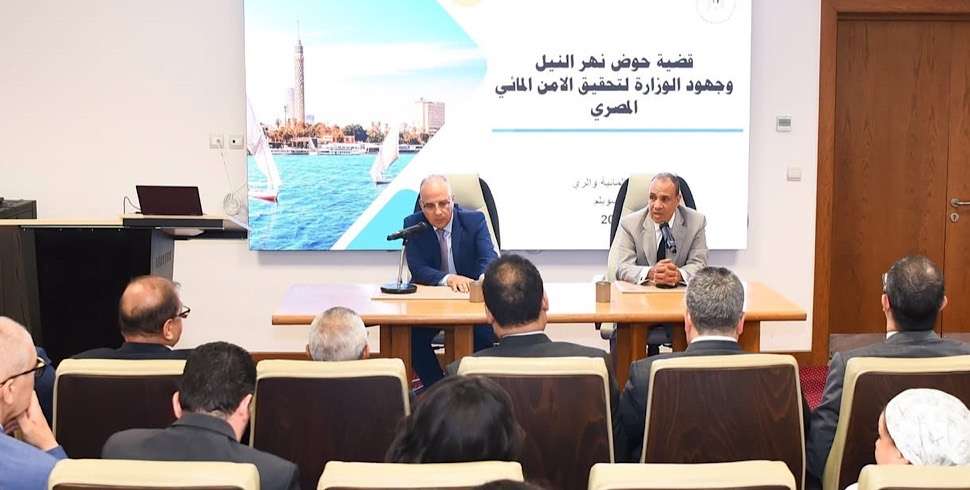
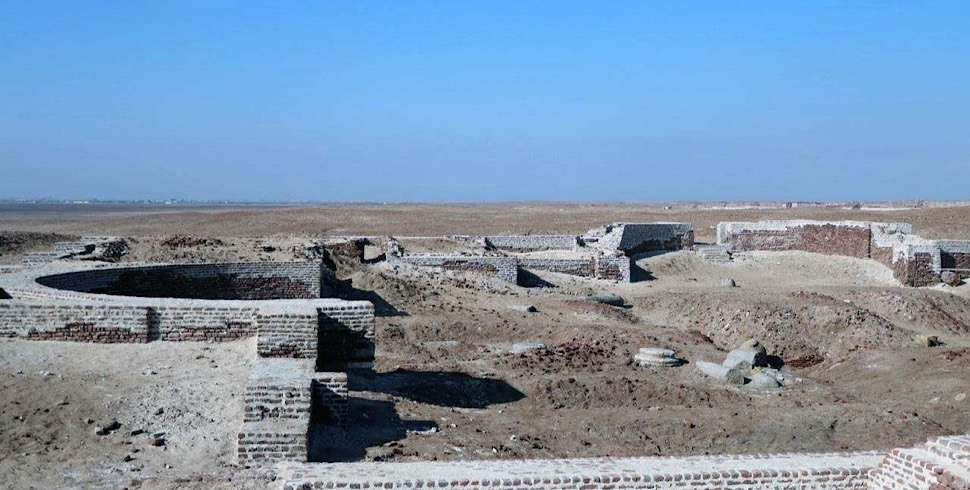
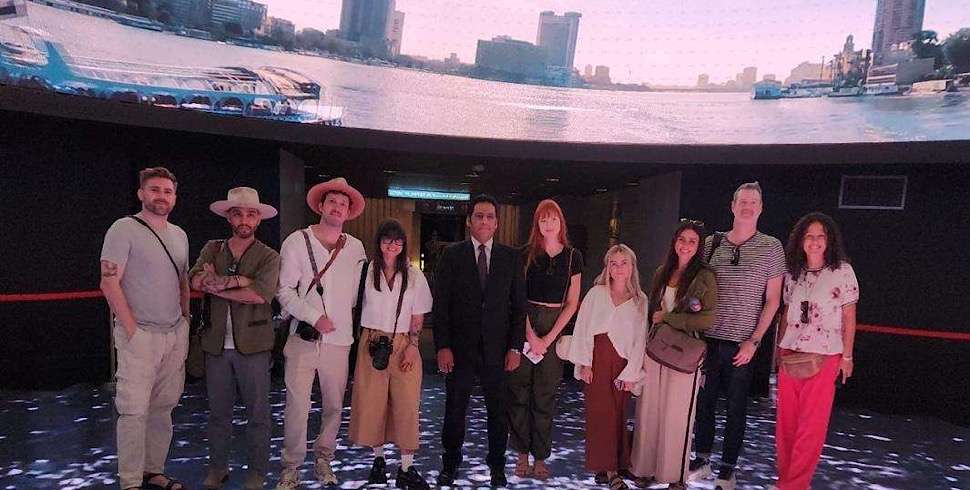
Reflecting the week’s focus on water, organisers also screened a documentary on the Nile, including the ancient Nilometer on Cairo’s Rhoda Island, and another film highlighting Nubia, its heritage and communities.
Organisers said the mix aimed to
link heritage, youth and sustainable development priorities.