






































































































































































































































































































































































































































































































































































































































































Friday, 09 October 2026
By Dr. Hussein Bassir
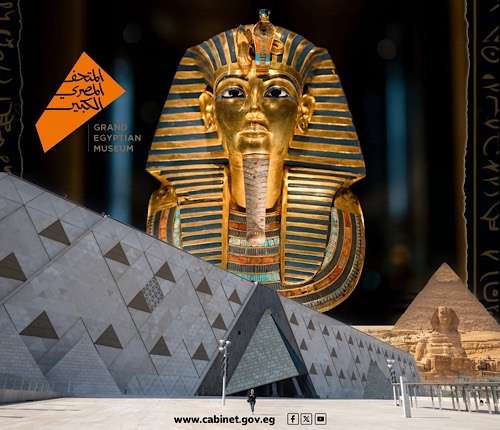
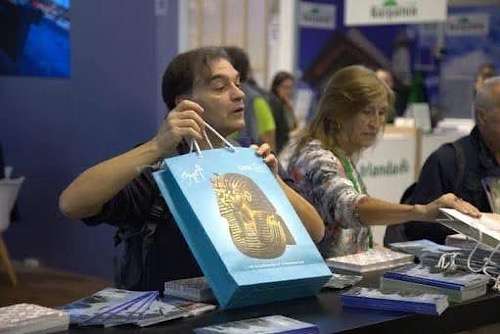
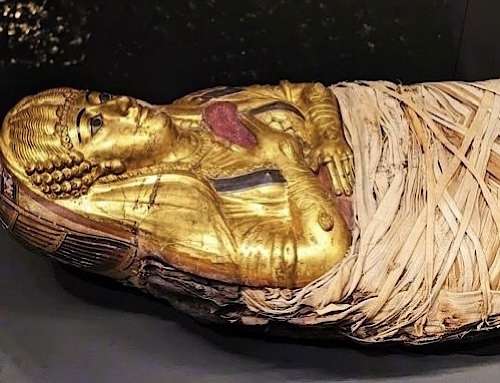
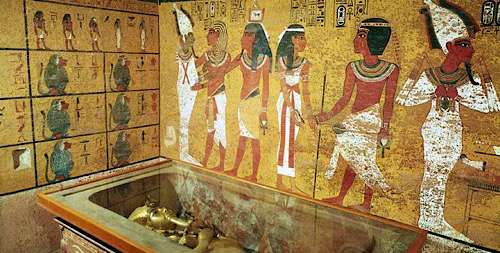
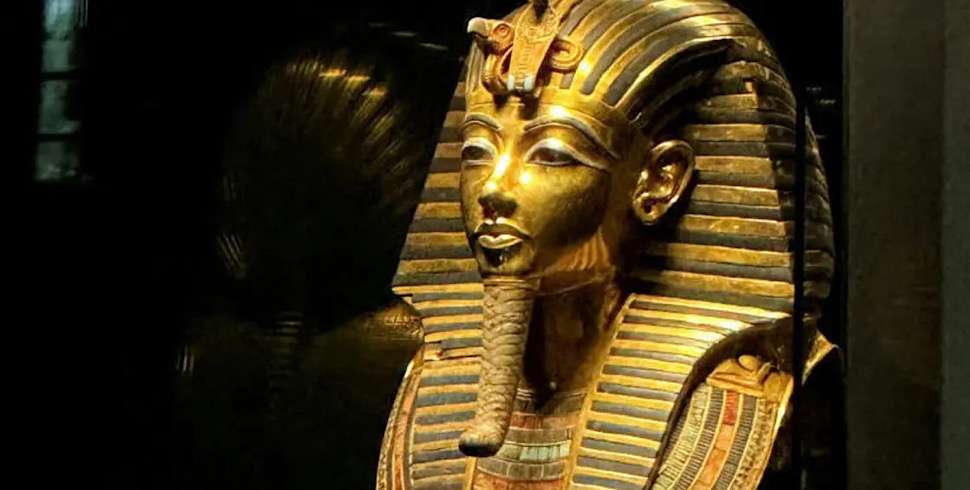
After the discovery of the tomb of the golden Pharaoh King Tutankhamun on November 4, 1922, this king became the most famous ruler on earth throughout history, both ancient and modern. The tomb of the golden Pharaoh contained many unique, beautiful, and magnificent treasures. However, the golden mask of Pharaoh King Tutankhamun is undoubtedly the most important, famous, beautiful, and valuable of them all.
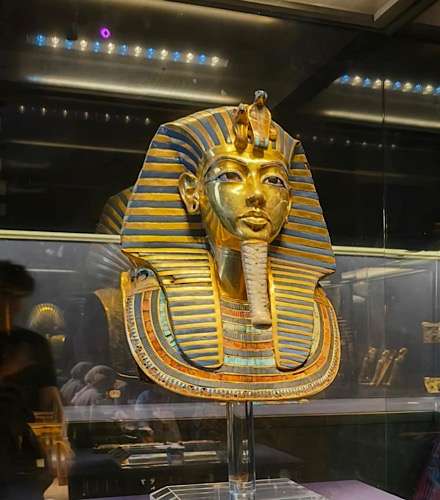
The golden mask of Pharaoh King Tutankhamun is considered the most beautiful, famous, and priceless artifact in the entire world. The ancient Egyptian artist of the Eighteenth Dynasty crafted King Tutankhamun’s mask from pure gold. It stands 54 cm tall and weighs more than 11 kilograms. The mask consists of two layers of gold, joined together using the ancient Egyptian technique of hammering (repoussé).
The mask’s exquisite beauty and craftsmanship include intricate engraving, polishing, and inlaying with numerous precious stones—some of which were imitated using colored glass.
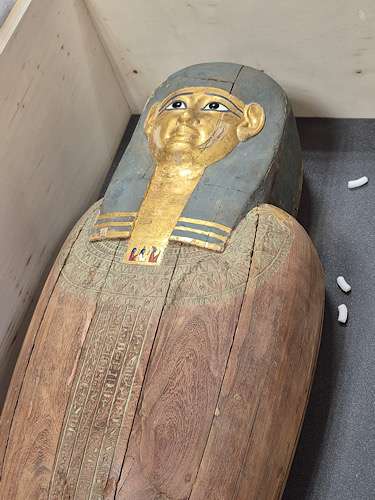
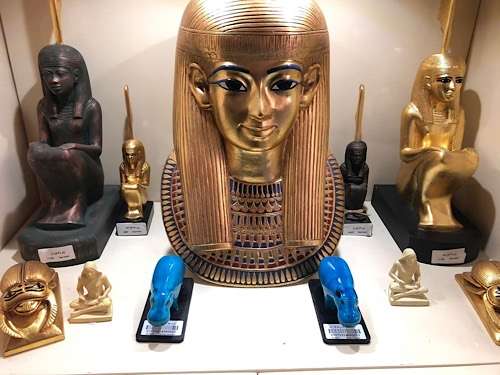
The golden Pharaoh Tutankhamun is depicted wearing the famous royal headcloth of ancient Egypt, known as the “nemes.” The nemes crown is adorned with the uraeus cobra, symbol of the goddess Wadjet, protector and emblem of Lower Egypt (the Delta), and the vulture, symbol of the goddess Nekhbet, protector and emblem of Upper Egypt (the South). This distinctive head covering was well known to the ancient Egyptians and features parallel stripes.
The king is shown wearing the sacred false beard of the gods, curved at the end and inlaid with faience or glazed ceramic tiles. Over time, the colors of these inlays have faded and become a pale gray.
The king’s eyes were made from quartzite and obsidian (or onyx). The necklace on the mask consists of multiple rows inlaid with colored glass pieces imitating lapis lazuli, jasper, carnelian (red agate), and obsidian. All these stones are arranged in twelve rows.
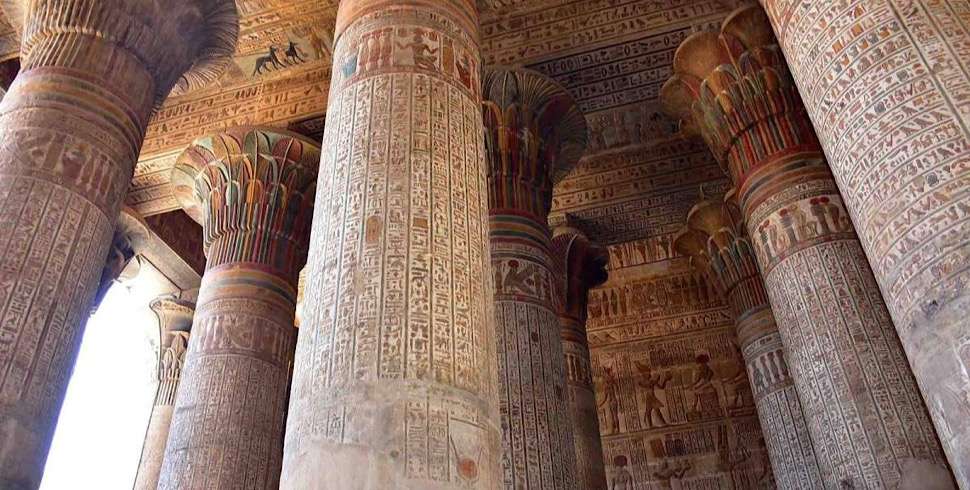
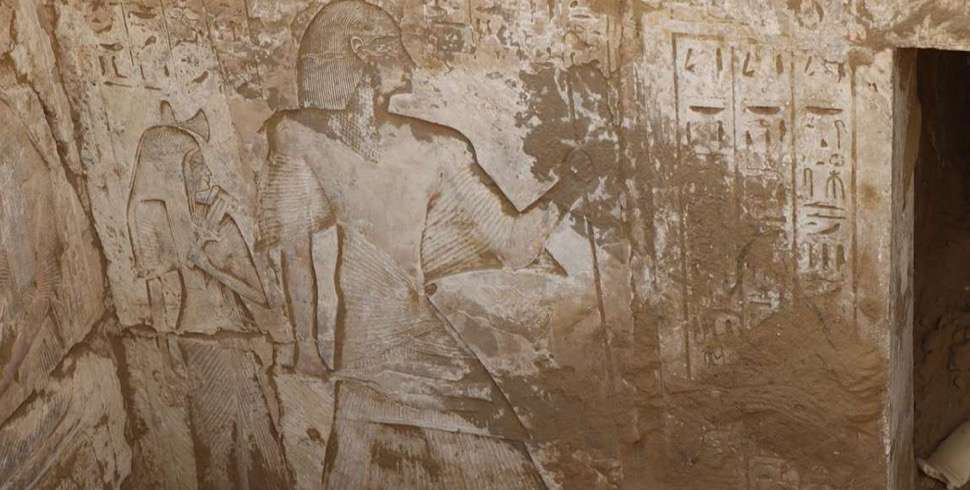
On the back of the mask are vertical lines of hieroglyphic inscriptions engraved on the gold surface. These are taken from the texts of the Book of Going Forth by Day (also called the Book of the Dead), one of the most important religious funerary texts of the New Kingdom era. The purpose of including the Book of the Dead in the funerary equipment was to secure the deceased’s journey into the afterlife in ancient Egypt.
The Book of the Dead is considered an extension of what we know as the Pyramid Texts from the Old Kingdom, which were reserved only for kings and queens and inscribed in burial chambers and passages within their pyramids.
During the Middle Kingdom, there was a further development in ancient Egyptian beliefs, allowing non-royal individuals to secure their journey to the afterlife through the use of the Coffin Texts, which were inscribed inside their wooden coffins. This phenomenon may be called the “democratization of the afterlife” in ancient Egypt, where everyone had the right to have these texts written in their coffins to enjoy eternal life without end.
The greatest, most important, and most famous development occurred in the New Kingdom with the appearance of the Book of Going Forth by Day, or Book of the Dead, which was used by both kings and commoners. It became one of the most important and well-known religious and funerary books, not only in Egypt but worldwide. Here, we see it inscribed on the back of the famous golden mask of the most renowned king, Tutankhamun—the most beautiful and famous artifact in the world—to ensure the golden Pharaoh’s safe journey into the afterlife.
I believe the texts of the Book of the Dead succeeded in securing King Tutankhamun’s journey in the afterlife and in preserving his beautiful treasures until they reached us intact on November 4, 1922. Since that moment, an obsession and fascination with King Tutankhamun have spread around the world and will continue until the end of time.
The Pharaohs succeeded in securing their monuments, immortalizing their memory, and guaranteeing their journey in both the afterlife and this world.

Dr. Bassir is the former General Director of the Giza Pyramids and Director of the Antiquities Museum, Bibliotheca Alexandrina.