














































































































































































































































































































































































































































































































































Friday, 09 October 2026

In a significant move stirring widespread discussion across the country, Egyptian authorities have launched an extensive security crackdown targeting digital content creators accused of posting videos with language and content deemed “harmful to public decency.” The campaign, announced within the last 24 hours, draws renewed attention to concerns over what has been described as “digital chaos” and the misuse of online platforms for illicit financial gain.
According to official statements by Egypt’s Ministry of Interior, the crackdown comes after a wave of public complaints about certain content creators allegedly sharing videos with explicit language and behavior, violating social norms and questioning the origins of their wealth. Authorities have highlighted the arrest of one high-profile “TikToker,” reportedly found with significant amounts of local and foreign currency, gold items, and quantities of narcotic substances, all of which he admitted were partly linked to his online activities.
Additionally, Egyptian police have detained several female content creators, including those known by the nicknames “Umm Sujada,” “Umm Makka,” “Aliya,” and “Suzy the Jordanian,” for posting clips authorities claim breached public decency and misused digital platforms. During questioning, the women admitted to sharing the videos in attempts to increase viewership and generate income.
In a separate high-profile case, a creator going by “Marwa” on TikTok was taken into custody after publishing a video alleging, without evidence, that a popular Egyptian actress, Wafaa Amer, was involved in organ trafficking. The actress has since filed a legal complaint, urging action against the spread of rumors damaging to personal reputations.
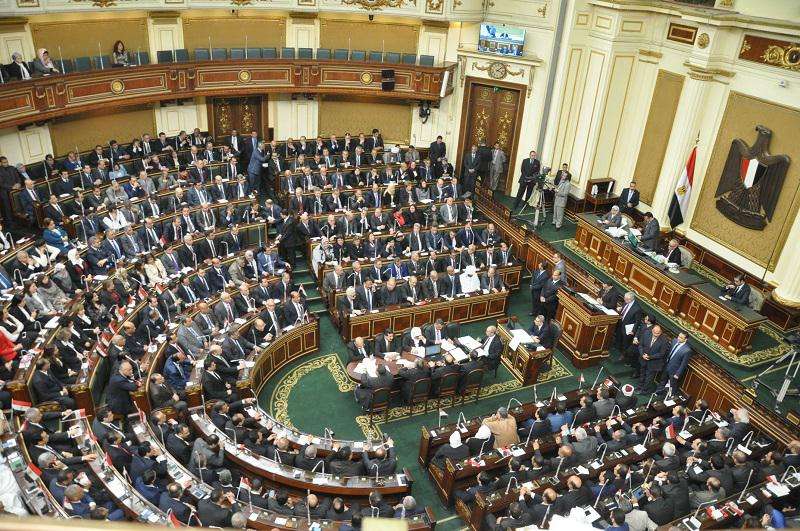
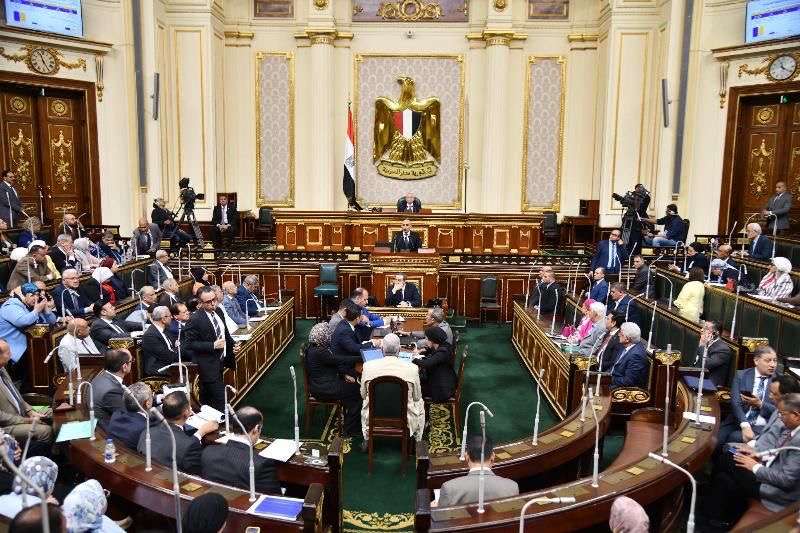
This wave of enforcement comes amid growing debate in Egypt’s parliament and society over the need to regulate content on platforms like TikTok, which critics claim enable a “race for fame at any cost, even if it undermines public values.”
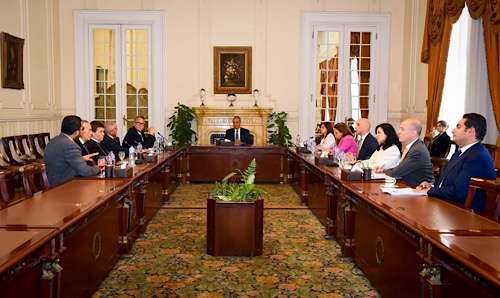
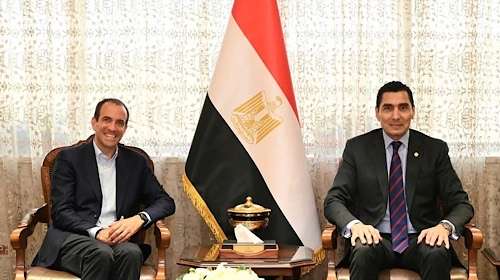
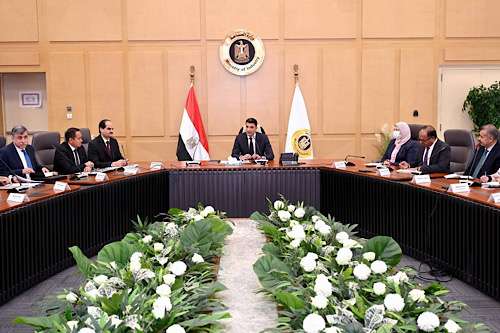
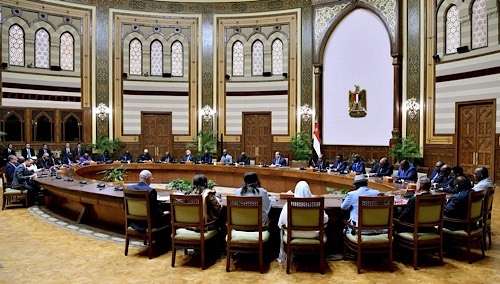
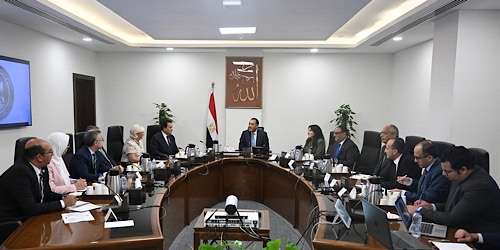
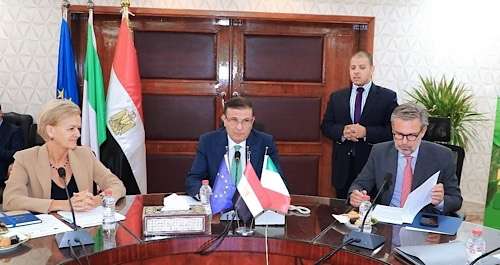
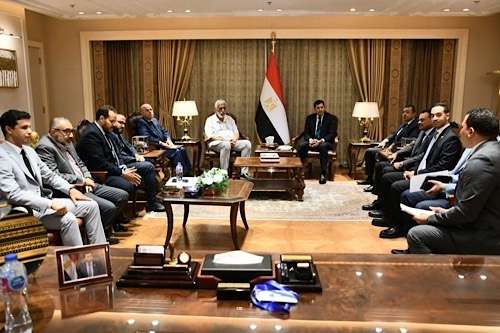
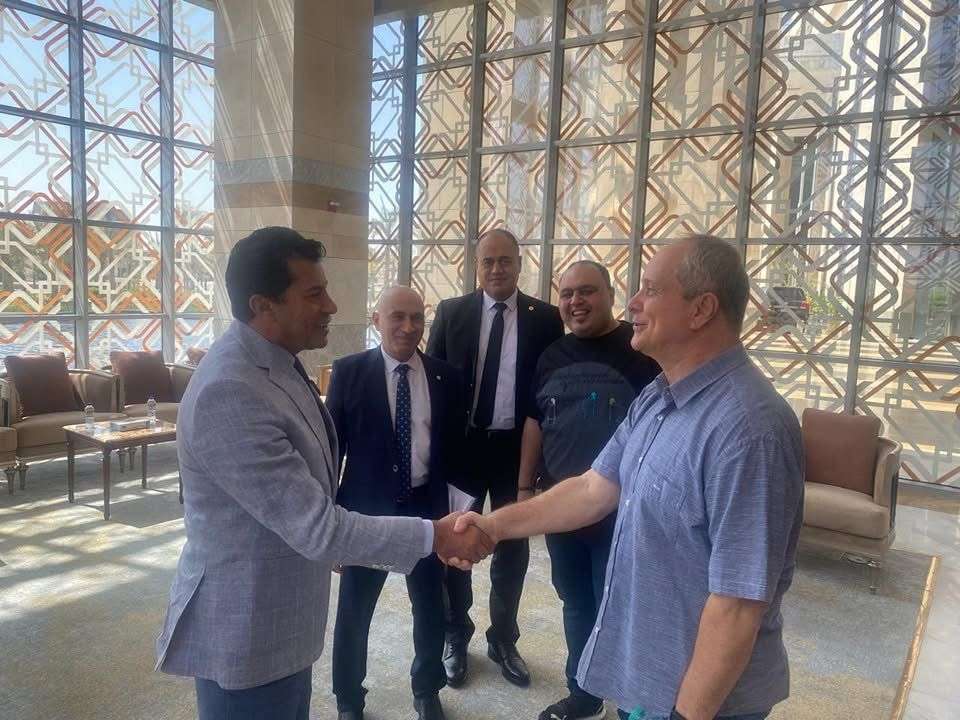
Ahmed Badawi, Chairman of the Communication and Information Technology Committee in Egypt’s House of Representatives, revealed that parliament has met with regulators and TikTok’s regional management, granting the platform a three-month deadline to improve content moderation and comply with local laws.
Badawi noted a marked reduction—up to 75%—in accounts posting such content on TikTok in the days since the crackdown began, highlighting the campaign’s impact. However, he emphasized that should platforms fail to prevent “explicit and harmful” material, the government may consider stricter measures, including possible blocking of the offending apps, though this is seen as a last resort.
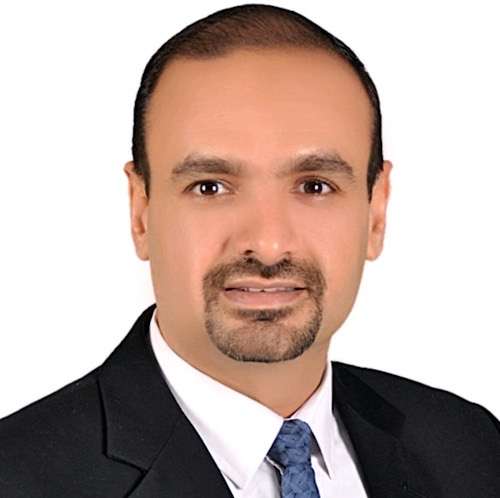
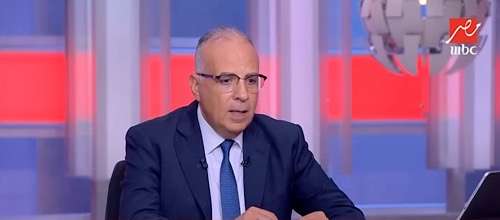
Technology expert Mohamed El-Harathy told Sky News Arabia that with the explosive growth of digital content creation, clear guidelines and effective oversight have become crucial. He emphasized the importance of requiring content creators to register with relevant authorities and subject their earnings to tax and financial regulations.
El-Harathy pointed out that according to current Egyptian law, livestreamed content must be treated with the same standards as traditional media and remain in line with the country’s ethical and legal frameworks.
While authorities stress that Egypt welcomes investment and innovation in the digital economy, they insist that profit-seeking must not come at the expense of social norms and public morals. They call for international digital platforms operating in the country to be more vigilant, cooperate with local regulators, and respect national rules.
As Egypt navigates these challenging questions around digital freedom and social values, the crackdown signals a firm determination to bring order to cyberspace—while also opening a broader dialogue about the future of digital content and expression in the country.