






























































































































































































































































































































































































































































































































































































































































































































































































































































































































































































































































































































































































































































Friday, 09 October 2026
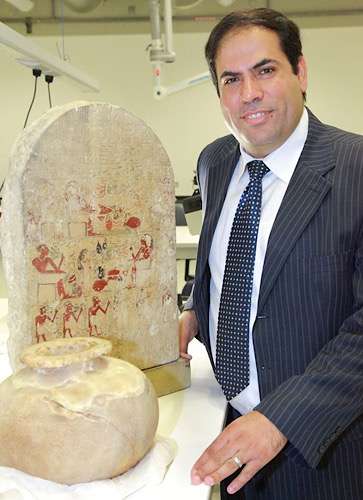
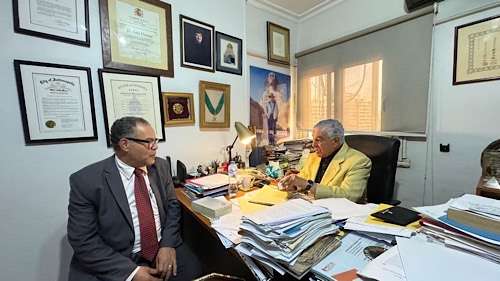
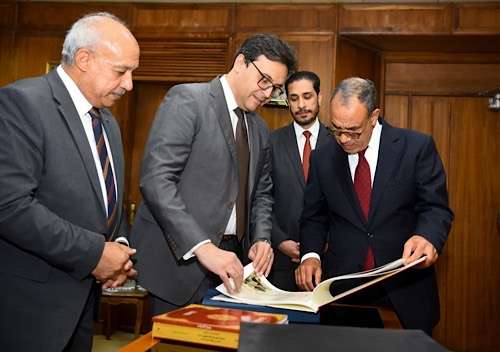
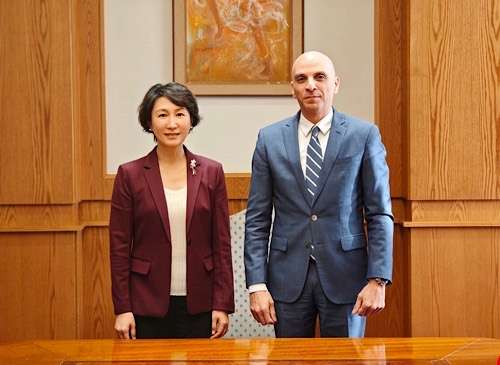
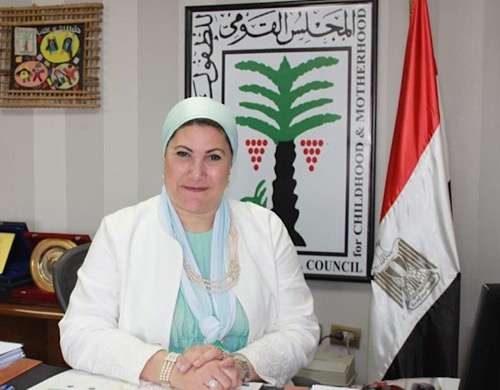
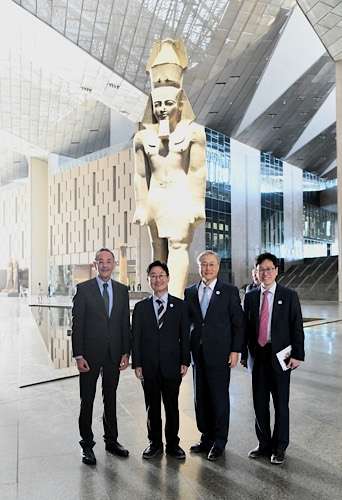
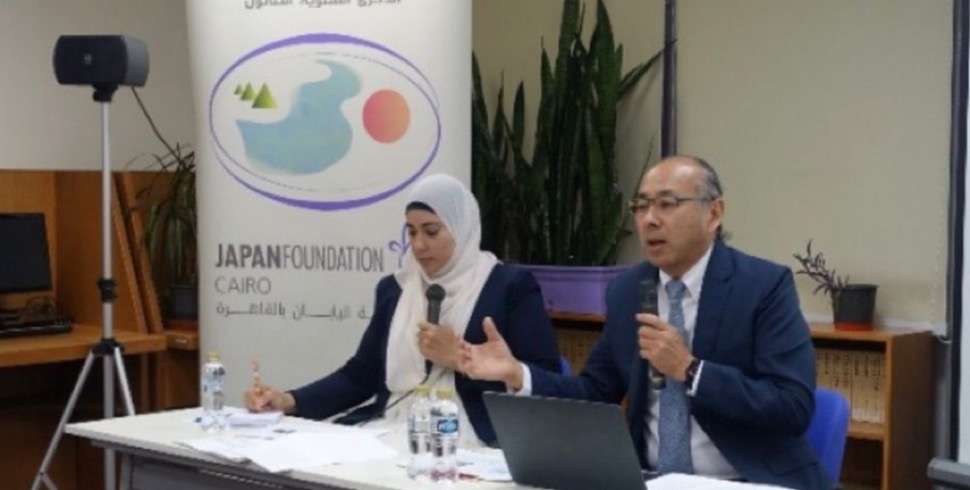
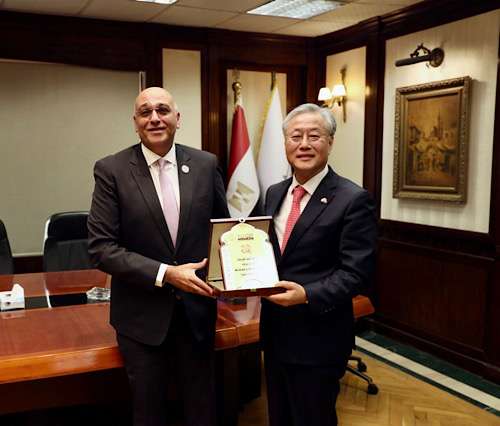
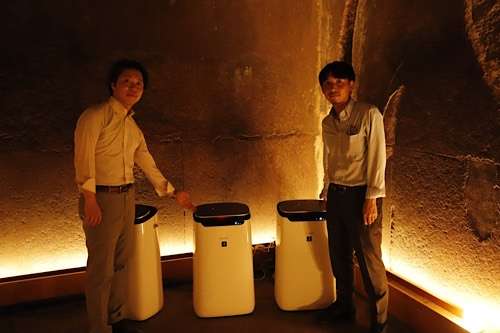
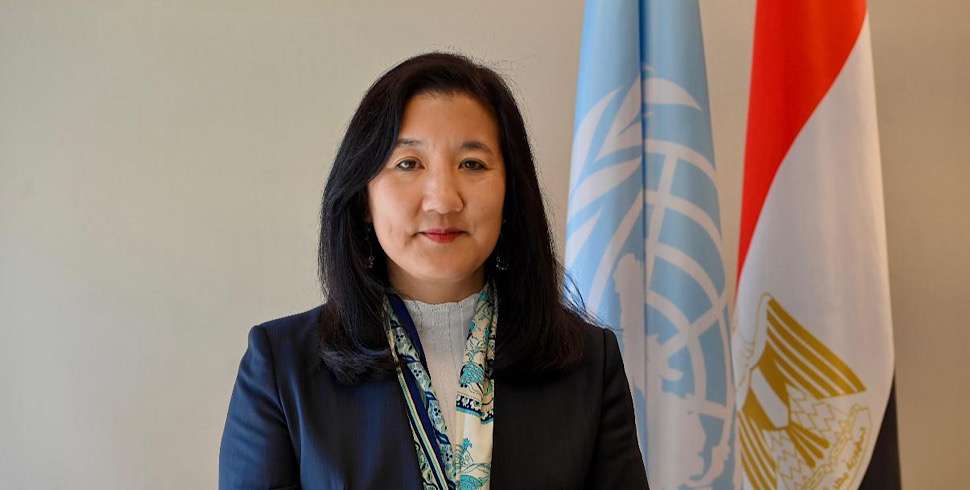
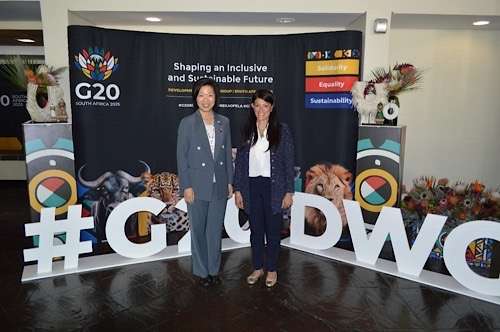
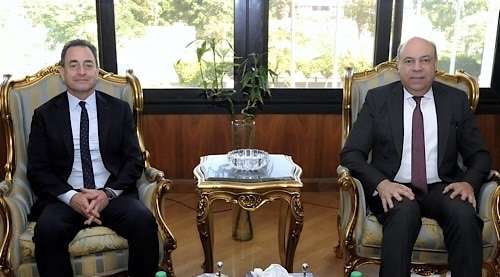
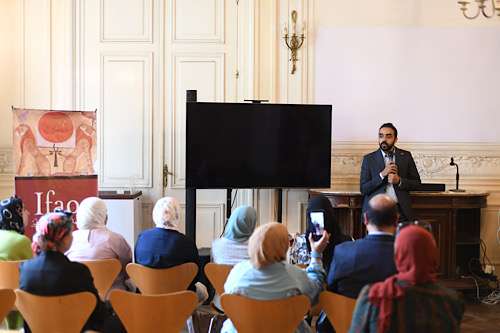
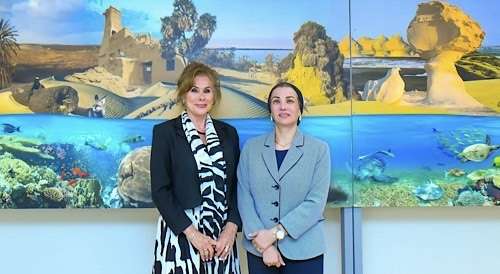
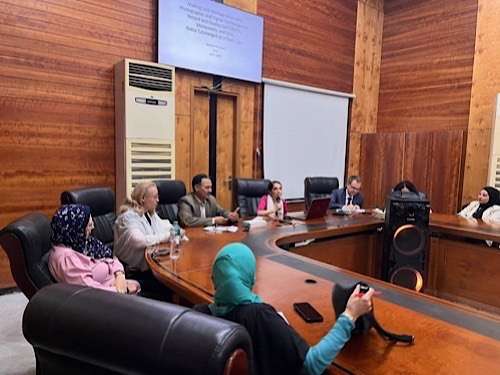
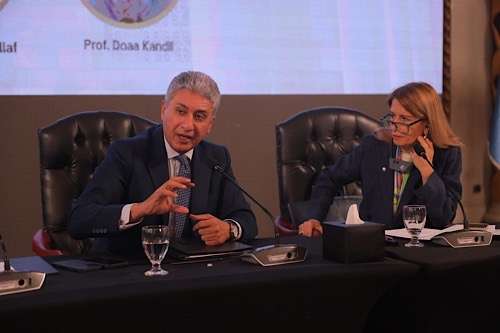
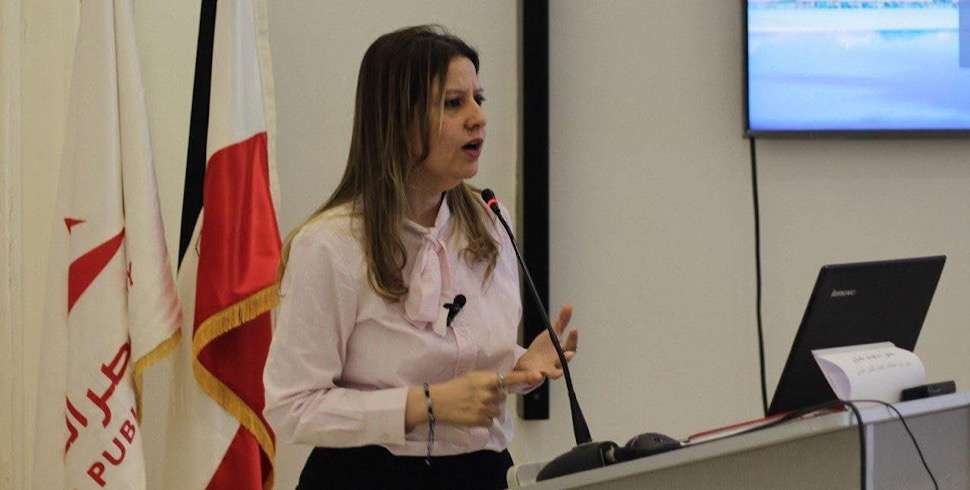
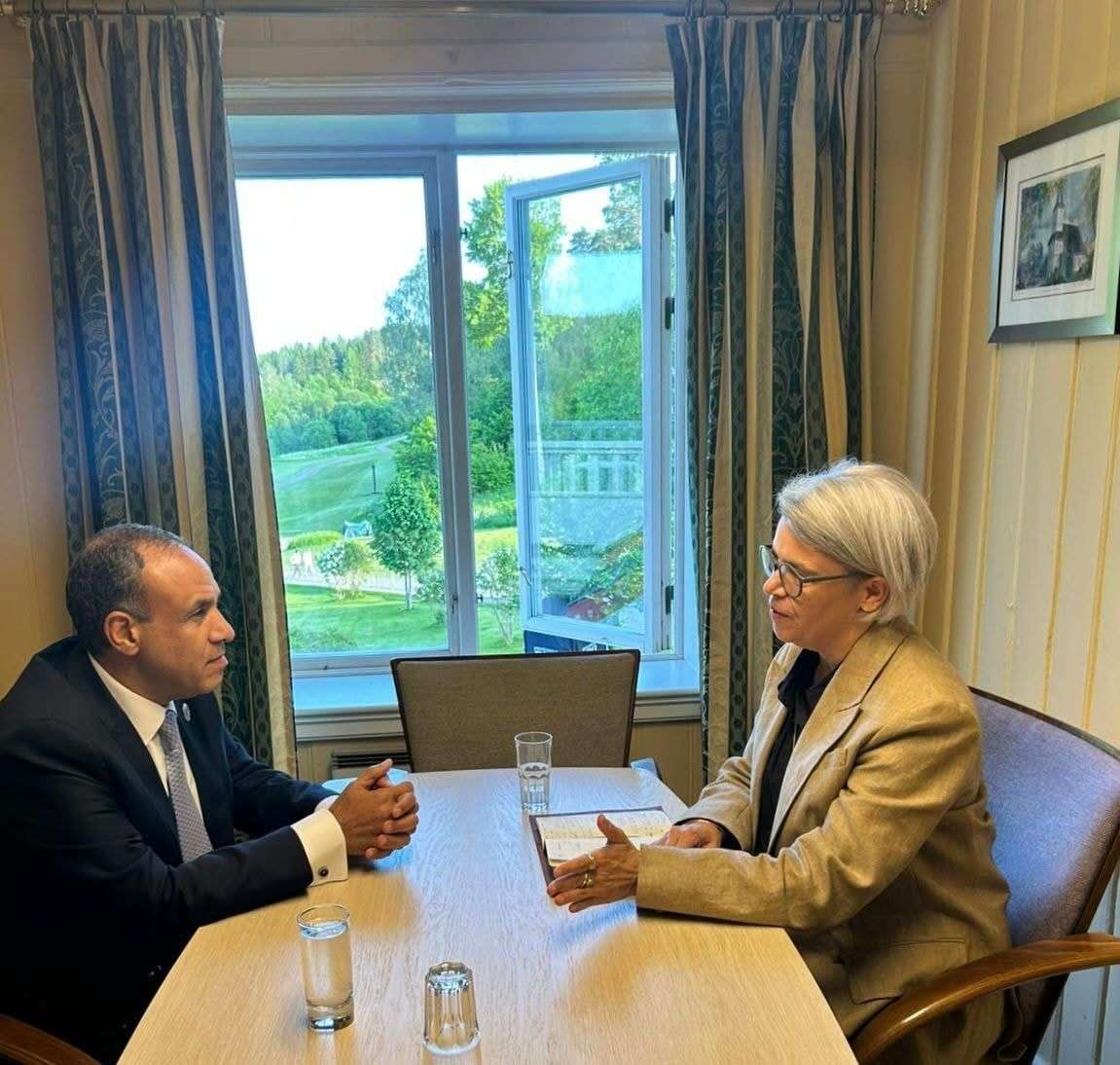
 Dr Wafa Abu El Kheir-Mataria, senior research fellow at IGHHE, (R) and Professor Sungsoo Chun
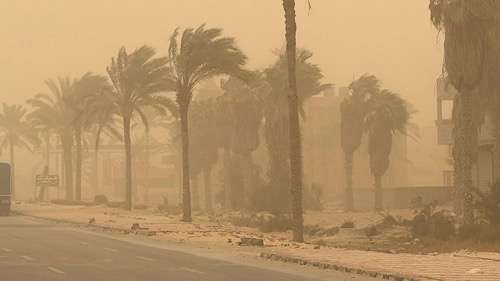
In a pioneering study, researchers at The American University in Cairo (AUC) have established a significant link between rising temperatures and increased mortality rates from women’s cancers across the Middle East and North Africa. The study, conducted at the Institute of Global Health and Human Ecology (IGHHE), analyzed two decades of data from 17 countries, including Egypt, Saudi Arabia, Iran, Morocco, and the United Arab Emirates.
Led by Dr. Wafa Abu El Kheir-Mataria, senior research fellow at IGHHE, and Professor Sungsoo Chun, the research investigated mortality rates for breast, uterine, ovarian, and cervical cancers among women. The findings underscore that rising heat levels are associated with higher deaths from these cancers in the region.
“Heat increases exposure to pollutants and disrupts healthcare systems, delaying diagnosis and treatment. It may even alter cell structure,” explained Dr. Mataria, highlighting that cultural barriers and limited access to care further increase women’s vulnerability. “This research rang an alarm that we need to be aware of in health policies.”
The study urges policymakers to integrate climate change adaptation strategies into public health frameworks to reduce cancer deaths. Professor Chun stressed the importance of meeting international climate commitments, especially the Paris Agreement: “Implementing its exact recommendations for each country is essential to stopping climate change. However, many nations are falling short of their commitments,” he warned.
The research also called attention to wider implications for groups at risk, such as the elderly, children, and women during periods like childbirth. “We should make clear programs or policies to support these vulnerable populations, especially through a strengthened healthcare system,” said Professor Chun.
Both Dr. Mataria and Professor Chun emphasized that this study marks only the beginning, calling for further research controlling for additional factors at both individual and community levels. Growing international attention to the findings has raised hopes for expanded research and increased funding in the future, exploring the critical intersections of climate change, gender, and public health.