






















































































































































































































































































































































































































































































































































































































































































































































































































































































Friday, 09 October 2026
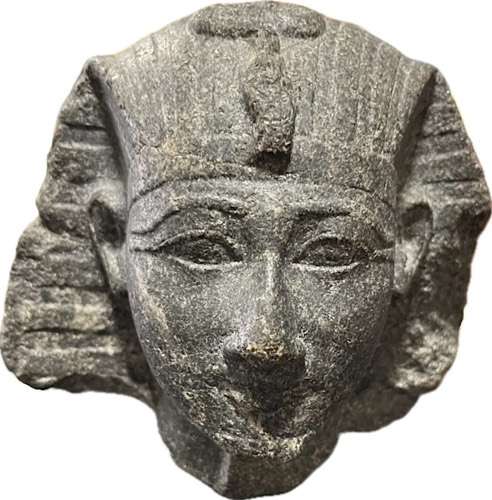
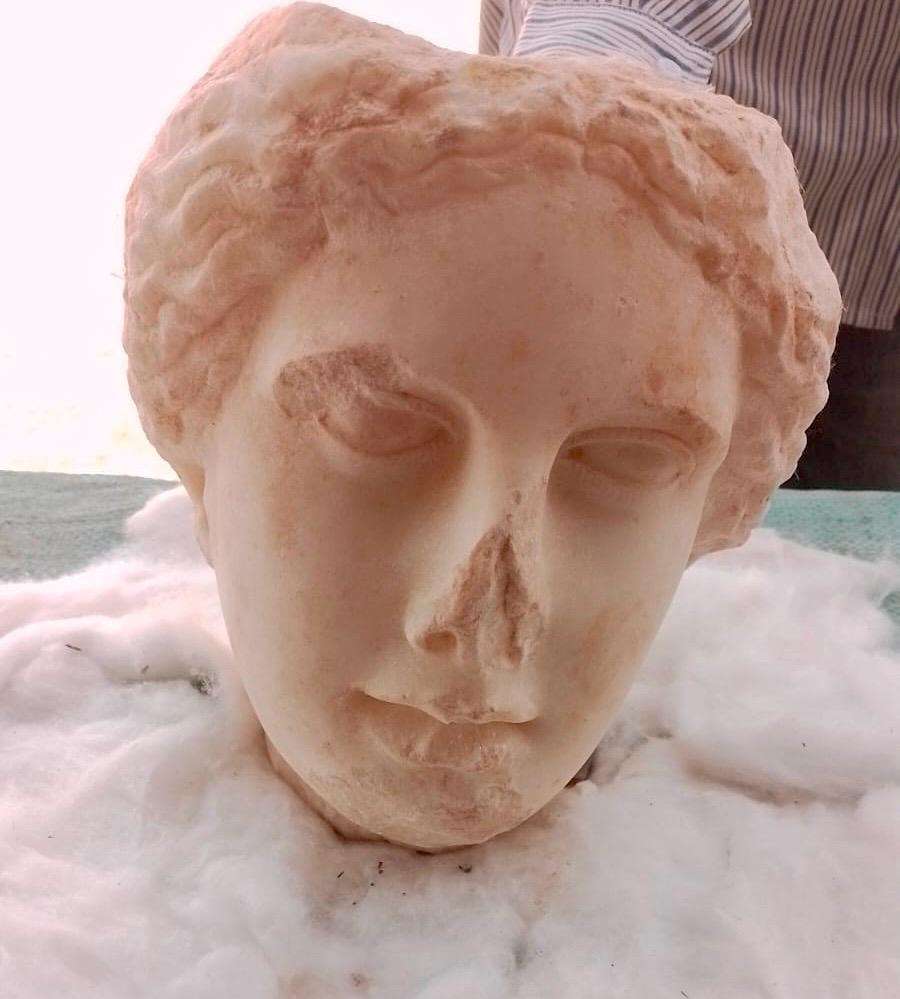
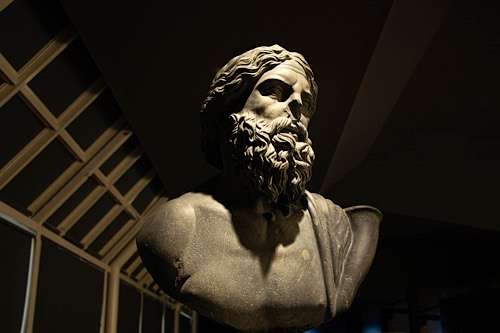
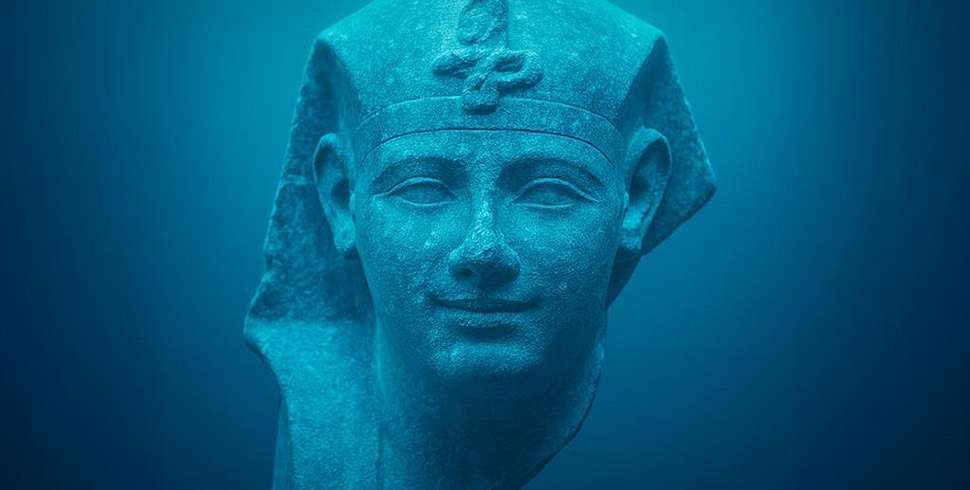
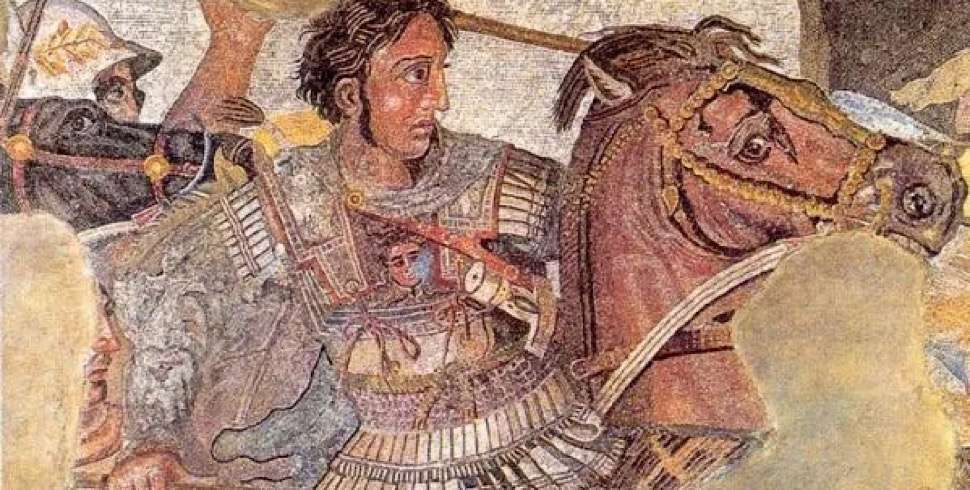 In 332 B.C. Persian rule in Egypt came to an end with the arrival of Alexander the Great (pictured here). After his death a dynasty of Greek kings would take control of Egypt and would rule for the next three centuries. (Image credit: Image courtesy Wikimedia, from an ancient mosaic in Pompeii, Italy)
What if Alexander the Great lived today—how would his legendary fortune measure up to the titans of the modern world, wonders the Greekreporter?
Alexander’s immense wealth, accrued through bold and relentless military campaigns, positioned him among history’s most powerful and affluent leaders. The riches he captured were astonishing, prompting a fascinating comparison with today’s billionaires.
By age 30, Alexander had toppled the world’s richest and most formidable empire—Persia. Imagine an empire whose opulence had been piling up over centuries, a vast treasure chest overflowing with accumulated riches.
The Persian Empire truly glittered with prosperity. Its wealth sprang from savvy administration, sprawling trade networks, and hefty tributes collected from conquered regions. Strategically located at the intersection of key trade routes like the famed Silk Road, Persia became a vibrant hub where merchants traded gold, silver, and luxury goods from across Asia and the Near East.
On top of that, Persia’s naturally fertile lands and abundant mineral resources created an ideal environment for immense economic power. The Persians excelled at consolidating tributes and taxes, funneling a continuous stream of riches into their central treasuries.
So, when Alexander dethroned Darius III and claimed the grand Persian capitals of Susa, Babylon, and Persepolis, he didn’t merely win new territories—he unlocked the treasure vaults the Persians had guarded for generations.
Ian Worthington’s ‘By the Spear: Philip II, Alexander the Great, and the Rise and Fall of the Macedonian Empire’ provides a thorough account of the spoils Alexander seized from Persia. Here’s how his fortunes stack up against modern wealth:
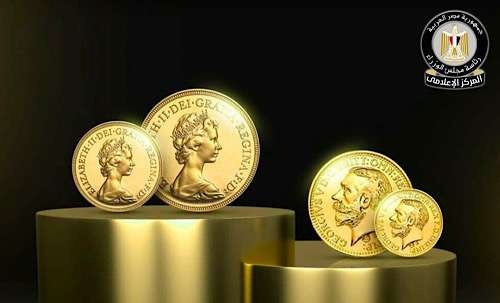
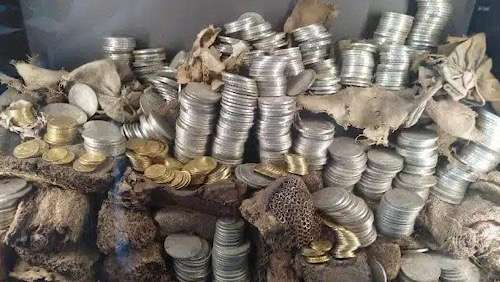
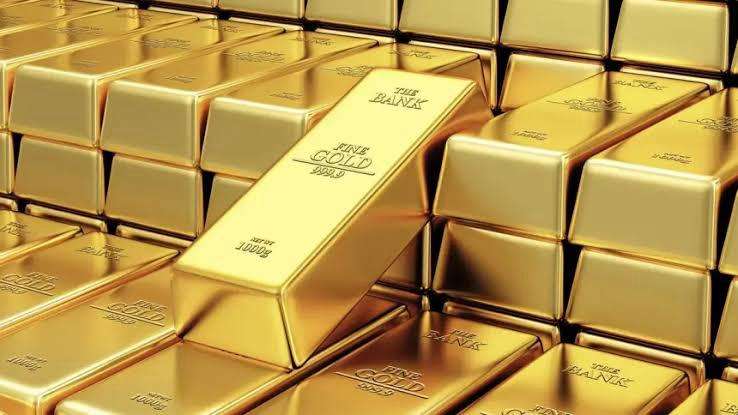
Seizing Susa: Alexander’s troops captured 50,000 talents of gold and silver bullion from the city. With each talent weighing 33 kilograms, that equals:
50,000 talents × 33 kg/talent = 1,650,000 kg of gold
At a present-day gold price of $108,000 per kilogram, this amounts to a staggering $178 billion.
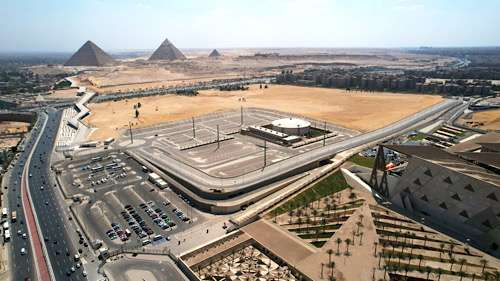
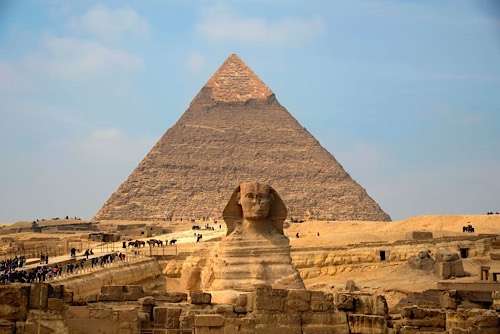
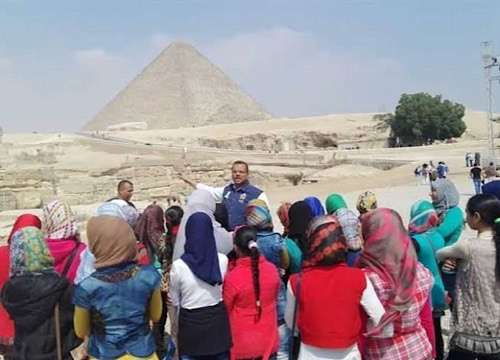
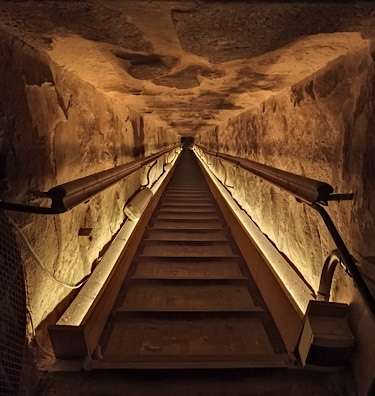
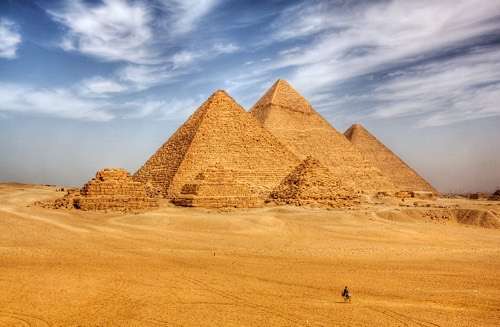
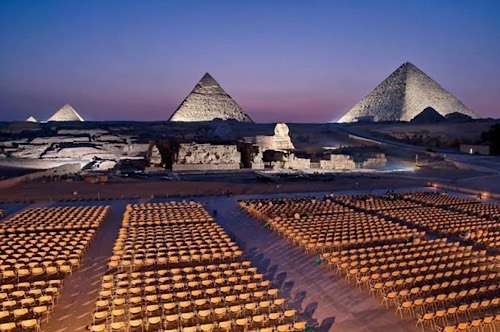
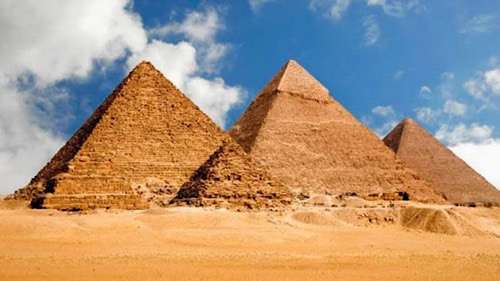
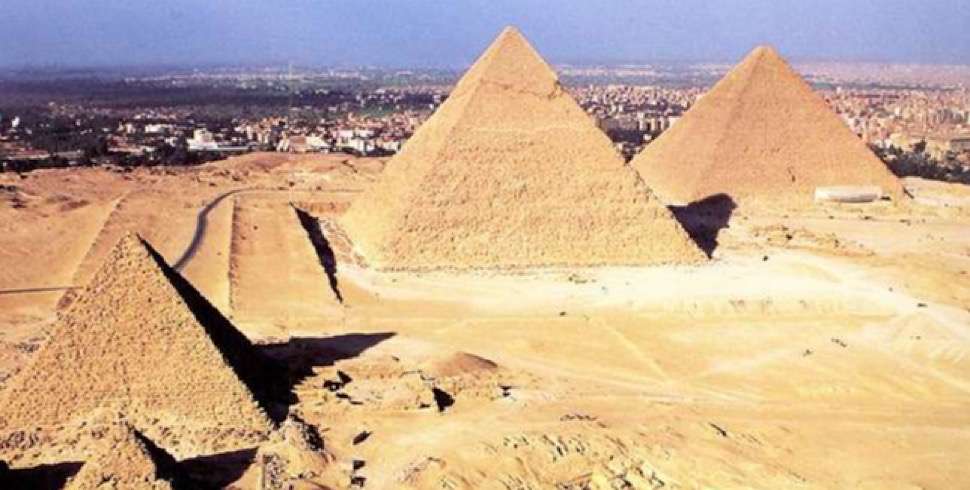
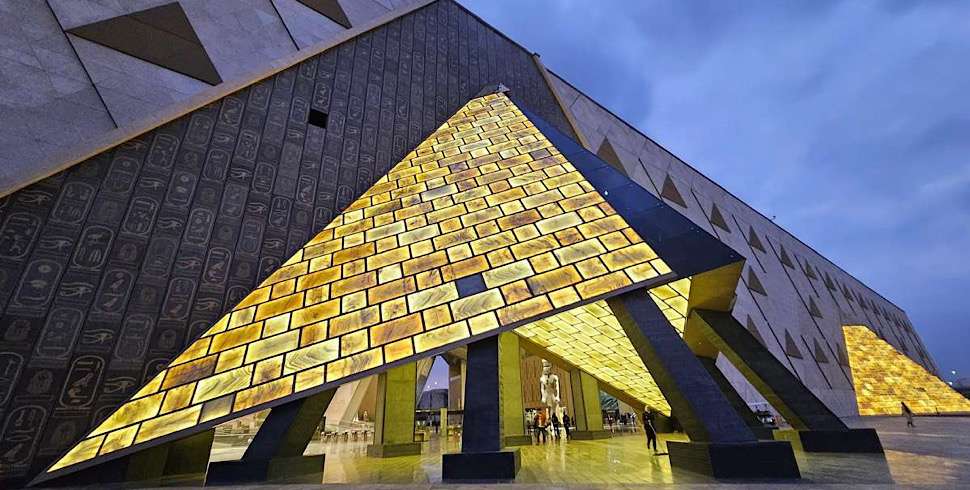
This windfall alone rivals the personal wealth of Amazon’s Jeff Bezos. Picture the Great Pyramid of Giza stocked entirely with glimmering gold bars.
The Persepolis Treasury: Here, Alexander uncovered 120,000 talents of silver:
120,000 talents × 33 kg/talent = 3,960,000 kg of silver
At today’s silver price of $1,165 per kilogram, the total value is about $4.6 billion.
While not quite matching Bezos, it’s still in the realm of tech giants such as Mark Zuckerberg or Jack Dorsey, famed founders of Facebook and Twitter.
Victor Davis Hanson, in The Wars of the Ancient Greeks, examines how Alexander’s victories sent waves of wealth rippling across his empire. This flood of new bullion changed economies, much like tech moguls invest their fortunes in ways that drive growth today.
Consider Alexander as the world’s earliest venture capitalist—distributing wealth across his domains, igniting economic development the way Elon Musk channels billions into innovation and space exploration.
Alexander the Great stands out as antiquity’s ultimate billionaire, assembling a fortune that remains jaw-dropping even now. His masterful acquisitions in Bactria and Sogdiana, combined with the staggering loot from Persia, underline just how vast his wealth was. Just as modern magnates like Zuckerberg, Musk, and Bezos shape today’s world, Alexander’s treasury profoundly transformed the economic landscape of the ancient world.