


















































































































































































































































































































































































































































































Friday, 09 October 2026
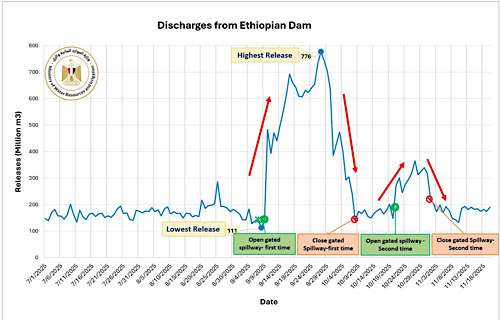
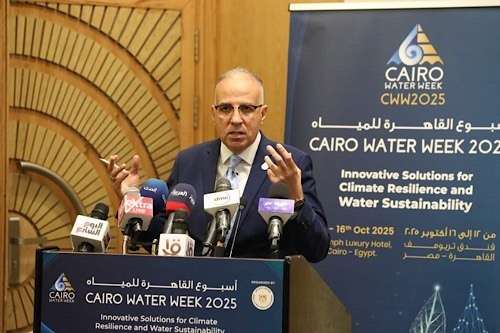
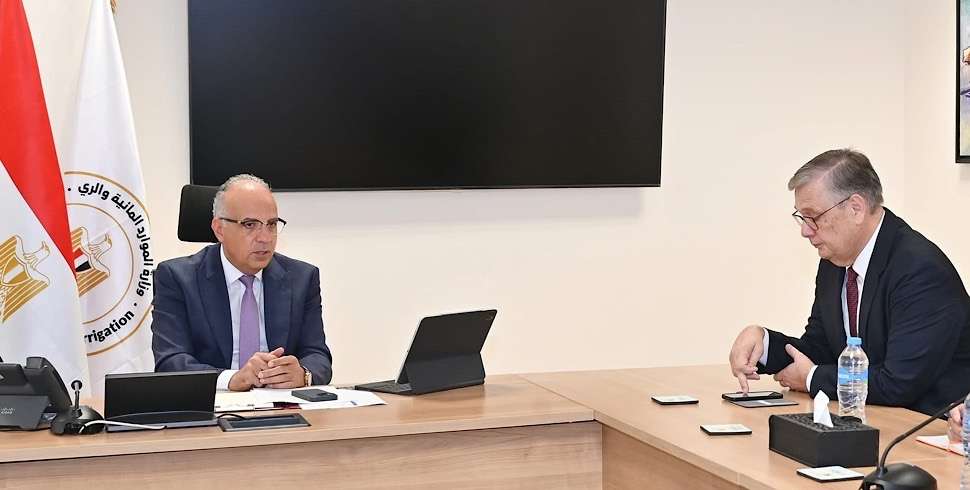
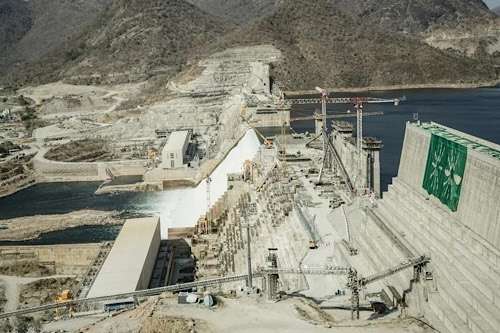
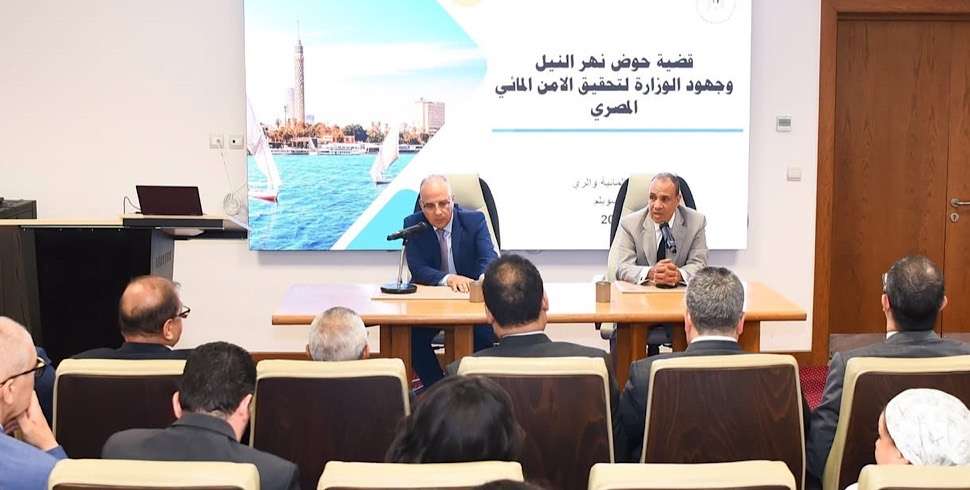
Egypt’s Ministry of Water Resources and Irrigation issued a strongly worded statement today condemning Ethiopia’s ongoing “unilateral and undisciplined” management of the Grand Ethiopian Renaissance Dam (GERD), warning that erratic water releases continue to pose serious risks to downstream countries Egypt and Sudan.
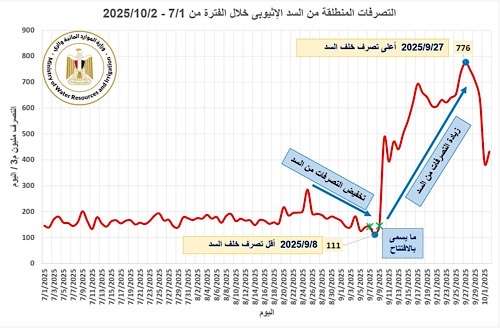
The ministry reiterated previous warnings about the dangers of Ethiopia’s unilateral control of the dam, which Egypt maintains violates international law. According to the statement, since the dam’s official inauguration, Ethiopian authorities have repeatedly carried out sudden and irregular water discharges, including:
These were followed by sharp reductions to around 380 million m³ per day by September 30.
The ministry highlighted a clear pattern of erratic operation:
Egyptian experts described this stop-and-go pattern — rapidly filling the reservoir and then releasing large volumes unpredictably — as “hydrologically undisciplined” and reflective of the absence of a stable, scientifically based operating plan. The ministry stressed that proper dam management requires gradual level reductions and controlled releases, not the repeated use of emergency spillways for routine operations.
These fluctuations, the statement said, endanger the entire Nile system, force downstream dams to take emergency precautionary measures, and renew concerns over Ethiopia’s unilateral control of a major international waterway.
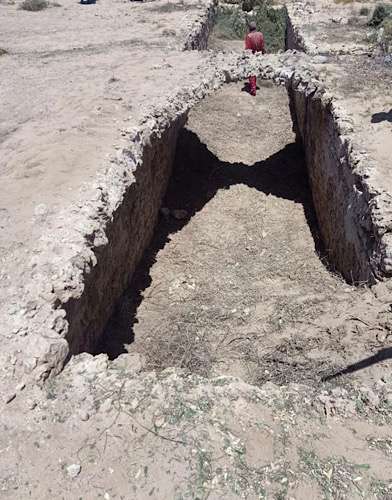
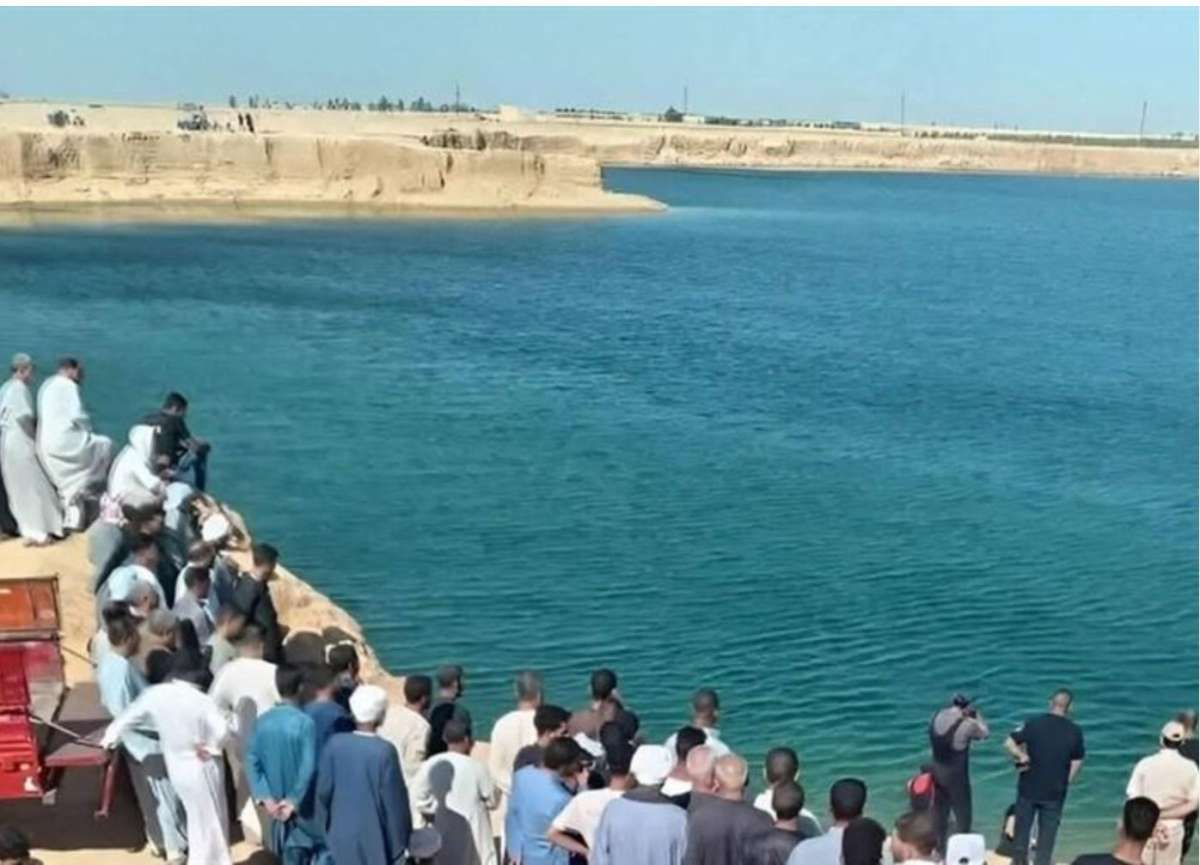
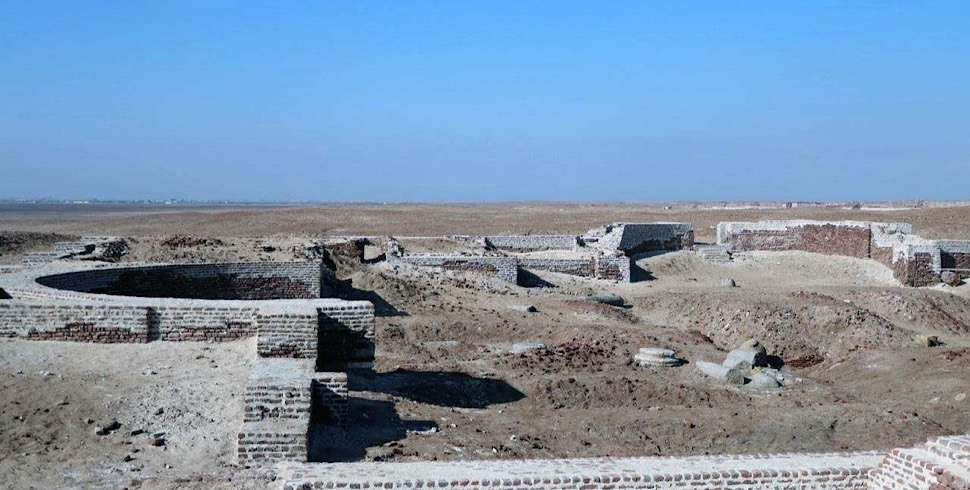
In response, Egypt announced it has opened the Toshka Spillway to safely discharge excess water and maintain hydraulic balance within its water system. The decision was based on real-time monitoring, satellite imagery, and technical analysis by a specialized River Inflow Committee. The ministry also noted that work to increase the discharge capacity of the Toshka canal and spillway has been temporarily delayed to prioritize managing the sudden inflows.
The ministry reassured the Egyptian public that the national water system, protected by the Aswan High Dam, remains fully under control and operating with high efficiency. It affirmed the state’s commitment to professionally managing the situation to meet all water needs and safeguard national interests.
No immediate comment was available from Ethiopian authorities. Tensions over the GERD have persisted for over a decade, with Egypt and Sudan repeatedly calling for a legally binding agreement on dam filling and operation — a demand Ethiopia has so far rejected.