





















































































































































































































































































































































































































































































































































































































































































































































































































































































Friday, 09 October 2026
JOHANNESBURG – Weaker economies facing steep reductions in HIV/AIDS funding from wealthy nations have responded by increasing their own financial commitments, yet these efforts have fallen short of filling the gap left by significant staff losses and reduced access to preventive medications, according to UNAIDS on Thursday.
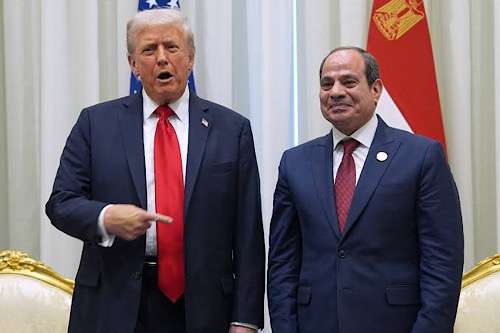
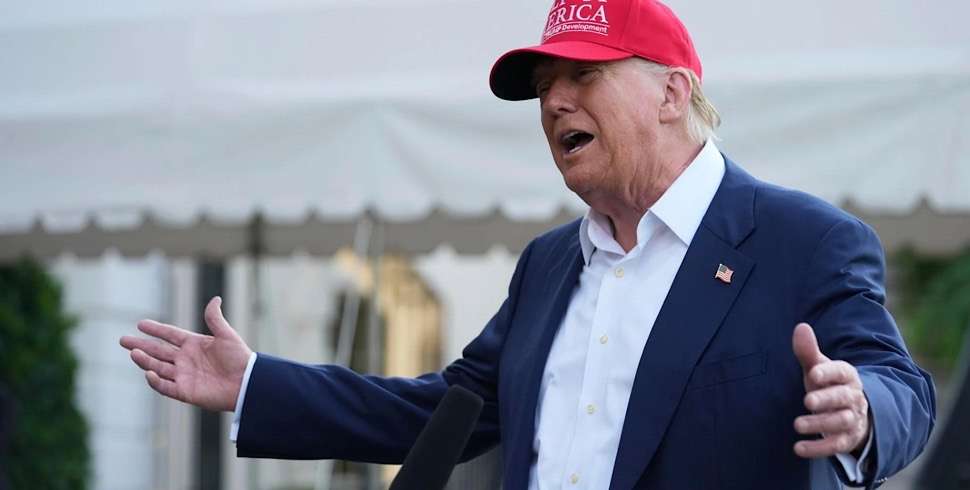
Releasing its 2025 annual report in South Africa, the agency warned that if funding cuts to the U.S.-led HIV initiative—introduced during the Trump administration—are upheld, as many as 6 million additional infections and 4 million further deaths could occur by 2029, Reuters reported.
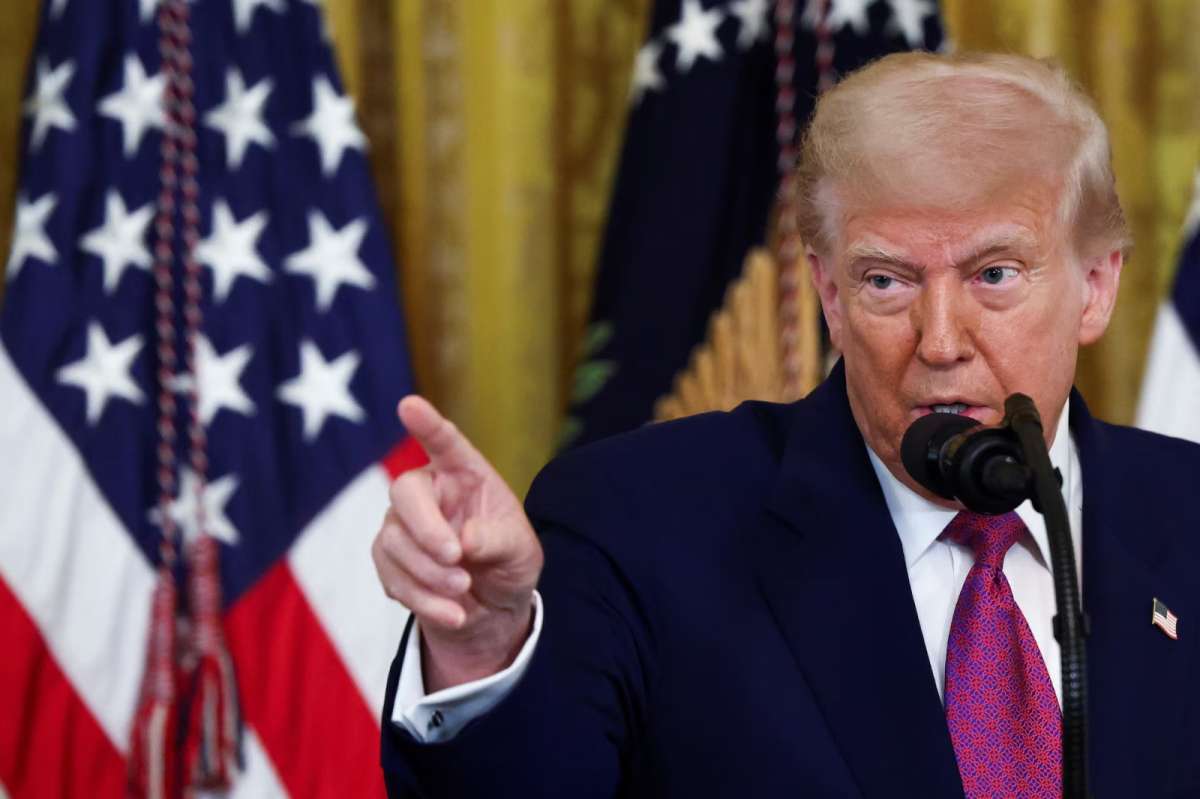
The abrupt reduction of support for the President’s Emergency Plan for AIDS Relief (PEPFAR) under Trump severely disrupted the global fight against HIV/AIDS.
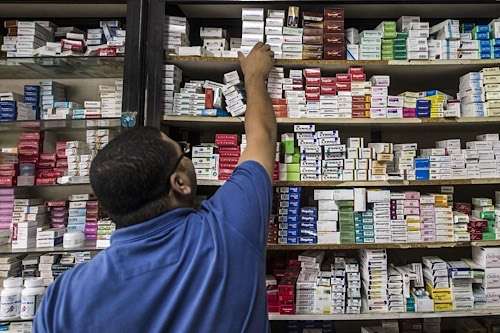
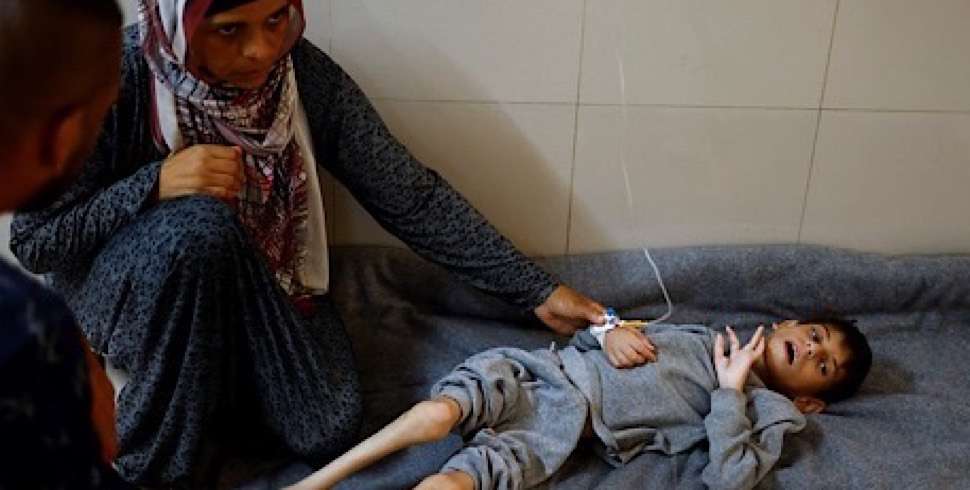
While many nations still maintain supplies of life-saving antiretroviral treatments, clinics catering to high-risk groups such as gay men, sex workers, and adolescent girls have shuttered due to staffing cuts, while prevention programs have largely collapsed.
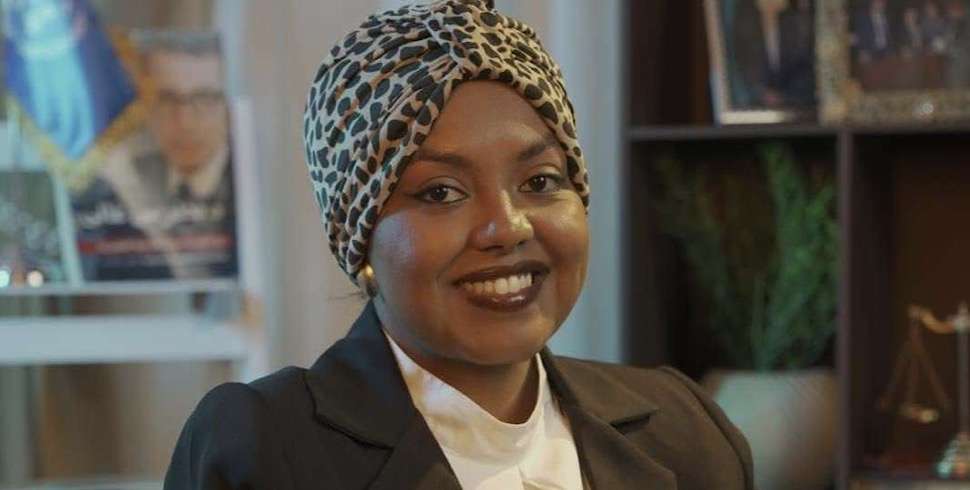
“Prevention was more severely impacted than treatment. The worst-affected were key populations, who relied on specially designed community-led services—these were the first to disappear,” said UNAIDS Executive Director Winnie Byanyima in a Johannesburg interview with Reuters.
Byanyima added that even before the Trump-era reductions, donor countries—especially within Europe—had begun scaling back their development aid.
“They’ve explained it’s largely due to increased defense budgets,” she said, noting that “global health spending reached a peak but began to decline as the war in Ukraine intensified.”
Amidst this, UNAIDS itself is shrinking its workforce from 661 to 294 employees, a spokesperson revealed to Reuters via email.
The agency’s report noted that 25 out of 60 low- and middle-income countries have raised their domestic budgets for HIV by an average of 8%.
“This is encouraging, but it doesn’t come close to replacing the scale of international funding in countries that heavily depend on it,” the report stated.
Despite a 40% reduction in infections and a more than 50% drop in AIDS-related deaths since 2010, there were still 1.3 million new infections reported in 2024 alone, the report concluded.