

























































































































































































































































































































































































































































Friday, 09 October 2026

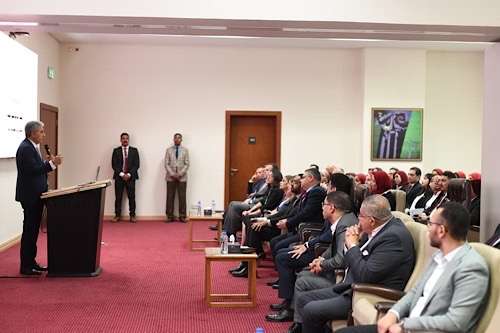
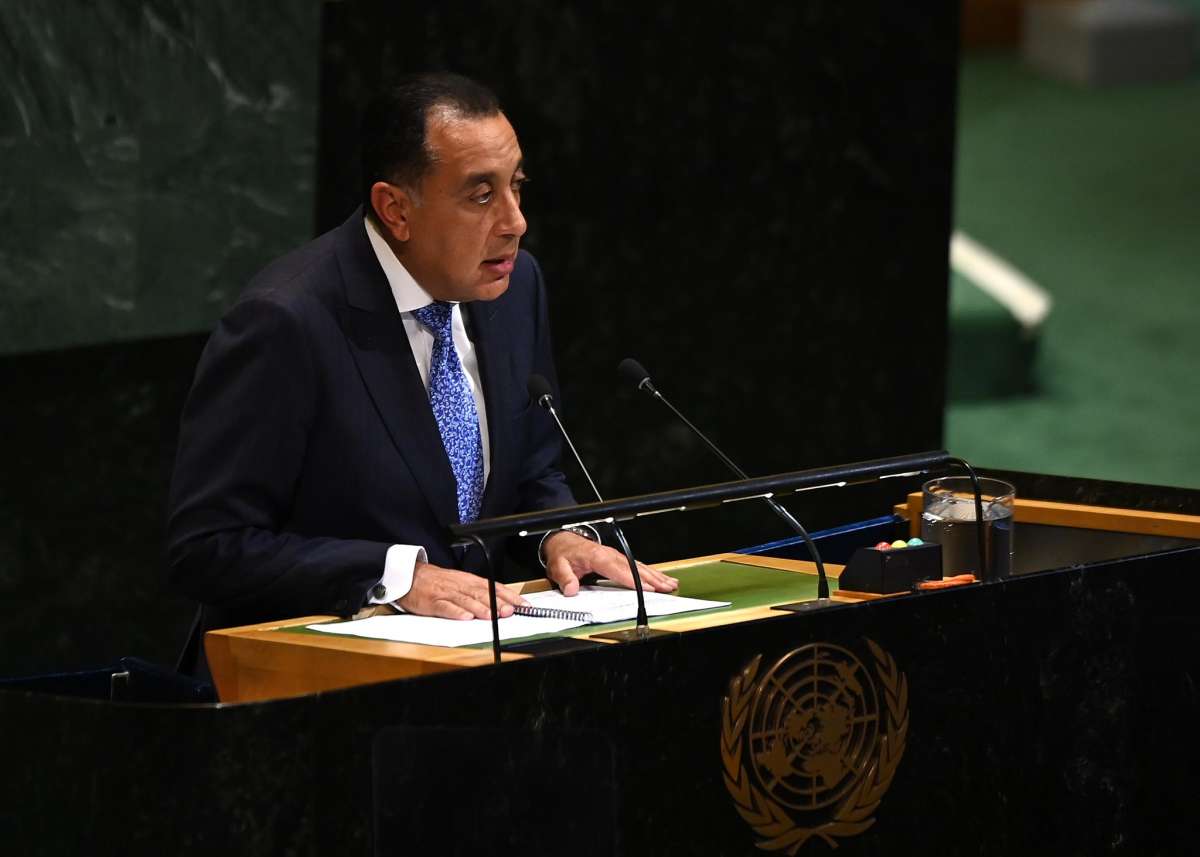
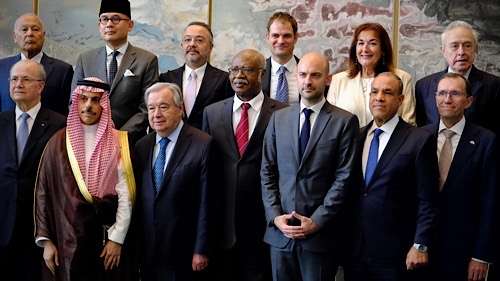
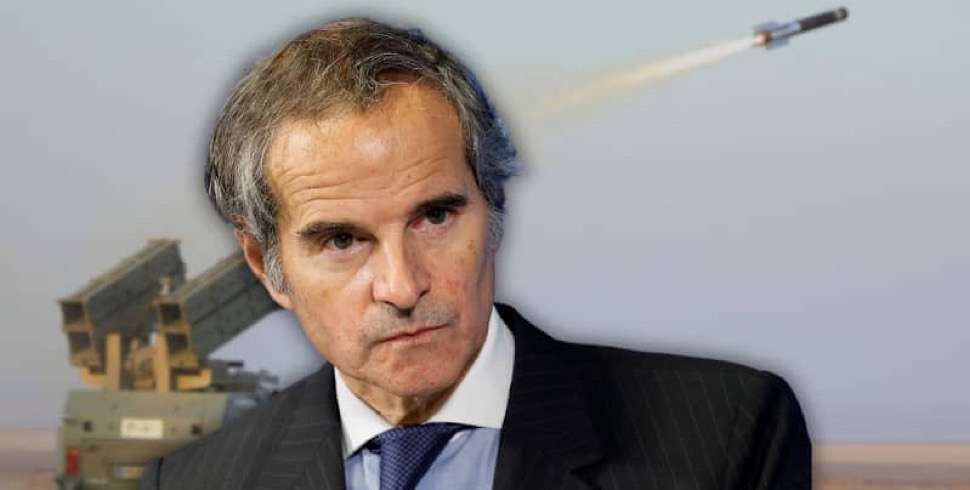
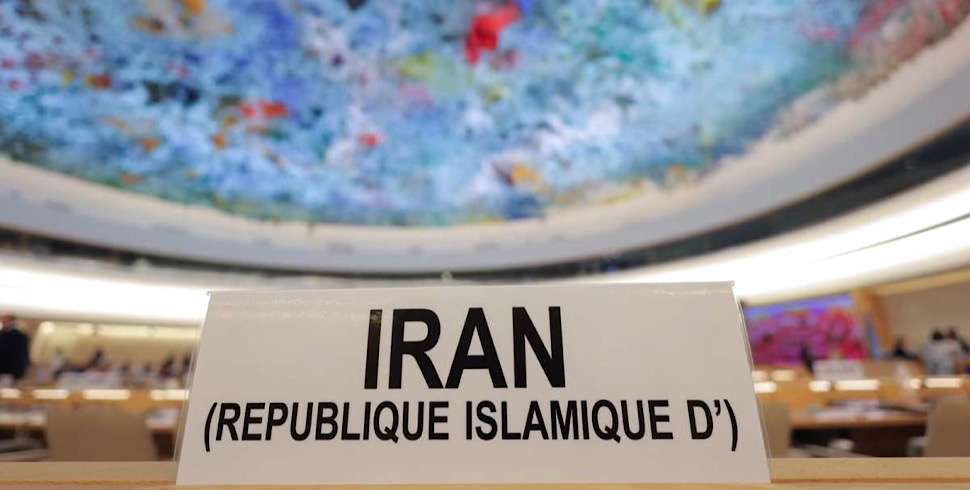
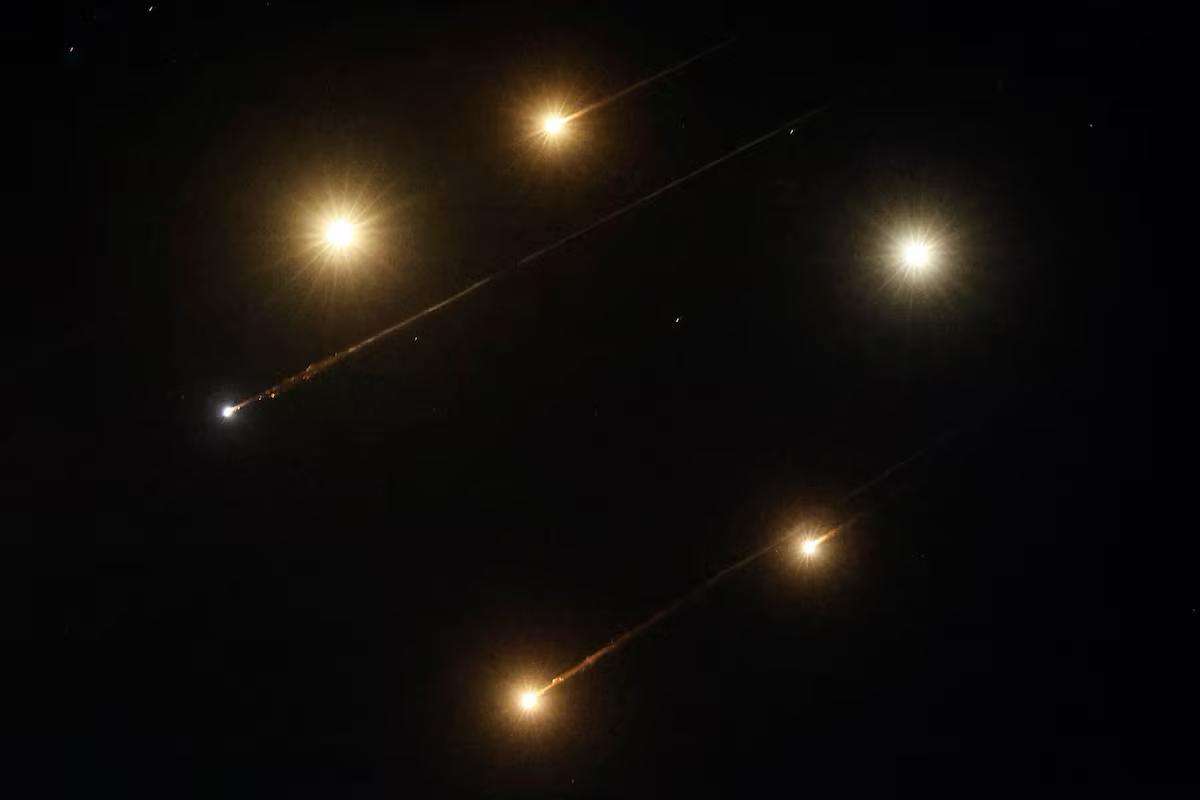
Vienna — The Director General of the International Atomic Energy Agency (IAEA), Rafael Mariano Grossi, addressed the United Nations Security Council today with a stark warning: Recent attacks on nuclear sites in the Islamic Republic of Iran have sharply degraded nuclear safety and security, bringing heightened risk to the region and, potentially, beyond.
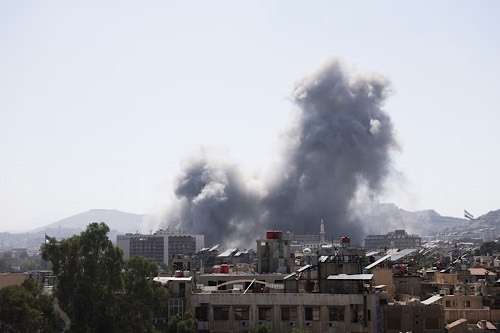
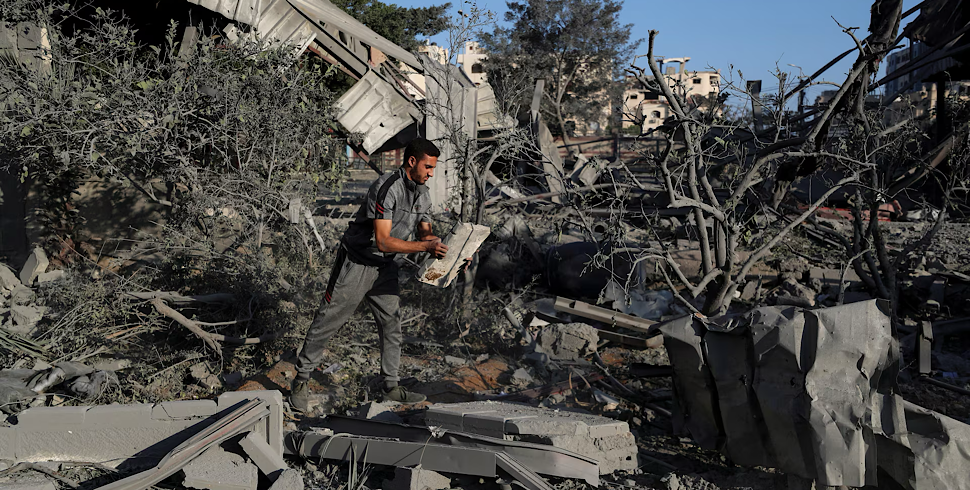
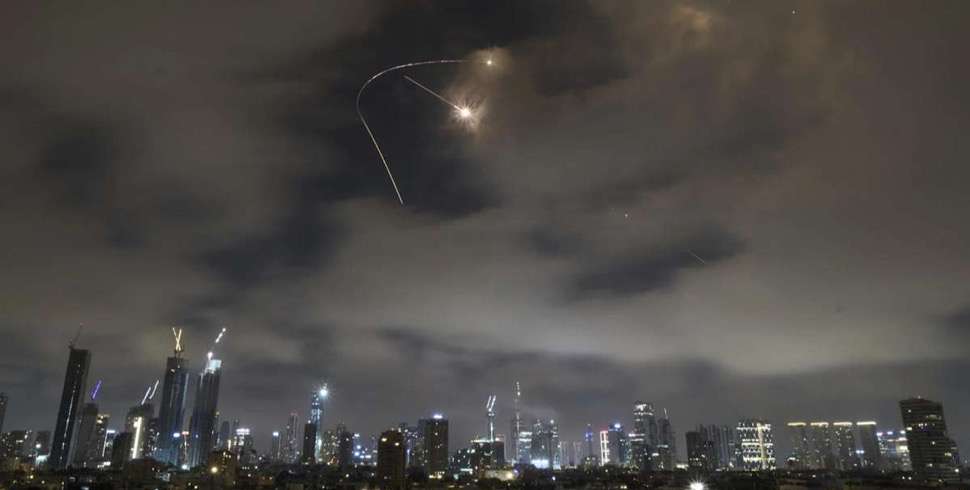
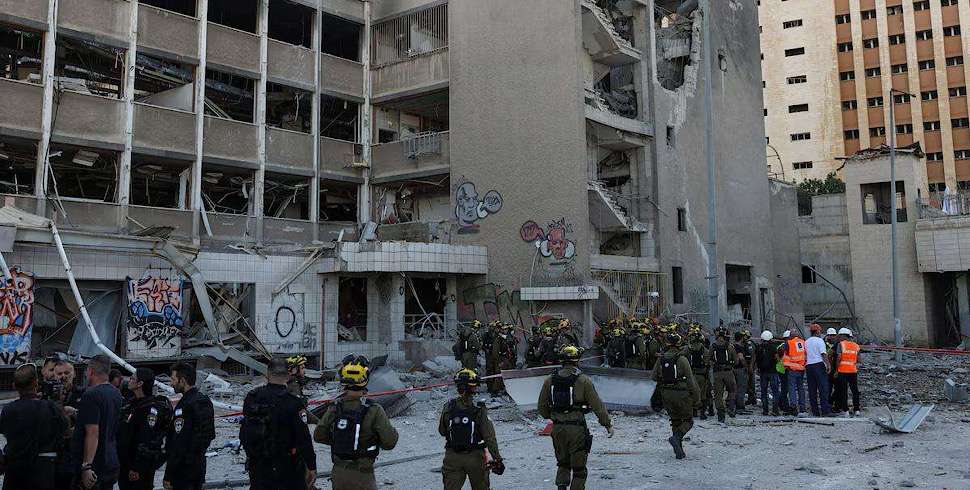
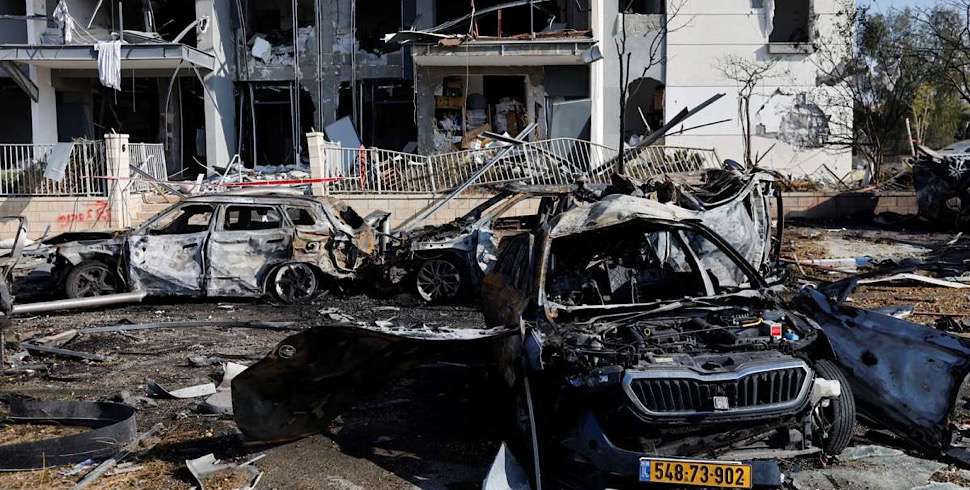
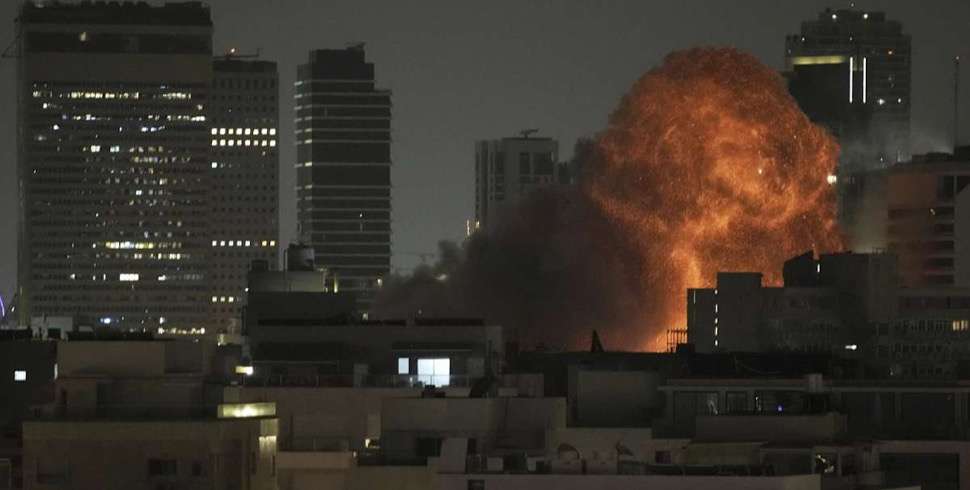
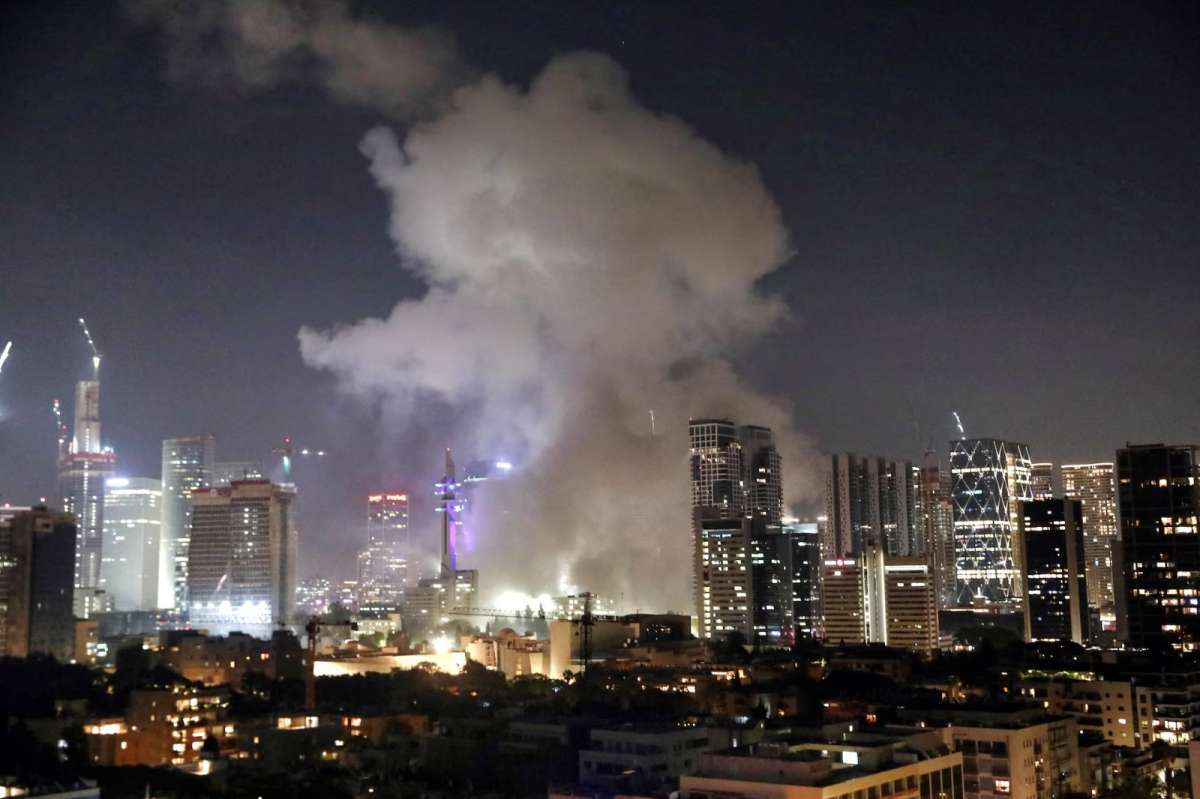
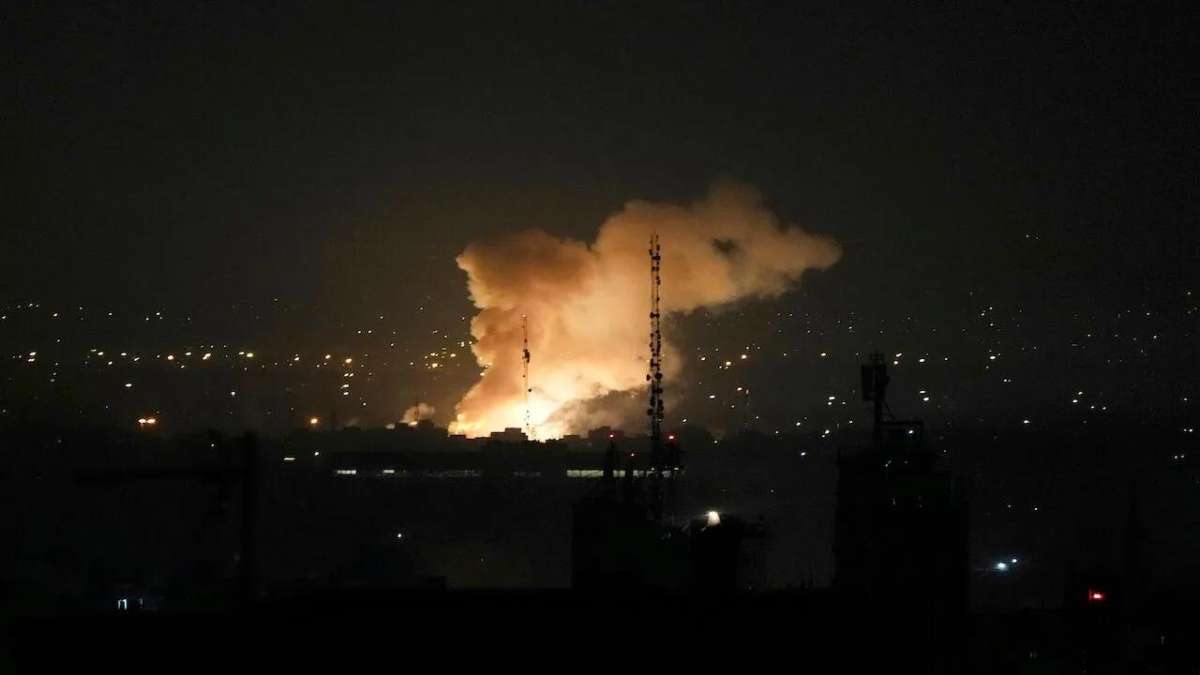
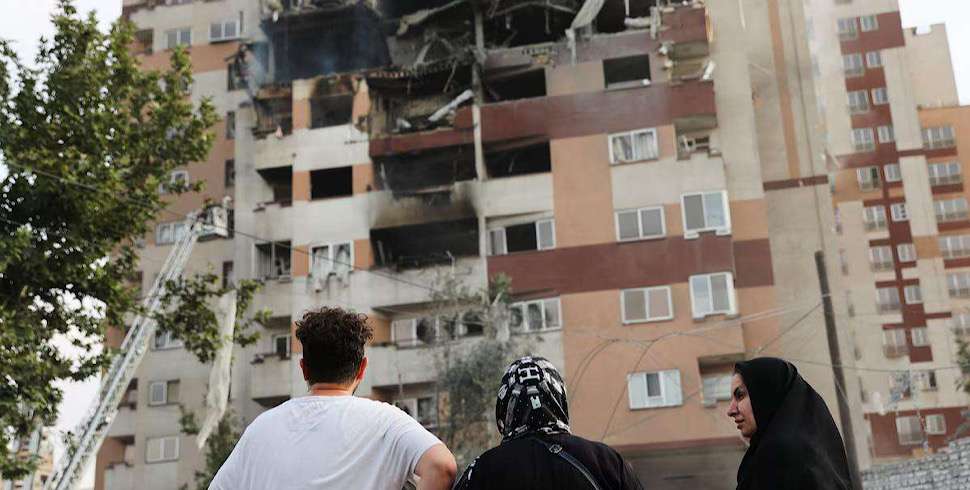
Following attacks attributed to Israel on several Iranian nuclear facilities, the IAEA has been closely monitoring the situation. While no radiological release has been detected that would affect the public so far, the agency warns that future events could lead to severe environmental and health consequences.
Key Findings at Iranian Nuclear Facilities
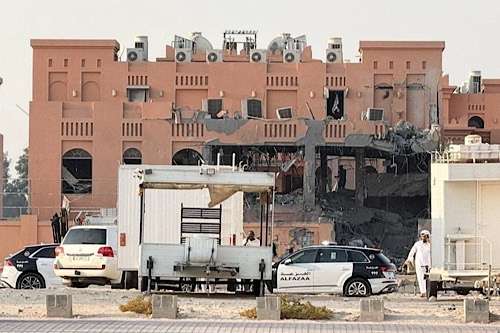
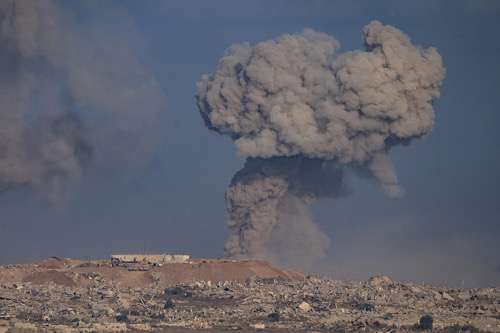
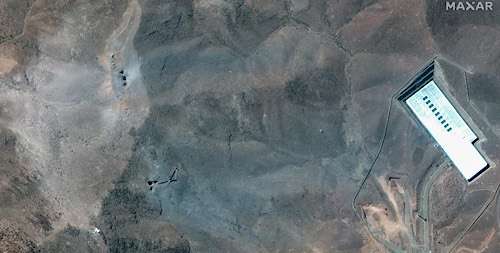
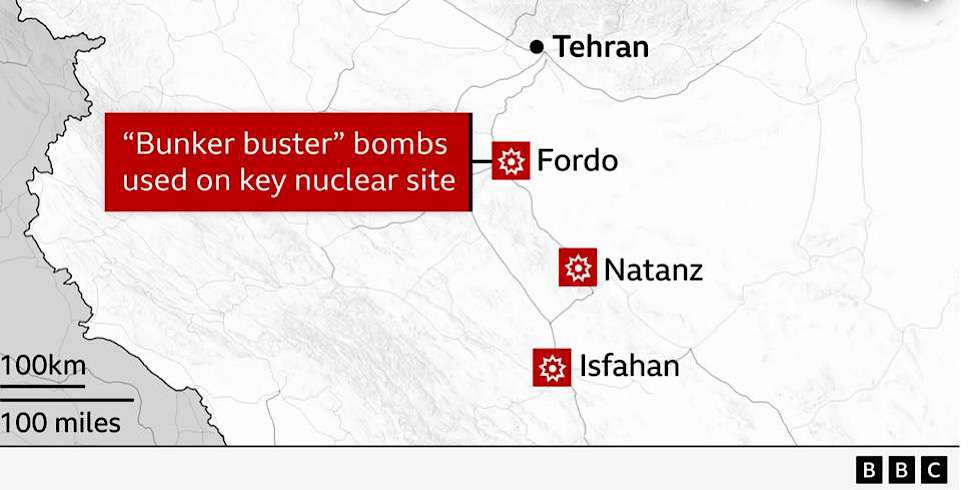
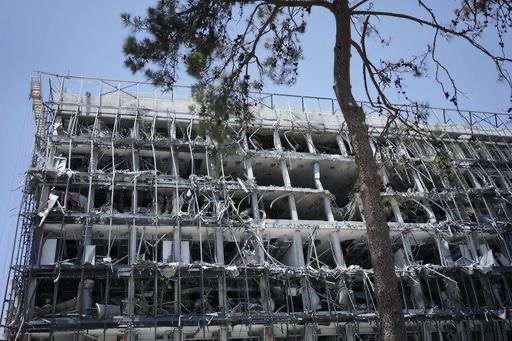
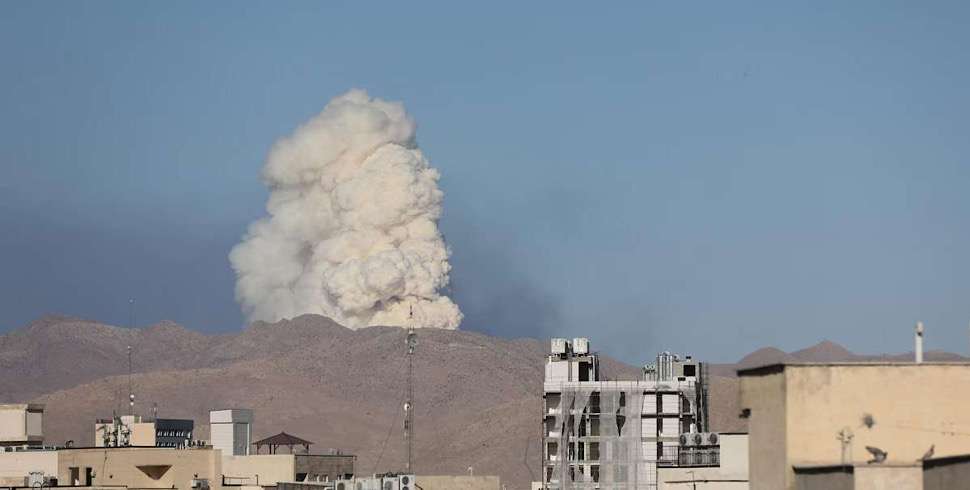
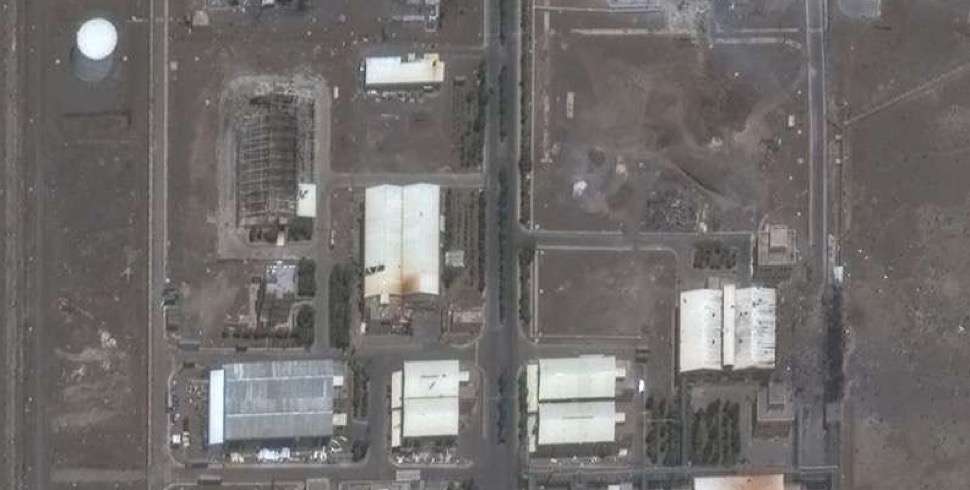
At the Natanz enrichment site—home to two major uranium enrichment plants—recent strikes have caused significant physical damage. An initial attack on June 13 destroyed electricity infrastructure, emergency power systems, and advanced into sensitive areas using ground-penetrating munitions. Both main and pilot enrichment facilities at Natanz suffered grave structural harm, though external radiation levels remain normal.
However, Grossi highlighted that within the damaged facility, both radiological and chemical contamination have occurred, with potential dispersion of uranium compounds. “While outside levels pose no imminent concern, inside the plant the main risk is chemical toxicity, which must be managed cautiously,” he explained.
The nearby Fordow site, Iran’s main facility for enriching uranium to 60%, has not sustained damage, according to IAEA assessments.
At the Esfahan nuclear site, four buildings—including key laboratories and a fuel manufacturing plant—were damaged. Again, no off-site radiological impacts have been detected, but chemical hazards remain under assessment.
The Khondab Heavy Water Research Reactor under construction at Arak was also struck, but as it was not operational and contained no nuclear material, no radiological consequences are anticipated.
Grossi further reported hits at the Tehran Research Center and Karaj workshop, both involved in advanced centrifuge development, with no detectable radiological impact.
Gravest Risks at Bushehr Plant
Particularly concerning is the Bushehr Nuclear Power Plant, Iran’s only operating nuclear power facility, which houses thousands of kilograms of nuclear material. Grossi emphasized that any direct attack—or even loss of electrical power to the reactor—could lead to a “very high release of radioactivity to the environment,” potentially requiring mass evacuations, distribution of iodine, and extensive environmental monitoring over hundreds of kilometers.
Similarly, any action against Tehran’s Nuclear Research Reactor could have “severe consequences” for the city’s population.
Calls for Restraint and Continued Oversight
Grossi reaffirmed the vital importance of IAEA presence in Iran, both to ensure nuclear material remains under international safeguards and to monitor ongoing health and safety risks. He stressed the need for immediate resumption of inspections once safety allows, and emphasized that any Iranian measures to protect its nuclear sites must be coordinated in line with IAEA obligations.
Quoting longstanding IAEA policy, Grossi said, “Armed attacks on nuclear facilities should never take place, and could result in radioactive releases with grave consequences within and beyond the boundaries of the State which has been attacked.”
He called on all parties for maximum restraint, warning that military escalation endangers lives and undermines diplomatic solutions to ensure Iran does not develop nuclear weapons.
A Plea for International Cooperation
In his concluding remarks, Grossi offered the IAEA’s expertise in mitigating nuclear risks during times of conflict and reiterated his readiness to travel and engage with all stakeholders. “The Agency stands ready to send nuclear safety and security experts wherever necessary, to ensure the continued peaceful use of nuclear technology and the safety of people everywhere,” he assured the Security Council.