











































































































































































































































































































































































































































































































































































































































































































































































































































































































Friday, 09 October 2026
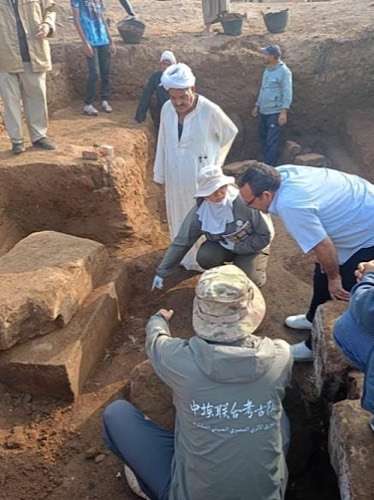
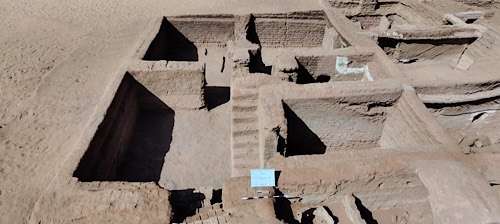
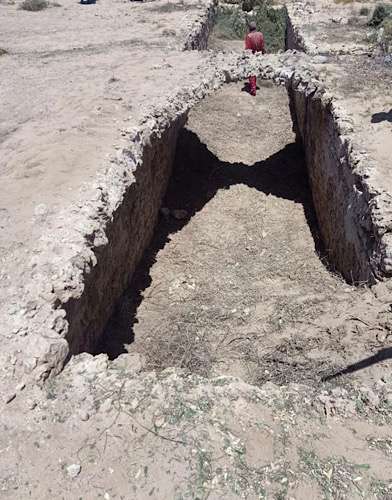
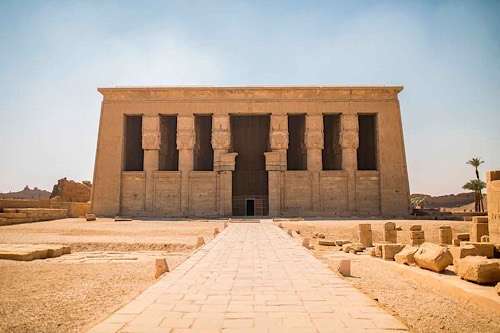
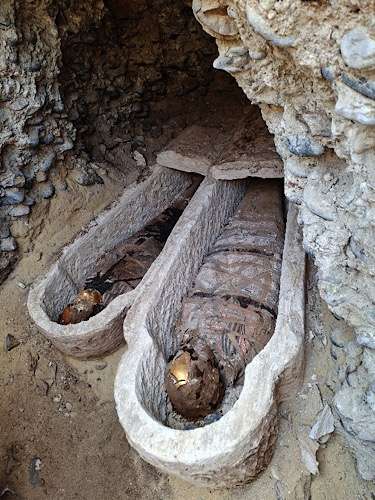
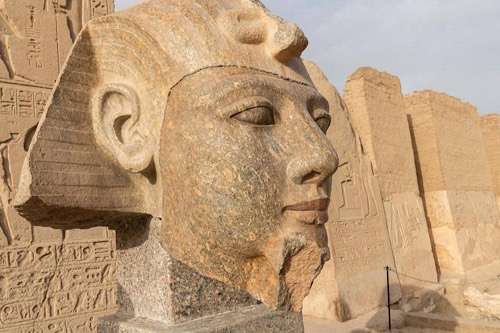
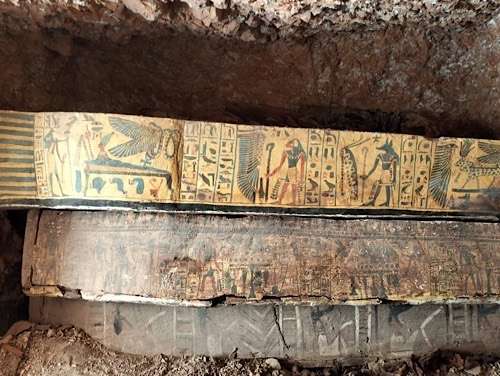
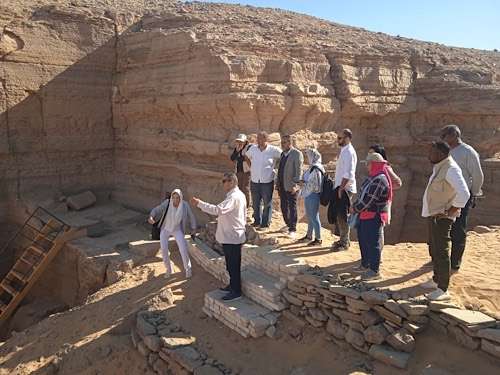
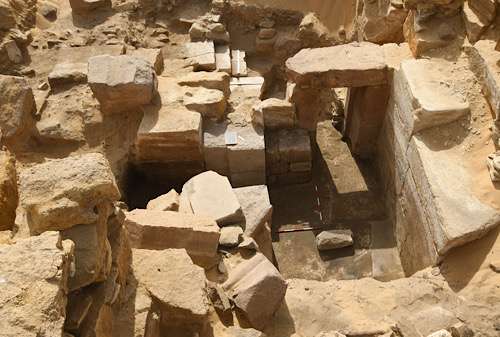
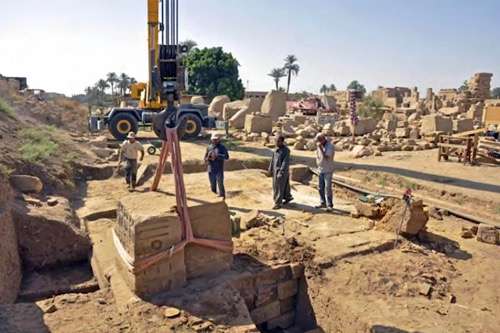
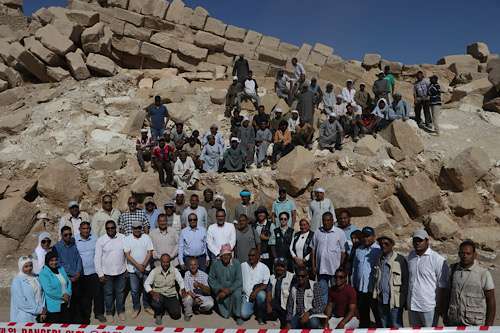
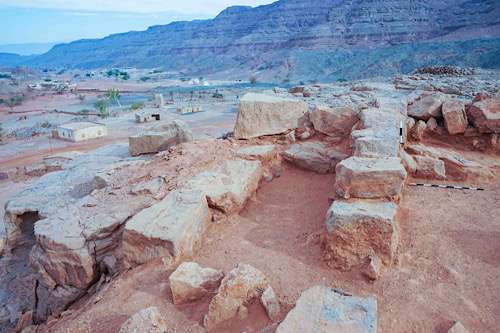
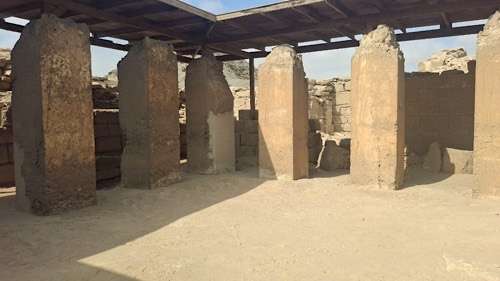
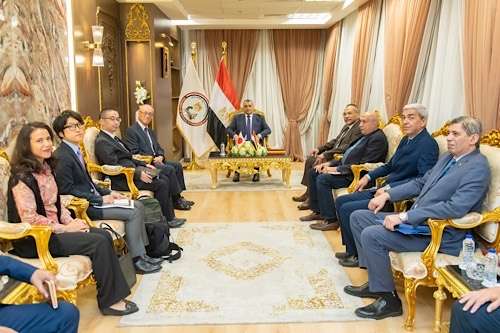
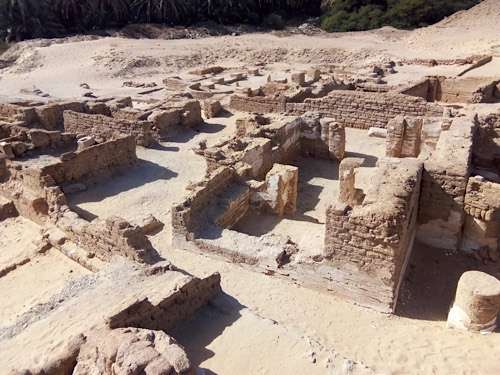
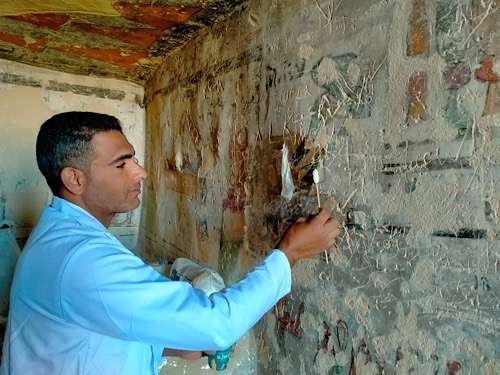
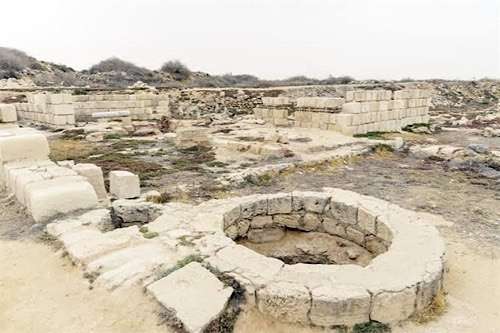
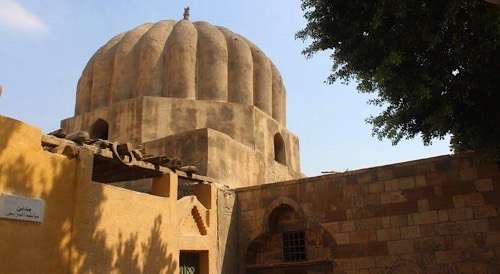
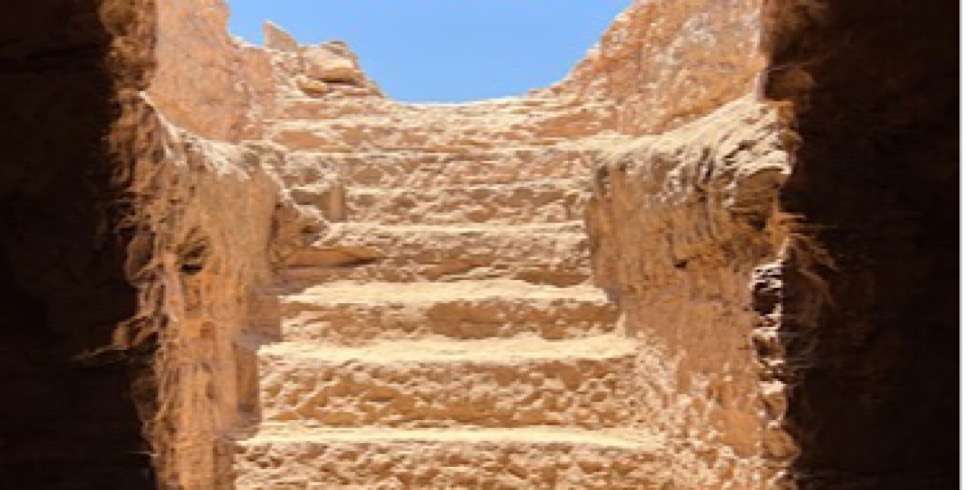
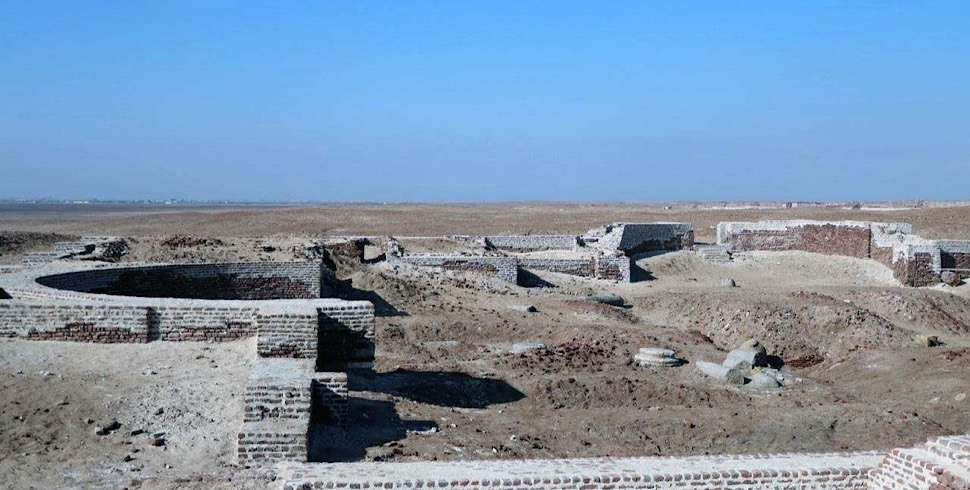
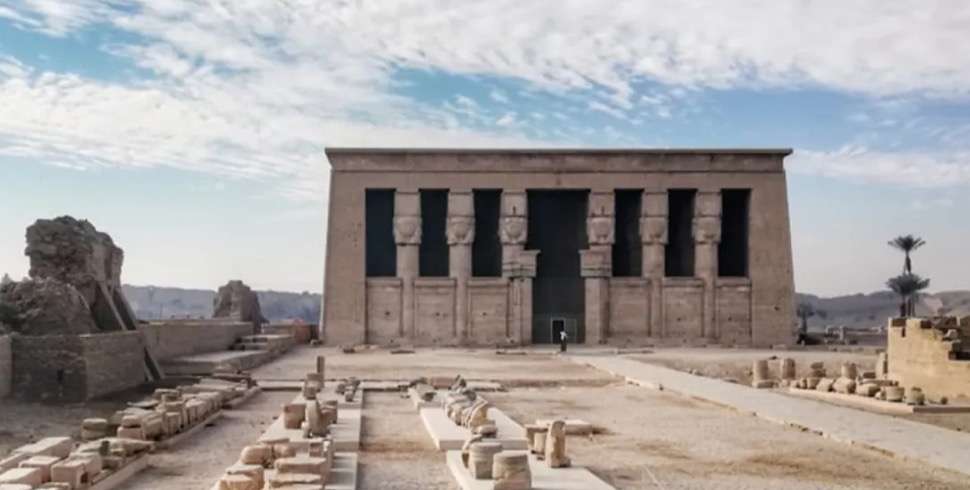
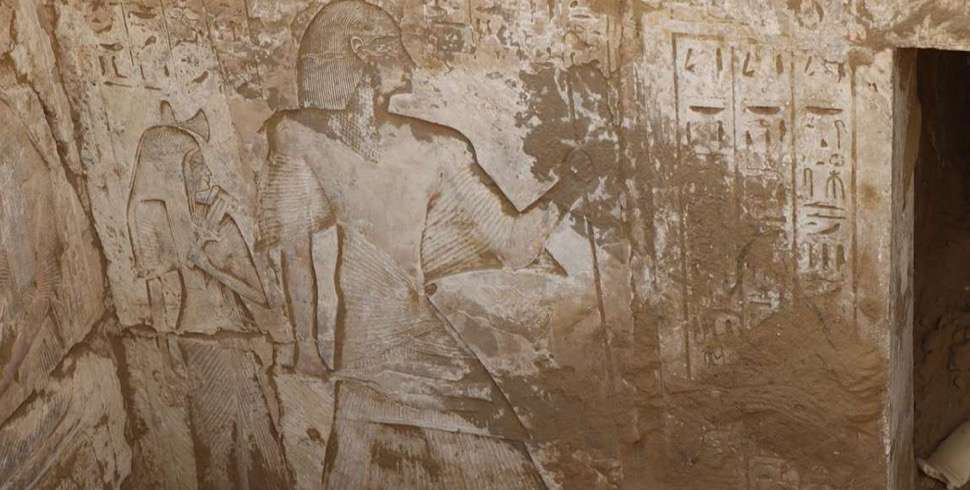
A joint Egyptian-Chinese archaeological mission has uncovered a limestone structure believed to be part of the ancient temple of King Apries (589-570 BC), a ruler of the 26th Dynasty.
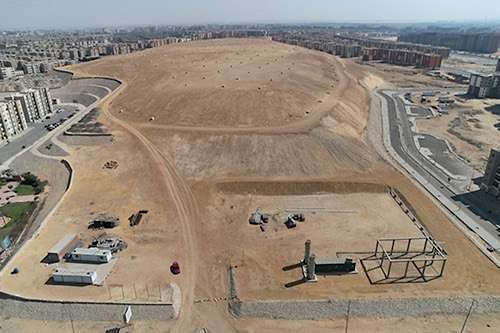
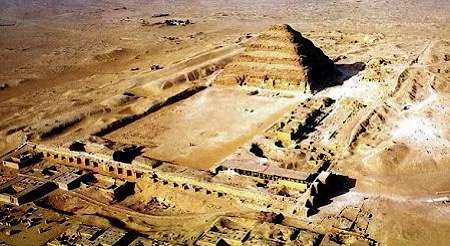
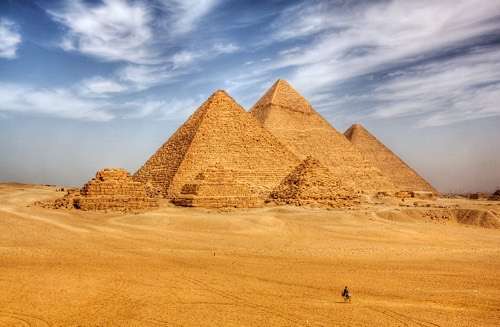
The discovery was made at the Tell el-Aziz site in the Mit Rahina area of Giza, a location rich in remains from the ancient city of Memphis.
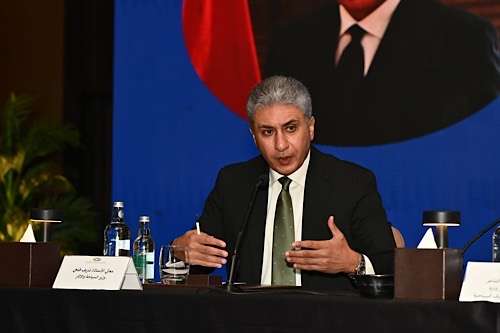
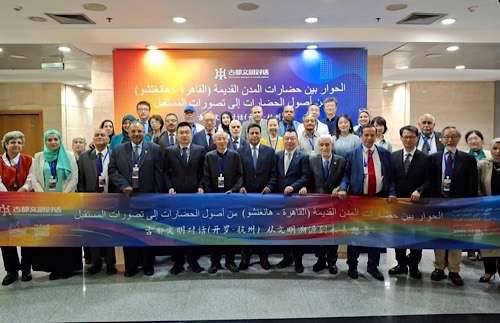
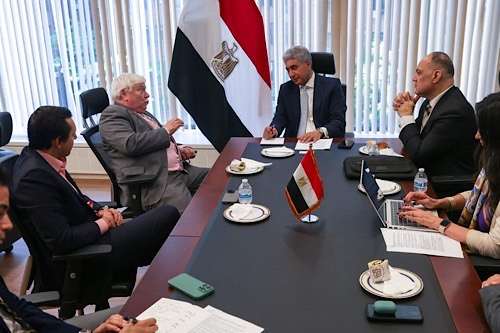
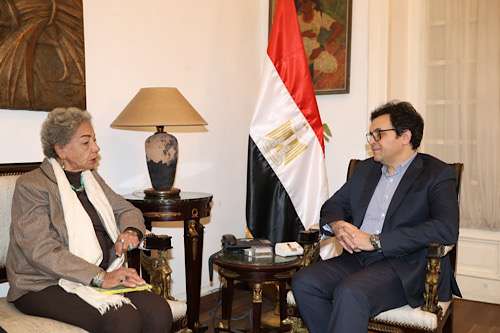
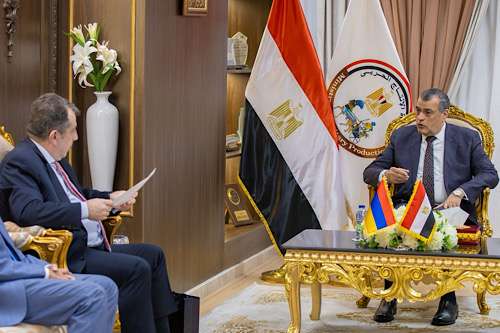
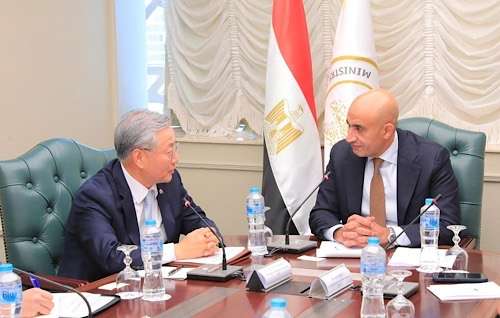
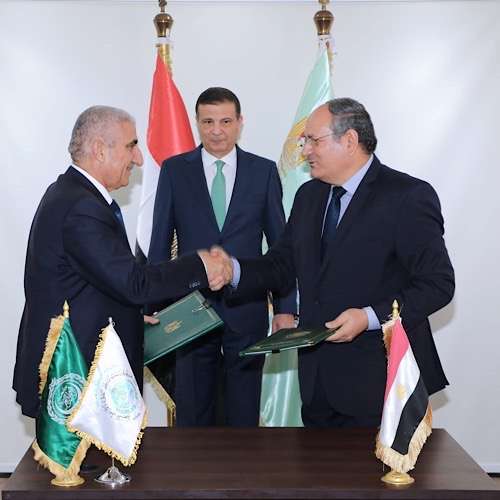
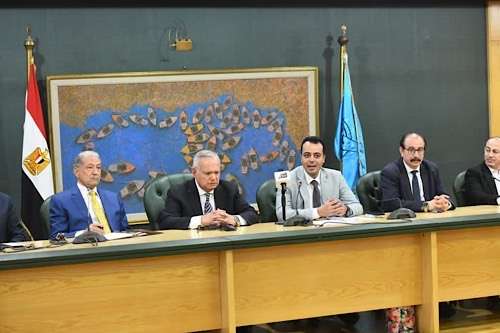
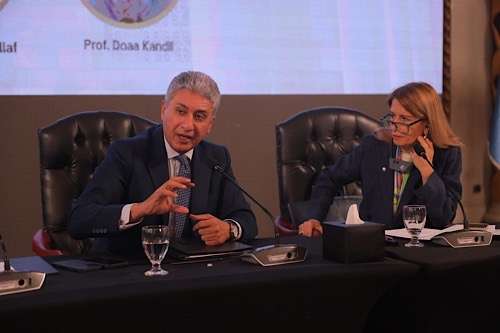
Minister of Tourism and Antiquities, Sherif Fathy, described the find as an important addition to ongoing archaeological research in Mit Rahina. He praised the strong scientific co-operation between Egypt and China, noting that the discovery helps deepen global understanding of one of Egypt’s most historically significant regions.
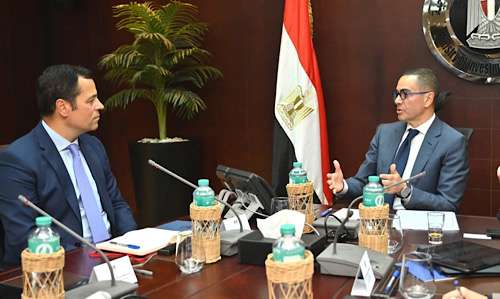
Secretary-General of the Supreme Council of Antiquities, Hisham El-Leithy, said that the newly uncovered structure sheds fresh light on the urban layout and religious life of ancient Memphis.

Early studies indicate that the southern part of Tell el-Aziz was a core area of the city. He added that the temple appears to have been in use from the 26th Dynasty through the Roman period.
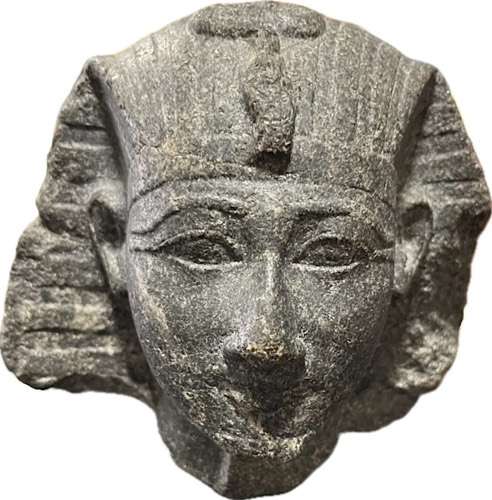
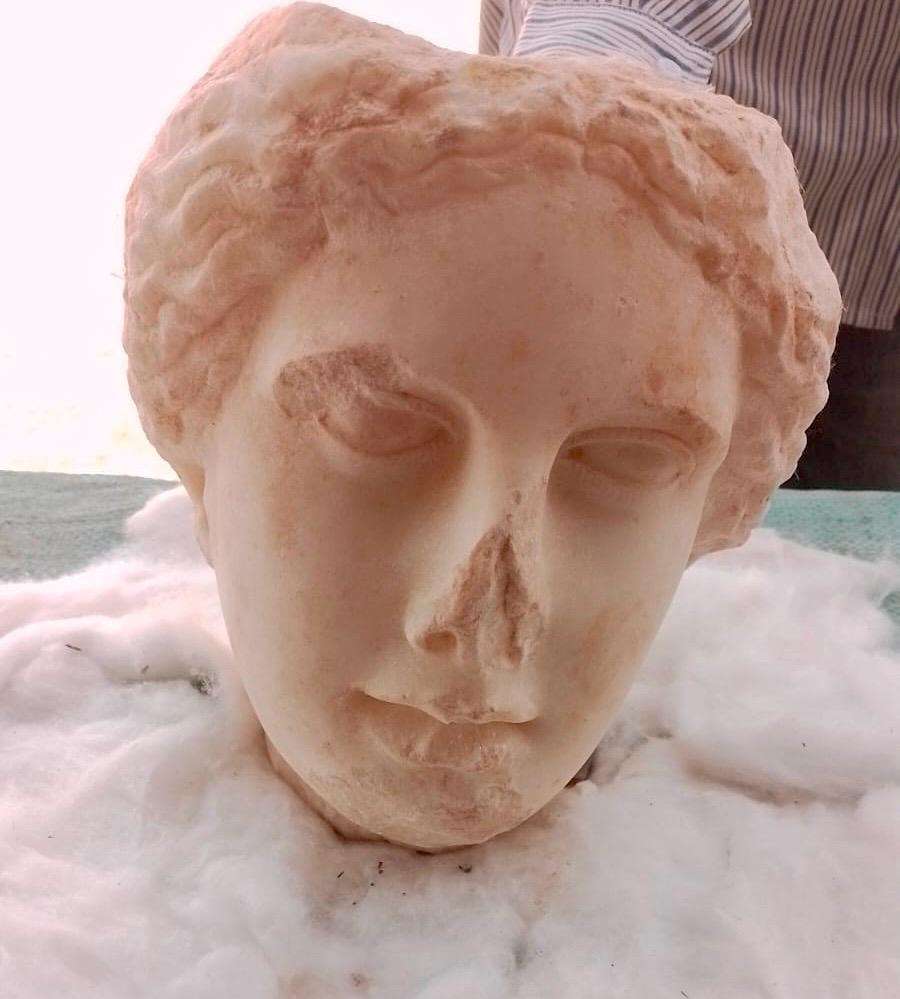
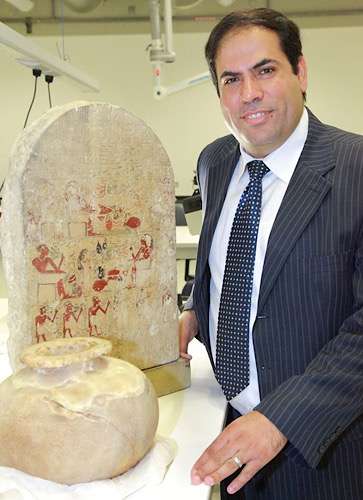
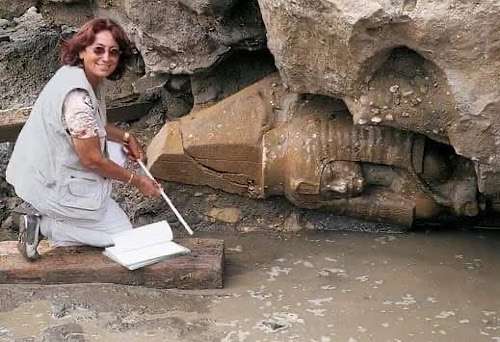
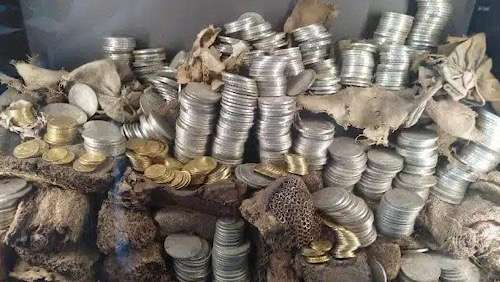
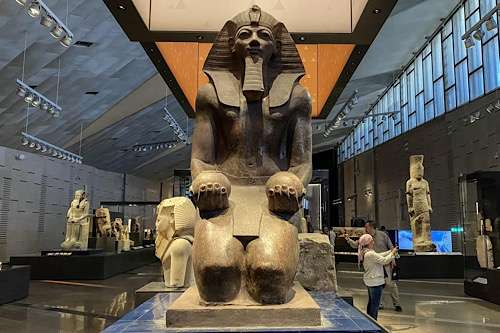
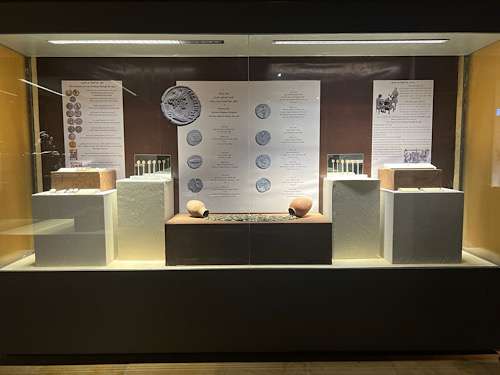
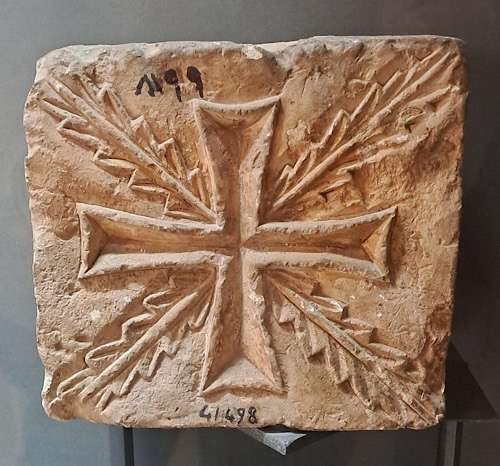
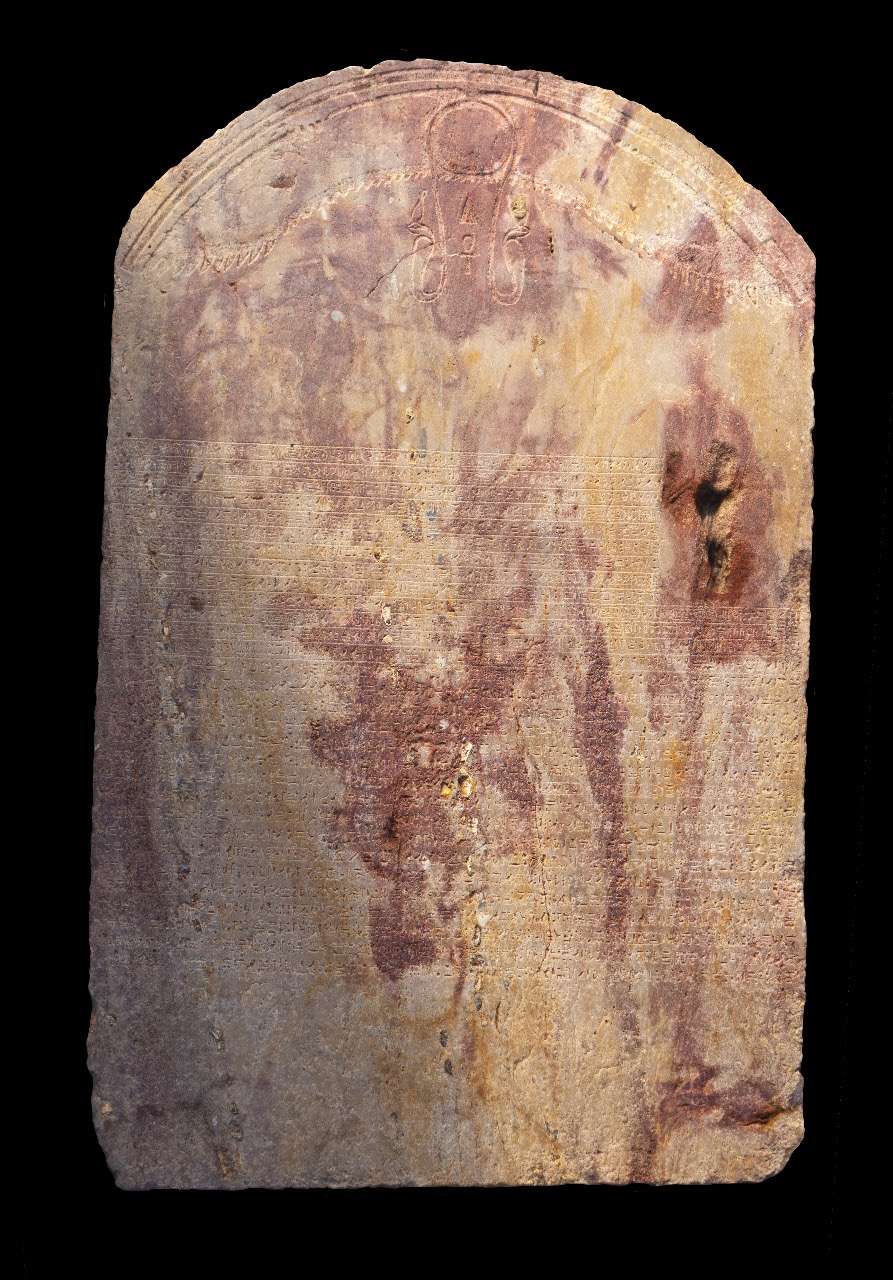
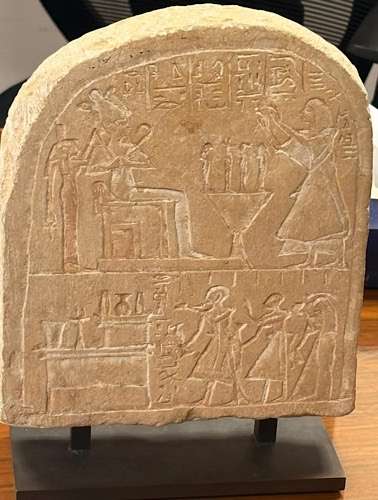
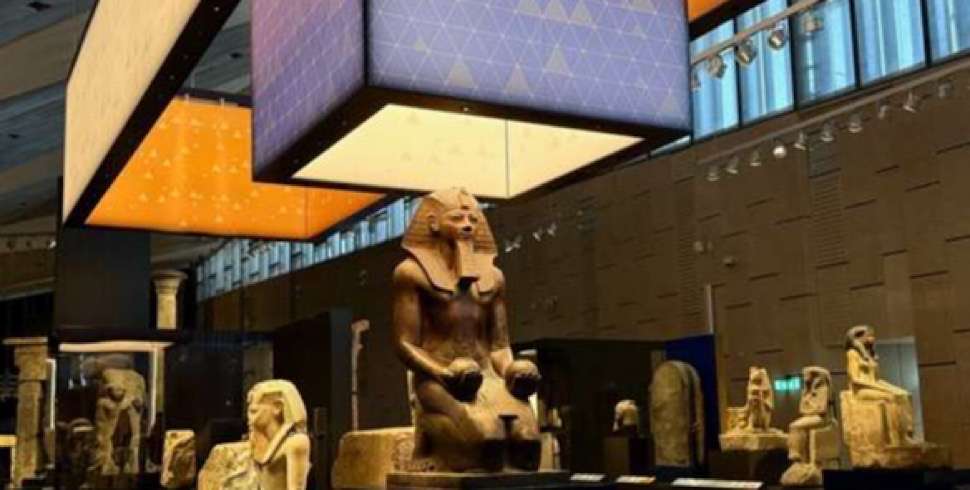
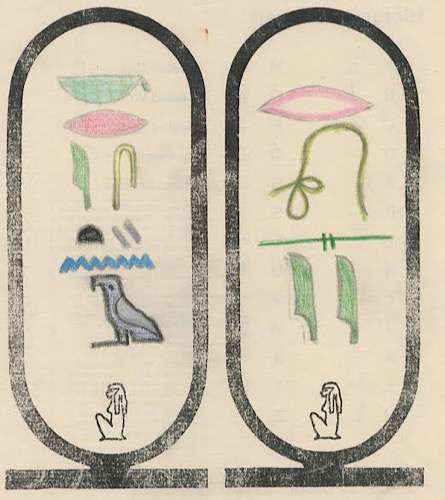
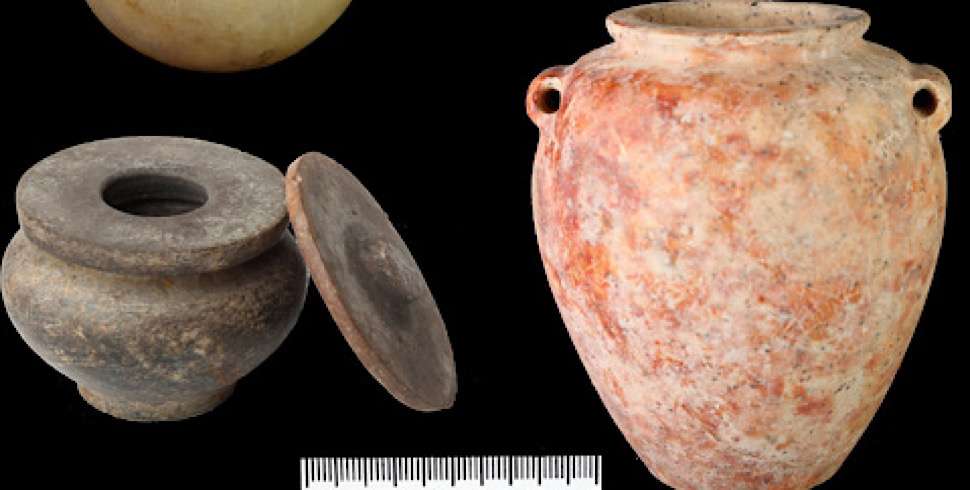
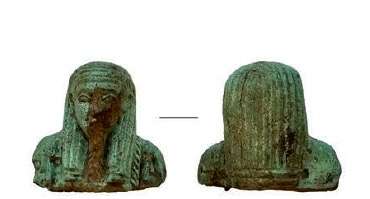
head of the Egyptian Antiquities Sector and co-leader of the mission, Mohamed Abdel-Badie, reported that excavations also revealed five headless sphinx statues, along with inscribed limestone blocks bearing hieroglyphs related to the deity Ptah and the cartouche of King Apries. Additional finds included pottery, glass vessels, and copper coins.
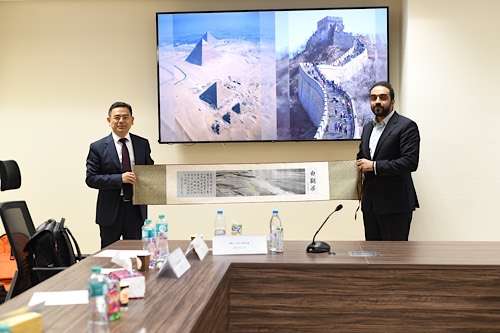
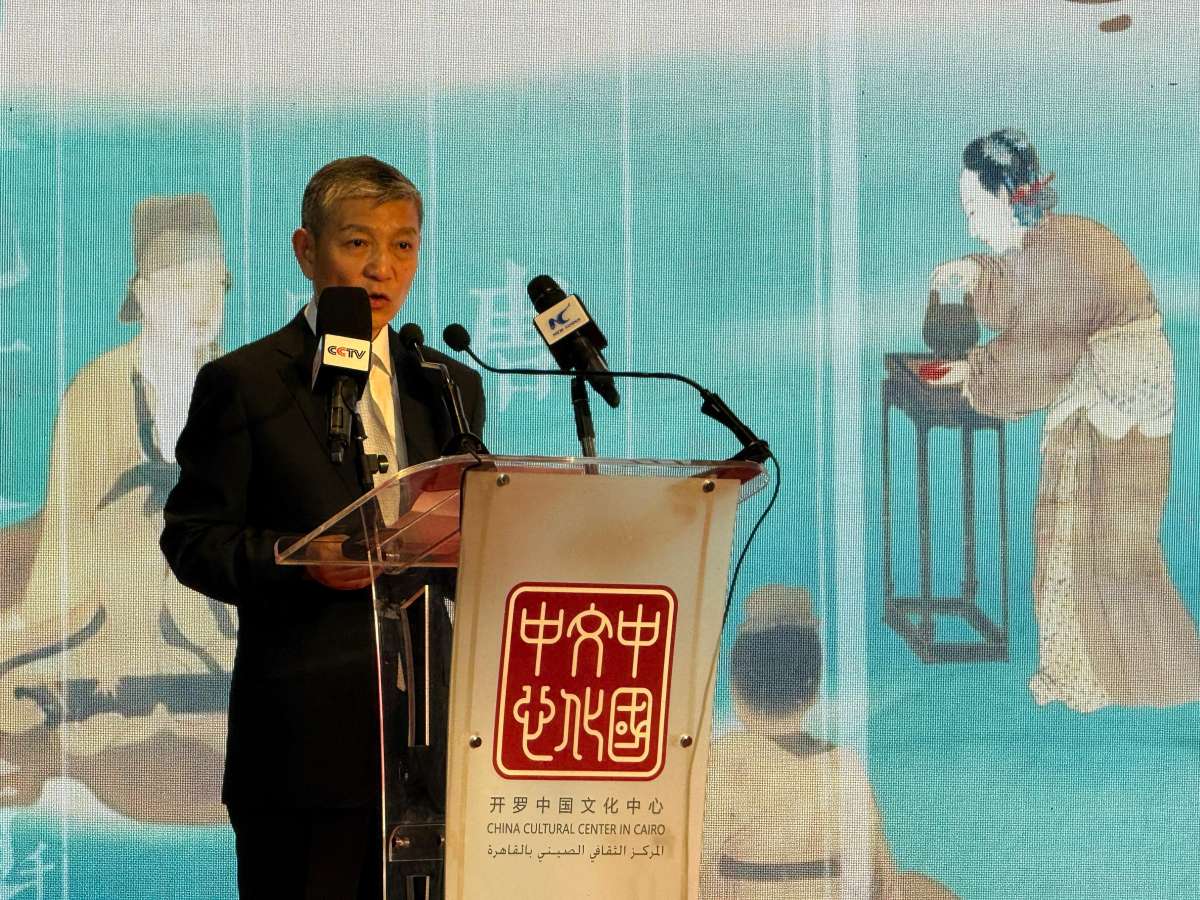
The mission’s Chinese director, Zhang Hai, said that the team will resume work in April to uncover more architectural and archaeological elements.
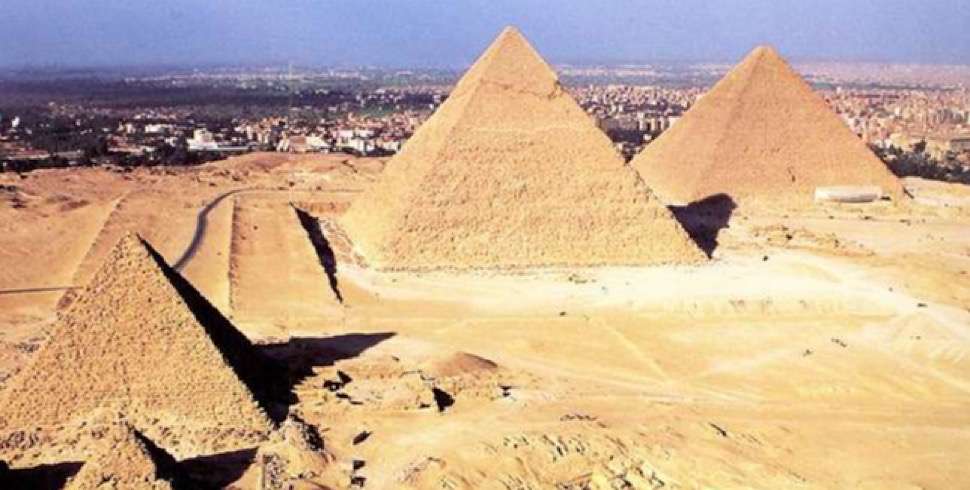
Memphis, he noted, was strategically positioned between the Nile Valley, the Delta, and the deserts, serving as Egypt’s earliest and most influential capital. It remained a major administrative, economic, and religious center for nearly three millennia.