










































































































































































































































































































































































































































































































































































Friday, 09 October 2026
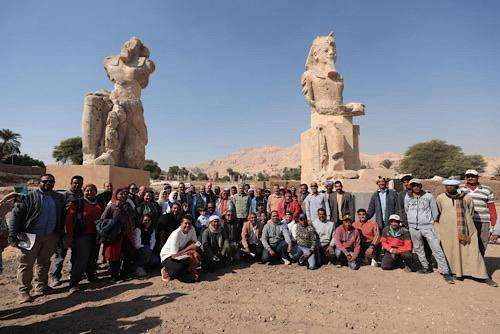
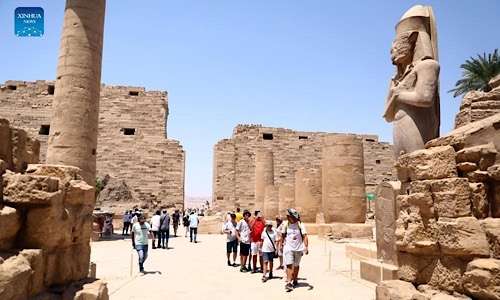
In a remarkable achievement for Egyptian heritage, two colossal alabaster statues of the ancient Pharaoh Amenhotep III were officially reinstalled at their original location in Luxor’s West Bank funerary temple during a special ceremony today, marking a highlight in decades-long international restoration efforts.
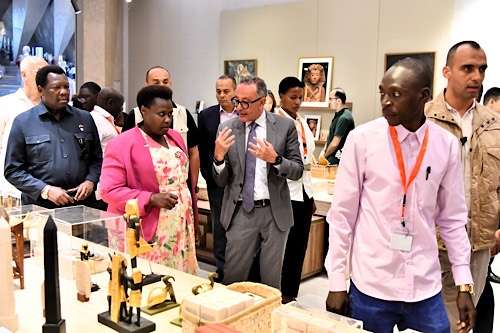
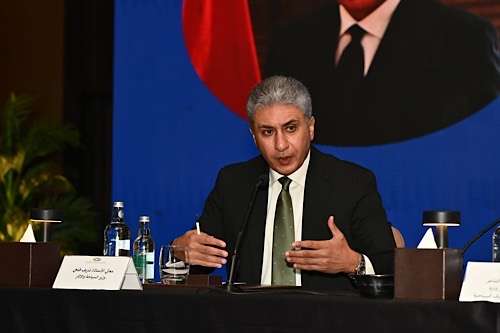
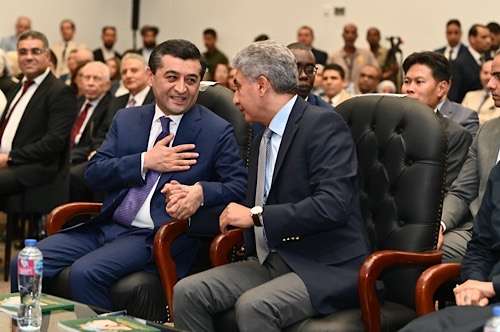
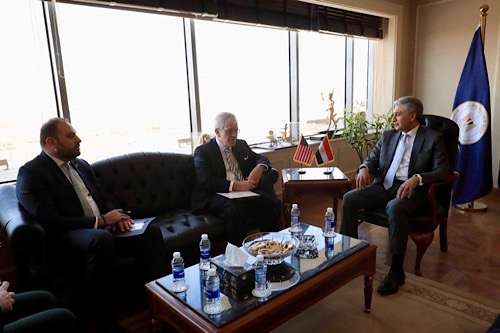
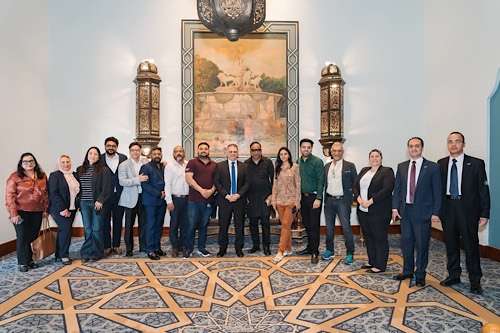
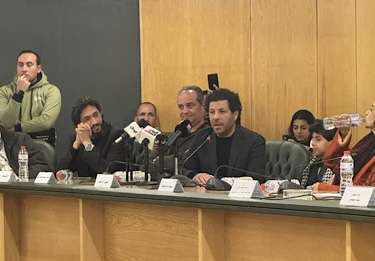
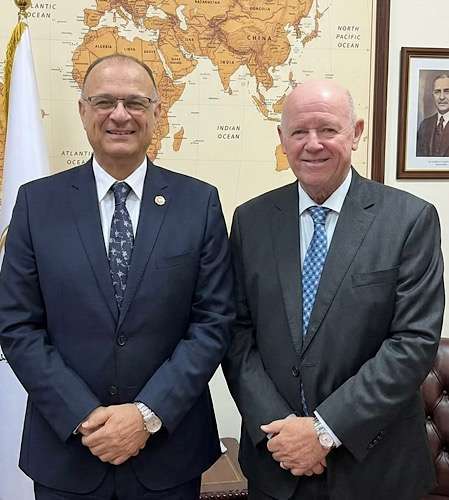
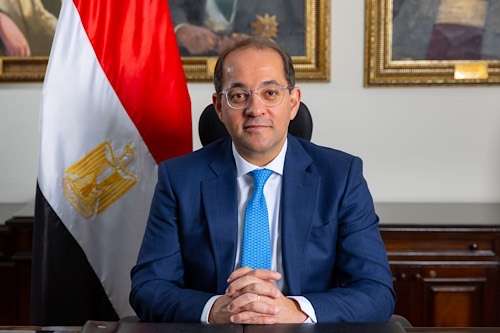
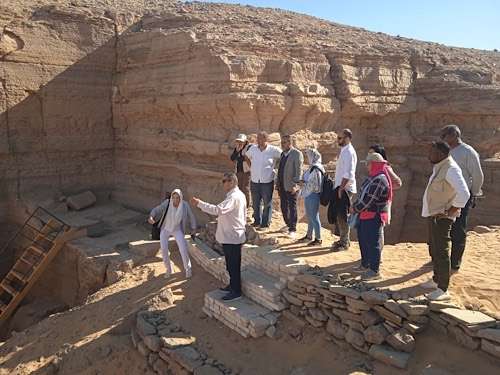
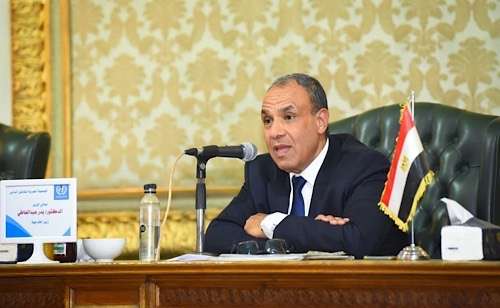
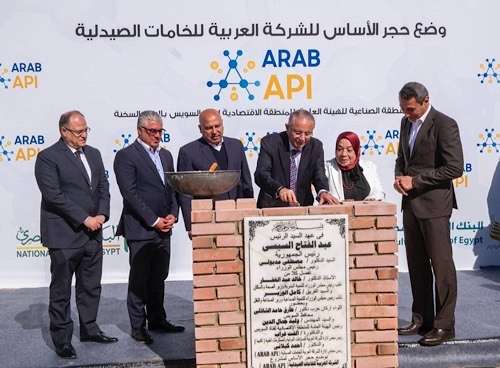
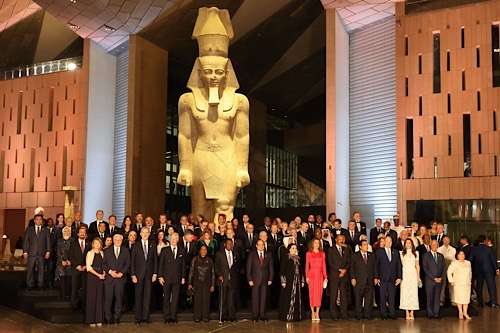
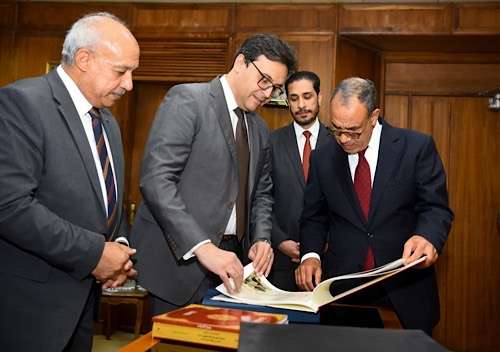
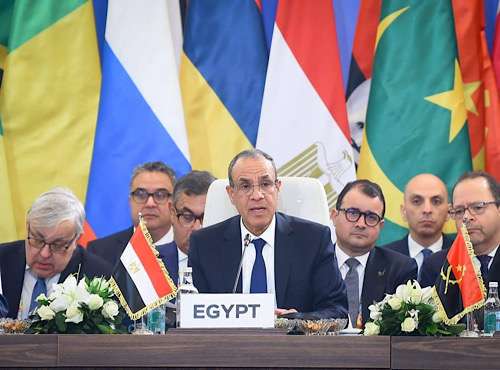
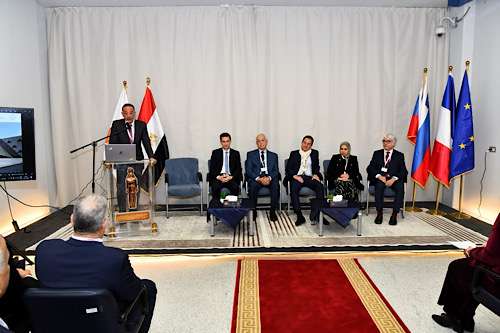
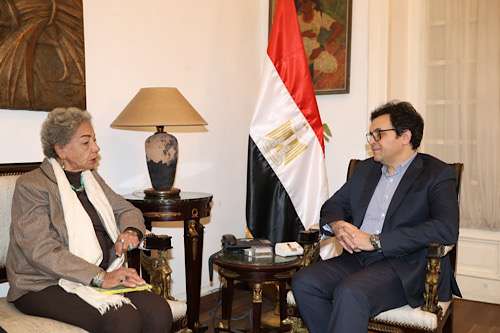
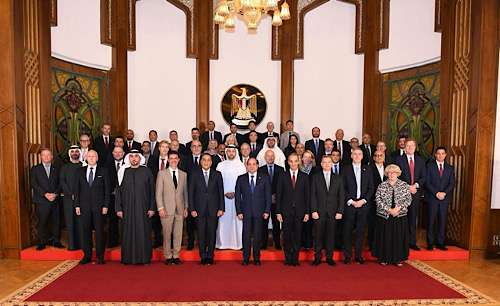
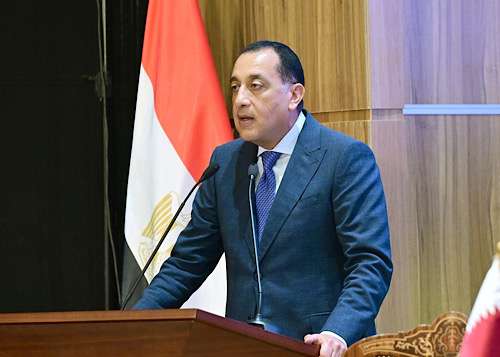
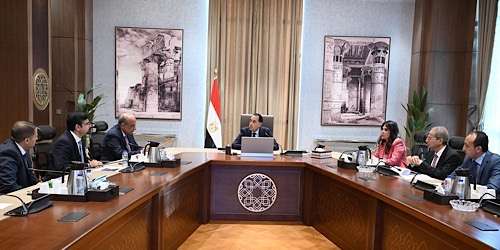
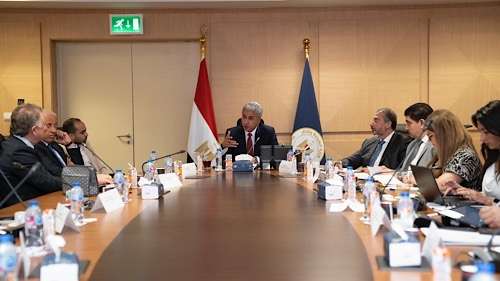
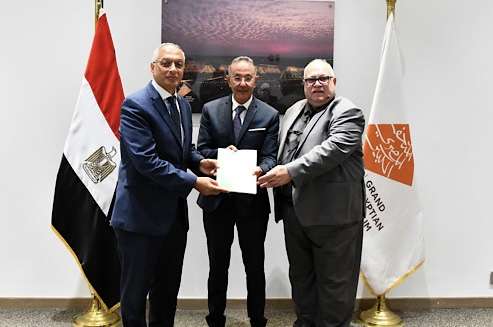
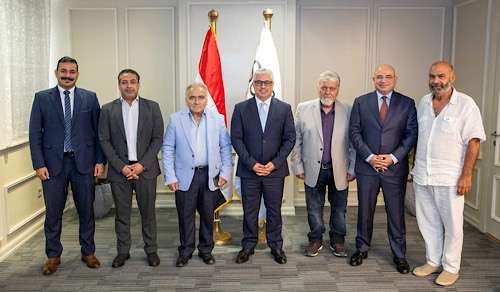
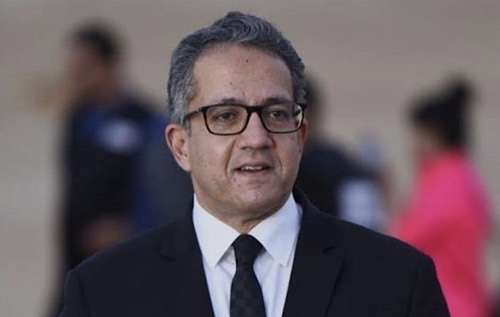
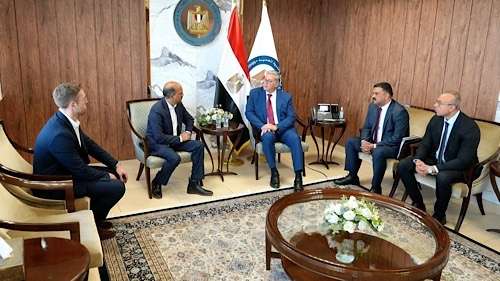
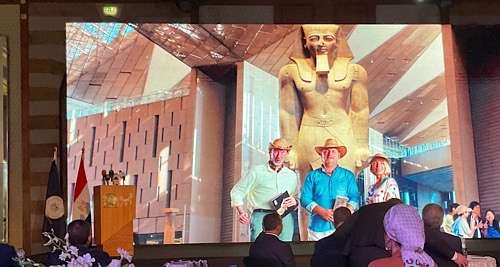
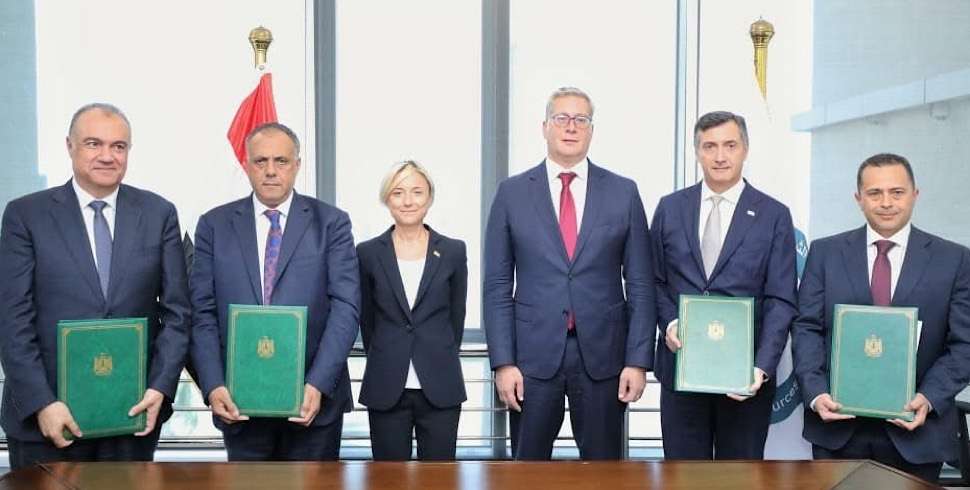
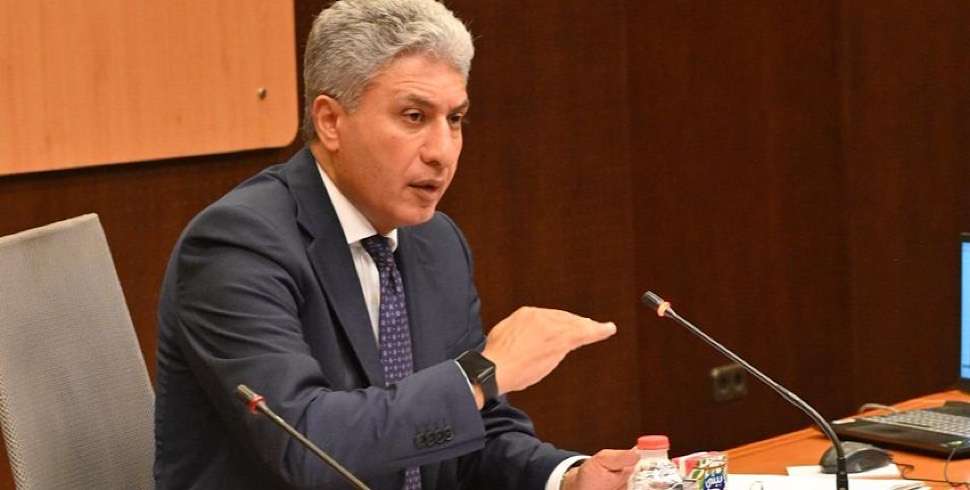
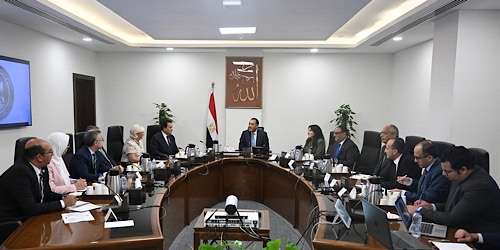
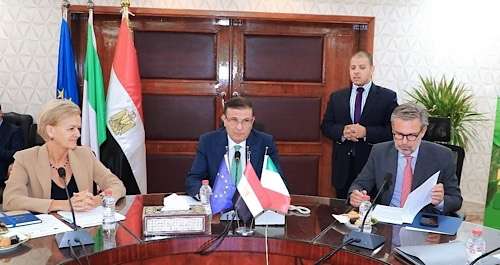
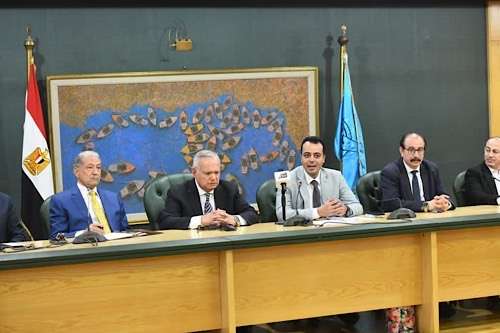
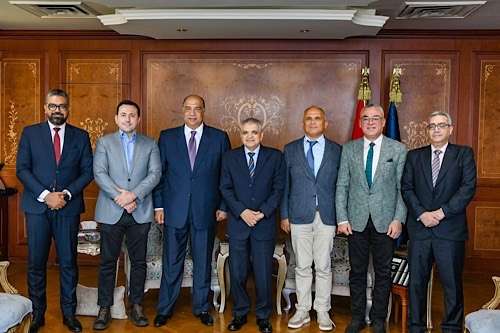
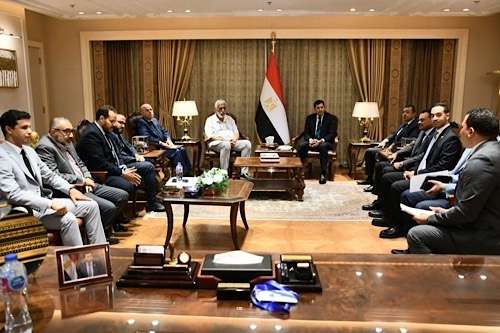
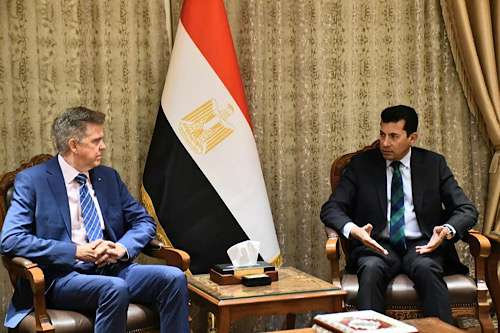
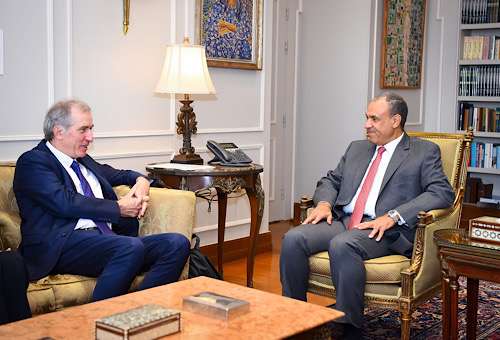
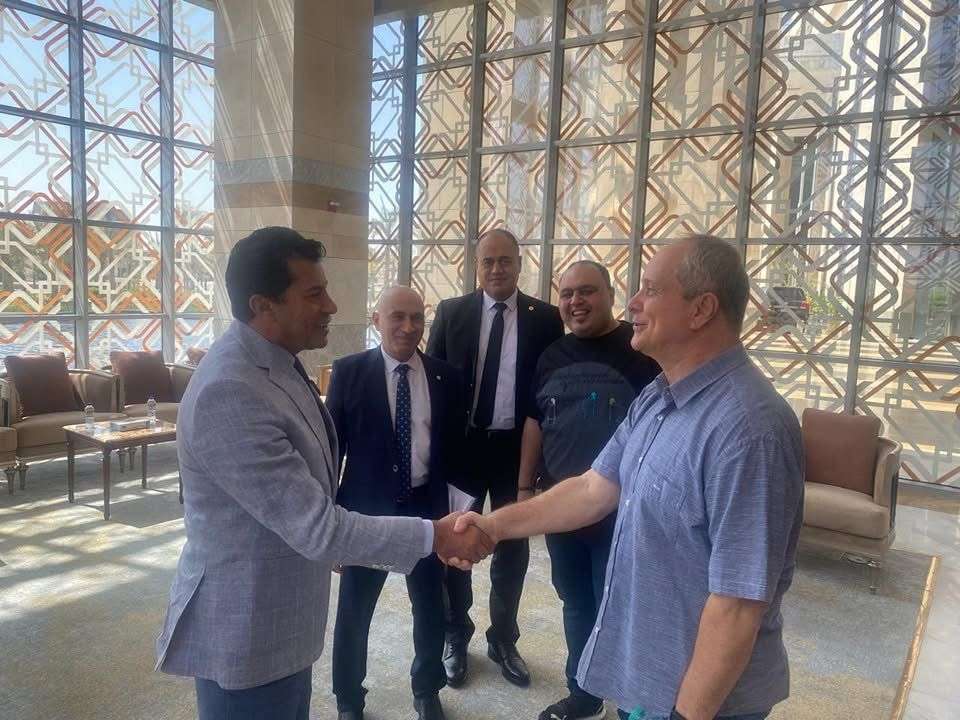
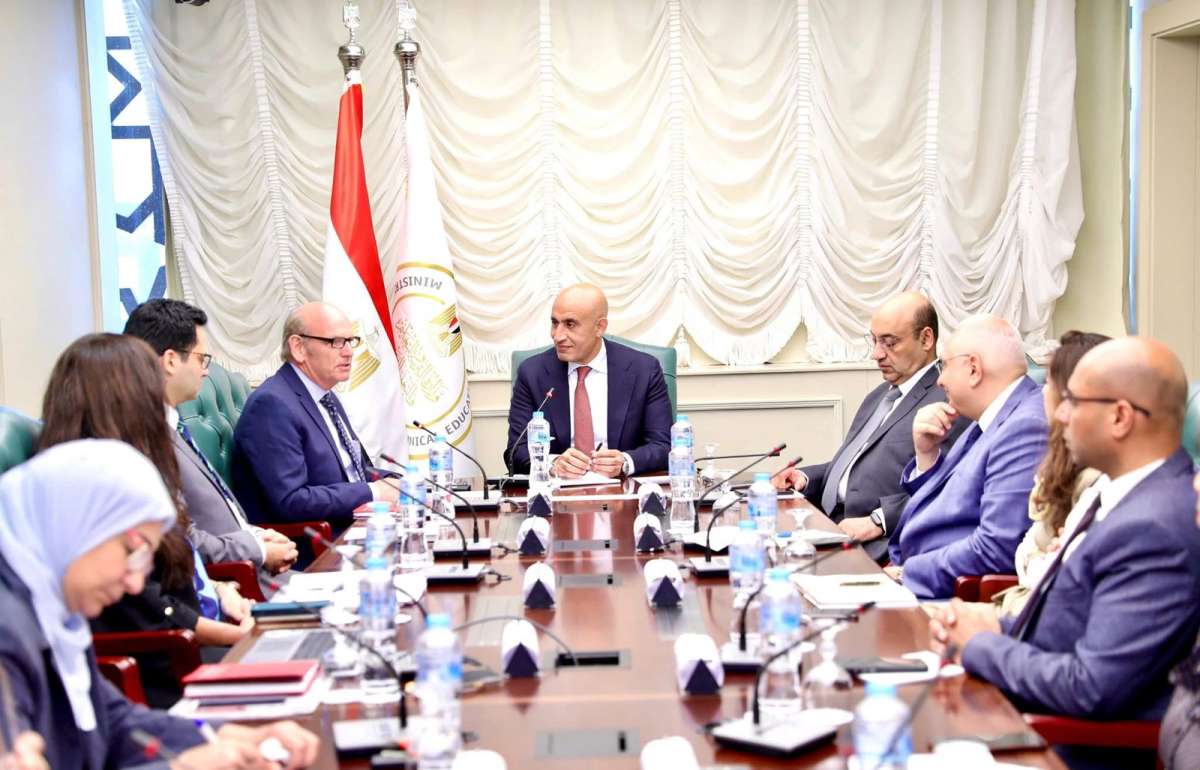
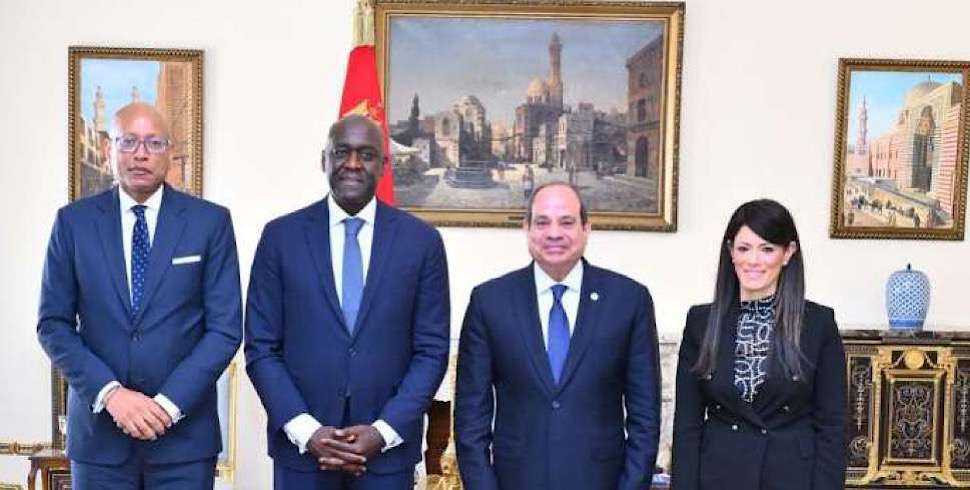
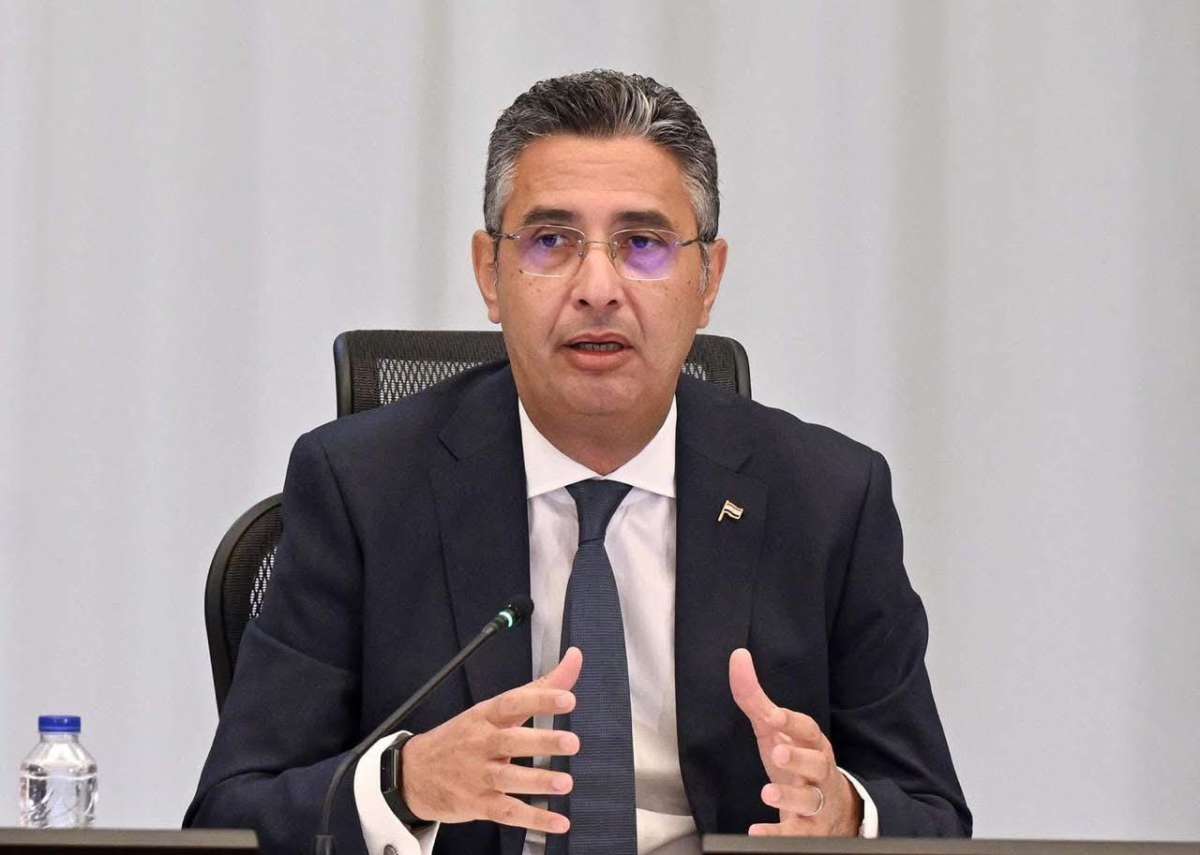
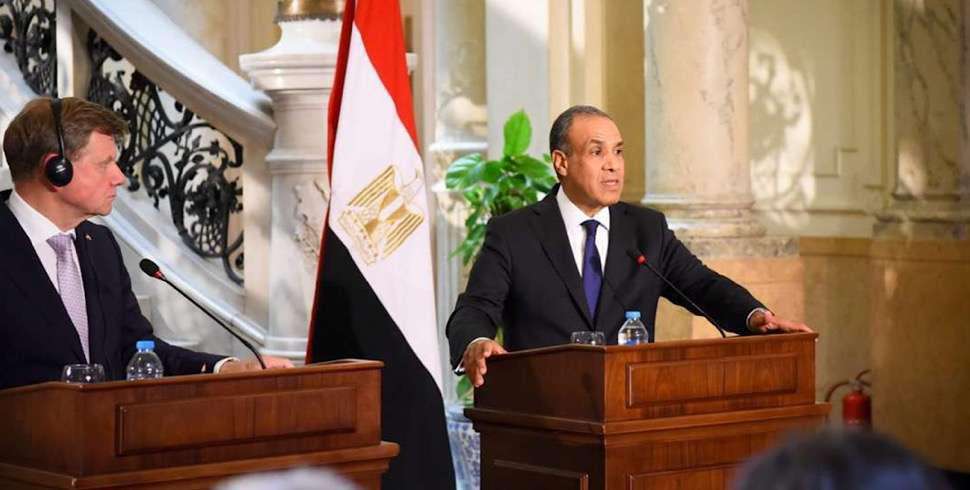
Mr. Sherif Fathy, Egypt’s Minister of Tourism and Antiquities, presided over the unveiling, joined by prominent Egyptian and international archaeologists and officials, including Dr. Mohamed Ismail Khaled, Secretary-General of the Supreme Council of Antiquities, Dr. Dietrich Raue, Director of the German Archaeological Institute in Cairo, and Dr. Hourig Sourouzian, Project Director.
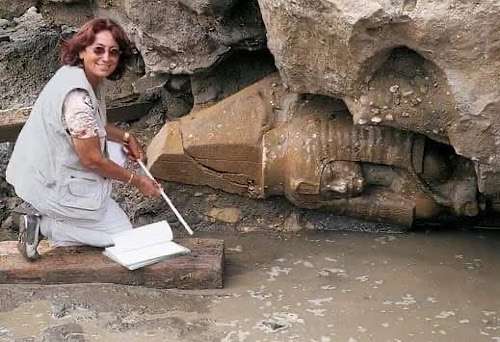
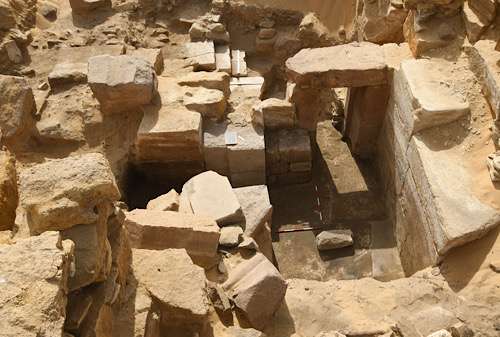
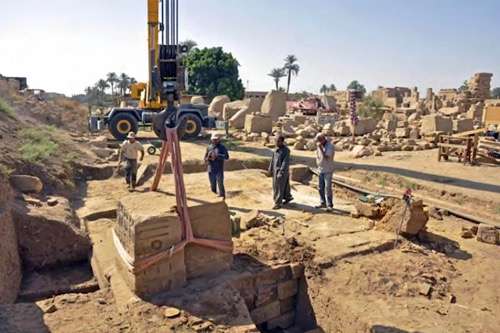
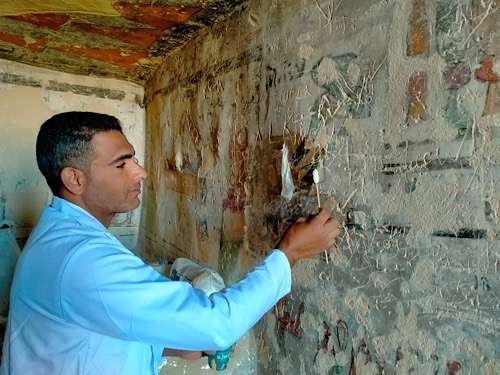
These statues, each standing over 13 meters tall, were painstakingly reconstructed from thousands of fragments scattered and buried under layers of mud and salt-laden water. Their restoration is part of the broader Colossi of Memnon and Amenhotep III Temple Conservation Project, a unique partnership which began in 1998 between Egyptian authorities and the German Archaeological Institute, with support from numerous international organizations including the World Monuments Fund and Johannes Gutenberg University Mainz.
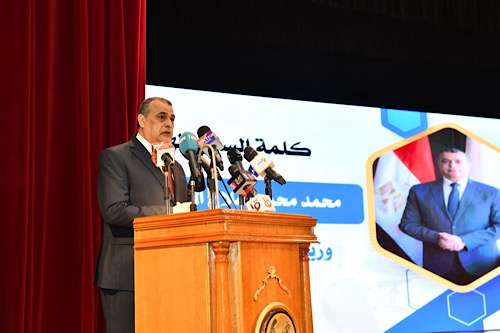
During the celebration, Minister Fathy praised the team’s “outstanding achievement” and noted, “This restoration not only honors our ancient civilization, but also strengthens Luxor’s position as a leading global destination for cultural tourism.”
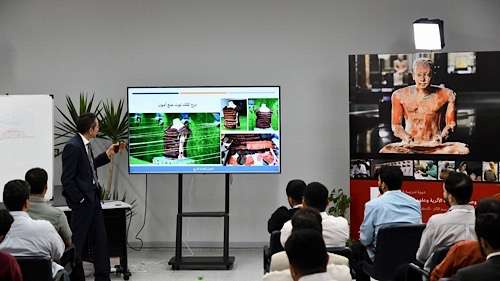
Dr. Khaled highlighted the scientific methods behind this complex undertaking, which spanned nearly two decades. “Restoring and reassembling the giant statues involved meticulous documentation and advanced conservation techniques according to international standards, ensuring both authenticity and long-term preservation,” he said.
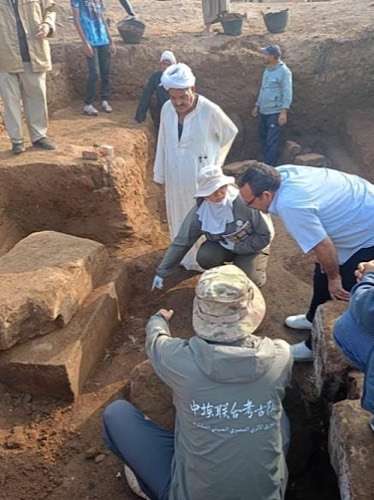
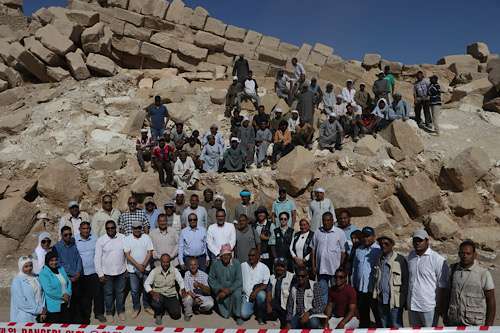
Speakers at the event emphasized the success of Egyptian-German cooperation, calling the project a leading example of fruitful international partnership. The endeavor also provided extensive training for local Egyptian restorers, with more than 30 conservators and 10 architects gaining hands-on experience, securing skills for the next generation.
Dr. Naire Habekian, the lead site engineer, pointed out the technical challenges posed by fluctuating groundwater levels. Innovative engineering solutions, and support from the American Research Center in Egypt, enabled rescuing many artifacts from further decay.
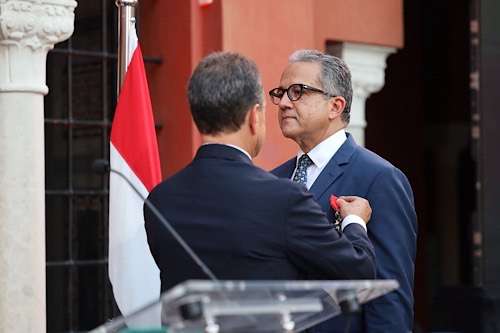
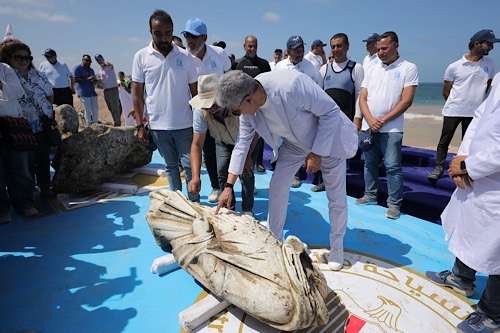
Dr. Sourouzian, who was recognized by the Minister for her years of dedication, described the emotional journey of finding statue fragments in poor condition, “often caked in silt and salt.” The restoration included careful 3D scanning and reconstruction, culminating in today’s moving reinstallation at their intended temple entrance after more than 3,300 years.
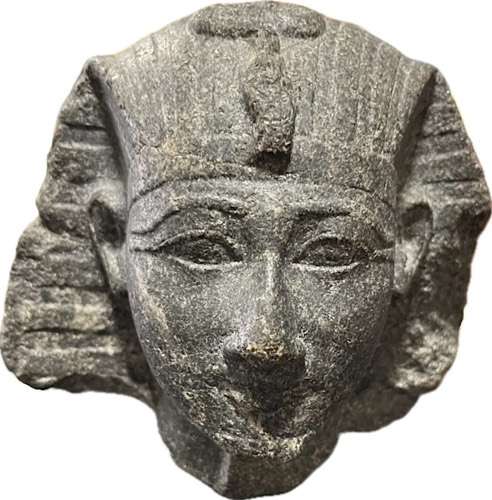
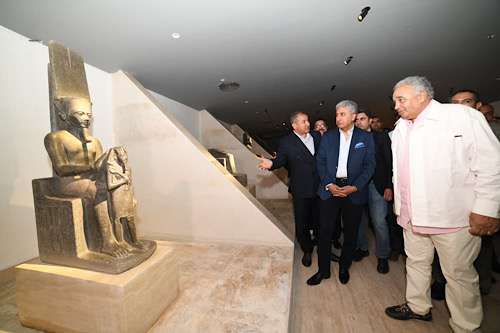
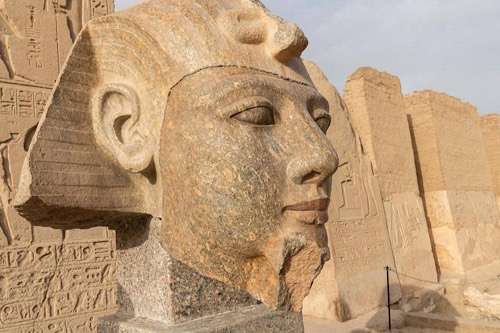
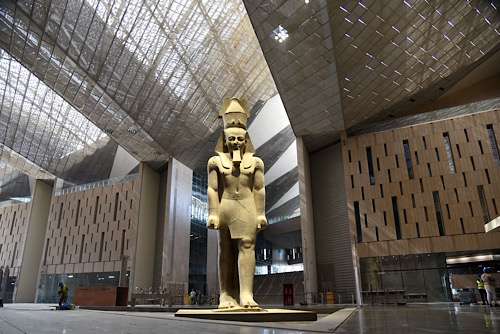
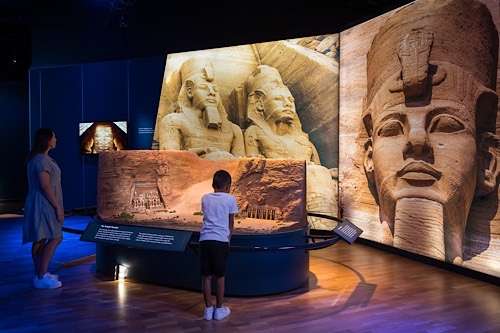
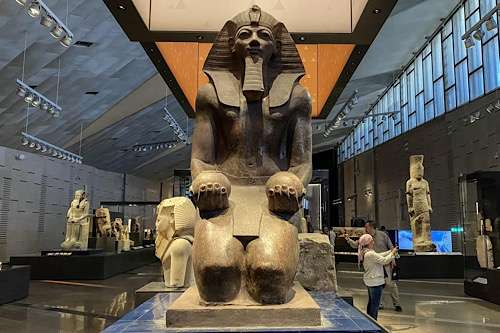
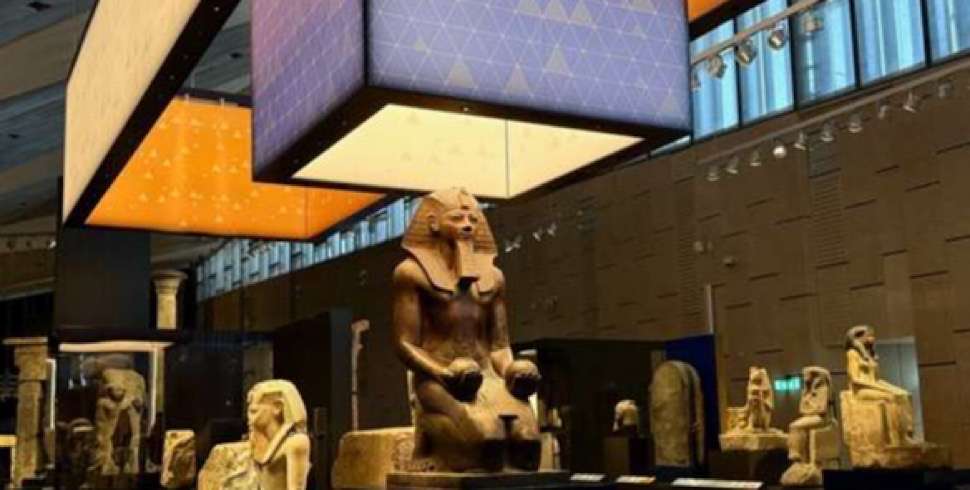
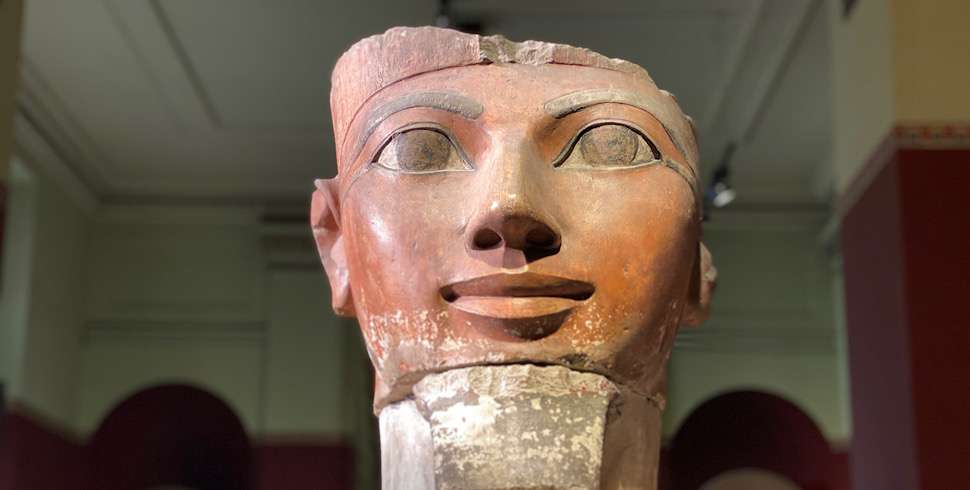
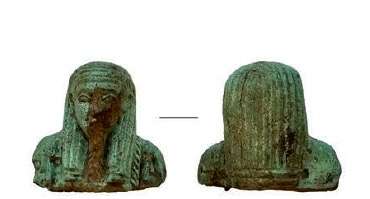
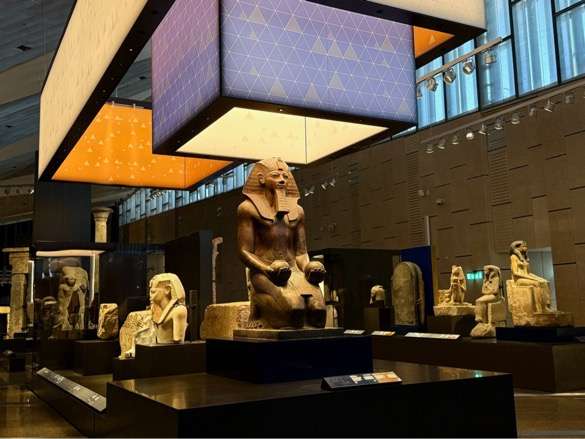
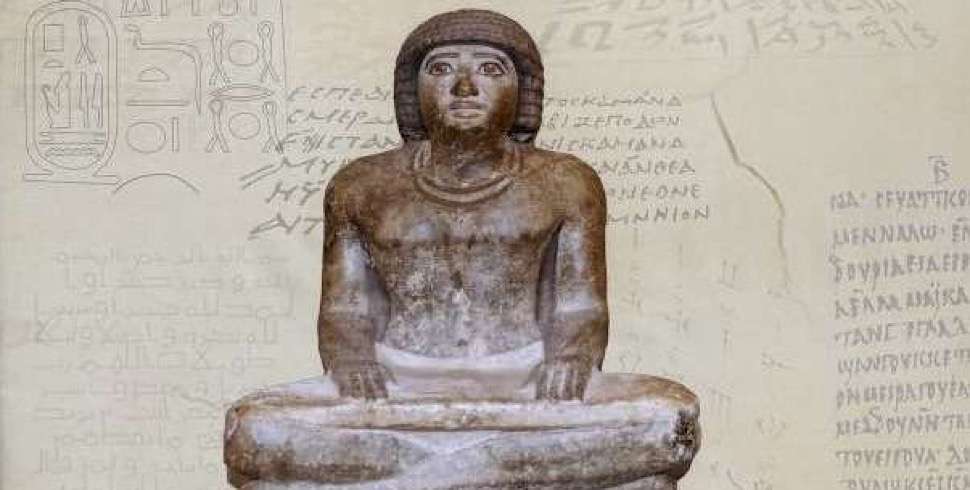
The statues depict Amenhotep III seated royally, adorned with a ceremonial beard and regal headdress, with companion sculptures of Queen Tiye and Princess Isis at their side, along with decorative scenes symbolizing the unification of Upper and Lower Egypt.
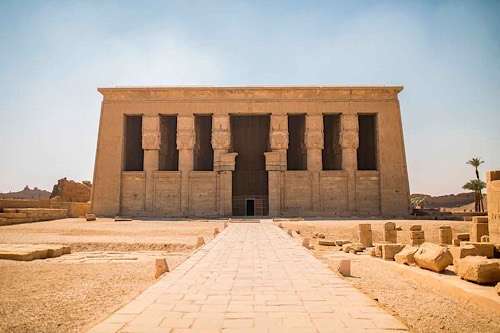
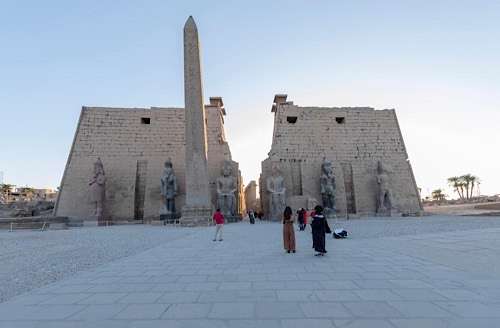
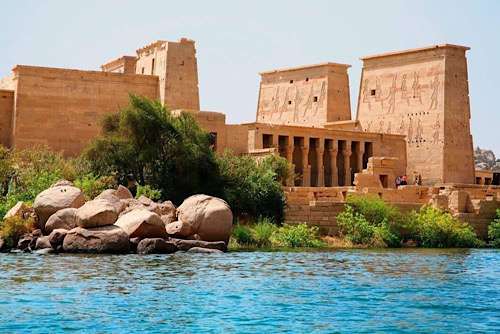
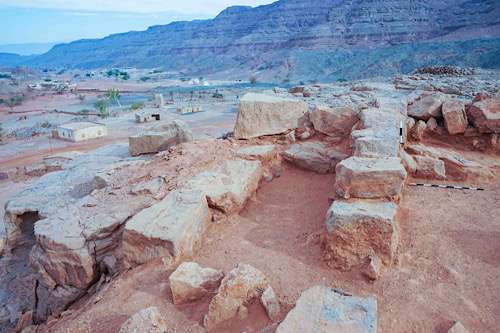
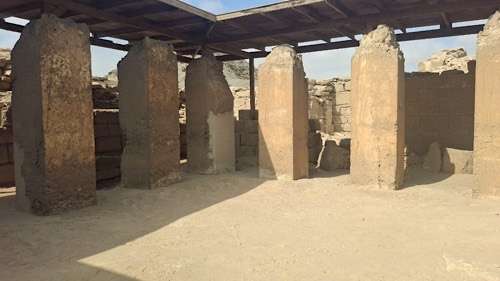
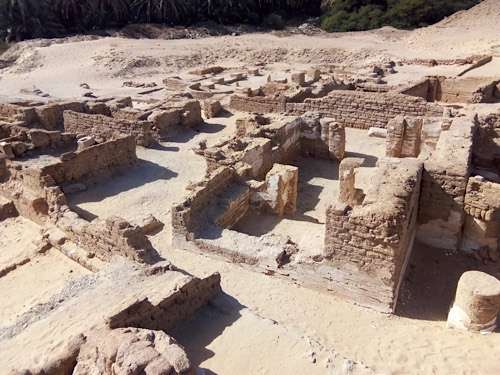
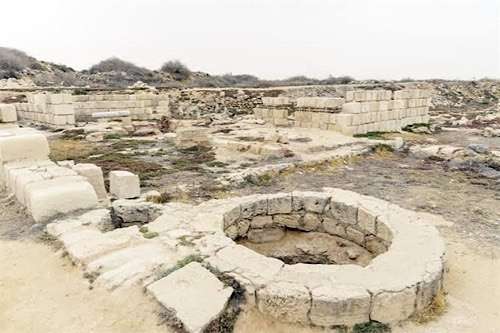
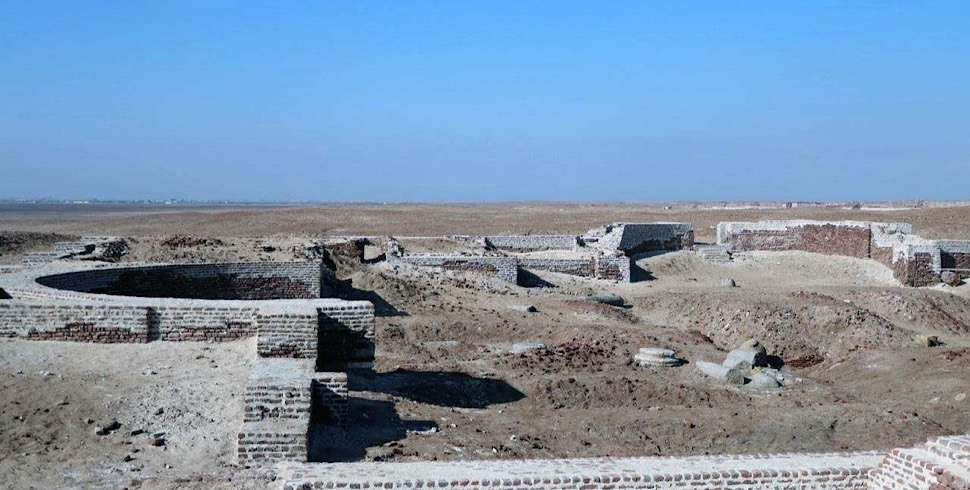
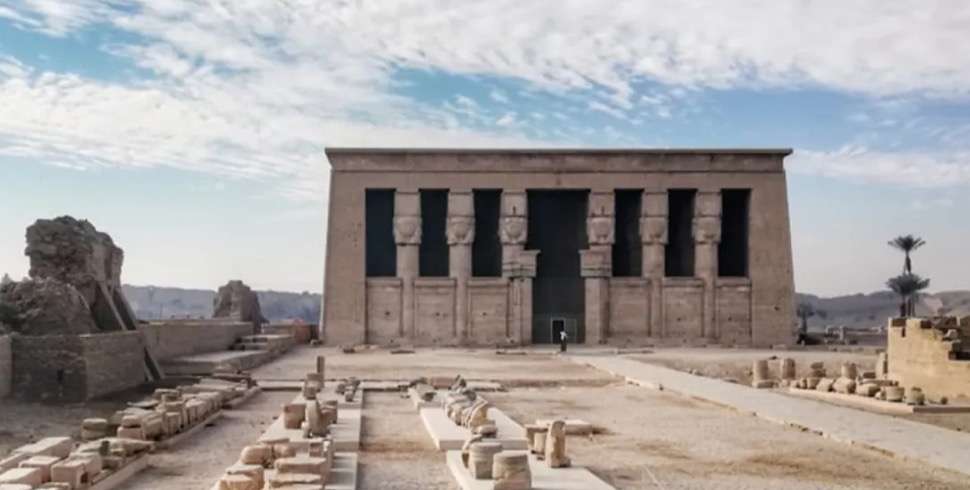
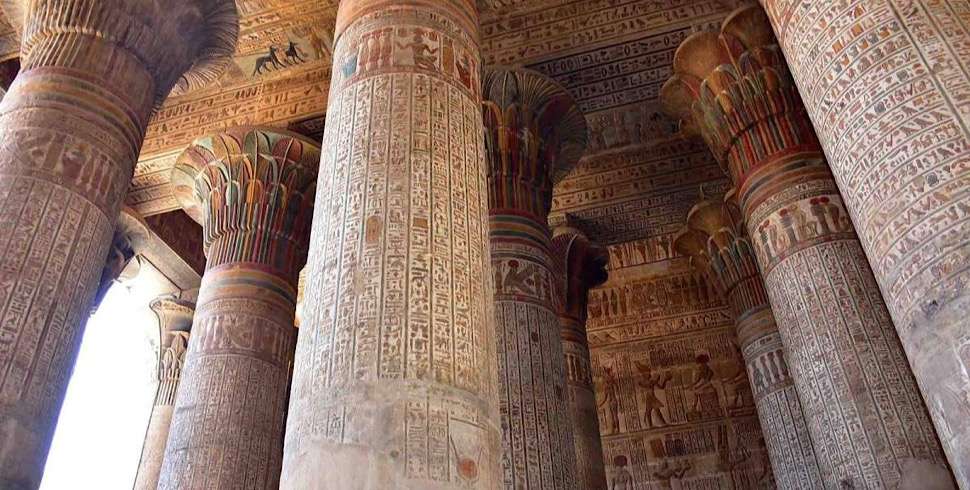
The mortuary temple of Amenhotep III, known as the “Temple of Millions of Years,” was constructed in the 14th century BCE and once stood as the grandest and richest of its kind. Much of the temple was devastated by a powerful earthquake around 1200 BCE, and centuries of flooding and reuse as a stone quarry further buried its remains.
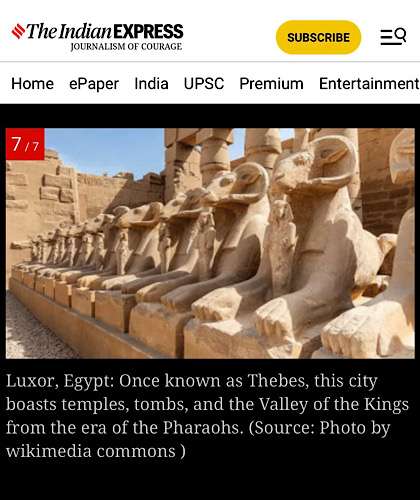
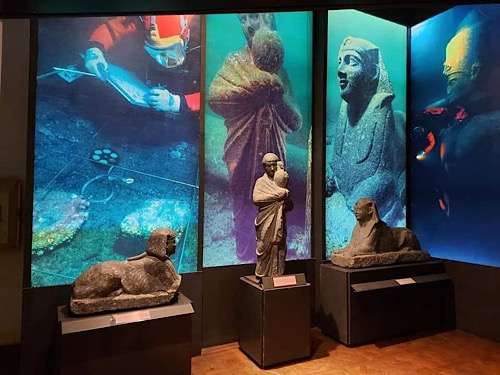
This ongoing project has not only restored these statues, but has led to major discoveries, including over 280 statues of the lion-headed goddess Sekhmet, newly conserved and awaiting display, as well as ongoing work to rescue sphinx statues and develop state-of-the-art site management.
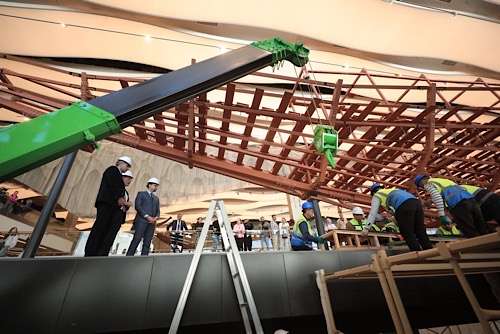
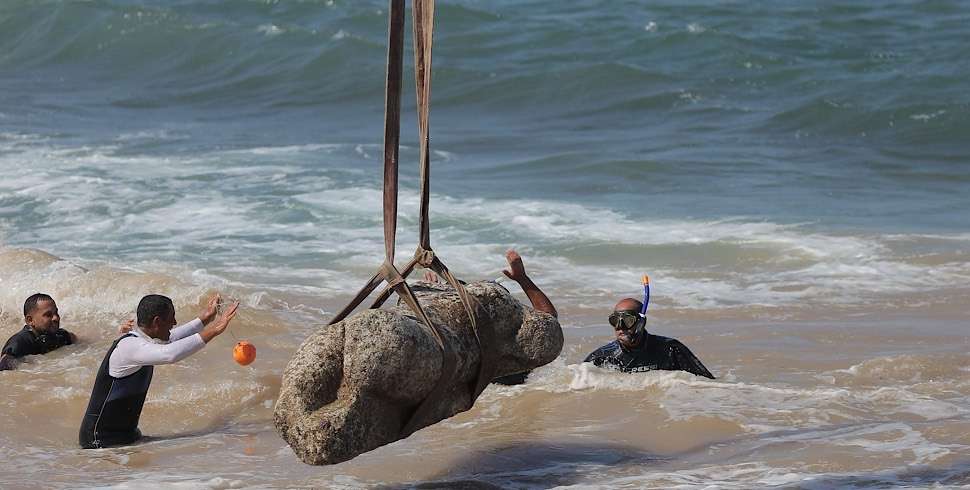
Minister Fathy concluded the ceremony with heartfelt thanks to all workers, expressing deep appreciation for their dedication and resilience in managing the formidable task of moving and assembling multi-ton stones. “Your devotion is an inspiration,” he said.
As Luxor continues to reveal and share its ancient treasures, this achievement stands as a testament to the power of international collaboration and the enduring inspiration of Egypt’s rich cultural heritage.