



























































































































































































































































































































































































































































































Friday, 09 October 2026
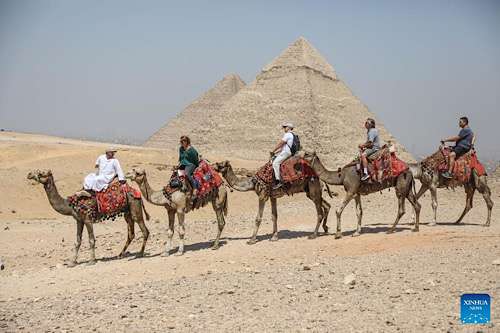
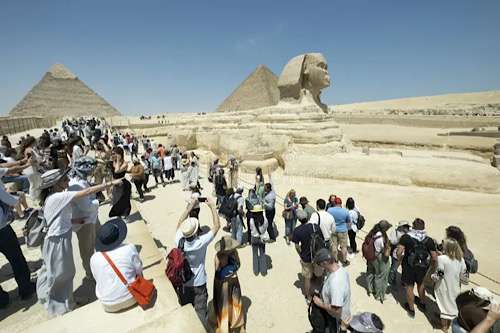
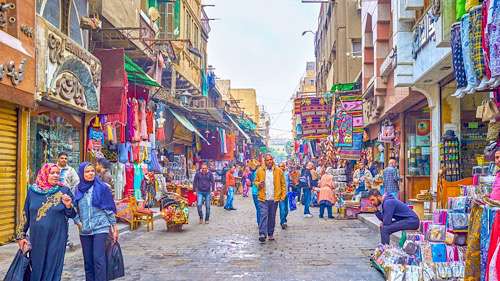
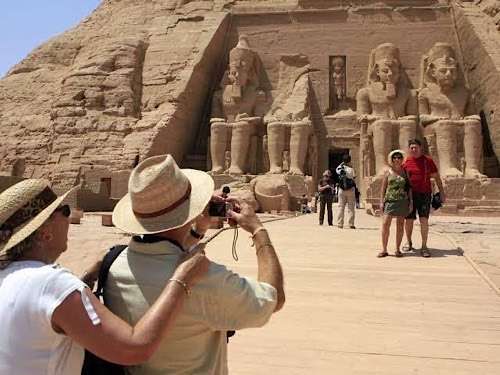
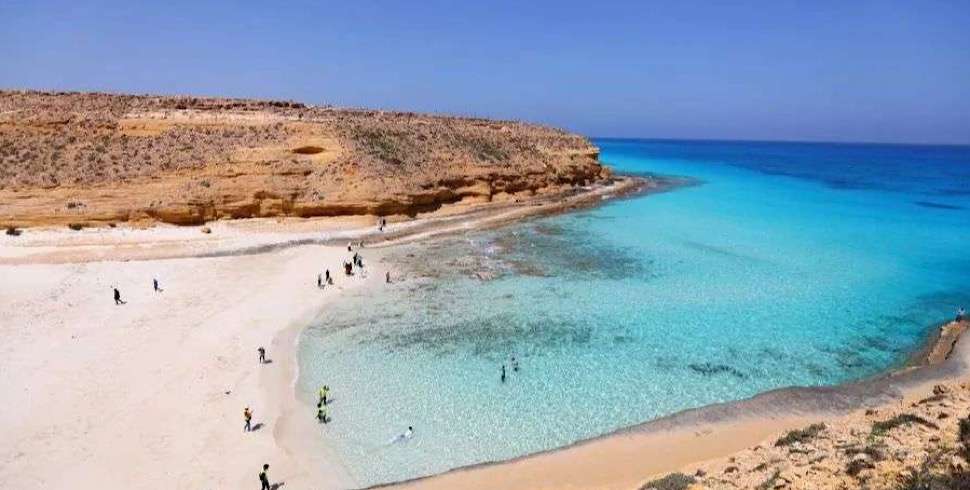
Egypt’s tourism industry is posting its strongest performance in a decade, buoyed by a sharp rise in visitor spending, longer stays and a growing pipeline of marquee projects designed to keep the country at the top of travelers’ lists.
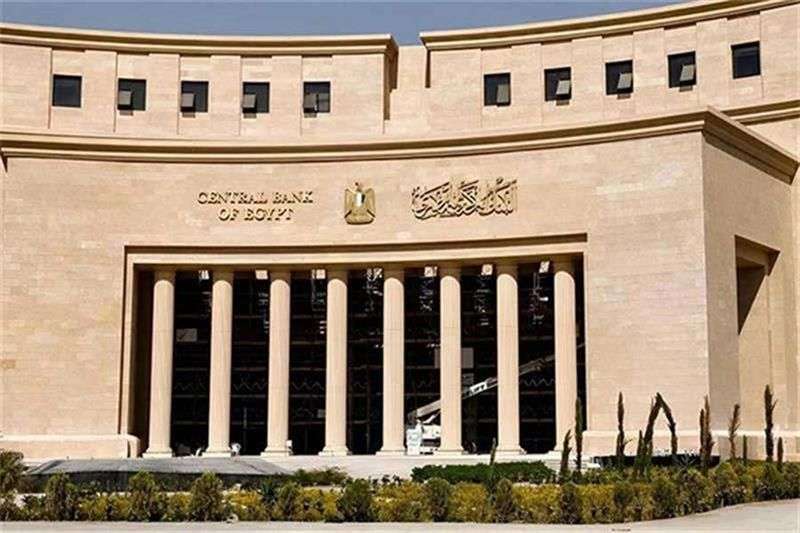
In fiscal year 2024/25, tourism’s contribution to the economy climbed to 3.7 percent of GDP, up from 3.4 percent a year earlier, according to the government’s Information and Decision Support Centre (IDSC). The headline number, however, is the cash: tourism revenues surged 56.1 percent to $16.7 billion, their highest level in seven years, based on Central Bank of Egypt data.
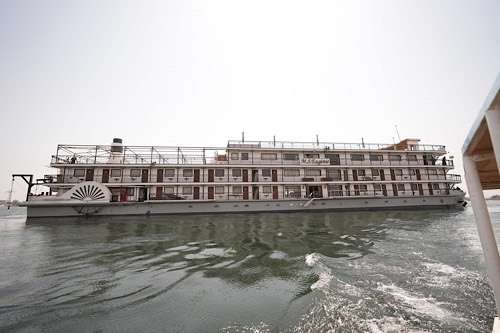
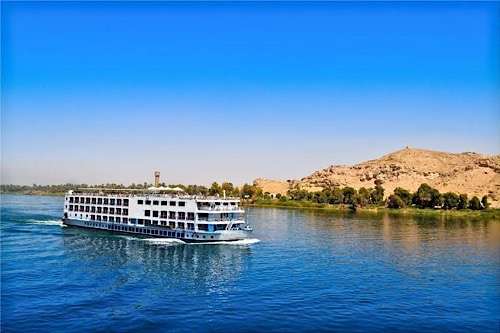
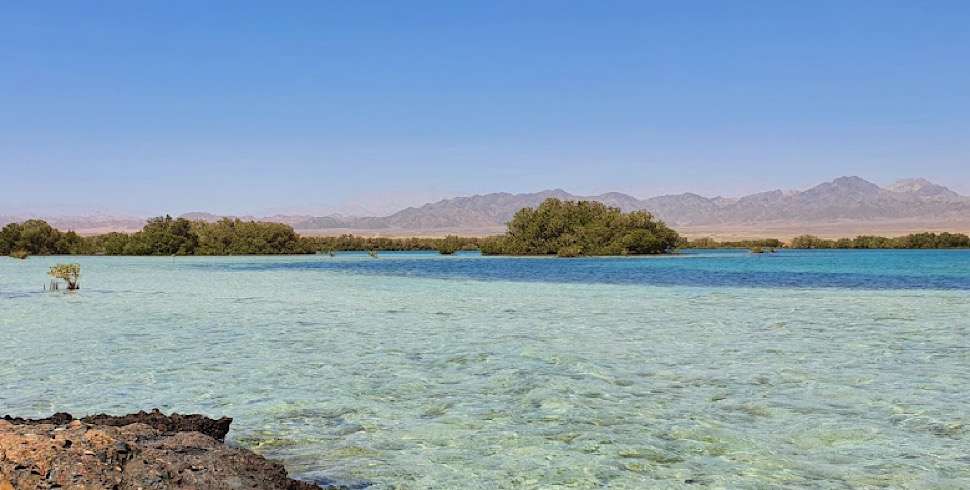
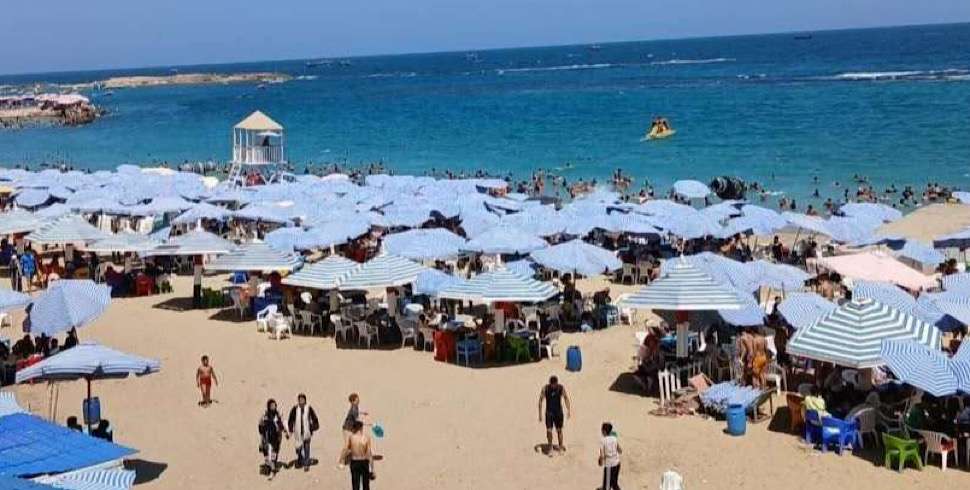
That jump was underpinned by a 16.4 percent increase in tourist nights, which reached 179.3 million - a signal not only of higher arrivals, but also of more time spent in the country’s beach resorts, Nile itineraries and cultural hubs.
The upswing did not end with the close of 2024/25. In the first half of fiscal 2025/26, tourism revenues rose another 17.3 percent to $10.2 billion, up from $8.7 billion in the same period a year earlier.
Egypt also welcomed nearly 19 million tourists in 2025, marking a 21 percent increase compared with 2024—an expansion that reinforces tourism’s role as one of the country’s most important sources of foreign currency.
The government is pushing an ambitious plan to attract 30 million visitors annually by 2030, betting that expanded capacity and upgraded visitor experiences can turn Egypt’s current momentum into a sustained growth story. The strategy leans heavily on infrastructure, investment incentives and high-profile openings aimed at widening Egypt’s appeal beyond its traditional peaks.
International forecasters remain broadly positive. Fitch Solutions expects arrivals to rise 4.5 percent to 18.6 million in 2026, increasing to 20.7 million by 2029, with tourism revenues projected to reach **$19 billion.
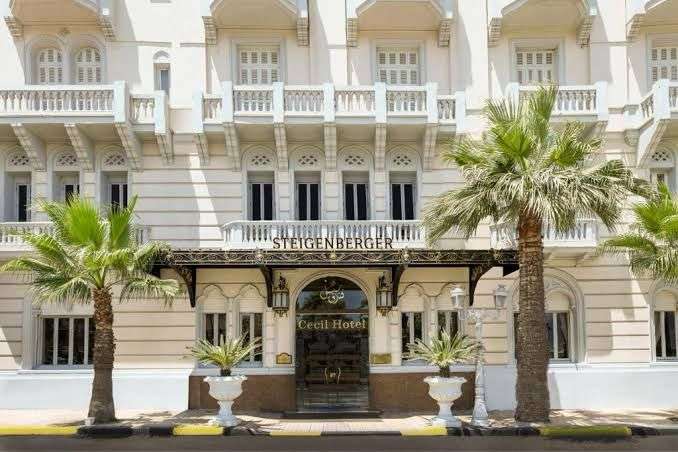
Tourism growth is also being matched by expanded industry capacity. Official figures show that by the end of 2025 Egypt counted:
- 1,300 hotels
- 2,240 tourism companies
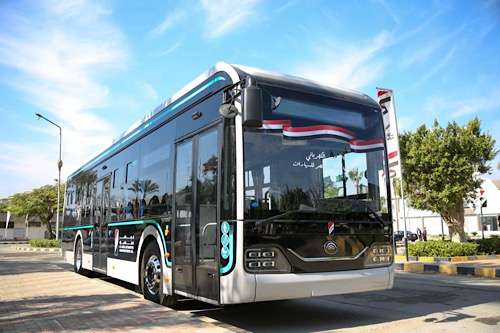
- More than 17,000 tourist vehicles
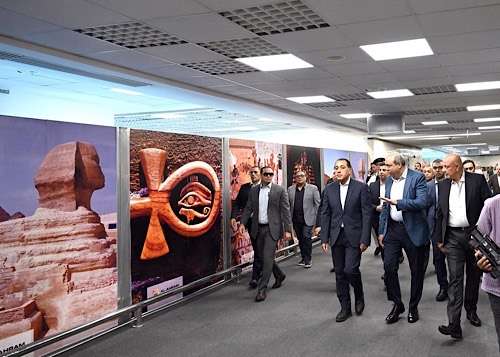
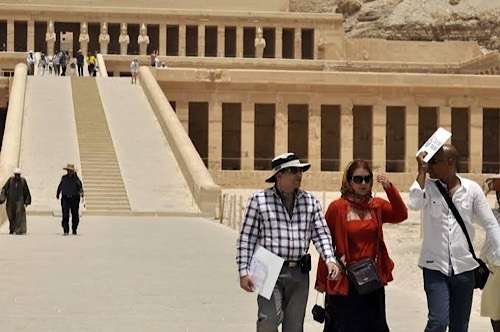
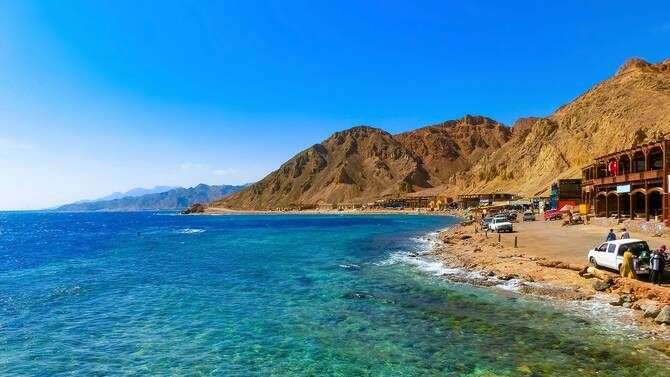
That ecosystem matters because Egypt’s tourism experience is unusually logistics-intensive—whether visitors are moving between Cairo and Luxor, connecting to Red Sea resorts, or navigating the dense circuit of museums and heritage sites.
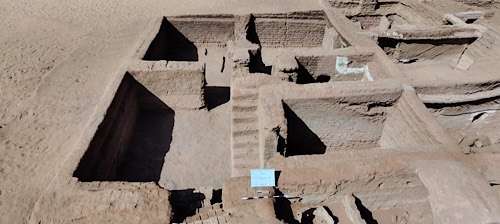
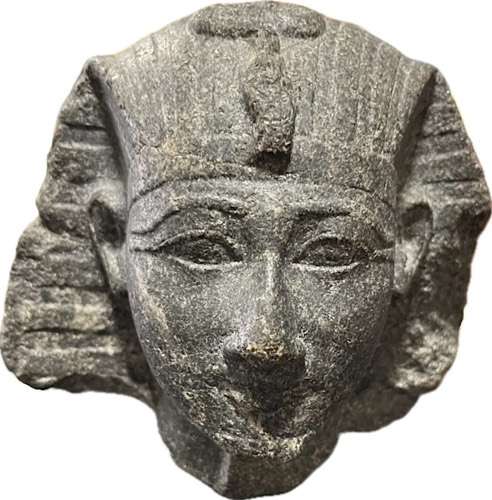
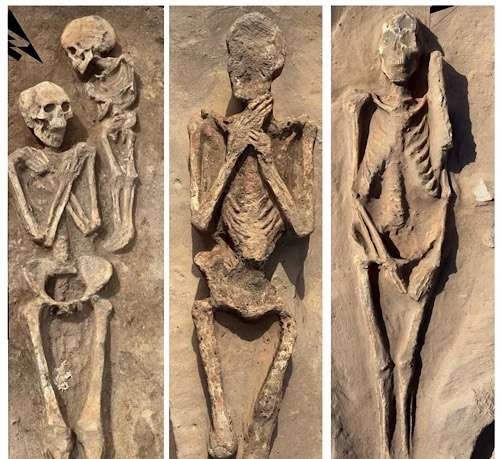
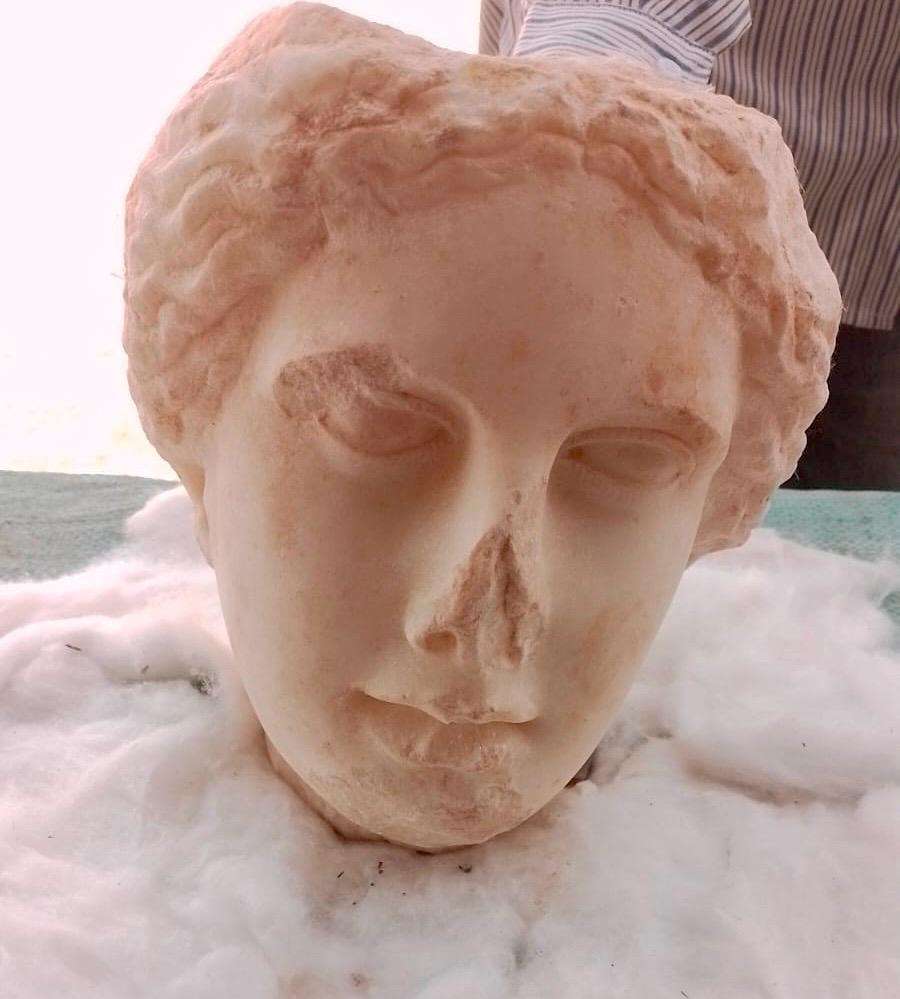
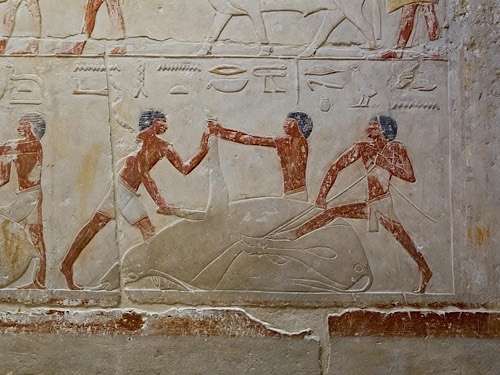
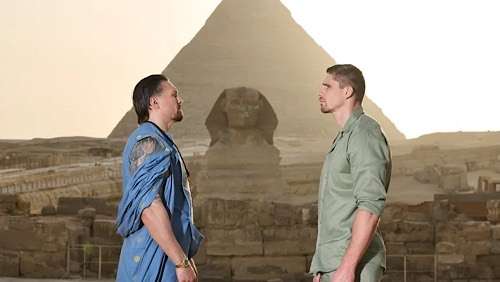
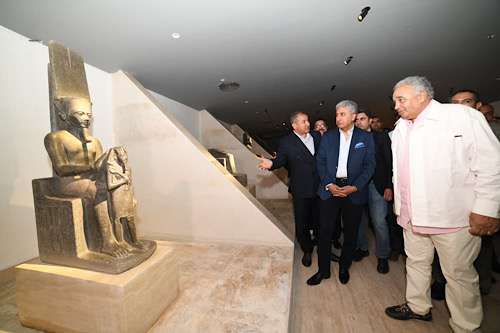
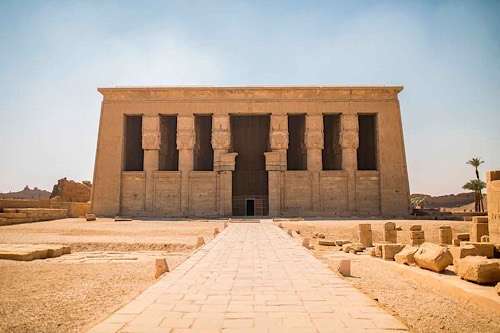
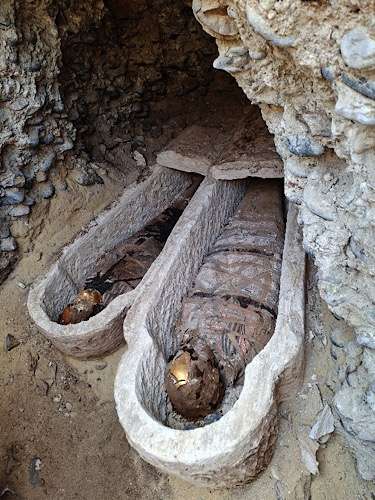
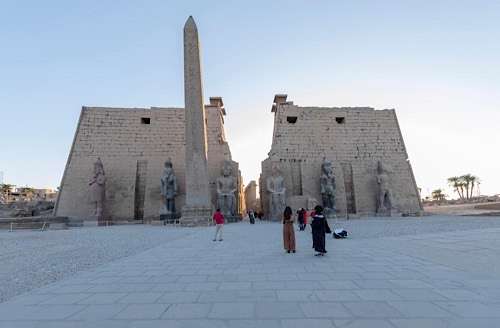
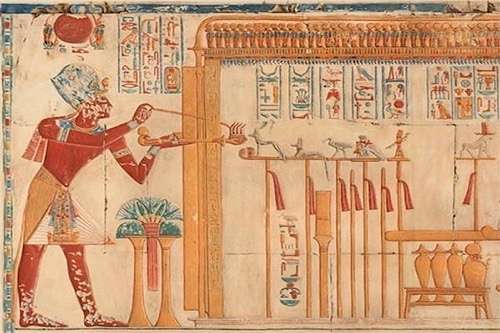
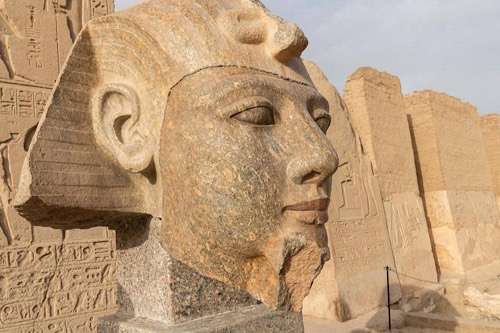
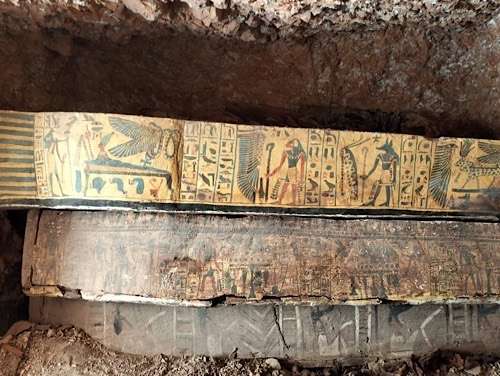
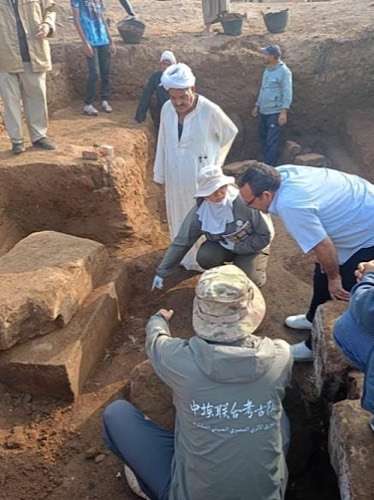
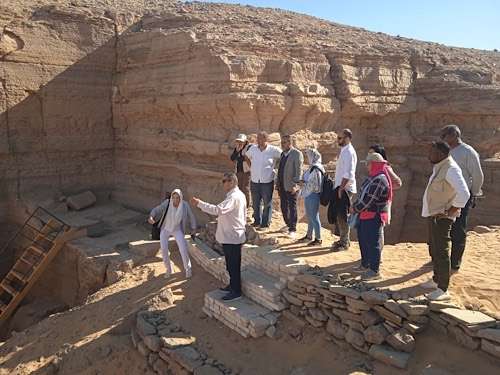
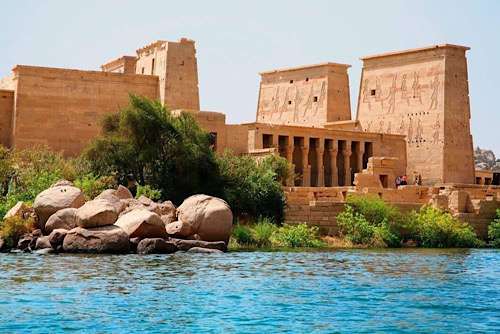
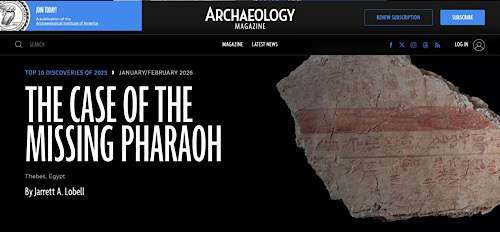
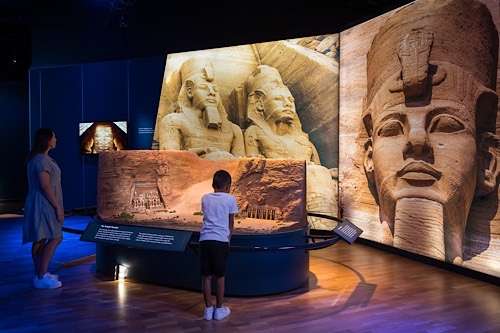
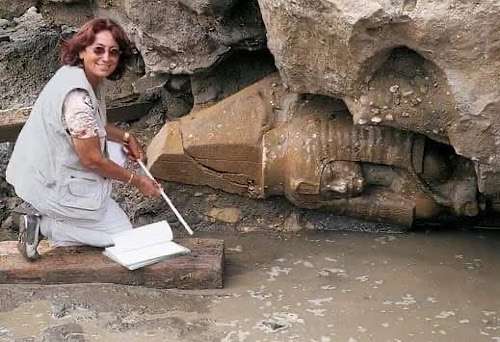
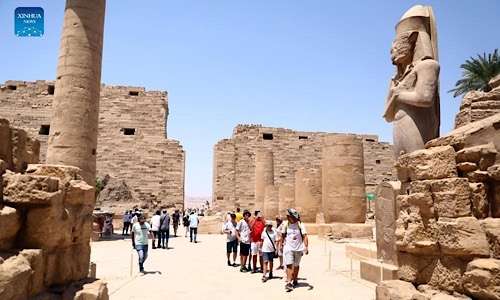
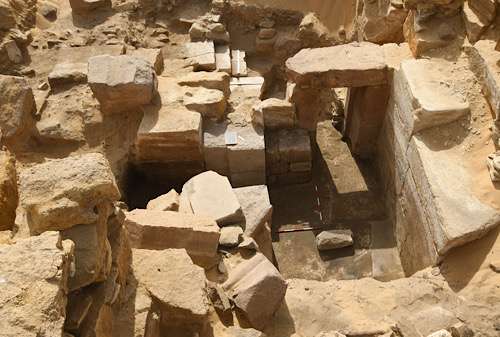
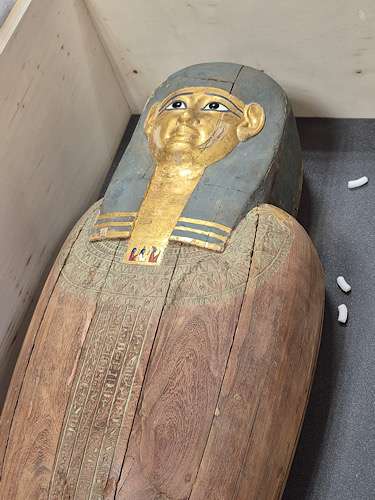
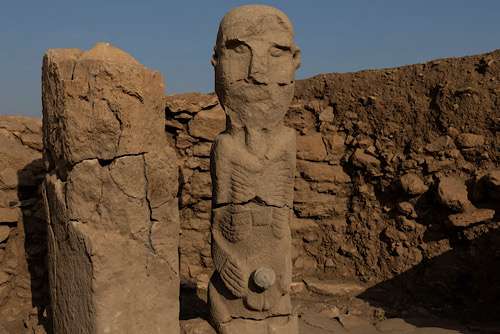
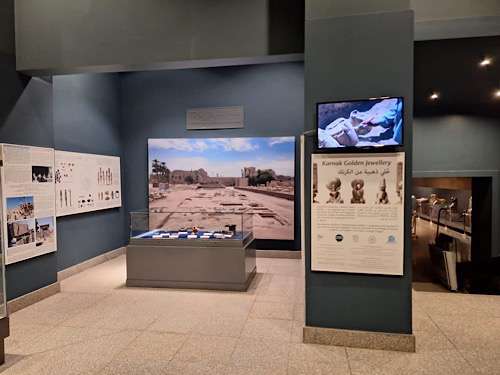
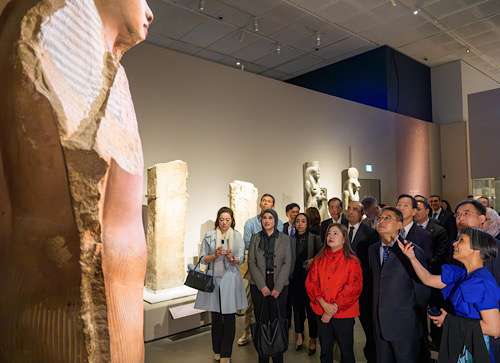
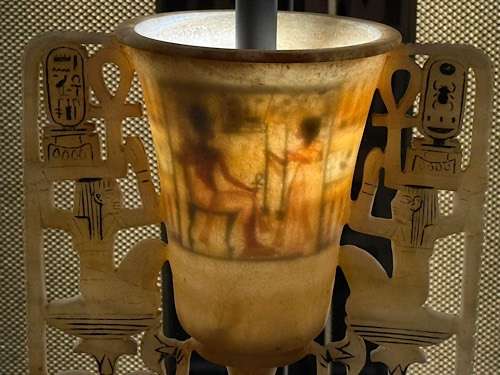
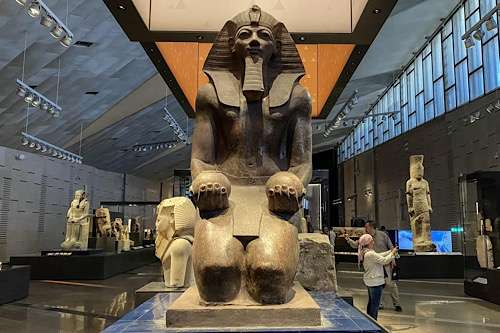
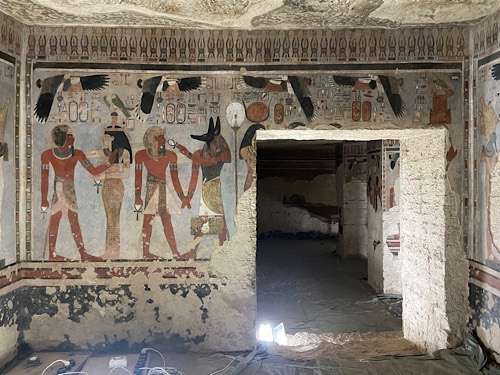
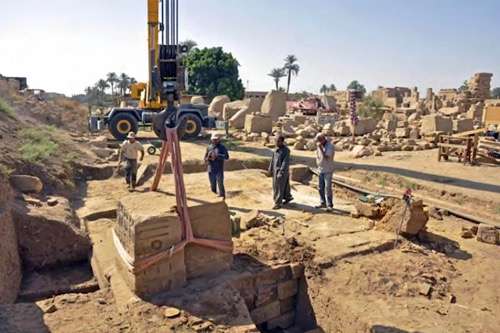
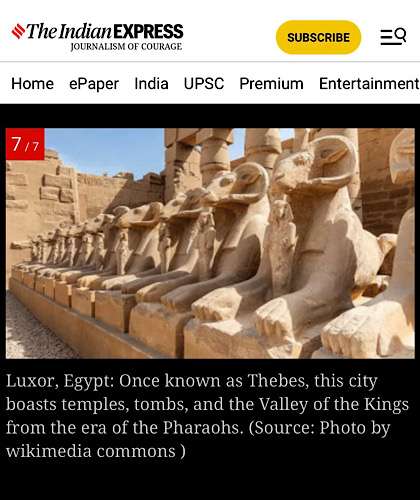
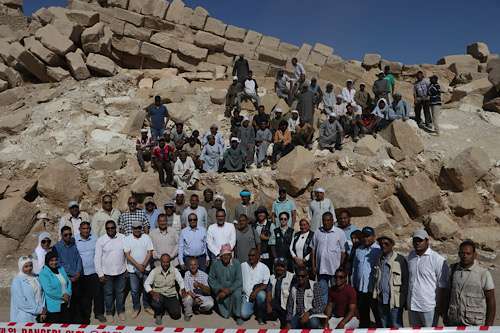
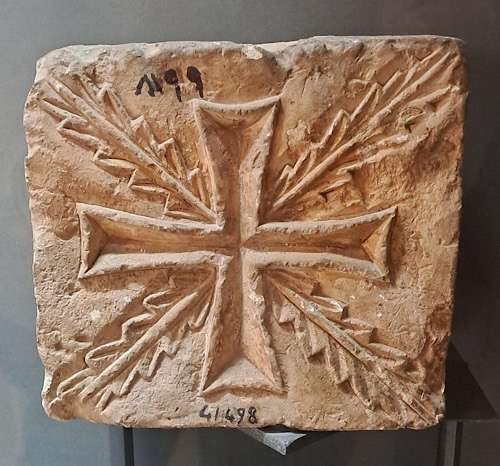
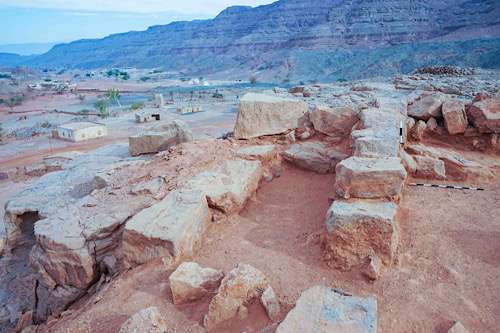
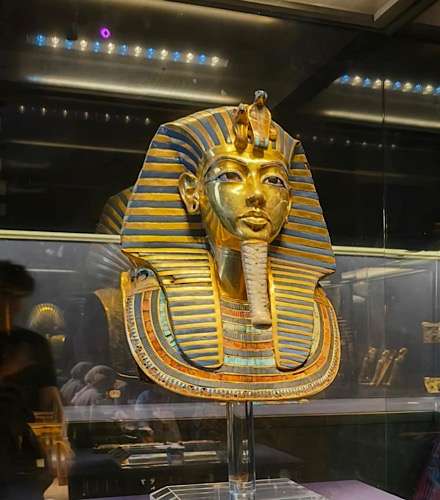
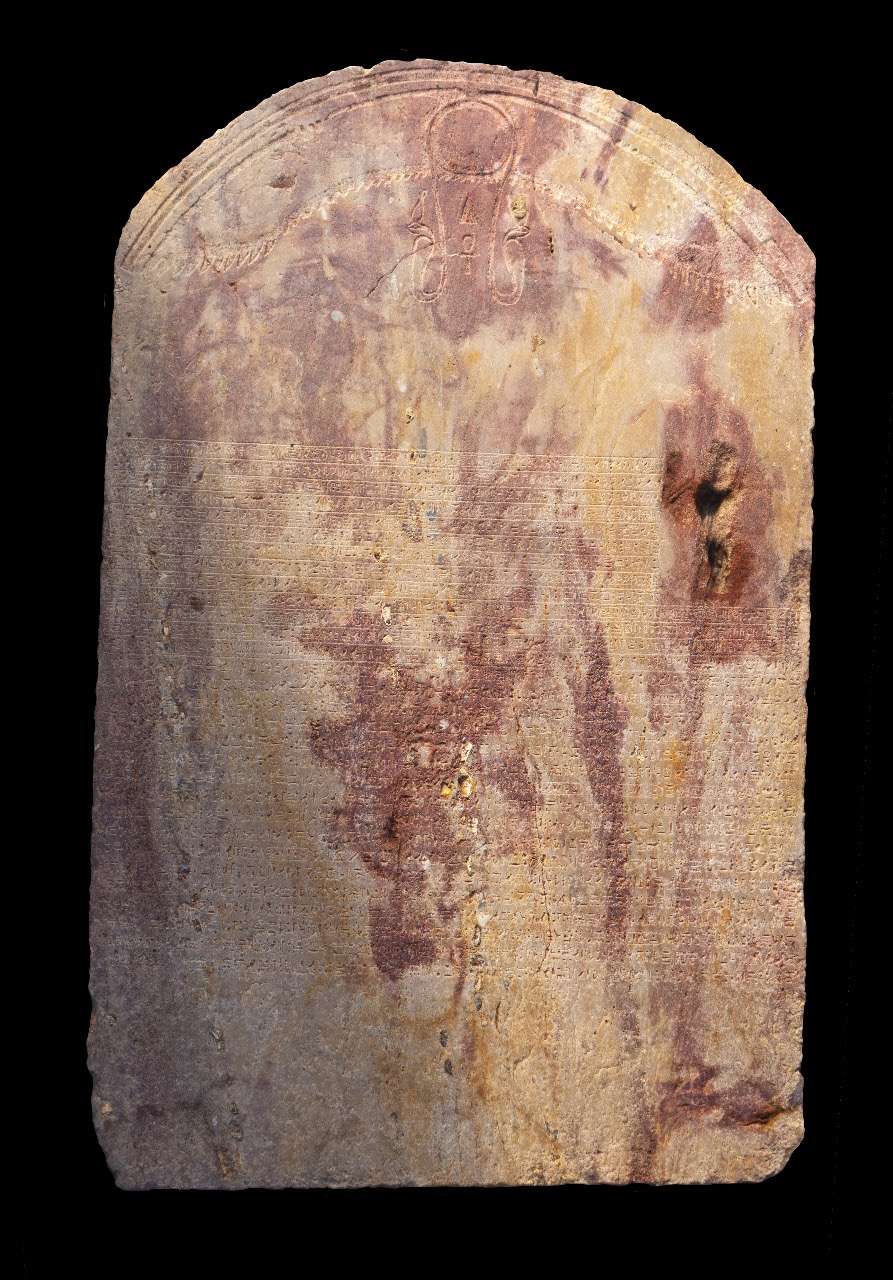
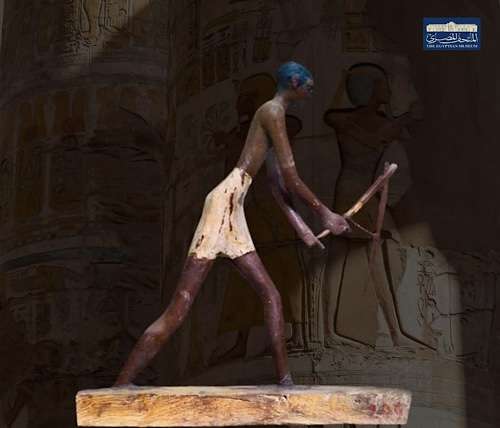
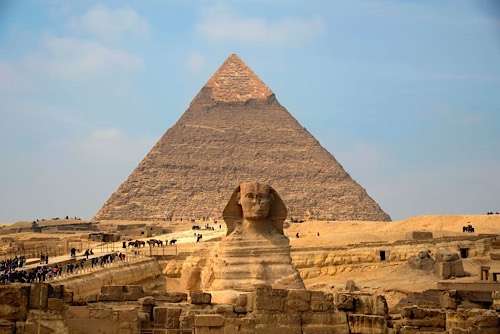
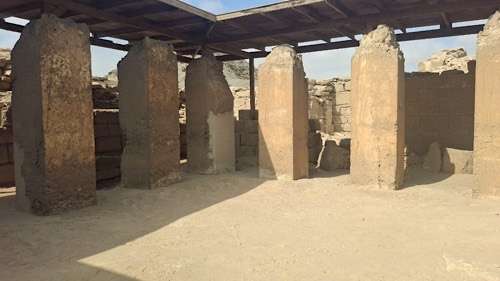
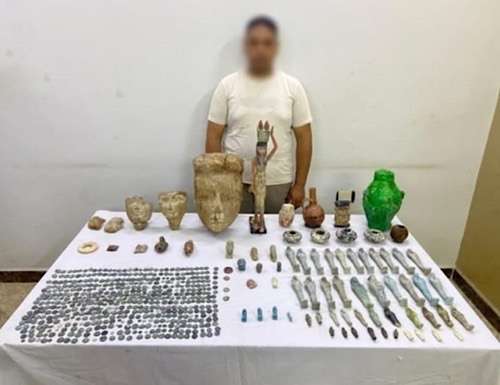
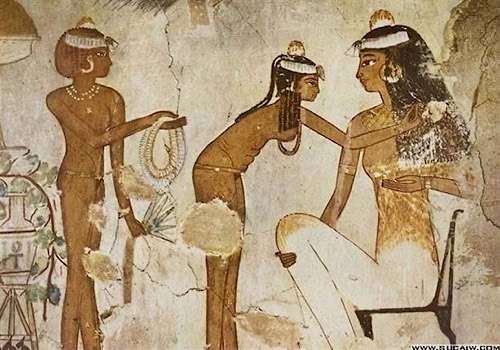
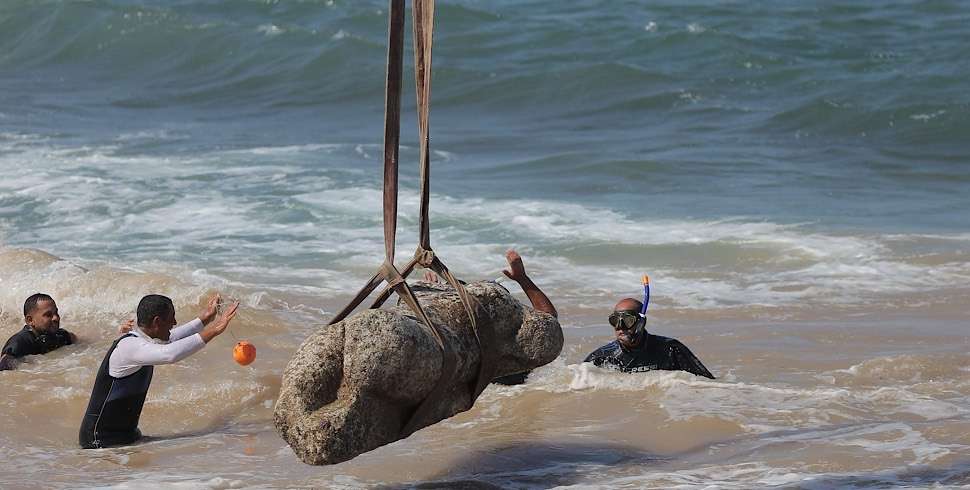
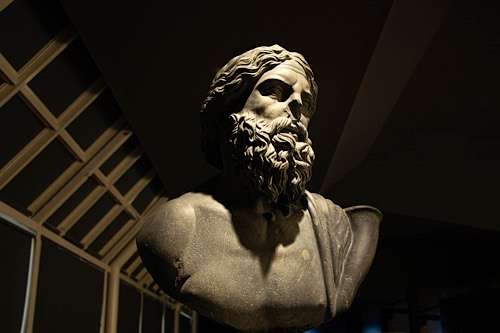
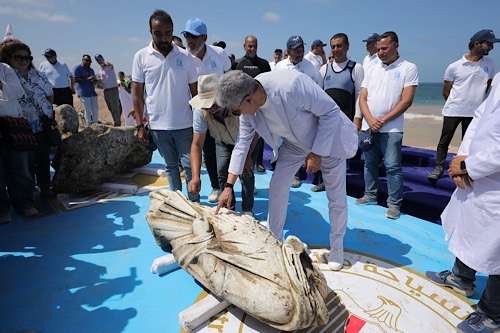
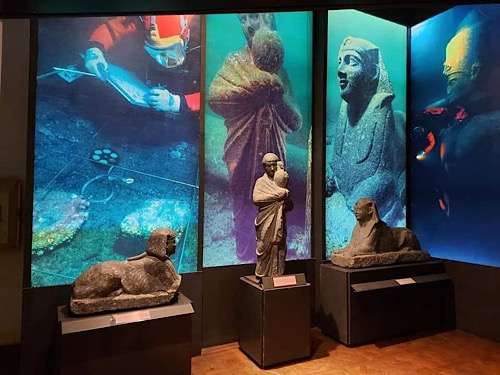
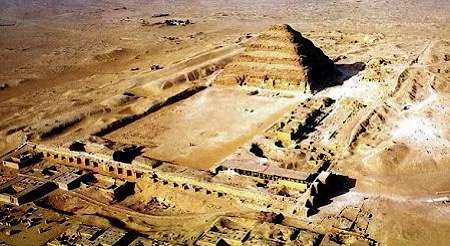
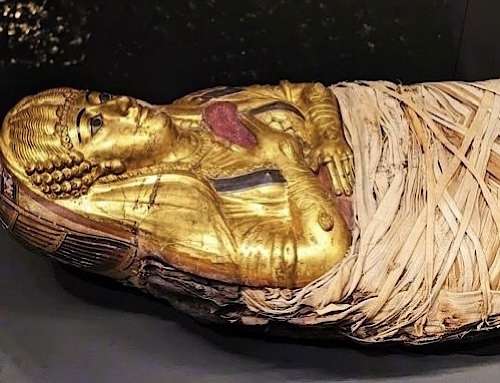
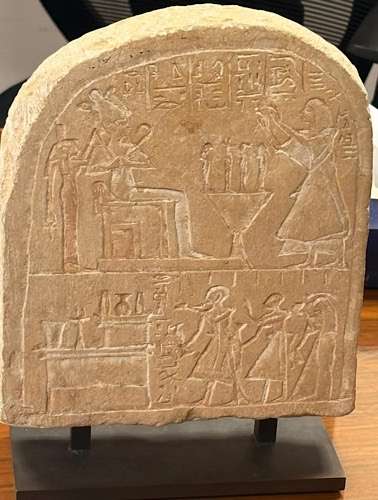
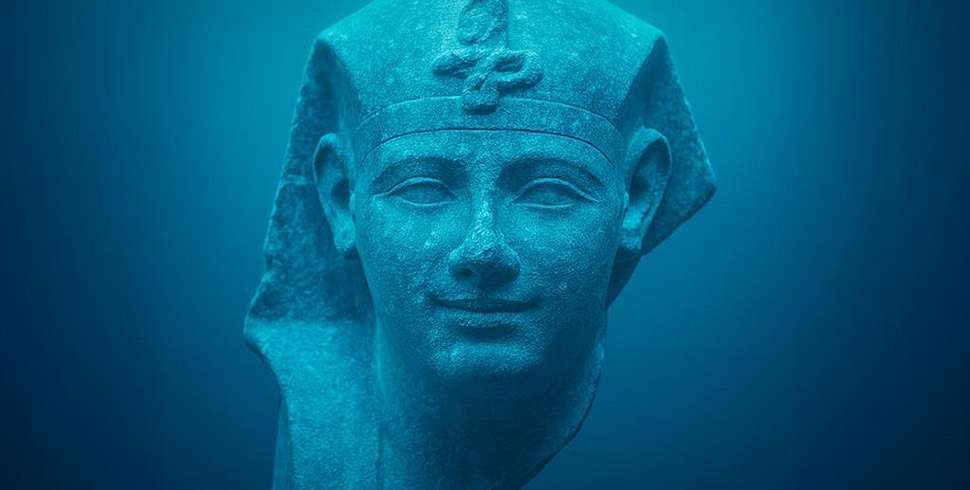
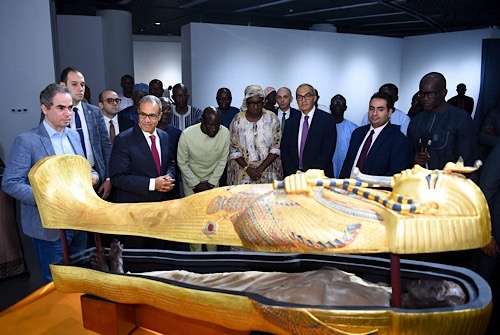
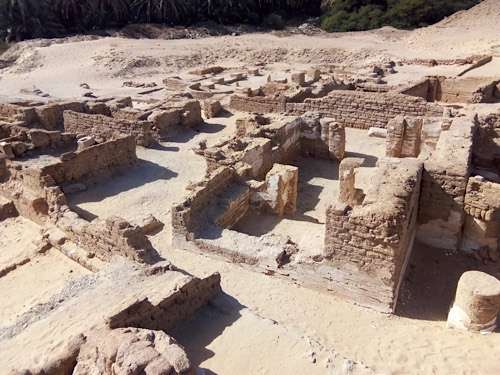
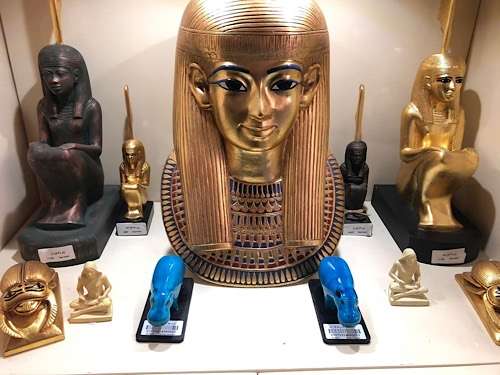
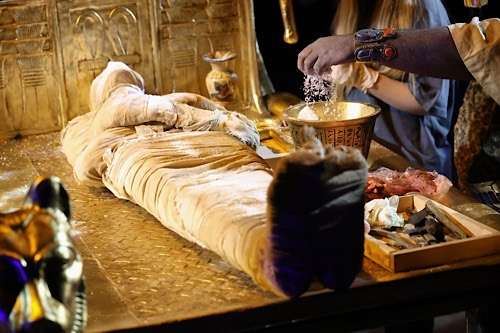
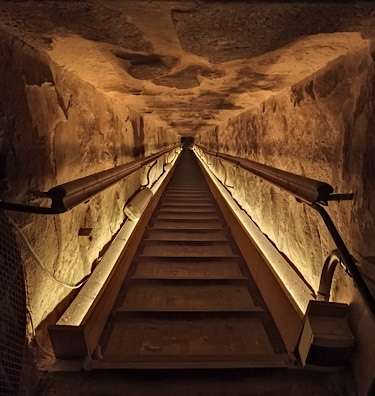
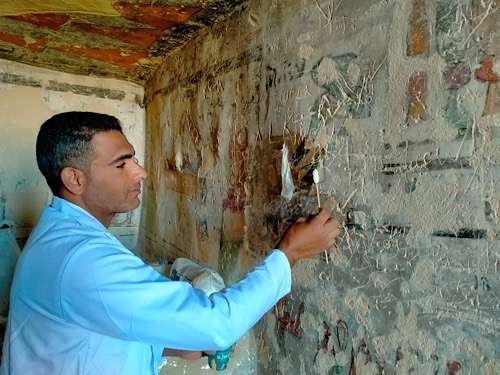
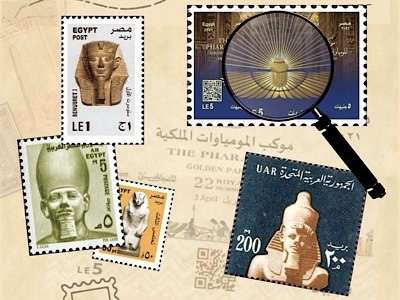
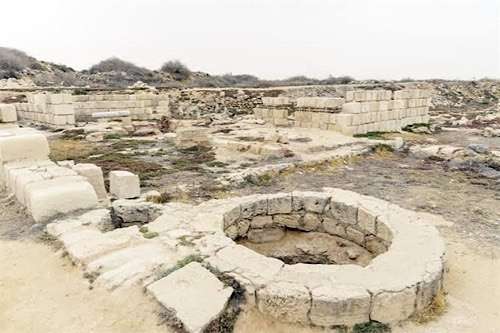
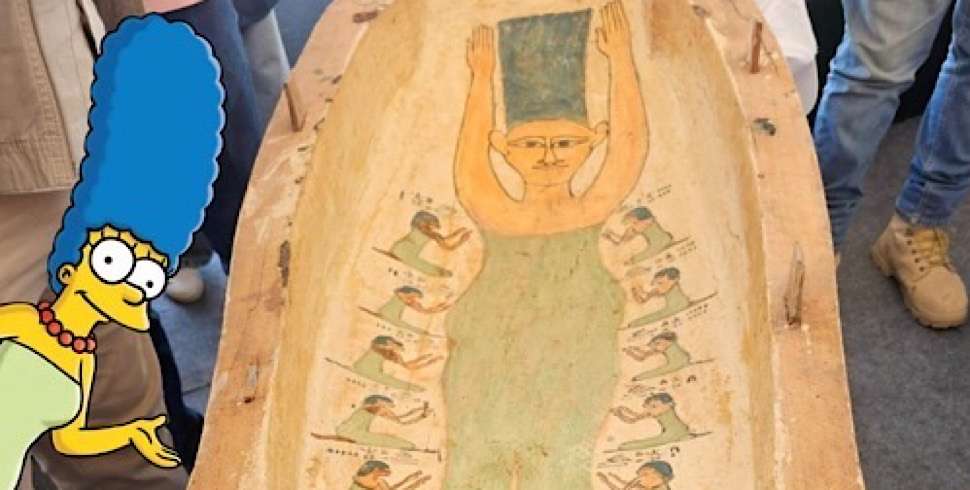
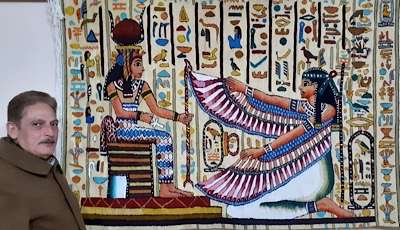
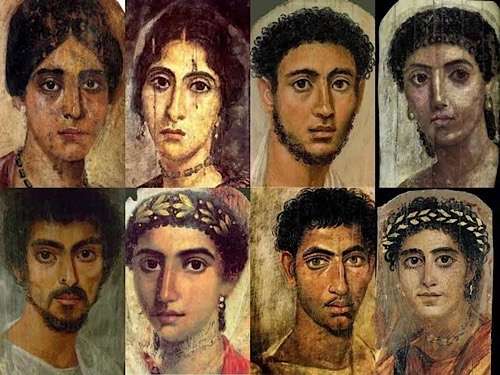
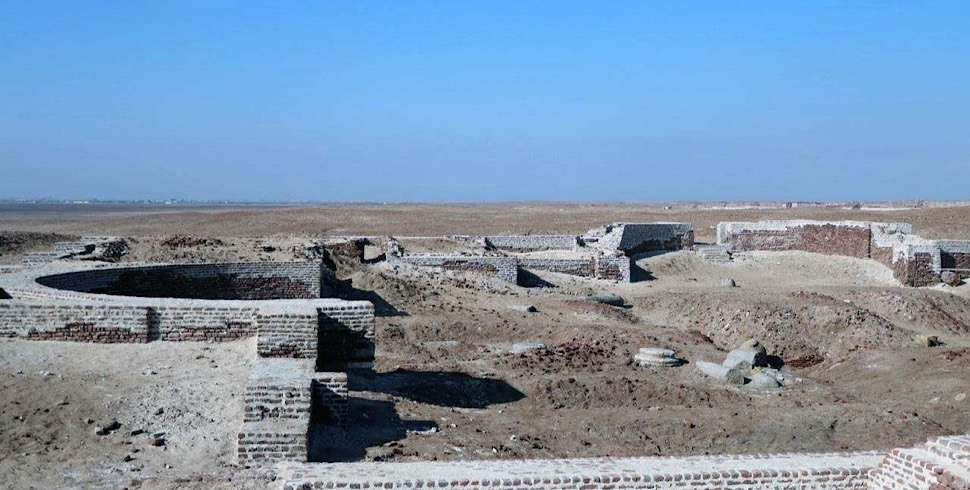
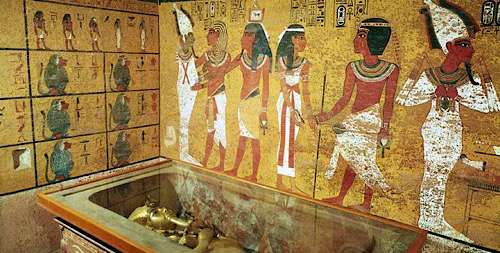
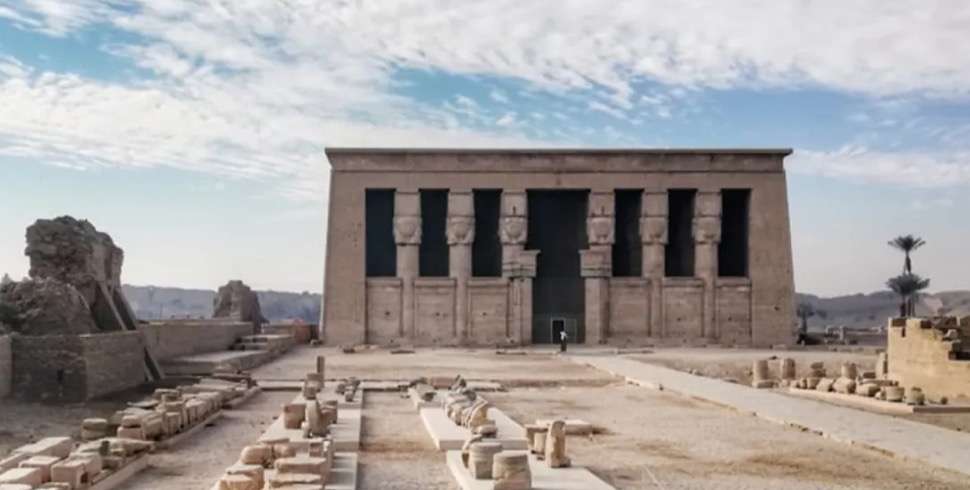
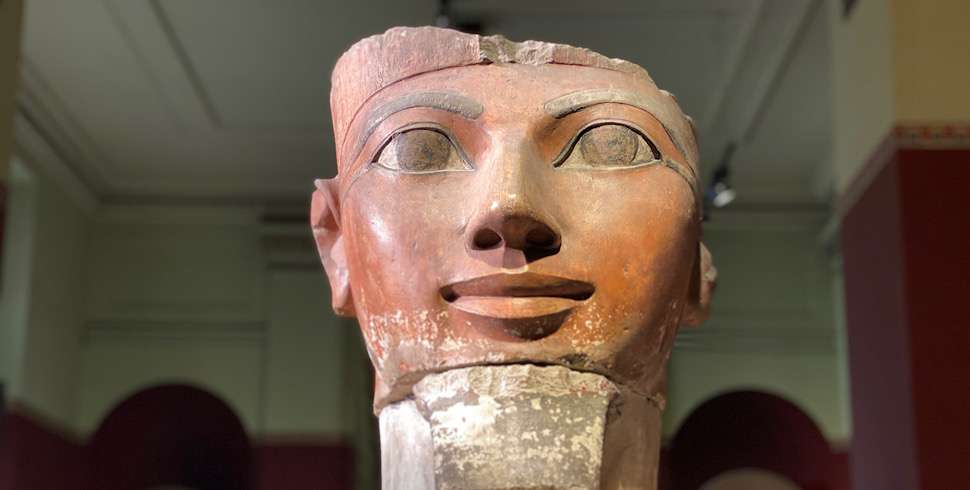
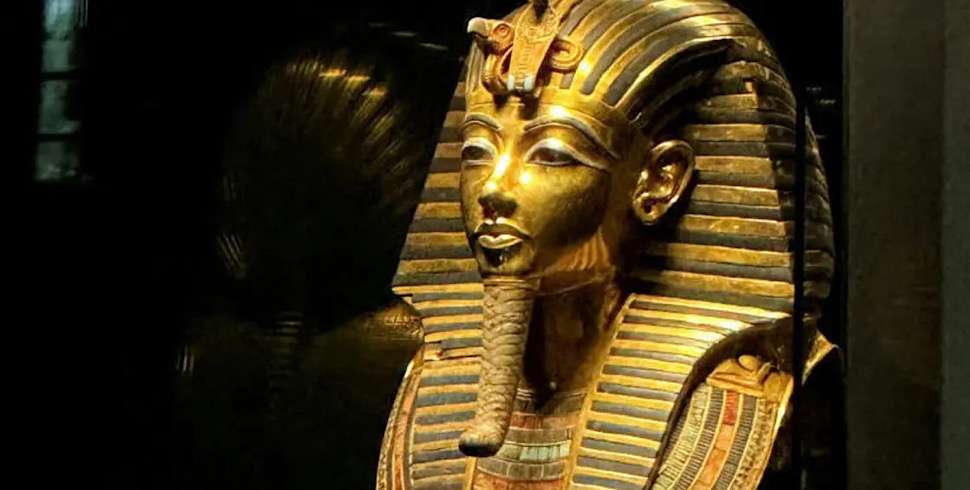
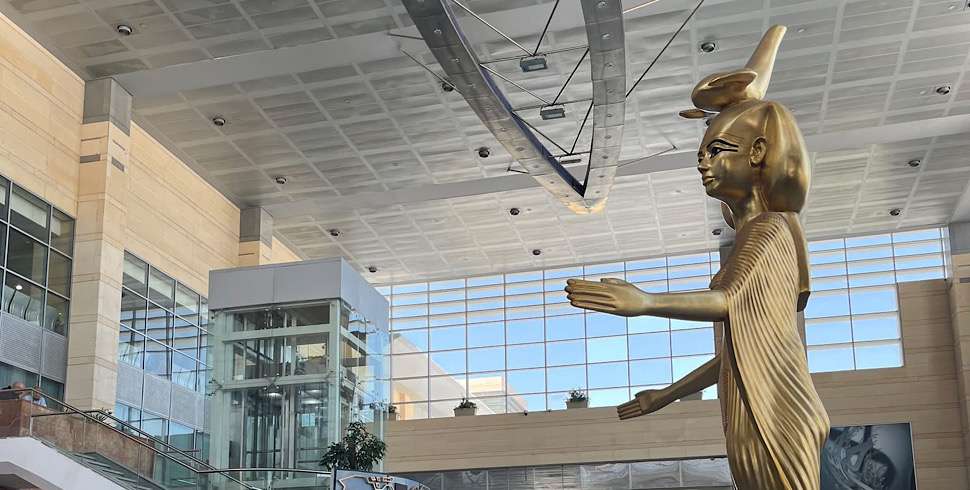
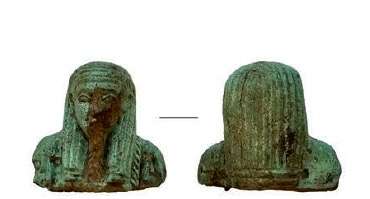
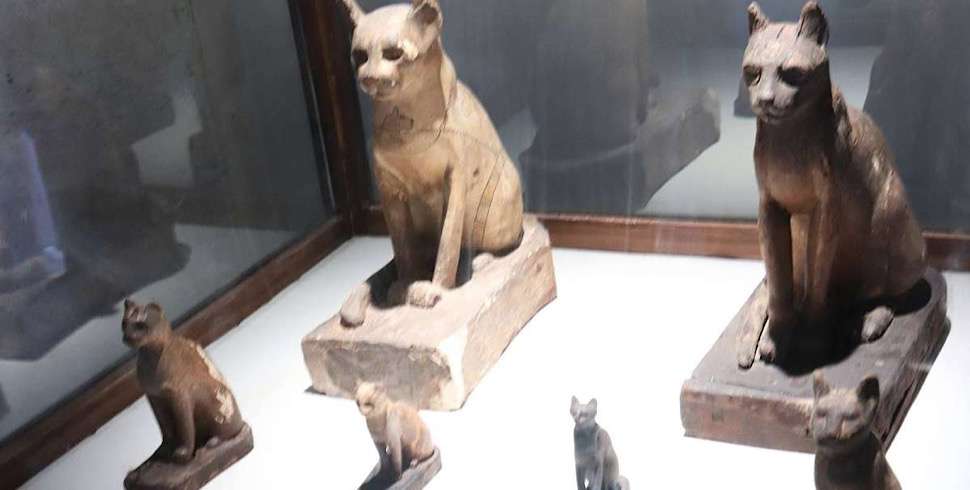
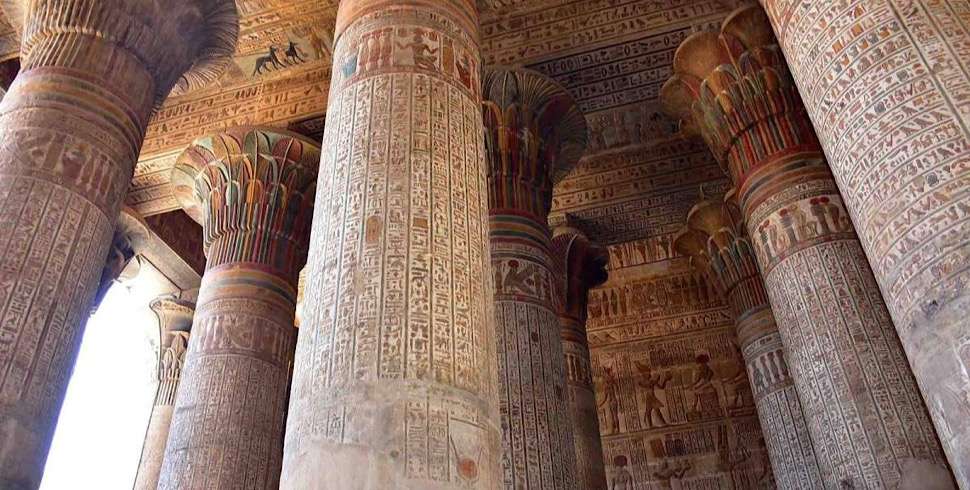
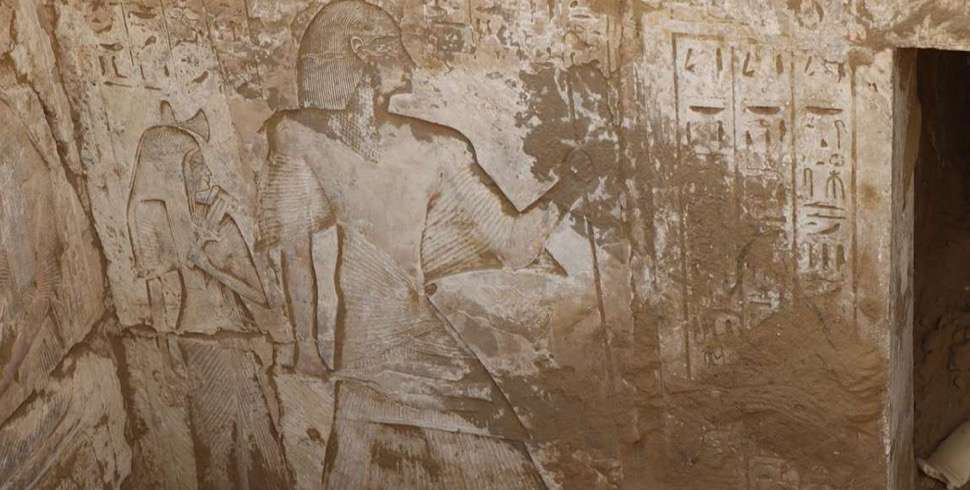
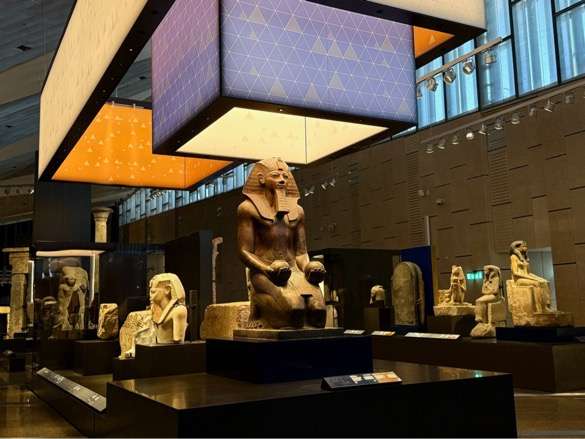
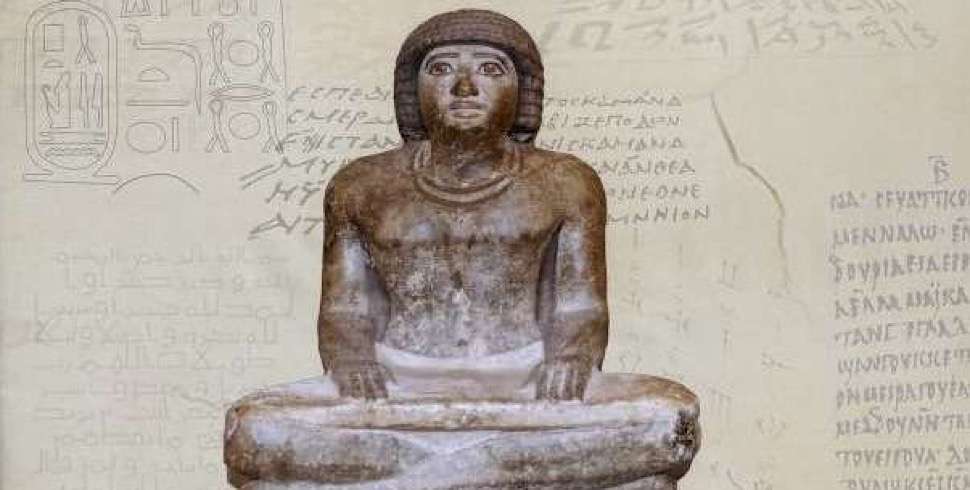
While beaches and winter sun draw huge numbers, Egypt’s long-term tourism brand remains rooted in its antiquities—and that draw continues to refresh itself. Archaeological discoveries, a key driver of global attention, more than doubled in 2023 to 115 findings, according to official data.
Each discovery feeds the broader narrative that Egypt is not only preserving the past but still actively uncovering it—an advantage few destinations can match.
Egypt’s broader travel competitiveness is also improving. The country ranked 61st out of 119 in the World Economic Forum’s 2024 Travel and Tourism Development Index, up from 66th in 2019. Separately, it was named Africa’s top tourism destination for the third year running by Bloom Consulting - a nod to the strength of Egypt’s international brand even amid regional competition.
To keep growth on track, the government plans to raise **tourism and antiquities investment by about 60 percent to 116.2 billion Egyptian pounds (about 2.4 billion) in 2025/26.
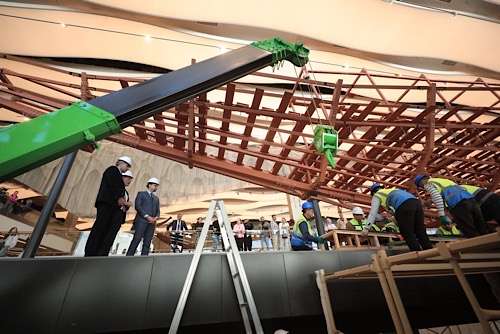
The project list is designed to modernize the visitor experience and expand the map of what “Egypt” means to international tourists:
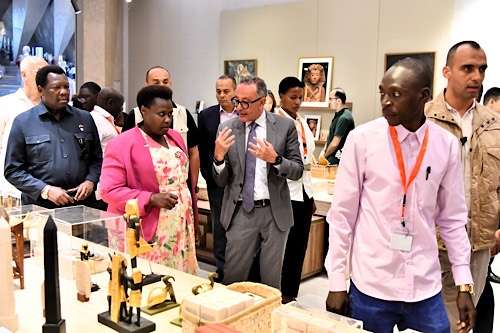
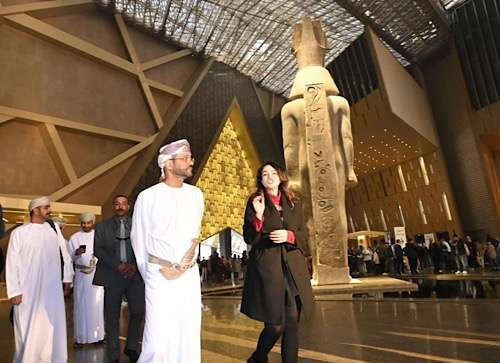
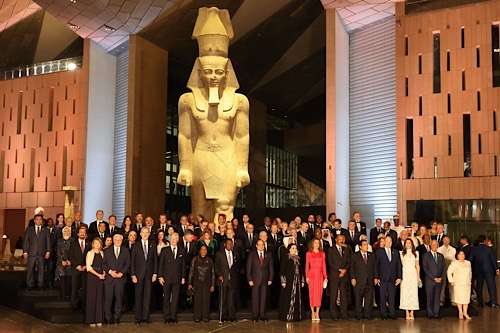
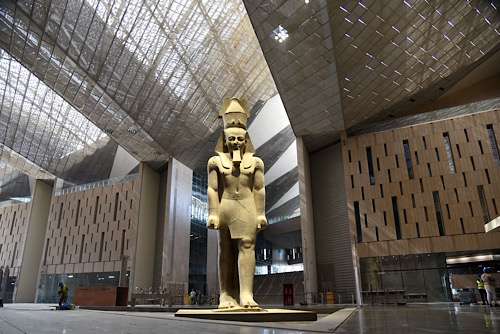
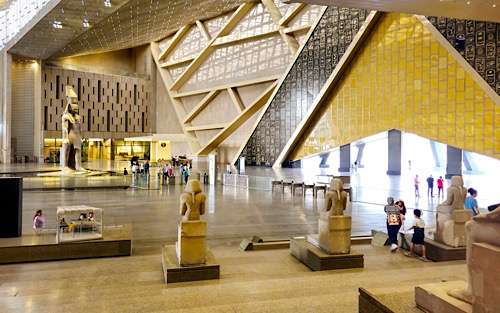
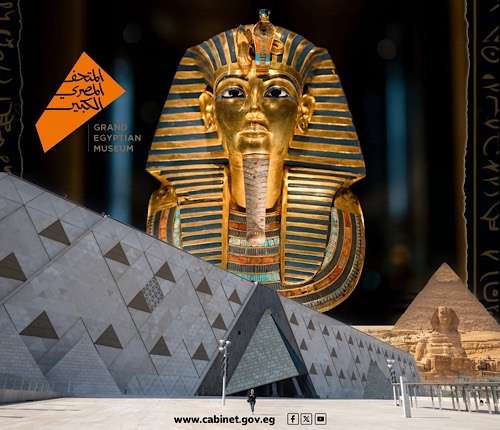
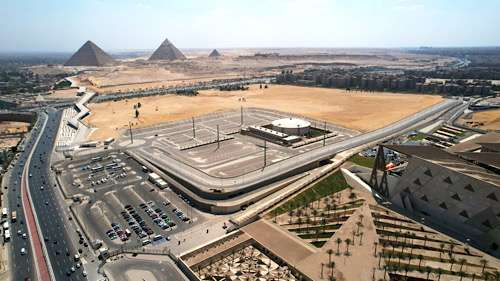
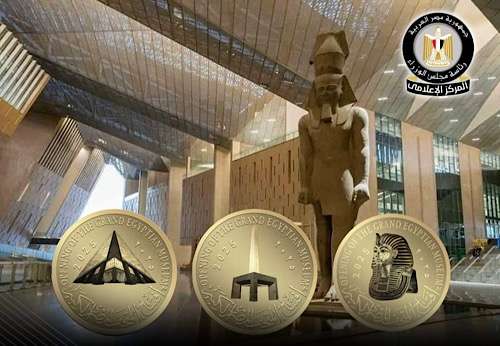
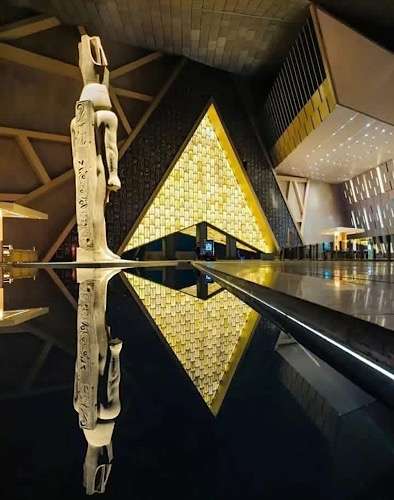
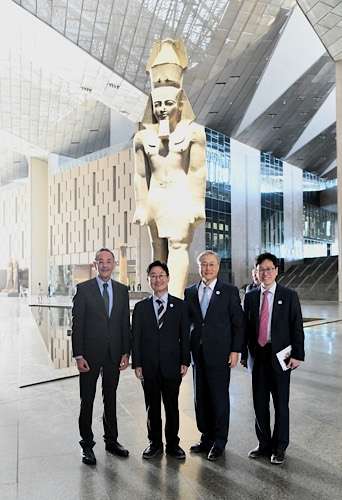
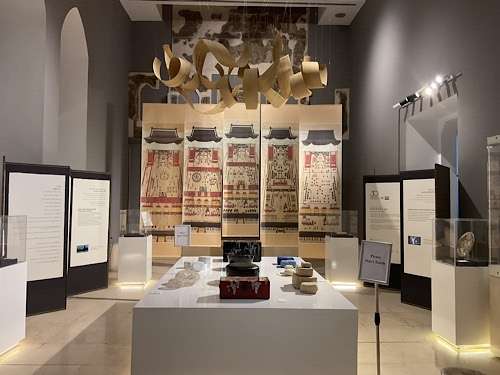
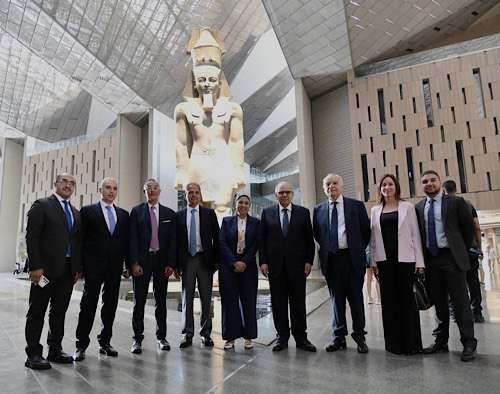
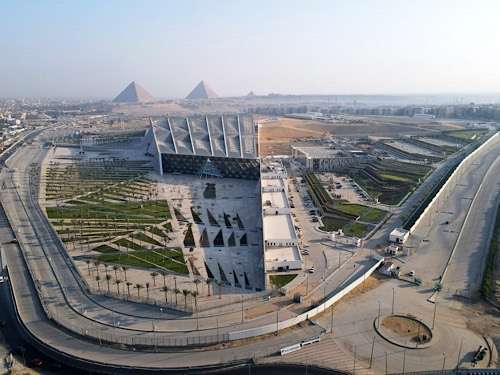
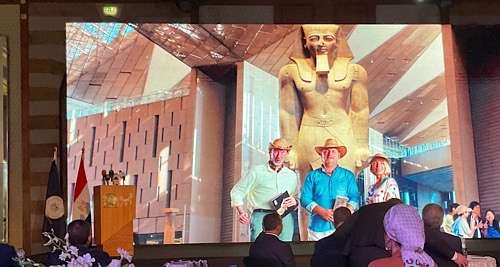
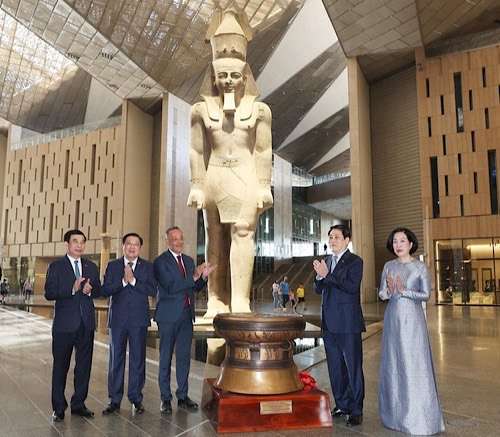
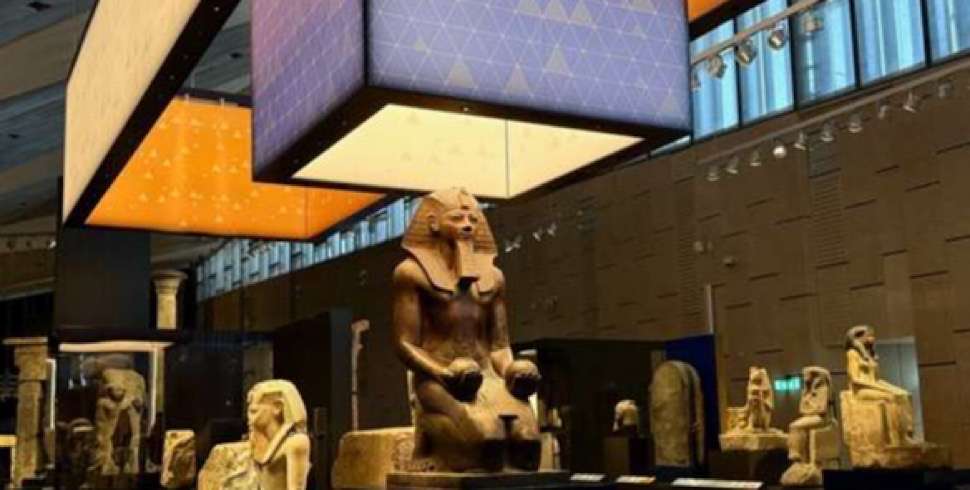
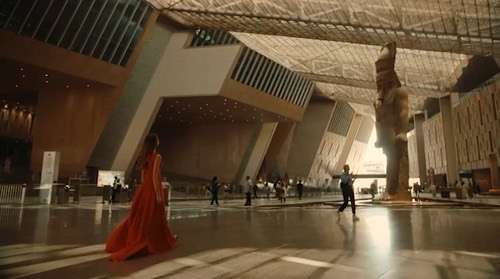
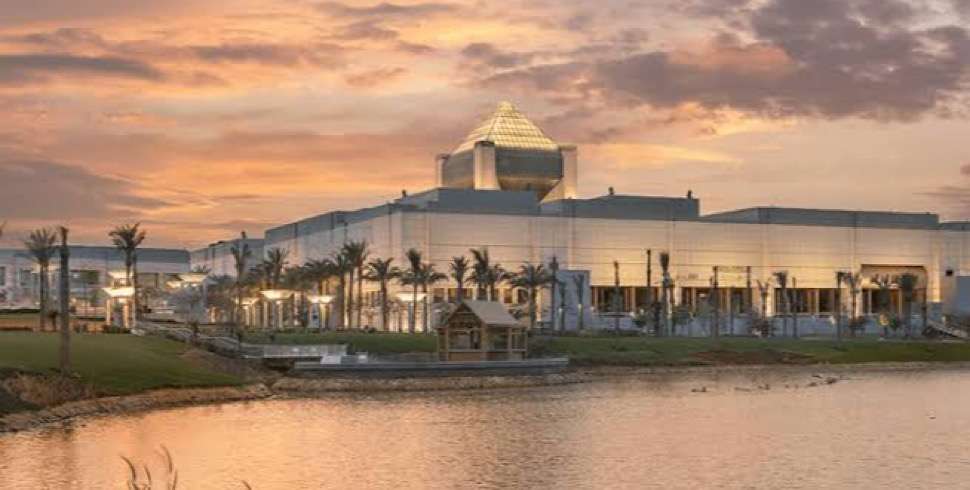
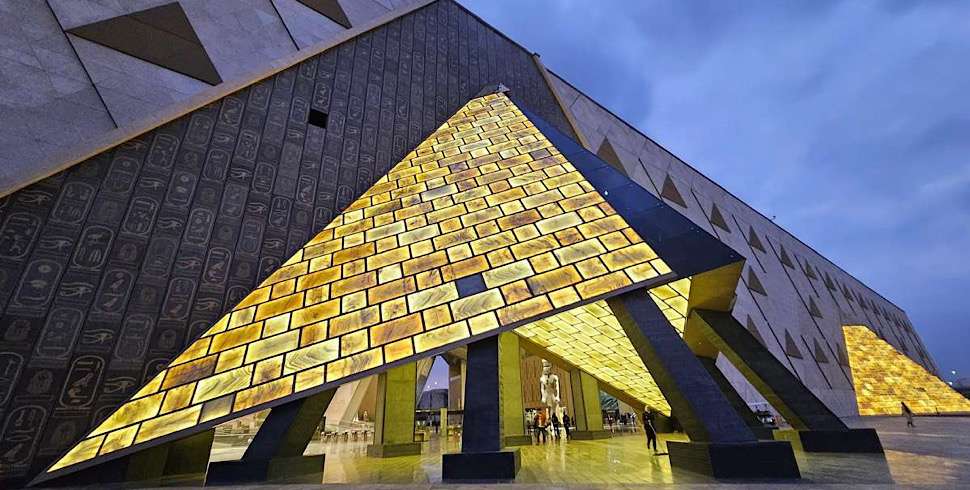
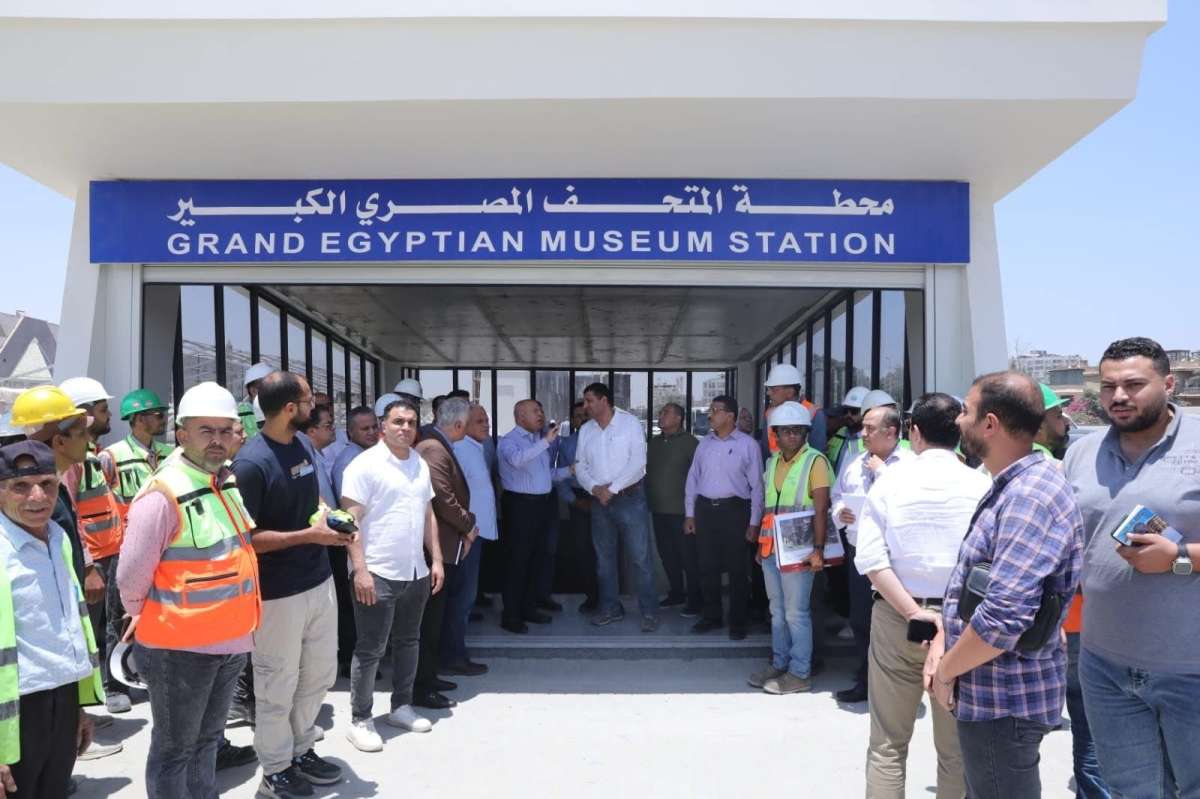
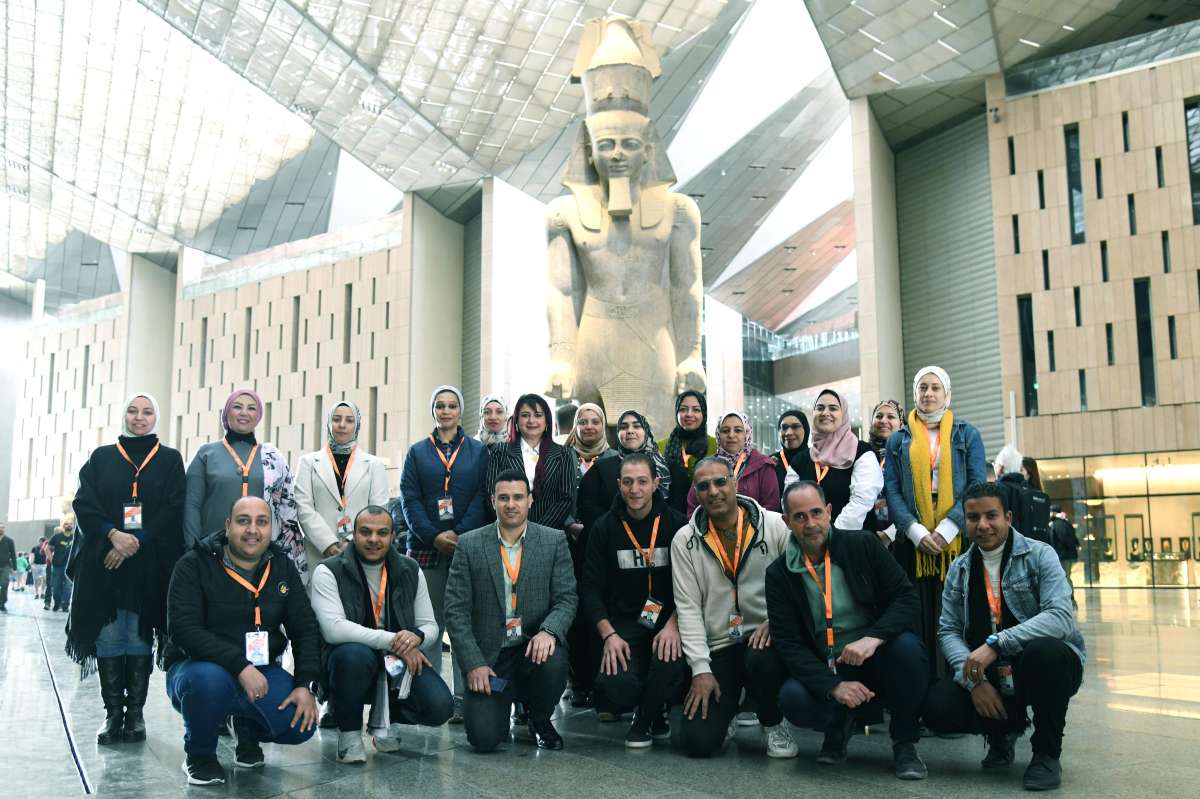
- The Grand Egyptian Museum
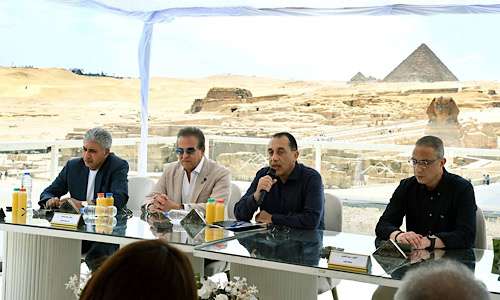
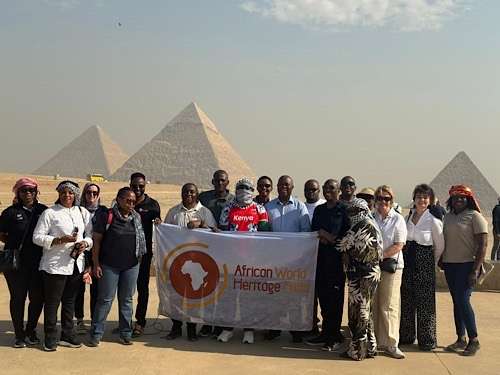
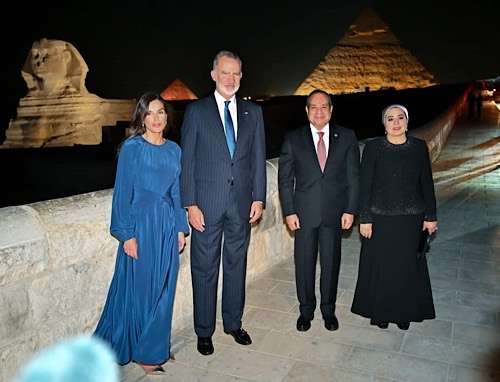
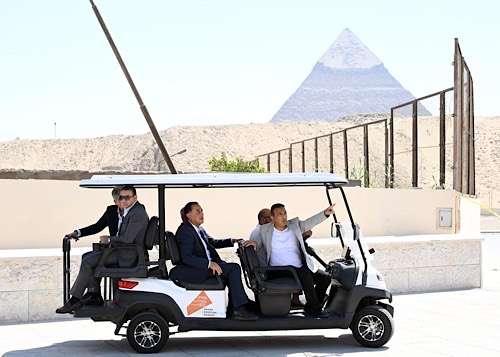
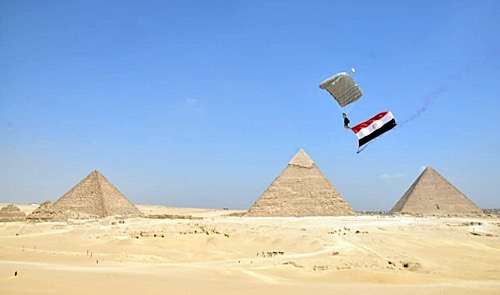
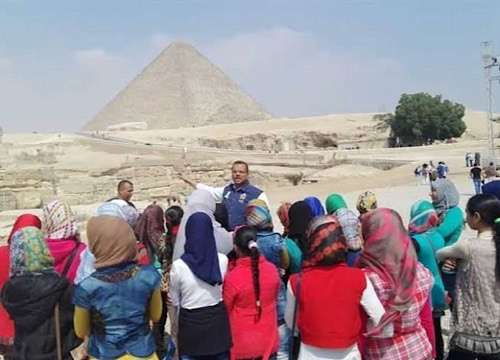
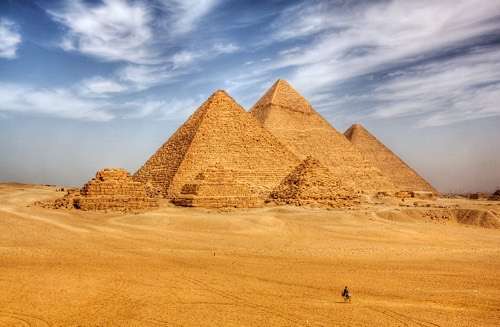
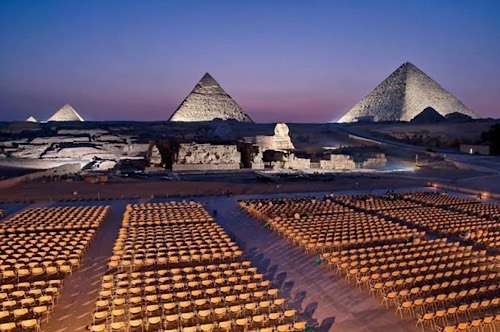
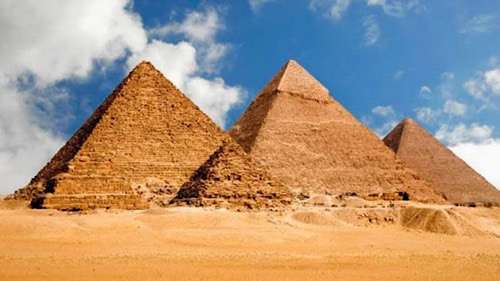
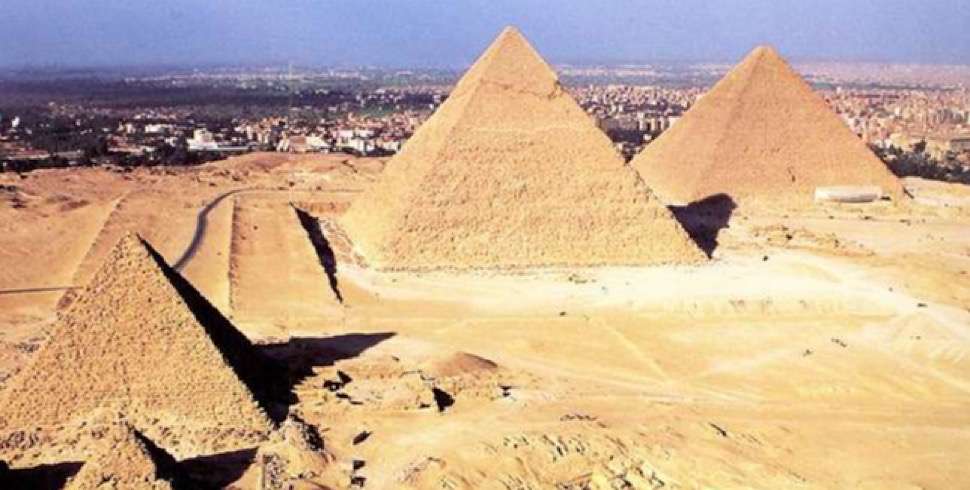
- Redevelopment of the Giza Pyramids area
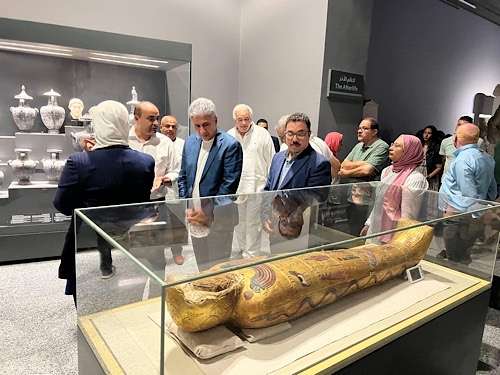
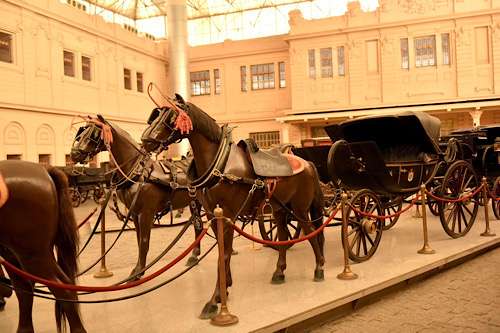
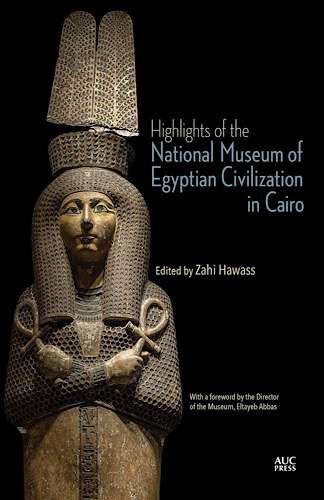
- The National Museum of Egyptian Civilization
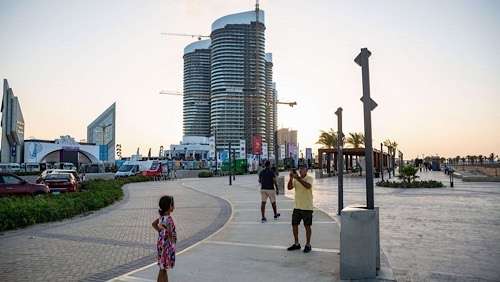
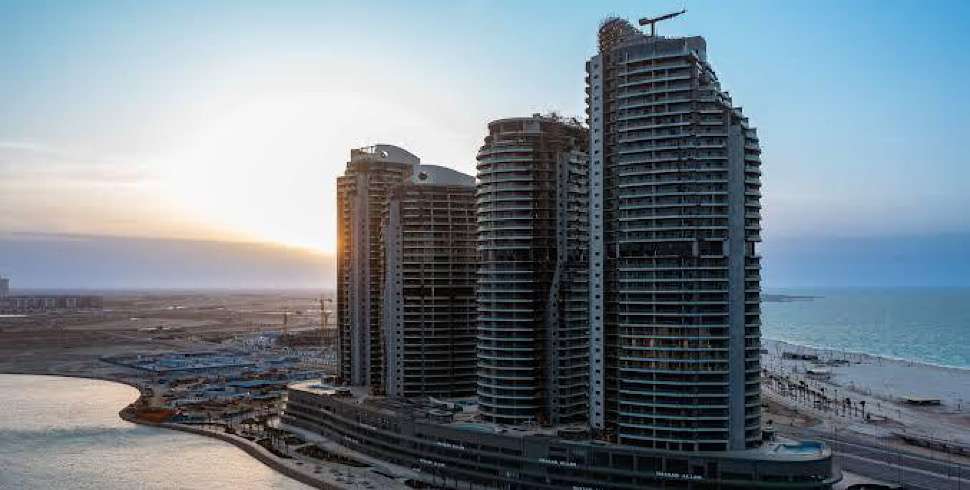
- New Alamein City
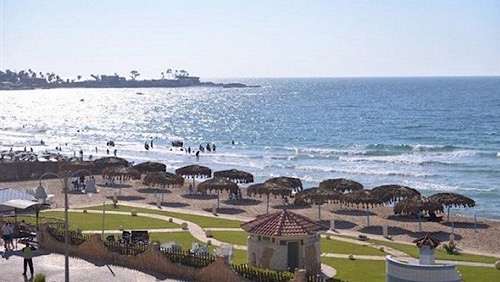
- Ras El Hekma
Together, these initiatives aim to do more than add attractions—they are meant to reduce pressure on overcrowded sites, extend average length of stay, and encourage repeat visits by offering a broader mix of culture, leisure and new urban destinations.
Egypt’s tourism surge is being powered by a rare combination: strong revenue growth, longer stays, rising arrivals, and a clear investment pipeline. The challenge now is execution—ensuring that infrastructure upgrades translate into smoother arrivals, better site management, and consistent service standards across the country.
For the moment, the numbers are moving in one direction. And for an economy where tourism remains a cornerstone source of foreign currency, that direction matters.