






















































































































































































































































































































































































































































































































































































































































































































Friday, 09 October 2026
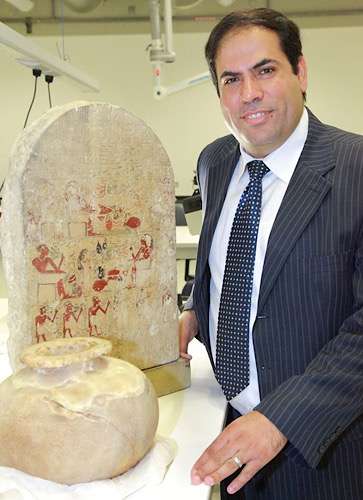
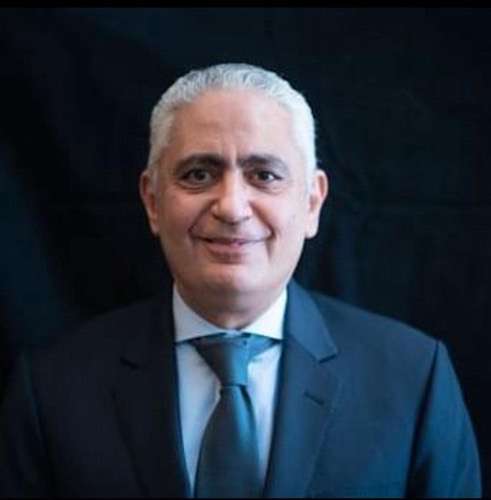
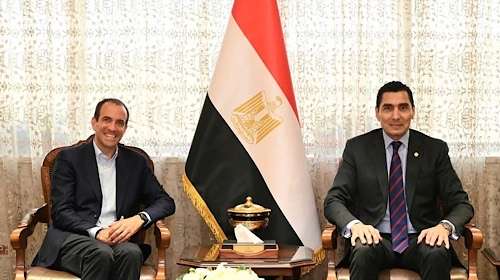
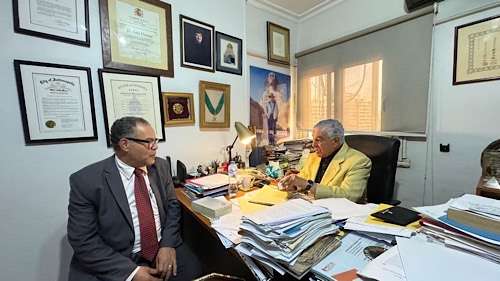
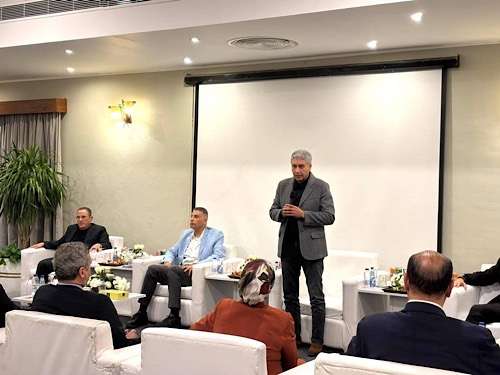
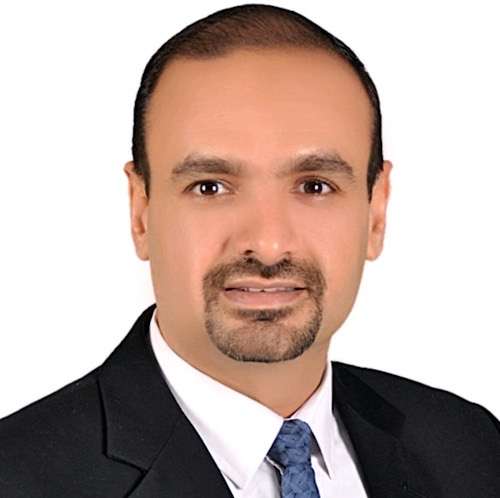
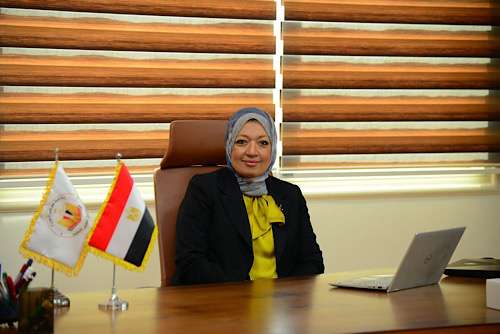
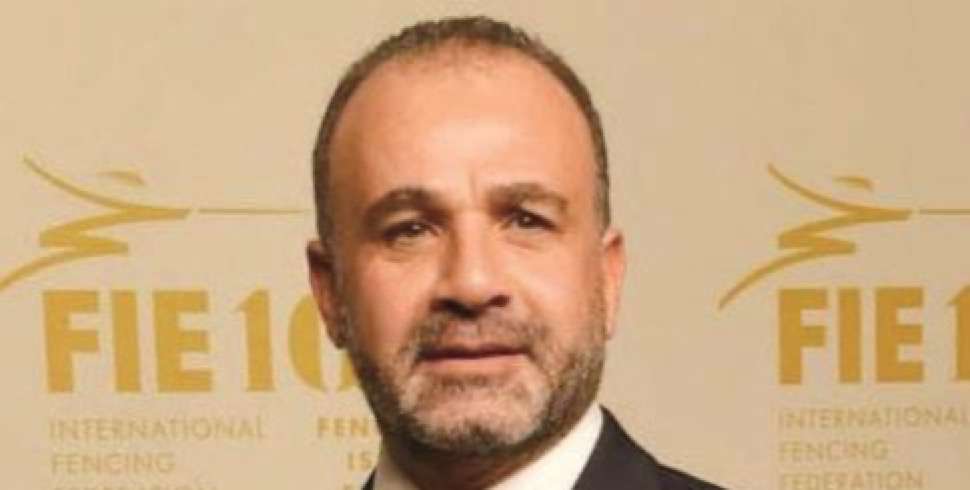
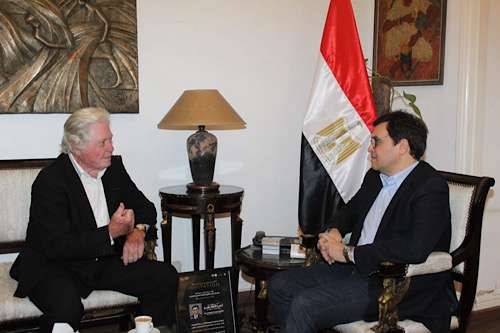
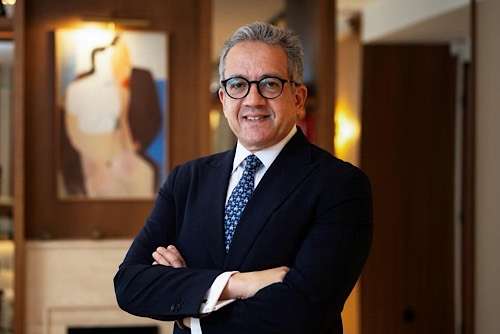
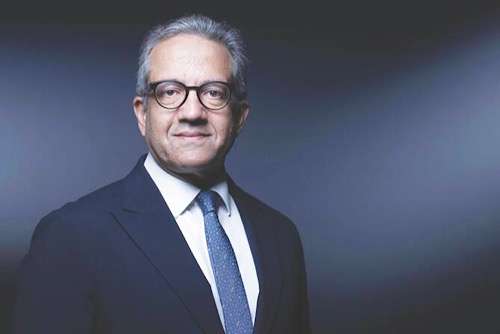
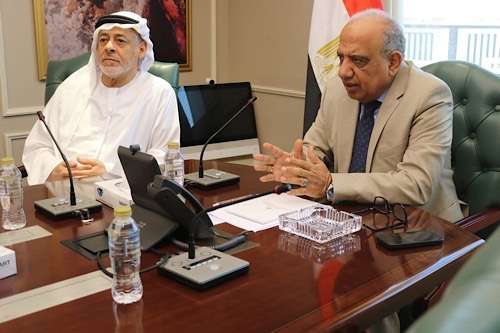
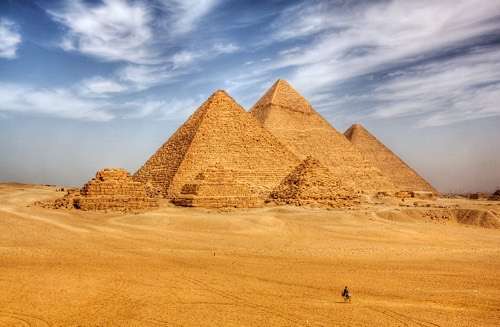
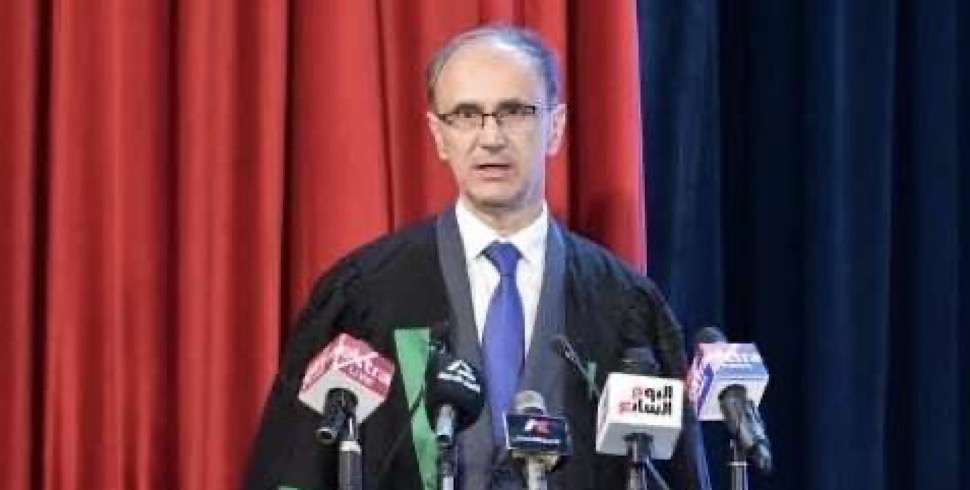
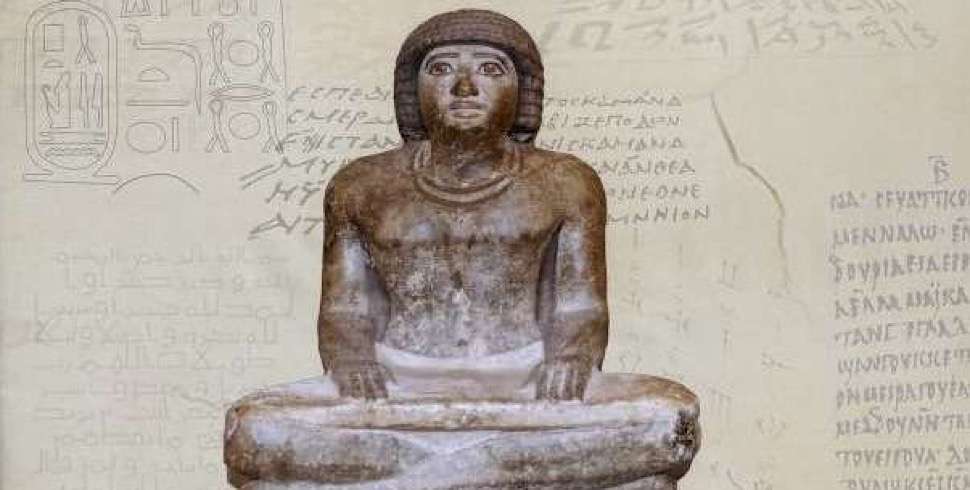
Egyptologists say ancient animal‑sacrifice rituals reveal a sophisticated system of religious practice, hygiene and social solidarity that shaped daily life in pharaonic Egypt, according to expert Ali Abu Deshish, executive director of the Zahi Hawass Foundation for Antiquities and Heritage.
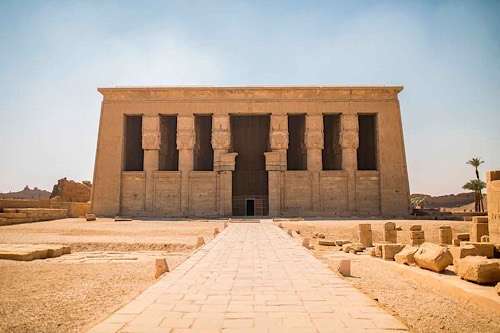
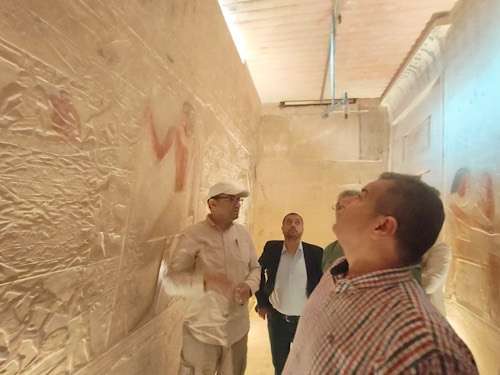
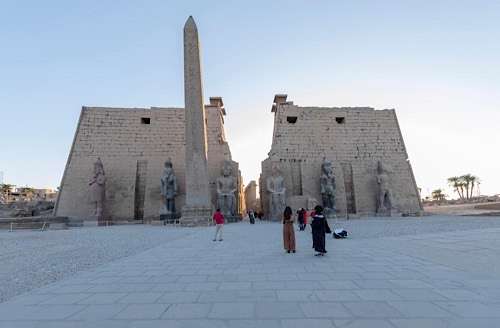
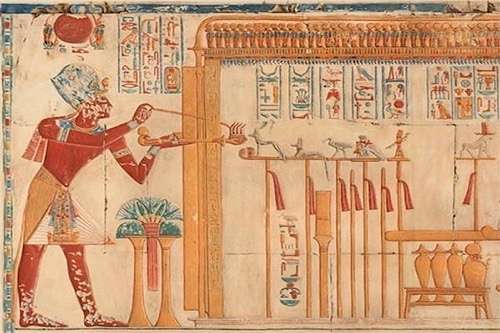
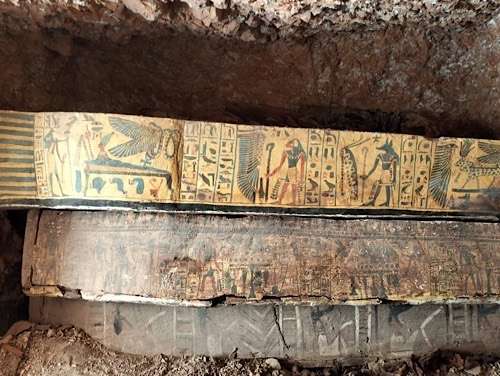
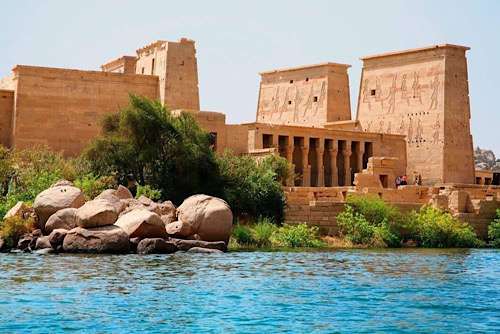
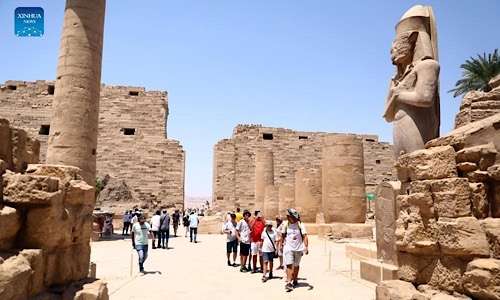
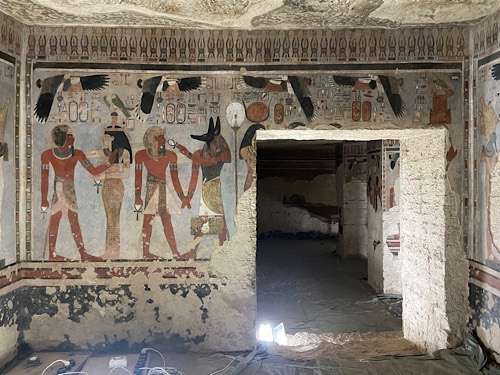
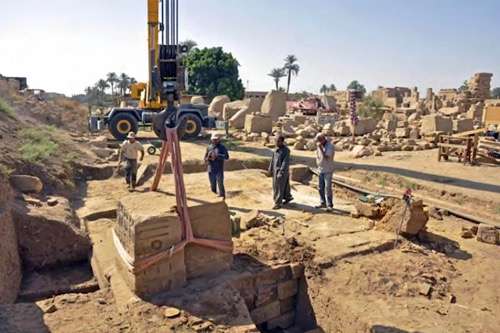
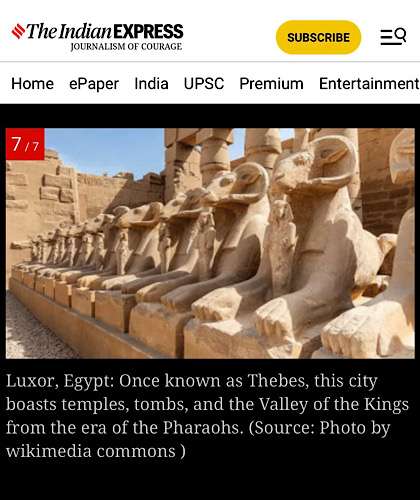
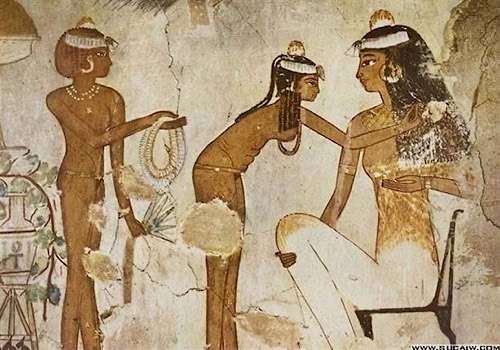
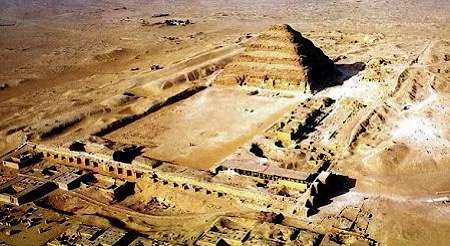
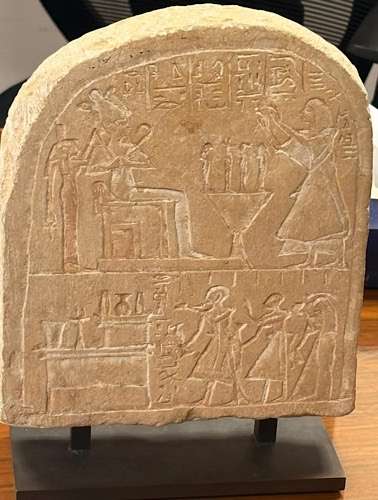
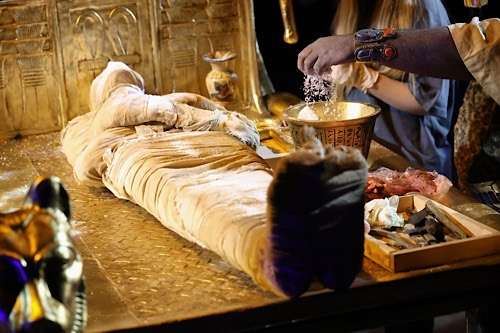
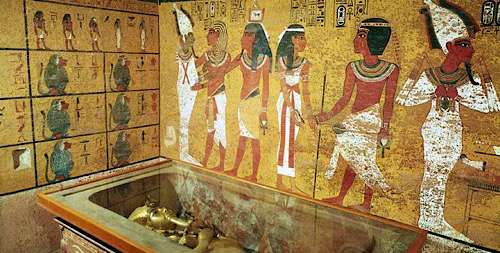
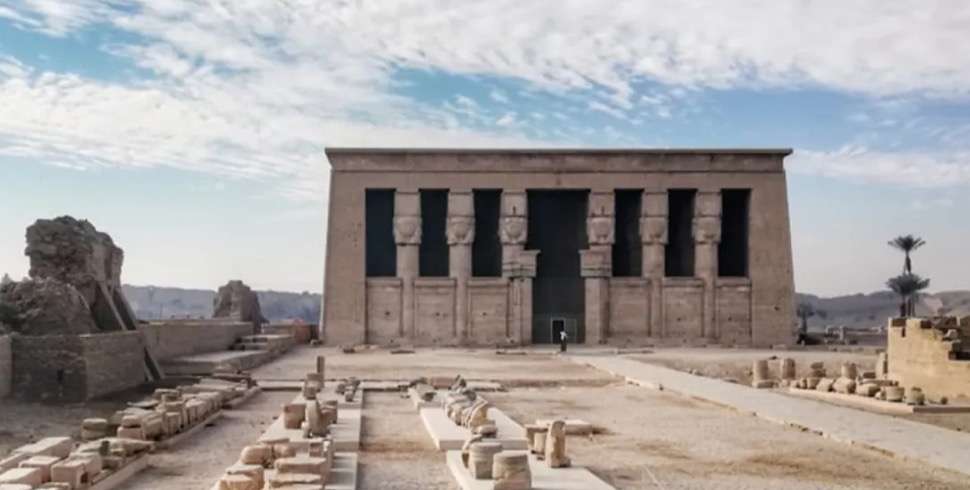
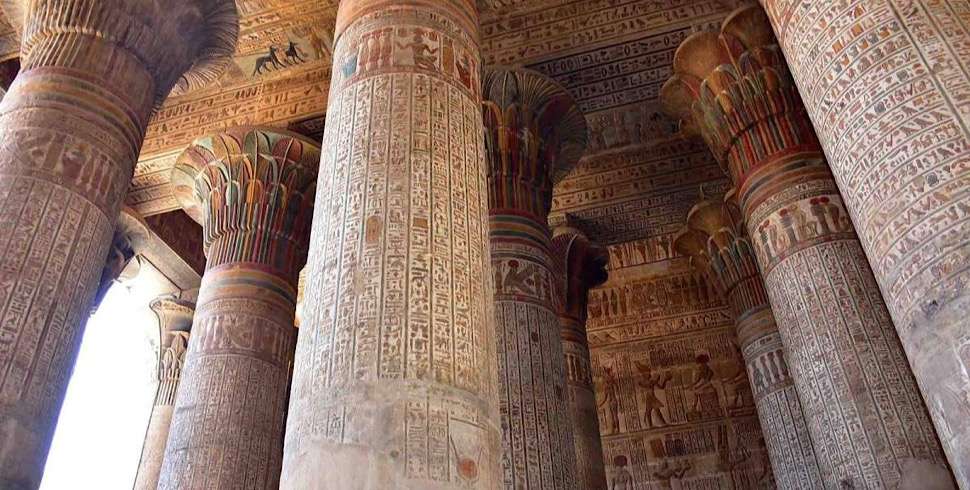
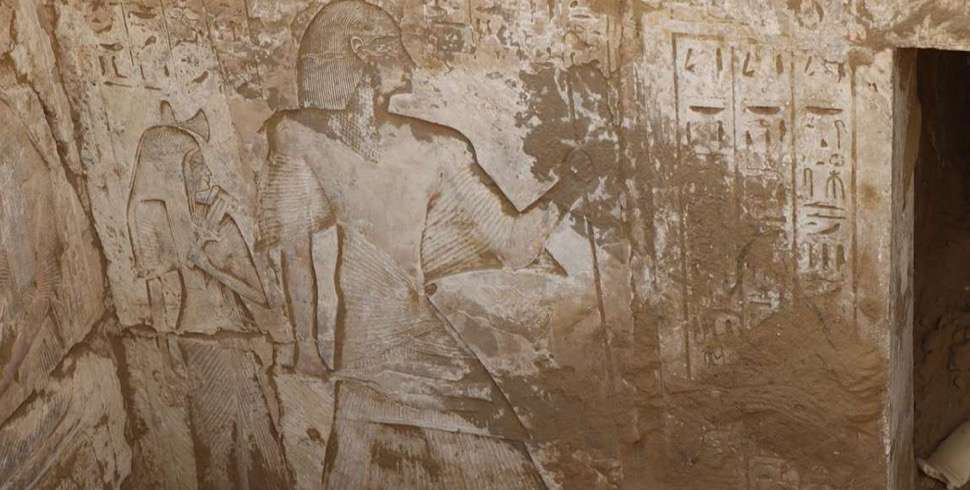
Speaking about scenes carved on temple walls from Luxor and Karnak to the Old Kingdom tombs of Saqqara, Abu Deshish said the slaughter of animals and presentation of offerings formed a central pillar of ancient belief and the maintenance of cosmic order, or Ma’at. He said the rituals were far more than a source of food, describing them as precise religious procedures governed by rules of purity that resemble modern veterinary inspection or halal standards.
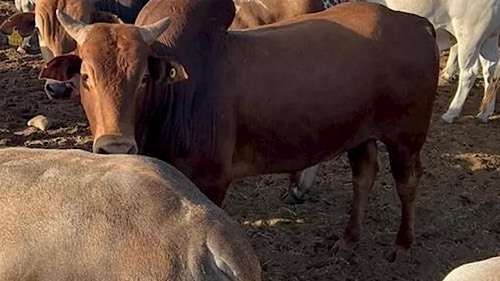
Only animals deemed flawless could be offered, he said. A designated priest examined the body, hair, tongue and hooves of bulls, calves, goats or gazelles, marking acceptable animals with a clay seal attached to a cord around the horns.
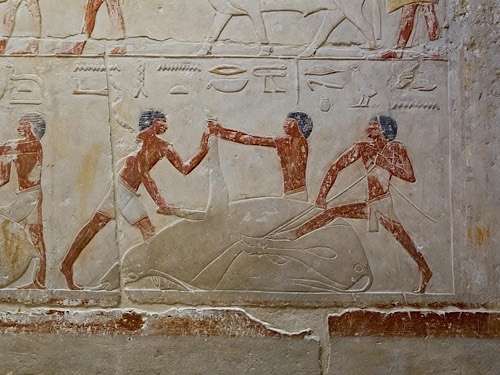
Depictions in tombs such as those of Ti and Mereruka show the slaughtering process in detail. Assistants tied the animal’s legs and eased it onto its right side, usually facing south or west. Priests used sharpened flint, then copper or bronze knives, to cut the jugular vein and collect the blood, regarded as a symbol of life. A second inspection followed, with the priest examining the blood, liver and heart to confirm the animal’s purity.
Afterward, the meat was cut and distributed. The foreleg, considered the most sacred cut, was placed on the temple offering table, while the remaining meat was shared among priests, workers and poorer members of the community.
Abu Deshish said the practice illustrates how religious ritual, public health and social cohesion were intertwined. He added that traditions of sharing food and ensuring its quality still reflect values rooted in Egypt’s ancient heritage.