
















































































































































































































































































































































































































































































































































































































































































































































































































































































































































































































Friday, 09 October 2026
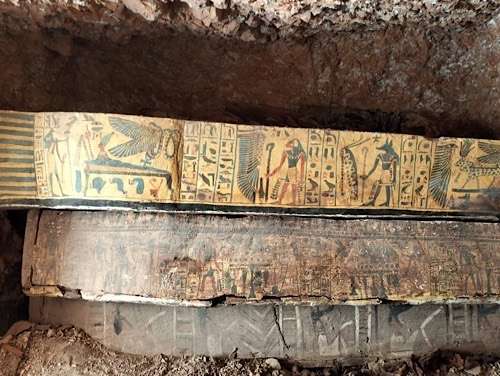
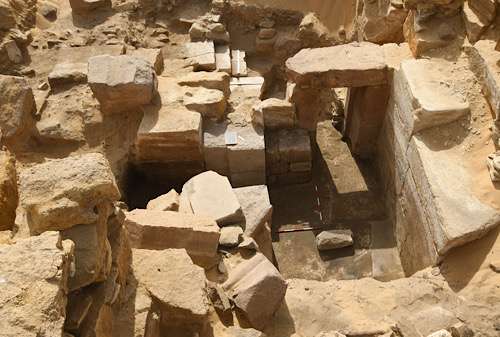
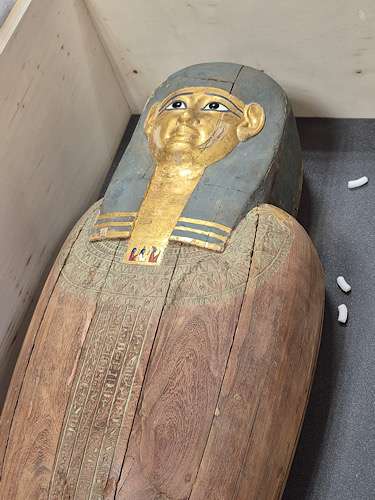
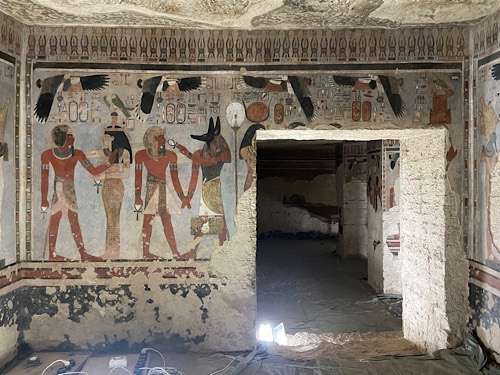
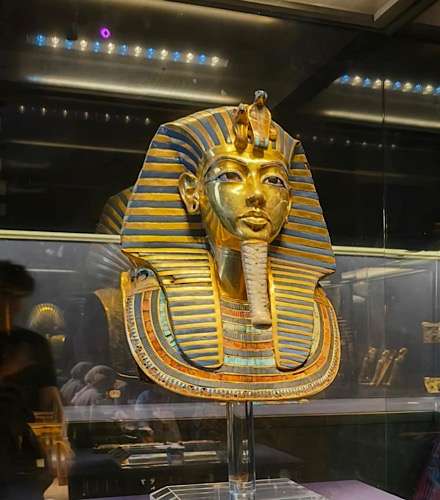
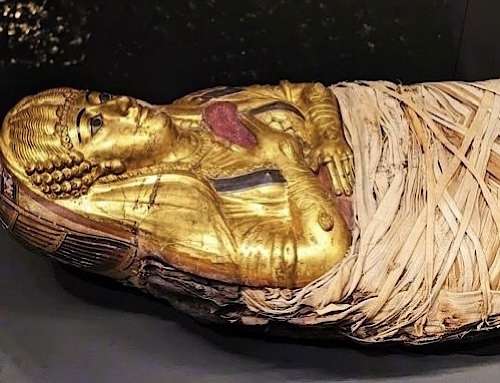
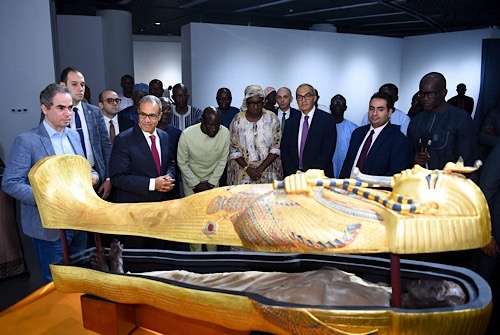
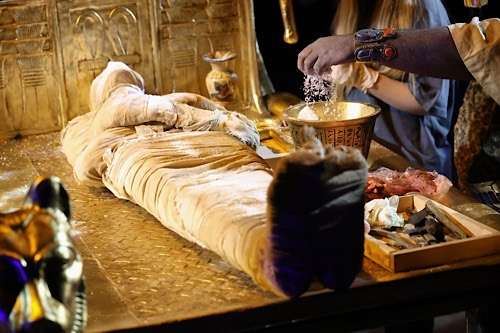
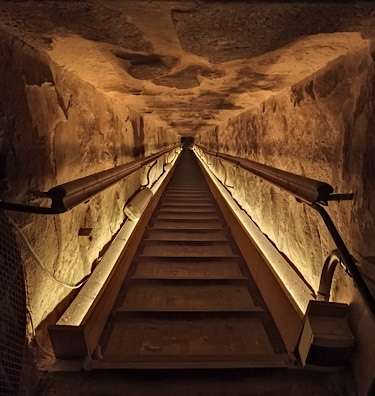
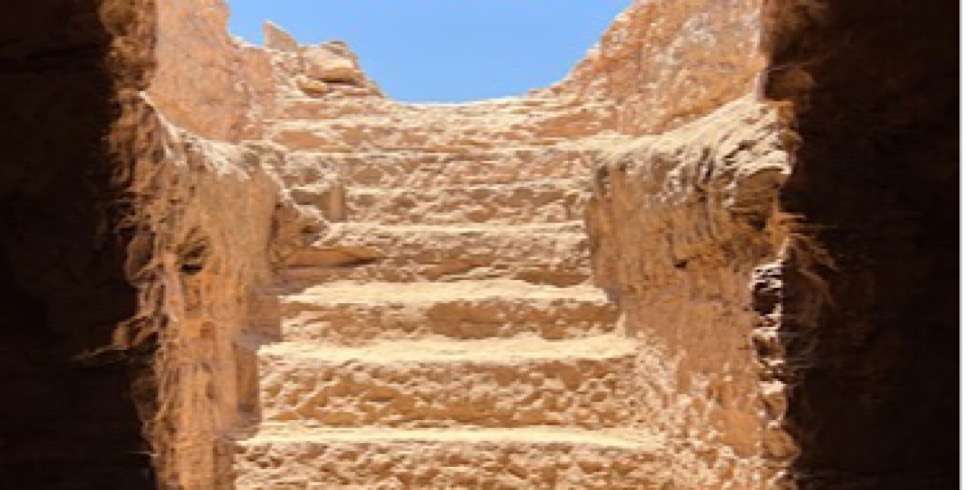
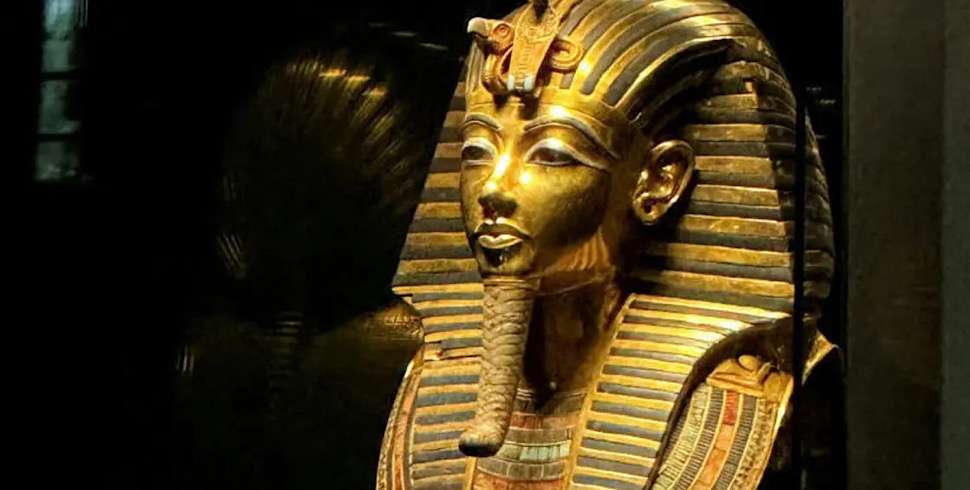
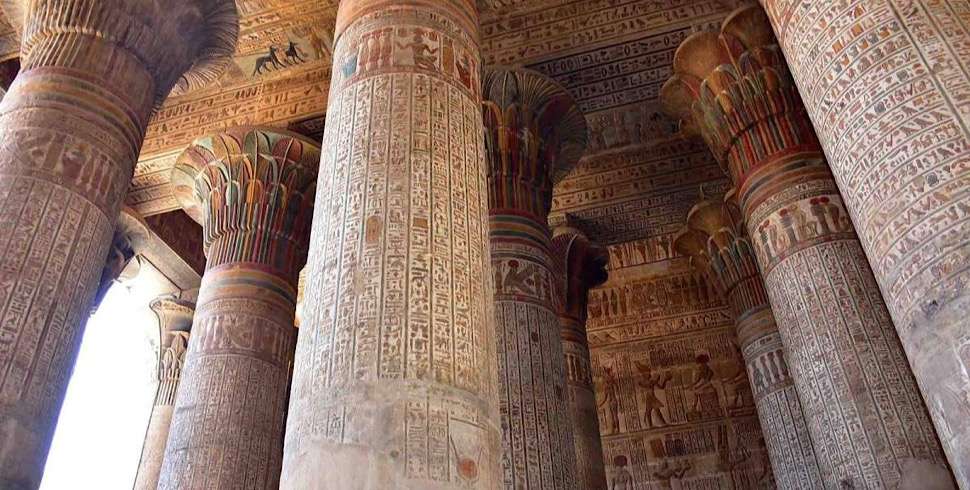
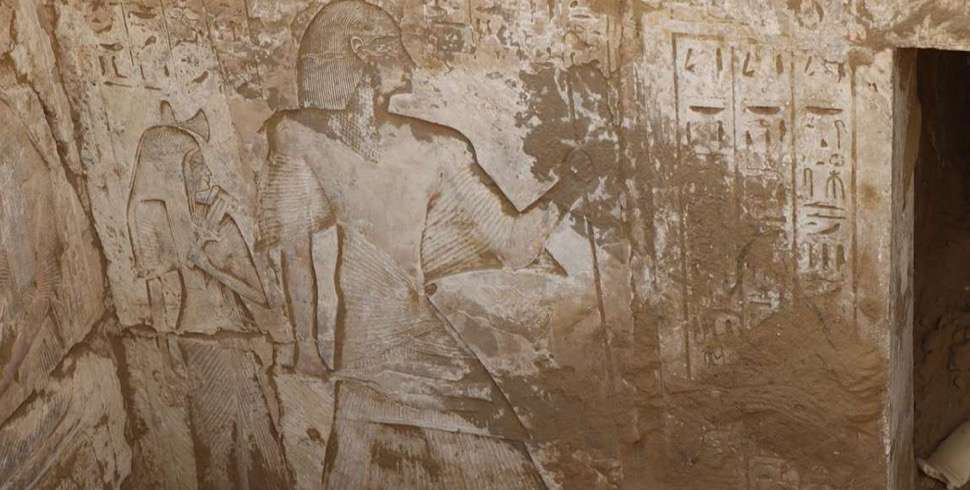
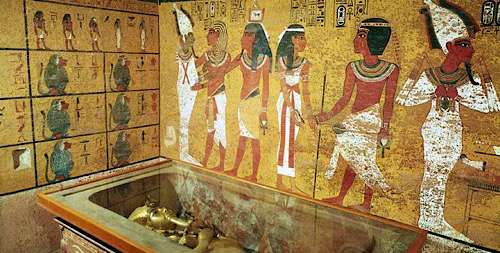 The burial chamber of King Tut's tomb Photo by Art Images via Getty Images
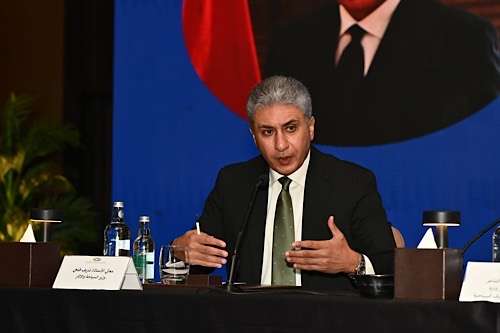
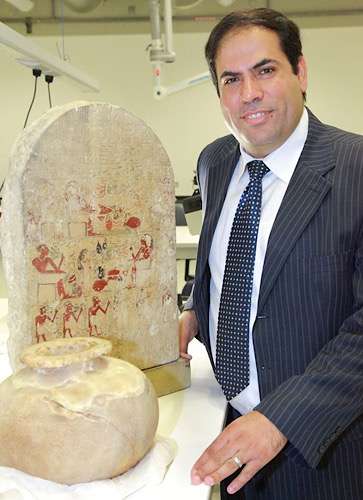
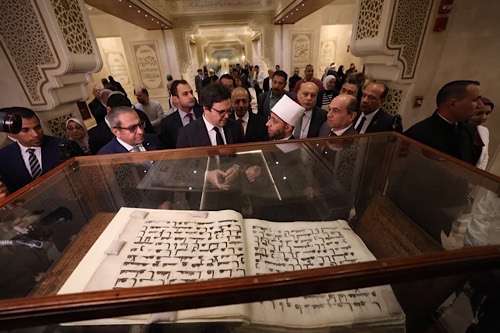
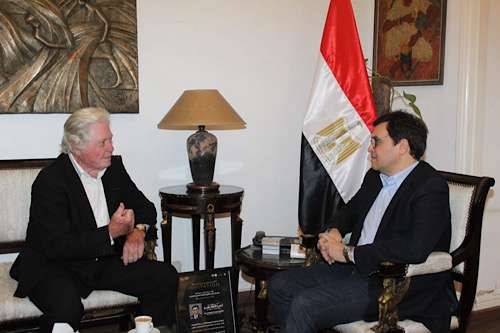
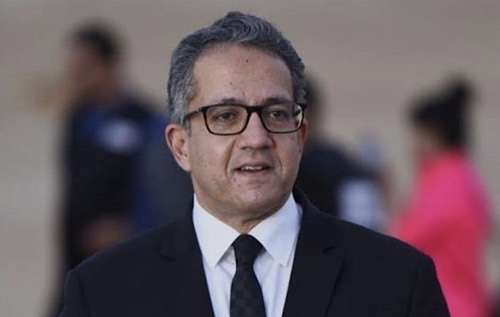
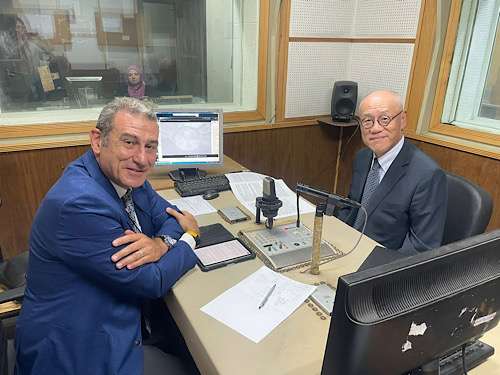
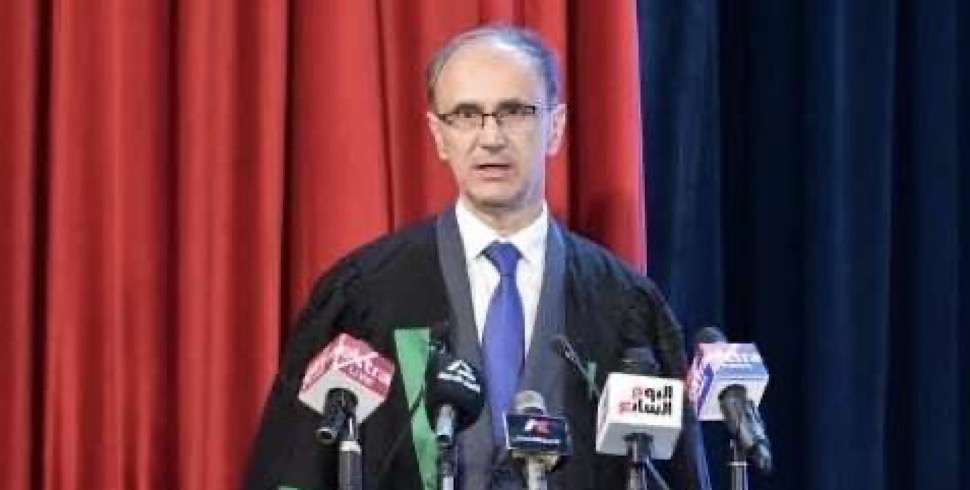
When Egypt’s chief archaeologist Dr. Mostafa Waziri steps into the shadowy depths of a pharaoh’s tomb, even decades of experience can’t fully shield him from the uncanny. “The spirit of Tutankhamun frightened me,” Dr. Waziri recounted with a shiver on a recent episode of the “Pharaoh’s Enigma” podcast. “I found myself reading the Quran for calm and safety.”
The ancient curse—or scientific hazard?
From Hollywood thrillers to whispered legends along the Nile, stories of the “Curse of the Pharaohs” have long captivated imaginations worldwide. For Dr. Waziri, the reality is both stranger and more grounded than these tales suggest.
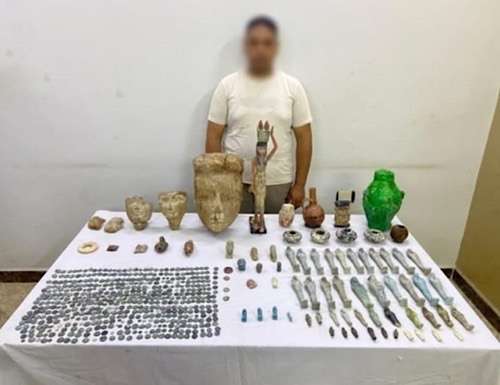
During the show, he described haunting accounts of entire families vanishing after illicit digs into ancient cemeteries, their fates turning into cautionary legends woven with superstition and fear.
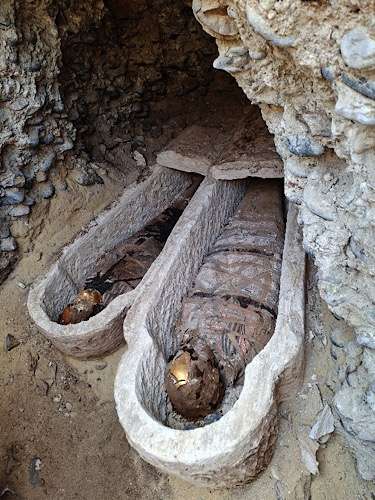
But Dr. Waziri brings a scientific lens to the mystery. Many supposed “curses,” he explains, originate from the very real dangers inside millennia-old tombs—particularly fungal spores and toxins. Sealed for centuries, tomb chambers often hold ancient food offerings, which, when newly exposed to fresh air, trigger invisible fungal blooms that can cause sudden blindness, paralysis, and even deadly heart attacks.
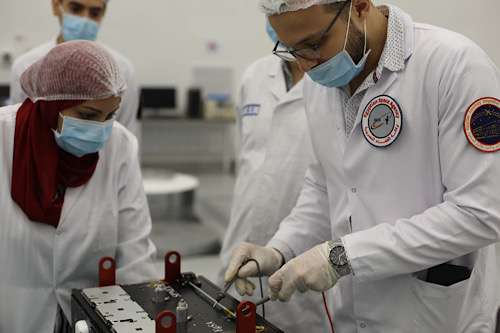
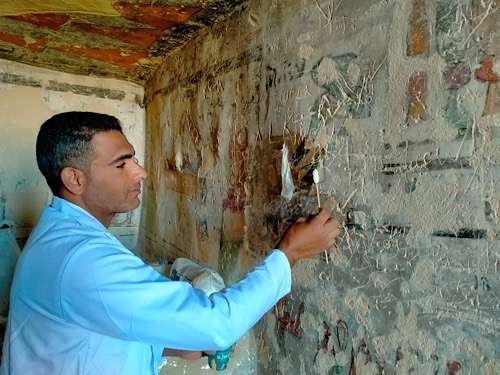
“People don’t realize,” Dr. Waziri told listeners, “one must take real precautions. That’s why archaeologists today wear masks and avoid shaving before entering, to protect every pore from infection. What was once called a curse is more often a consequence of long-dormant microbes.”
Tales from beyond: Thunderstorms, darkness—and a shattered calm
Yet even for skeptics, some moments defy easy explanation. Dr. Waziri recalls January 5, 2005, the day his team was set to scan Tutankhamun’s mummy with a modern CT scanner. Suddenly, desert skies darkened, a rare rainstorm swept over Luxor, and the sophisticated equipment malfunctioned, only to jolt back to life without warning. “It was enough to make your skin crawl. Everything seemed to happen at once: storms, broken machines, a pervasive sense of unease.”
He’s not alone. Dramatic incidents have dogged tomb discoverers since Carter and Lord Carnarvon opened Tutankhamun’s burial chamber in 1922, when power failures, unexplained deaths, and even the silence of a canary led to feverish speculation.
Fear and fascination: Between myth and truth
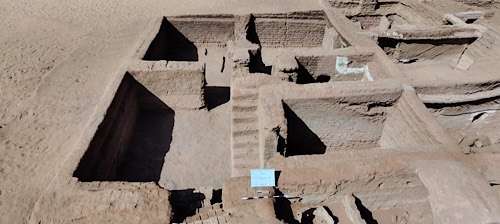
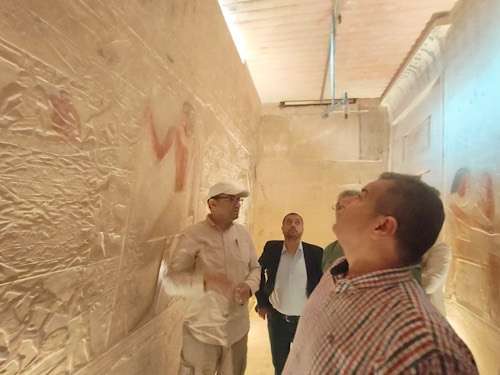
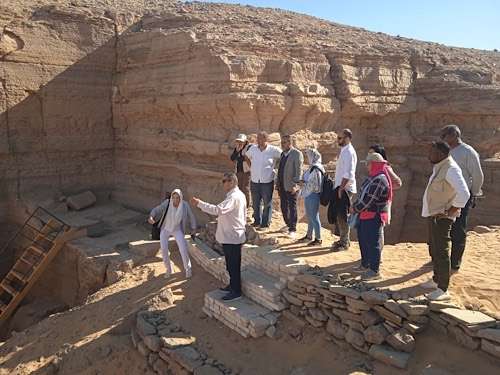
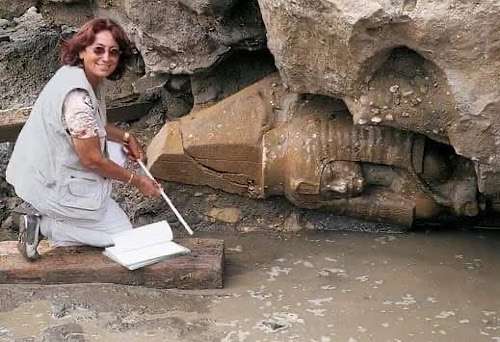
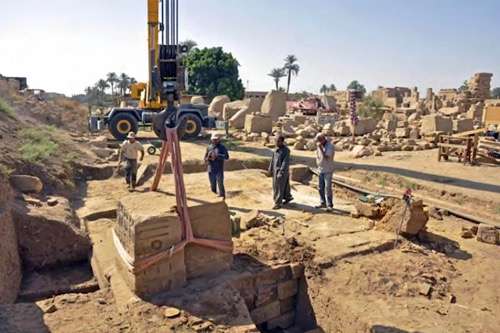
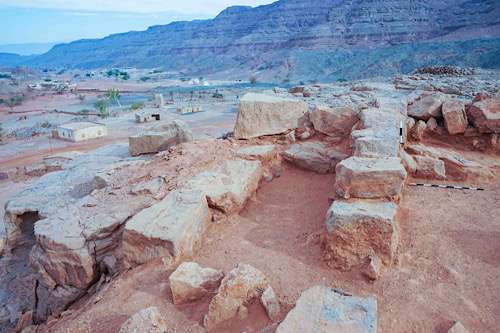
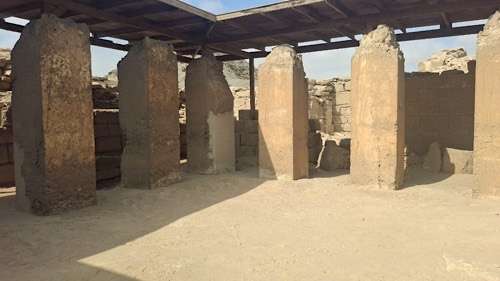
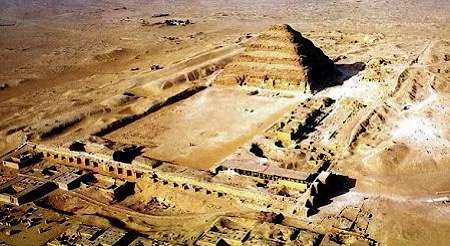
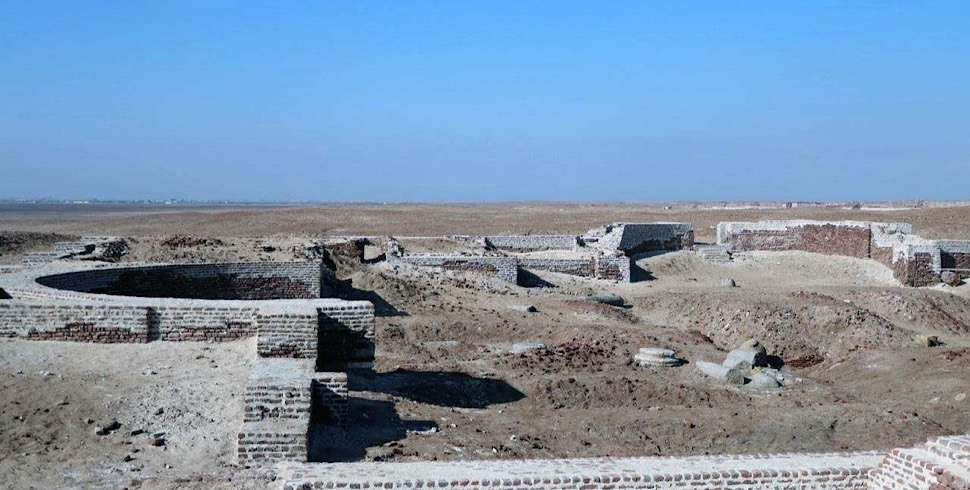
Despite these eerie experiences, Dr. Waziri maintains a rational perspective. He dismisses rumors of “guardian spirits” or supernatural hauntings favored by tomb robbers and popular myth, even as he admits to moments of palpable fear. In one Saqqara excavation, as light bulbs flickered out and his colleague’s glasses suddenly shattered, Waziri turned inward—seeking solace in prayer.
“At the end of the day,” he reflected, “our greatest enemy is not a curse, but our own imagination—and the hidden dangers of ancient history.”
Modern science meets ancient myth
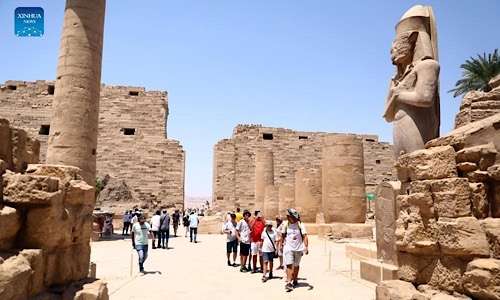
As Egypt strives to preserve and reveal its extraordinary archaeological heritage to the world, Dr. Waziri’s stories blend the magic of ancient myth with the rigors of science. The pharaohs may not reach from their rest to curse the living, but in those close, silent chambers, something—be it fungus, fate, or fear—remains as mysterious as ever.