












































































































































































































































































































































































































































































































































































































































































































































































































































































































































































































































































































































































































































































































































































Friday, 09 October 2026
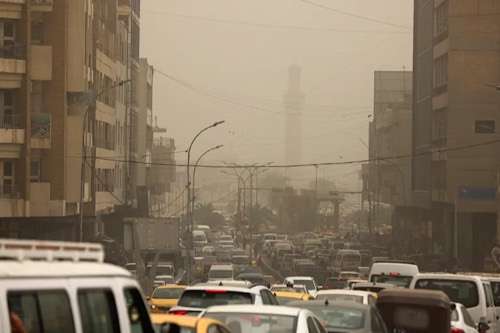
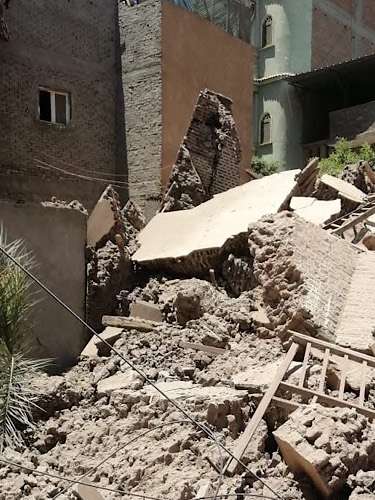
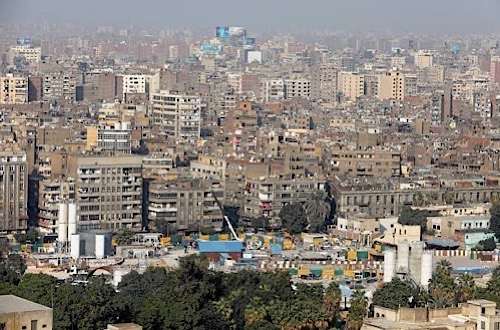 A general view of clustered buildings in Cairo, Egypt, January 28, 2018. REUTERS
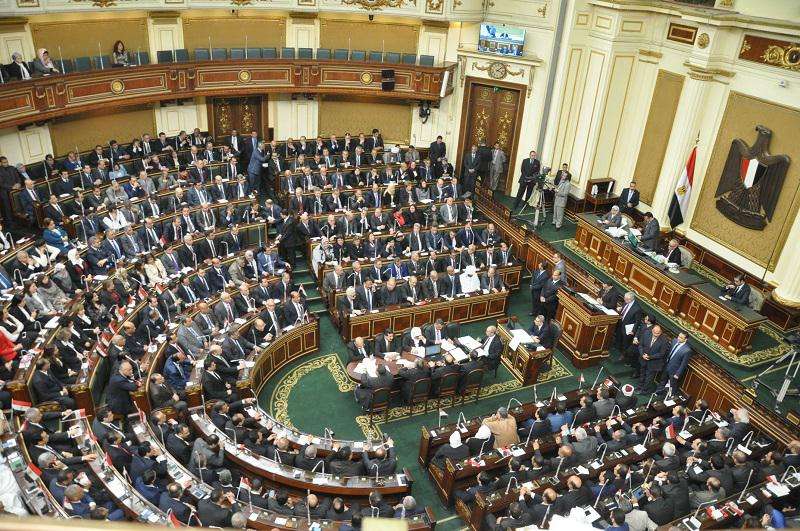
Although Egypt’s Parliament has recently approved long-awaited amendments to the so-called “old rent law,” the country’s debate over housing rights and fairness shows no signs of subsiding.
The new legislation, still awaiting presidential ratification, seeks to phase out decades-old rent contracts that fixed rental prices, hoping to bring balance to both landlords and tenants. Yet, for many, the change raises difficult questions about security, justice, and the future of home.
For more than 40 years, Abdel Aziz Amin, now 73, has found comfort and stability in his modest apartment in Maadi, Cairo—a home full of treasured memories.
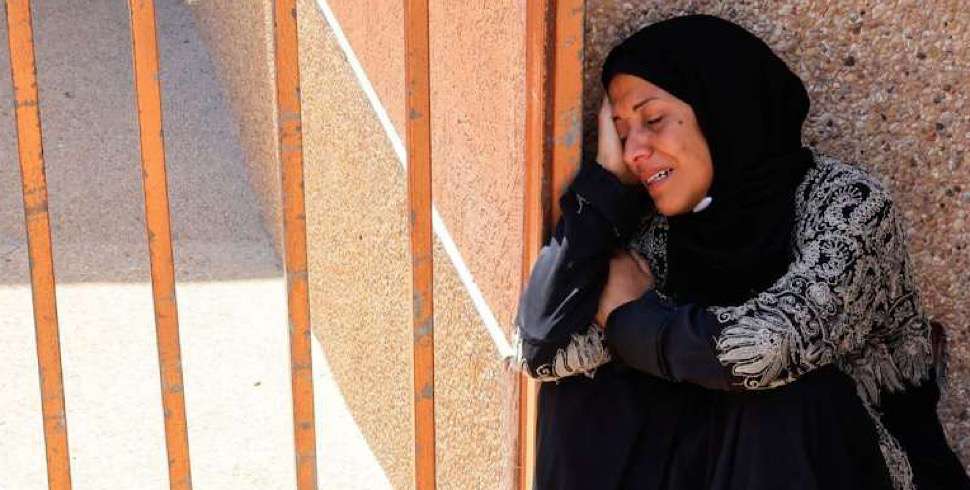
Like an estimated 1.6 million other Egyptian households, he pays a small, fixed rent under a system created to protect tenants. But with the new law setting a seven-year countdown to end these contracts, Amin faces an uncertain future: “Where will we go?” he wonders, troubled by the prospect of uprooting himself at age 80. Relocating to distant, under-served suburbs with his limited pension may simply be impossible.
Yet, for landlords like Julia Mohamed, 42, the law represents long-awaited relief. Julia and her sister inherited property in Alexandria where, despite surging market rents, their tenants have paid the same token amounts for years—often less than a dollar per month. “Despite being a ‘property owner’ by name, I was barely making ends meet,” she says. Julia had to sell clothes online to support her family, while many of her tenants, she claims, owned other homes or left their apartments empty.
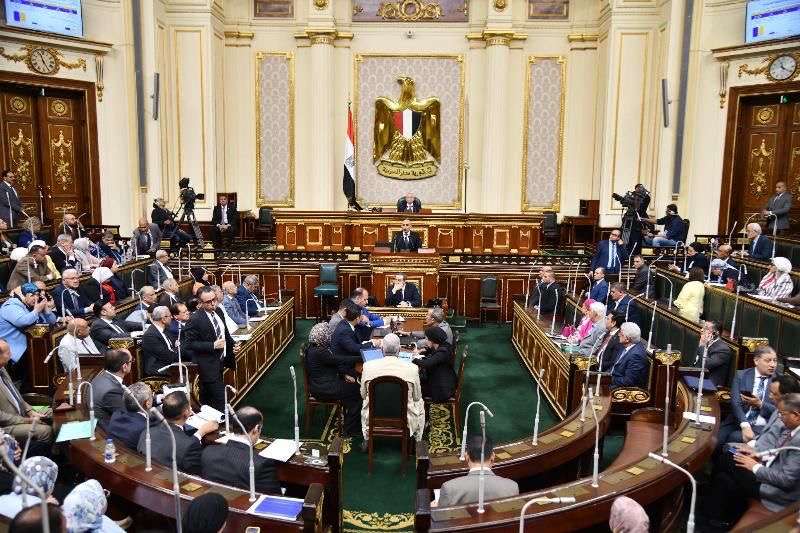
The new legislation has not come without controversy. Some lawmakers and civil society voices warn that the changes are being rushed, potentially leaving Egypt’s most vulnerable citizens without adequate support. In a recent session, several opposition MPs walked out, calling for greater balance and protections, particularly for elderly and low-income tenants.
The new law will phase out old rent contracts after seven years for residential units (five years for commercial units). Meanwhile, rents in premium areas could rise to twenty times their current value, with more moderate increases set for other districts. Special provincial committees will help categorize and monitor the process. Nevertheless, until President Abdel Fattah el-Sisi signs the bill and it is published in the official gazette, the law is not yet final.
Awaiting the final decision
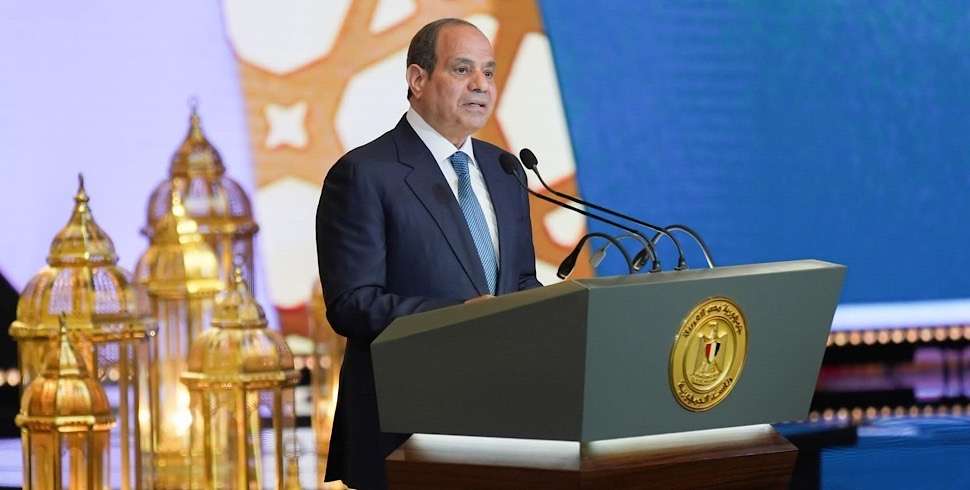
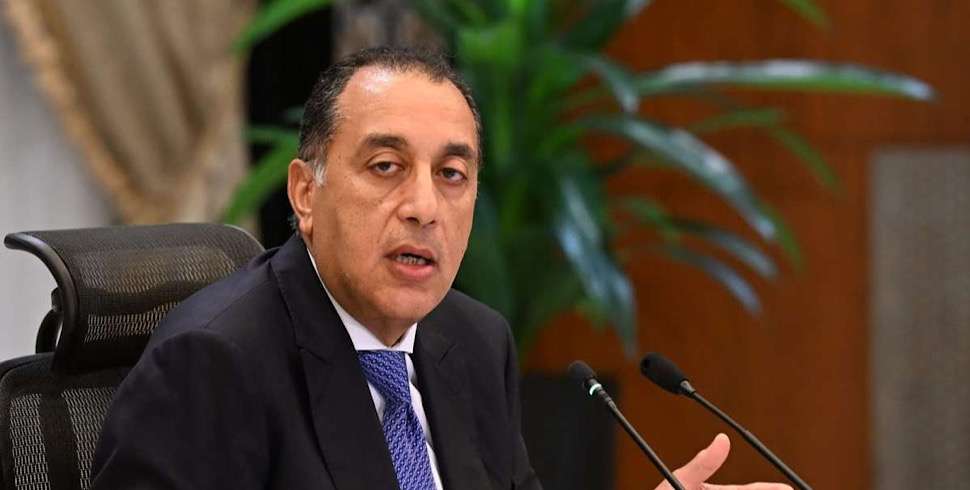
The power now lies with President Sisi, who can sign or object to the law within 30 days. Landlords are hopeful for quick ratification, referencing government promises to find alternative homes for displaced tenants. On the other side, tenant groups have submitted petitions urging the president to block or modify the law.
Legal experts remain divided. Some say the bill is constitutionally sound, emphasizing the parliament’s authority to shape legislation. Others foresee a possible wave of constitutional challenges, especially regarding the right to adequate housing.
Underlying the policy debate are profound concerns over Egypt’s chronic housing shortages and struggling economy. Economist Rashad Abdo cautions that the government’s ability to find millions of alternative homes for evicted tenants is far from certain: “The state budget is already stretched. Where will the new homes come from?”
The government has pledged that no vulnerable renter will be left homeless, but many Egyptians like Abdel Aziz Amin remain anxious. As the country awaits a final decision, families on both sides of the rent debate brace for change—and hope for a solution that balances justice, compassion, and the right to a secure home.