
























































































































































































































































































































































































































































































































































































































































































































































































































































































































































































































































































































































































































































































































































































































Friday, 09 October 2026

ROME — Southern European authorities urged residents to stay indoors and safeguard those most at risk as soaring temperatures — stretching from Spain and Portugal to Italy and France — drove the season’s first significant heatwave higher.
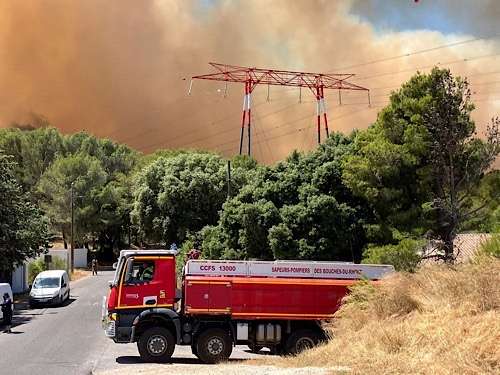
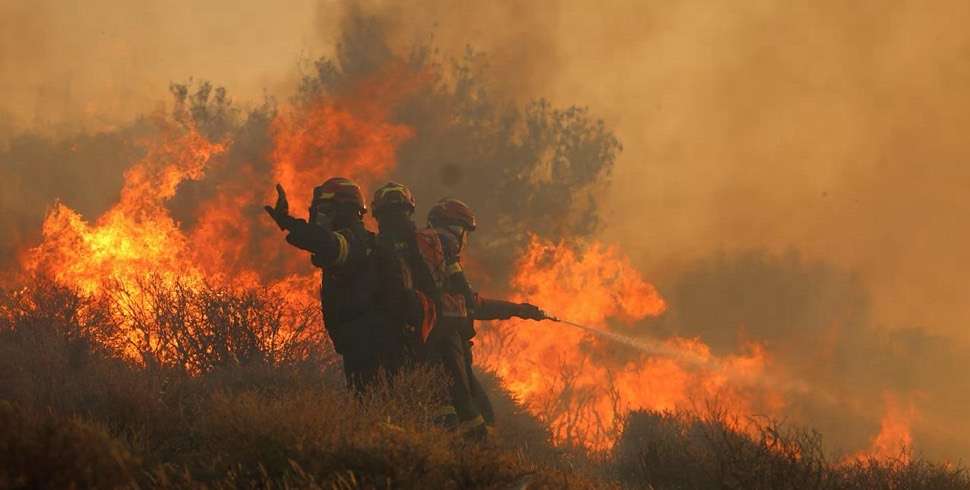
Emergency services, including ambulances, were stationed near major tourist destinations, and regional officials issued wildfire alerts as experts warned that climate change is intensifying heatwaves and making them increasingly commonplace.
Temperatures were set to peak at 43 degrees Celsius in parts of southern Spain and Portugal, while nearly all of France endured a baking heat spell expected to last several days.
Italy placed 21 cities under high alert for extreme temperatures, including major centers like Milan, Naples, Venice, Florence, and Rome.
“We planned to visit the Colosseum, but my mum almost fainted,” recalled British traveler Anna Becker, who had journeyed from a “muggy, miserable” Verona to Rome.
Italian hospital emergency departments have noted a rise in heatstroke admissions, said Mario Guarino, vice president of the Italian Society of Emergency Medicine.
“We’ve observed roughly a 10 percent increase, particularly in cities where both temperature and humidity are high. Most cases involve the elderly, cancer patients, or people without shelter, suffering from dehydration, heat stroke, or exhaustion,” he told AFP.
Hospitals such as Naples’ Ospedale dei Colli have established swift-response pathways for heatstroke patients, providing urgent treatments like cold water immersion, Guarino explained.
Meanwhile, in Venice, seniors aged 75 and over were offered complimentary guided tours in air-conditioned museums and public spaces.
Bologna introduced seven “climate shelters” equipped with air conditioning and drinking water. Florence has instructed doctors to monitor the isolated and vulnerable. Ancona is distributing dehumidifiers to those in need, and Rome opened its municipal swimming pools free of charge to residents over 70.
Scientists report that climate change is fueling more frequent and harsher heatwaves, especially in urban areas, where the so-called “urban heat island” effect drives temperatures even higher amid tightly packed buildings.
“In the Mediterranean, heatwaves have become more frequent and intense in recent years, with city temperatures surging to 37 degrees or more due to the urban heat island effect,” noted Emanuela Piervitali, researcher at the Italian Institute for Environmental Protection and Research (ISPRA).
“We anticipate even greater temperature extremes in the future, so we should prepare for peaks surpassing what we experience today,” she said to AFP.
In Portugal, much of the southern region — including Lisbon — was placed under a red heat warning through Monday night because of “persistently extremely high maximum temperature values,” according to the Portuguese Institute for Sea and Atmosphere (IPMA).
Two-thirds of Portugal and the Italian island of Sicily remained on high alert for excessive heat and wildfire risk, with firefighters in Sicily battling 15 fires the previous day.
In France, experts raised concerns about the heat’s severe impact on wildlife.
“With these suffocating temperatures, some bird nests surpass 40 degrees,” said Allain Bougrain-Dubourg, president of the League for the Protection of Birds (LPO).
“We’re caring for distressed birds everywhere; all seven of our rescue centers are overwhelmed,” he added.
The hotter climate is also allowing invasive species to thrive.
This week, Italy’s ISPRA launched an awareness campaign, calling on fishermen and tourists to report sightings of four “potentially dangerous” venomous species.
Warming Mediterranean waters are attracting lionfish, silver-cheeked toadfish, dusky spinefoot, and marbled spinefoot to southern Italy’s coasts, the institute reported.