









































































































































































































































































































































































































































































































































































































































































































































































































































































































































Friday, 09 October 2026
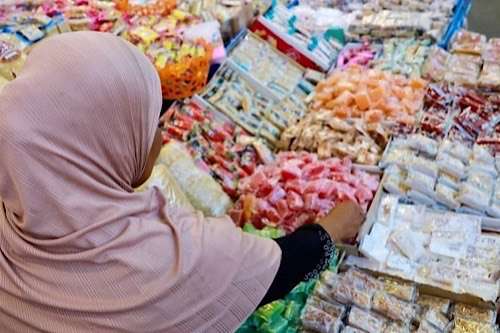 Photo by Moataz el-Hamalawy
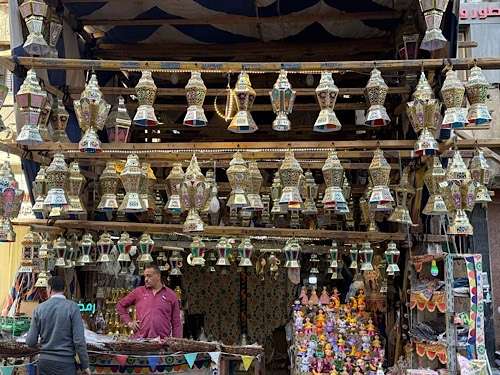
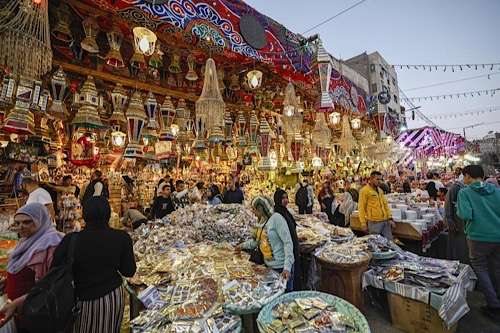
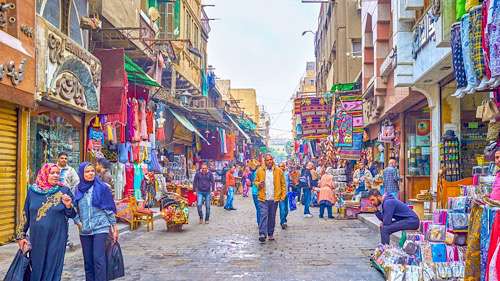
Every year, as Egypt prepares to celebrate the Prophet Muhammad’s birthday, a unique warmth settles into its cities and villages. Sweets, known as “Halawet El-Moulid,” suddenly fill shop windows and market stalls, garlanding the streets with color and joyful anticipation. It’s a tradition cherished for over a millennium—one that brings Egyptians together around shared history, faith, and, of course, a bit of sugar. Today marks this beloved occasion, as families and friends come together to share in its sweetness and spirit.
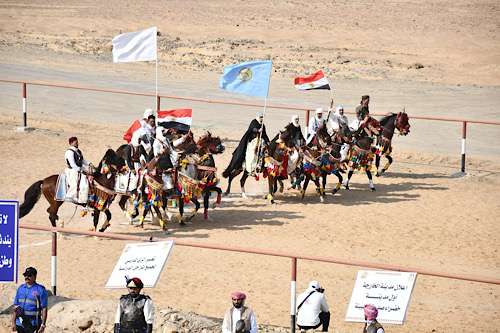
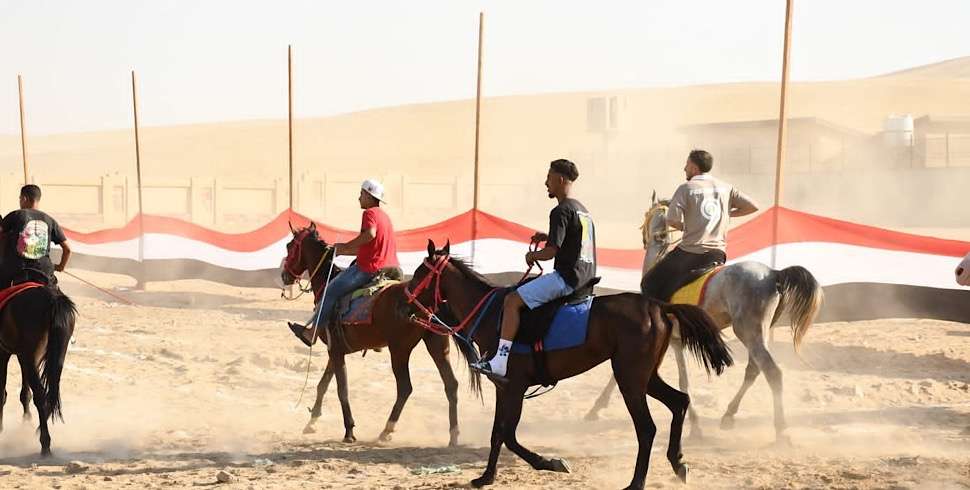
The origins of Halawet El-Moulid stretch back more than a thousand years to Fatimid Cairo in the 10th century. The Fatimid caliphs, recent arrivals to Egypt, introduced the making and sharing of festive sweets as a new way to honor the Prophet’s birthday. According to historical accounts, the caliph would parade through the streets, accompanied by his soldiers and family, distributing generous amounts of candy to everyone he met. Some stories even recall how the caliph’s wife dressed all in white, inspiring confectioners to craft sugary figurines of brides and knights on horseback—a custom that has since become a symbol of this beloved occasion.
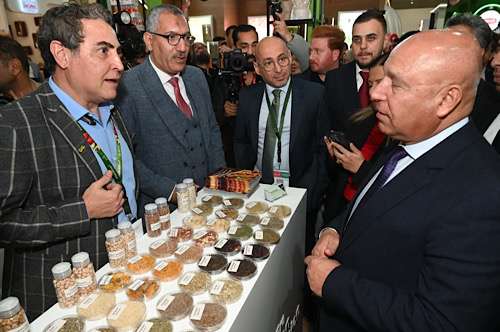
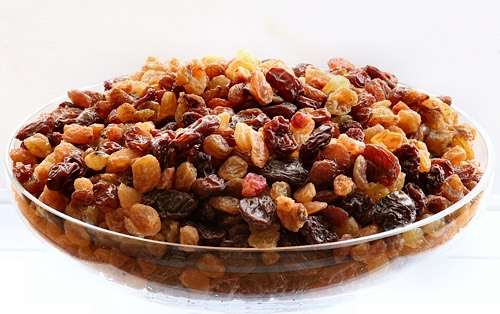
Today, Halawet El-Moulid is a delicious snapshot of Egypt’s living heritage. Traditional sweets like sesame and peanut brittles, sugar-dusted nougats, and soft, chewy mastic candies are still handmade in family shops. At the same time, the festival has evolved to include treats with pistachios, cashews, and hazelnuts, blending old flavors with new delights.
For many Egyptians, the approach of the Prophet’s birthday isn’t marked by the calendar but by the unmistakable sight and smell of these sweets. Halawet El-Moulid is more than a treat—it’s a symbol of community, generosity, and a time-honored Egyptian way of celebrating together.