

























































































































































































































































































































































































































































































Friday, 09 October 2026
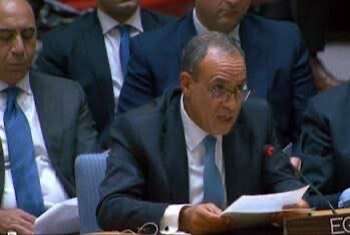
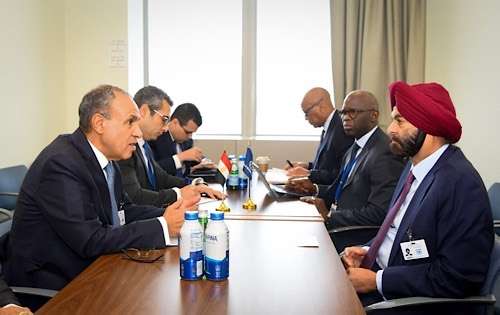
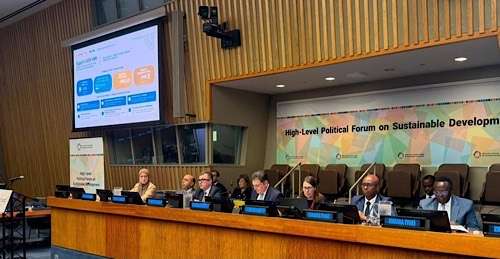
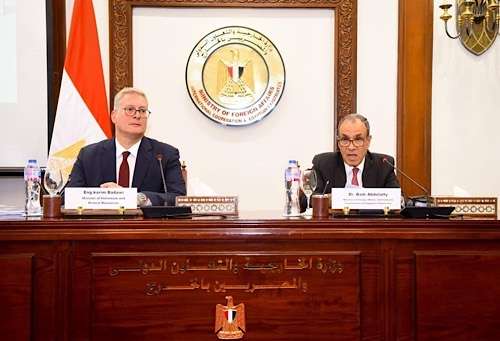
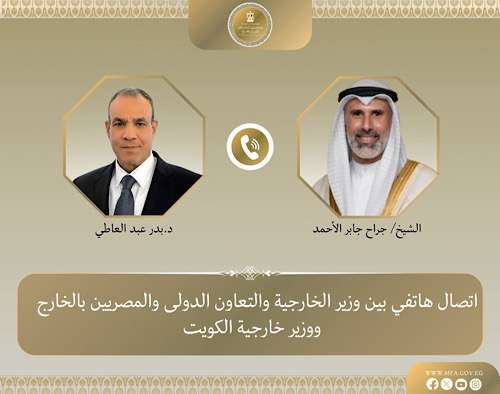
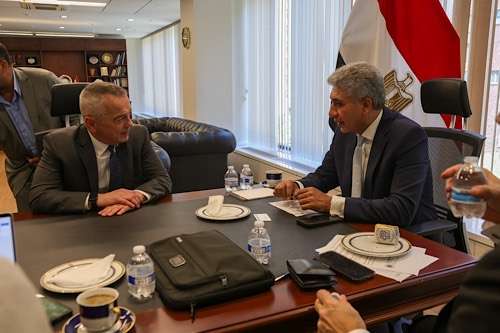
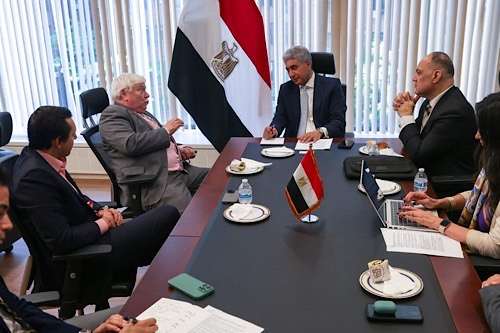
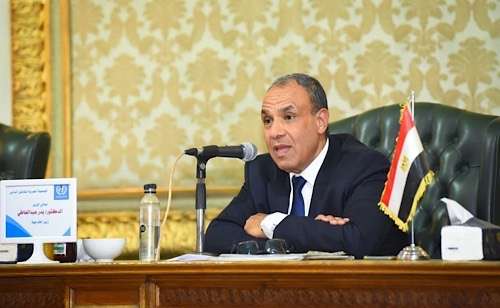
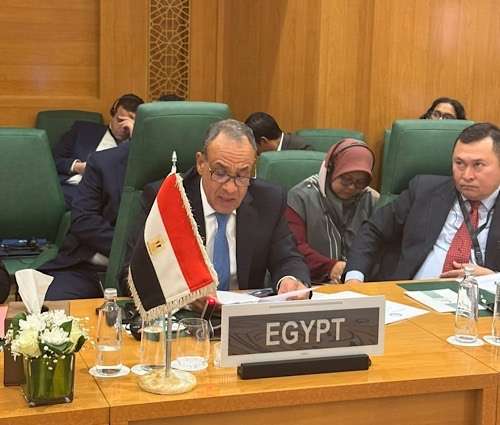
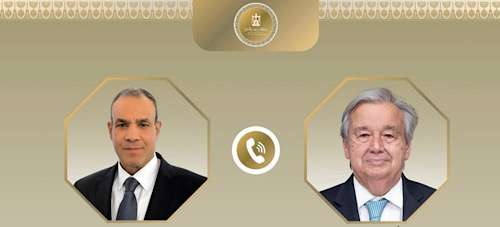
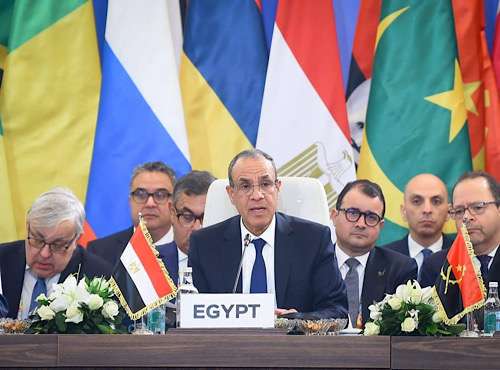
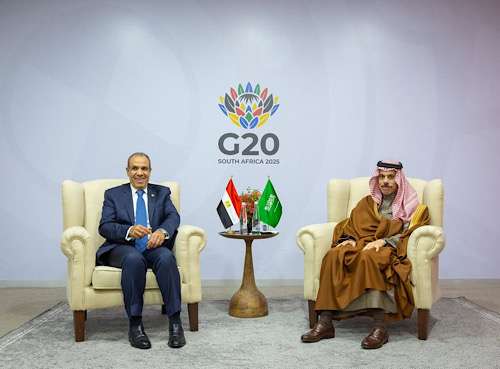
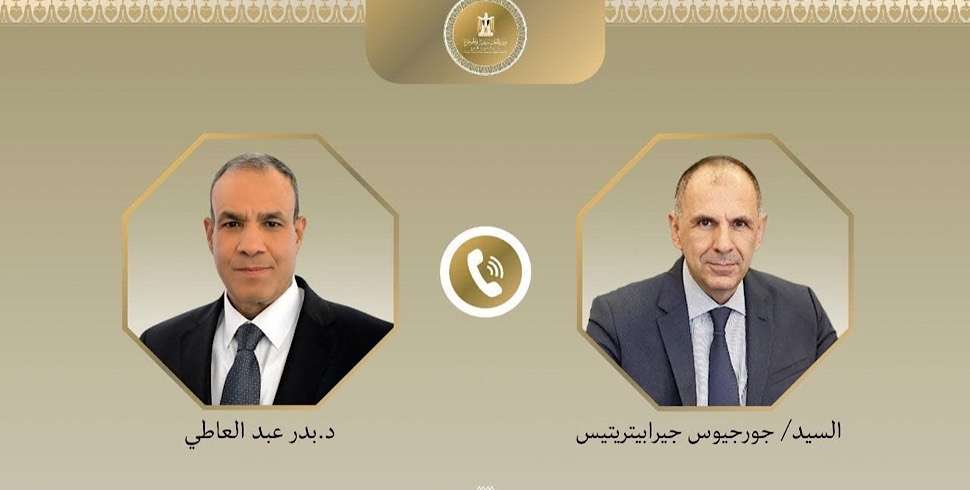
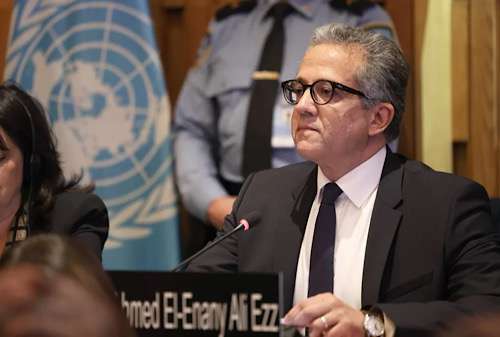
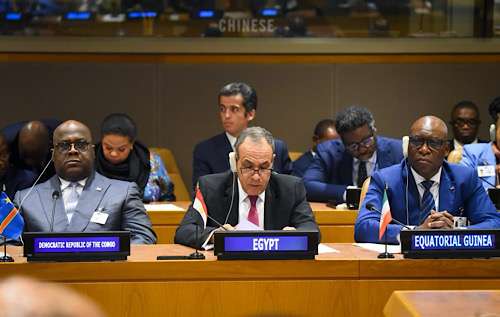
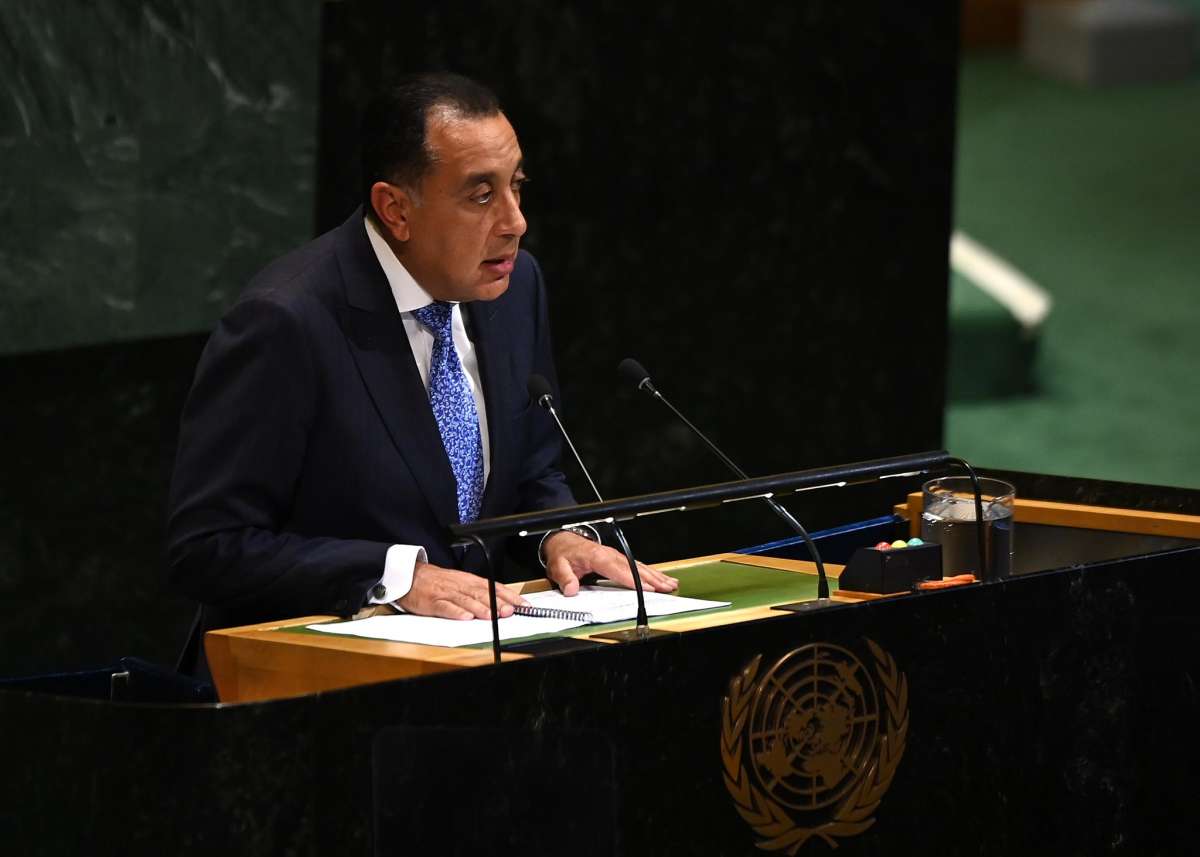
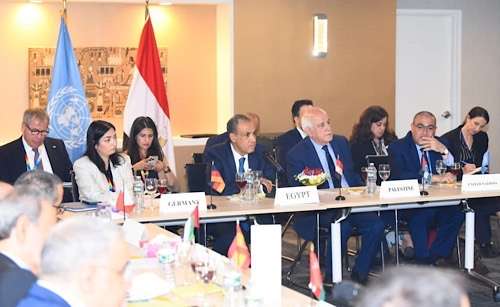
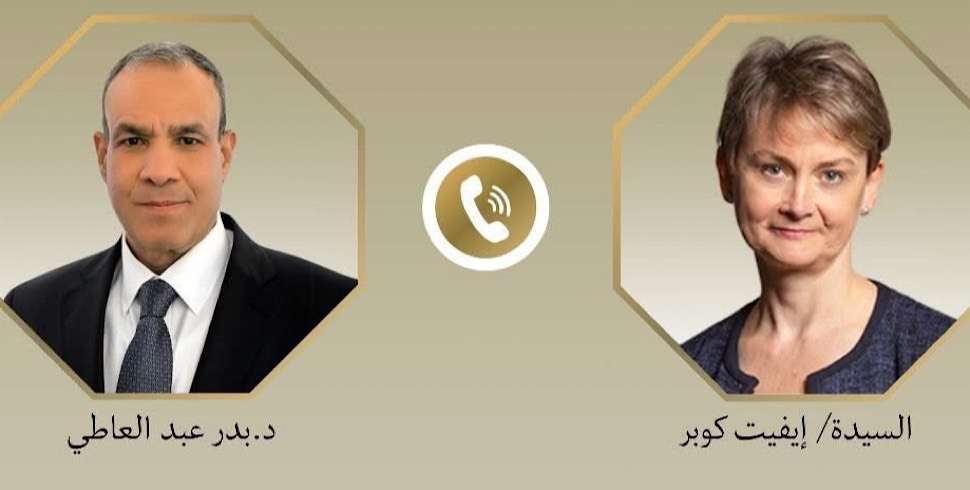
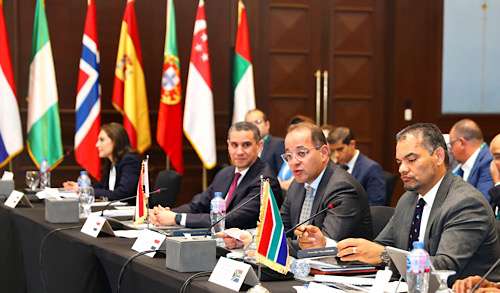
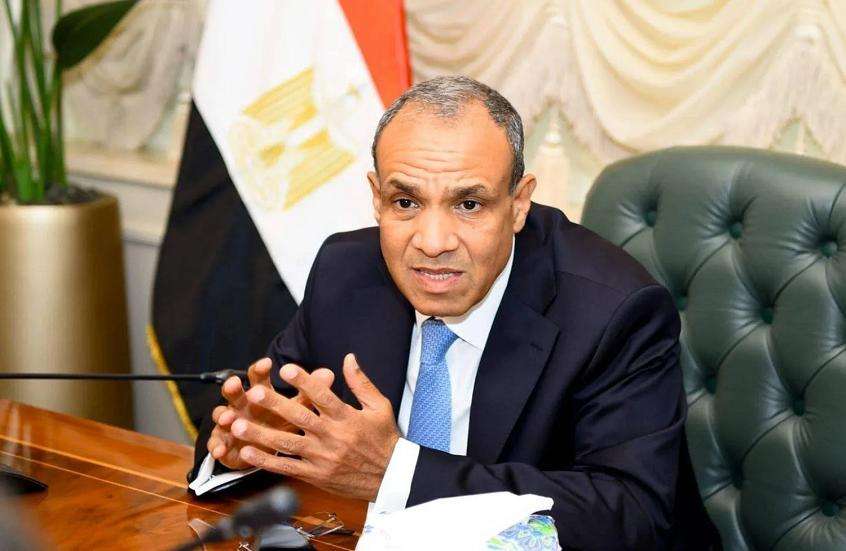
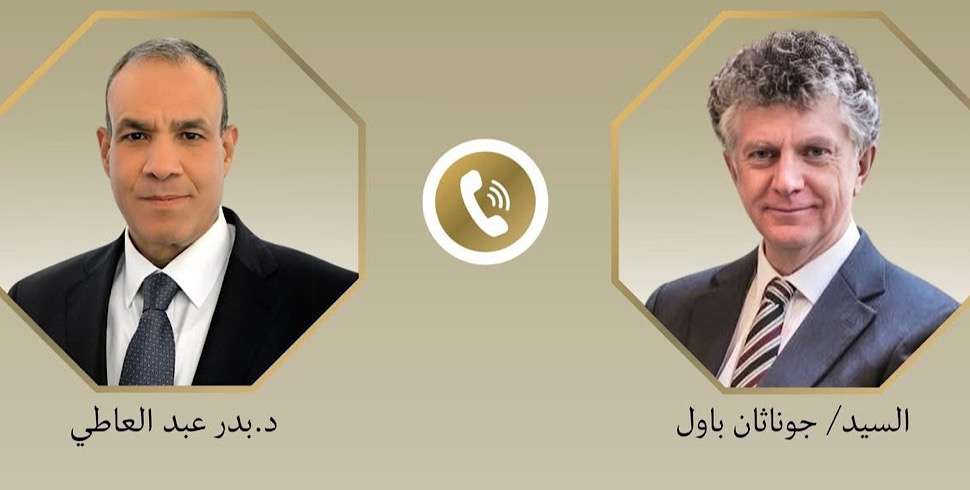
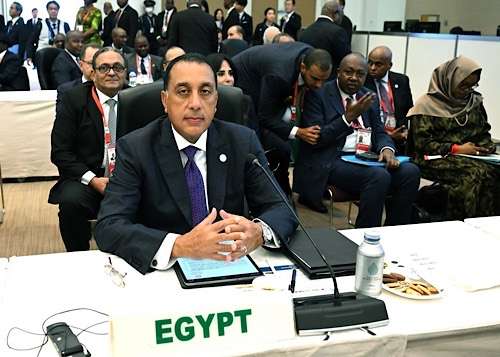
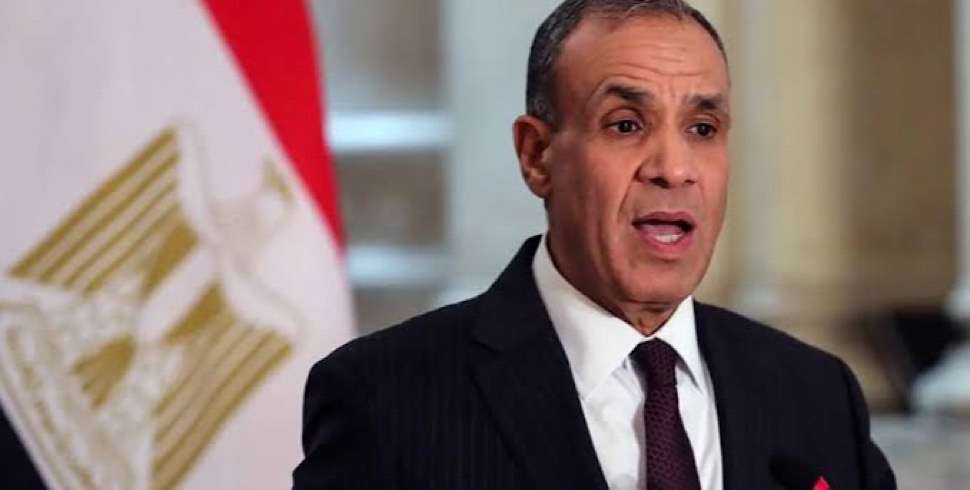
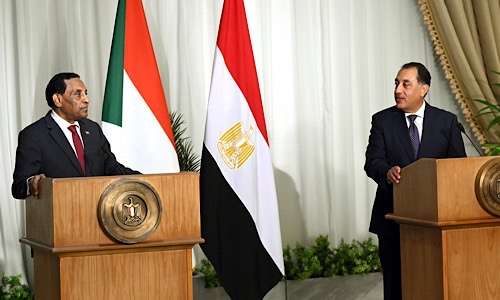
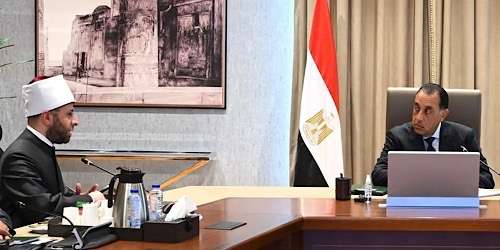
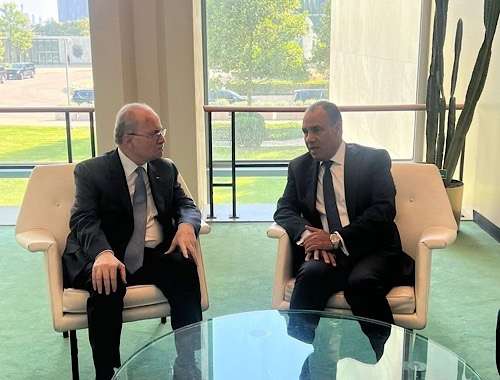
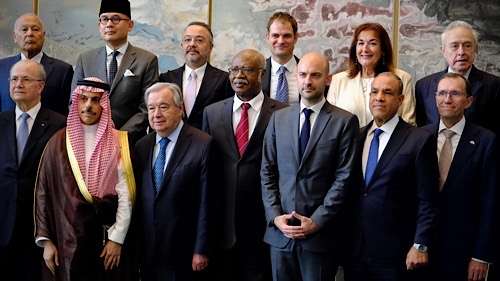
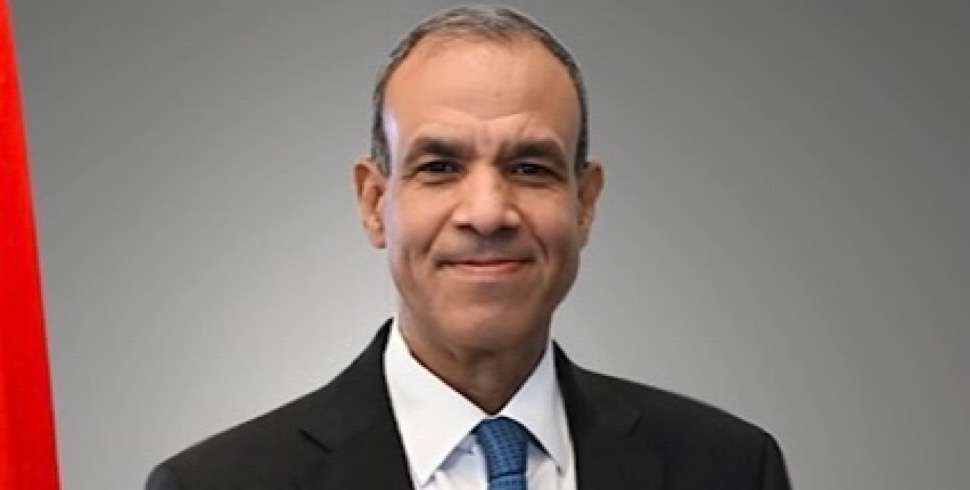
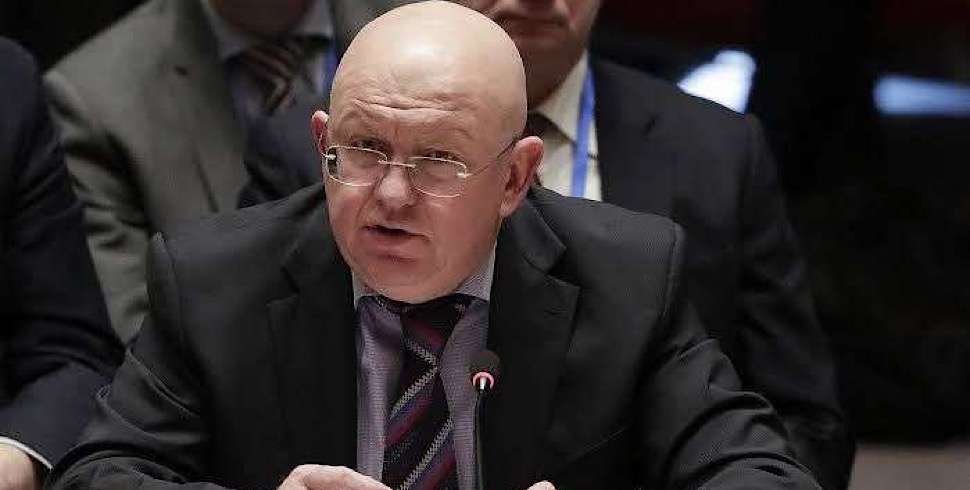
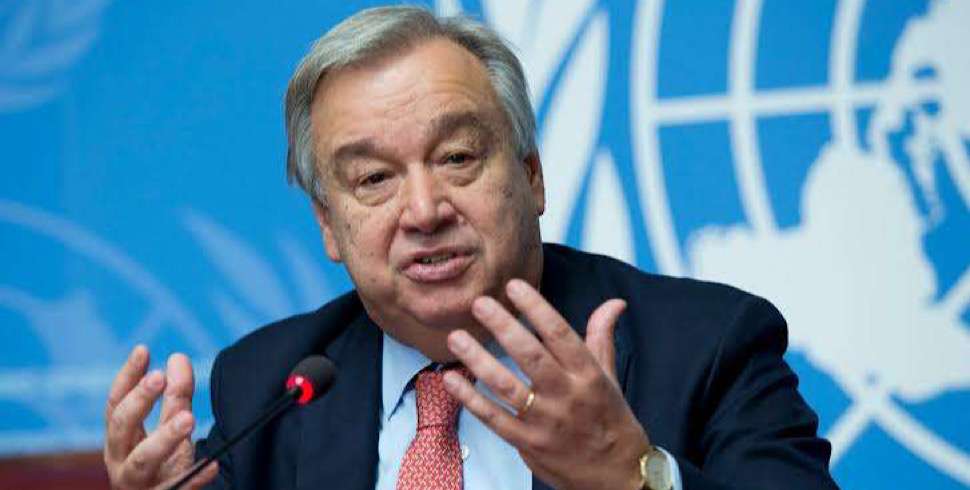
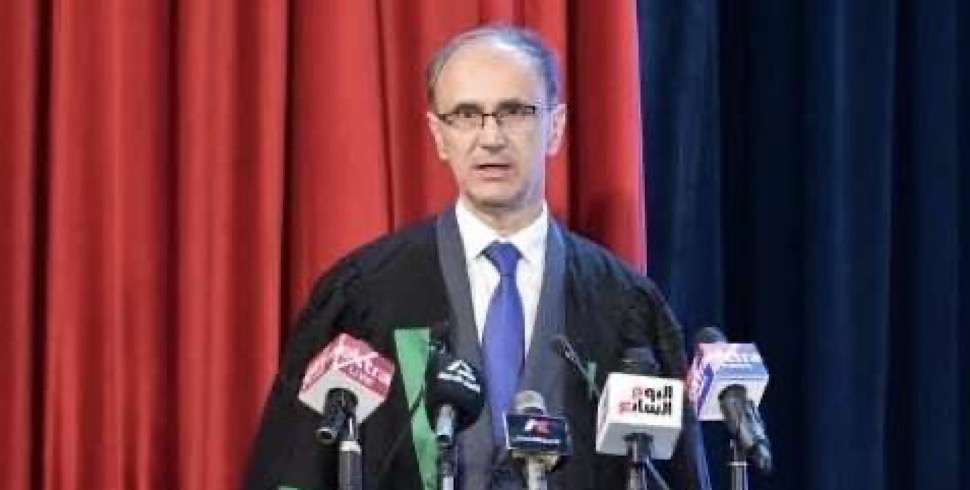
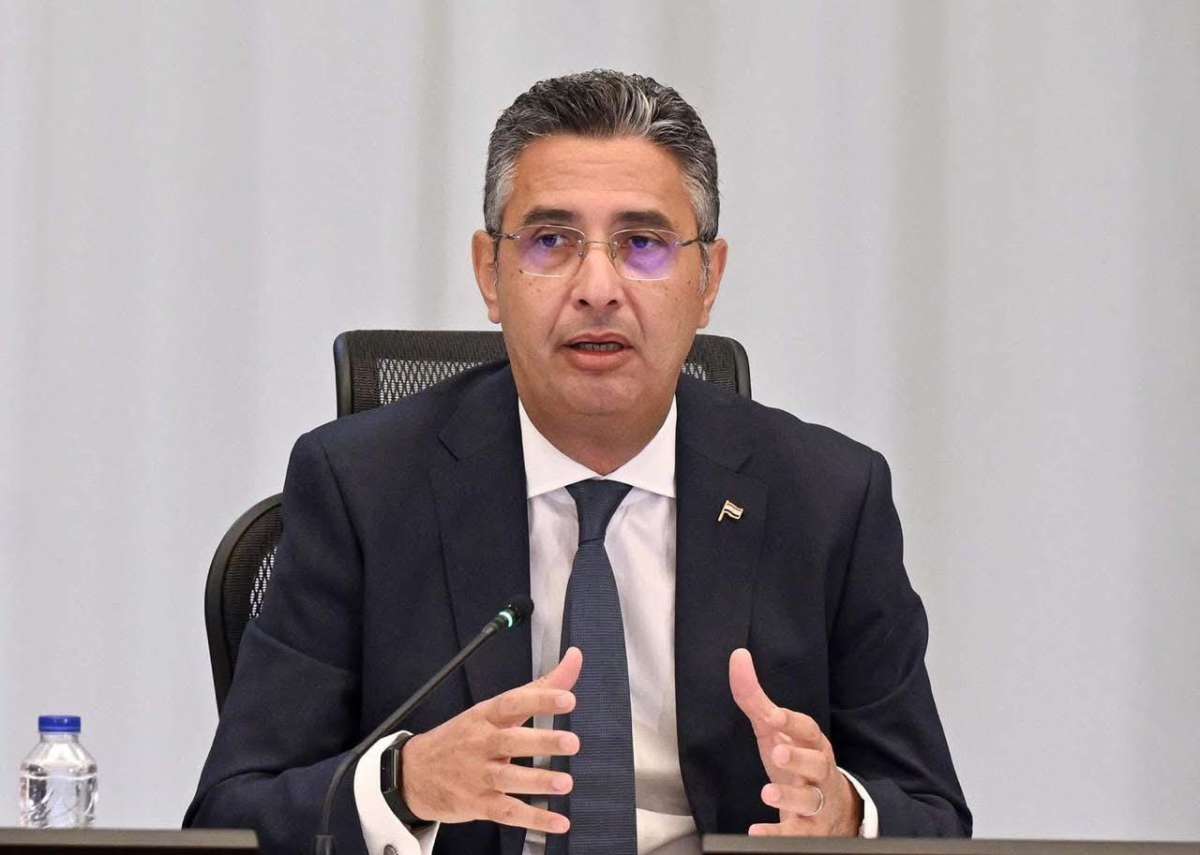
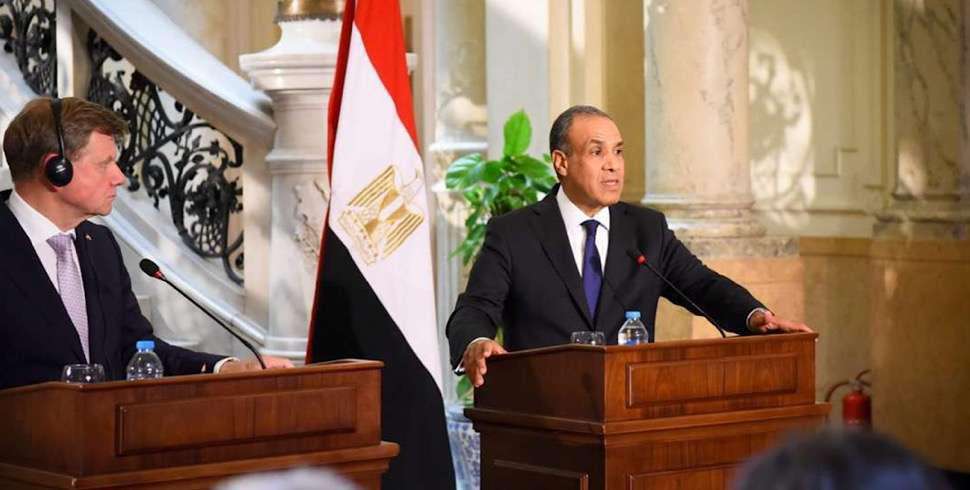
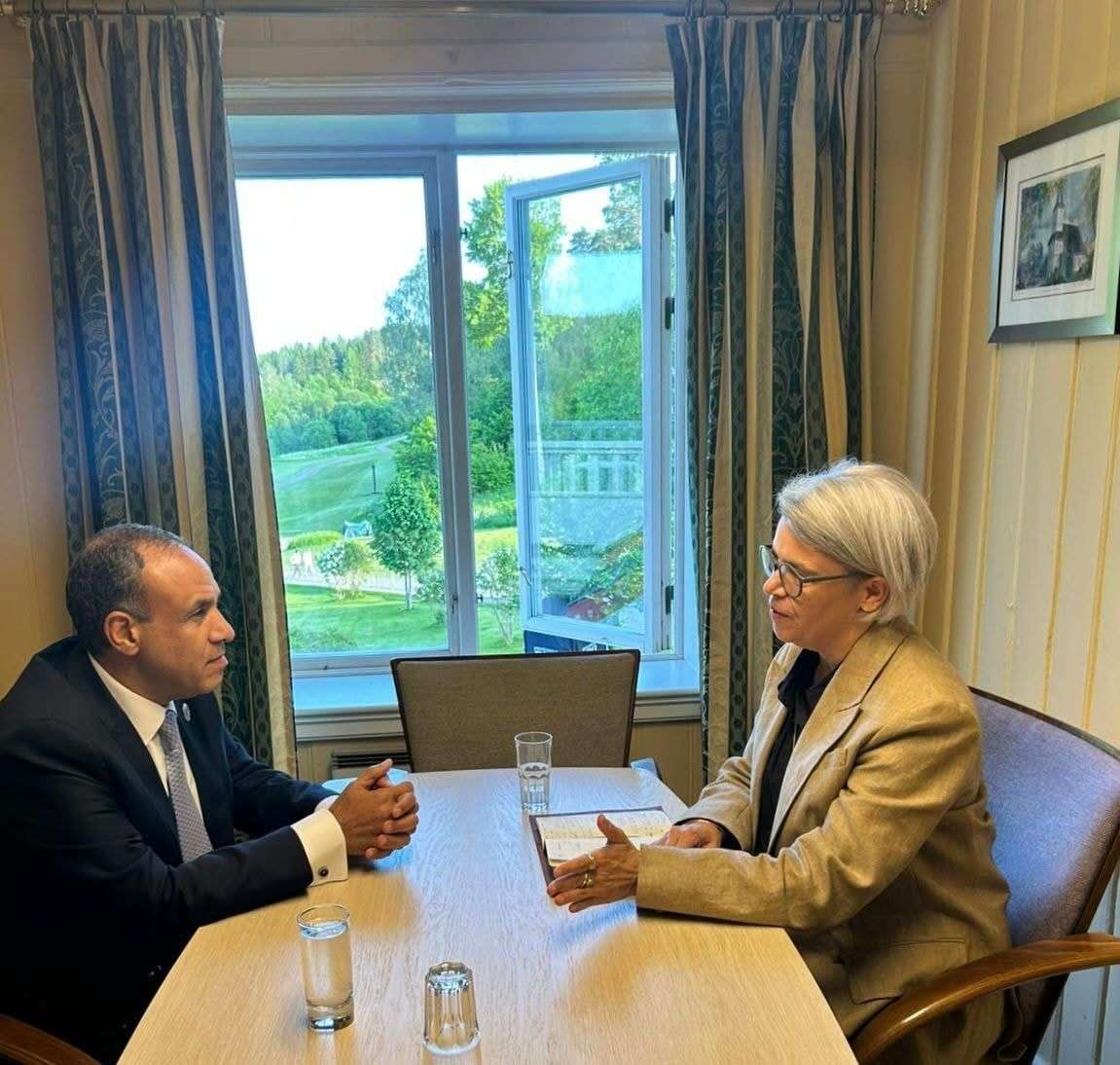
Egypt’s Minister of Foreign Affairs, International Cooperation, and Affairs of Egyptians Abroad, Dr. Badr Abdelatty, reiterated Egypt’s longstanding commitment to a just and comprehensive resolution of the Palestinian issue during a ministerial session of the UN Security Council on developments in the Middle East. The meeting took place on Wednesday, at the United Nations Headquarters in New York.
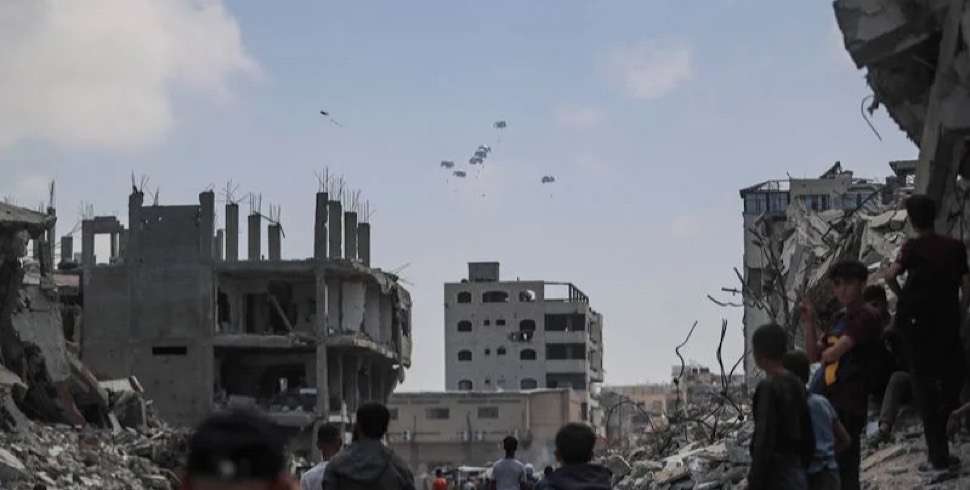
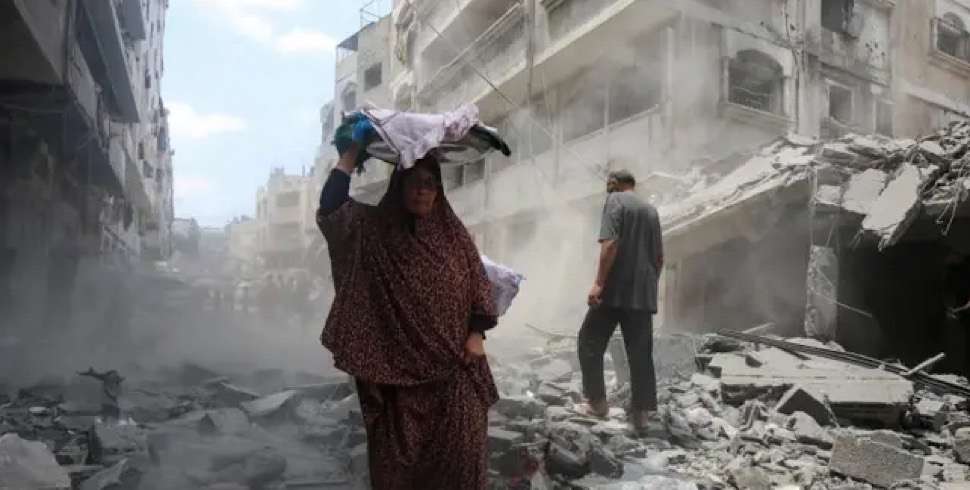
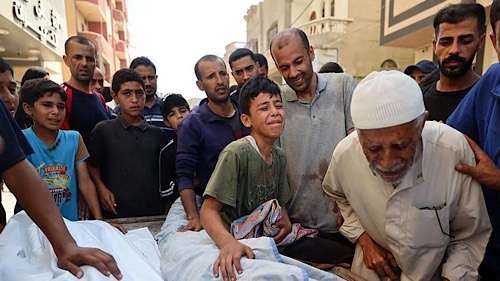
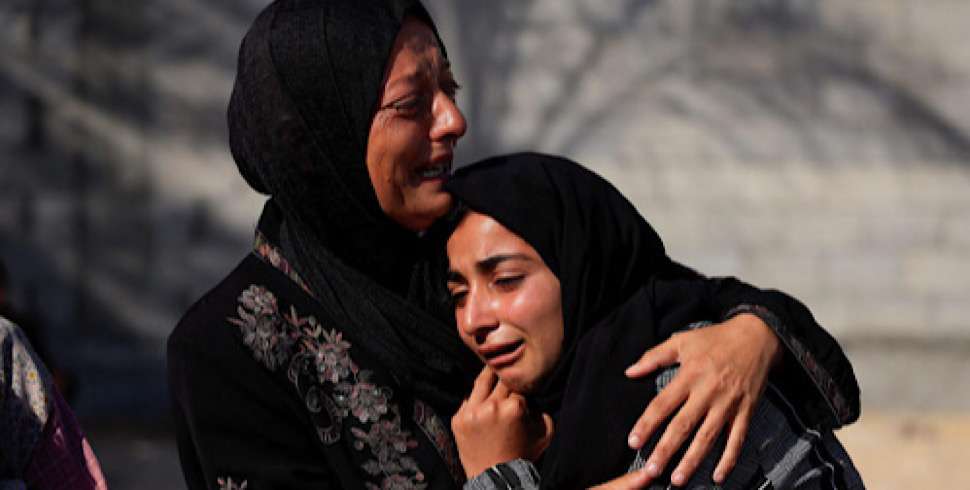
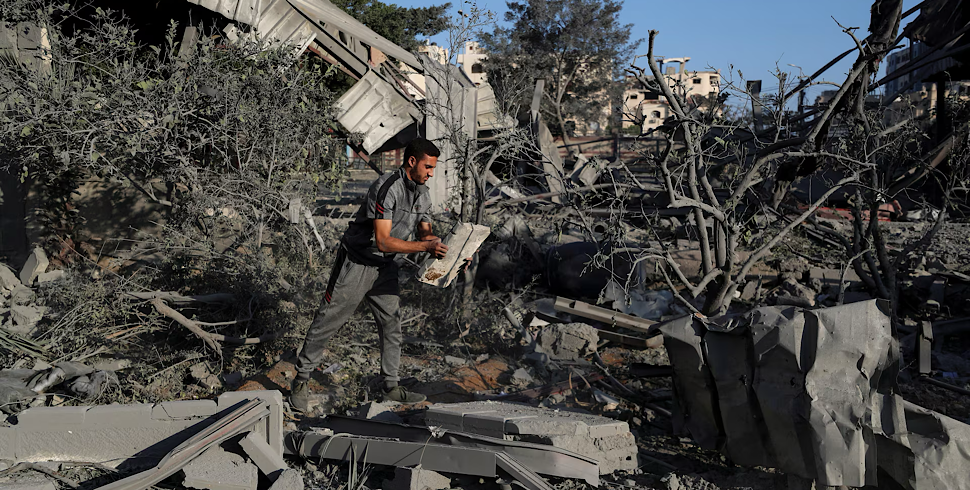
In Egypt’s address to the Council, Abdelatty stressed the need for full implementation of international obligations related to ending the war in the Gaza Strip. He expressed appreciation for the timing of the session, amid intensified regional and international efforts to advance a fair settlement to the Palestinian cause, and ongoing challenges resulting from Israeli policies in the occupied Palestinian territories.
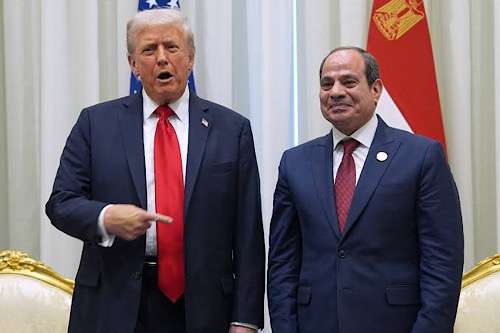
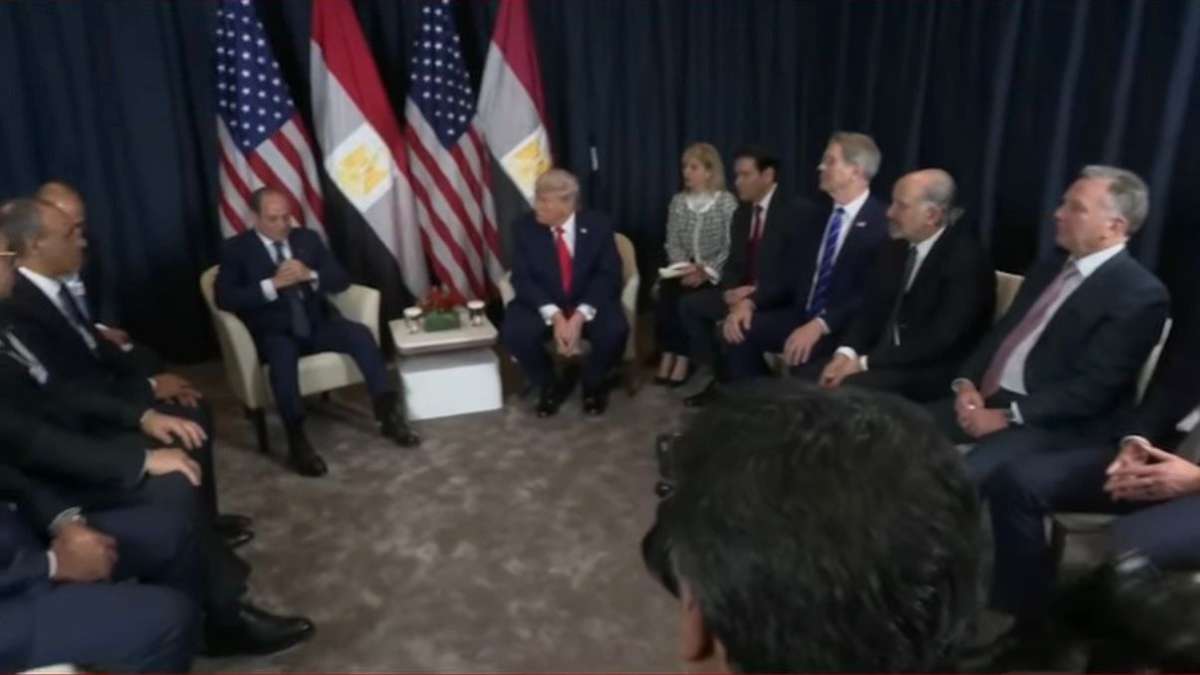
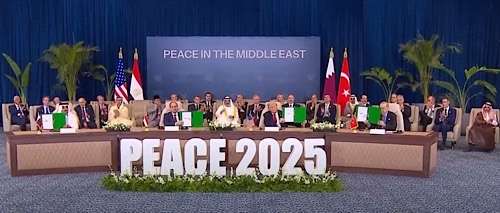
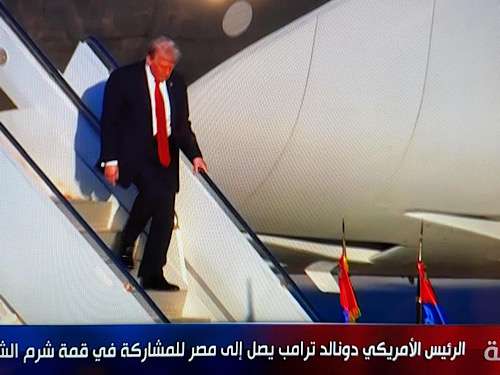
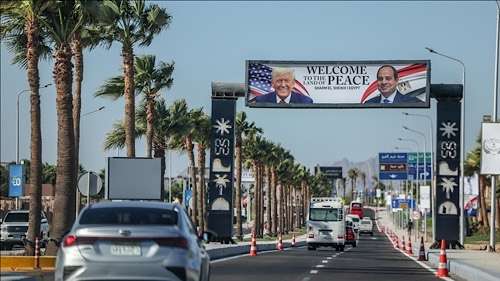
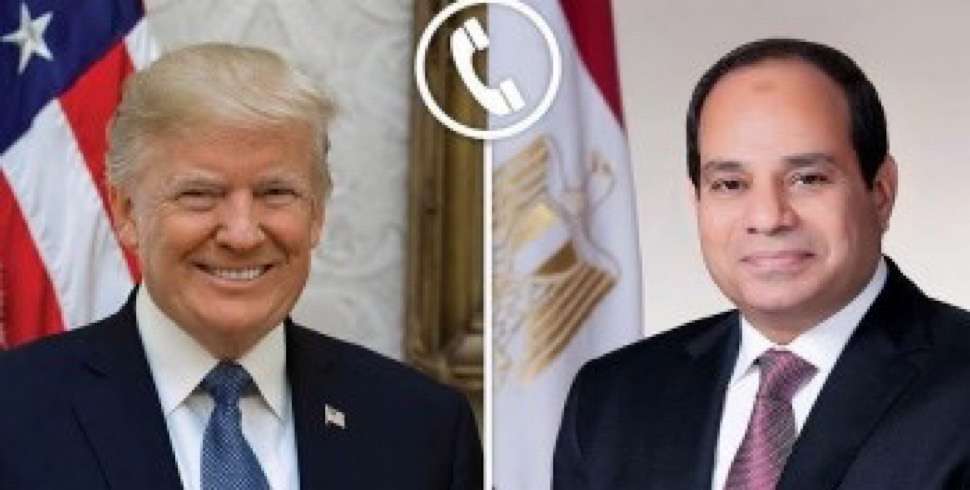
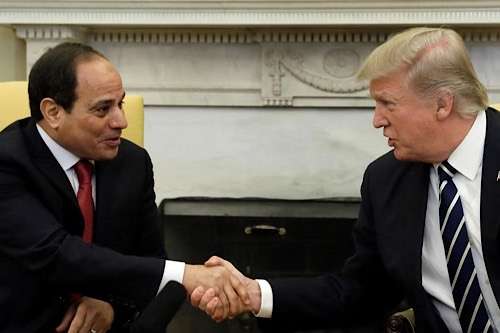
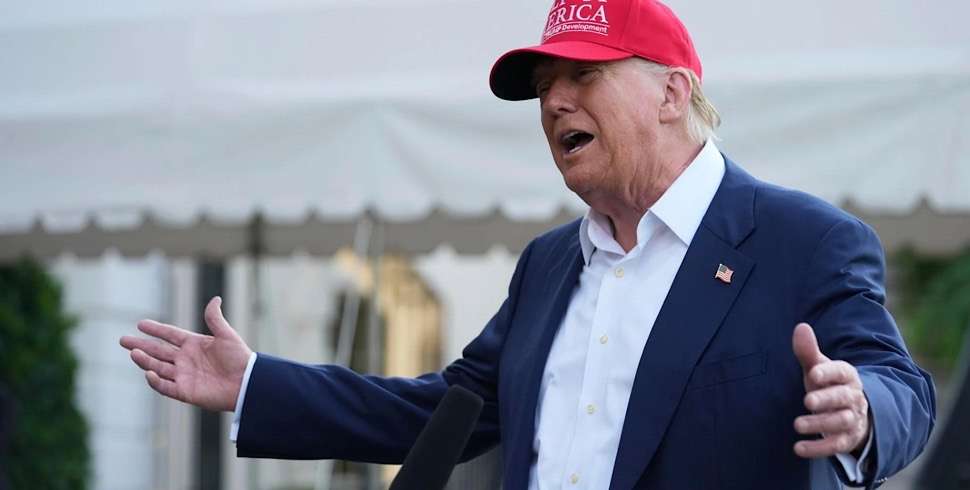
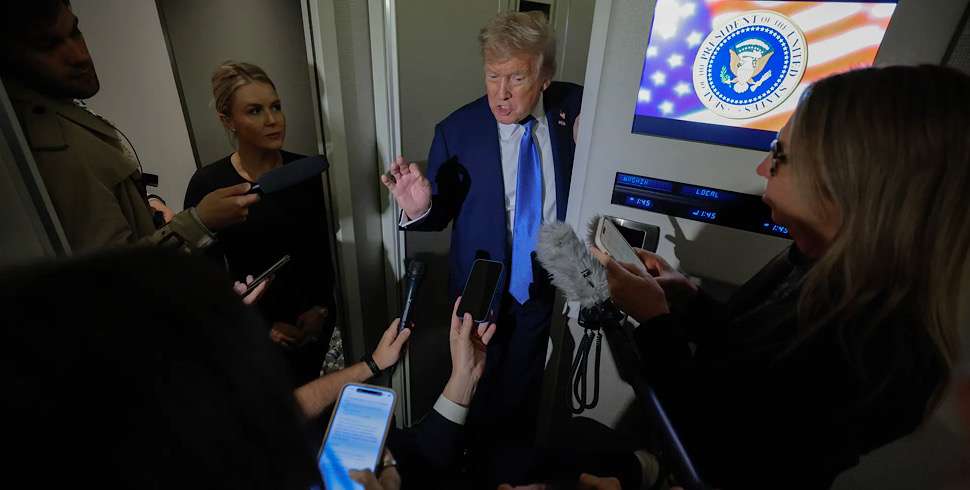
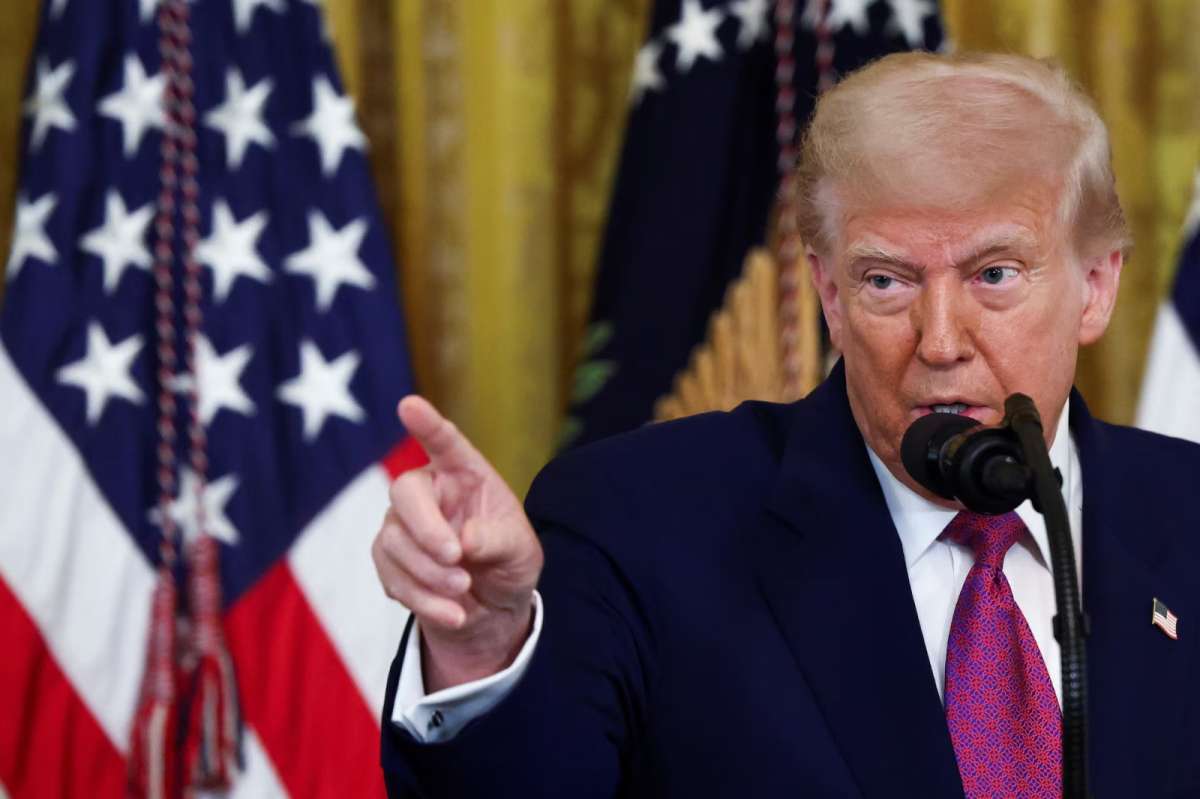
The minister highlighted Egypt’s support for U.S. President Donald Trump’s plan to end the war in Gaza and recalled Cairo’s hosting of the Sharm El‑Sheikh Peace Summit in October 2025 to help advance these diplomatic efforts. He emphasized Egypt’s rejection of any attempts to undermine or eliminate the Palestinian cause and its commitment to preventing the region from sliding into an open conflict that threatens regional and international stability.
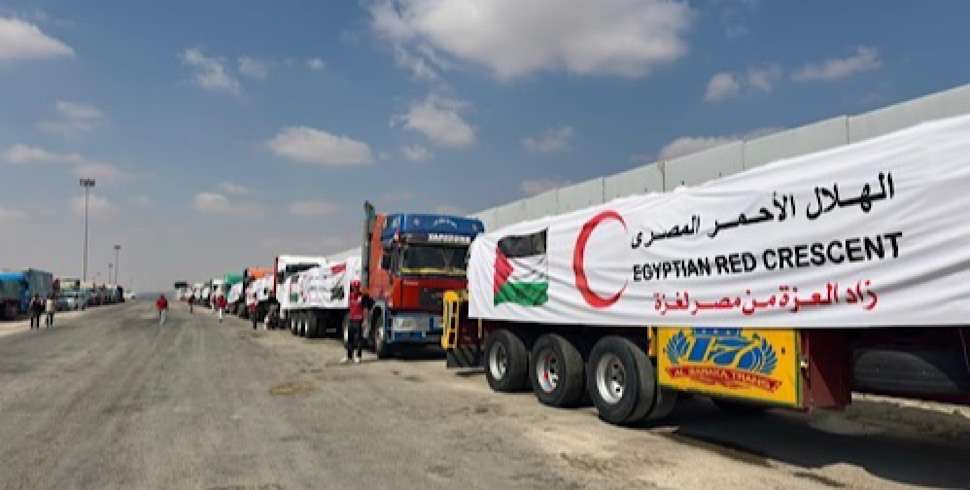
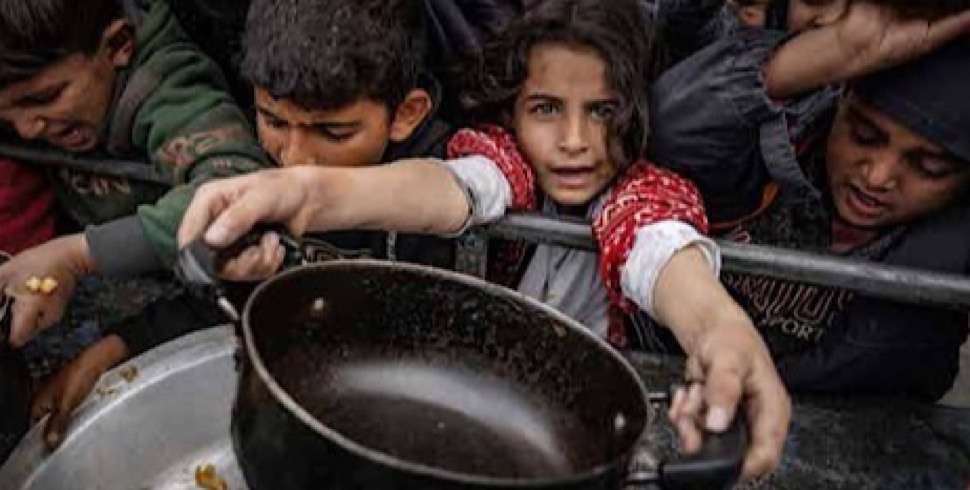
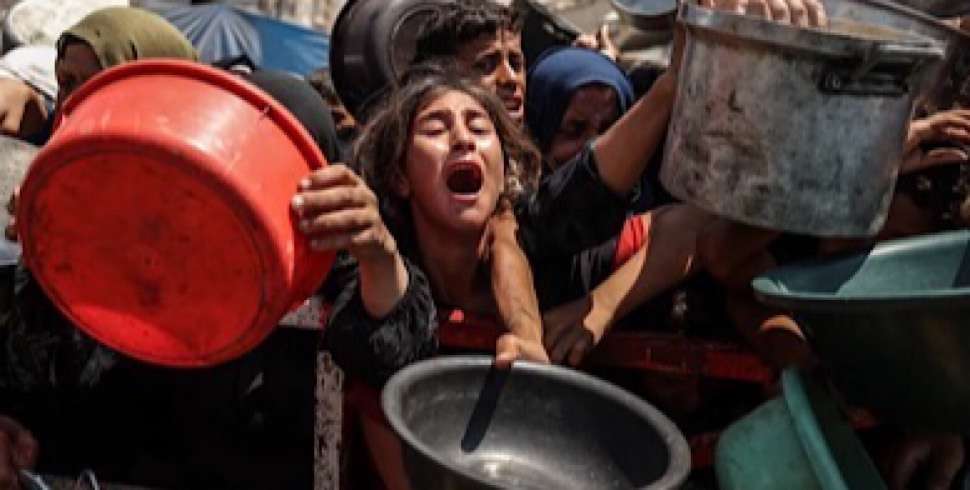
Abdelatty underscored the significance of UN Security Council Resolution 2803, adopted on 17 November 2025, describing it as a binding international framework for implementing transitional arrangements in Gaza and complementing the broader set of UN resolutions on the Palestinian question. He noted that Egypt has intensified its work with international partners to support implementation of the plan’s first phase, including securing a ceasefire, addressing the hostages issue, and removing obstacles hindering humanitarian aid to Gaza.
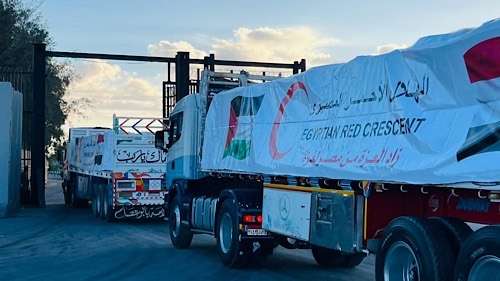
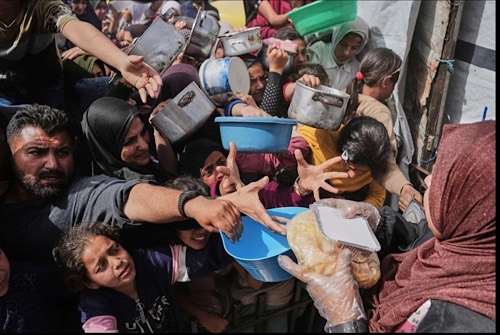
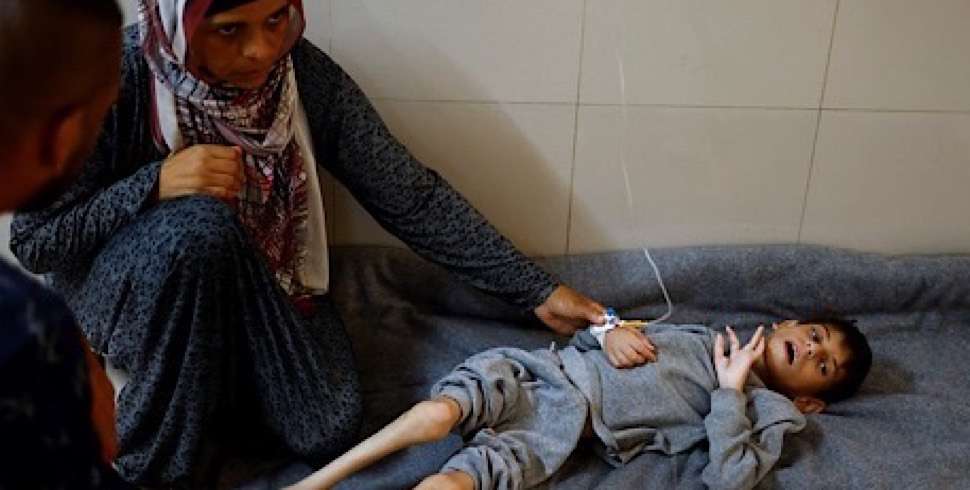
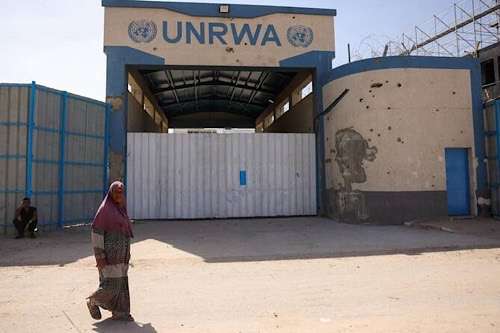
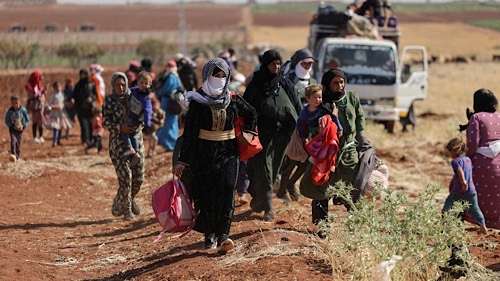
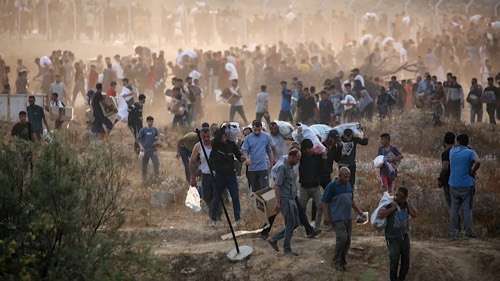
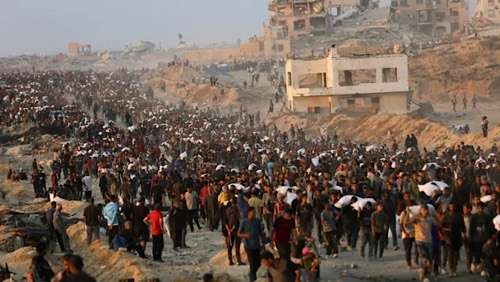
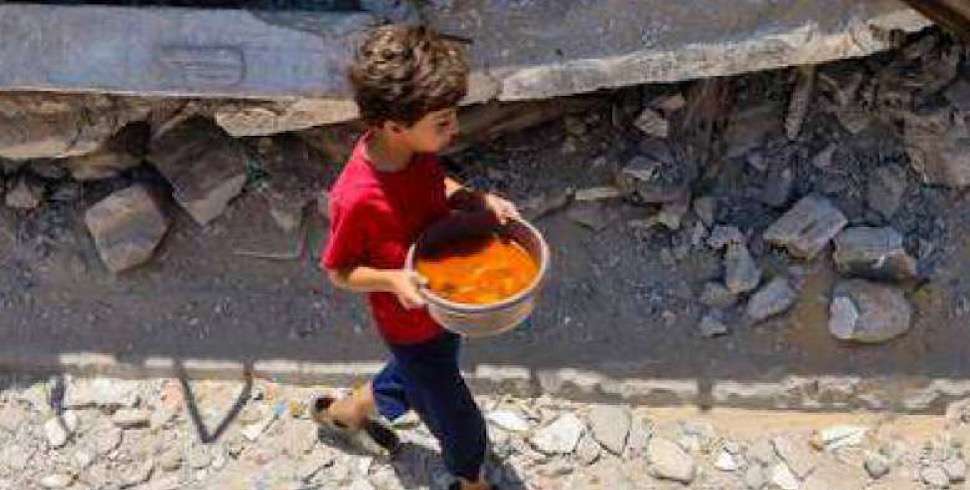
The minister stressed that implementing Resolution 2803 and the broader plan to end the war is a collective responsibility. He called on Israel to uphold the ceasefire, stop obstructing humanitarian access, and refrain from restricting the operations of UN agencies and other relief organizations. He also emphasized the importance of accelerating early recovery and reconstruction efforts in Gaza to restore essential services, stabilize communities, and lay the groundwork for long‑term recovery.
Abdelatty reiterated the need to empower the Palestinian National Committee to assume its functions from within Gaza during the transitional phase, paving the way for the Palestinian Authority to fully resume its responsibilities. He also called for the swift deployment of an international stabilization force to monitor the ceasefire and guarantee the flow of humanitarian aid, alongside the deployment of trained Palestinian police units to maintain security.
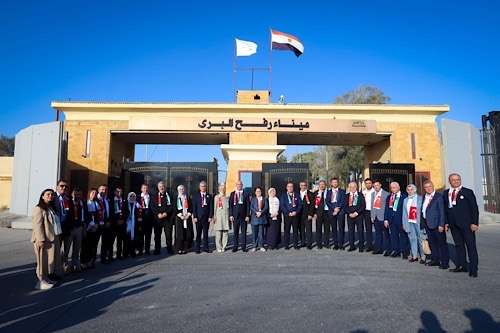
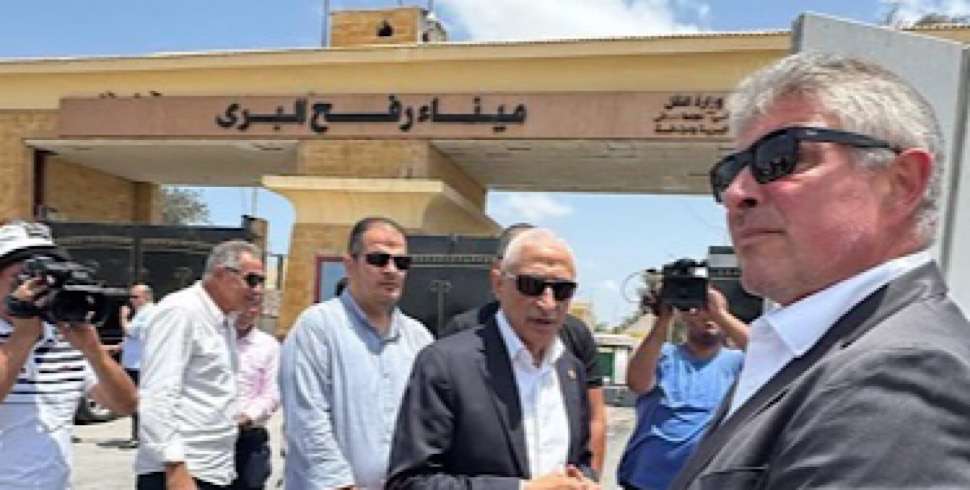
The minister strongly condemned Israel’s continued settlement expansion and unilateral measures in the West Bank, stating that these actions violate international law and relevant Security Council resolutions, including Resolution 2334 and the 2024 advisory opinion of the International Court of Justice. He urged Israel, as the occupying power, to comply with international humanitarian law, halt actions aimed at displacing Palestinians or altering the demographic character of the occupied territories, ensure unimpeded delivery of humanitarian aid, and refrain from obstructing movement through the Rafah crossing. He also reaffirmed Egypt’s support for the growing international momentum toward recognizing the State of Palestine and renewed the call for Palestine’s full UN membership.
Addressing broader regional dynamics, Abdelatty stressed that achieving comprehensive peace requires ending Israel’s occupation of all Arab territories, including withdrawal from the occupied Syrian Golan Heights and respect for Lebanon’s sovereignty and territorial integrity. He reaffirmed Egypt’s steadfast support for both Syria and Lebanon in safeguarding their sovereignty and stability.
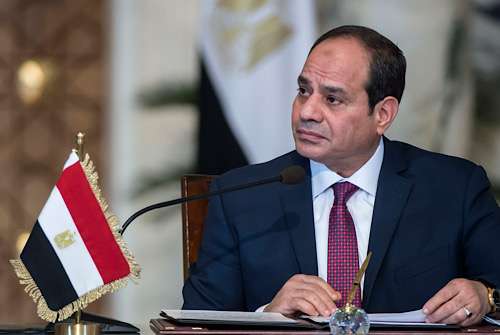
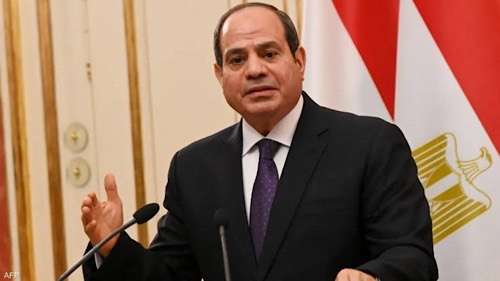
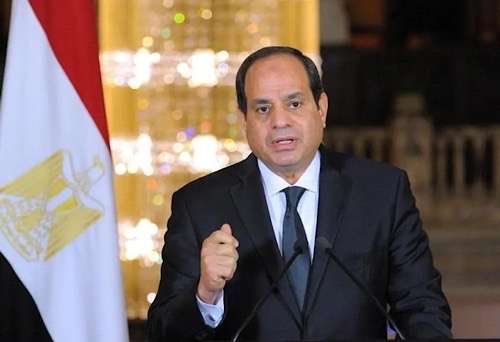
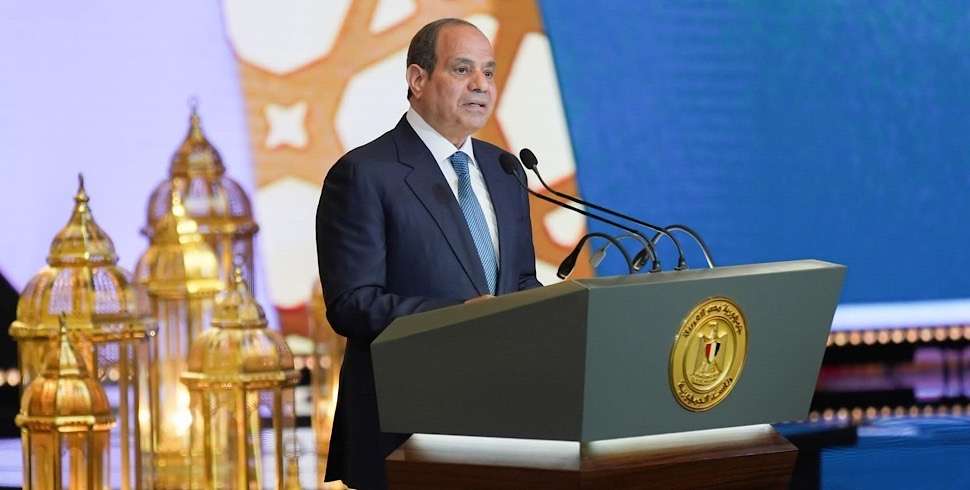
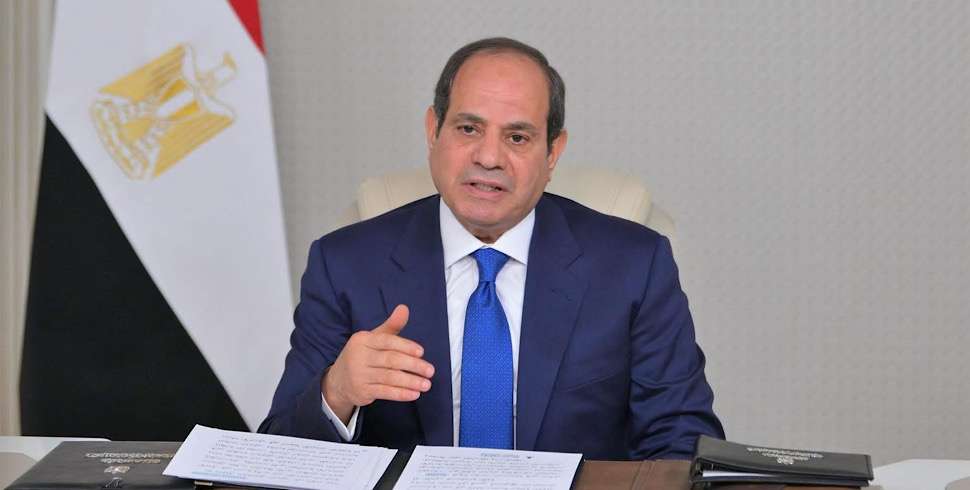
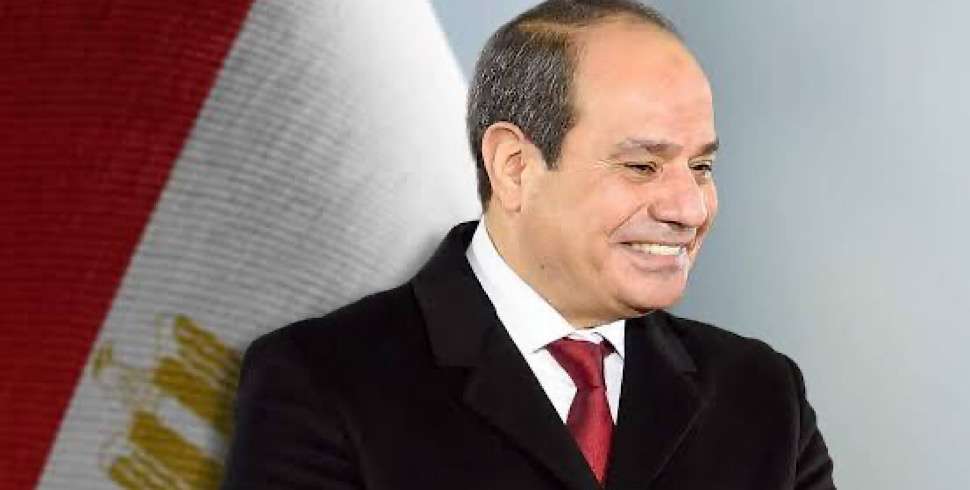
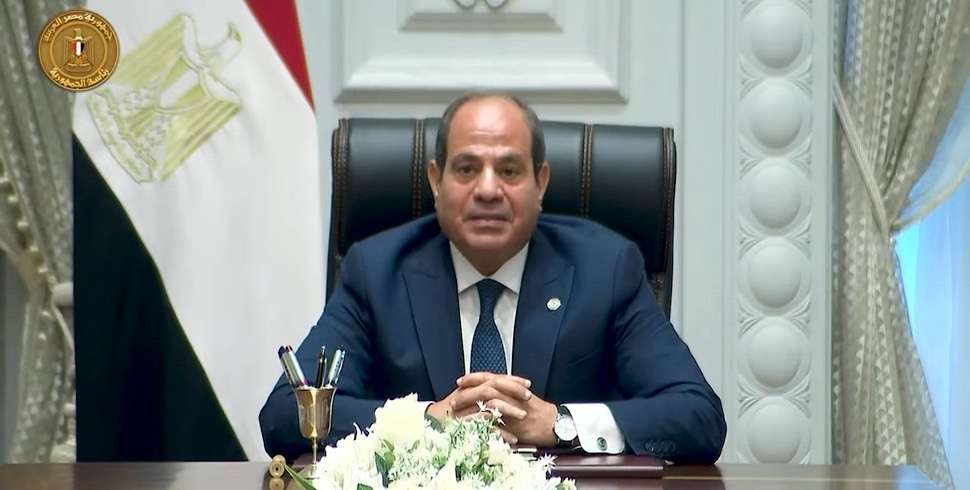
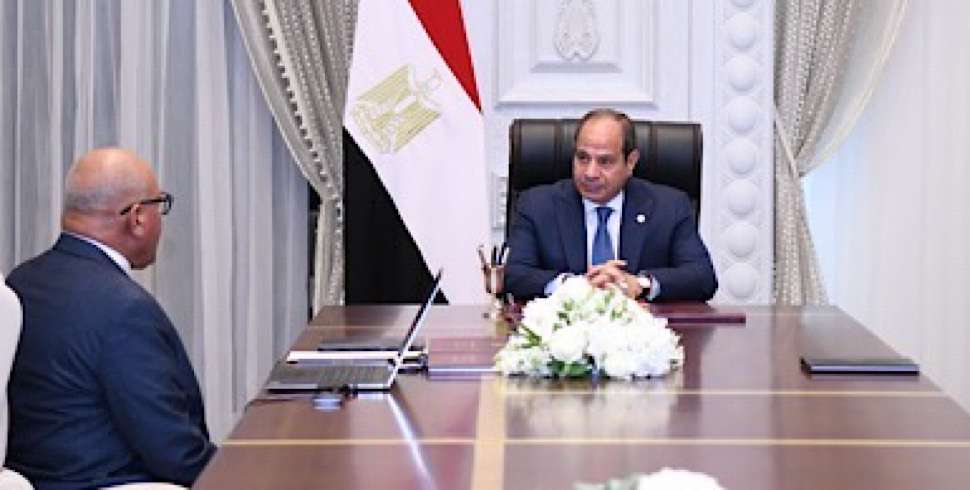
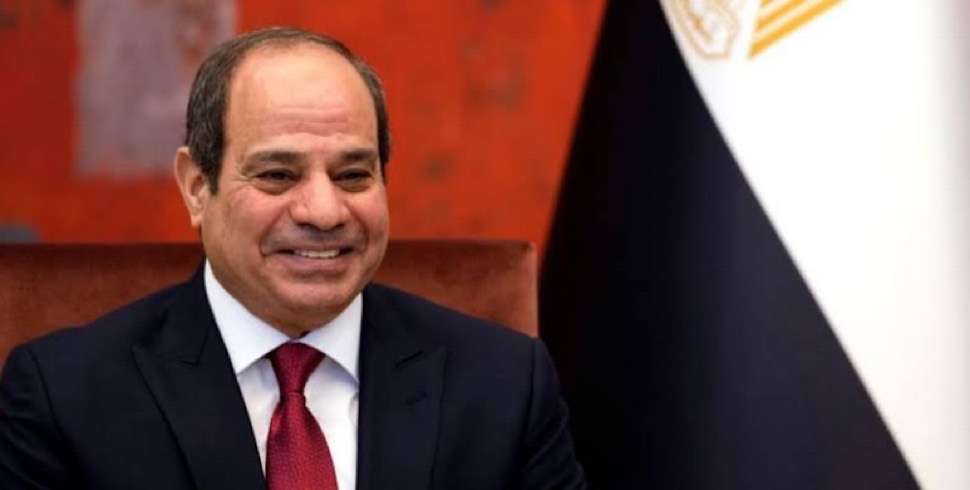
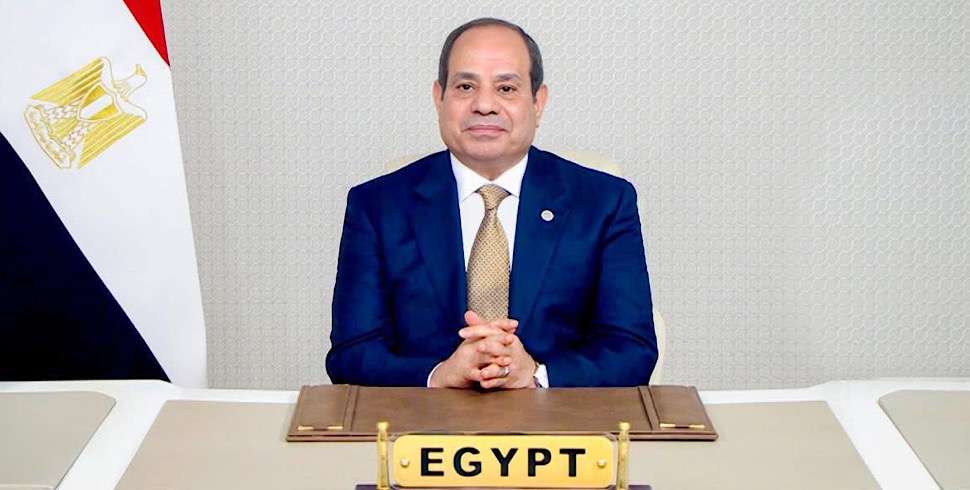
The minister concluded by reaffirming Egypt’s vision for a just and comprehensive peace in the region, echoing President Abdel Fattah El‑Sisi’s assertion that the Middle East stands before a historic opportunity to achieve enduring peace, stability, and dignity for all its peoples through respect for sovereignty and international law.