
























































































































































































































































































































































































































































































































































































































Friday, 09 October 2026
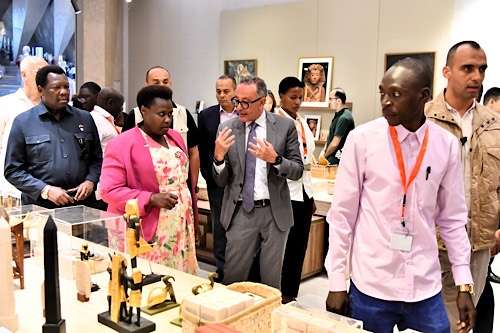
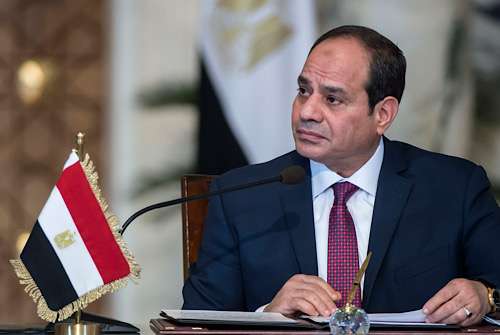
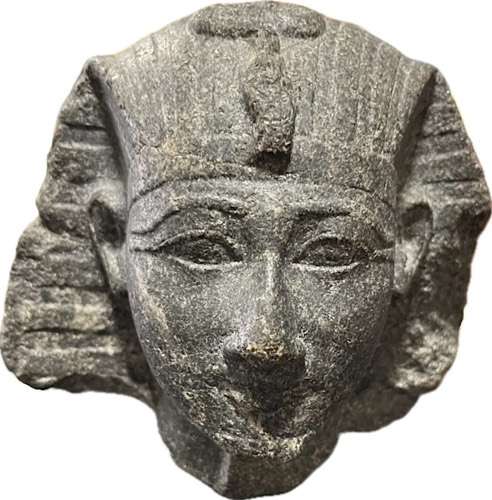
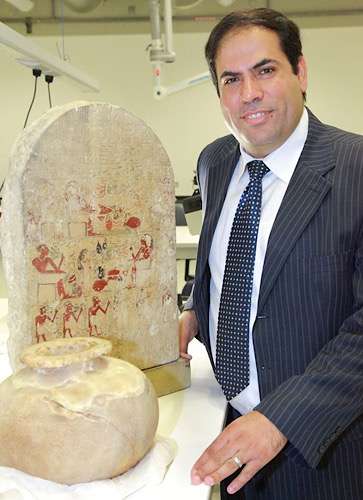
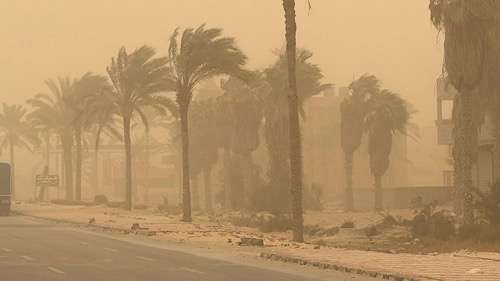
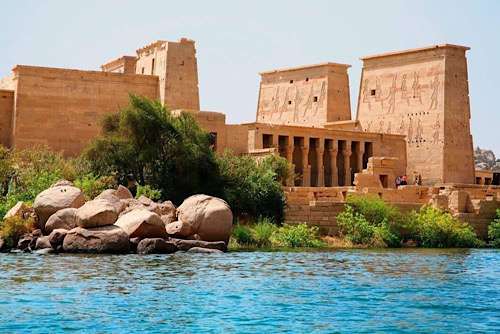
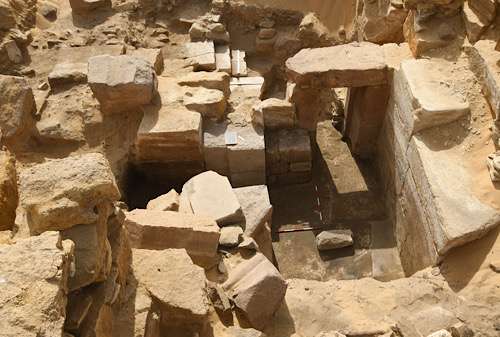
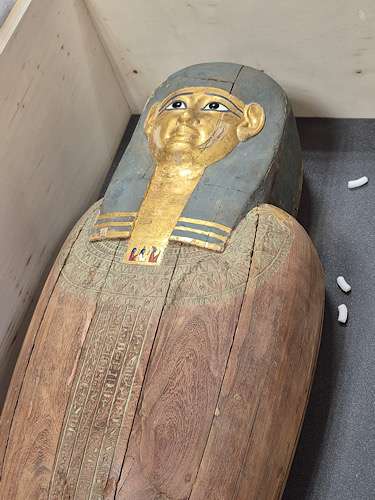
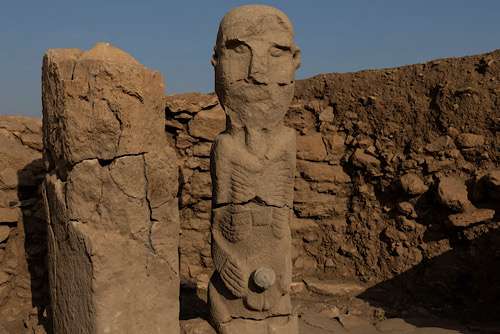
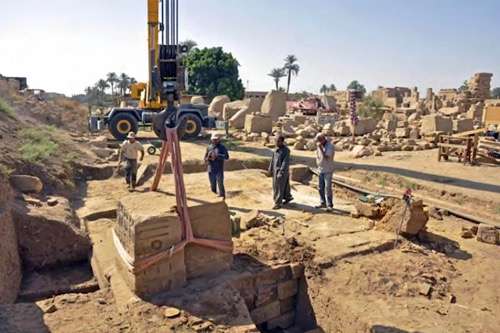
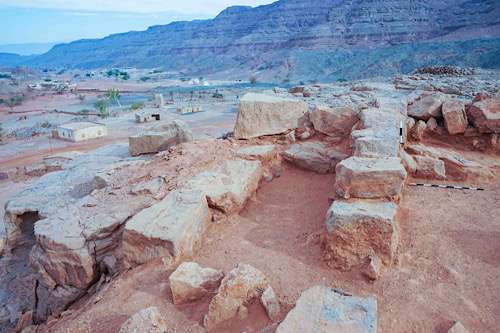
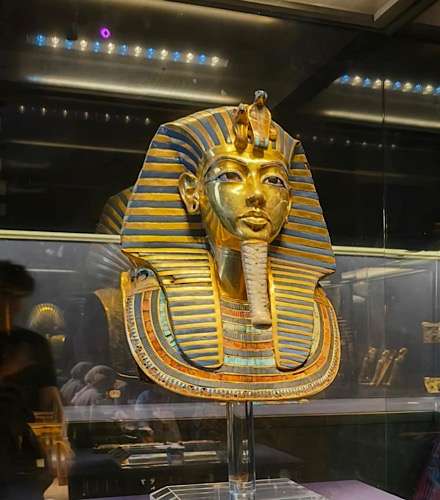
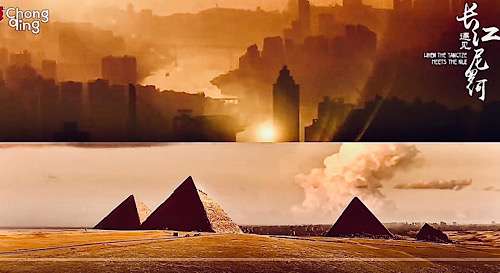
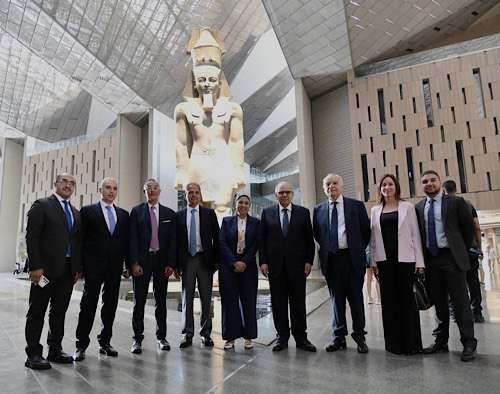
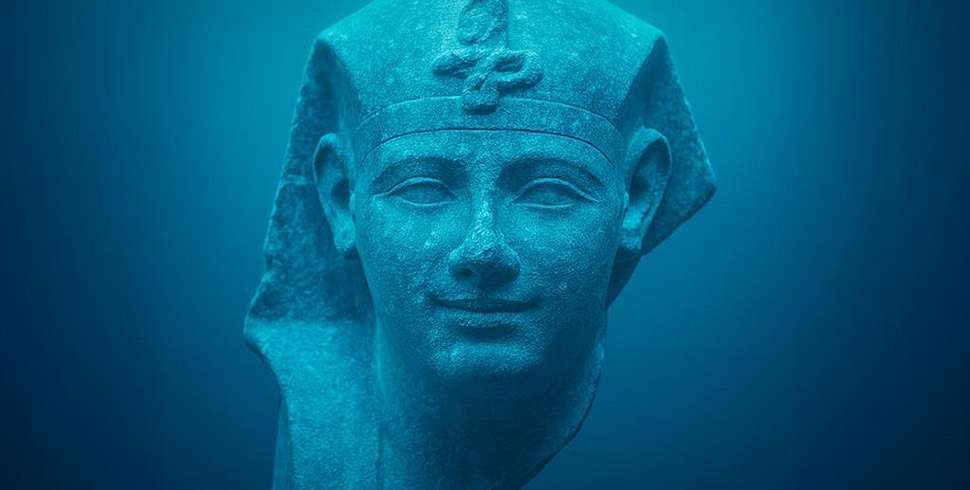
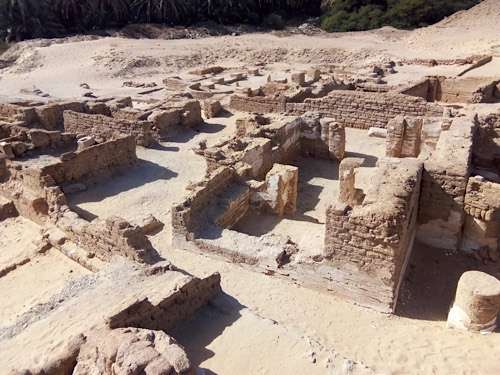
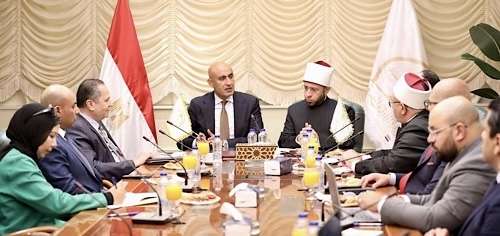
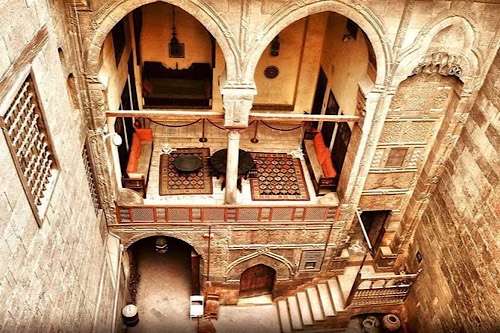
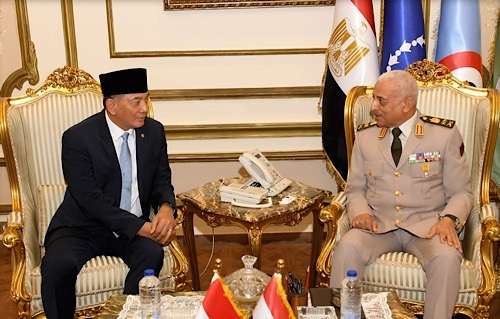
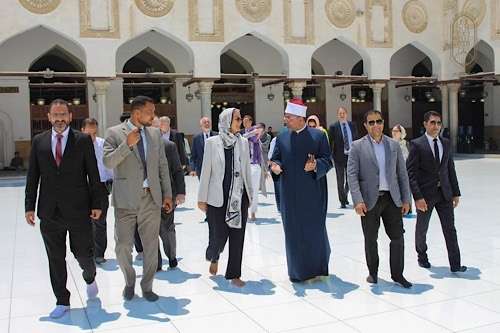
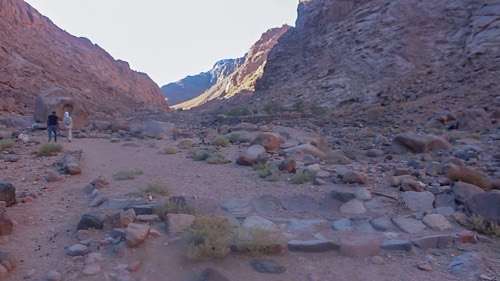
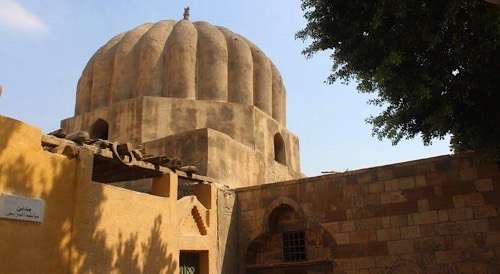
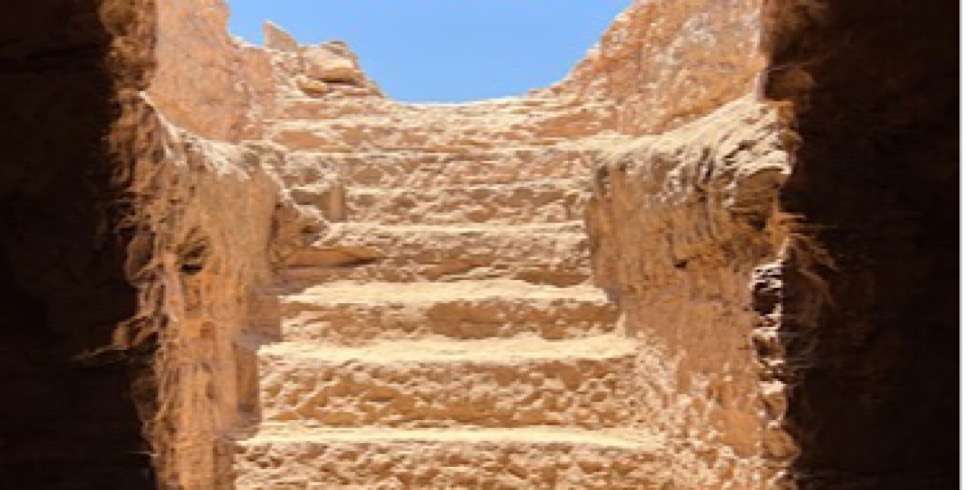
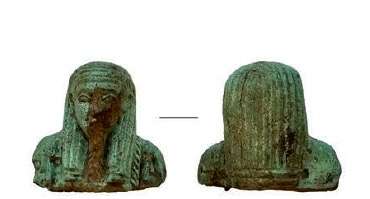
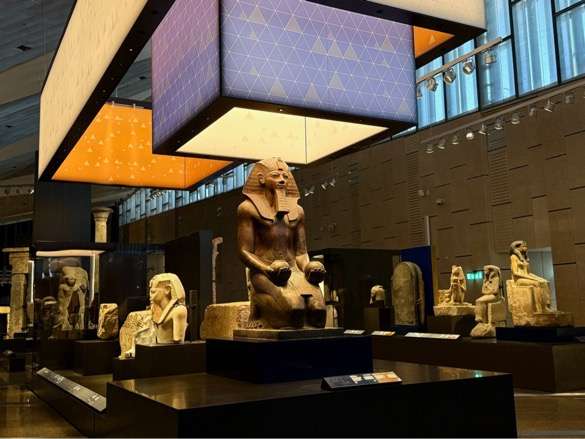
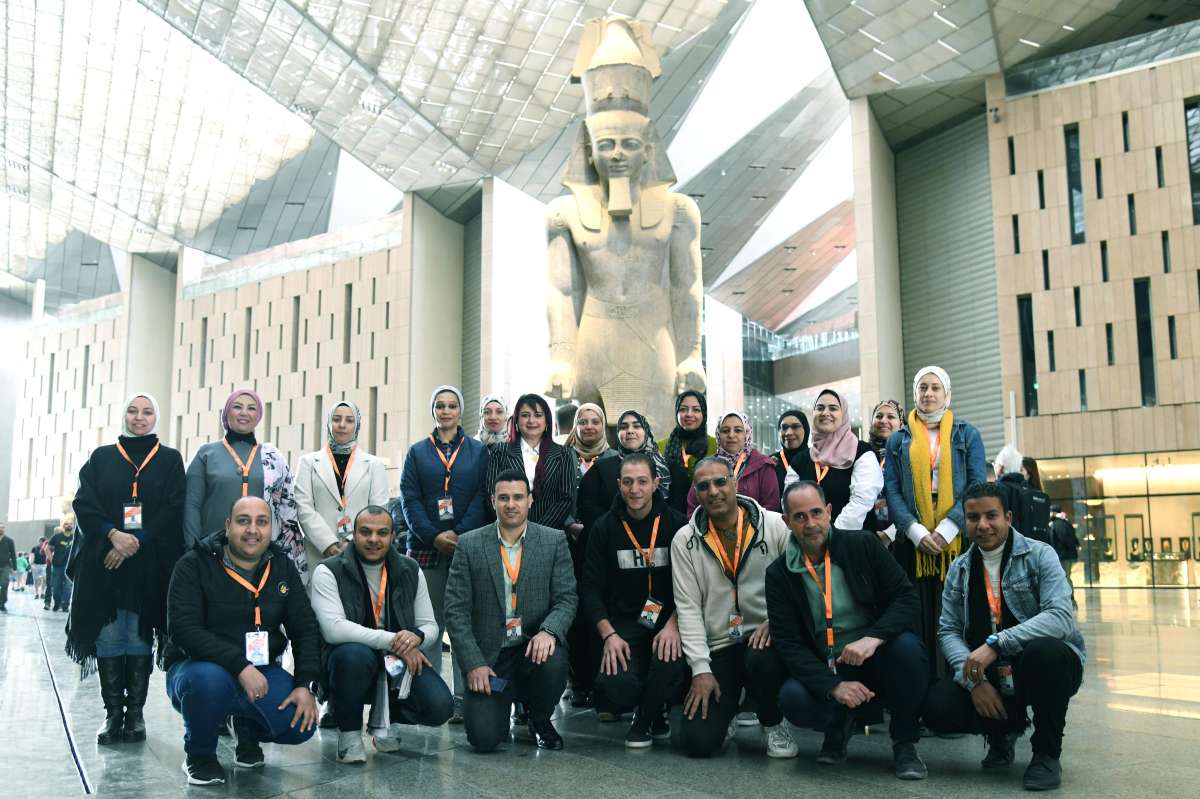
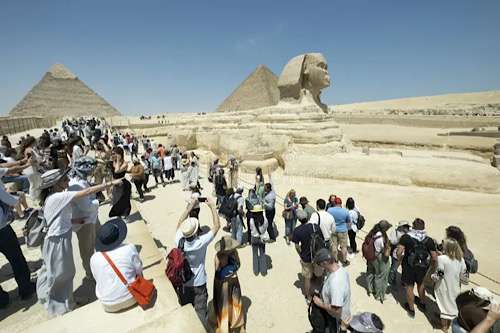 File photo
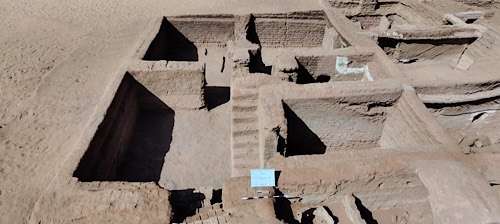
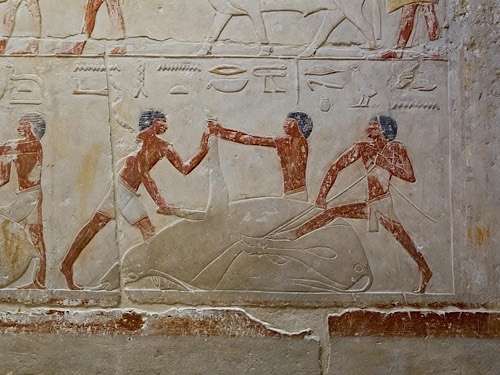
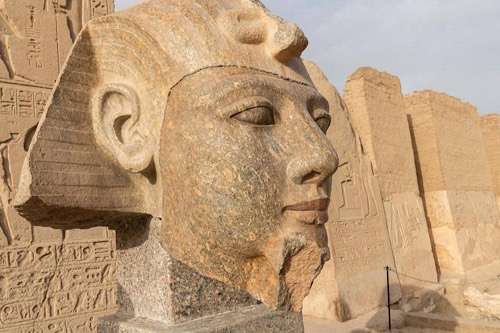
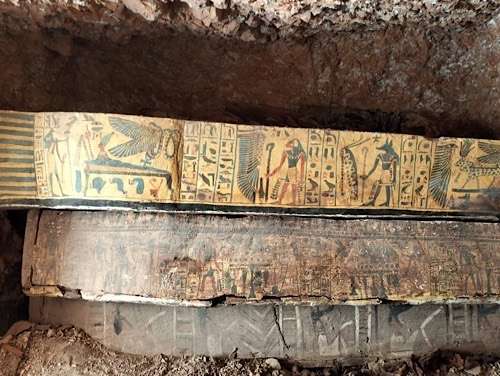
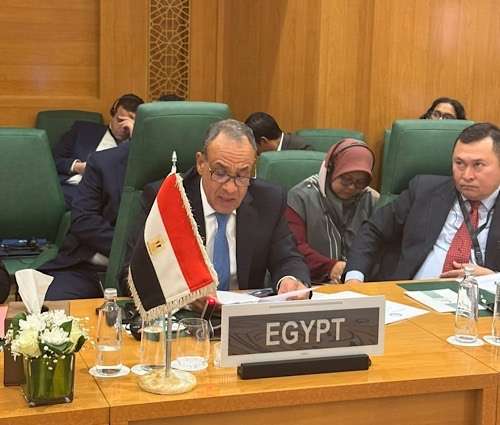
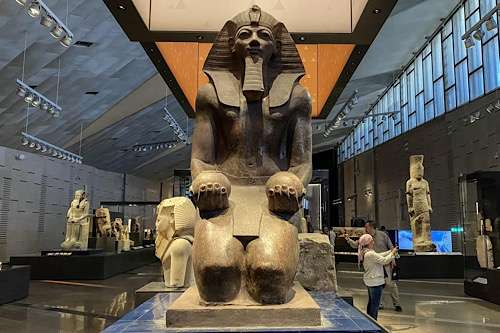
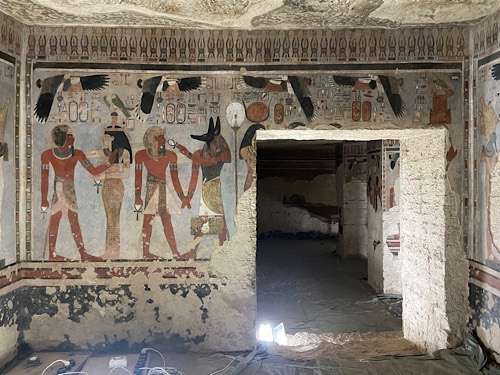
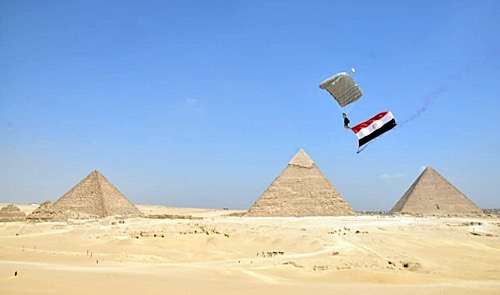
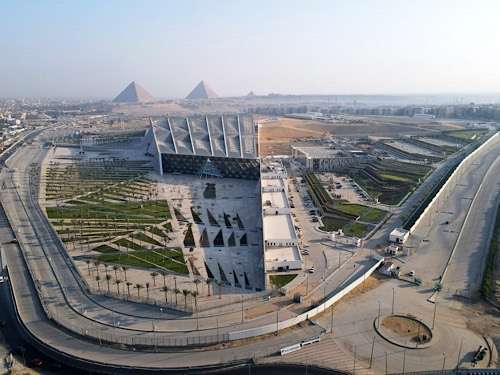
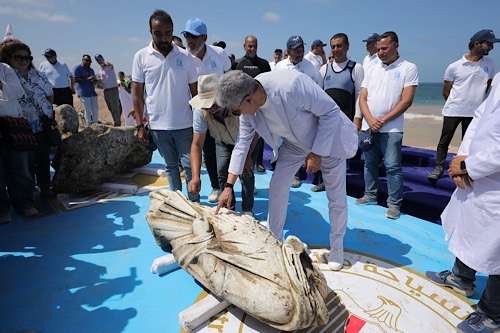
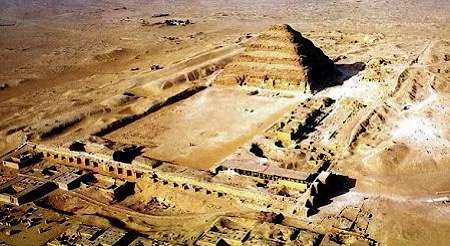
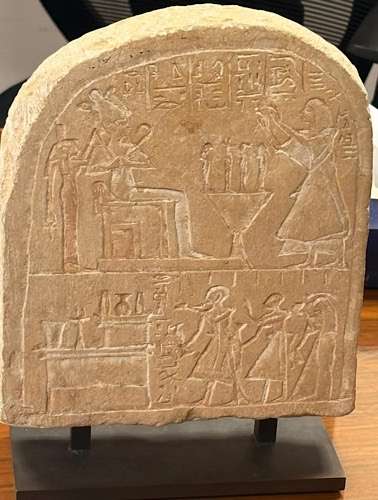
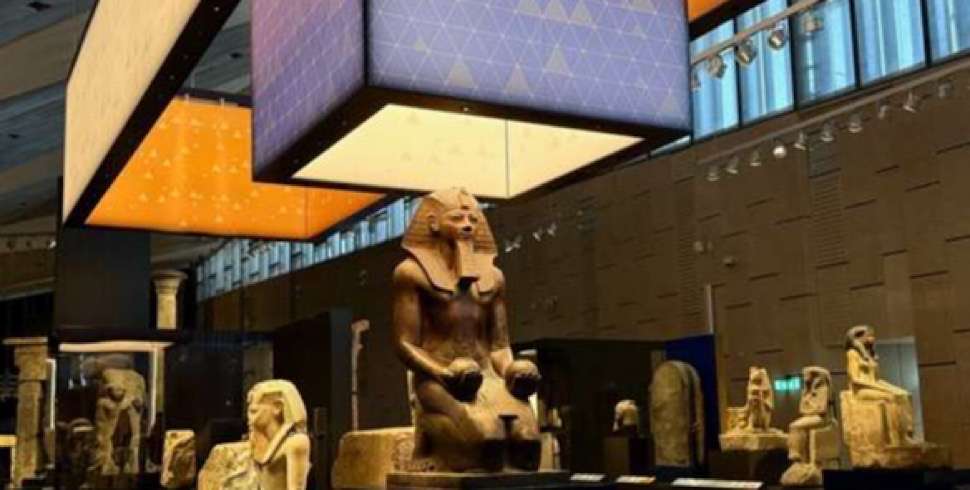
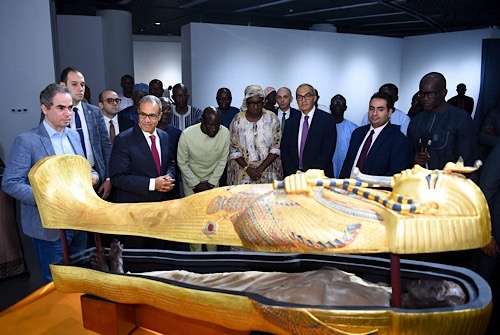
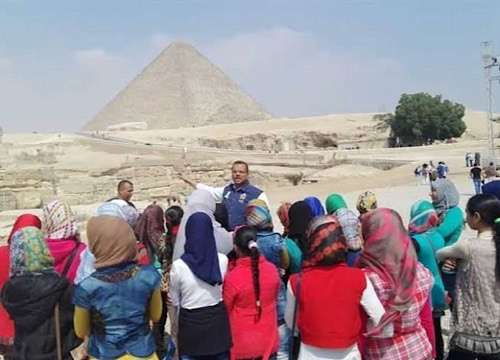
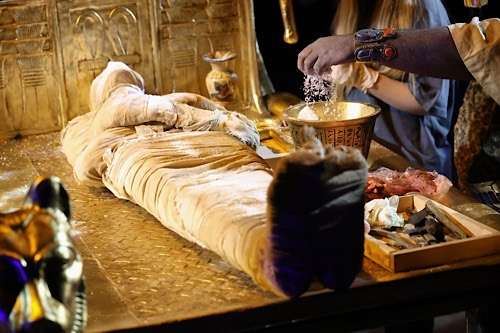
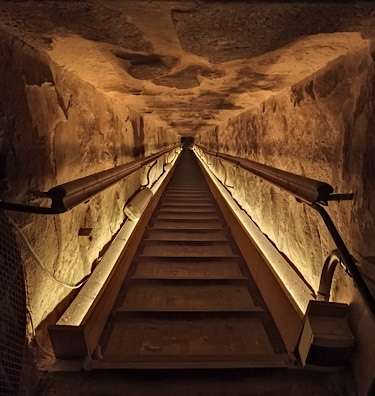
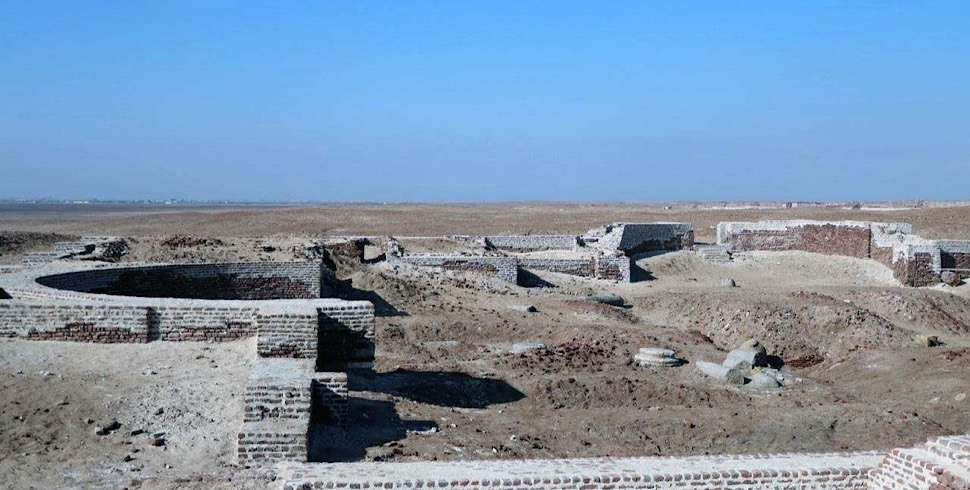
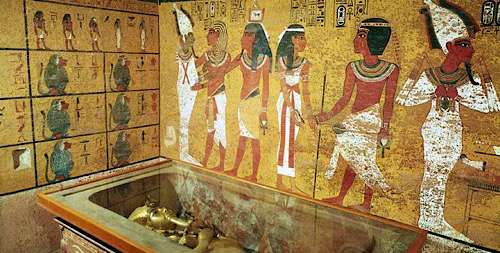
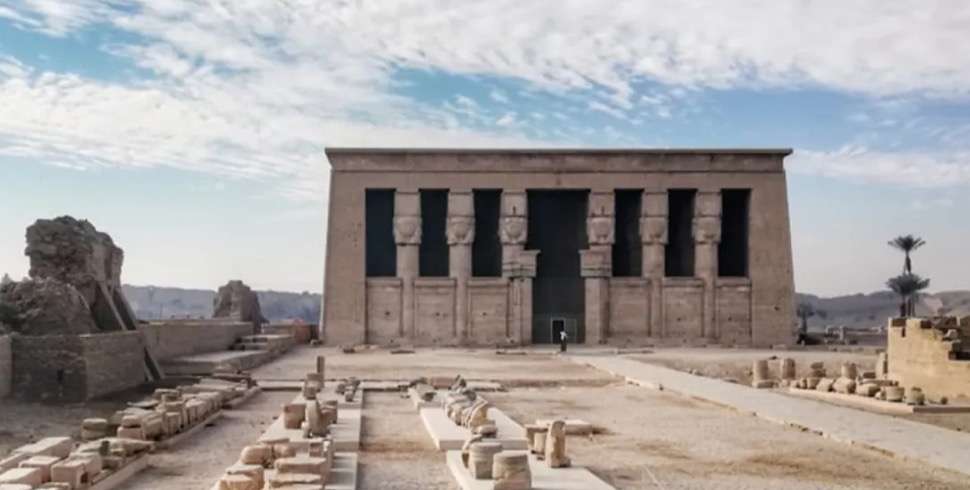
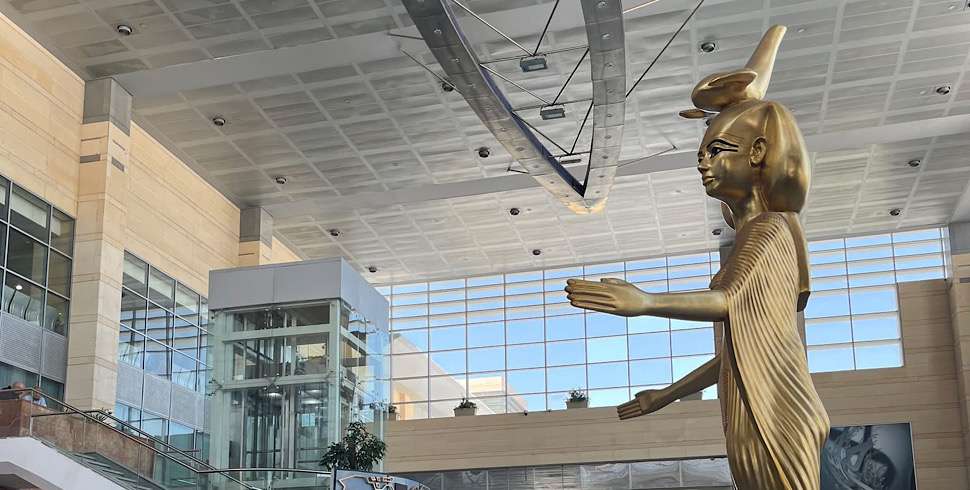
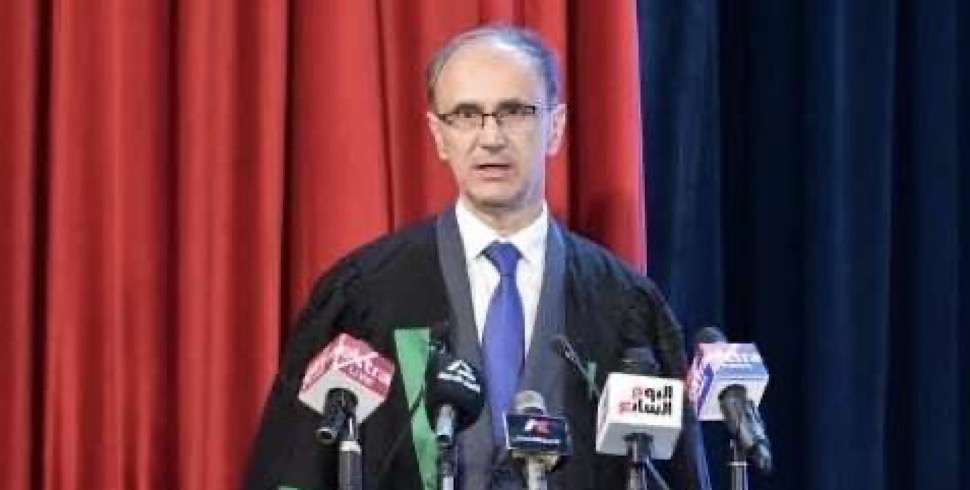
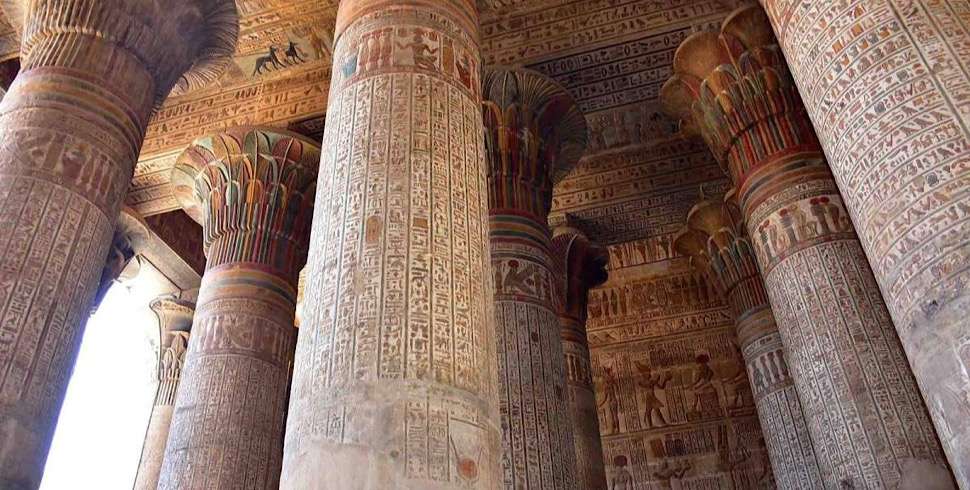
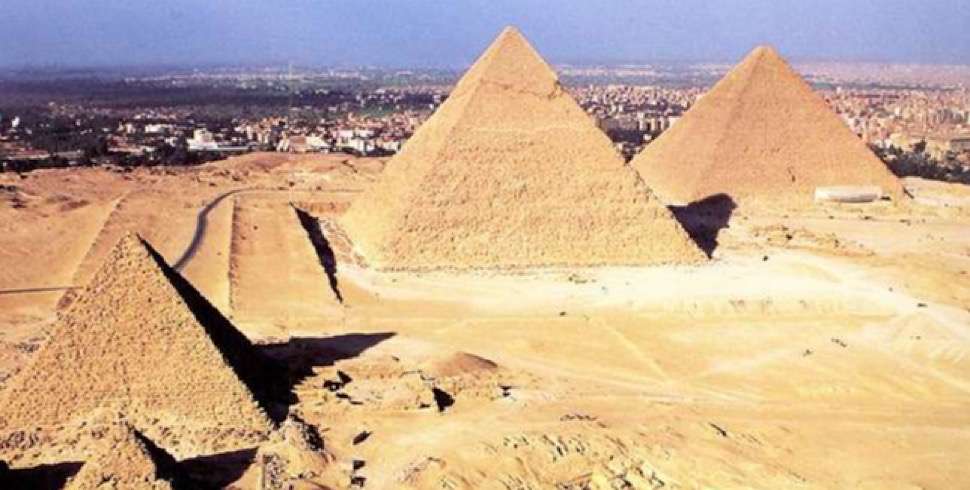
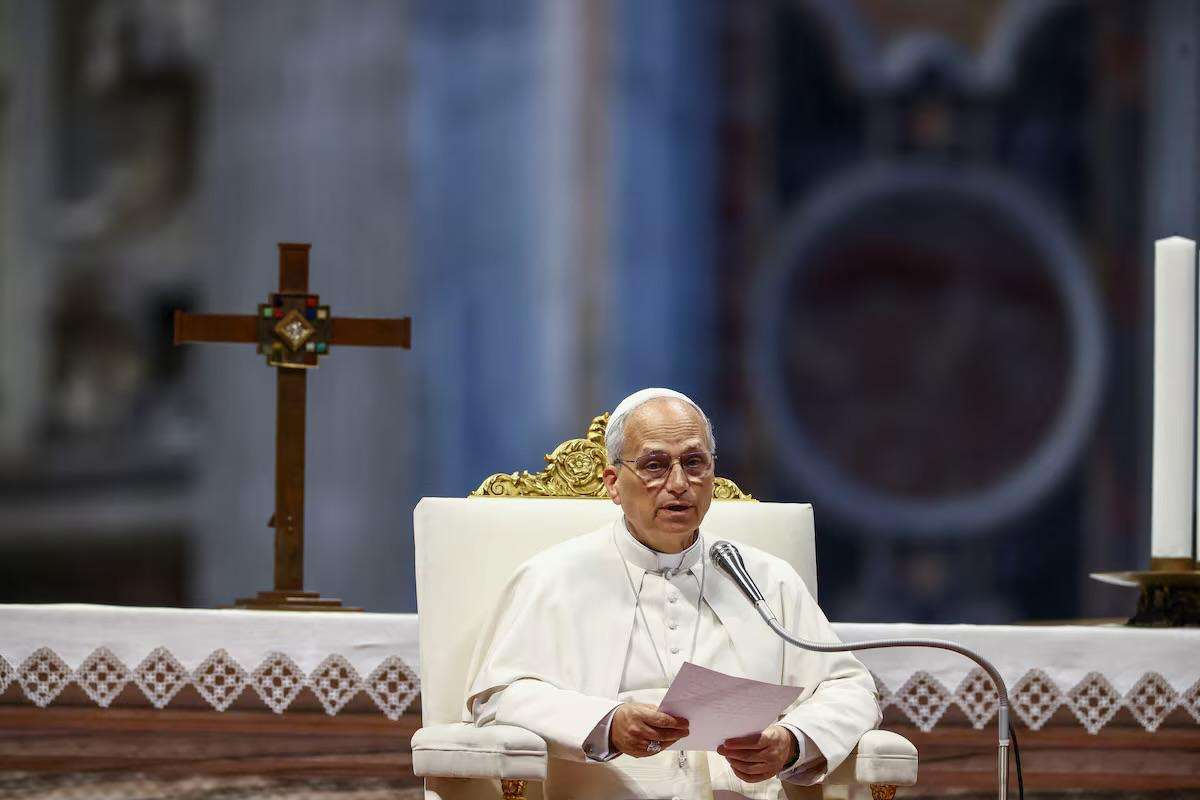
Dar al-Iftaa al-Misriyyah, Egypt’s highest official religious authority for issuing fatwas, has issued an important clarification regarding the Islamic position on showing respect and reverence for ancient Egyptian monuments, temples, pyramids, and archaeological sites.
In a statement widely circulated on its official platforms, the Dar al-Iftaa firmly rejected claims that venerating or honoring places containing the relics of ancient civilizations is religiously forbidden (haram) or could lead to shirk (associating partners with Allah).
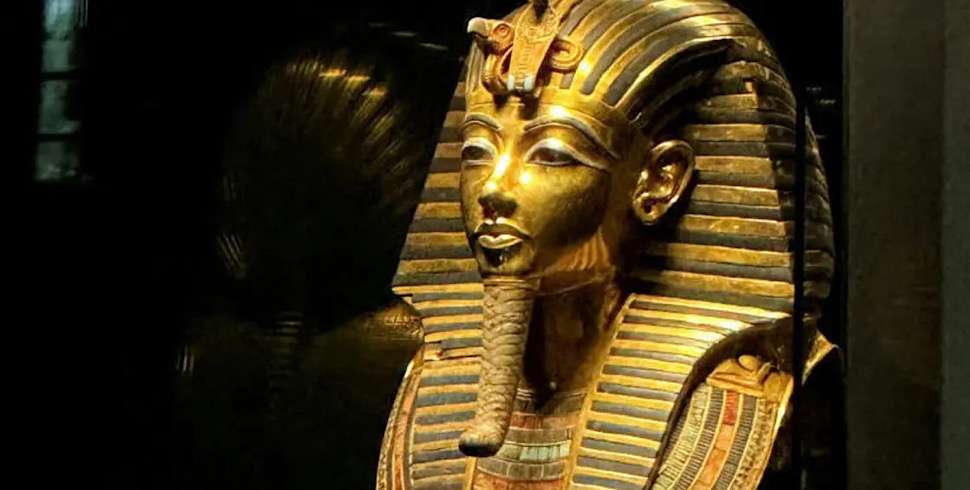
Official text of the Fatwa saying: “The claim that revering places that contain the relics of ancient nations is prohibited, and that it may be one of the means leading to shirk, is a baseless claim. Islamic law does not prohibit absolute reverence of anything other than Allah. Rather, it only prohibits reverence that takes the form of worship of the object — as the people of the pre-Islamic Jahiliyyah used to do with their false idols, believing them to be gods that could cause harm or bring benefit independently of Allah. As for anything beyond that — expressions of respect, honor, and veneration — it is permissible when the object is deserving of such reverence, even if it is an inanimate structure or monument.”
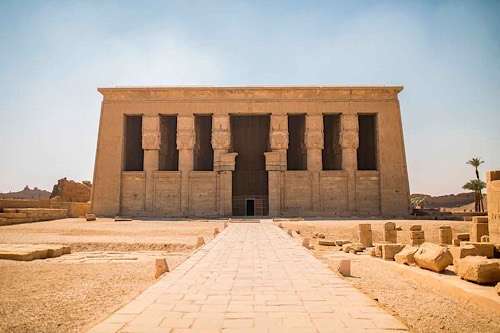
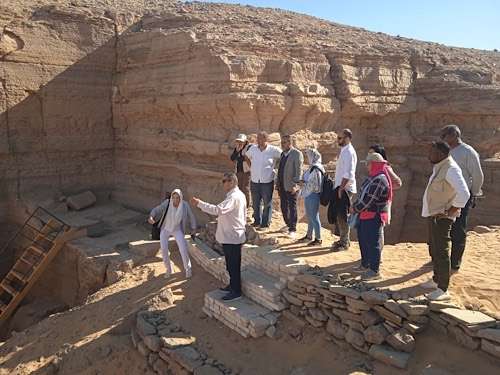
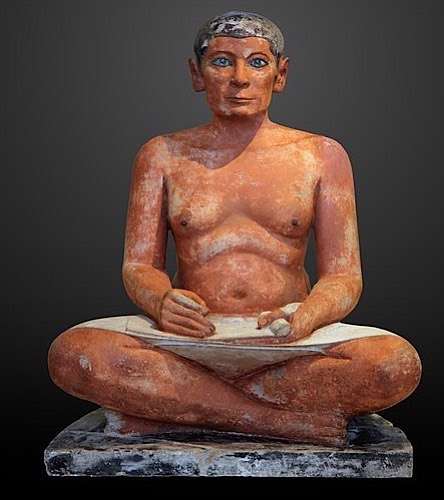
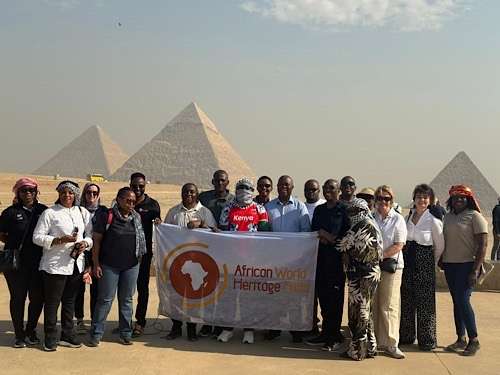
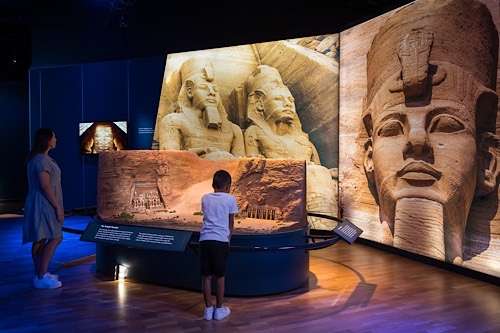
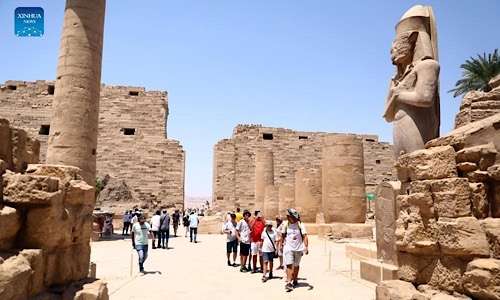
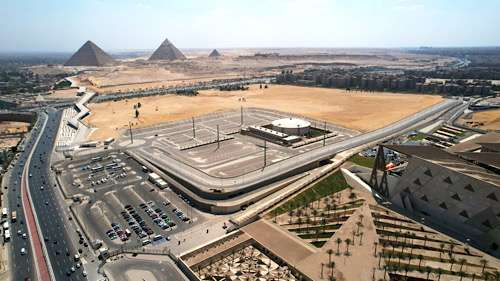
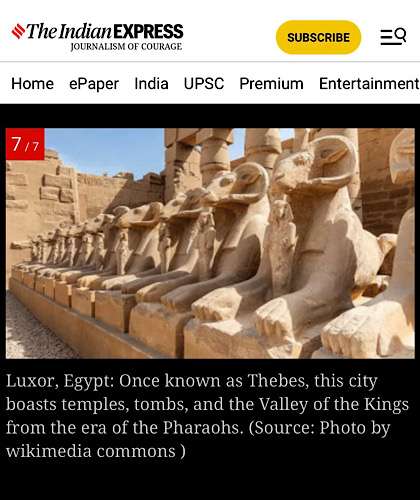
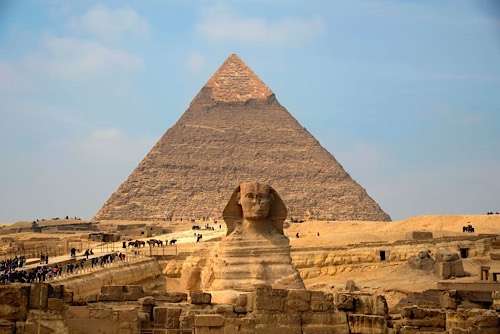
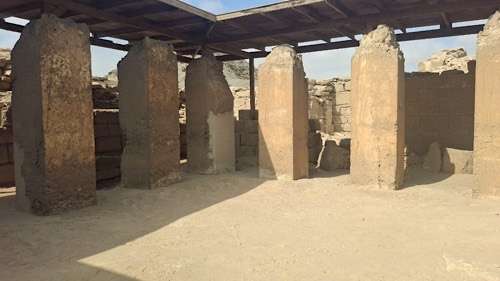
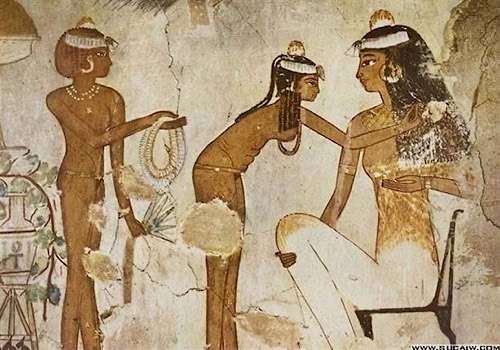
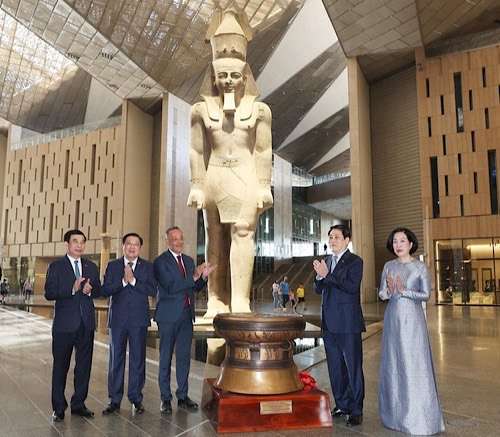
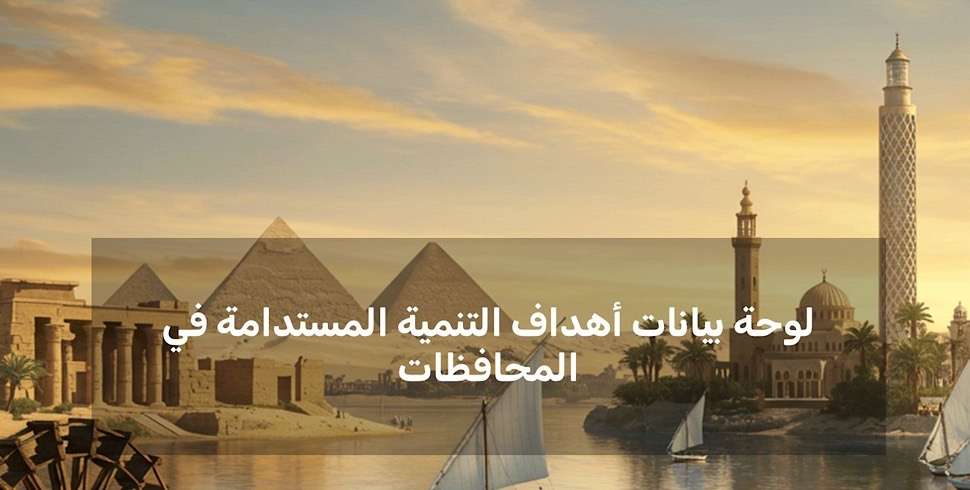
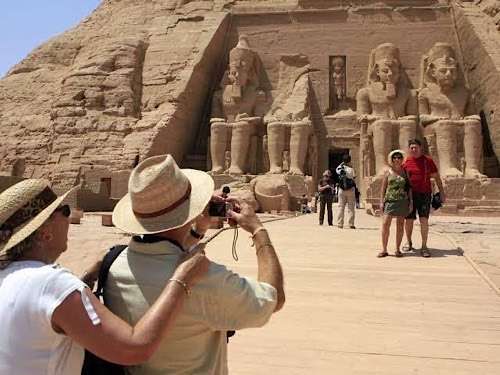
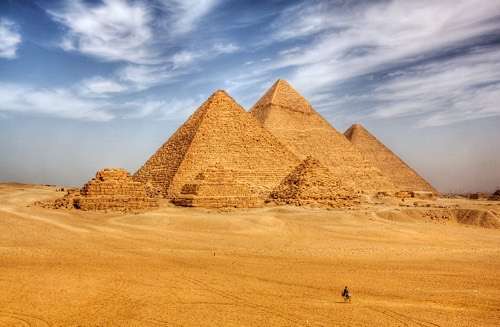
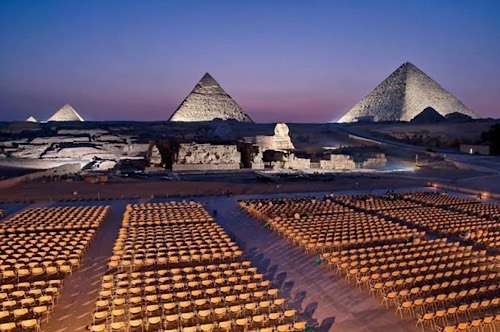
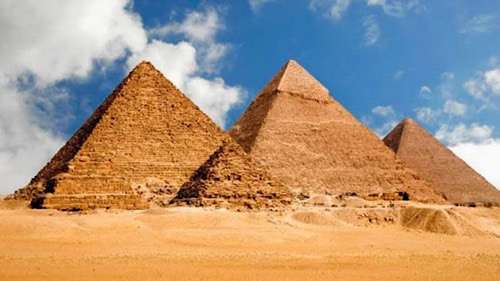
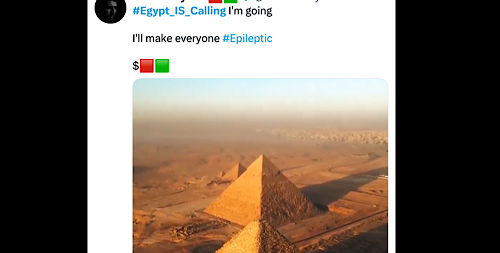
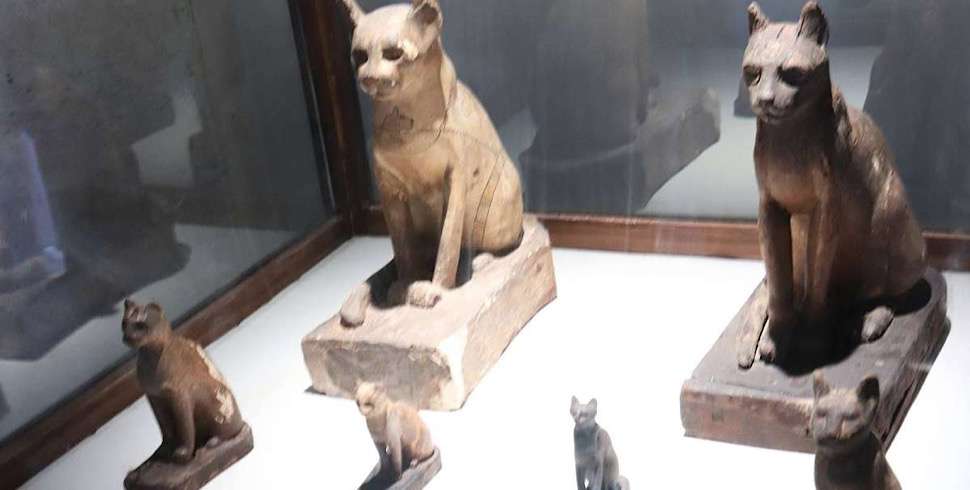
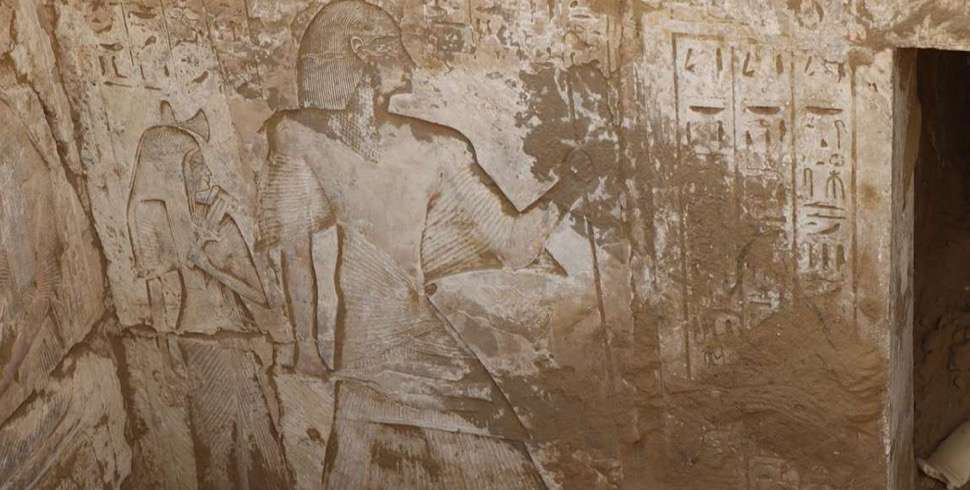
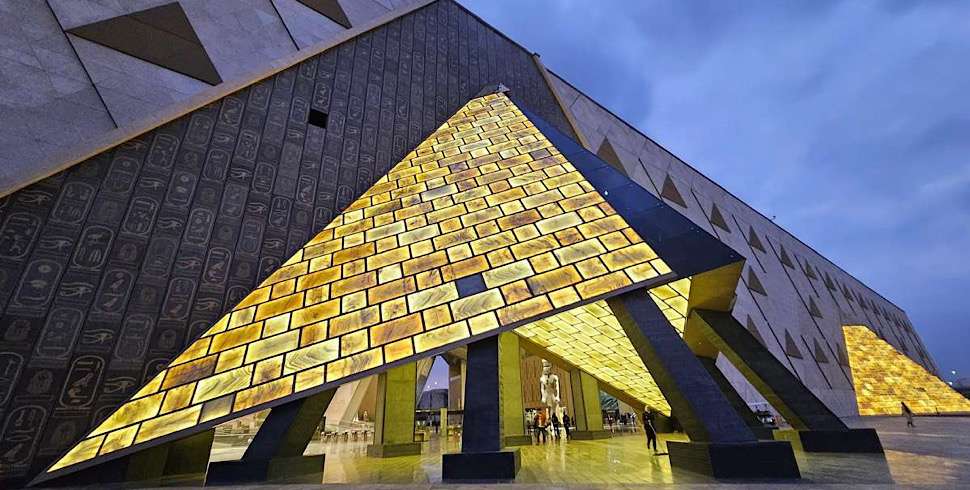
Over the past few years, a minority of ultra-conservative voices on social media and in some religious circles have repeatedly called for the destruction or at least the prohibition of visiting or “glorifying” ancient Egyptian monuments (pyramids, Sphinx, Luxor and Karnak temples, Abu Simbel, etc.), labeling such acts as potential shirk or imitation of pharaoh-worship.
These claims have been strongly condemned by the overwhelming majority of mainstream Sunni scholars, Al-Azhar, the Ministry of Awqaf, and now officially by Dar al-Iftaa.
The latest fatwa comes in direct response to renewed online campaigns that resurfaced recently, some of which falsely attributed to scholars the view that photographing, visiting, or restoring the pyramids constitutes idolatry.
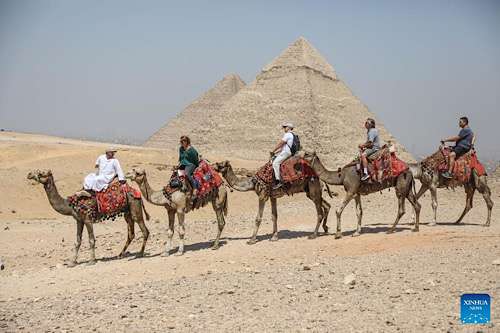
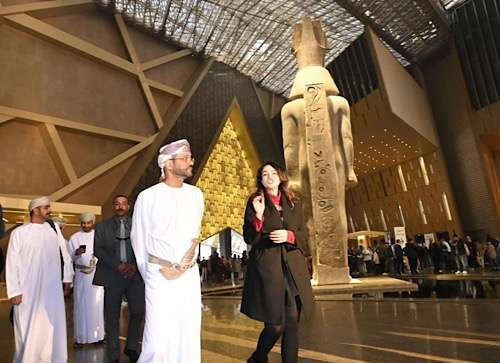
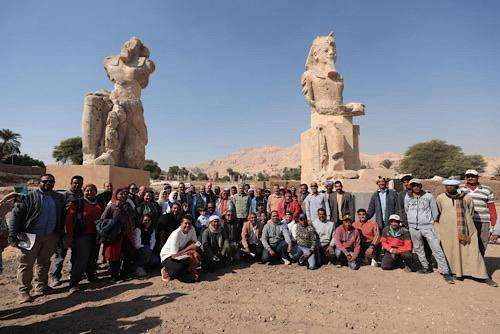
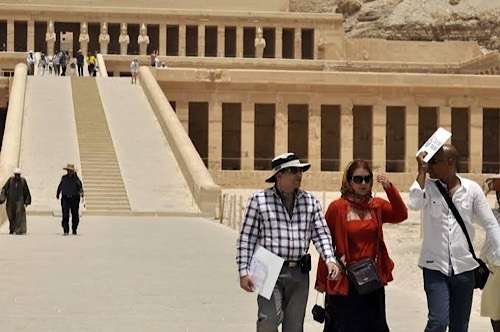
The clarification is seen as particularly significant for Egypt’s tourism sector, which relies heavily on its ancient heritage. Officials welcomed the fatwa as a definitive religious endorsement that visiting, photographing, restoring, and celebrating ancient Egyptian sites is not only permissible but encouraged as a form of appreciating Allah’s signs in history and creation.
In the words of one Dar al-Iftaa researcher: “Standing in awe before the greatness of the pyramids is no different, in its essence, from marveling at the precision of a honeycomb or the vastness of the oceans — all are signs for people who reflect.”