





























































































































































































































































































































































































































































































































































































































































































































































































































































































































































































































































































































Friday, 09 October 2026
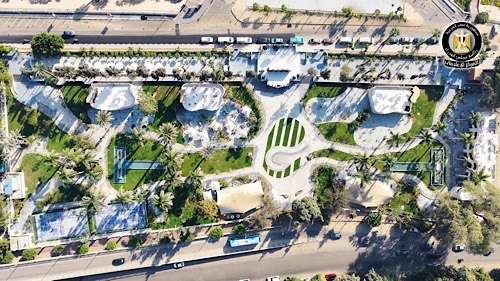
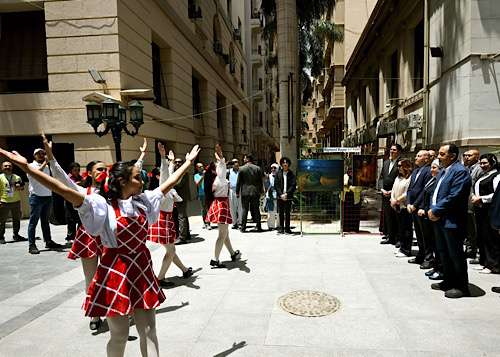
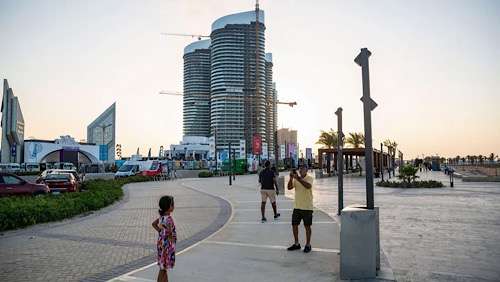
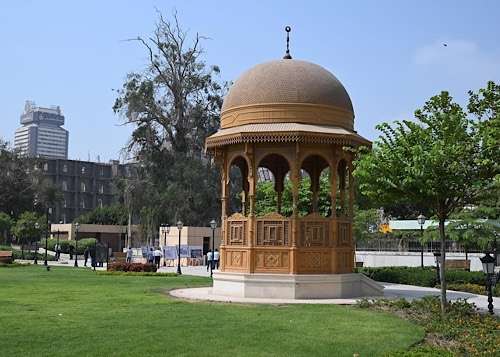
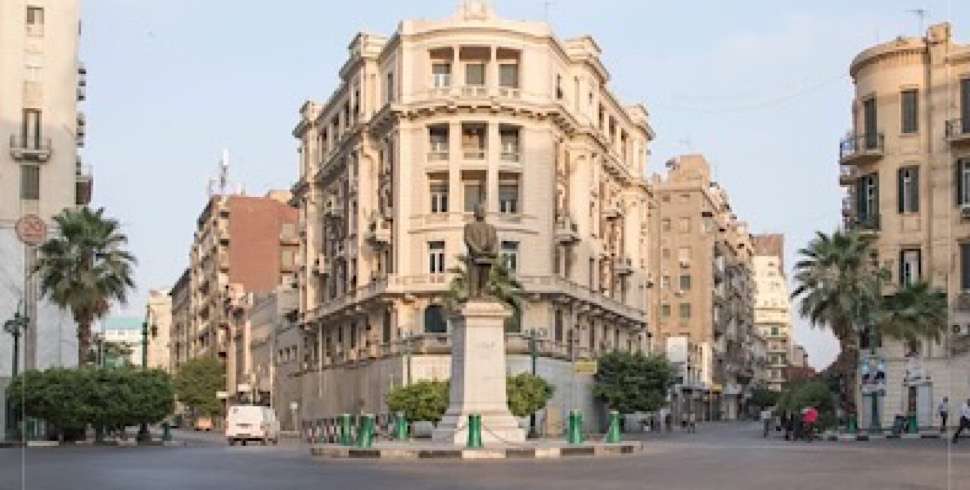
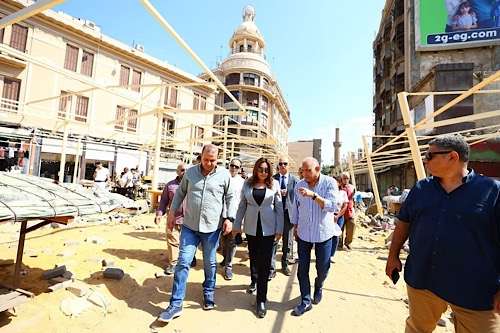
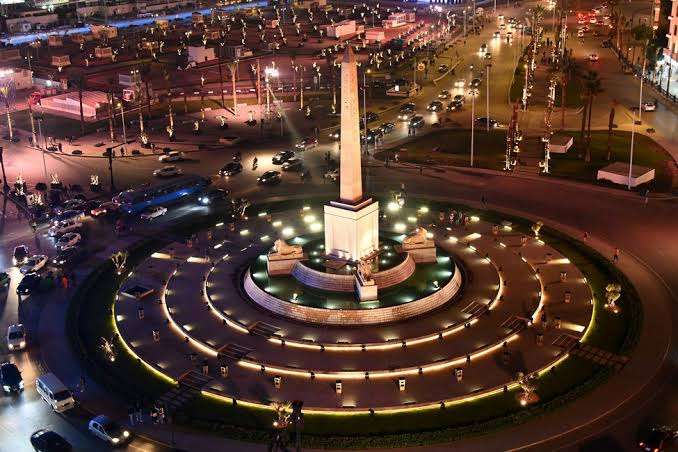
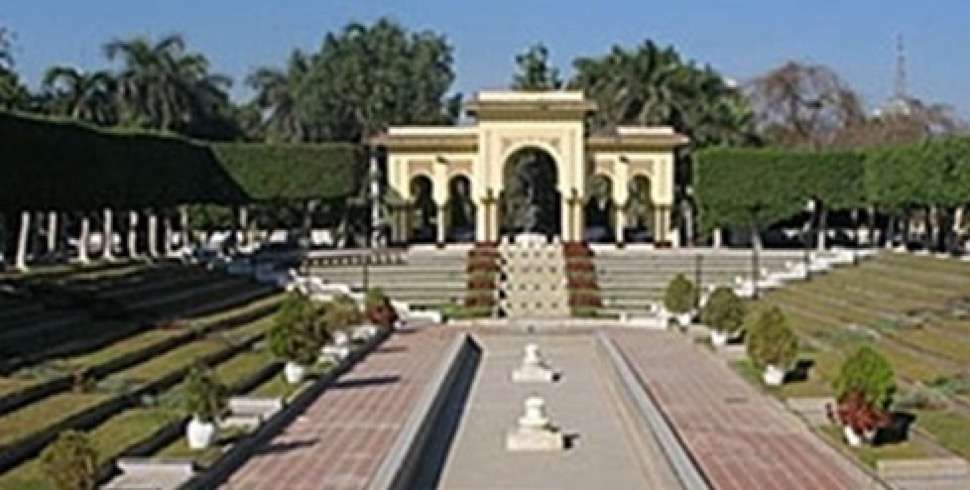
After more than 150 years as one of Egypt’s most cherished public spaces, El Masalla (Obelisk) Garden has undergone a transformative restoration, seamlessly weaving its rich historical legacy with modern innovation.
This revitalised urban oasis stands as a testament to the country’s commitment to preserving its cultural heritage while fostering vibrant community spaces, aligning with President Abdel Fattah el-Sisi’s vision of transforming Cairo into an “open-air museum of history, art, beauty, and culture.”
El Masalla Garden has long been a symbol of Cairo’s evolution, reflecting the city’s ambition to blend European-inspired elegance with its unique identity.
The recent garden overhaul, led by experts, balances heritage and sustainability by introducing over 1,600 native plants alongside historic trees.
New features like shaded walkways, bike paths, play areas, and educational spaces make the garden a welcoming, accessible hub for leisure, learning, and environmental stewardship for all visitors.
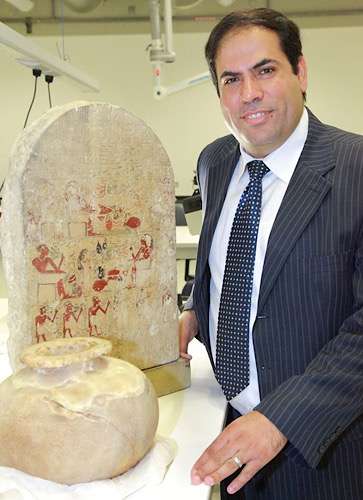
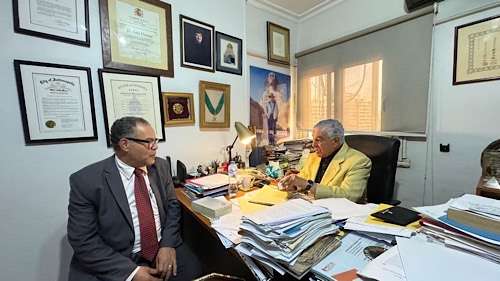
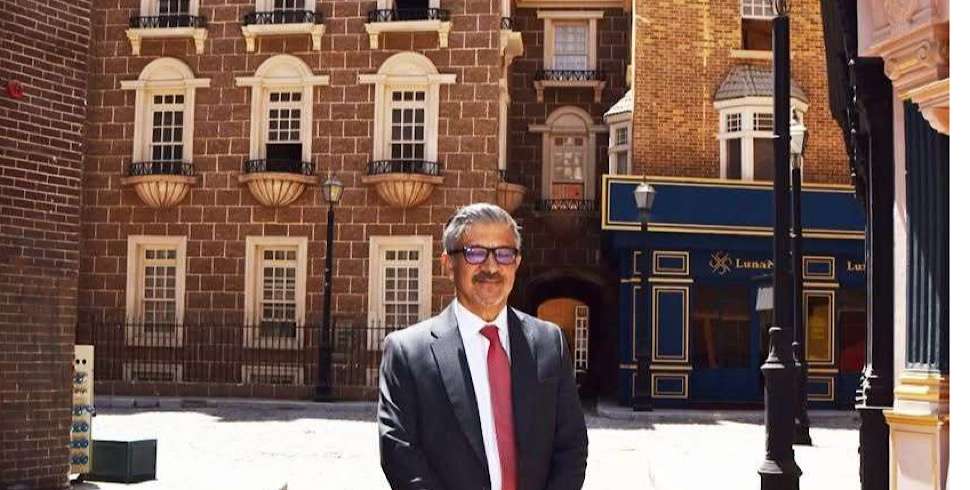
“This is not just beautification,” Egyptologist Hussein Bassir told The Nile Observer.
“We’re preserving memory, engaging citizens, and promoting awareness of Egypt’s living heritage. The garden is no longer a static relic, it’s a dynamic centre for leisure and learning, marrying environment, heritage, and contemporary needs.”
A cornerstone of the project is the creation of a national archive for the country’s rare heritage trees, safeguarding their legacy for future generations. This initiative underscores the government’s broader commitment to placing green spaces at the heart of urban and cultural renewal.
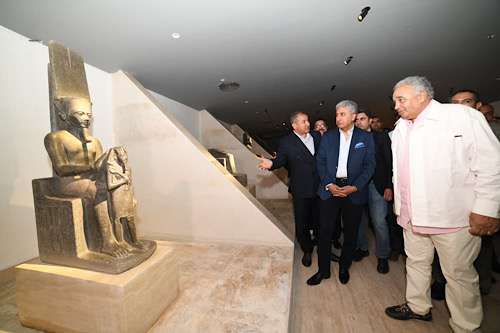
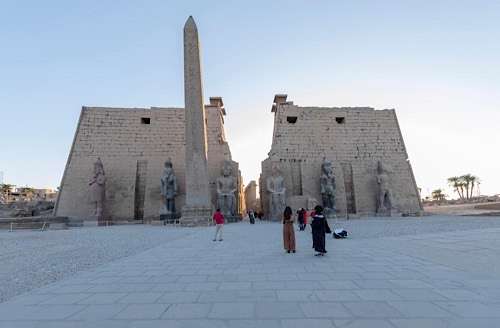
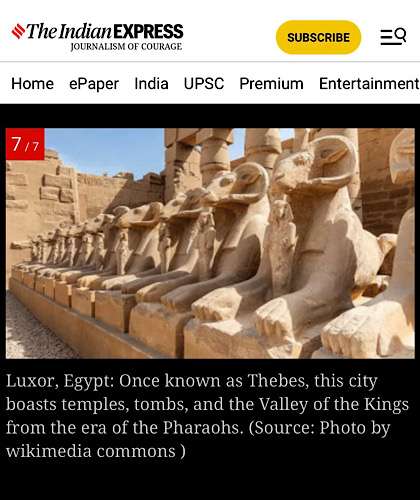
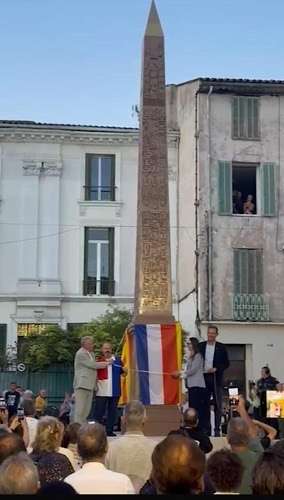
The garden’s renewal builds upon a significant moment in Cairo’s cultural narrative: the relocation of the iconic Obelisk of Ramses II in 2019.
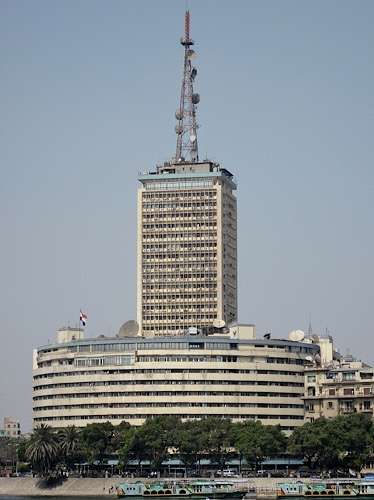
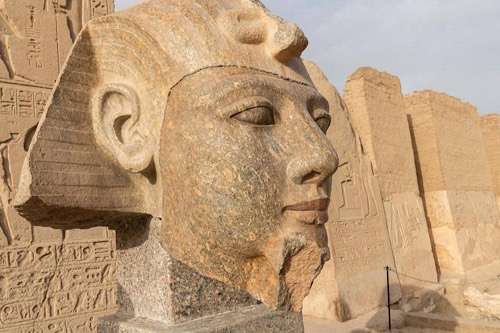
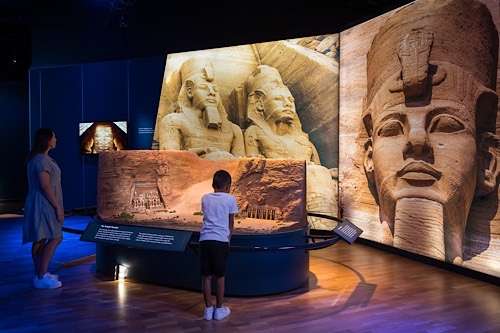
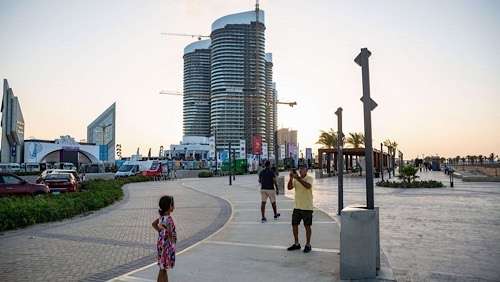
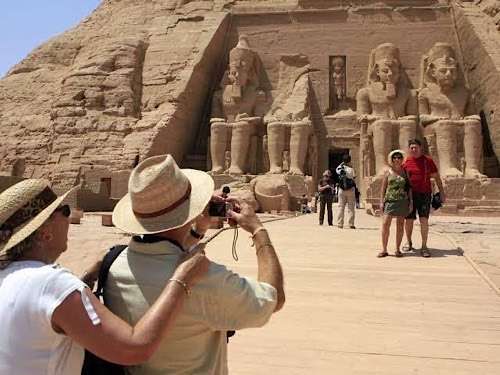
For decades, the pink granite monument, inscribed with the triumphs of the legendary pharaoh who built Abu Simbel, stood as a sentinel over the garden. Originally from the ancient site of Tanis and erected beside Cairo Tower in the 1960s, the obelisk was carefully transported to Alamein, the country’s emerging cultural and touristic hub.
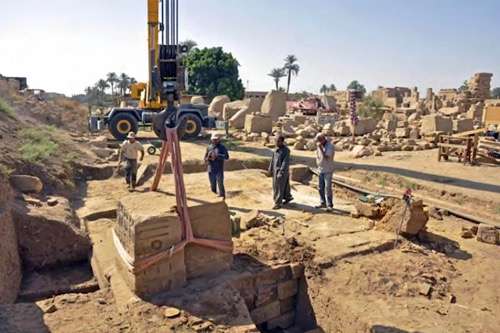
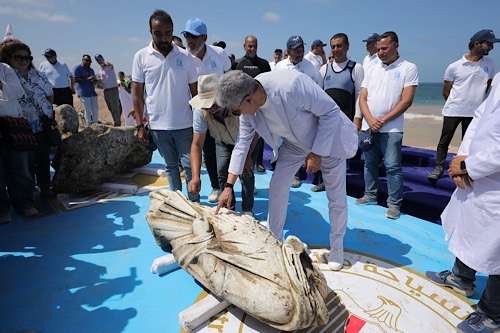
The complex relocation, executed by the Ministry of Antiquities and the Arab Contractors Company, was meticulously planned to ensure the monument’s safety. The move reflects Egypt’s forward-thinking approach to heritage, aiming to share its treasures with wider audiences beyond Cairo.
The renewal of El Masalla Garden and the obelisk’s relocation exemplify Egypt’s innovative approach to cultural preservation. “This is about sustainability, in environment, culture, and tourism,” Bassir said. “It’s about widening our narratives, making history interactive, and reminding us of the timeless value of preservation.”