












































































































































































































































































































































































































































































































































































































































































































































































































Friday, 09 October 2026
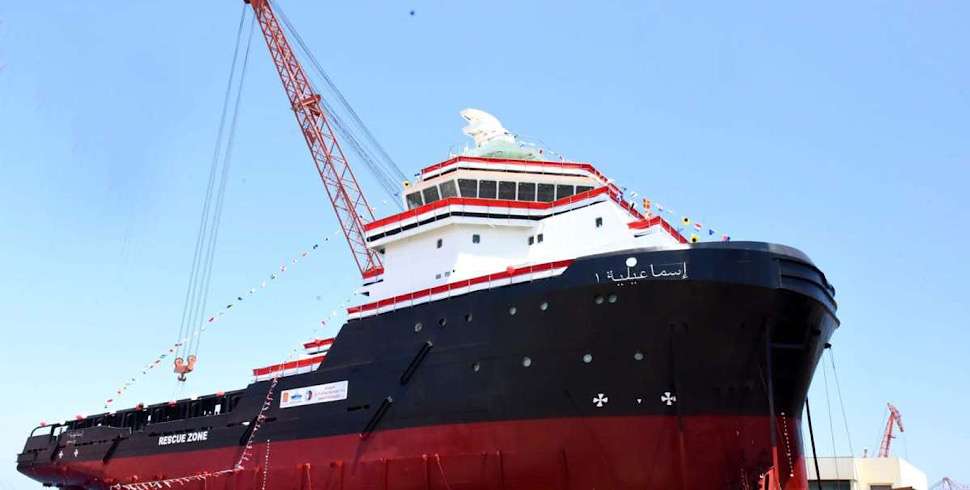
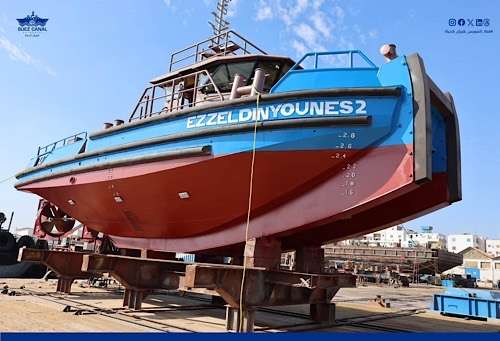
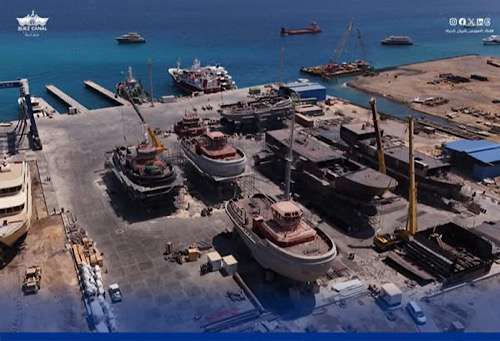
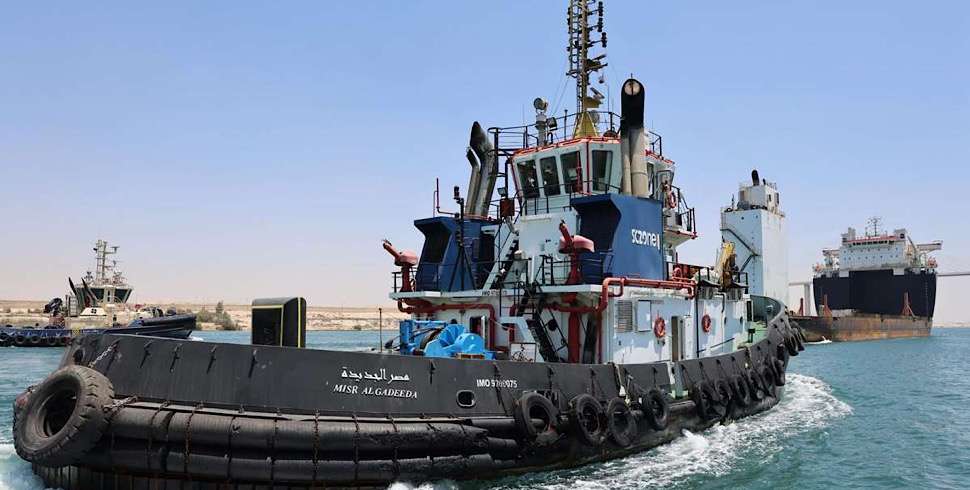
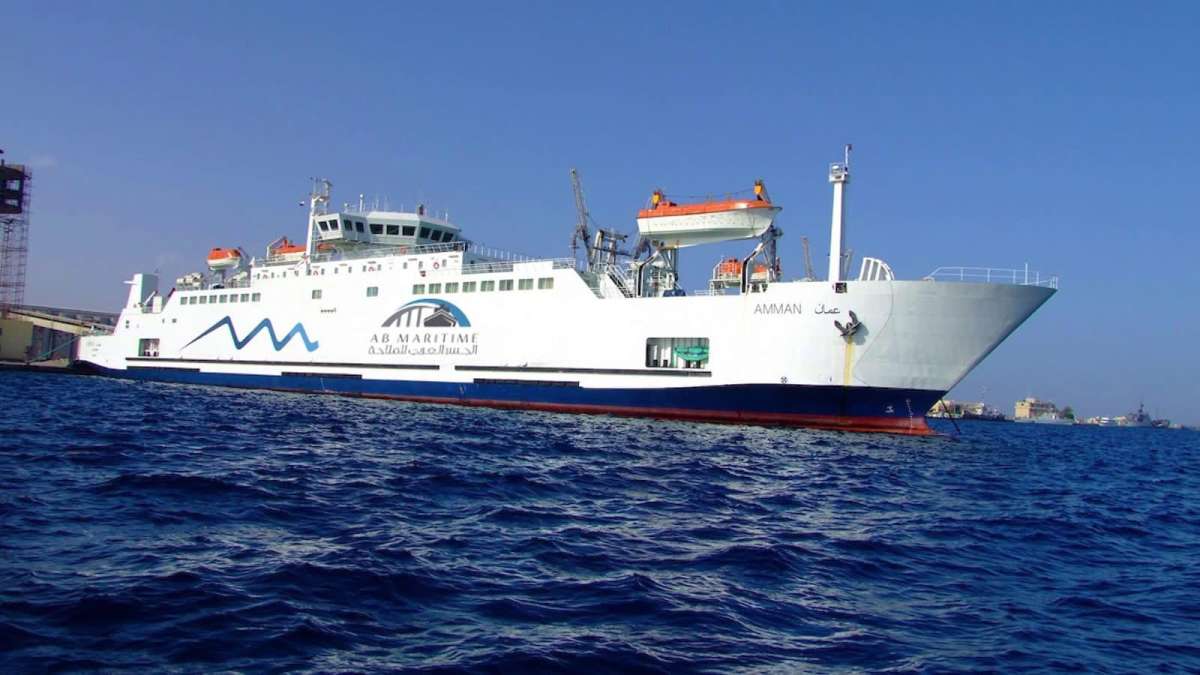
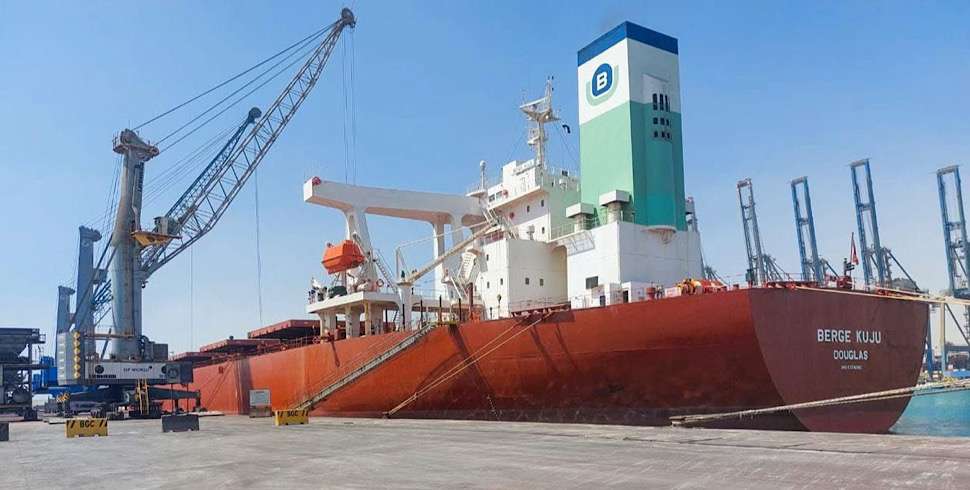
In a proud step forward for Egypt’s shipbuilding industry, Alexandria Shipyard Company has launched its new tugboat, “Ismailia 1,” marking a significant achievement in the country’s drive to localize national industries.
The vessel, classified as Model N 113, was built for the Suez Canal Authority and represents the first of two state-of-the-art tugboats commissioned for the vital international waterway.
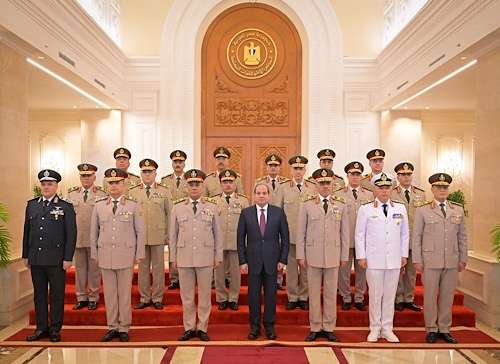
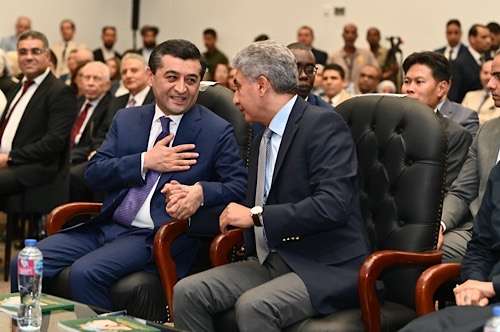
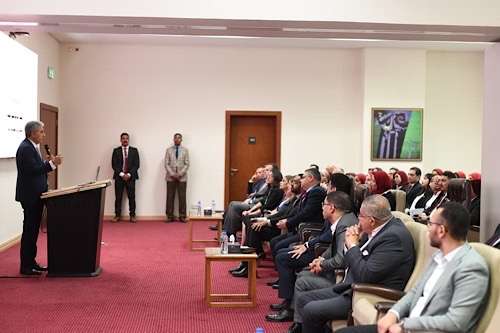
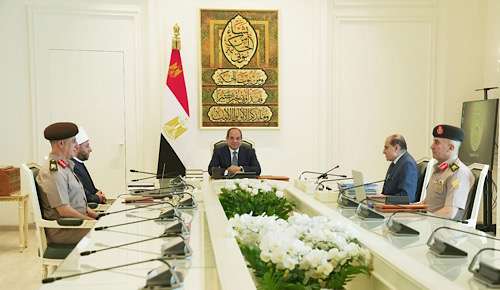
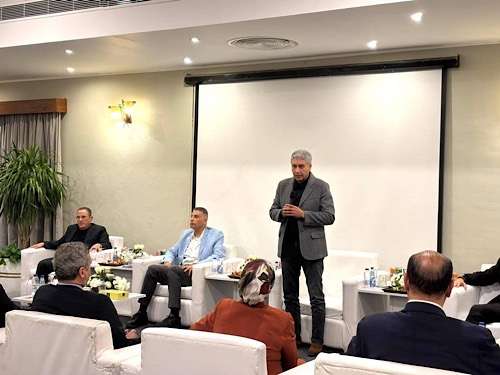
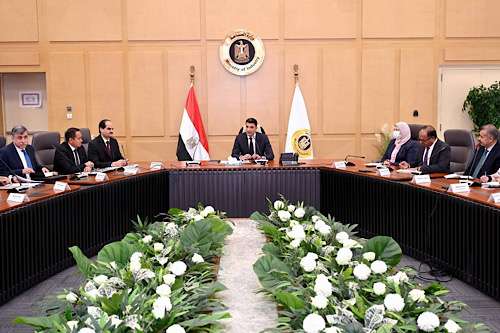
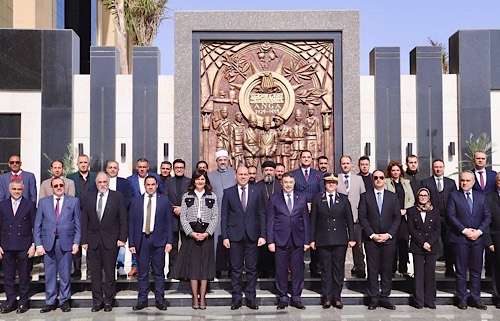
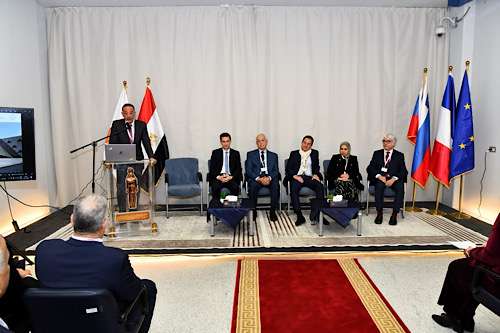
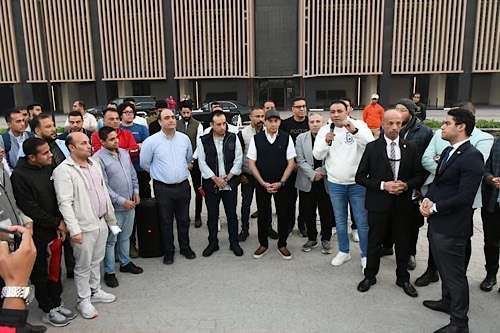
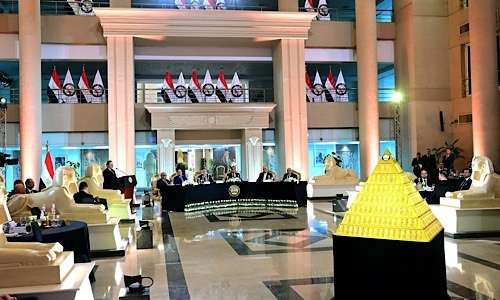
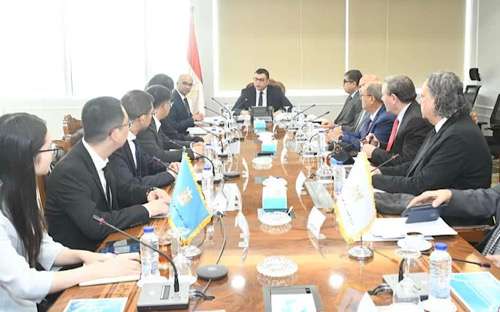
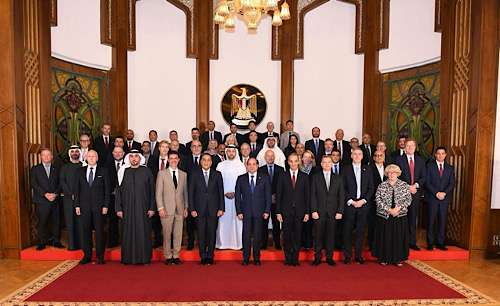
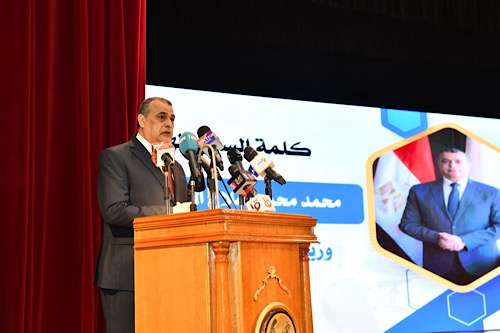
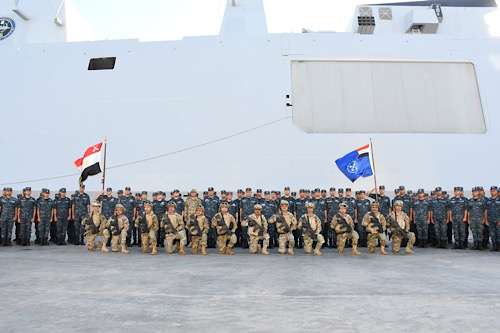
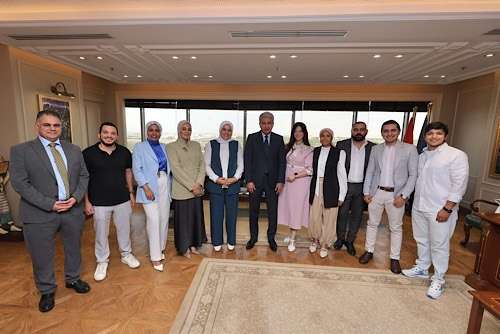
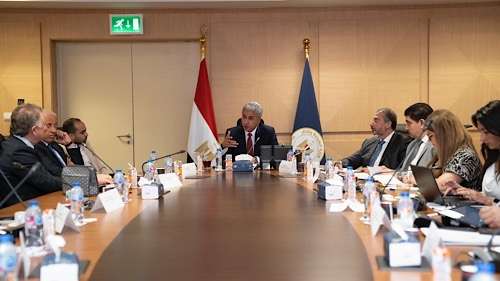
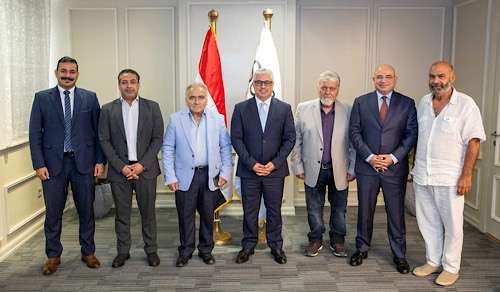
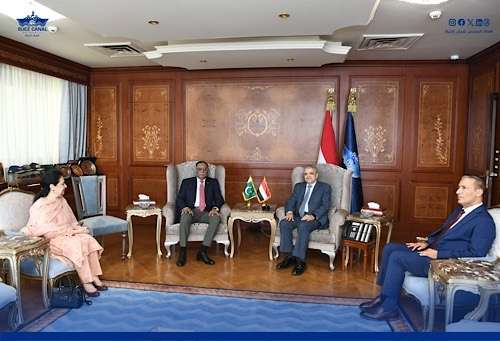
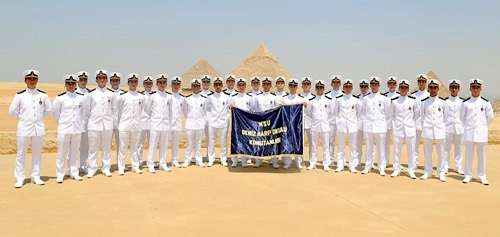
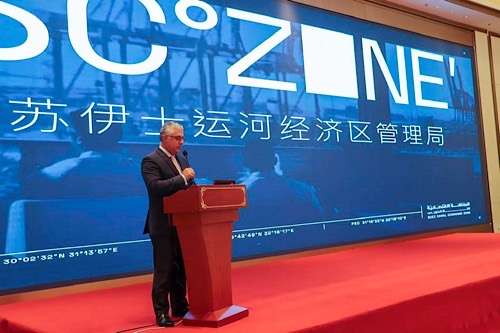
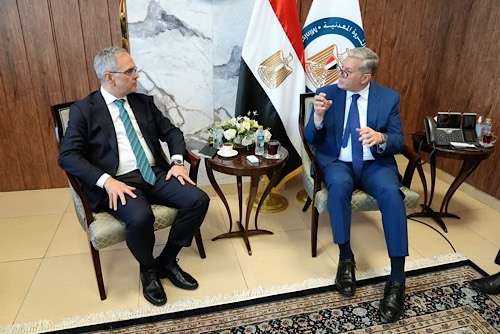
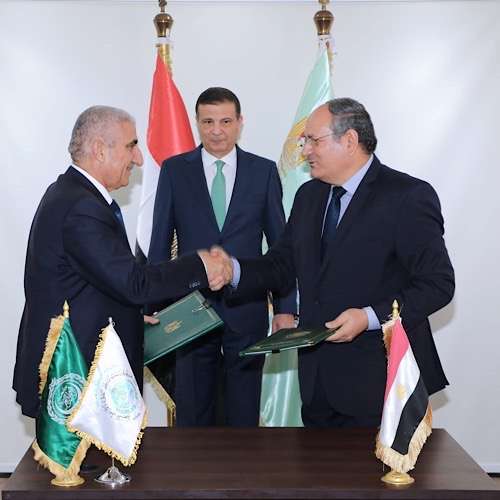
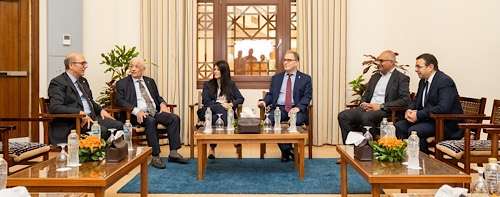
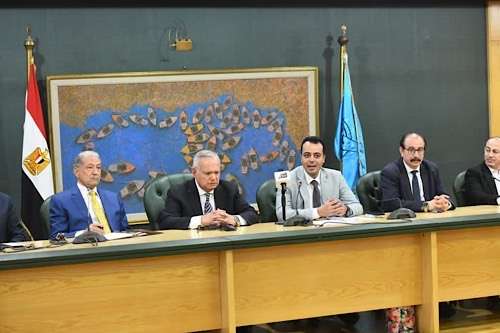
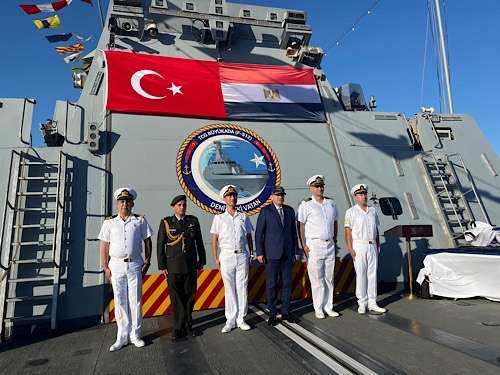
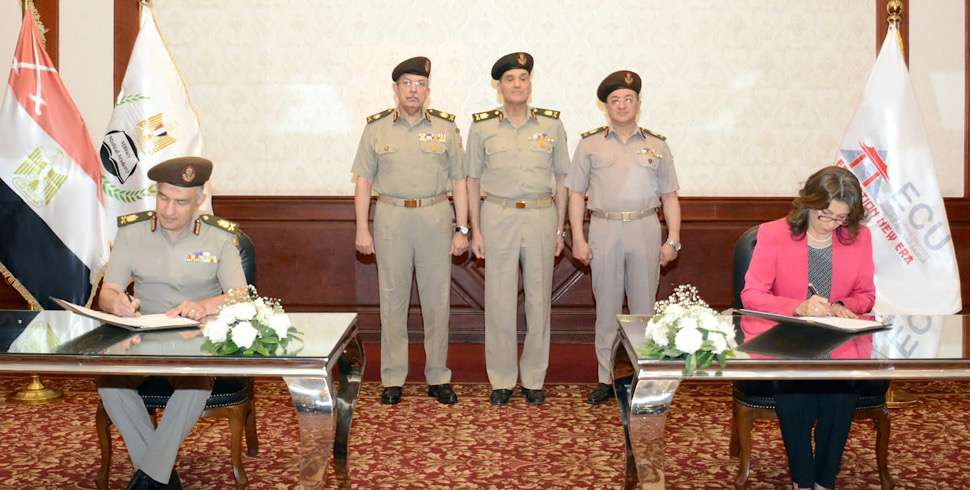
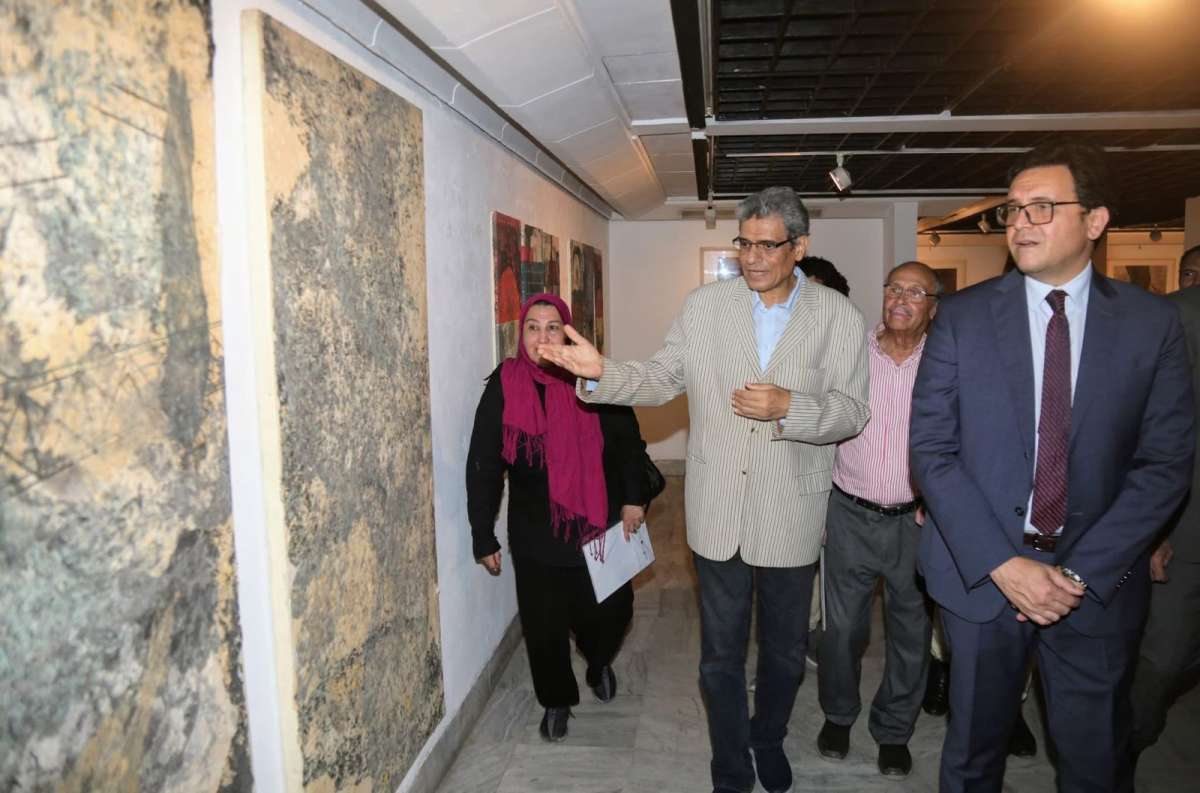
The inauguration ceremony, attended by key leaders including Commander-in-Chief of the Egyptian Navy, Vice Admiral Ashraf Atwa, and Suez Canal Authority Chairman Admiral Osama Rabie, as well as senior government officials and industry figures, underlined the spirit of partnership between Egypt’s naval forces and civilian industry.
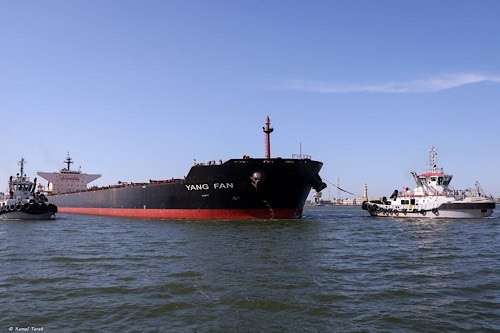
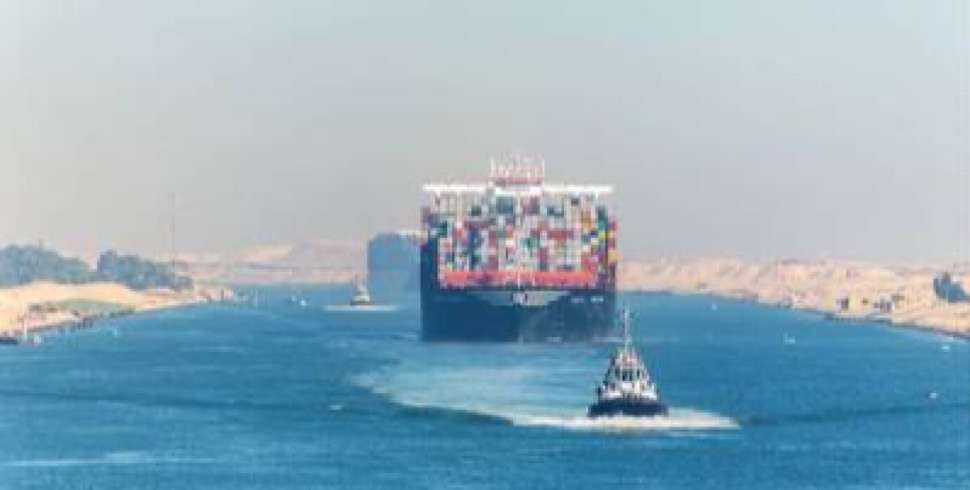
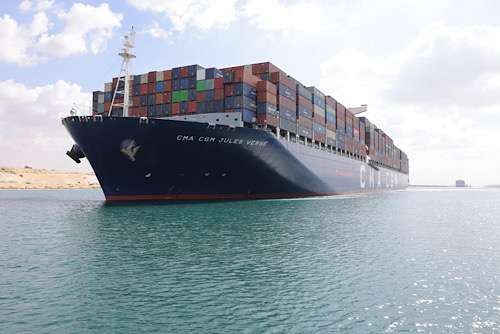
With a remarkable 190-ton bollard pull, “Ismailia 1” incorporates the latest global standards in shipbuilding. The tugboat measures 71.6 meters in length, 18.5 meters in width, has a draft of 7 meters, and reaches speeds up to 16 knots. Its modern design and advanced capabilities ensure efficient handling and navigation support for ships transiting the Suez Canal—a critical artery for international trade.
Admiral Rabie applauded the collaboration with Alexandria Shipyard as a testament to Egypt’s ability to produce competitive maritime assets on par with global benchmarks. He noted that “Ismailia 1” is the biggest and most advanced tugboat ever added to the Suez Canal Authority’s fleet, strengthening the canal’s position as a leading global shipping route.
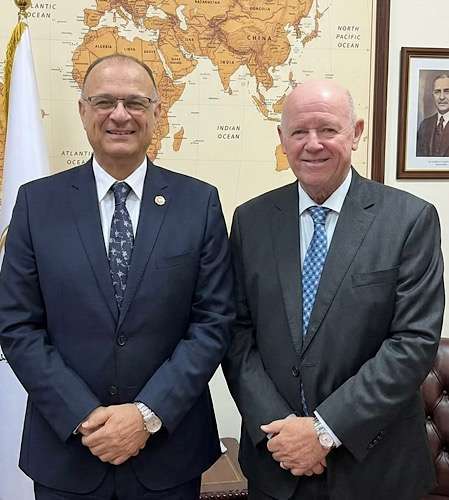
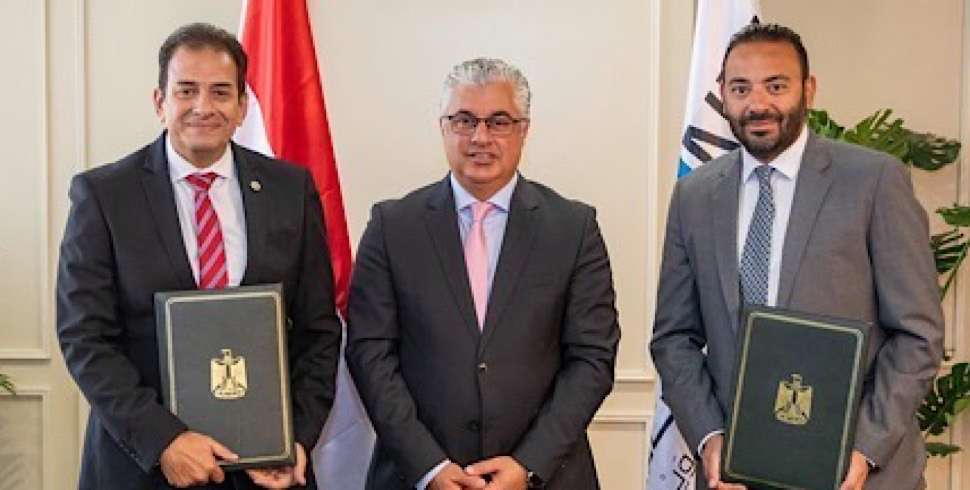
Rear Admiral Hossam El-Din Kotb, CEO of Alexandria Shipyard, expressed his pride in this unprecedented accomplishment for Egypt and the Middle East’s shipbuilding sector. He highlighted that this project proves Egypt can deliver world-class products using the latest industry standards. Looking ahead, he added that Alexandria Shipyard will promote the “Made in Egypt” brand on a global stage.
This launch reflects Egypt’s strategic vision for technological advancement, industrial localization, and broader economic leadership and is expected to pave the way for future projects and international partnerships in maritime industries.