



































































































































































































































































































































































































































































































































































































































































































































































































































Friday, 09 October 2026
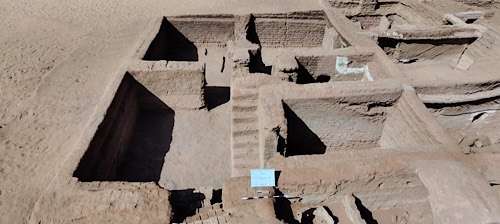
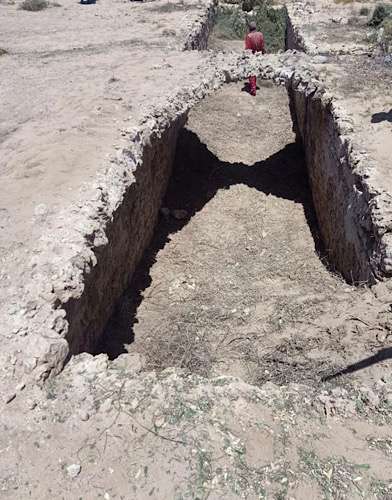
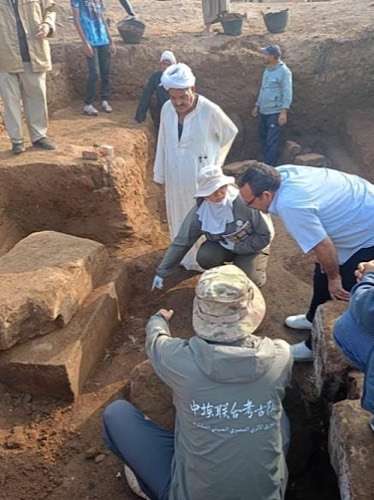
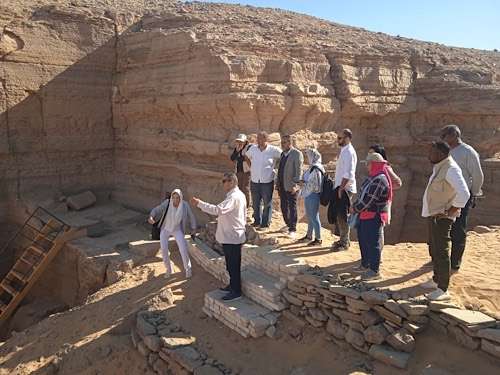
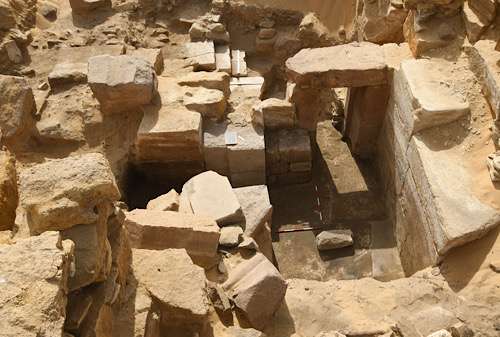
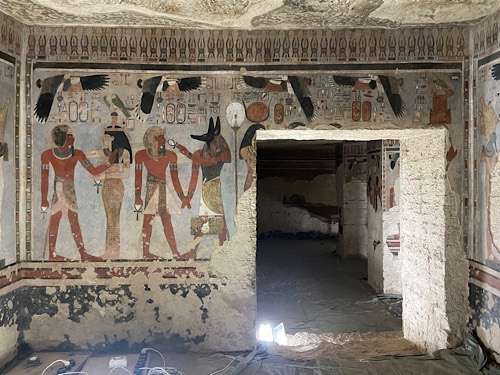
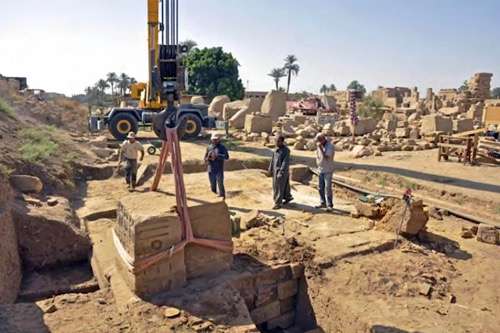
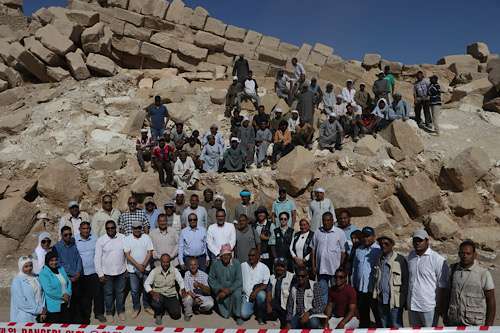
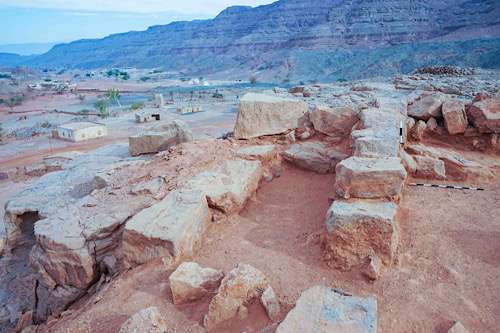
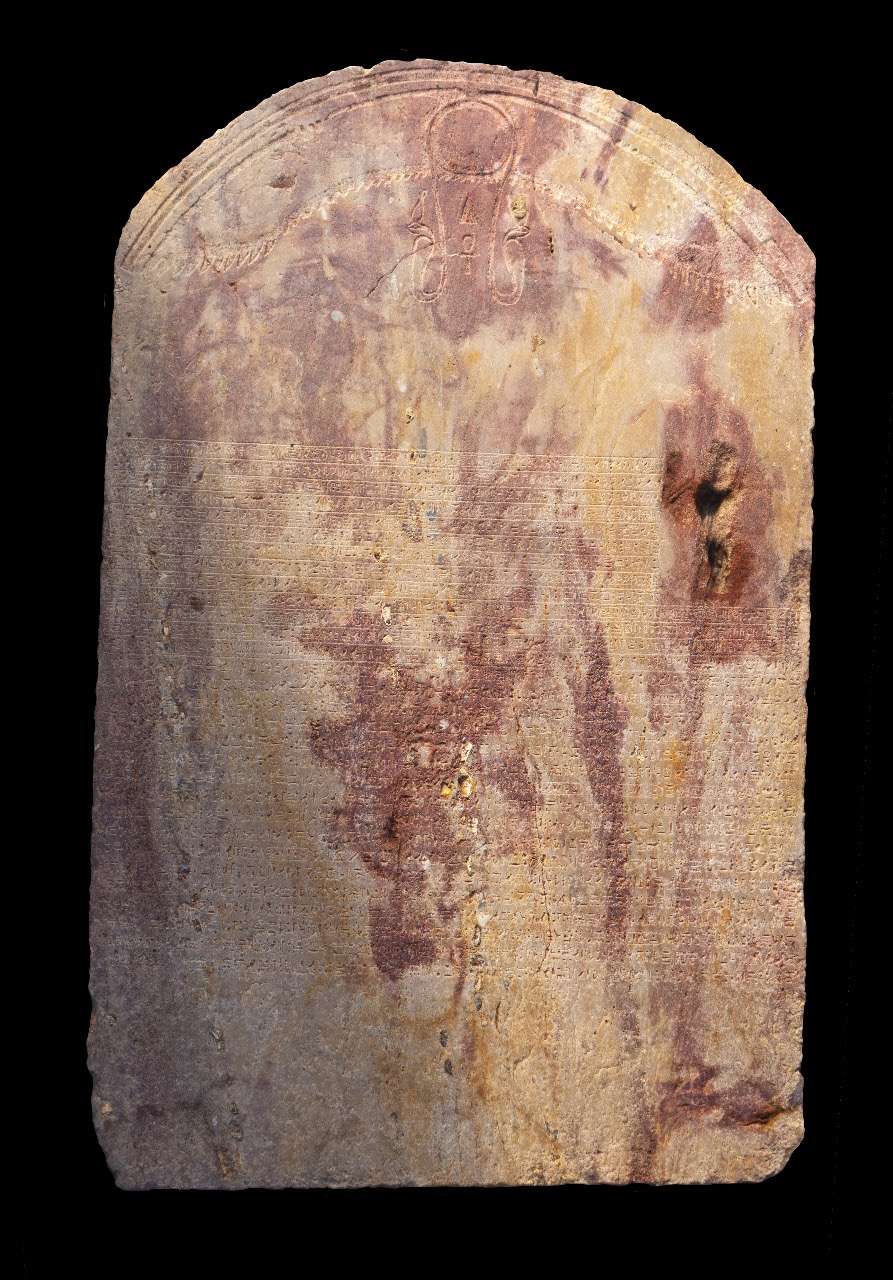
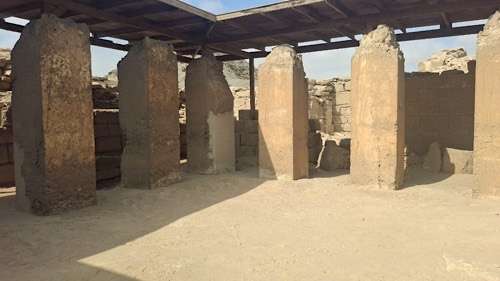
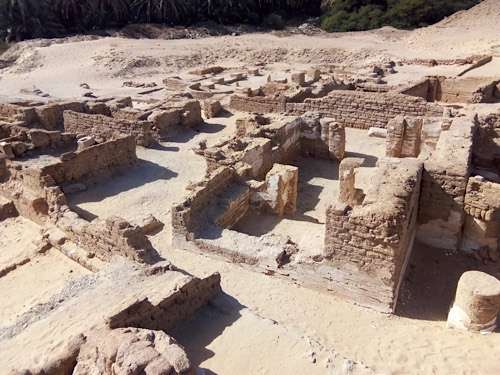
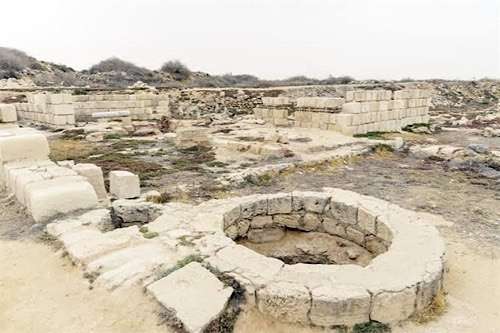
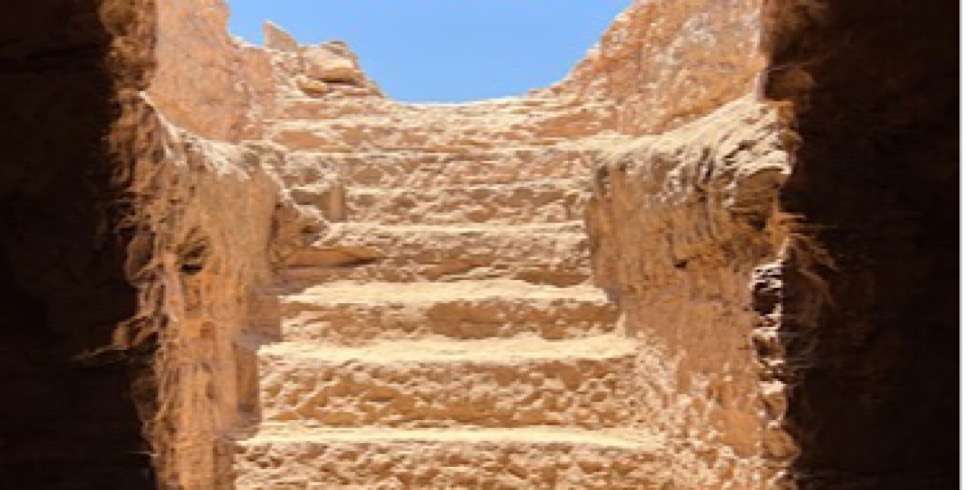
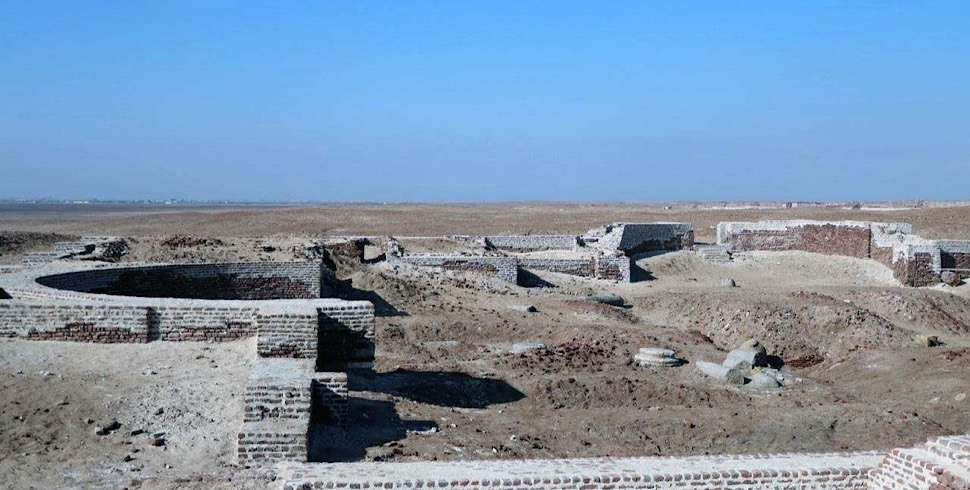
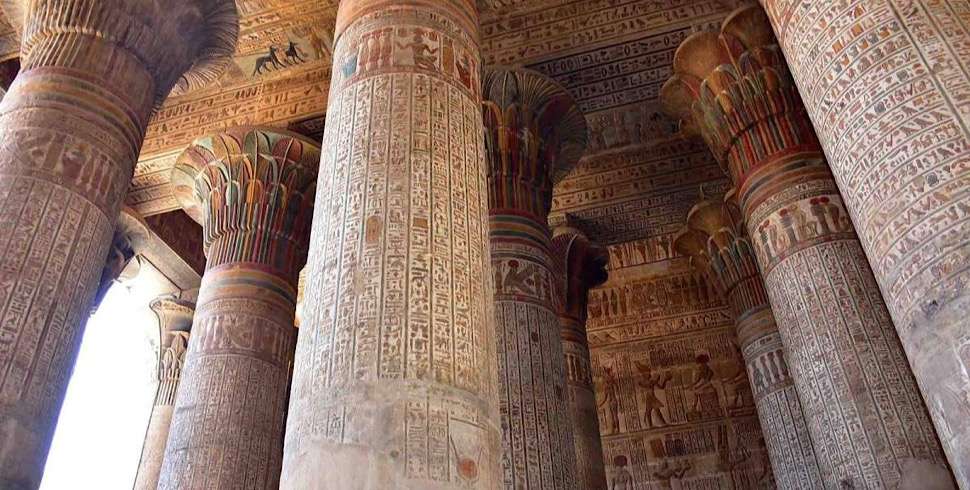
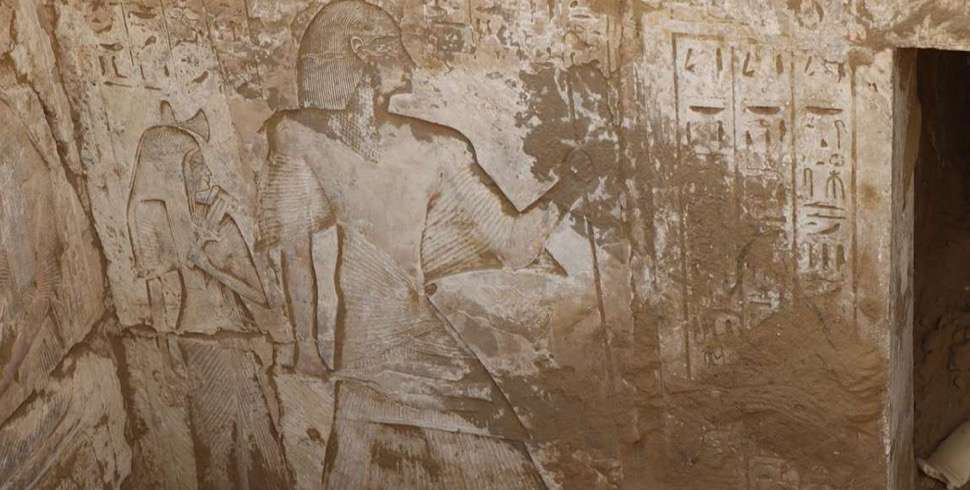
The Egyptian Ministry of Tourism and Antiquities has announced a remarkable new archaeological discovery: three ancient rock-cut tombs have been uncovered at the historic Qubbet el-Hawa Necropolis in Aswan.
The find was made by the Egyptian archaeological mission during the current excavation season and dates back to Egypt’s Old Kingdom.
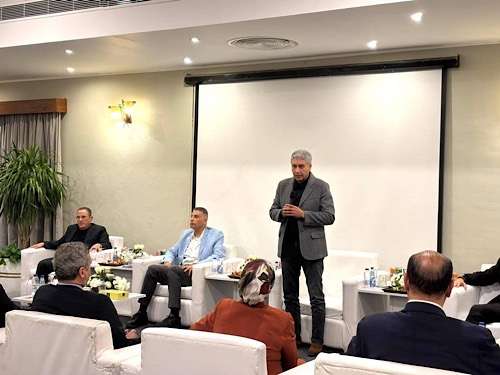
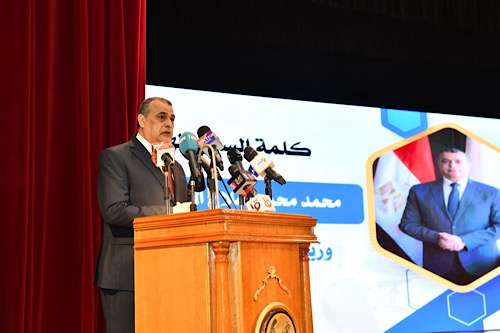
Dr. Mohamed Ismail Khaled, Secretary-General of the Supreme Council of Antiquities, confirmed that initial studies suggest some of these tombs were reused during the Middle Kingdom. This highlights the enduring importance of Qubbet el-Hawa as a key burial site over many centuries of Pharaonic history.
"This discovery enriches our understanding of an important transitional period between the end of the Old Kingdom and the beginning of the First Intermediate Period," Dr. Khaled explained.

He noted that some of these newly uncovered tombs were constructed without inscriptions, yet they preserved distinctive architectural features and traditional burial rituals—an indicator of the challenging economic circumstances of that era.
Mr. Mohamed Abdel-Badea, Head of the Egyptian Antiquities Sector, shared details about the three tombs:
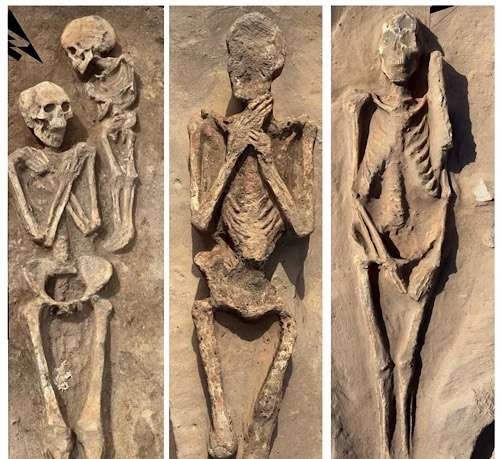
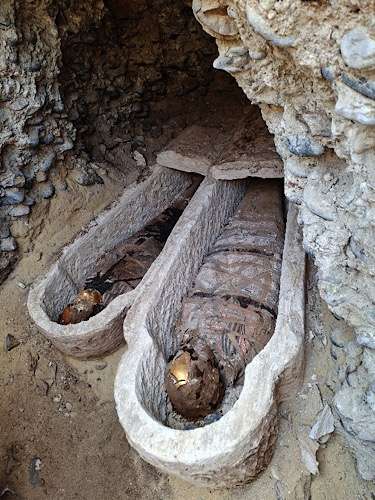
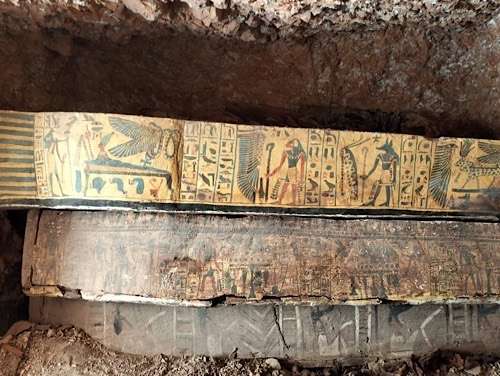
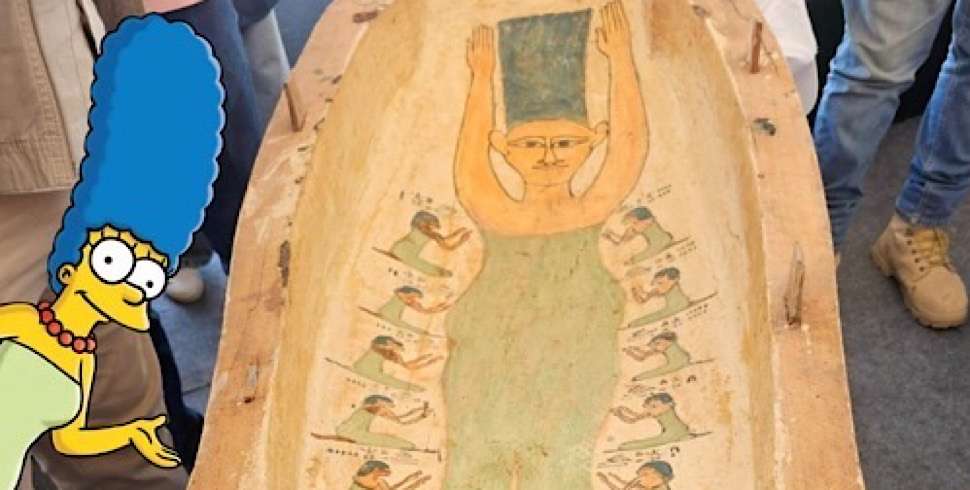
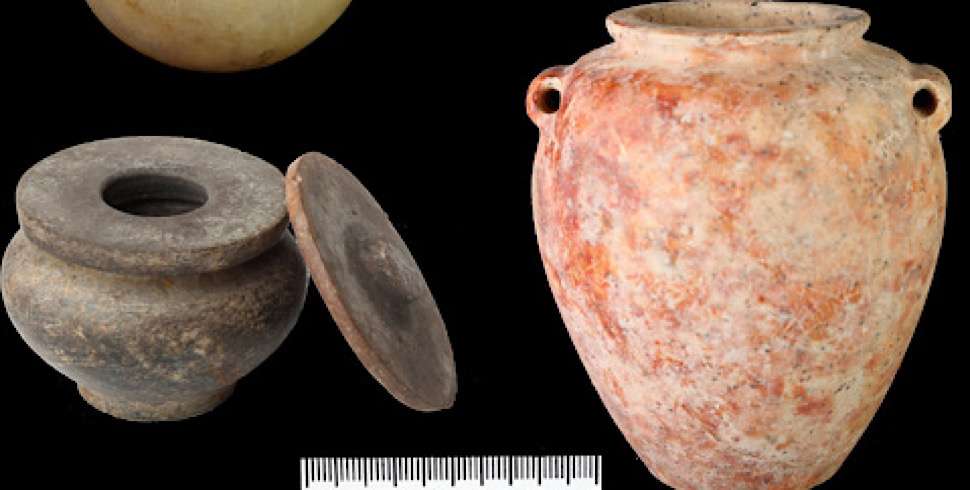
- The first tomb, unadorned by inscriptions, consists of an outer courtyard where archaeologists found two false doors, two offering tables, pottery vessels, coffins in poor condition, and several human skeletons. Inside the burial shaft, deteriorated wooden coffins and more pottery were discovered—some bearing hieratic inscriptions dating back to the Old Kingdom.
- The second tomb, located to the west of the first, is also without inscriptions and features two offering tables and pottery from the Middle Kingdom. Its architectural style suggests it was originally built at the end of the Old Kingdom or the start of the First Intermediate Period and was later reused during the Middle Kingdom.
- The third tomb, distinct in its architectural design, lies west of the tomb of Ka-Kem (from the New Kingdom). This tomb, also lacking inscriptions, contained a remarkable amount of well-preserved pottery and skeletal remains, including those of children. Evidence points to its origins in the Old Kingdom.
This latest discovery reaffirms the Qubbet el-Hawa Necropolis as one of the most significant archaeological sites in southern Egypt. It offers fresh insights into the changing funerary traditions, architecture, and chronology during dynamic and formative eras of ancient Egyptian history.