







































































































































































































































































































































































































































































Friday, 09 October 2026
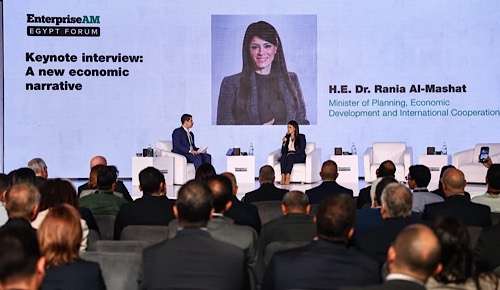
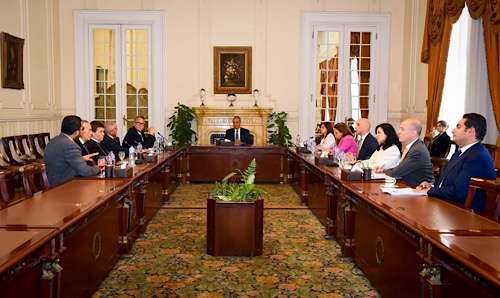
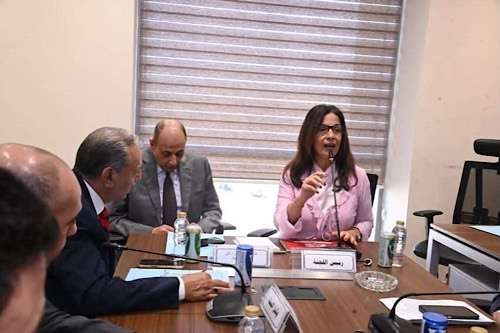
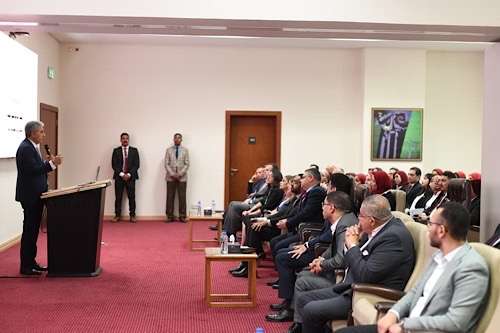
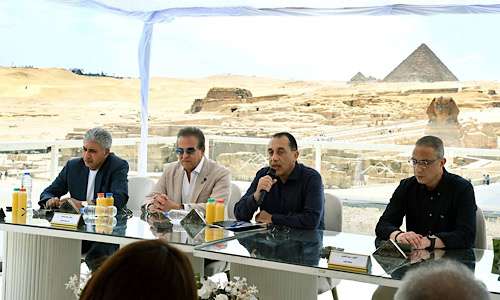
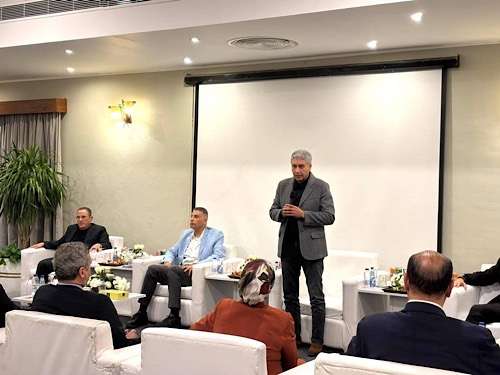
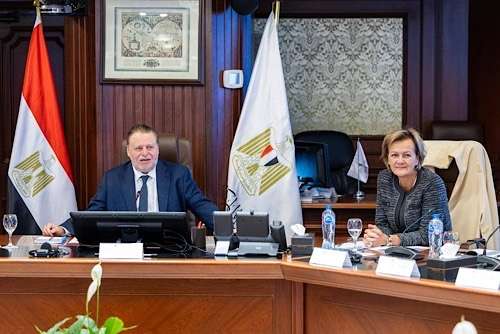
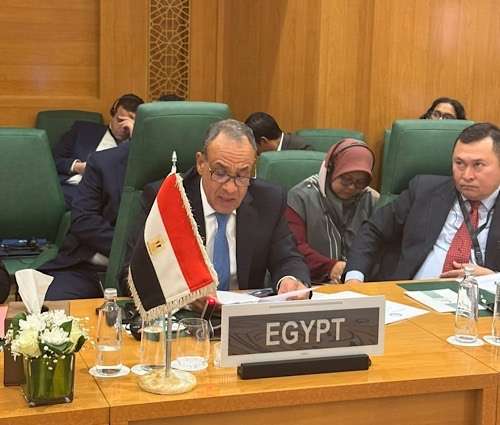
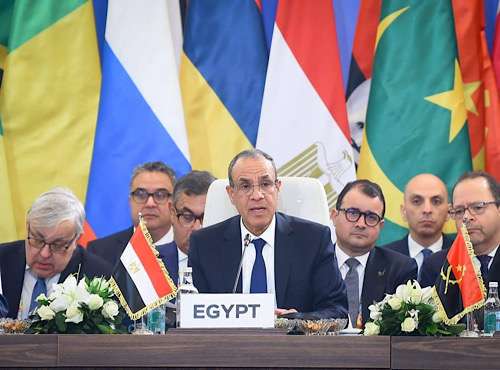
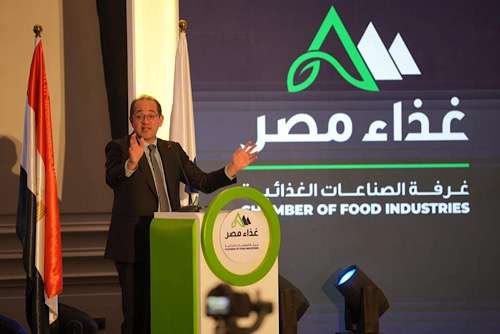
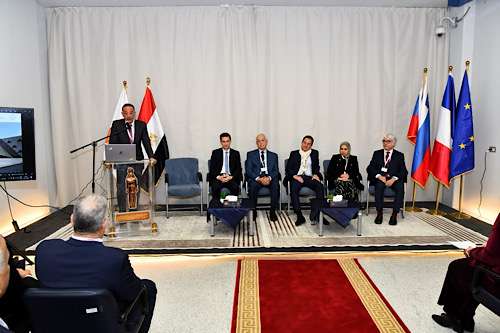
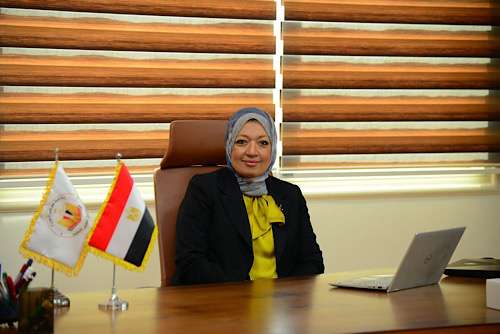
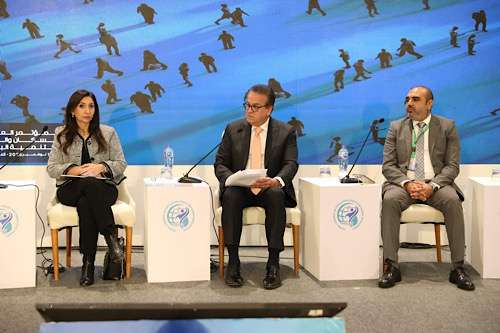
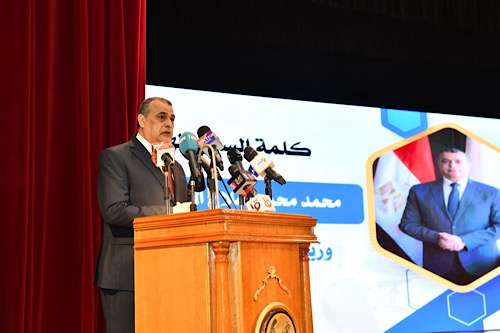
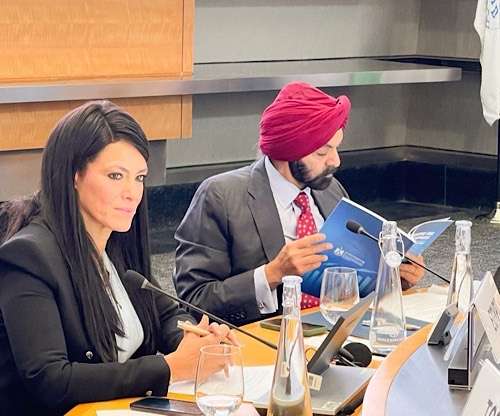
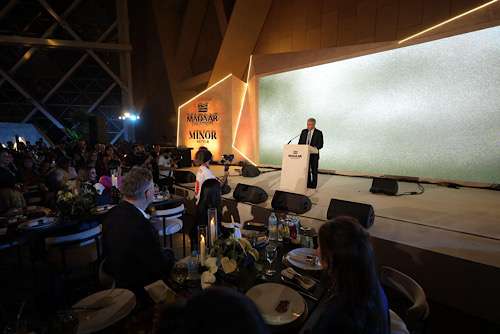
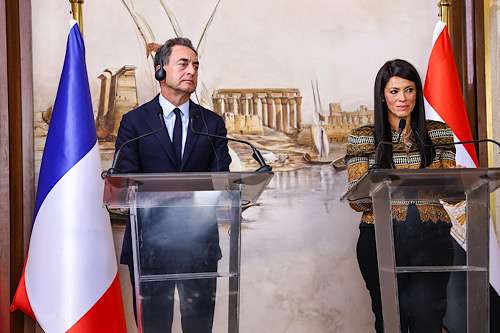
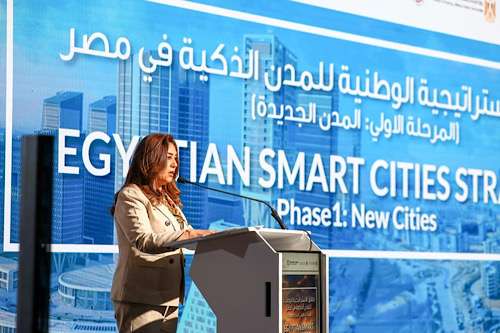
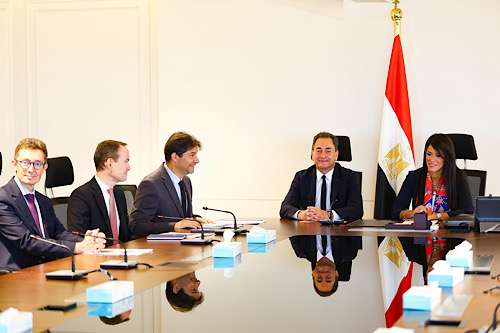
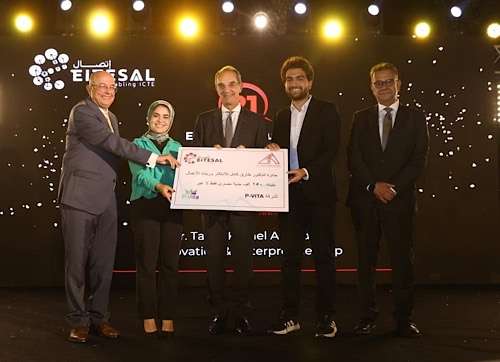
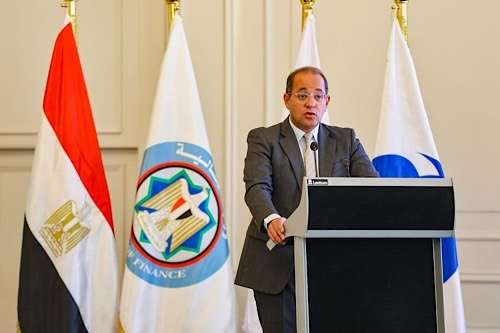
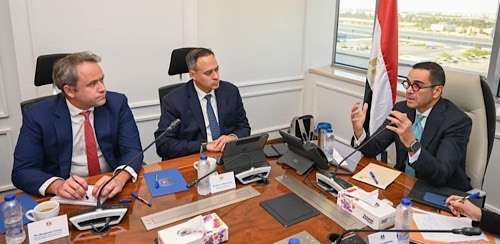
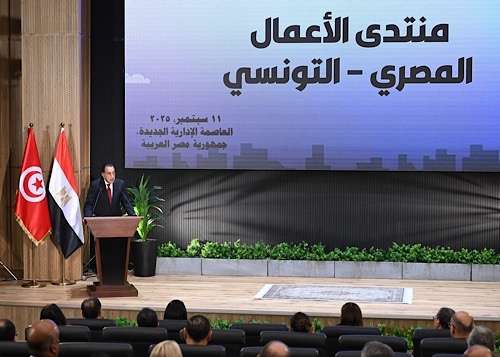
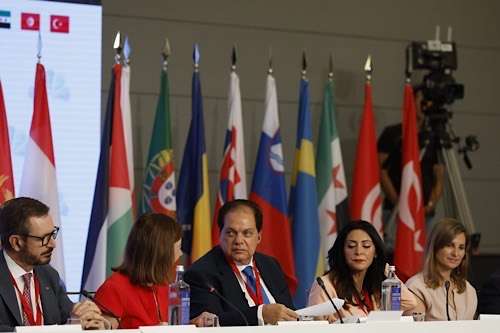
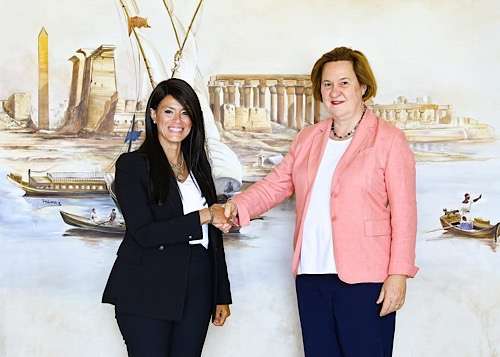
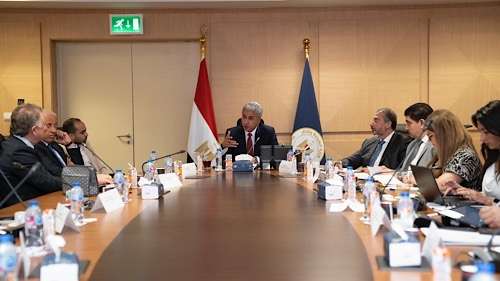
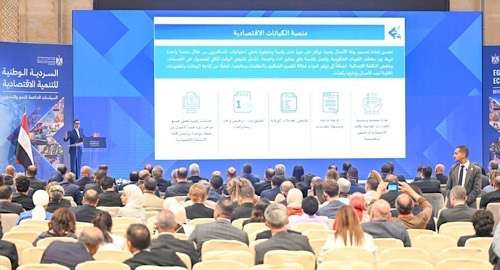
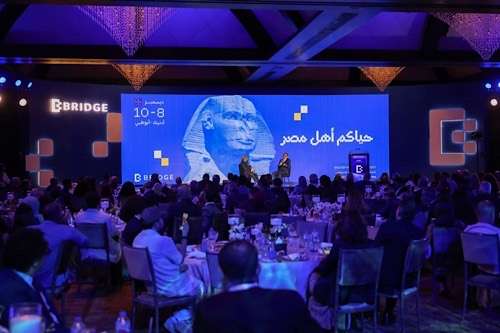
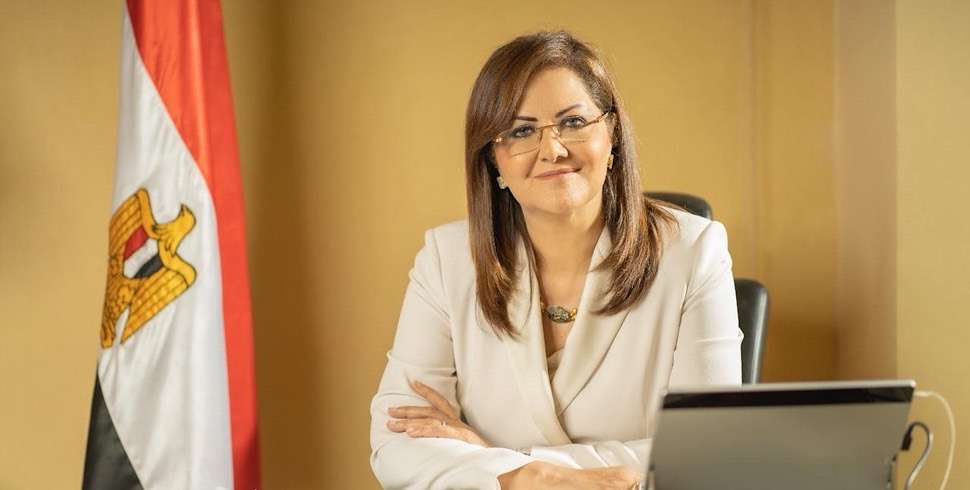
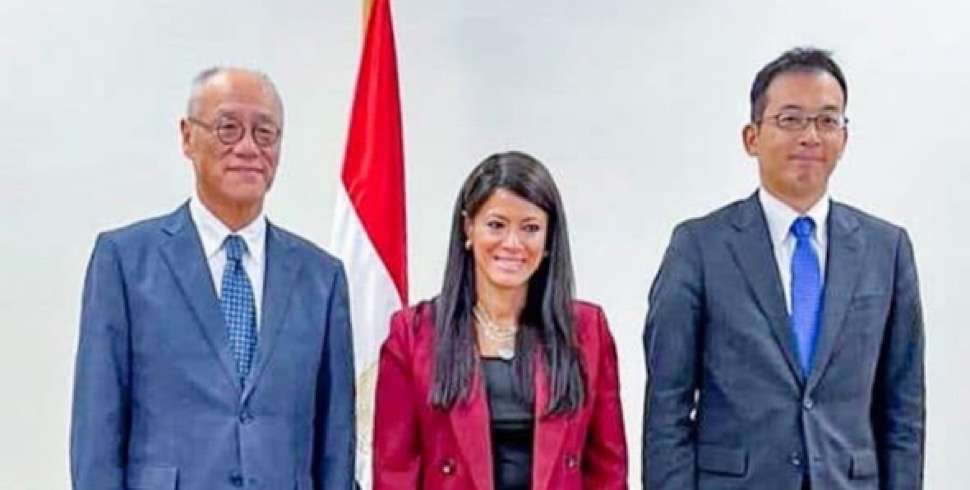
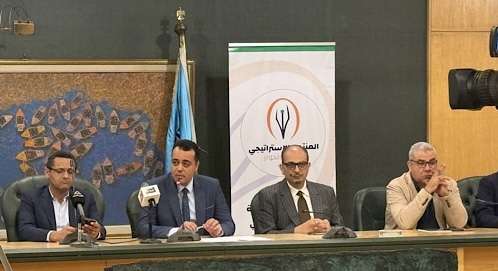
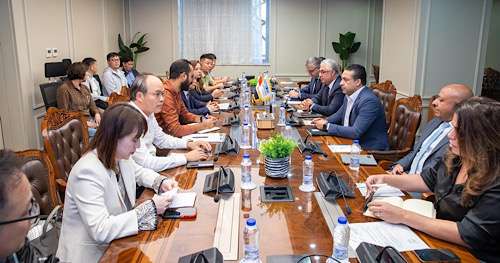
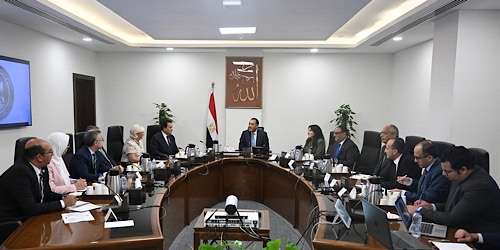
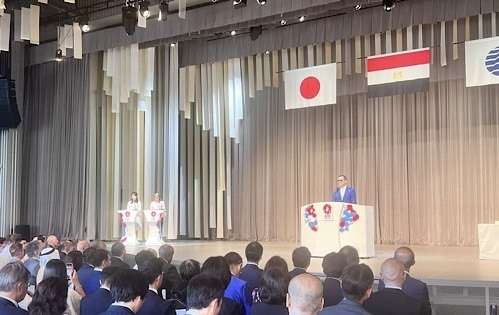
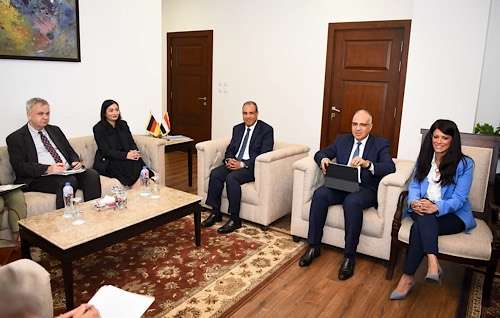
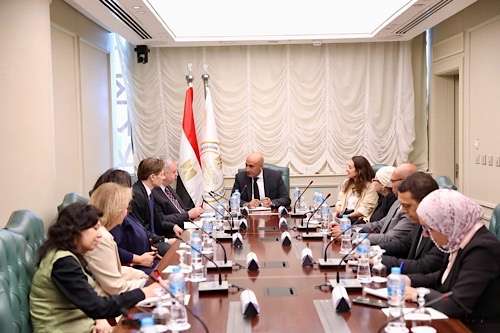
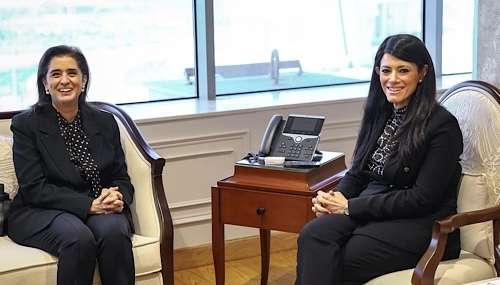
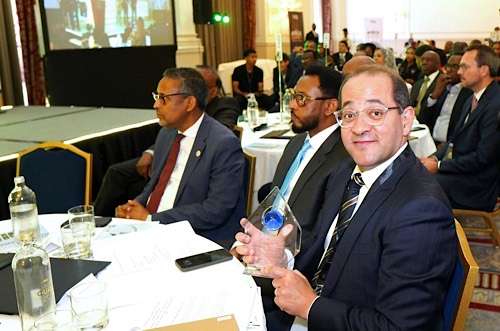
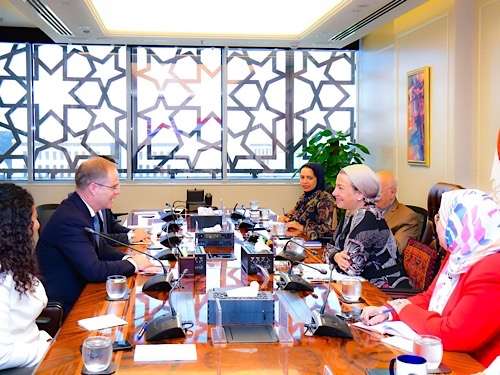
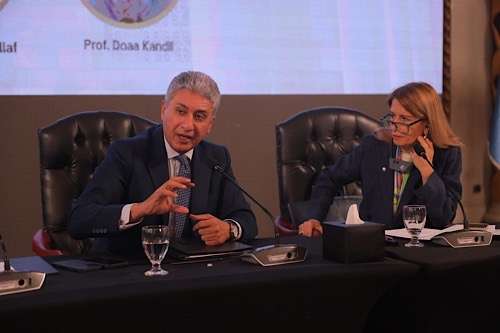
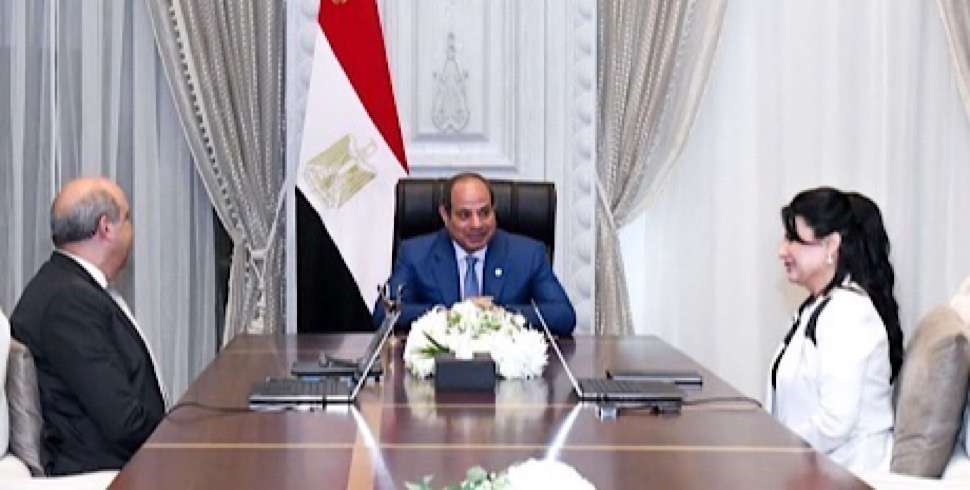
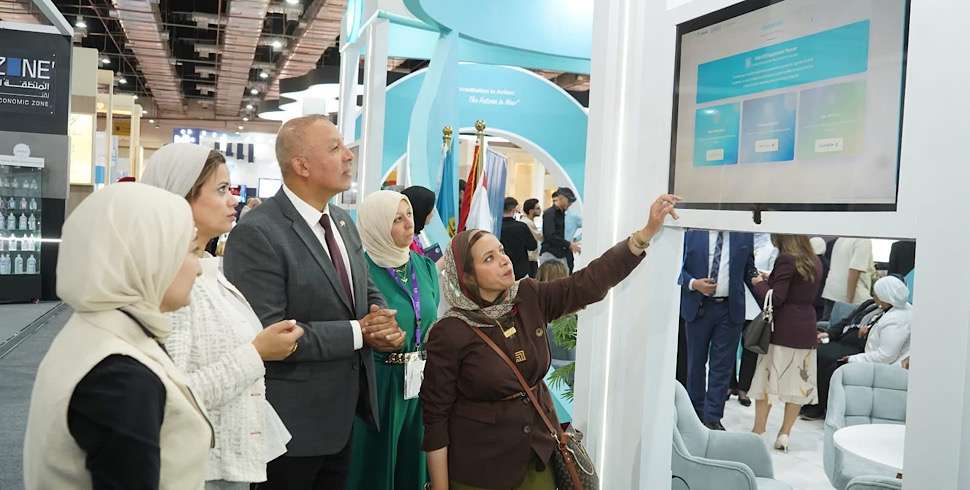
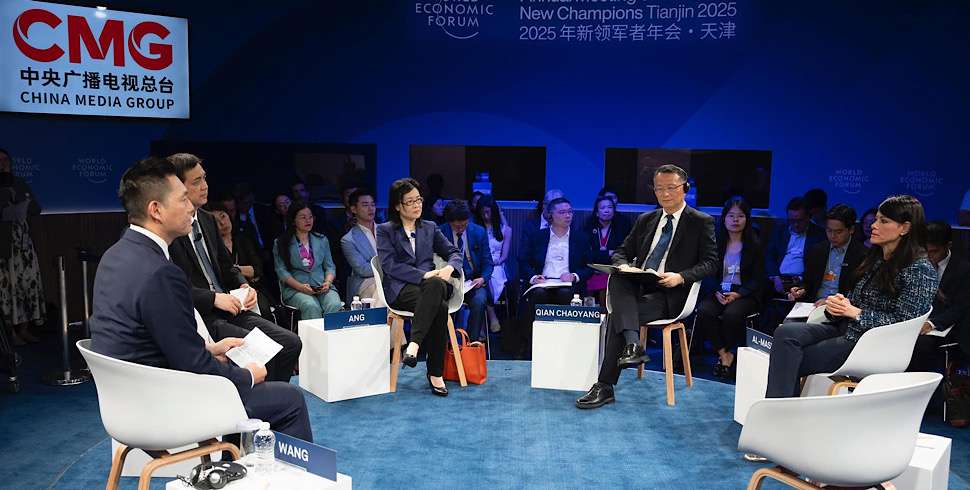
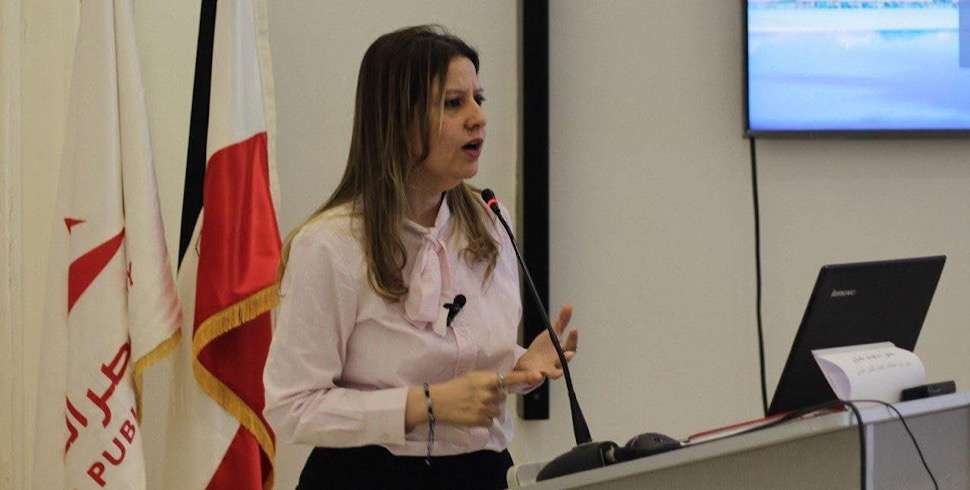
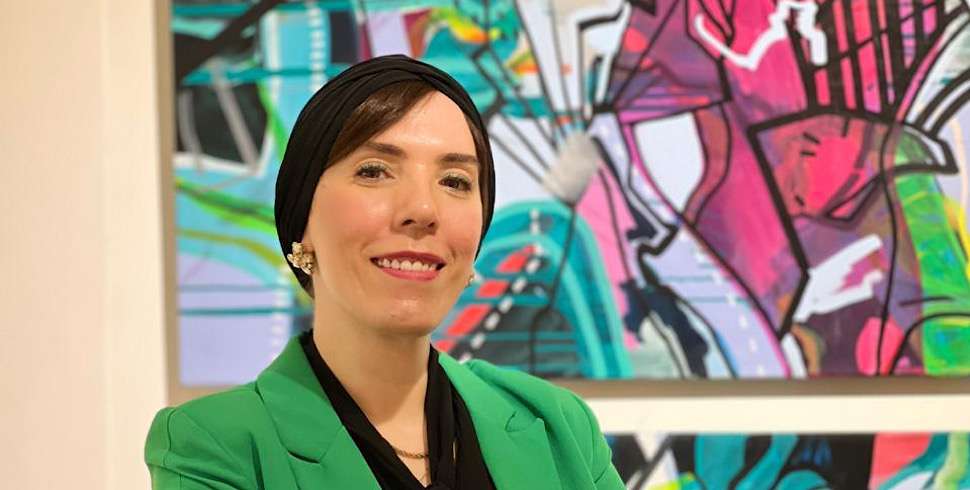
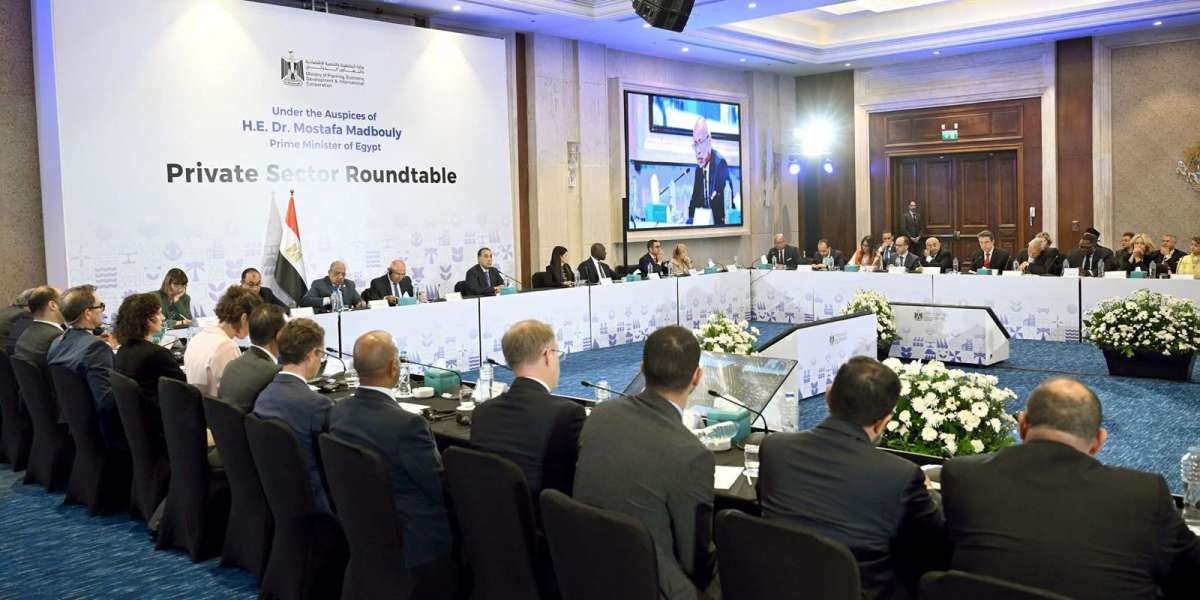
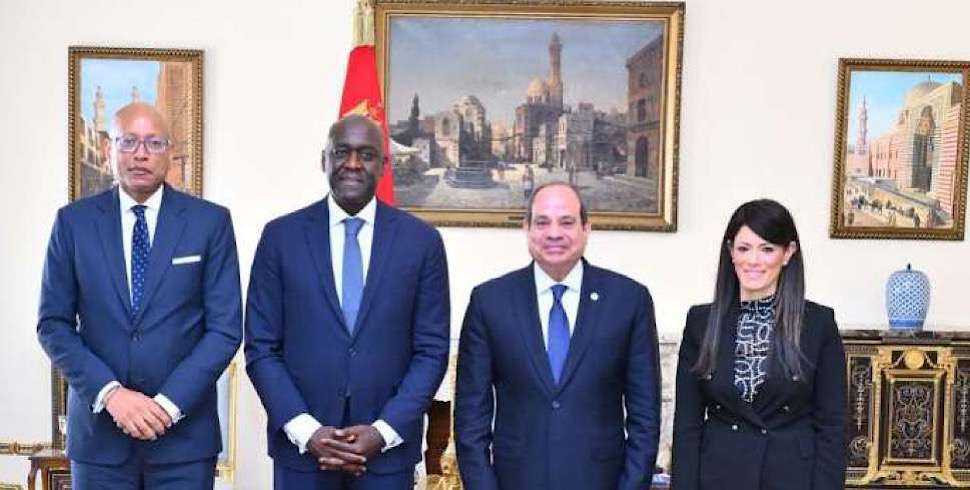
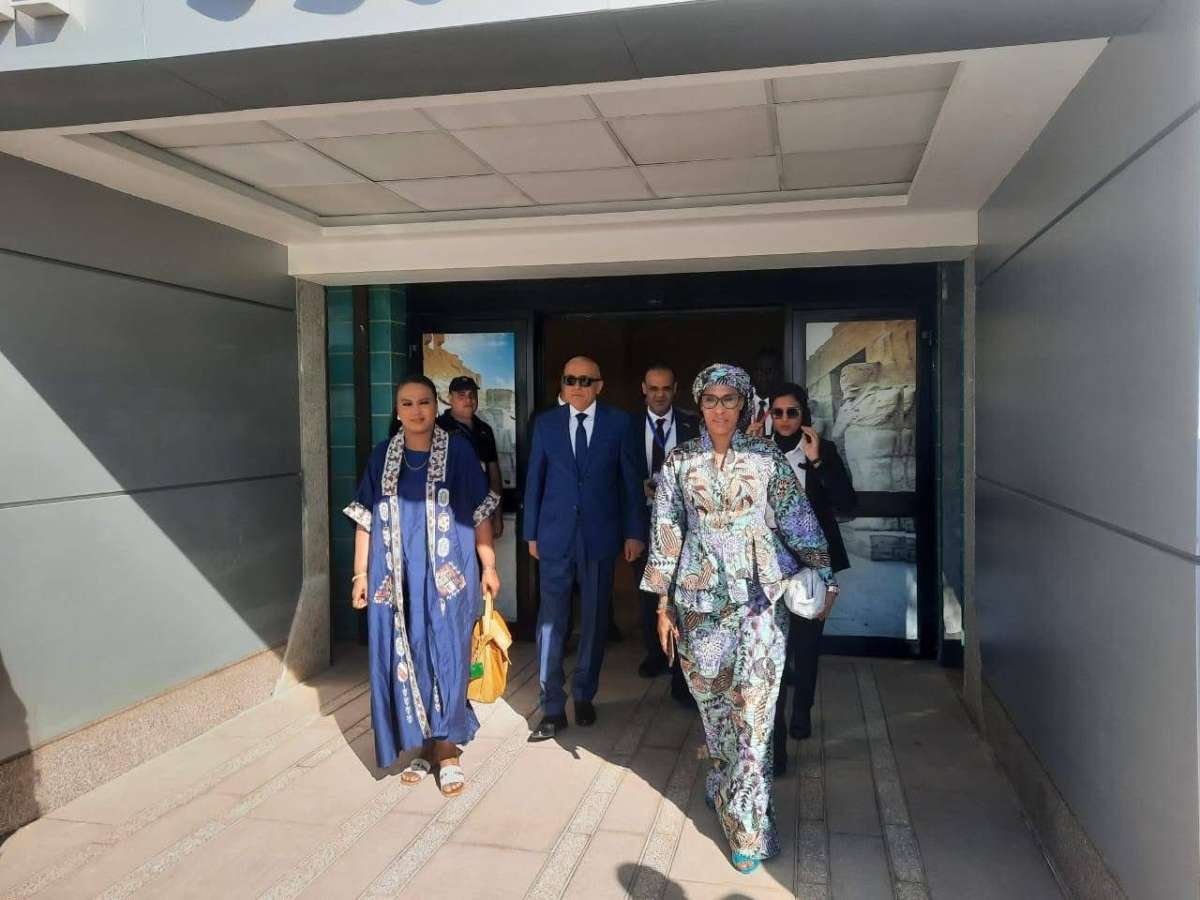
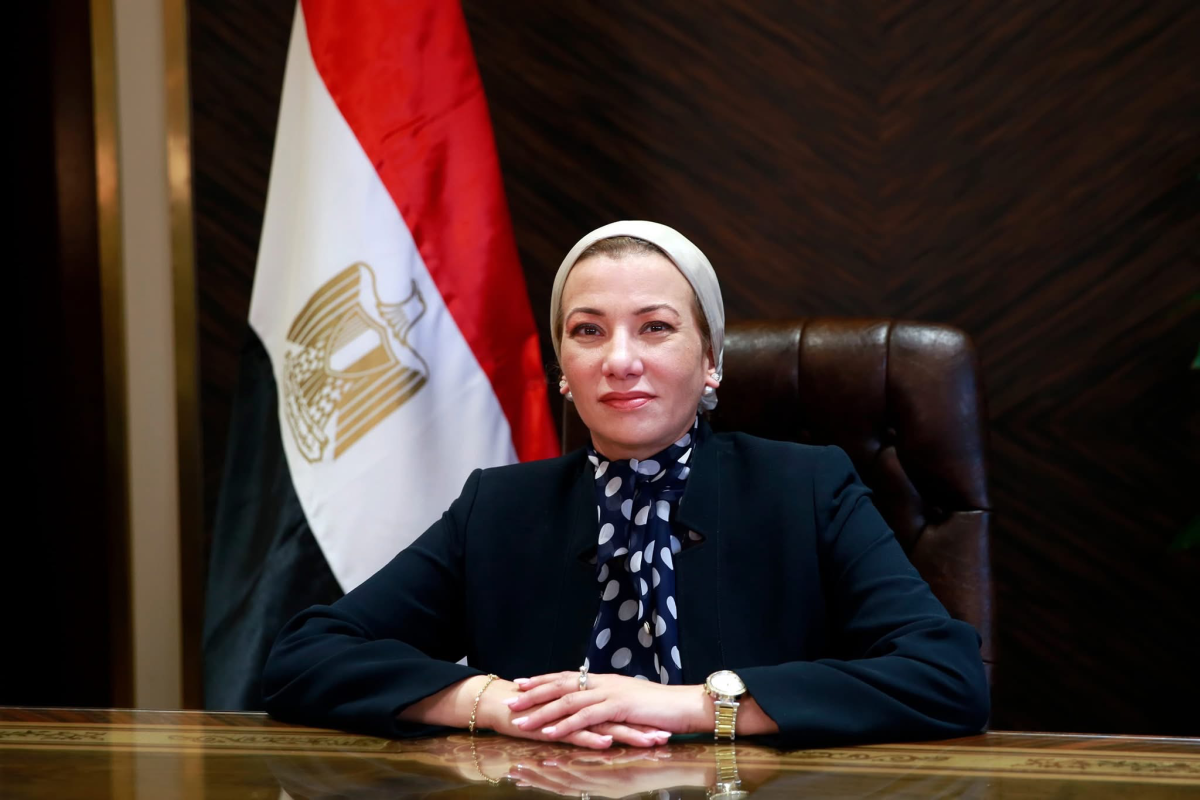
Egypt’s Minister of Planning, Economic Development, and International Cooperation, Dr. Rania Al-Mashat, outlined a comprehensive new phase of Egypt’s economic reform program during her remarks at the “Enterprise Egypt 2025” forum, highlighting key initiatives intended to foster private sector growth, strengthen macroeconomic stability, and accelerate sustainable development.
Minister Al-Mashat introduced Egypt’s “National Economic Development Narrative”—a strategic plan that goes beyond fiscal reform to include structural changes across real economy sectors. The plan features a fixed timeline for implementing over 100 structural reforms, with a focus on boosting the business climate, promoting fair competition, and creating opportunities for private sector investment.
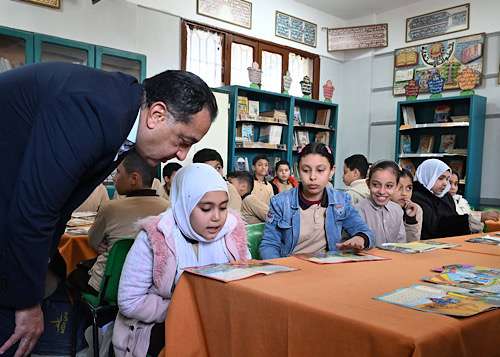
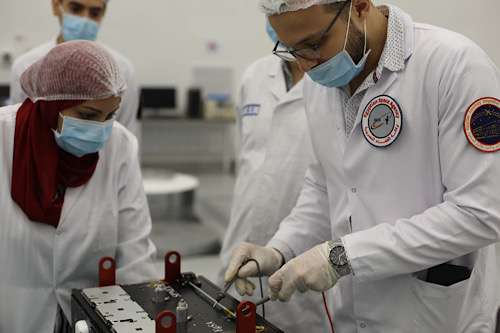
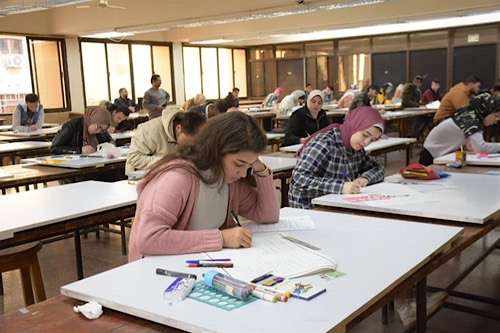
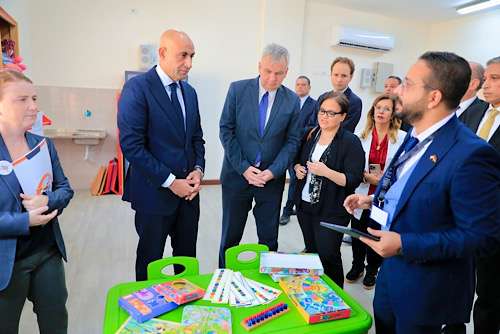
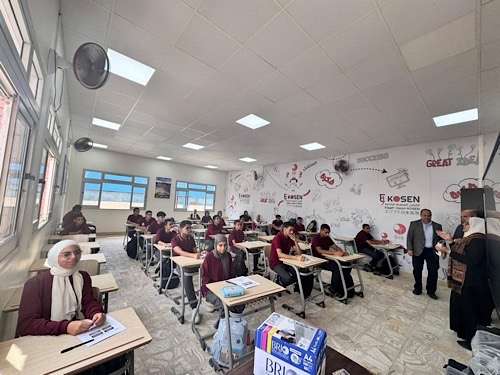
Core to the new approach is connecting education and vocational training with market needs. The government aims to expand technology-focused schools in partnership with the private sector and adapt curricula to emerging sectors, ensuring young Egyptians have skills aligned with future job markets.
Dr. Al-Mashat emphasized the importance of integrating fiscal and monetary policies and improving governance of public investment. These steps are designed to maintain Egypt’s macroeconomic stability and create a more predictable investment environment for both local and international investors.
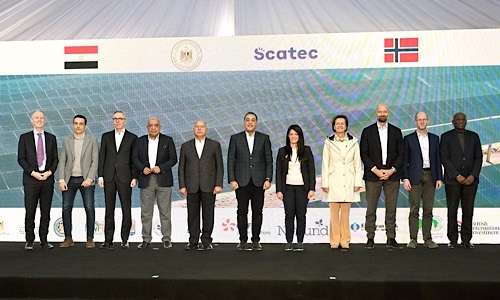
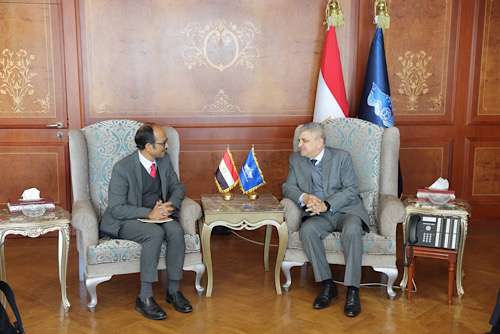
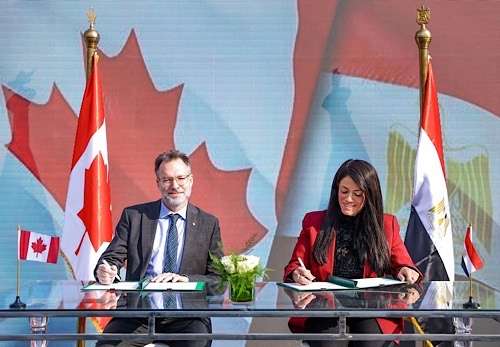
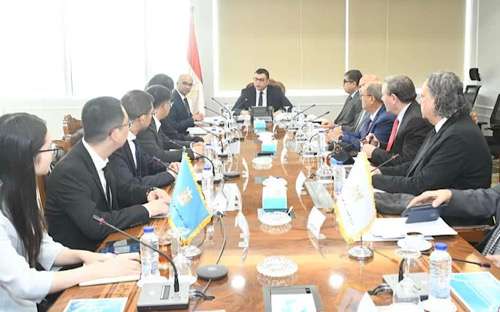
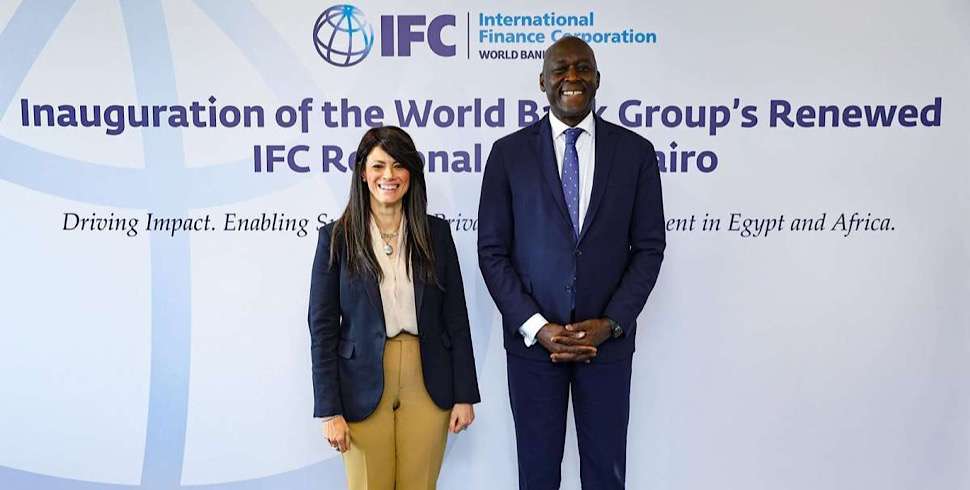
Over the past four years, Egypt has received over $16 billion in concessional funding from international financial institutions—including the EBRD and IFC—for private sector investments. The country is now positioned as a regional hub for global partners seeking to provide technical and financial support. Additionally, 57% of all investment in the last fiscal year came from the private sector, reflecting efforts to streamline regulations and phase out certain preferential treatments for state-owned enterprises.
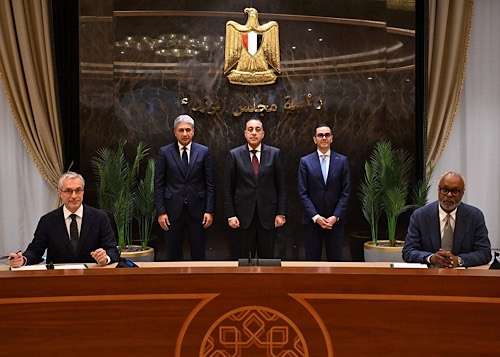
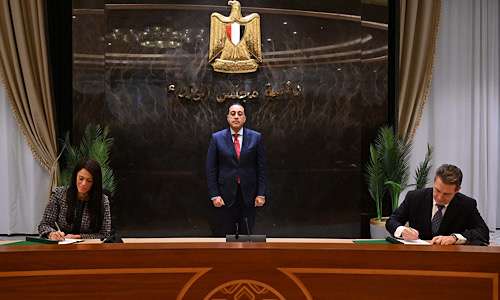
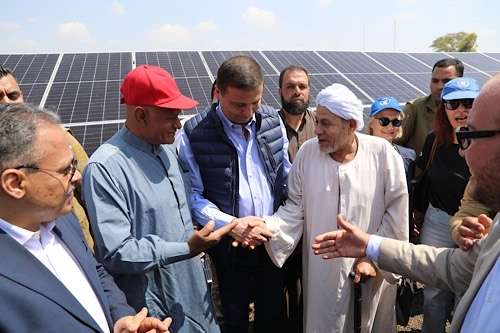
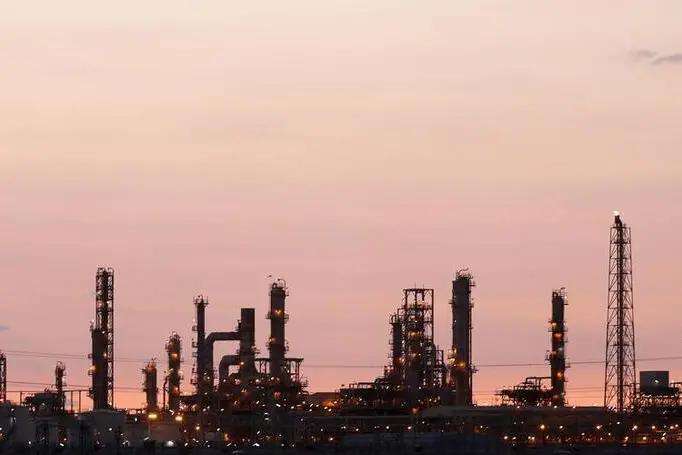
Highlighting Egypt's commitment to sustainability, Dr. Al-Mashat described ongoing projects under the “NWFE” platform, which channels investment into green projects across water, food, and energy sectors. A notable example is the new renewable energy power plant in Nagaa Hammadi, supplying EgyptAlum with clean energy—developed through international cooperation.
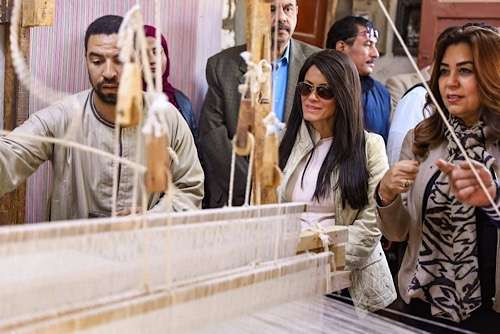
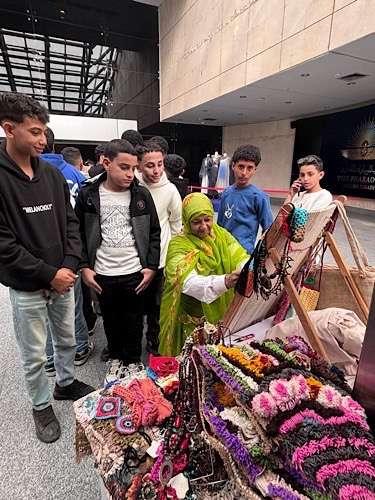
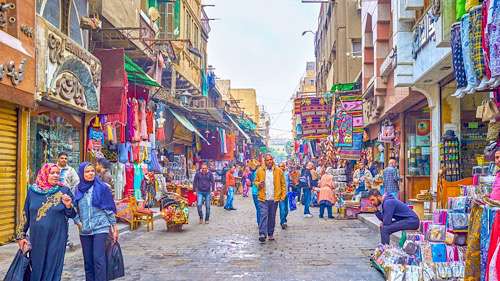
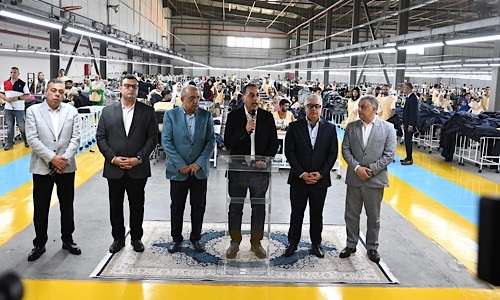
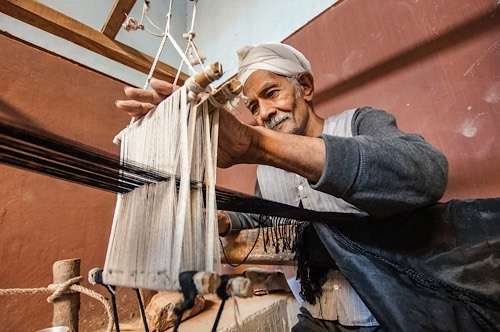
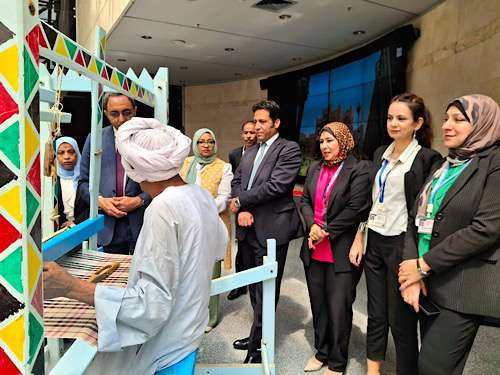
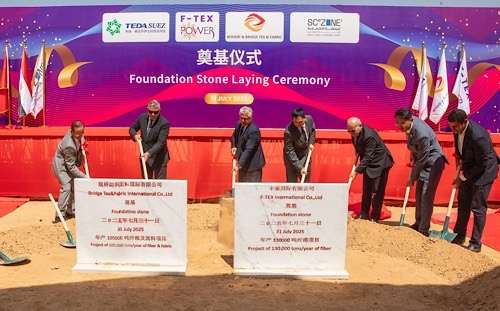
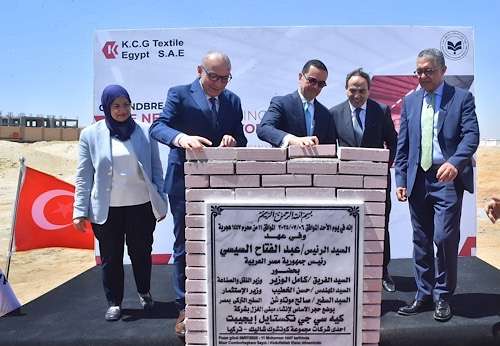
Efforts are also underway to bridge regional development gaps and leverage the unique strengths of Egypt’s diverse provinces. Initiatives in Upper Egypt have already led to growth in the ready-made garments and textiles industries, driven by both domestic and foreign investors.
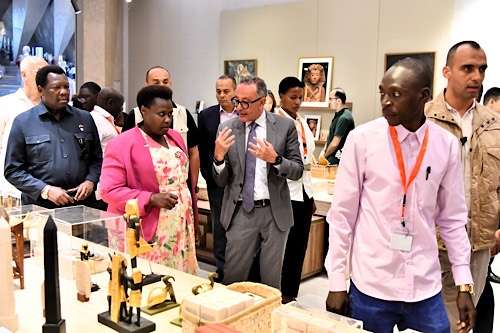
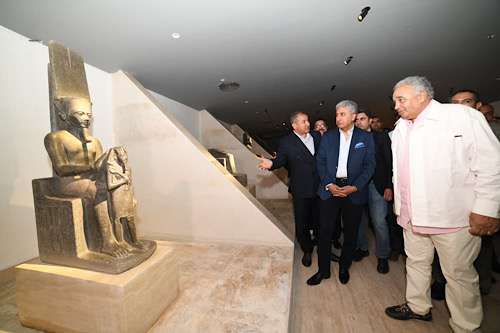
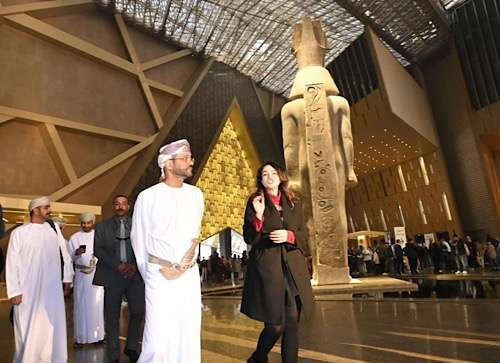
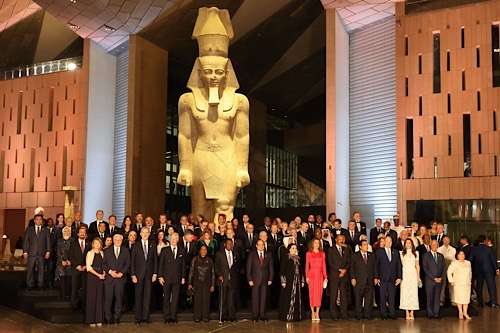
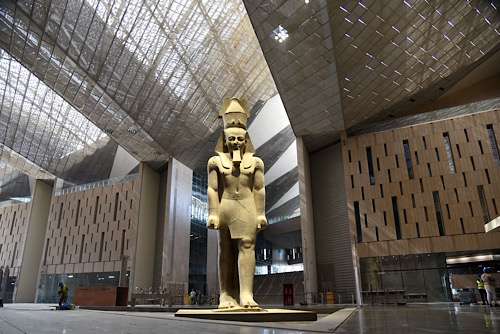
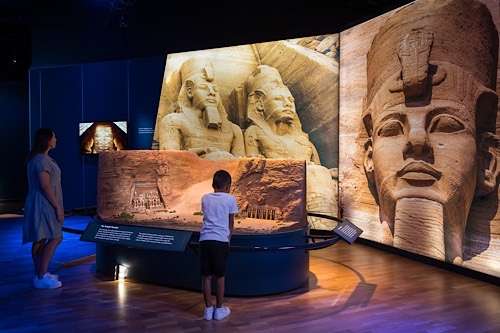
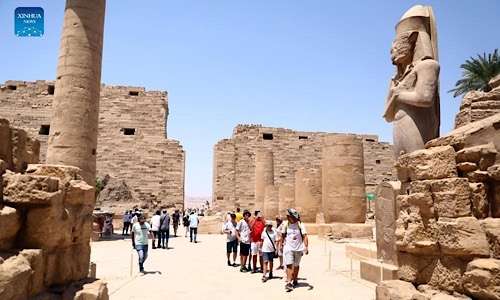
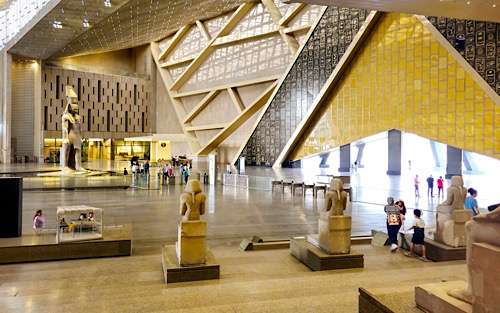
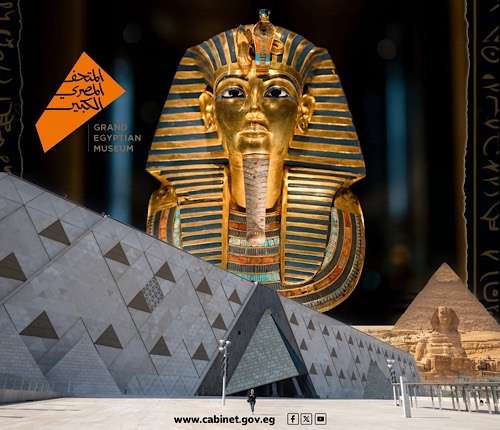
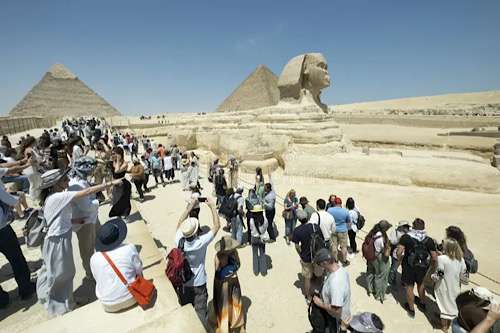
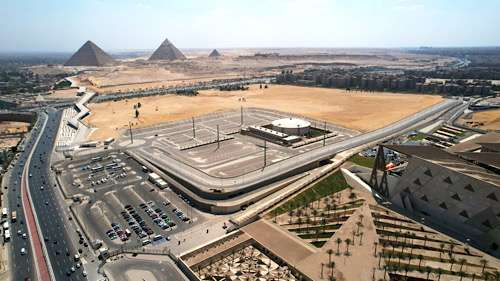
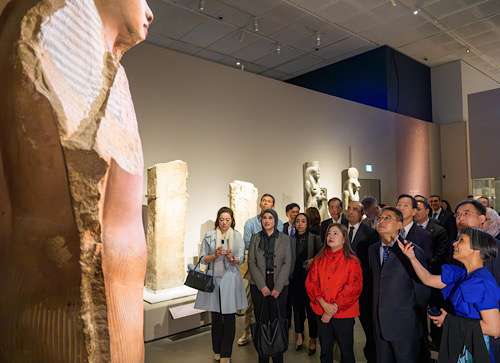
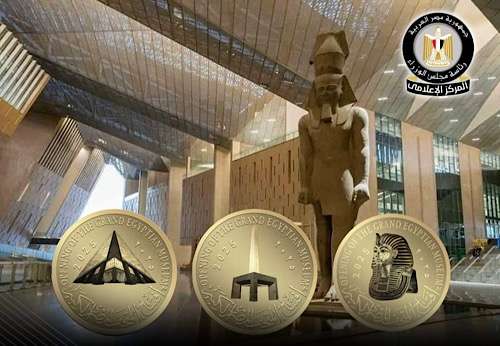
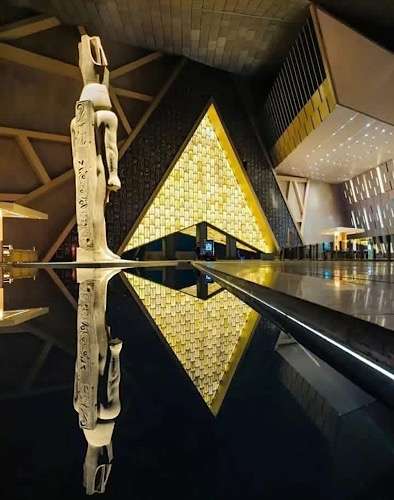
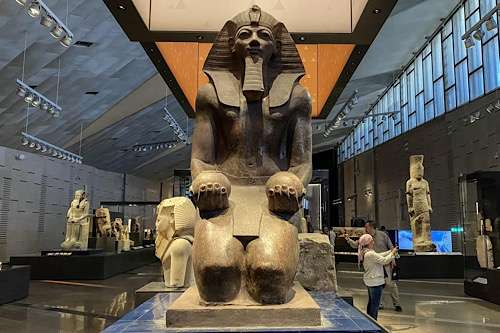
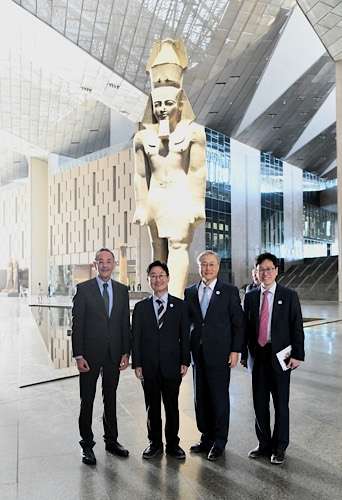
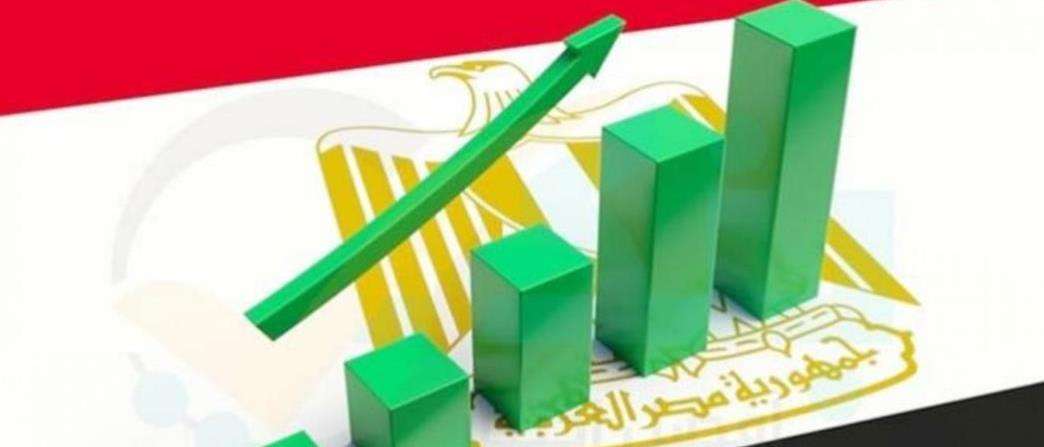
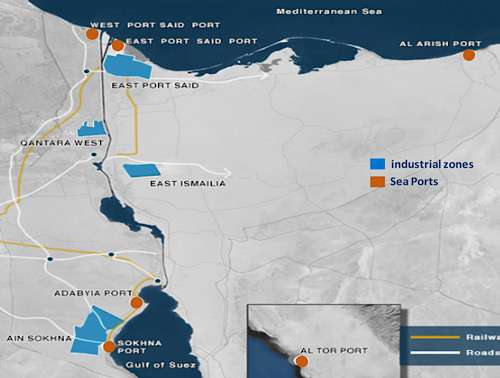
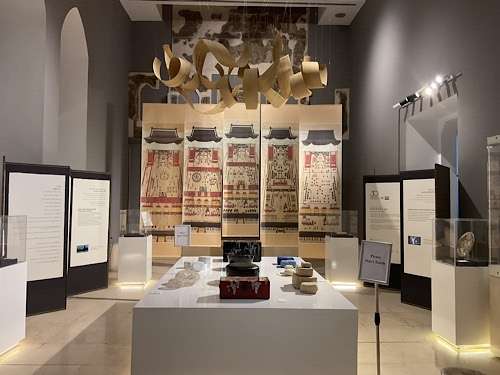
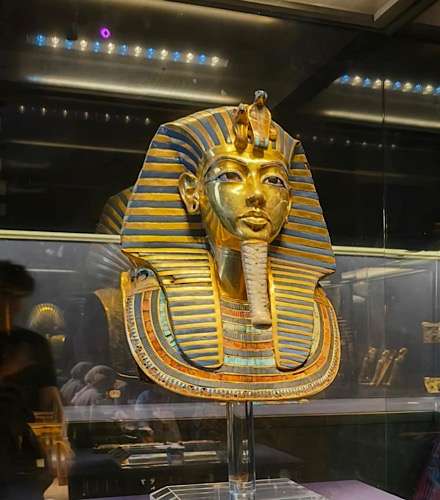
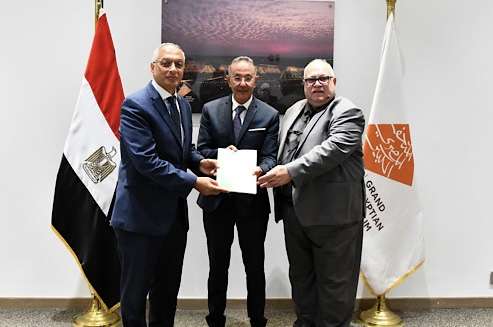
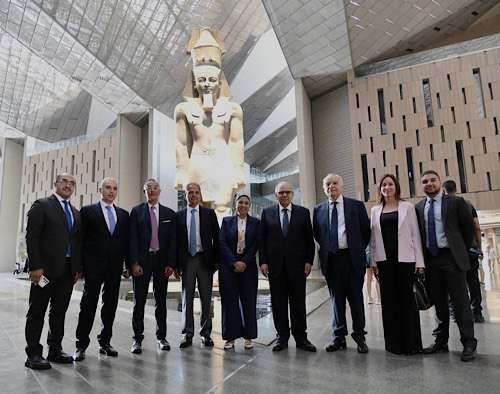
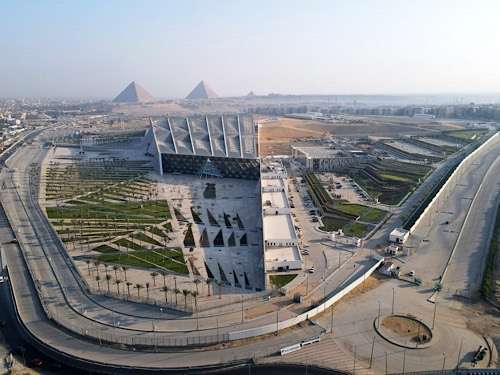
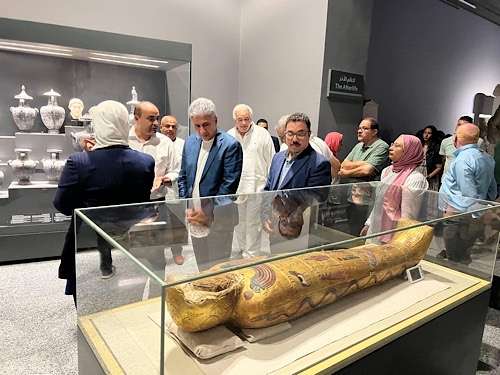
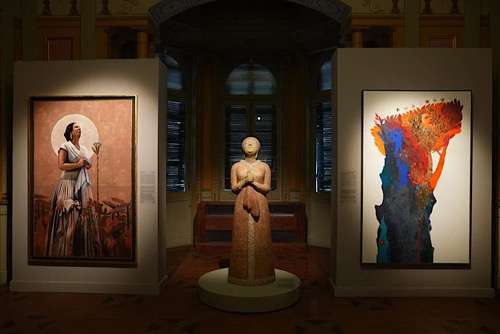
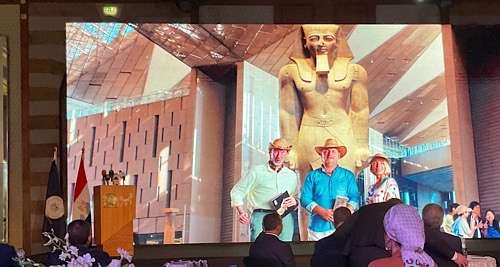
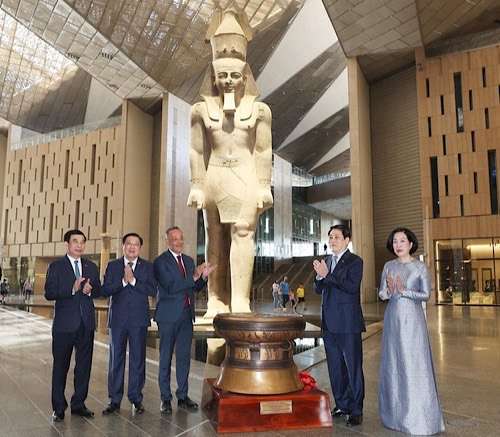
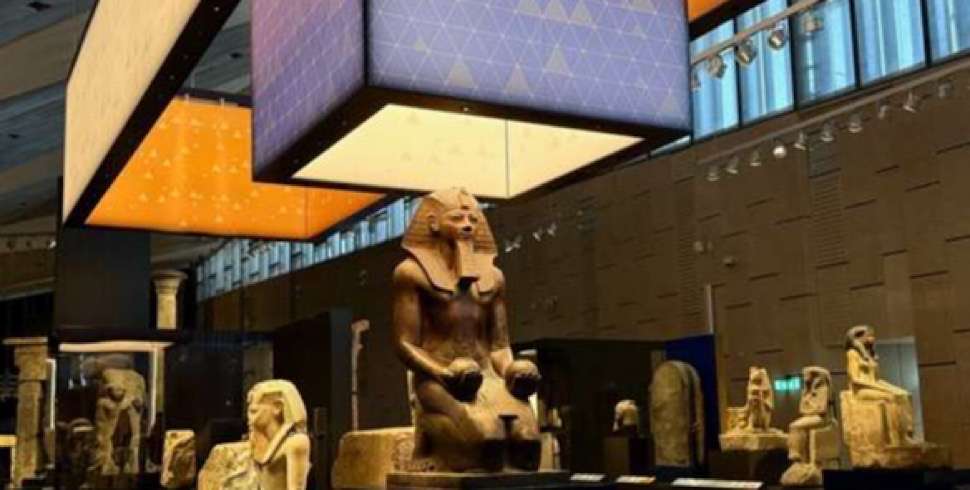
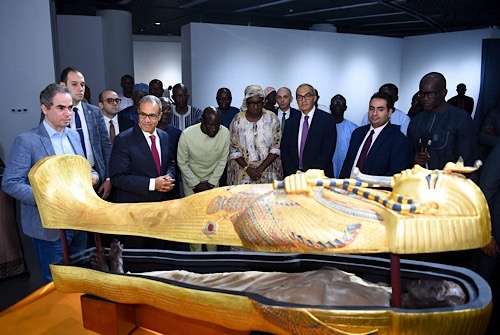
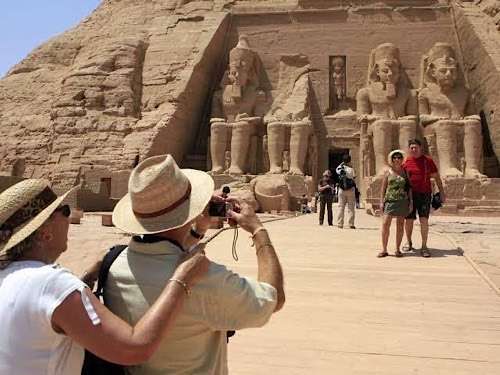
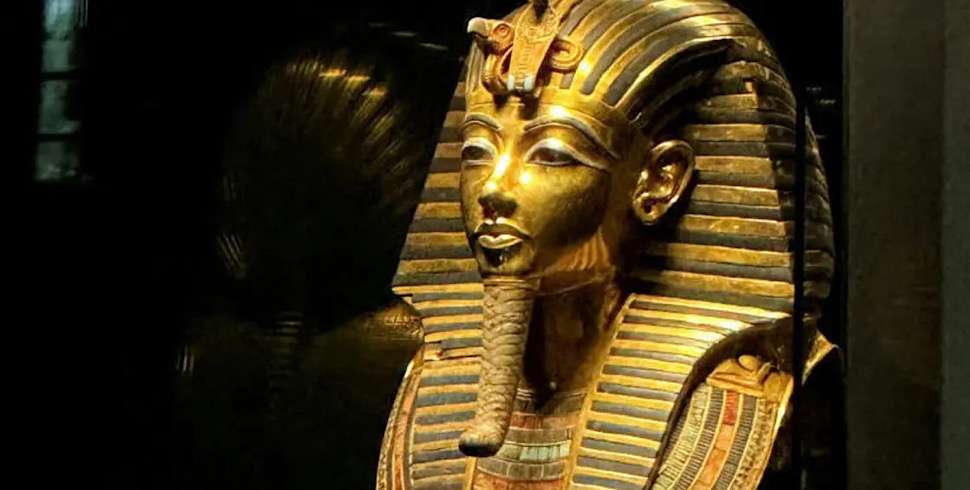
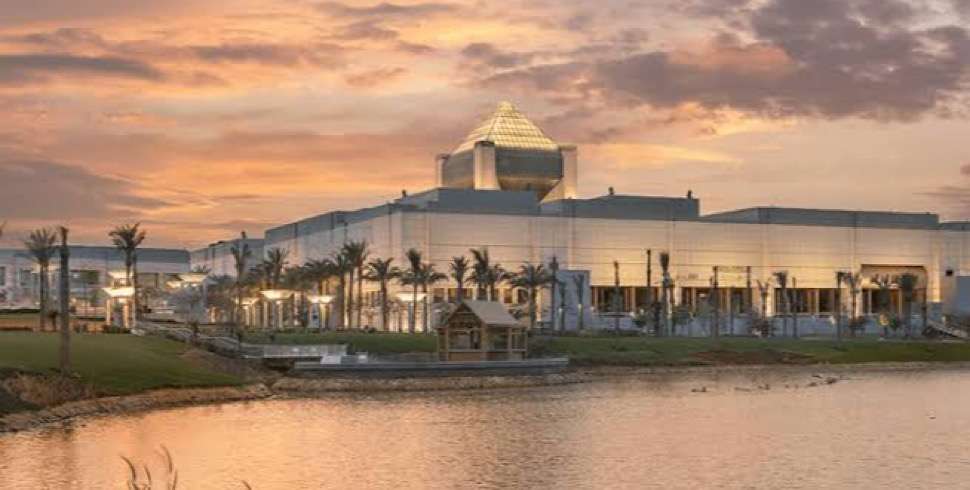
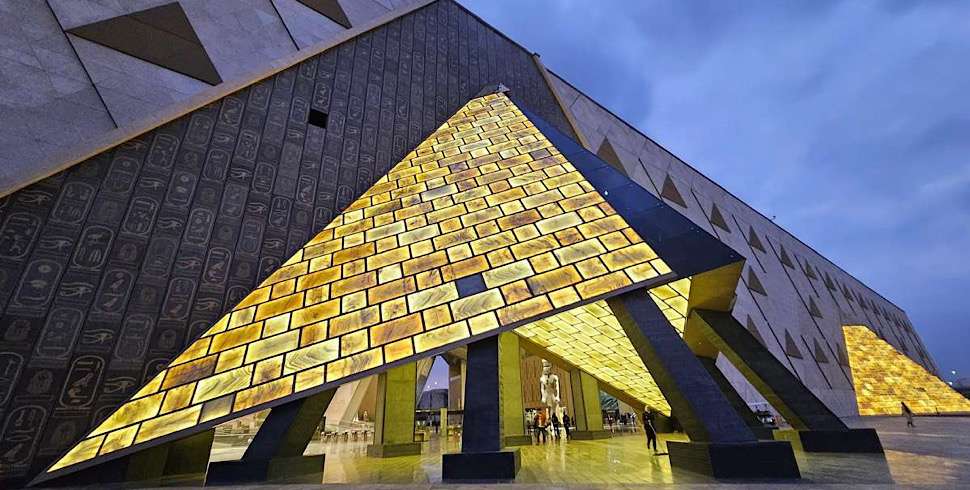
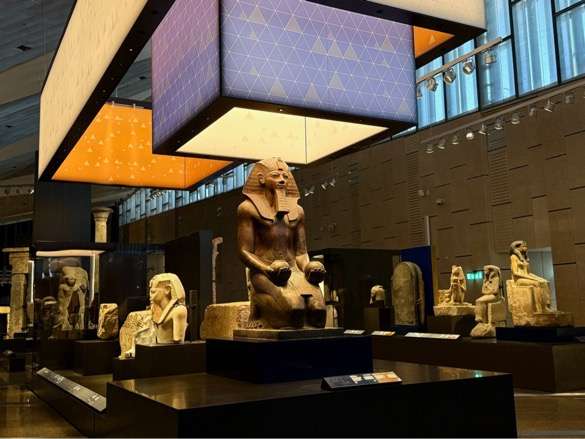
With Egypt’s economy growing at 4.4% in 2024/2025 (and hitting 5% in the last quarter), Dr. Al-Mashat forecasted 2026 as a pivotal year. Continued reforms, institutional upgrades, universal health insurance expansion, and robust social protection programs are set to drive further inclusive growth. The Grand Egyptian Museum, opening this November, is also expected to boost tourism to record levels, while recovering sectors such as oil, gas, and the Suez Canal contribute to renewed optimism.
Minister Al-Mashat concluded that sustaining Egypt’s economic recovery hinges on policy clarity, investment-friendly reforms, and continued international cooperation. “If we accelerate our pace of reforms and maintain a clear policy framework, Egypt will stay on the path to sustainable, inclusive growth,” she affirmed.