



















































































































































































































































































































































































































































































































































































































































































































































































































































































































































































































Friday, 09 October 2026
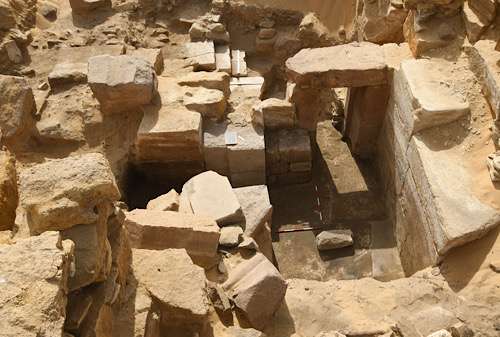
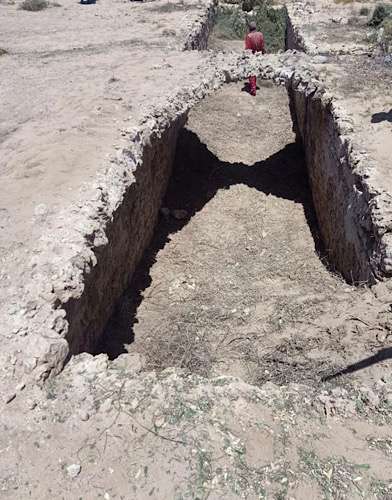
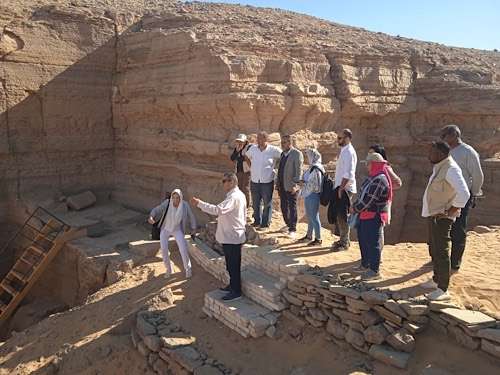
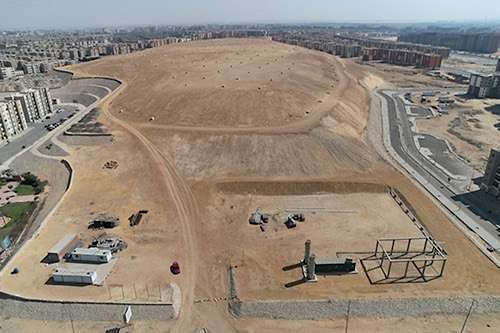
In a thrilling development for lovers of history and Egyptology, a team of Italian archaeologists has uncovered the remains of the Valley Temple from the solar complex of King Nyuserre Ini, a fifth dynasty ruler, at the renowned Abusir archaeological site, southwest of Cairo. Announced on December 12, 2025, this landmark find is already rewriting what we know about the sacred landscapes of ancient Egypt.
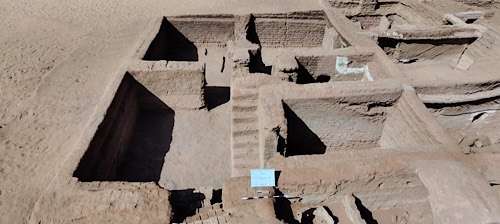
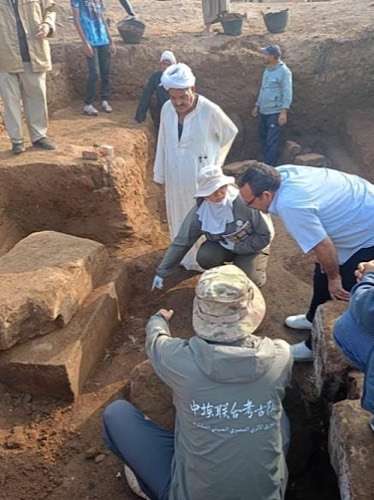
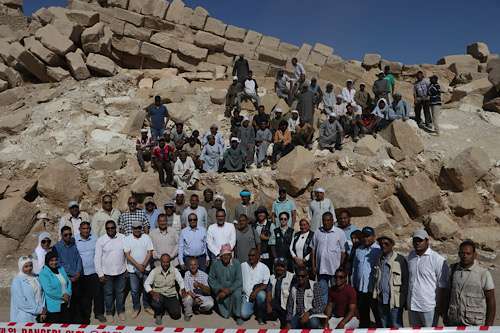
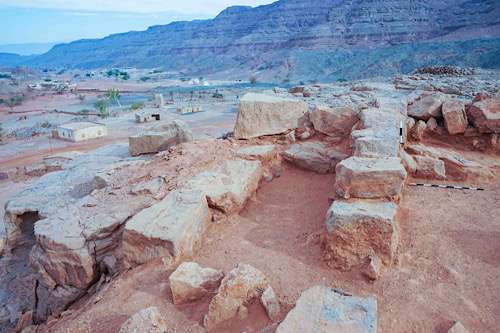
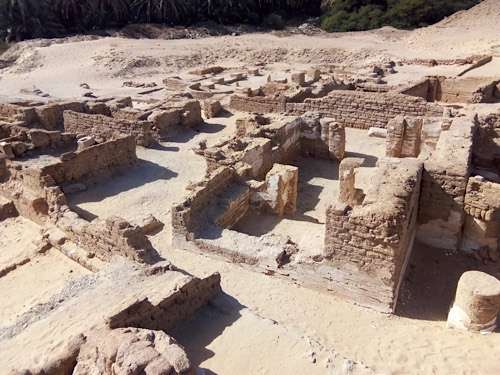
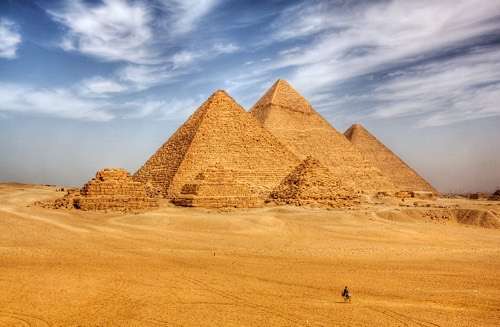
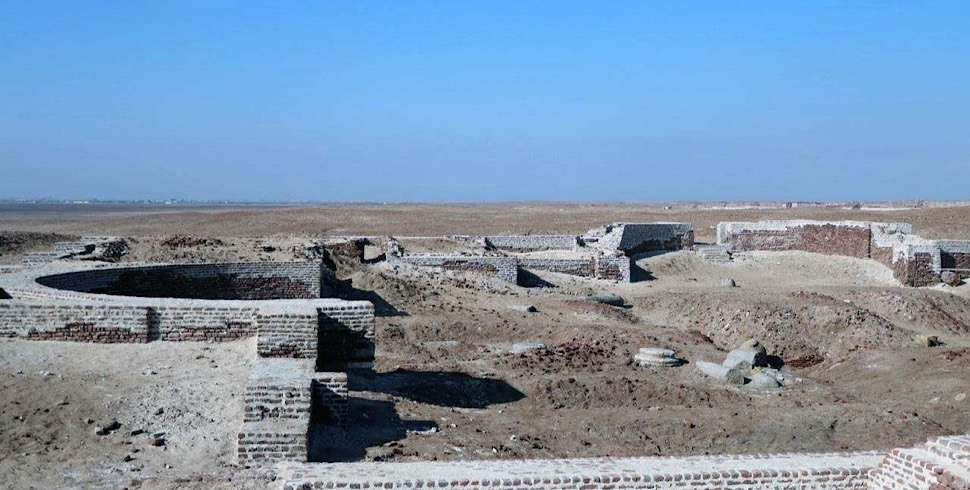
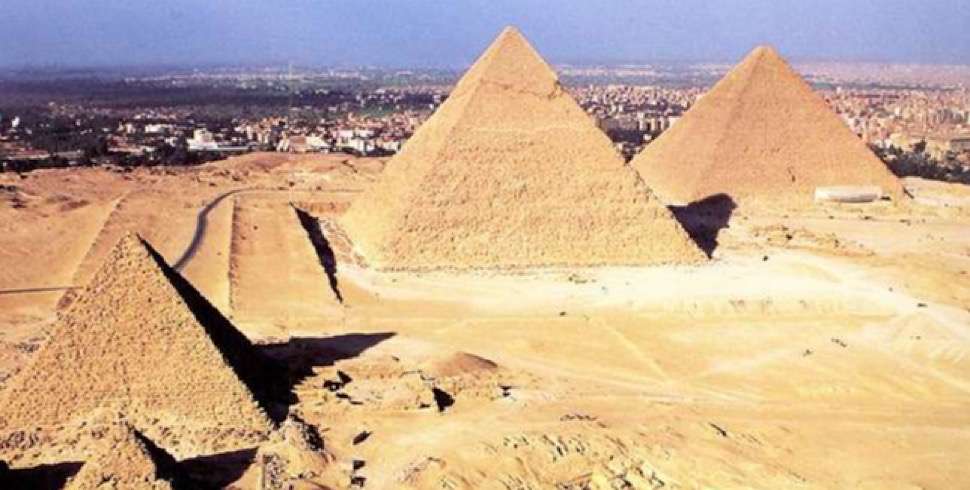
The excavation, led by Dr. Massimiliano Nuzzolo and Dr. Rosanna Pirelli of the Universities of Turin and Naples, has, for the first time, revealed more than half of this monumental temple. Overshadowed for generations by the imposing pyramids in the necropolis of Memphis, the Valley Temple of King Nyuserre is now emerging as one of the largest and most architecturally unique sun temples ever identified.
Encompassing more than 1,000 square meters, the temple’s sheer magnitude highlights its significance—both as a center for royal cult and as a marvel of design. According to Dr. Mohamed Ismail Khaled, Secretary-General of Egypt’s Supreme Council of Antiquities, “the temple is only one of two known sun temples from Old Kingdom Egypt, and this discovery, covering more than half the structure, dramatically increases our knowledge of these enigmatic sites.”
The temple’s existence was first noted by German Egyptologist Ludwig Borchardt in 1901, but efforts to explore the site at the time were thwarted by high groundwater levels. Today, through patience and technological advances, the Italian mission is breathing new life into Borchardt’s century-old lead.
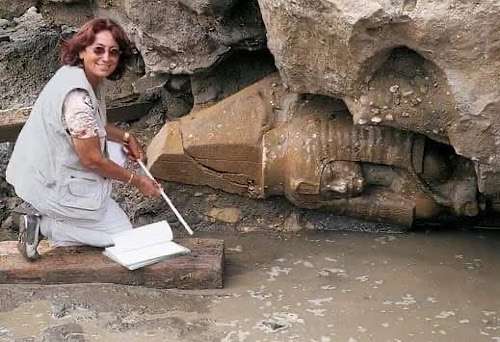
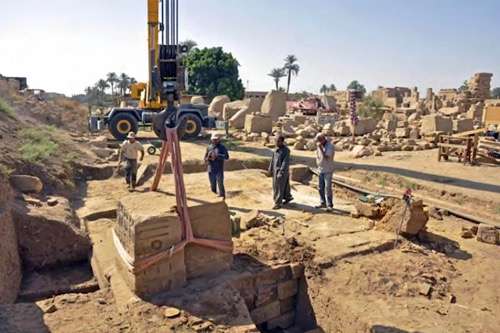
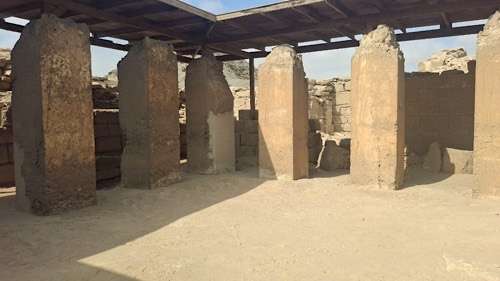
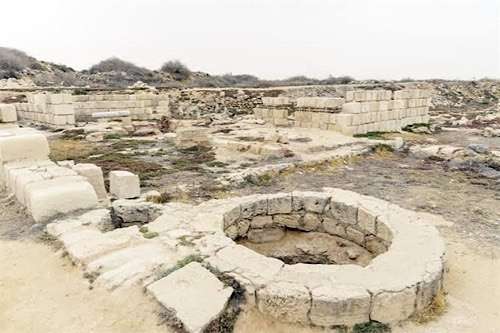
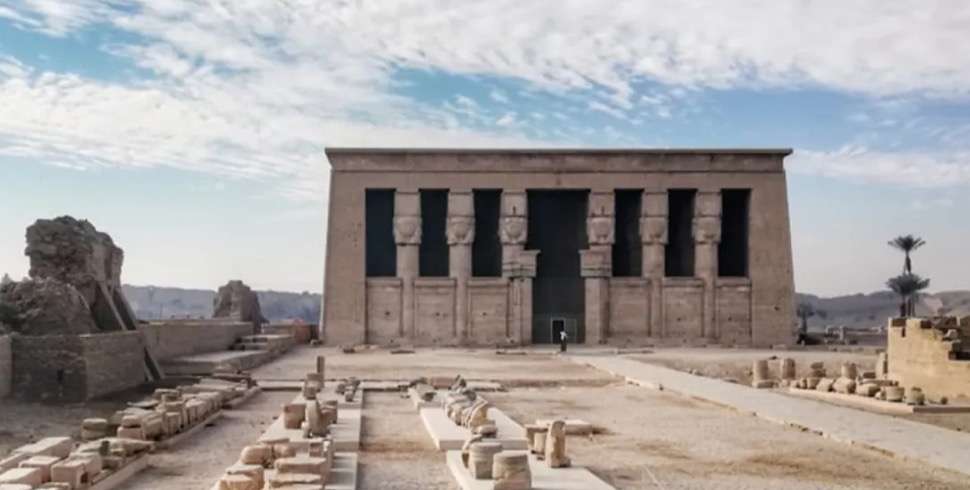
Excavations have uncovered the temple’s entrance, which had lain beneath a thick (1.2 meter) layer of Nile silt, as well as its original floor and limestone column base. Remnants of a round granite column—likely a feature of the temple’s grand vestibule—have been found in situ, alongside sections of the original stone wall cladding extending from the entrance to the ascending causeway.
Of particular note, the mission identified granite lintels and doorways, classic hallmarks of Old Kingdom monumental architecture.
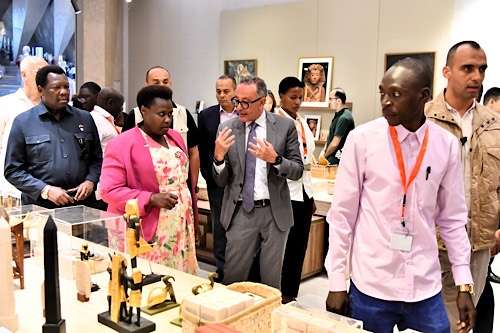
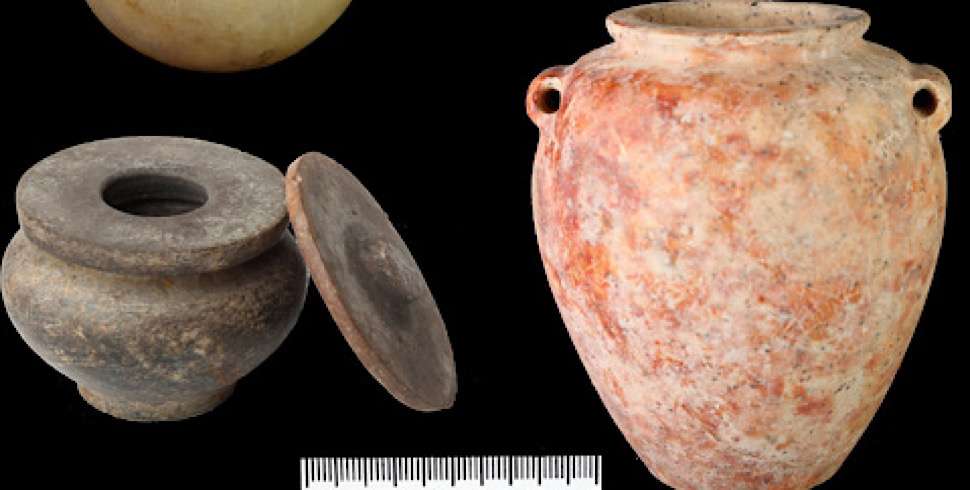
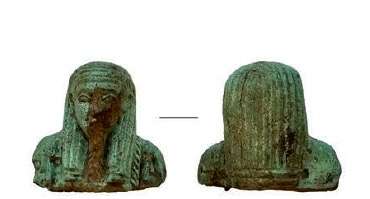
Artifacts discovered amid the ruins offer fascinating glimpses into daily and spiritual life in the ancient temple. Among the most charming are two wooden pieces from the ancient Egyptian “Senet” game, bearing an uncanny resemblance to modern chess.
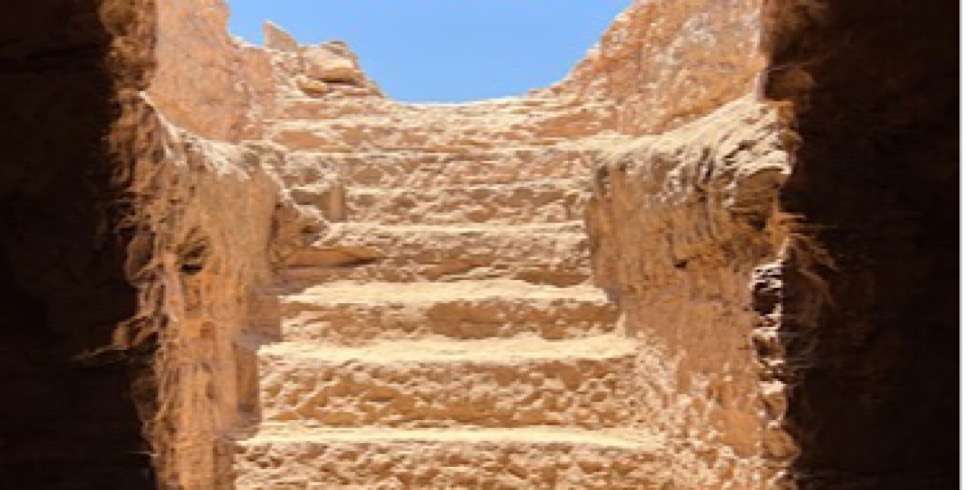
Archaeologists also found a superbly preserved quartzite doorway in the temple’s northwestern sector and a staircase believed to have led to the upper levels, indicating the possibility of a secondary, now-lost entrance.
As Dr. Nuzzolo explains, "Our work has uncovered a slope suggesting a connection between the temple and the Nile or one of its ancient branches, while initial evidence hints at architectural similarities with other Fifth Dynasty funerary complexes, such as the valley temple of King Sahure at Abusir."
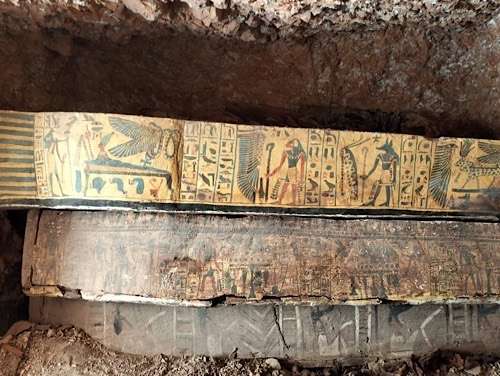
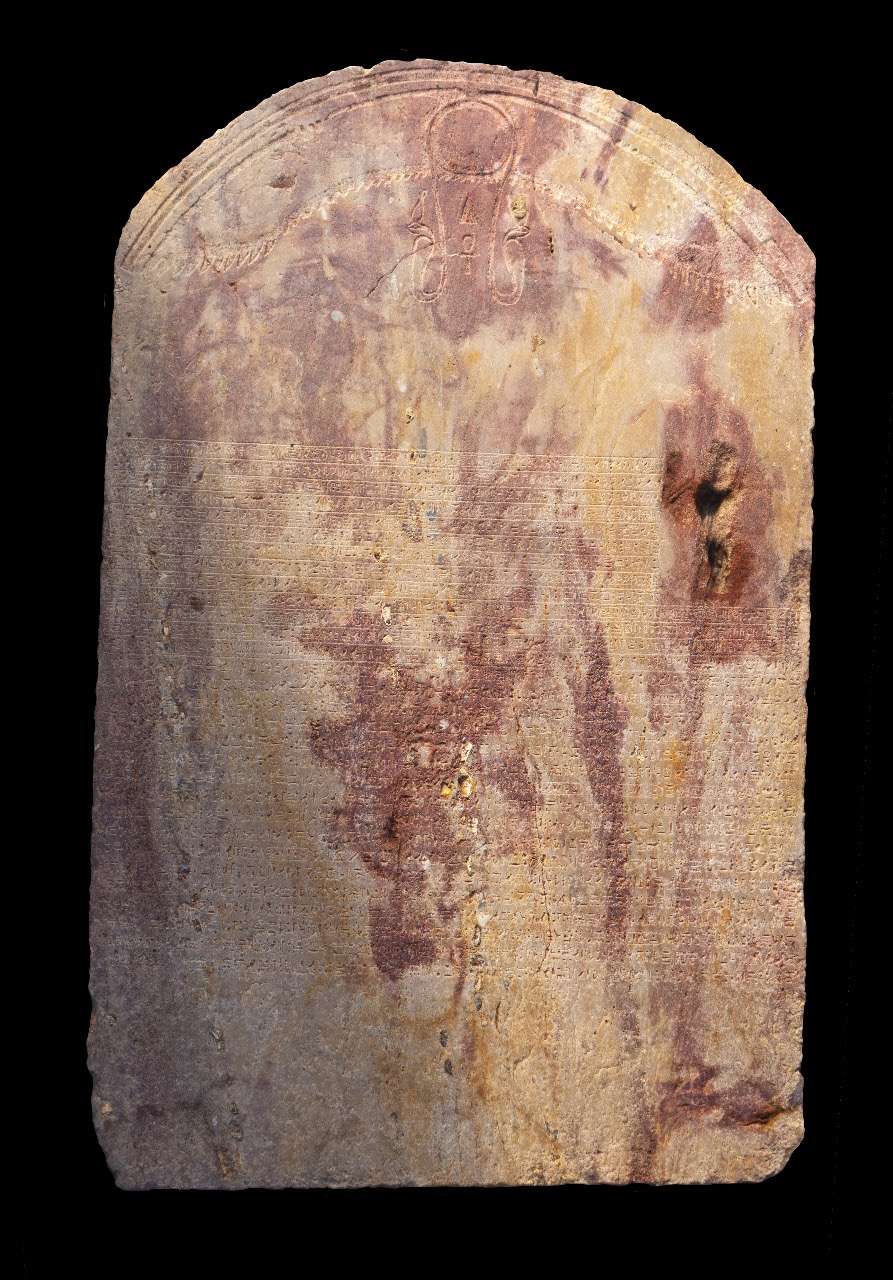
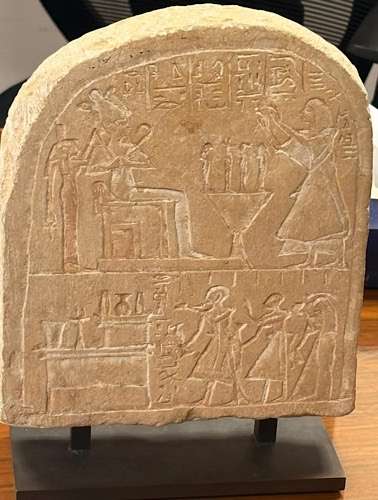
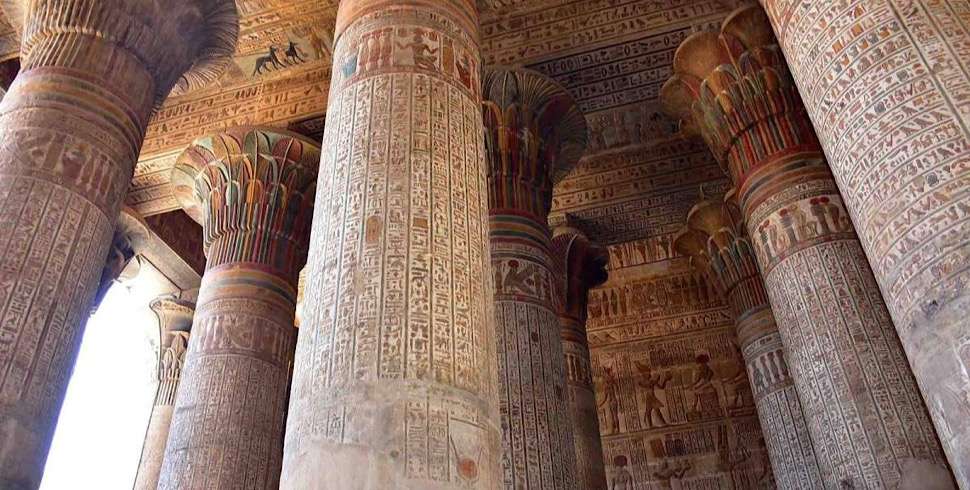
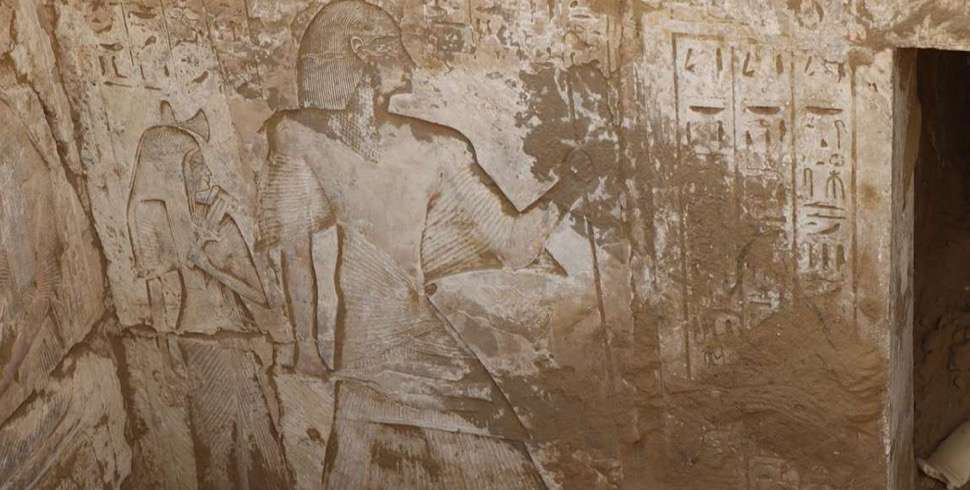
Yet perhaps most evocative is the discovery of a massive inscribed stone threshold, bearing hieroglyphic texts detailing the temple's religious festival calendar and explicitly naming King Nyuserre himself. Fragments of exquisitely carved limestone, alongside copious pottery shards, chronicle continuous activity on the site from the end of the Old Kingdom through the turbulent First Intermediate Period.
Dr. Pirelli emphasizes, “The evidence suggests that after the temple’s use as a royal cult site waned, it became a small settlement—a living link to the daily experiences of the region’s inhabitants during one of ancient Egypt’s most mysterious eras.”
This transformative discovery deepens our understanding of sun temples, royal cults, and community life at Memphis, Egypt’s ancient capital. The mission partners are preparing for future excavation seasons, hoping to uncover more secrets and further illuminate the fascinating evolution of Pharaonic religious architecture.