





































































































































































































































































































































































































































































































































































































































































































































































































































































































































































































































































































































































































Friday, 09 October 2026
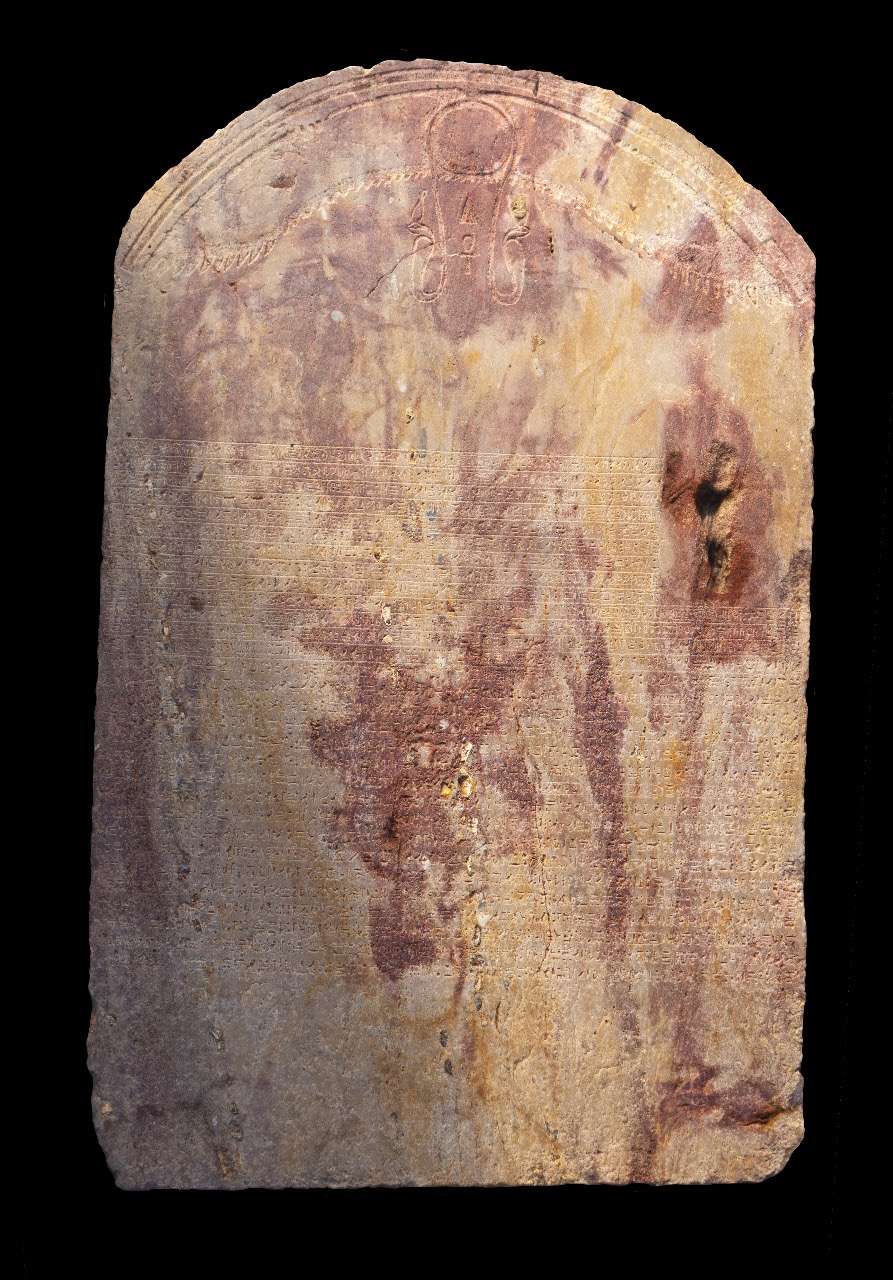
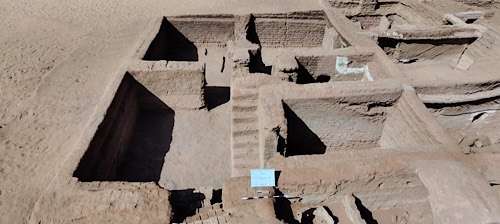
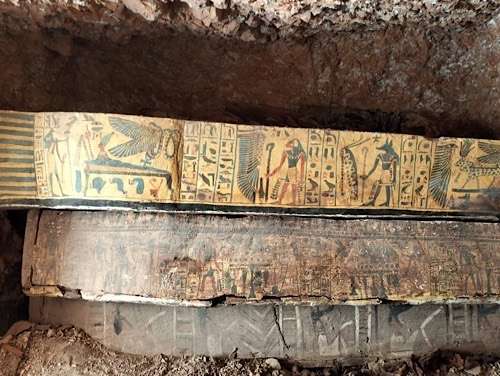
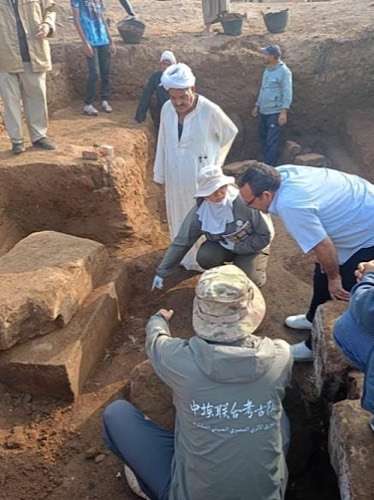
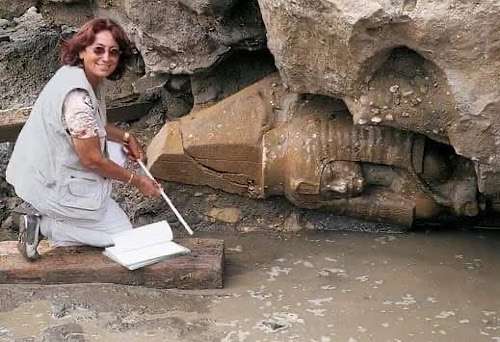
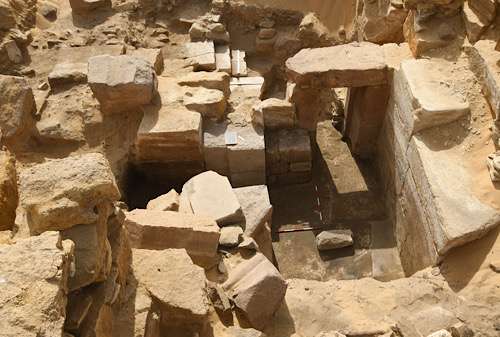
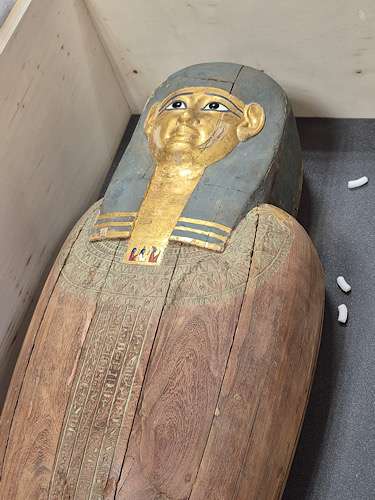
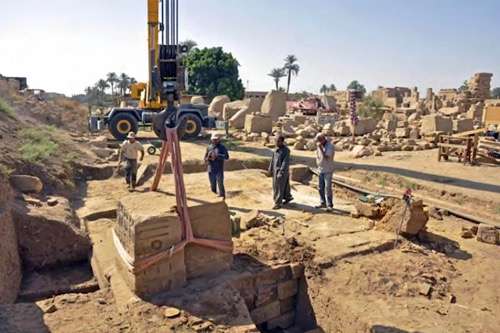
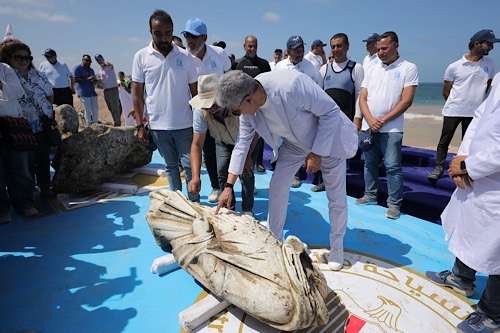
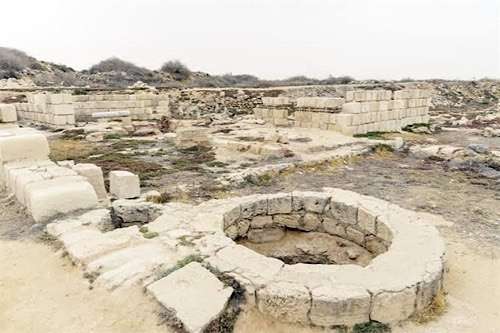
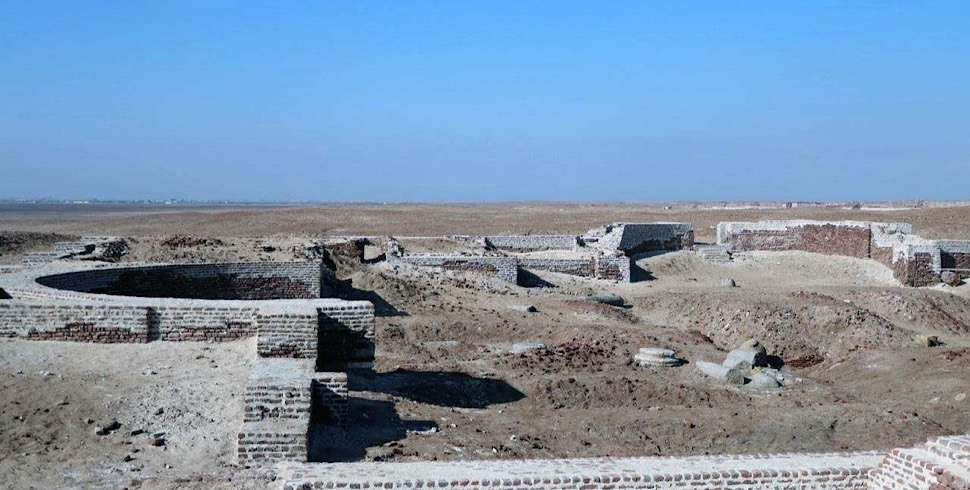
Sharqiya - Egyptian archaeologists have made a groundbreaking discovery: a complete, previously unknown version of the renowned Canopus Decree, issued by King Ptolemy III in 238 BCE. The find was made at Tell al-Fara’in (ancient Imet), near the city of Husseiniya in Sharqiya province, by an Egyptian archaeological mission from the Supreme Council of Antiquities.
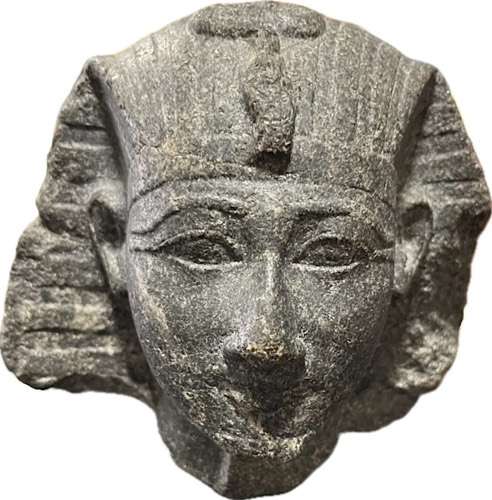
This is the largest discovery of its kind in over 150 years, as no complete new version of the decree has been found since the mid-19th century. The original decree was composed when senior priests convened at Canopus (near modern Alexandria) to honor King Ptolemy III, Queen Berenice, and their daughter. The decree’s text was intended to be distributed to major temples across ancient Egypt.
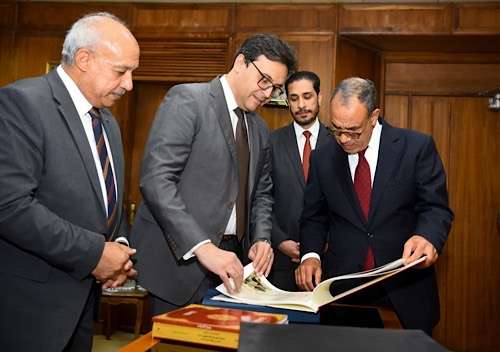
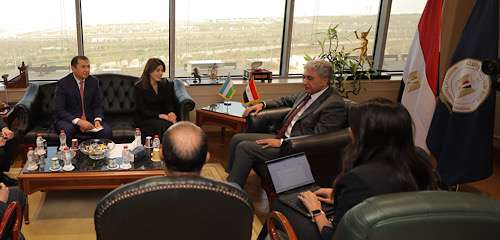
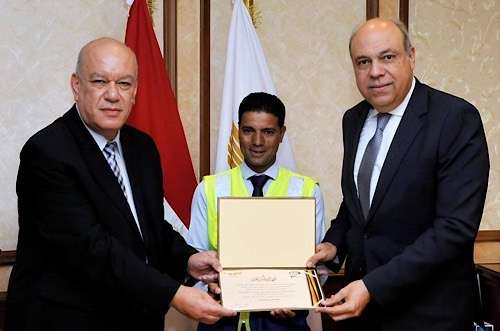
The Minister of Tourism and Antiquities, Sherif Fathy, emphasized that the ongoing achievements of Egyptian archaeological teams continue to add new chapters to the story of the nation’s remarkable civilization. He noted that this discovery shines a light on the rich archaeological heritage of Sharqiya, a region still surprising the world with its hidden treasures. The ministry, he said, will remain committed to supporting archaeological missions so to ensure an optimal environment for future discoveries.
Dr. Mohamed Ismail Khaled, Secretary General of the Supreme Council of Antiquities, highlighted the importance of this find, pointing out that this is a full, previously unknown version of the Canopus Decree, uncovered more than 150 years after the last. This addition is expected to deepen our understanding of royal and religious texts from the Ptolemaic period, enhancing knowledge of ancient Egyptian history and language.
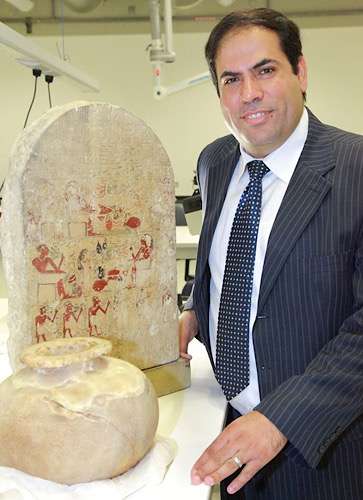
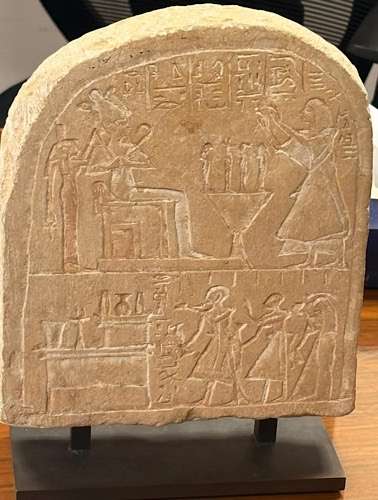
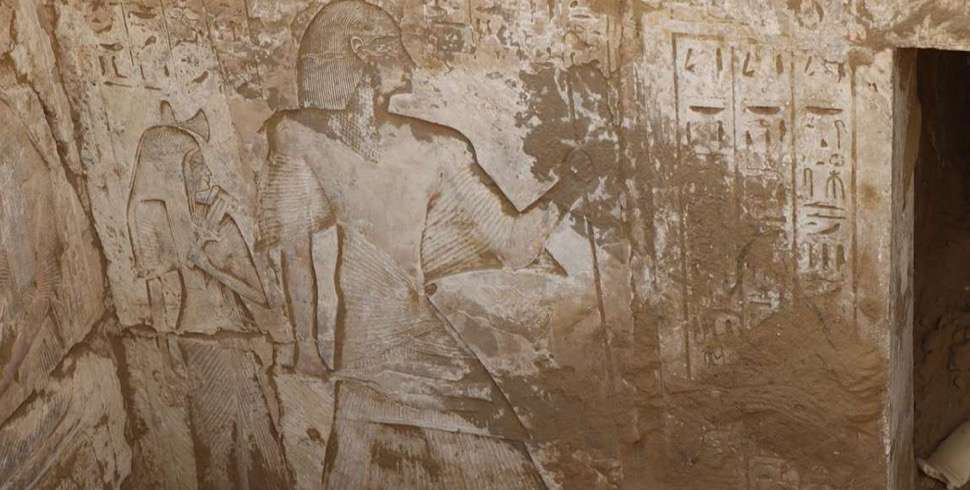
According to Mr. Mohamed Abdel Badie, head of the Egyptian Antiquities Sector, the newly discovered sandstone stela stands at 127.5 cm tall, 83 cm wide, and boasts a thickness of 48 cm. The top is arched and adorned with the winged sun disk and two regal cobras, bearing the white and red crowns, separated by the phrase “di ankh” (“he lives”). The main panel holds 30 lines of Hieroglyphic inscription, carved with moderate precision.
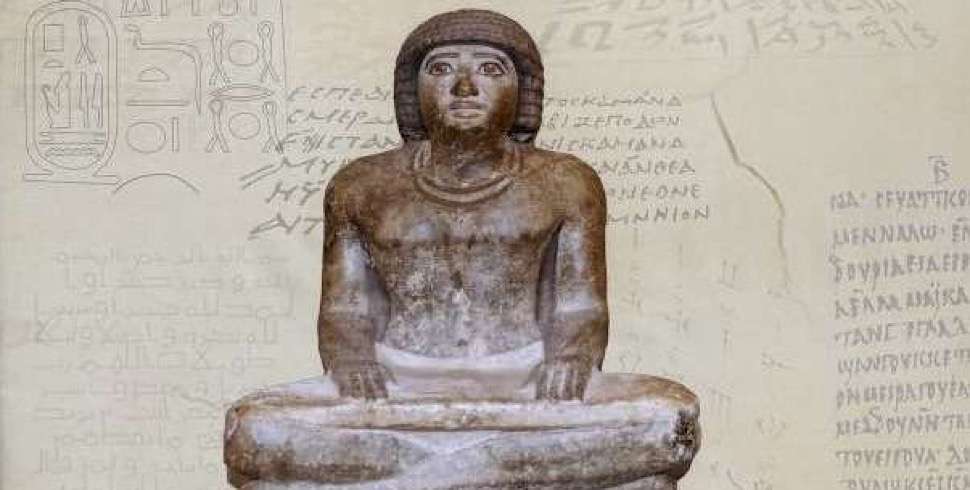
Dr. Hisham Hussein, head of the Delta Region Administration, explained that the decree details the achievements of Ptolemy III and Queen Berenice – described as “the good gods” – such as donations to temples, the maintenance of domestic peace, tax relief following low Nile floods, and an elevation in their honour within temple rituals. The decree also established a new priesthood in their names, introduced a new religious festival for the appearance of the star Sirius, and mandated a leap year system (an extra day every four years) in their honour – a rare ancient parallel to the modern leap year. The king’s daughter Berenice was also to be deified in temple tradition. Notably, the decree ordered its text to be carved in Hieroglyphic, Demotic, and Greek scripts in major temples – a practice later seen in the Rosetta Stone.
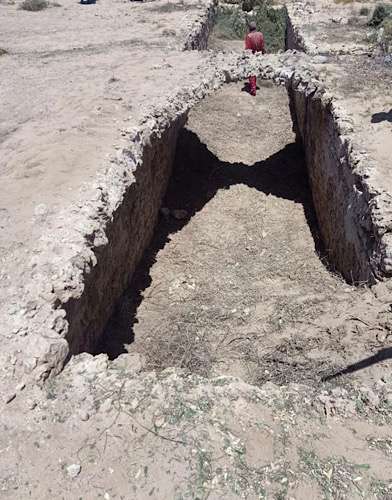
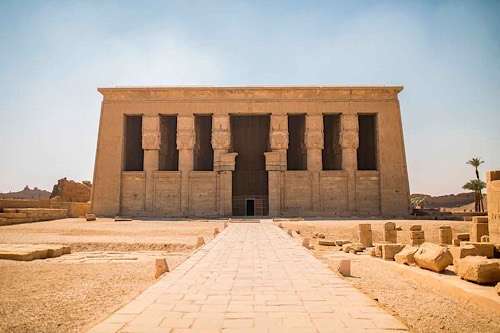
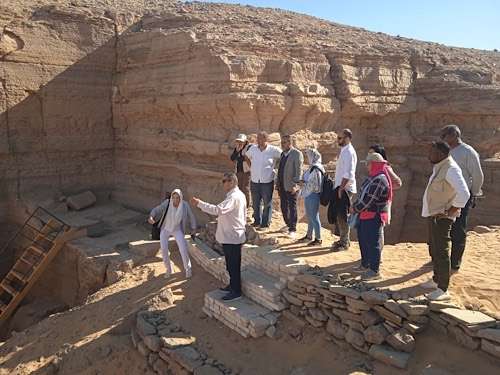
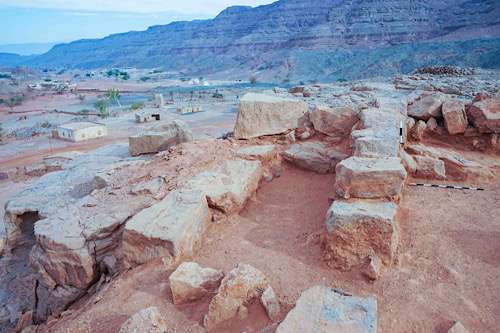
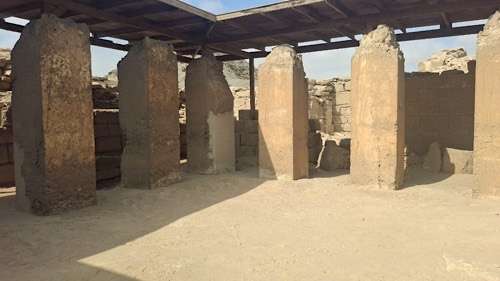
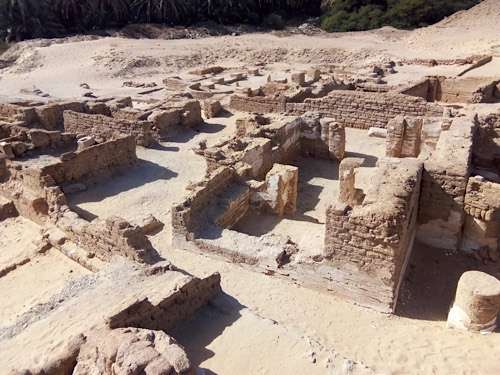
Tell al-Fara’in, the site of this historic find, was a major city since the Middle Kingdom period, previous excavations have revealed temples and grand residential buildings from the Ptolemaic period, including a temple dedicated to the goddess Wadjet.
This newly discovered stela, unlike earlier versions which were multi-lingual, is inscribed entirely in Hieroglyphs, opening new avenues for scholars to better understand the Egyptian language and Ptolemaic celebrations. It now joins six other known versions of the decree, some complete and others fragmentary, previously found in locations such as Kom el-Hisn, San el-Hagar, and Tell Basta.
As Egypt shares this remarkable discovery with the world, the find reignites global fascination with the rich tapestry of ancient Egyptian civilization and the enduring mysteries still waiting beneath its sands.