






































































































































































































































































































































































































































































































































































































































































































































































































































































































































































































































































































































































































































































Friday, 09 October 2026
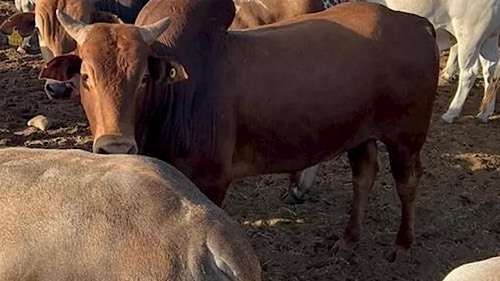
A leading Egyptian archaeologist is debunking a widespread stereotype about ancient Egypt, making clear that while cows held a special place in society, they were never objects of worship.
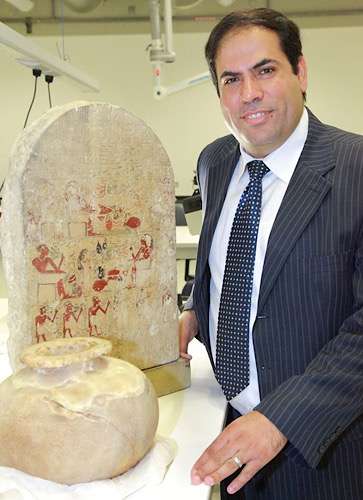
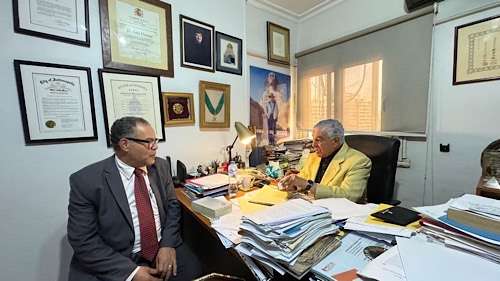
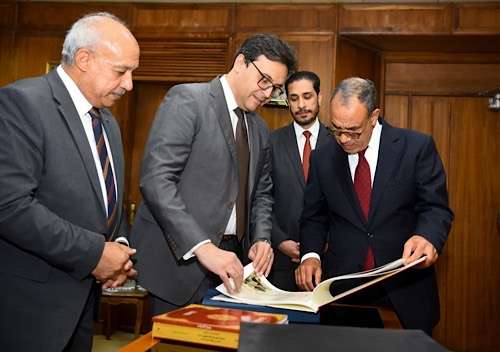
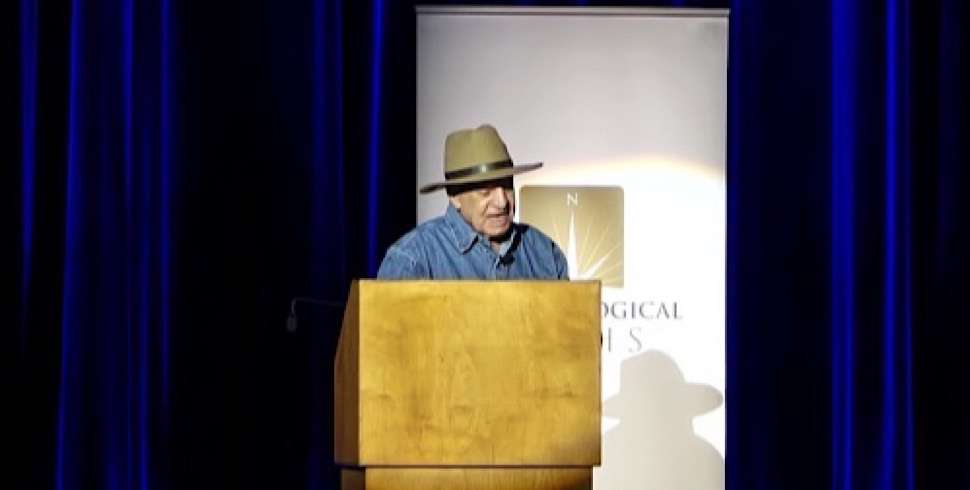
Dr. Mostafa Waziri, former Secretary-General of Egypt’s Supreme Council of Antiquities, brought this insight to light in the debut episode of the podcast “The Pharaohs’ Mystery with Waziri,” produced by Akhbar Al-Youm.
“Contrary to popular belief, ancient Egyptians did not worship cows,” Dr. Waziri explained. “If they had truly considered cows sacred in a religious sense, they would not have used their milk and meat for sustenance, nor offered them in rituals.”
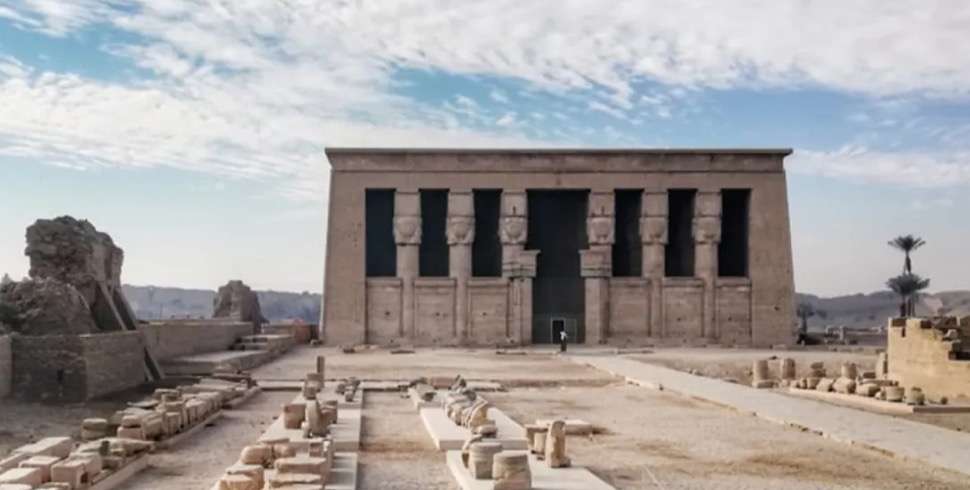
He noted that ancient Egyptians thoughtfully distinguished between reverence and worship. Cows were appreciated for their practical gifts—milk, meat, hides—and honored as symbols of plenty and nourishment, qualities associated with the beloved cow-goddess Hathor. However, “the animals themselves were never regarded as divine,” Dr. Waziri said.
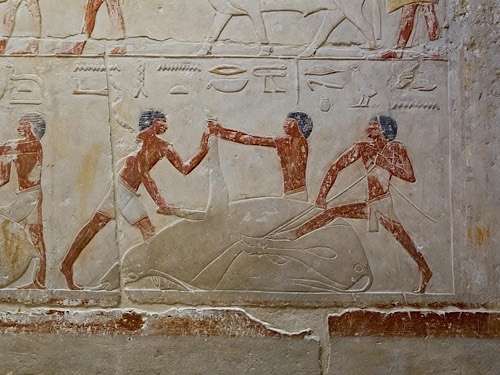
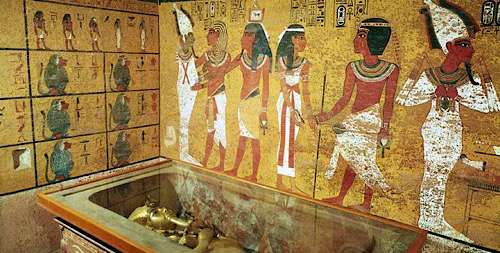
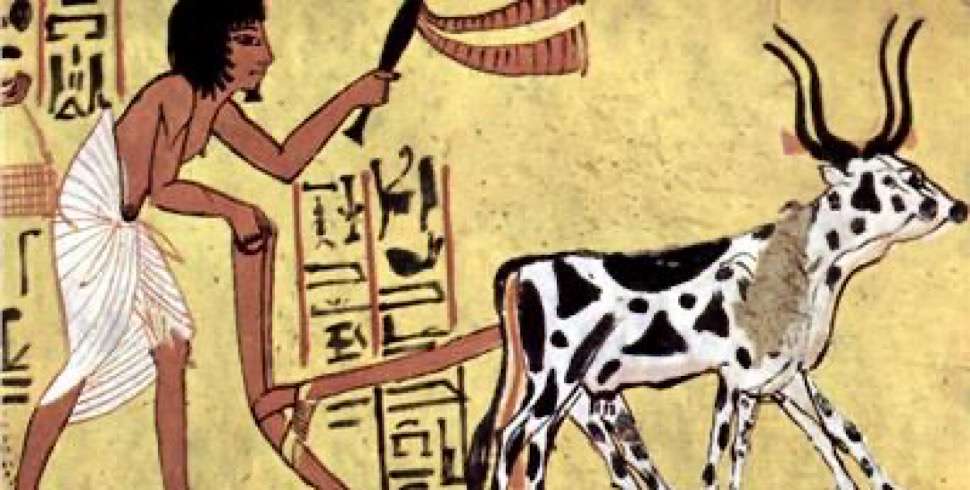
Dr. Waziri also addressed artistic depictions of striking black-and-white cows on tomb walls—animals that strongly resemble today’s Friesian cattle, famous for their high milk yields in the Netherlands.
“It’s fascinating to see these patterns in ancient Egyptian art. Could Friesians have ancient Egyptian roots?” he wonders, encouraging further genetic research into the breeds of cattle depicted in Egypt’s millennia-old tombs.
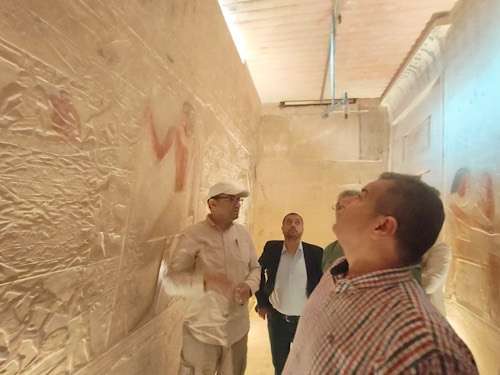
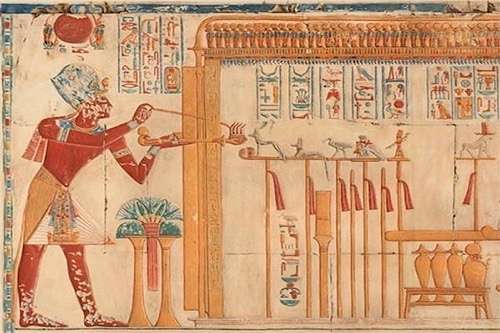
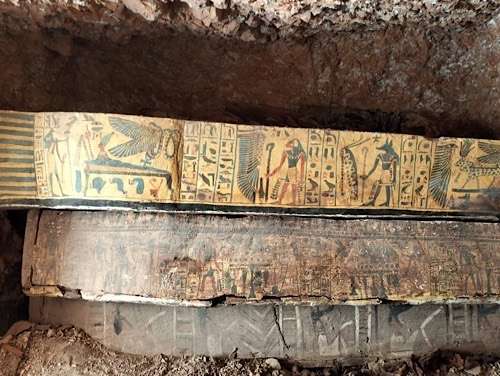
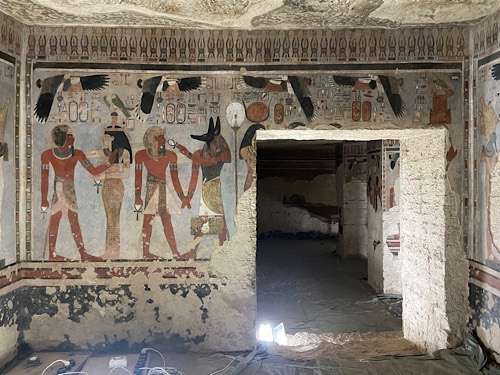
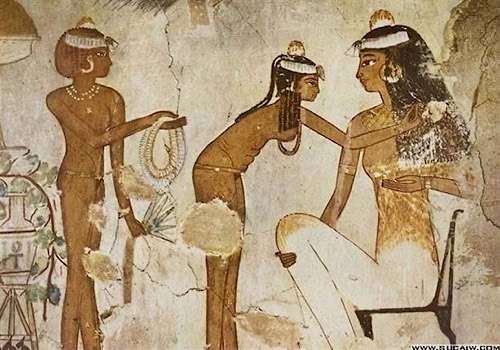
He offered further examples: while the crocodile was linked to the protective god Sobek, crocodiles themselves were not objects of direct worship. Likewise, cows often appeared in temple carvings and tombs, such as in Queen Nefertari’s burial, as emblems of fertility and well-being—not as deities.
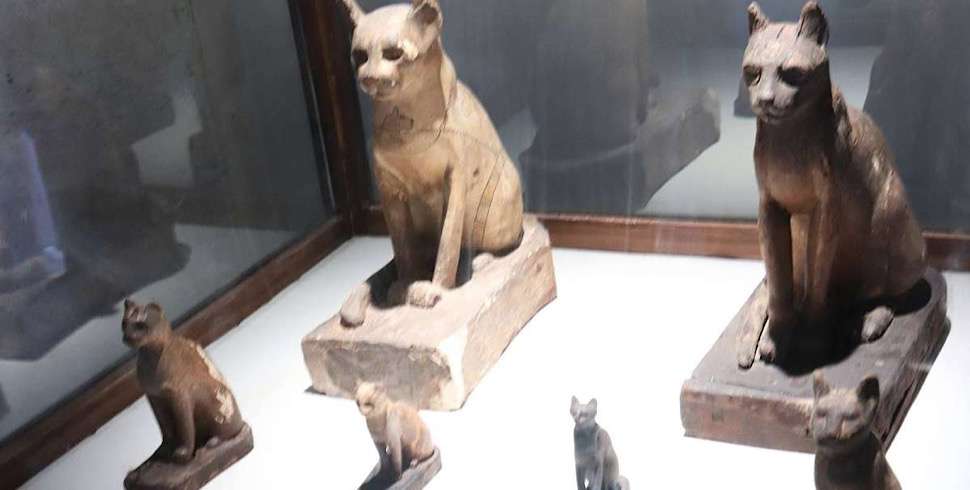
Dr. Waziri emphasized that animals in ancient Egypt were both respected and essential to everyday life, but never confused with the divine. “Egyptians recognized a single creator whose many qualities were reflected in the richness of nature, including animals. But at no point did they worship the creatures themselves.”
As archaeology and science continue to illuminate Egypt’s vibrant past, Dr. Waziri's message is yet clear: “Understanding Egypt’s legacy requires kindness for the truth, and letting go of misconceptions. Only then can we truly appreciate the ancient Egyptians’ wisdom and achievements.”