















































































































































































































































































































































































































































Friday, 09 October 2026
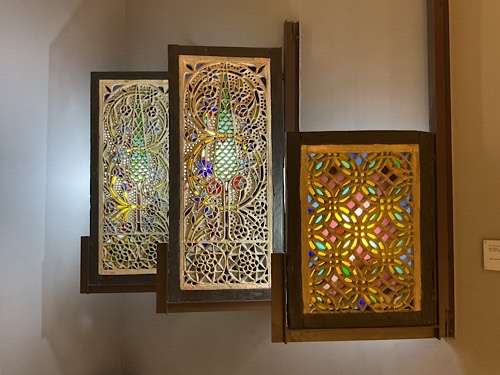
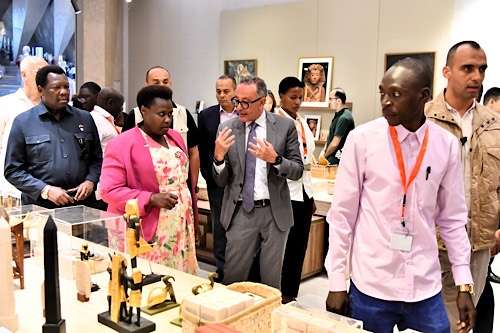
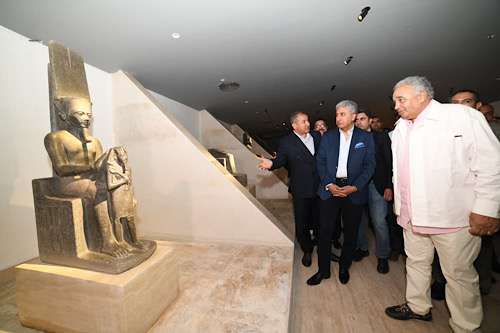
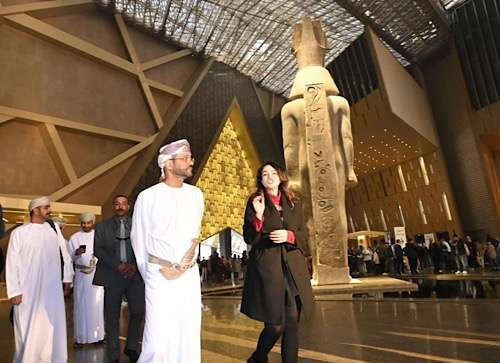
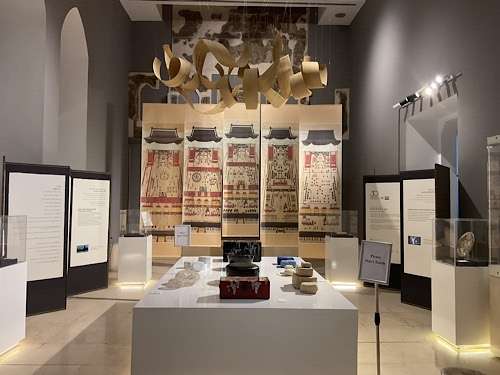
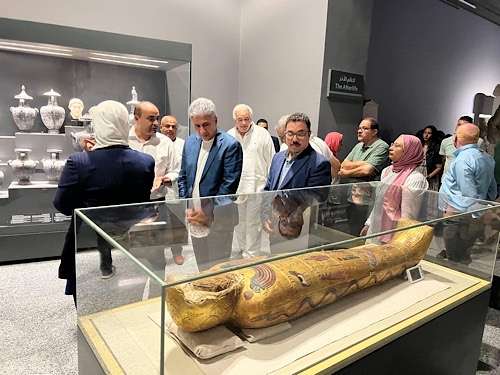
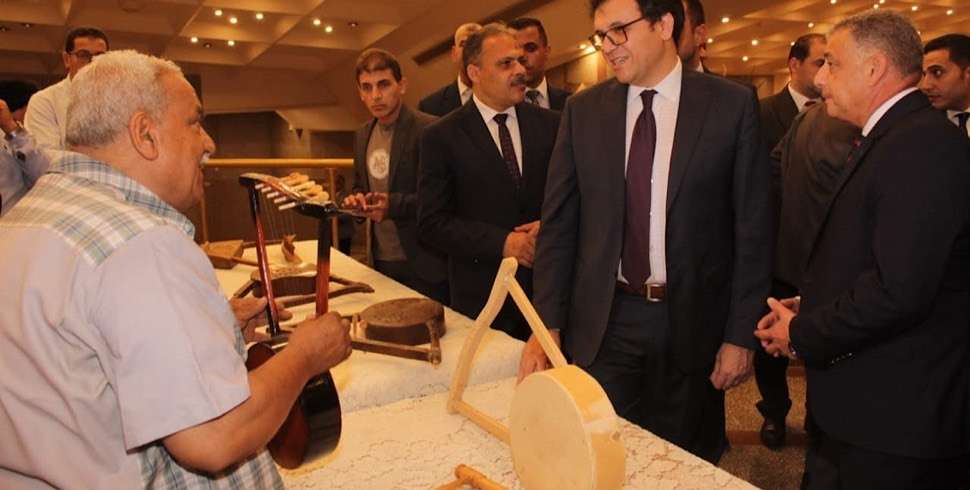
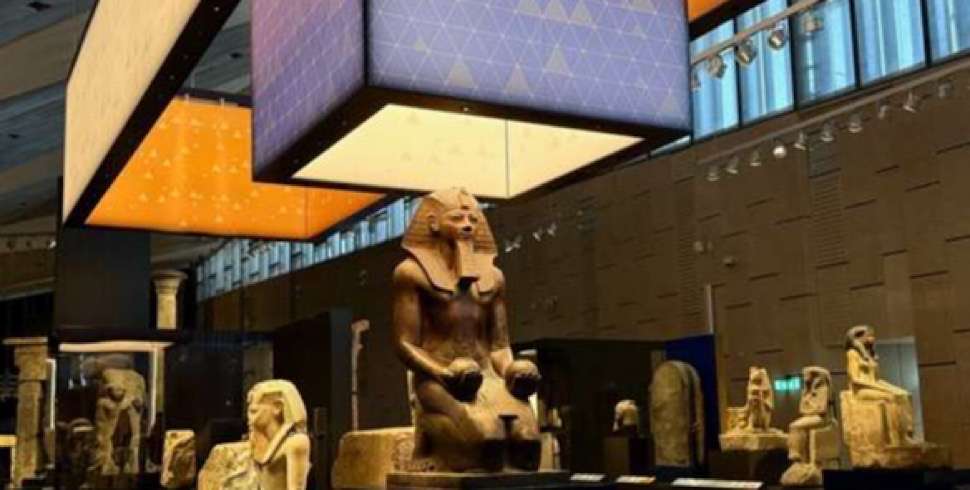
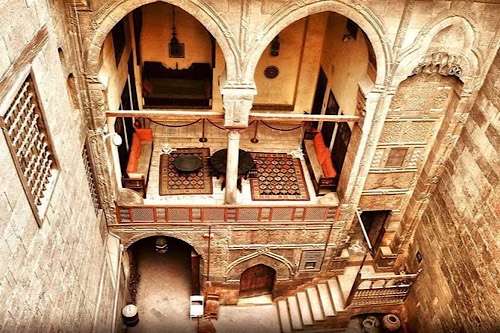
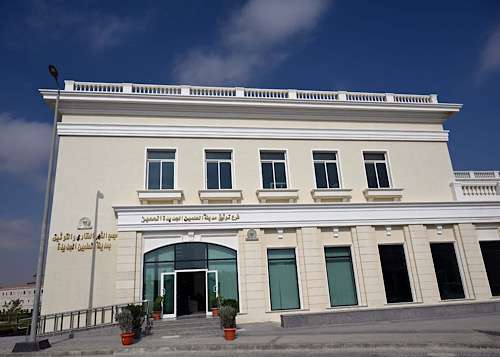
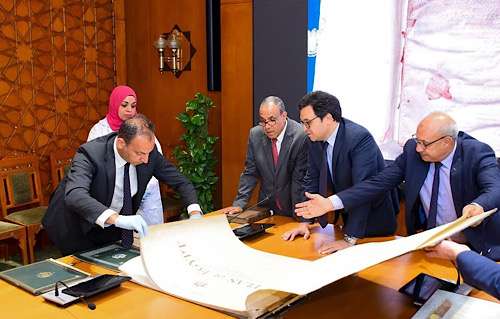
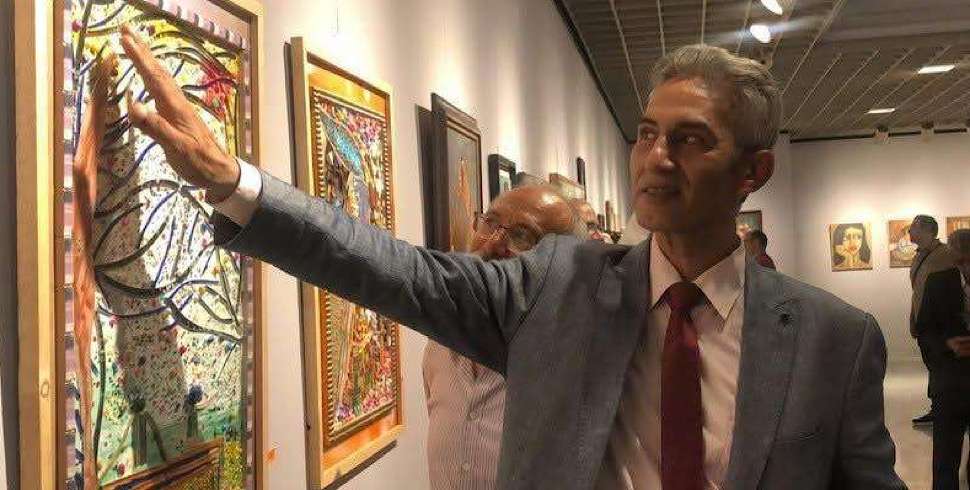
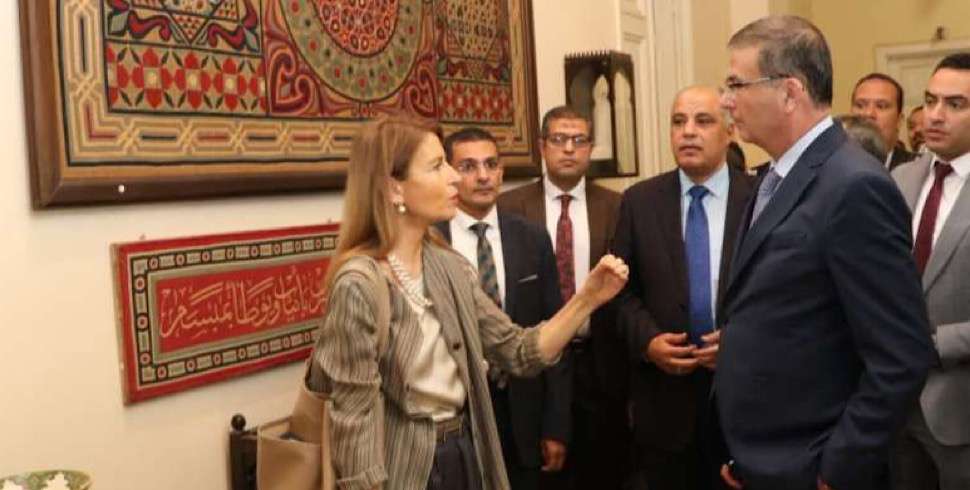
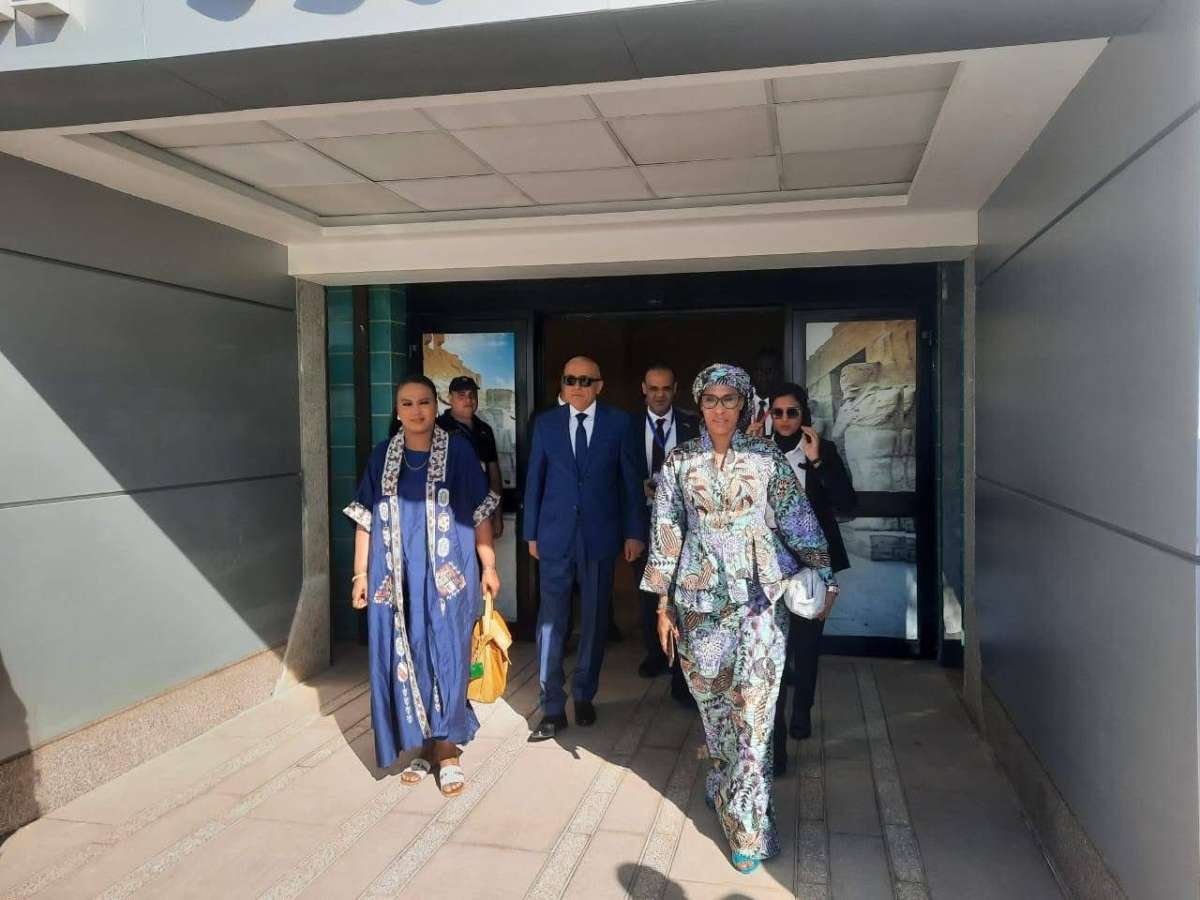
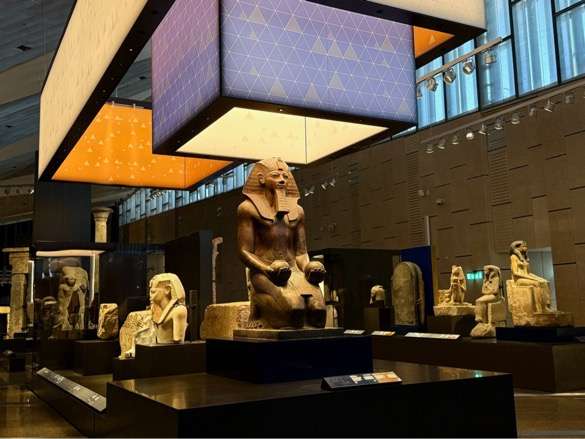
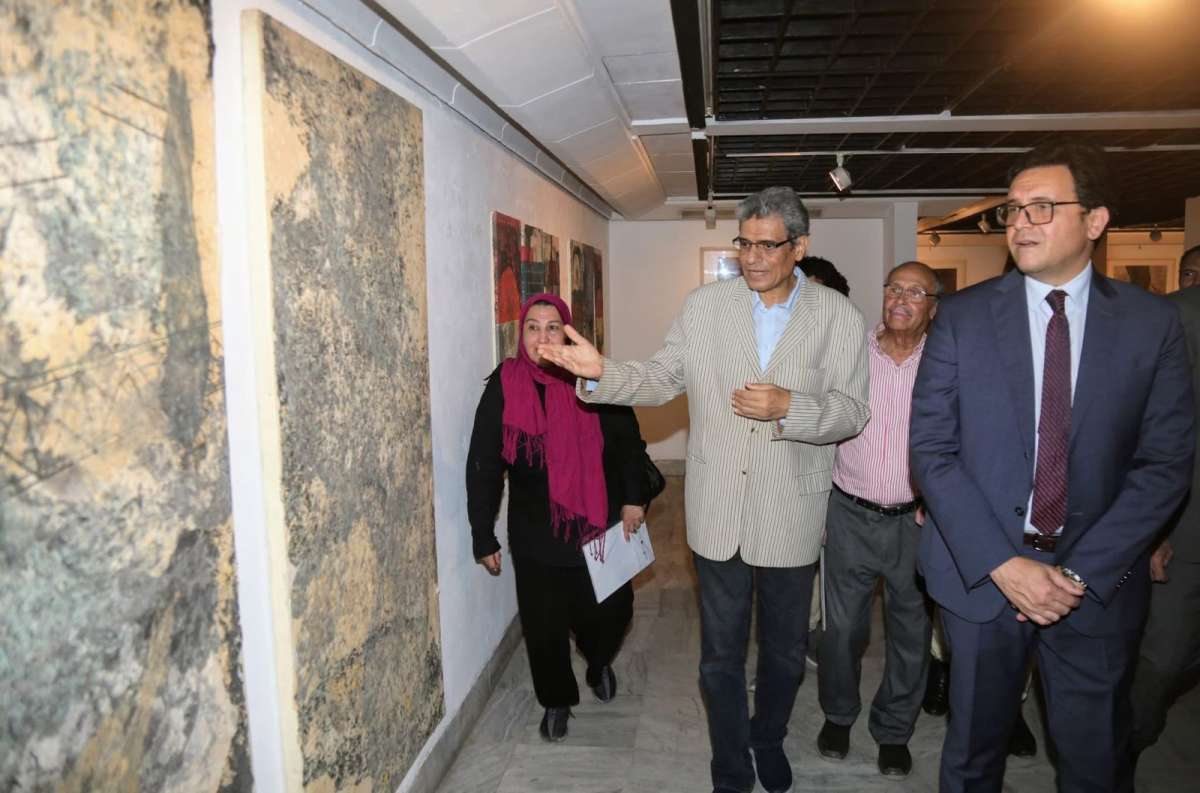
Stepping into the Museum of Islamic Art in Cairo feels like crossing a threshold into a world where science, art, and spirituality intertwine in breathtaking harmony. On a vibrant tour through its halls, The Nile Observer was swept away by the dazzling legacy of Islamic civilization—a story told through ancient manuscripts, shimmering textiles, and tools that once charted the stars. Buckle up for a journey through time, where the genius of Muslim scholars, artisans, and innovators comes alive in every corner of this treasure trove.
Stargazing with the Greats: Astronomy’s Golden Age
Picture this: a 10th-century astronomer peering through the Cairo night sky, mapping planets with precision that would make modern scientists jealous. The museum’s collection of astronomical wonders pulls you into this world. Gleaming astrolabes, intricate sundials, and water clocks whisper tales of a time when Islamic scholars were the rock stars of cosmology.
Take Ibn Yunus, Egypt’s own stargazing legend, whose Zij al-Hakimi—a massive astronomical handbook—outshone its predecessors with meticulous records of eclipses and equinoxes. His genius didn’t stop there: he invented the pendulum, playfully dubbed “the dancer,” six centuries before Galileo, proving that time swings to the beat of a pendulum’s length. A lunar crater named after him? That’s just the cherry on top.
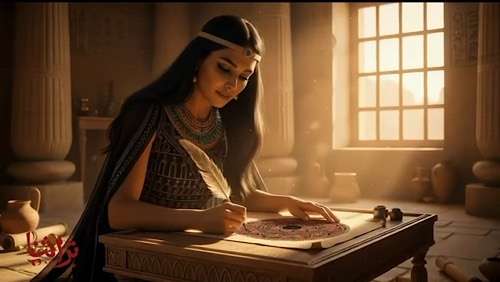
And it wasn’t just the men stealing the show. Miriam al-Esterlabiyyah, aka Mary the Astrolabian, jazzed up the astrolabe’s design in Abbasid Aleppo, her legacy gleaming in the museum’s collection of celestial globes and star-studded manuscripts. As Edward Sakhau raved about Al-Biruni, “He is one of the greatest thinkers known to history”—a vibe that pulses through these artifacts, making you feel like you’re holding the universe in your hands.
Healing Hands: Medicine’s Trailblazers
The museum’s medical exhibits are like a time machine to an era when Islamic physicians were rewriting the rules of healing. Bronze and ivory surgical tools from the 9th-century Abbasid period gleam with purpose, hinting at the daring surgeries performed long before modern hospitals. Ibn al-Nafis, a Cairo-based genius, dropped a bombshell by declaring that blood circulates through the lungs—400 years before William Harvey got the credit. His manuscripts, alongside those of Abd al-Latif al-Baghdadi, who debunked myths about the human jaw during a 1200 famine, show a relentless pursuit of truth. Ibn al-Quff’s Kitab al-Umda fi’l-Jiraha, the medieval world’s beefiest surgical text, dives into everything from wounds to capillaries, proving these scholars were light-years ahead.
Don’t miss the 17th-century Safavid manuscript by Mansur ibn Ilyas Shirazi, where vivid anatomical drawings of veins, spines, and rib cages dance across the page, with Ibn Sina himself depicted schooling his students. And then there’s Ibn Radwan’s Kitab al-Kifaya fi’l-Tibb, laying out the playbook for ethical doctors: treat the poor with as much heart as the rich, keep secrets locked tight, and never stop learning. These artifacts—complete with drug-dosing weights and herb-mixing vessels—are a love letter to a medical revolution that changed the world.
Art That Sings: A Feast for the Senses
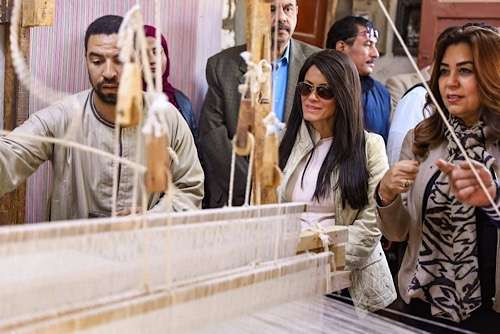
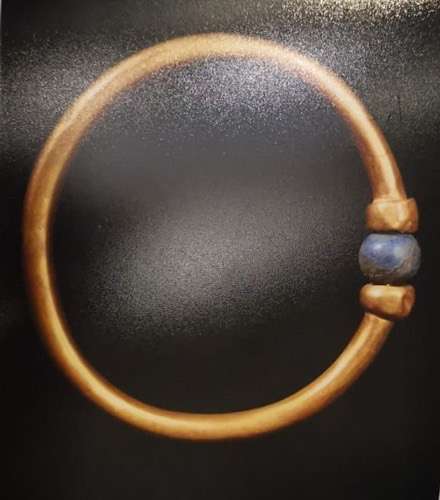
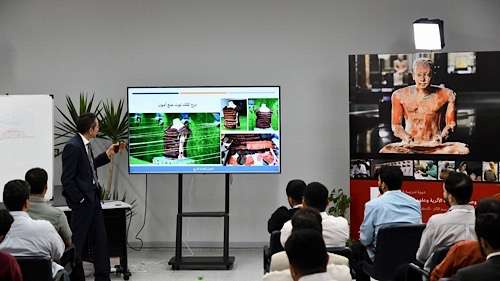
If the museum’s scientific treasures make your brain buzz, its art will set your heart on fire. The textile collection, a global superstar, weaves stories of craftsmanship that stretch from China to Andalusia. A 19th-century Qajar carpet from Iran, bursting with human figures and Persian poetry, feels like a portal to a royal court. Then there’s the 12th-century Safavid “magic shirt,” its cotton threads inked with Quranic verses and talismans to shield its wearer from harm. Magic bowls from Egypt, Iran, and Turkey, etched with healing spells, promise cures for everything from snakebites to heartbreak—fill them with water, let them soak under the stars, and drink to health.
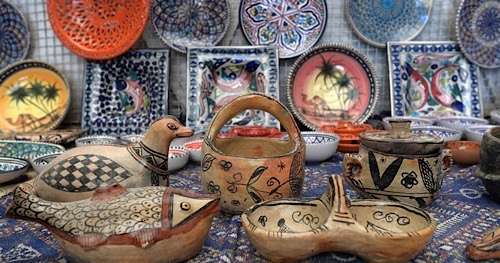
Ceramics glint with Islamic-invented lustre glazes, while gold-and-silver inlaid metalwork dazzles like buried treasure.
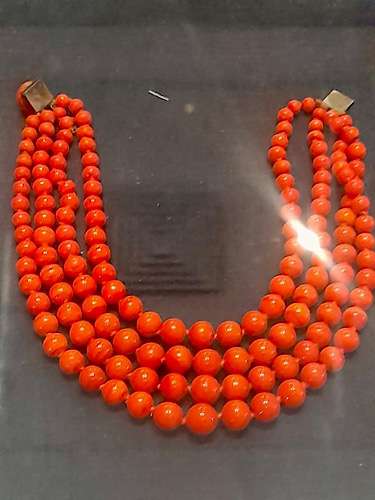
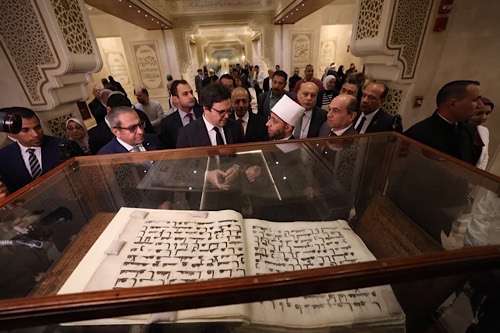
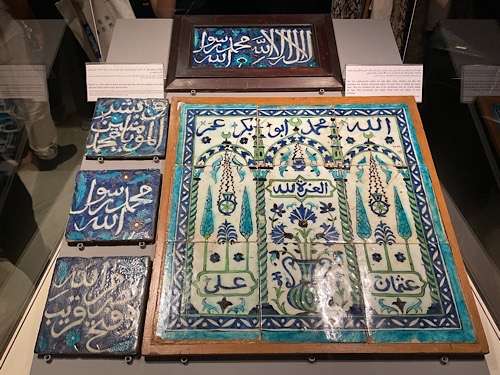
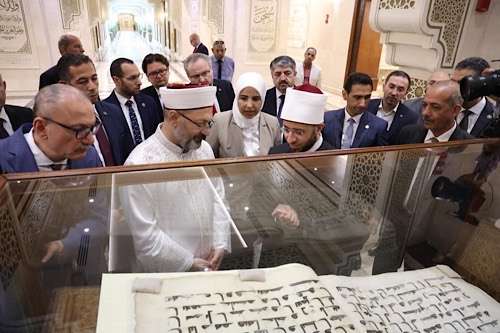
Calligraphy, the soul of Islamic art, flows across manuscripts and pottery in angular Kufic and fluid cursive, whispering prayers and royal titles. A 15th-century Timurid Bustan, on loan from Egypt’s National Library, glows with intricate illuminations, while silk brocades and Coptic gold-threaded fabrics remind you why Egypt was the go-to for Ka’ba veils. As Will Durant marveled about India’s artisans, no nation could rival the Islamic world’s “fertile diversity” in art—here, you see it in every stitch and stroke.
Swords, Coins, and Power Plays
The museum’s weapons collection is a thrill ride through Islamic military might. Swords, daggers, and naphta pots—early chemical weapons packed with flammable sulfur—hint at battlefields where strategy met sorcery. Ottoman cannons, the heavy metal of their day, roar silently from display cases, their firepower key to epic victories. Protective armors for warriors and horses add a touch of chivalry.
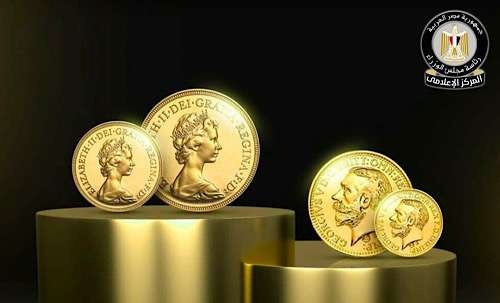
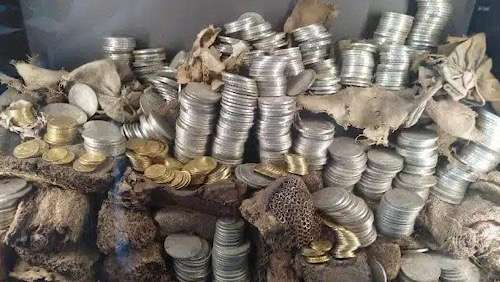
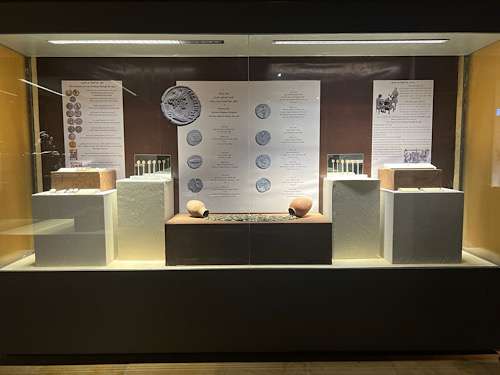
Then there are the coins, born under Umayyad caliph Abd al-Malik ibn Marwan in 696 CE, stamped with Arabic calligraphy and symbols of power. These aren’t just pocket change—they’re snapshots of sovereignty, etched with rulers’ names and minting dates, tying wealth to war in a dance of empire.
A Legacy That Sparkles
As Gustave Le Bon put it, “Muslims invented the art of mixing chemical medicaments in pills and solutions, many of which are in use to this day.” From Hasan ibn al-Haytham’s game-changing Kitab al-Manazir on optics to bride trousseaus glittering with henna-night traditions, the museum is a love song to a civilization that fused faith, intellect, and beauty. Walking its halls, you’re not just seeing artifacts—you’re high-fiving history’s greatest minds and makers.
Grab your ticket and dive into the Museum of Islamic Art. It’s not just a museum; it’s a time machine, a storyteller, and a celebration of a world that still shapes ours today.