












































































































































































































































































































































































































































































































































































































































































































































































































































Friday, 09 October 2026
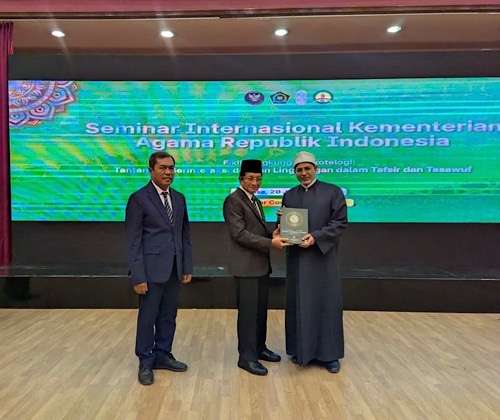
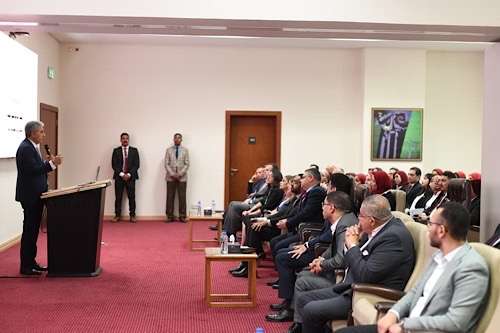
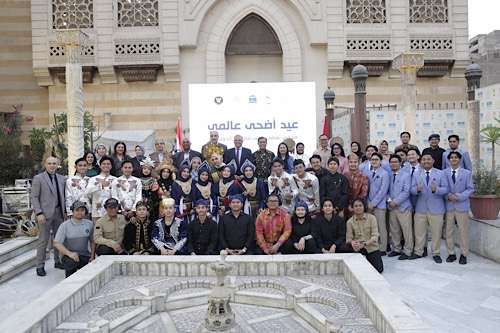
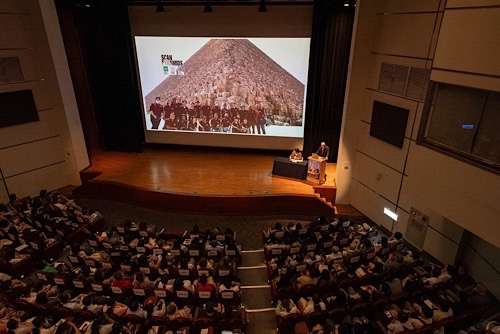
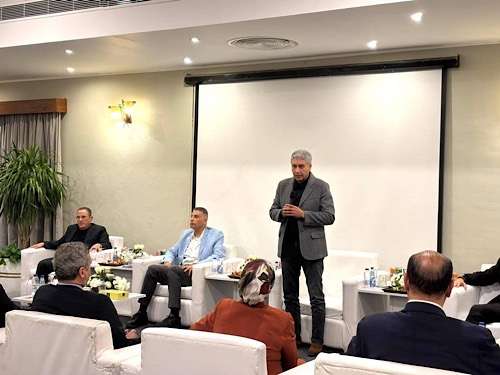
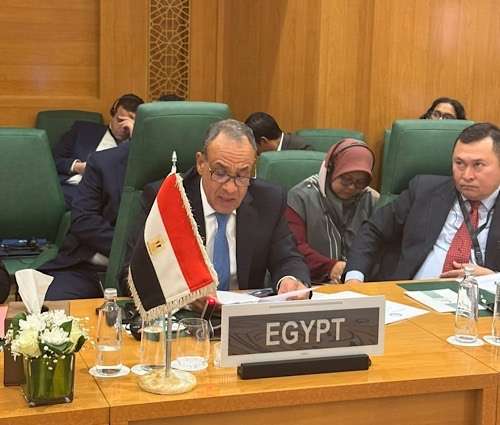
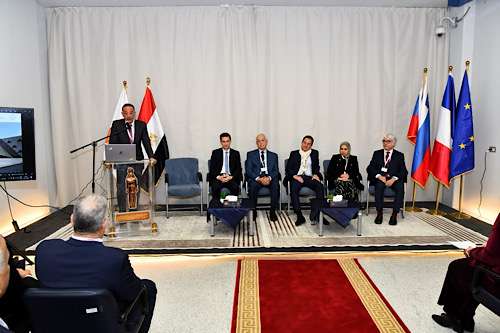
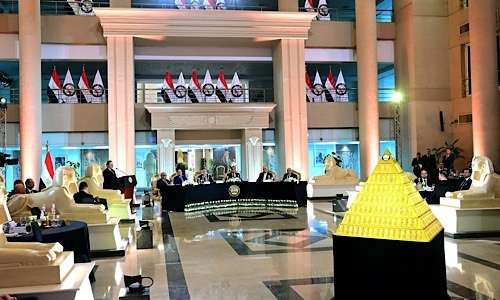
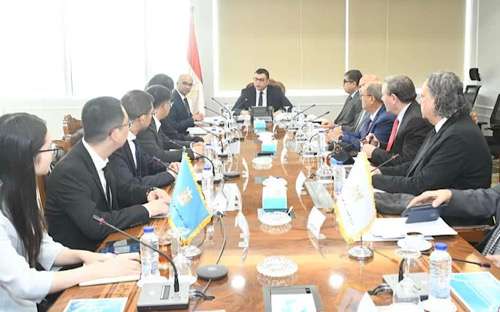
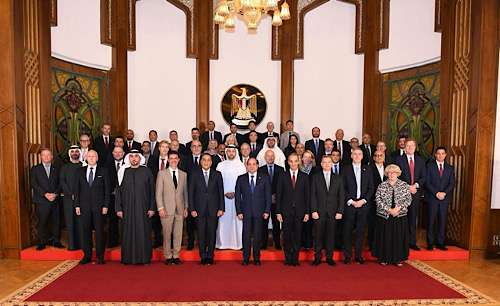
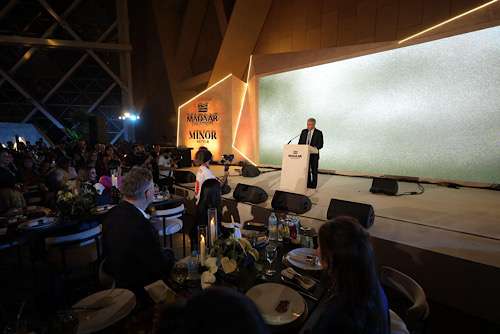
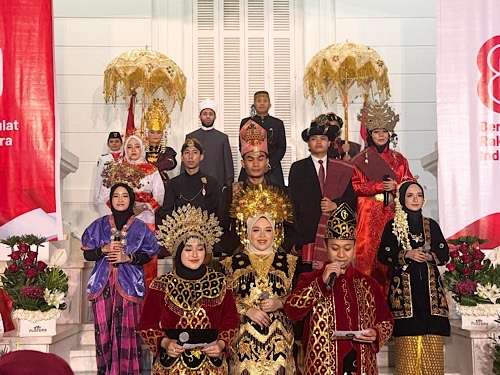
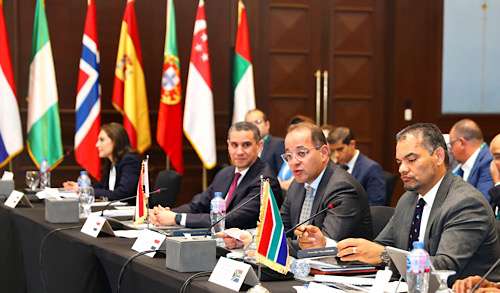
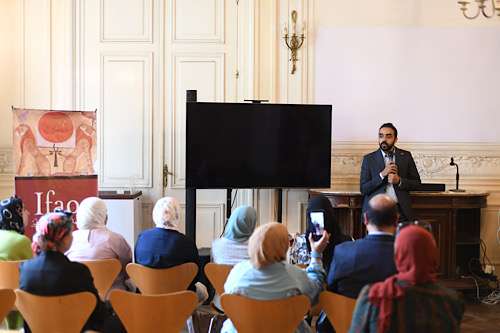
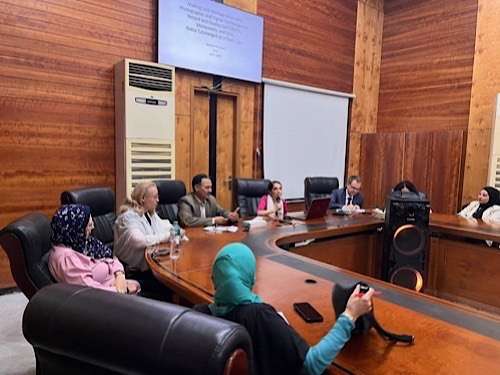
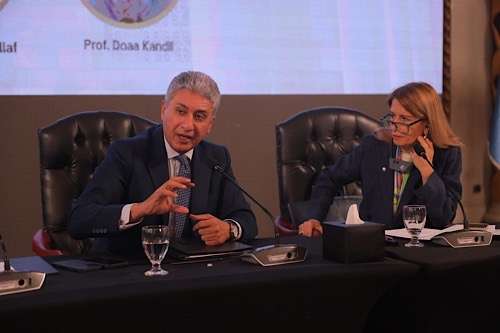
In a remarkable display of international collaboration and shared spiritual responsibility, the Ministry of Religious Affairs of the Republic of Indonesia, in partnership with Al-Azhar Al-Sharif, the Indonesian Embassy in Cairo, and the Indonesian Student Organization in Egypt, organized a distinguished International Seminar on Environmental Fiqh (Ecotheology) at the Al-Azhar Conference Center.
With the timely theme, “Challenges of Interacting with the Environment in Qur’anic Exegesis and the Sunnah,” the seminar attracted leading religious scholars and prominent figures from both Indonesia and Egypt. The event sought to strengthen the role of Islamic thought and values in addressing the ongoing global environmental crisis through a lens of theology, jurisprudence, and ethics.

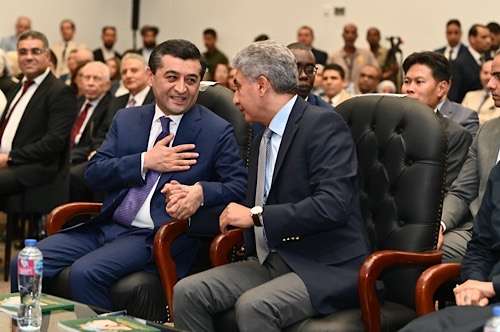
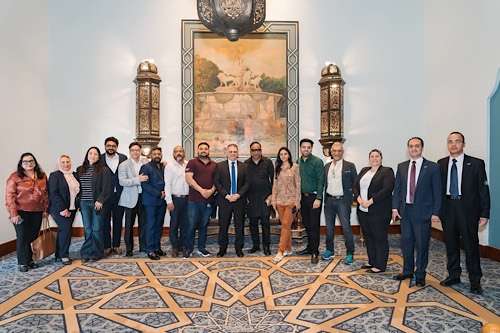
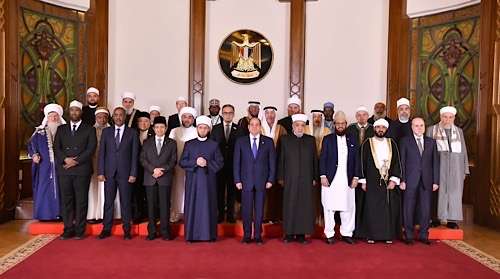
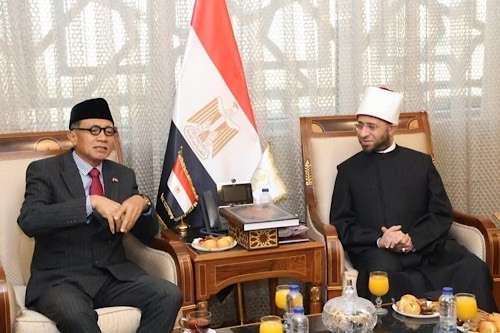
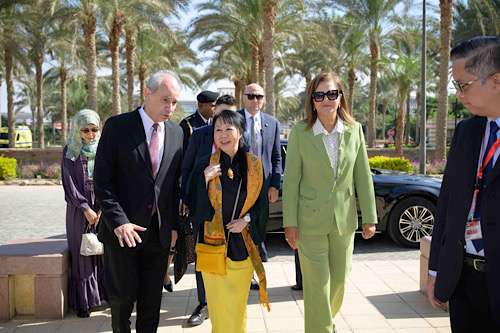
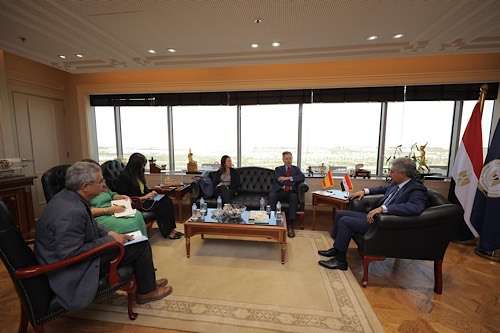
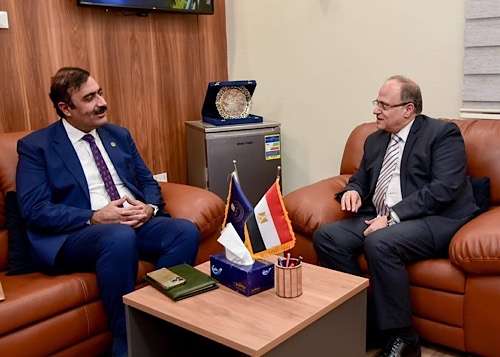
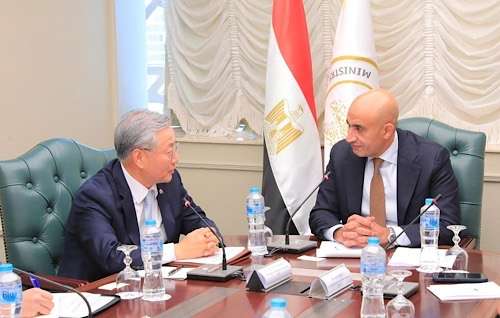
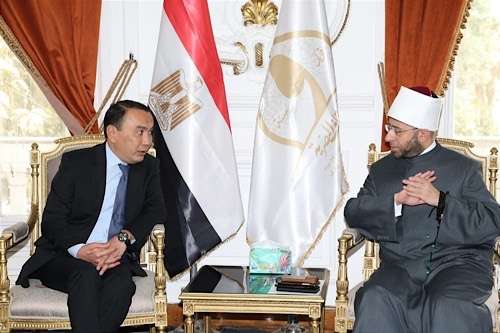
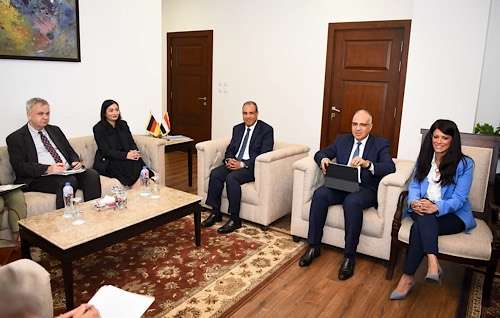
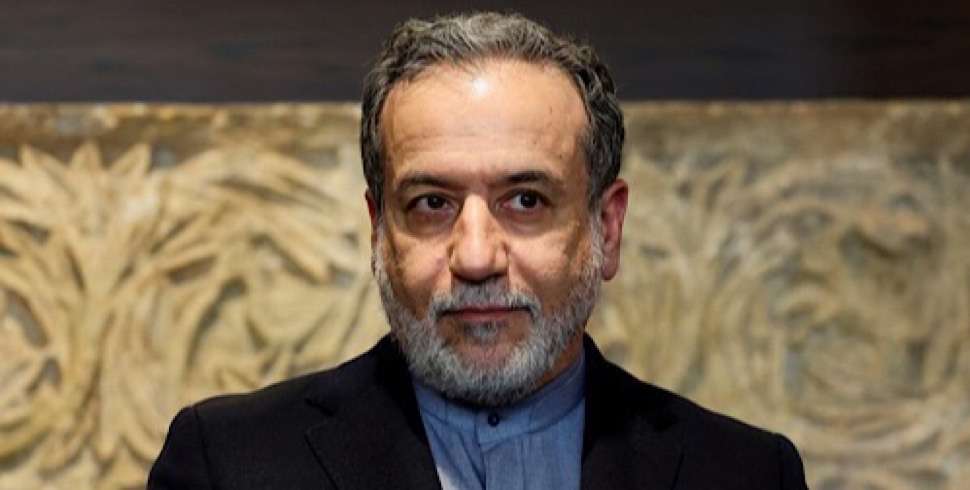
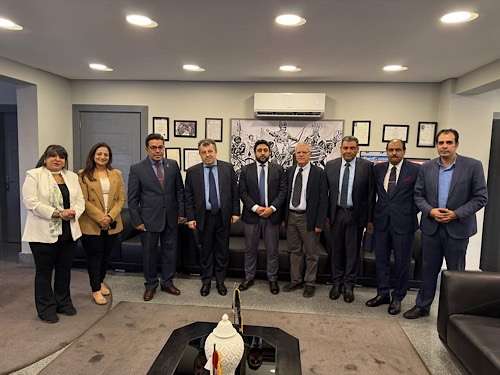
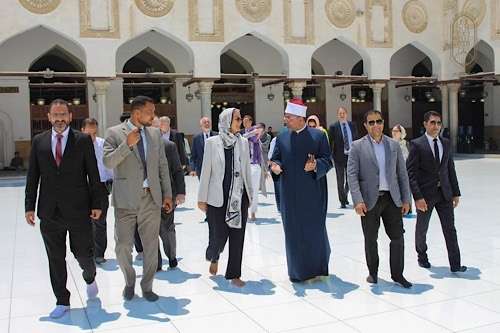
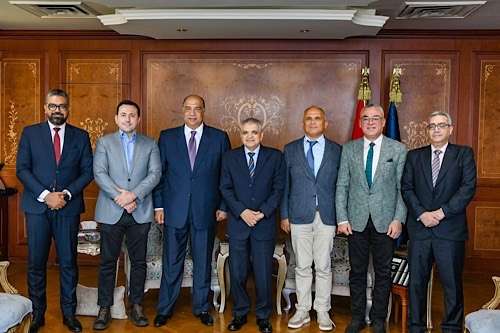
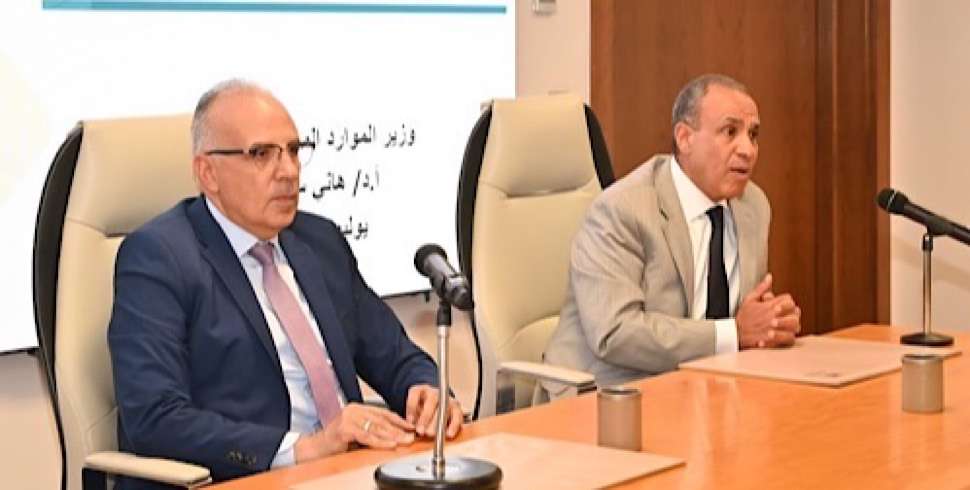
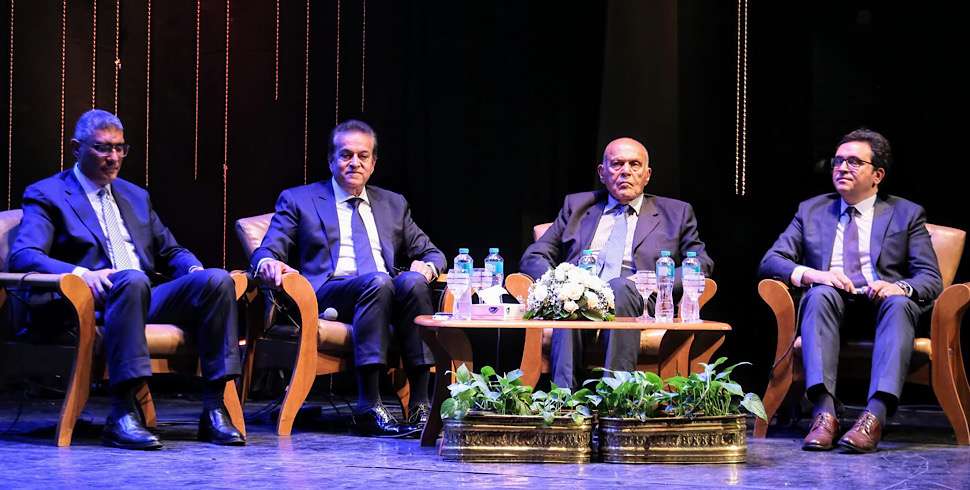
The Indonesian delegation included the Minister of Religious Affairs, Prof. Dr. Nasaruddin Umar; Indonesia’s Chargé d’Affaires to Egypt, M. Zaim A. Nasution; Director of Islamic Religious Affairs Prof. Dr. Mukhlis Hanafi; Chair of the Indonesian Ulema Council (MUI) for Women, Youth, and Family Affairs Prof. Dr. Amany Lubis; and several senior officials and academics. From Egypt, distinguished attendees included Al-Azhar University President Prof. Dr. Salama Gomaa Dawud, Chairman of the International Organization of Al-Azhar Alumni Prof. Dr. Hasan El Sagher, and an array of leading scholars from Al-Azhar’s religious institutions.
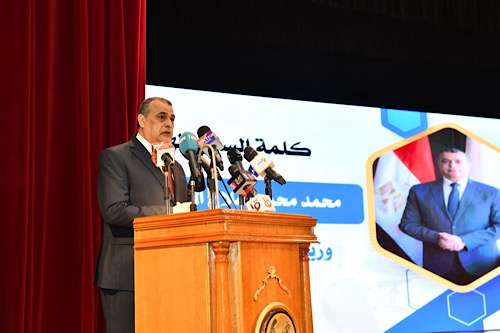
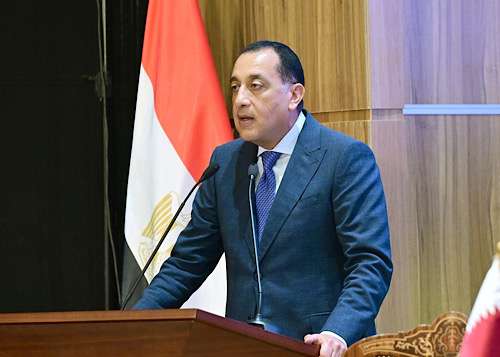
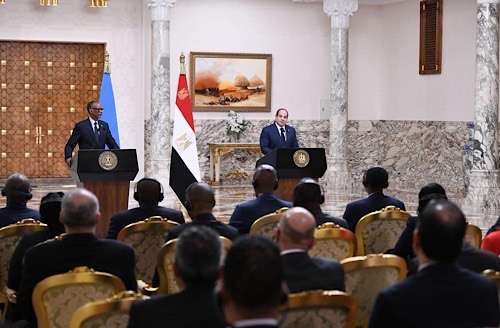
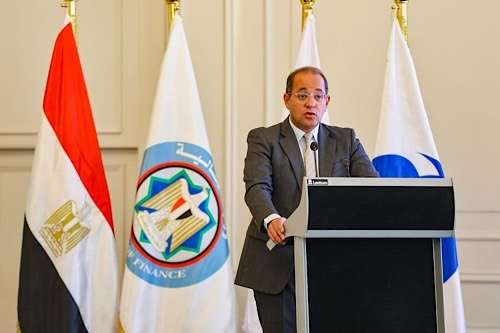
In his opening address, Indonesia’s Minister of Religious Affairs underlined the inseparable relationship between faith and environmental stewardship, affirming that, within Islam, the Earth is a sacred trust rather than absolute human property. “The world today does not only require intelligence, but also conscience and ethics in managing progress,” he emphasized, calling for a shared moral responsibility in safeguarding our environment.
Echoing this sentiment, Prof. Dr. Salama Gomaa Dawud of Al-Azhar University underscored that environmental protection is an individual and collective duty in Islam, with the consequences of environmental harm reverberating throughout all levels of society.
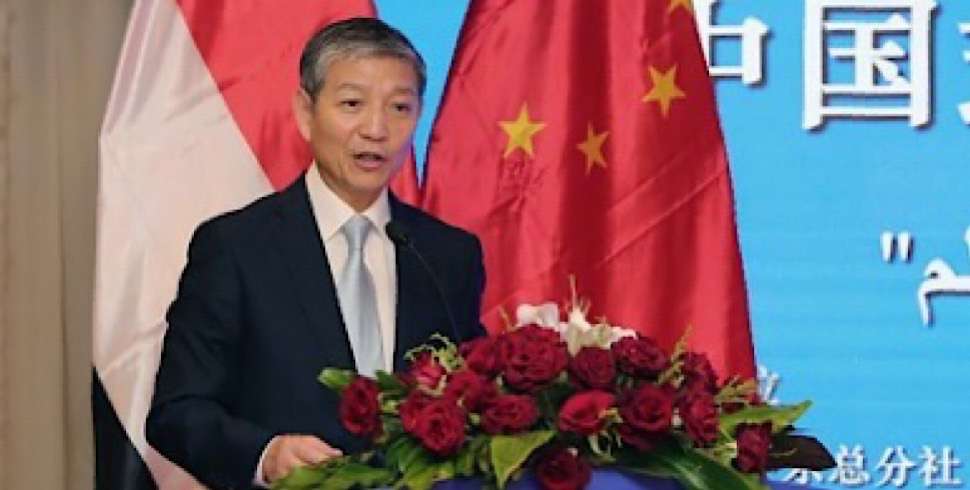
Chargé d’Affaires M. Zaim A. Nasution highlighted the historic intellectual ties between Indonesia, Egypt, and Al-Azhar University, expressing hope that the seminar would further strengthen collaboration and contribute to a tradition of moderation and sustainable civilization-building.
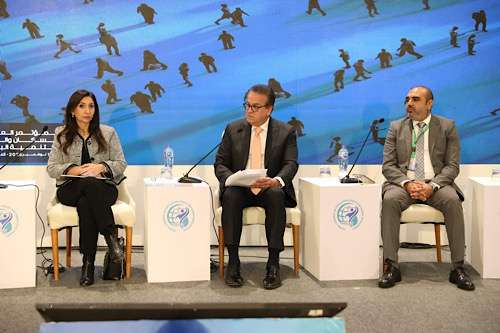
Seminar sessions featured insightful discussions from Prof. Dr. Hasan El Sagher and Prof. Dr. Mukhlis Hanafi, who delved into the principles of environmental fiqh, exploring how Qur’anic and Prophetic guidance can shape ecological ethics, inform public policy, and empower religious institutions as catalysts for environmental education.
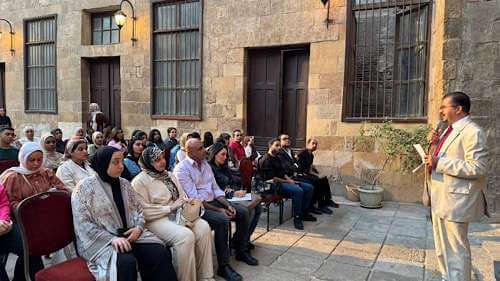
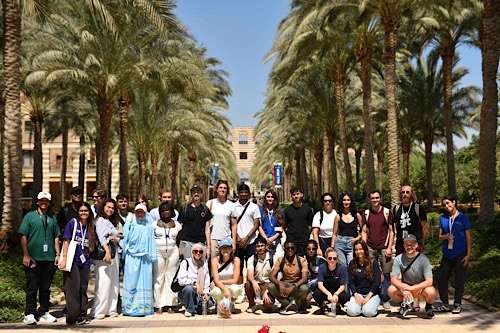
The event drew hundreds of attendees, including scholars, lecturers, students, and environmental advocates—each united in their commitment to making sustainability a cornerstone of faith and daily practice.
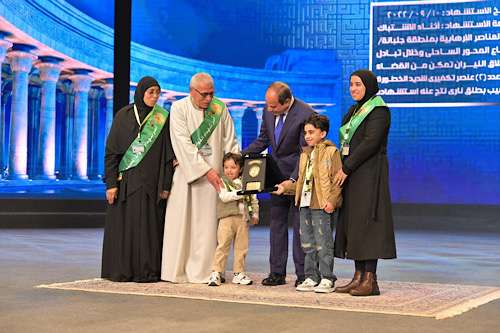
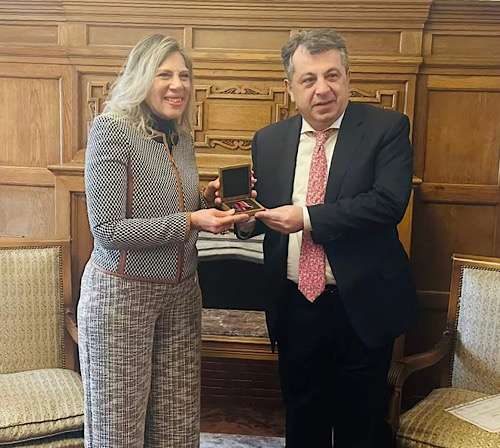
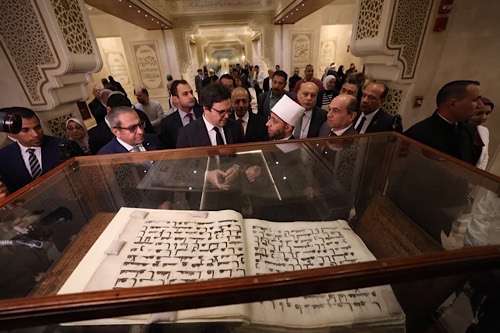
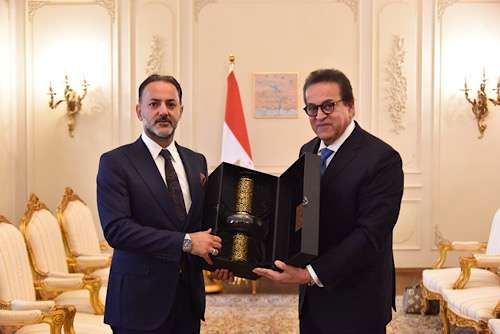
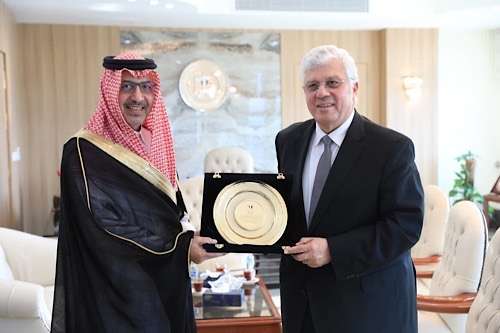
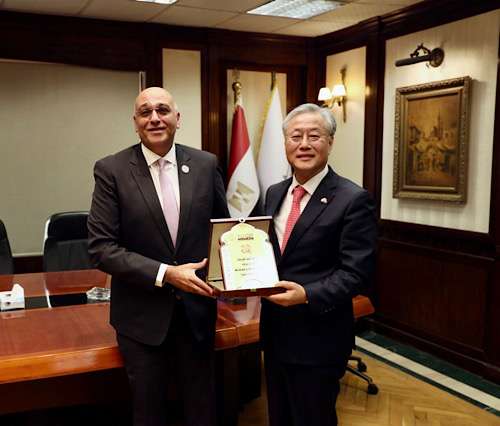
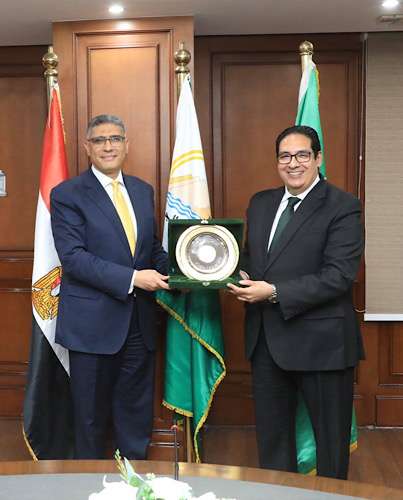
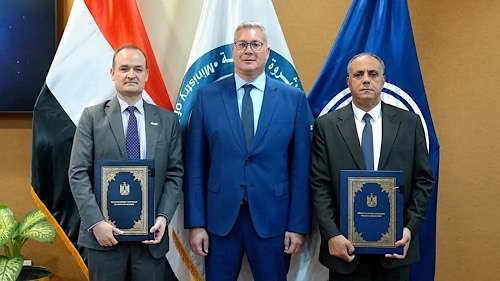
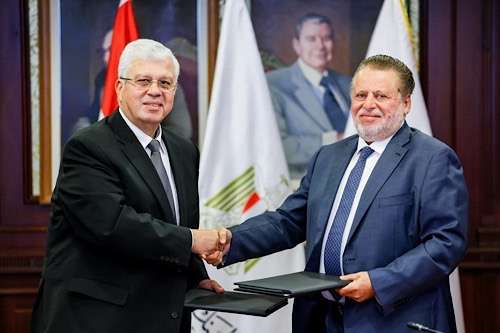
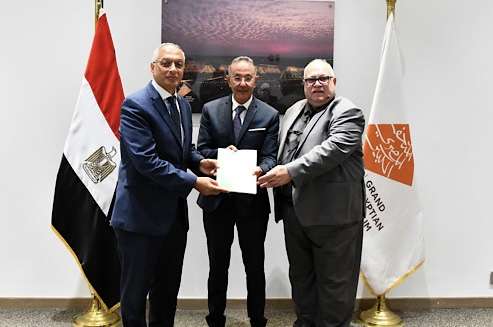
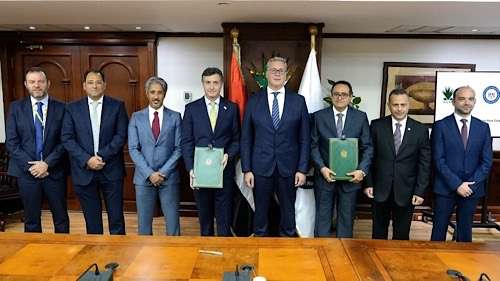
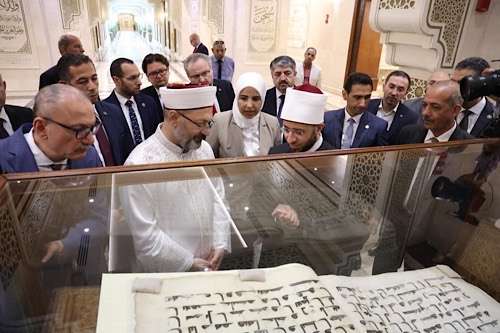
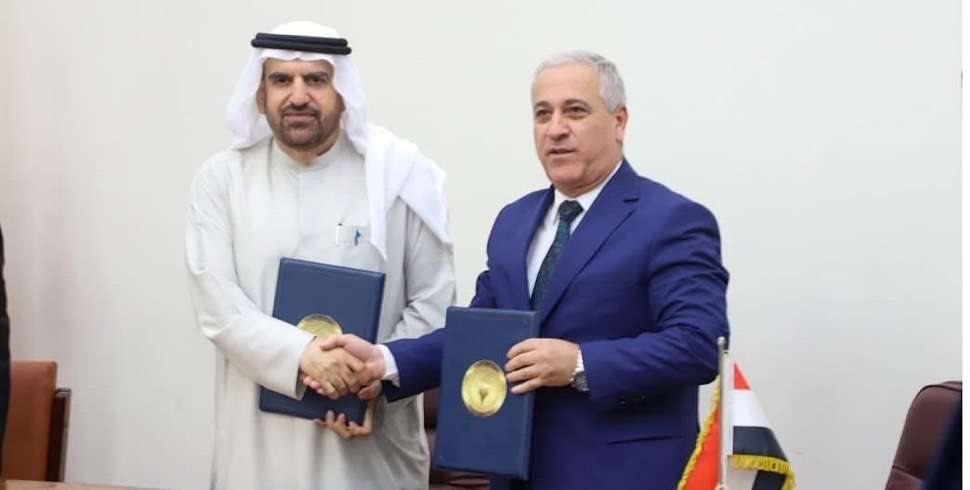
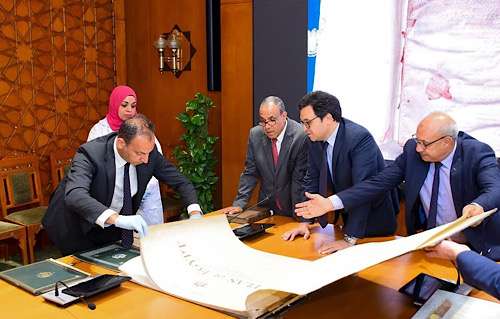
A heartwarming moment during the seminar was the symbolic handover of a Braille-encoded Holy Qur’an—published by Indonesia’s Ministry of Religious Affairs—to Al-Azhar University’s President, reinforcing a joint commitment to inclusivity and spiritual enlightenment.
This meaningful seminar concluded with reaffirmed resolve from both Indonesia and Egypt to promote religious diplomacy, foster Islam’s message as a mercy for all, and build global partnerships rooted in both faith and sustainability. Their continued cooperation inspires hope for an environmentally balanced and harmonious future for generations to come.