











































































































































































































































































































































































































































































































































































































































































































































































































































































Friday, 09 October 2026
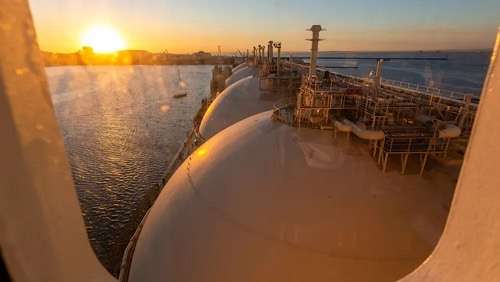
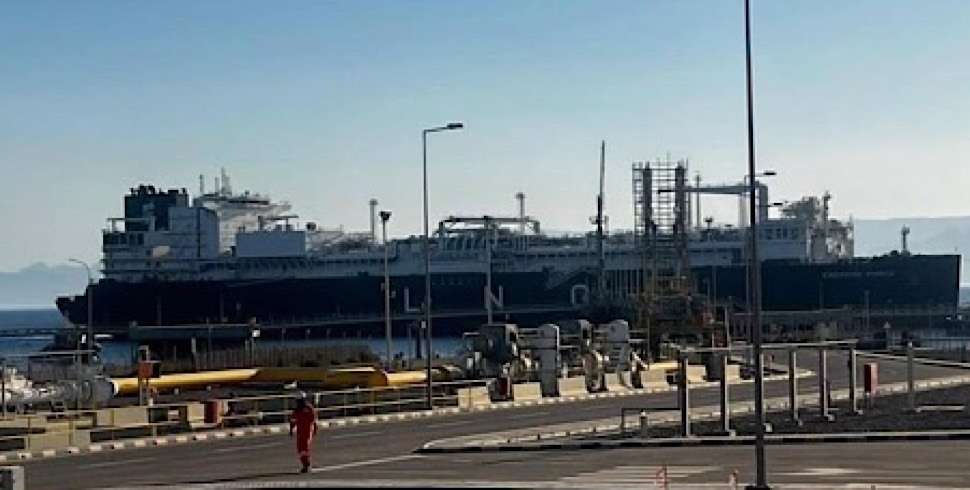
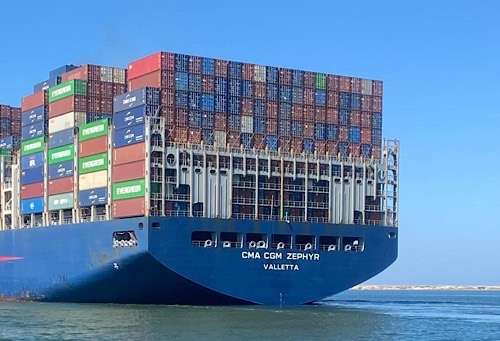
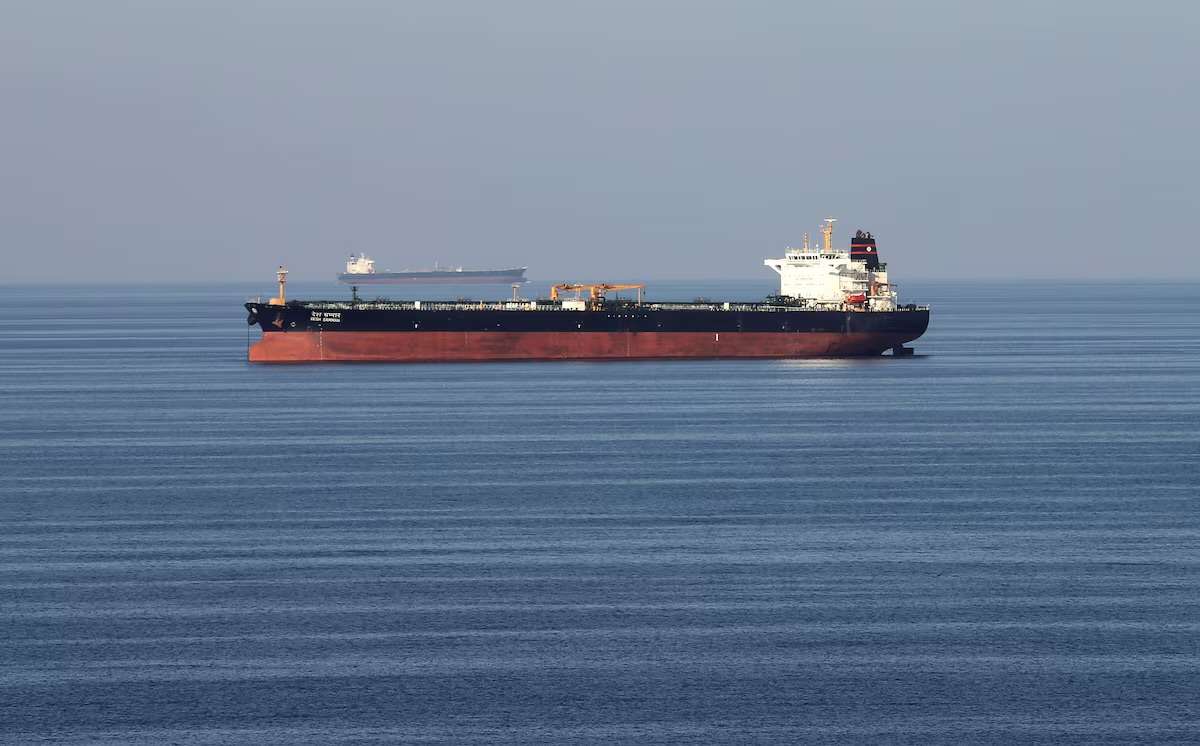
Egypt has issued a global tender to lease a floating storage unit for liquefied natural gas with a total capacity of about 150,000 cubic metres for three months during the summer, with an option to extend if needed, a government official told Asharq Bloomberg on condition of anonymity.
The official said the unit would allow Egypt to store a larger number of LNG cargoes during the peak electricity-demand season and help the country manage any delays in scheduled shipments or potential disruptions in gas supplies from Israel, similar to those seen last summer amid heightened regional tensions.
Egypt aims to import about 3.9 billion cubic feet of gas per day this summer, including 1.1 billion cubic feet from Israel’s Tamar and Leviathan fields and around 2.8 billion cubic feet from LNG cargoes. Gas from Tamar and Leviathan is supplied via pipelines, making it relatively cheaper than importing LNG from global markets.
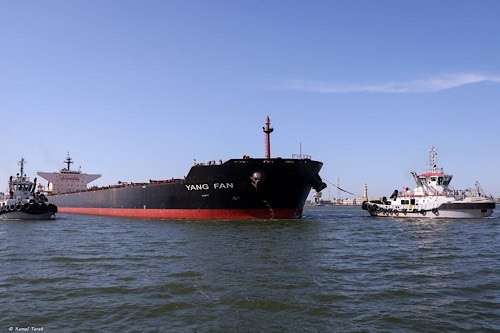
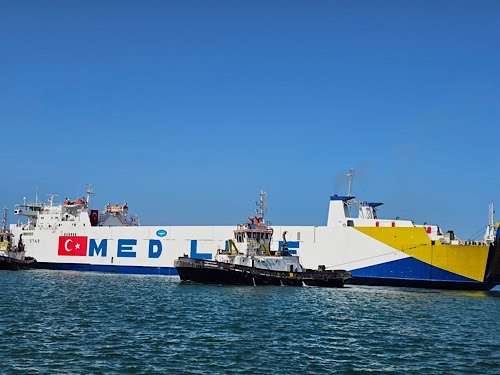
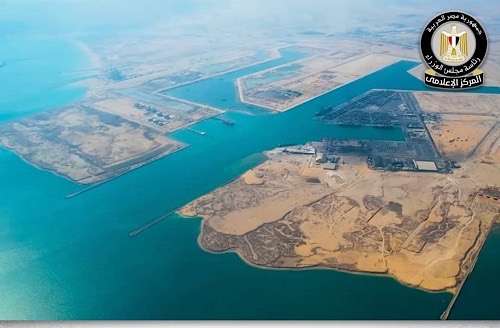
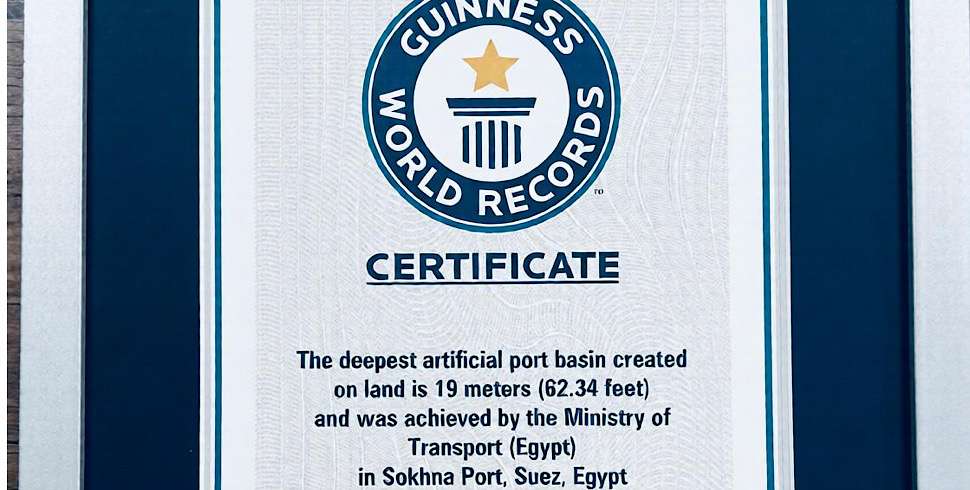
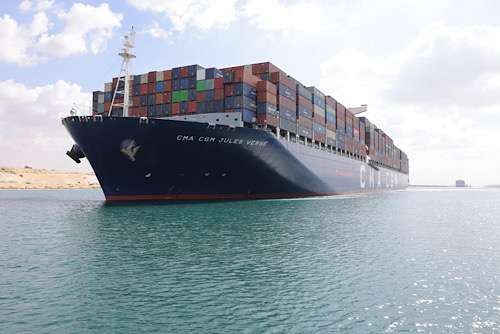
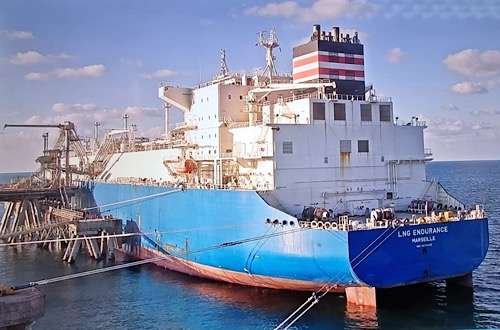
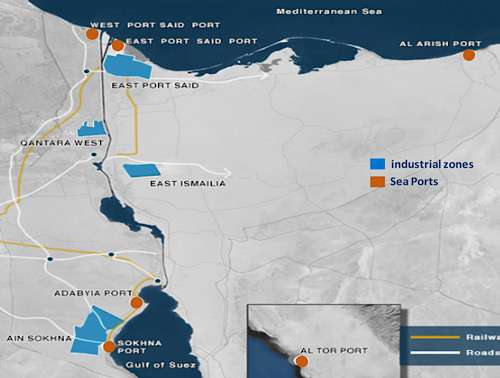
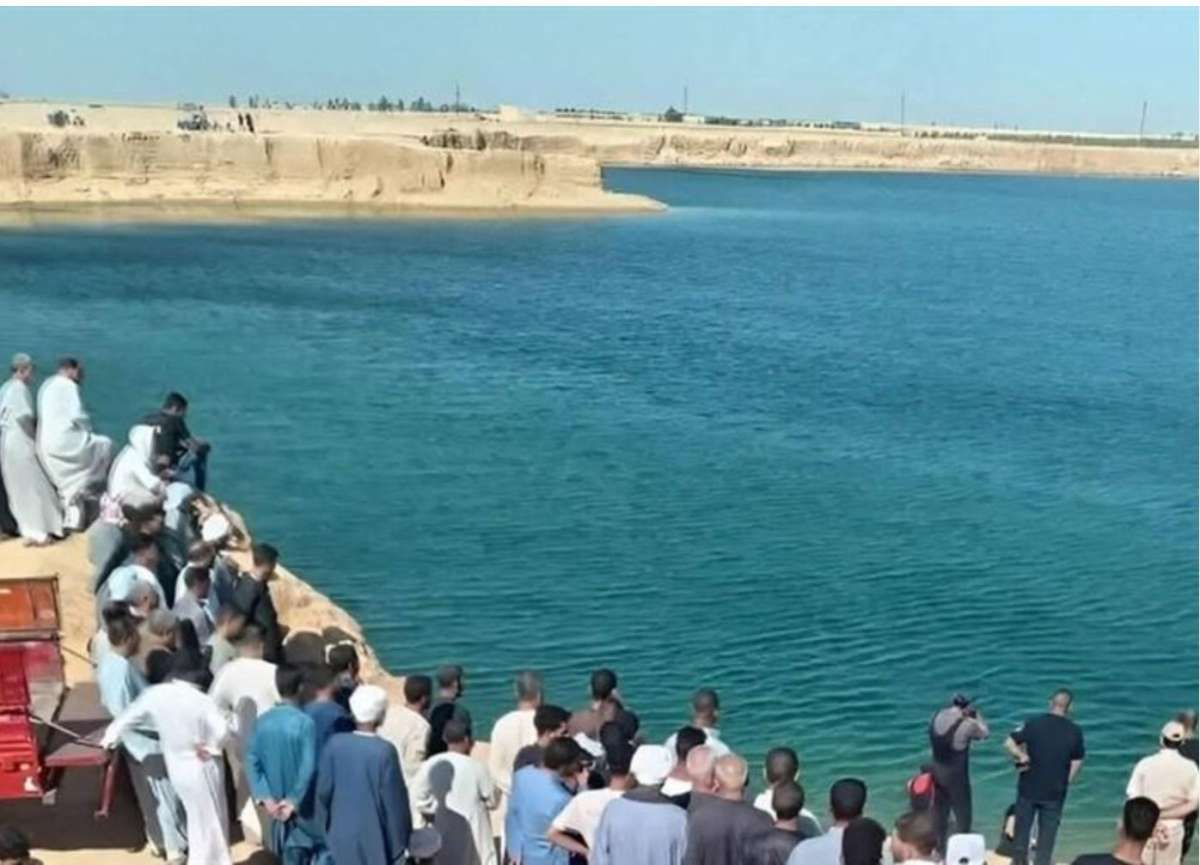
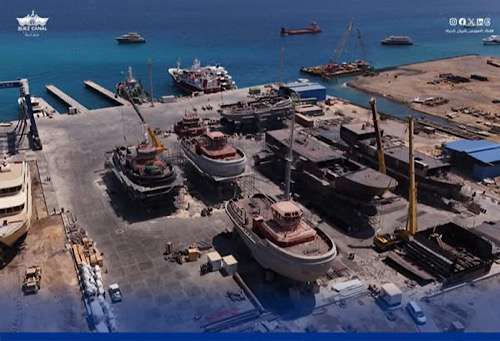
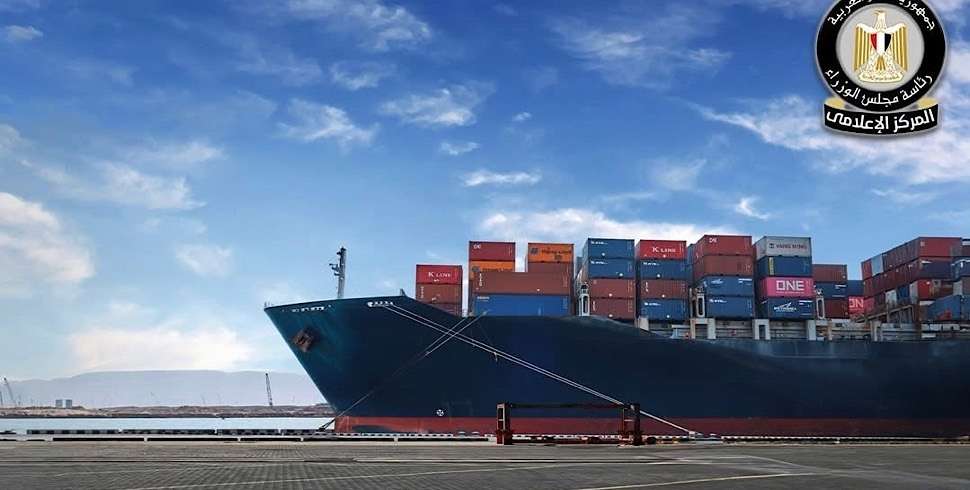
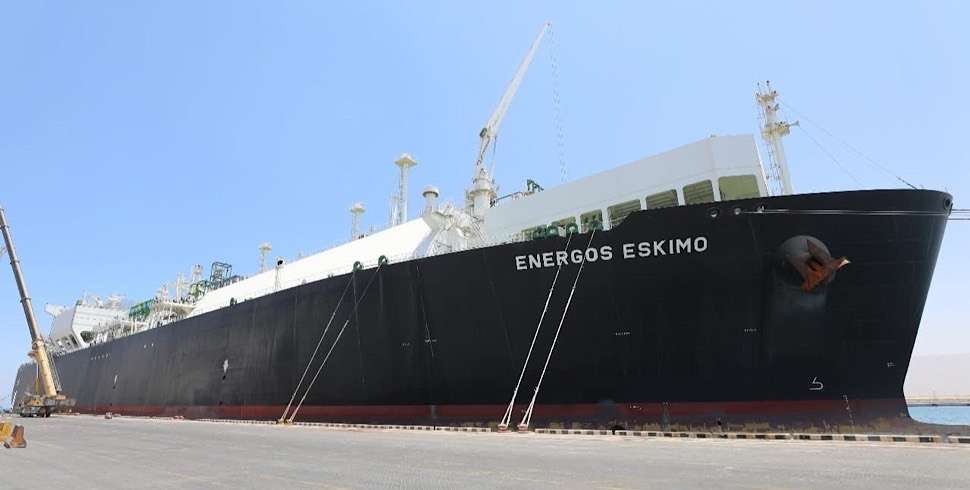
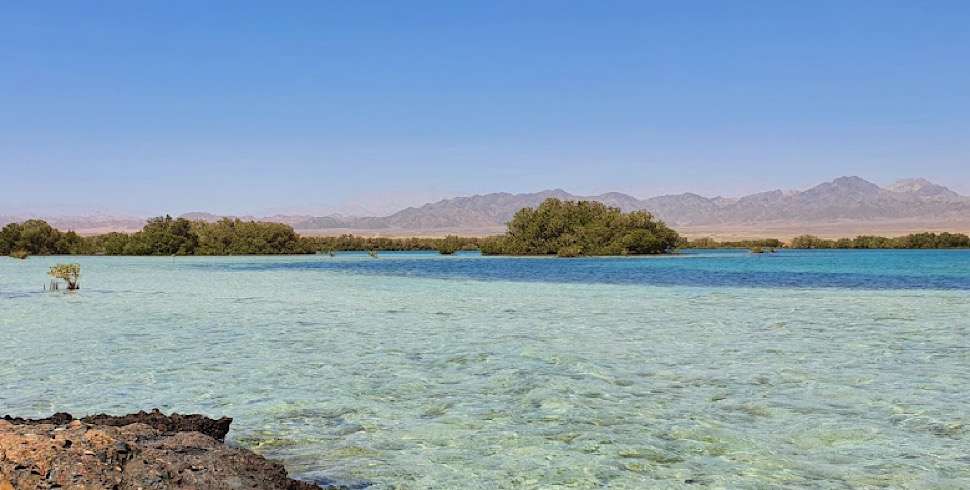
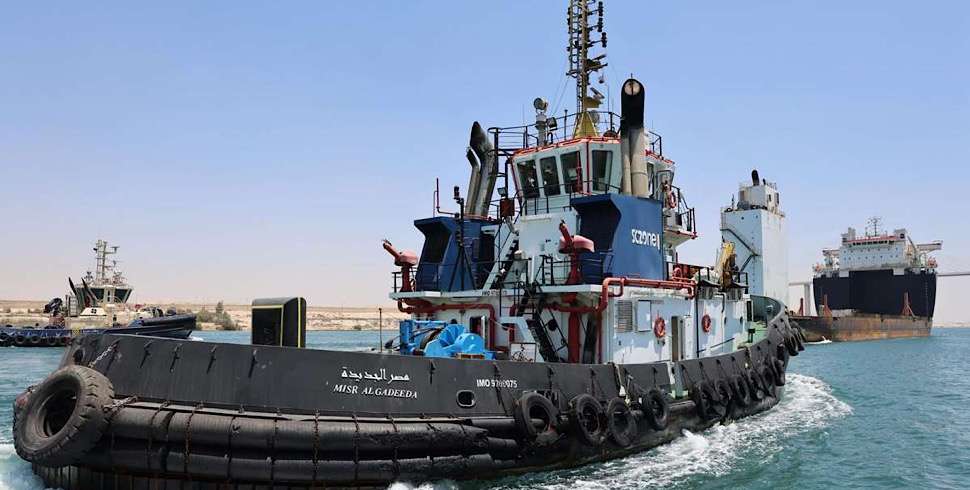
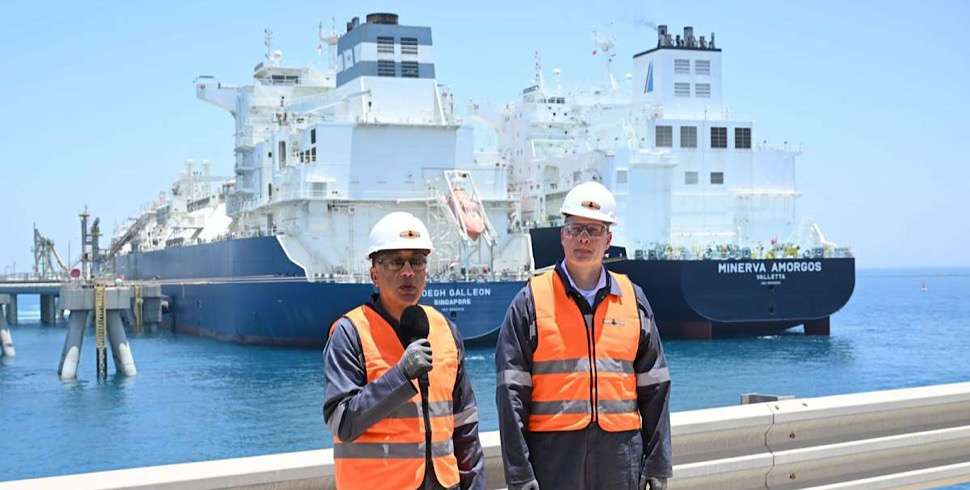
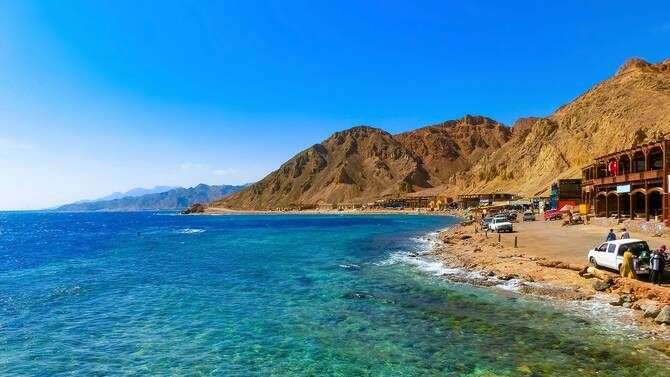
The official said the floating storage unit is likely to be stationed in the Red Sea near the Ain Sokhna port, where three regasification vessels already operate, from June or July until the end of September, when domestic demand peaks. The monthly cost of leasing the unit is estimated at 2.25 million dollars.
Egypt expects its total gas needs to rise by roughly 10 percent in the summer of 2026, reaching a peak of about 7.9 billion cubic feet per day in August, up from around 7.2 billion cubic feet during the same month last year. Gas demand for electricity generation alone is forecast to rise to around 5.1 billion cubic feet per day in August, an increase of 250 million cubic feet from August 2025.
Electricity plants will consume Egypt’s entire domestic gas production — currently around 3.8 billion cubic feet per day — during the summer months, with the remainder covered by imports.
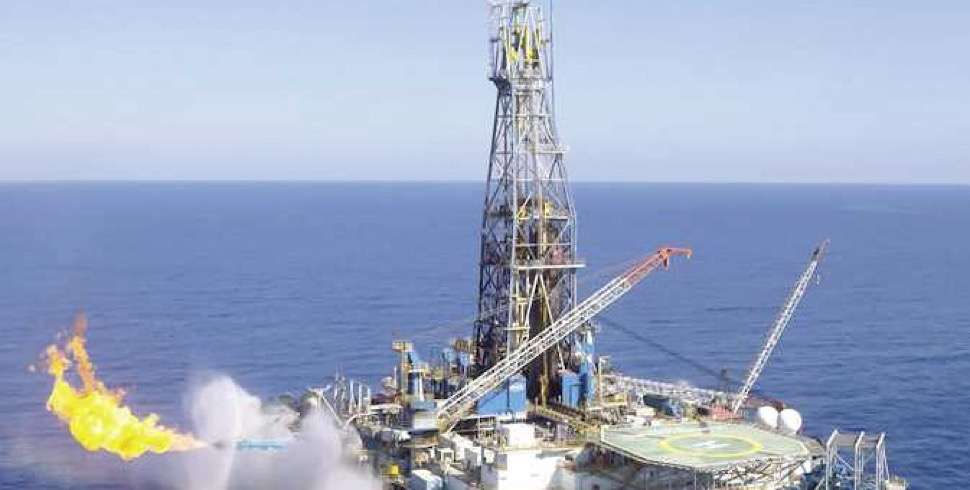
The petroleum ministry, working with foreign partners, is accelerating development and connection of new wells to boost production and offset natural declines of about 100 million cubic feet per month, after national output fell below 4 billion cubic feet per day. International energy companies have stepped up exploration in Egypt, including Chevron, which has begun drilling new wells in the western Mediterranean.
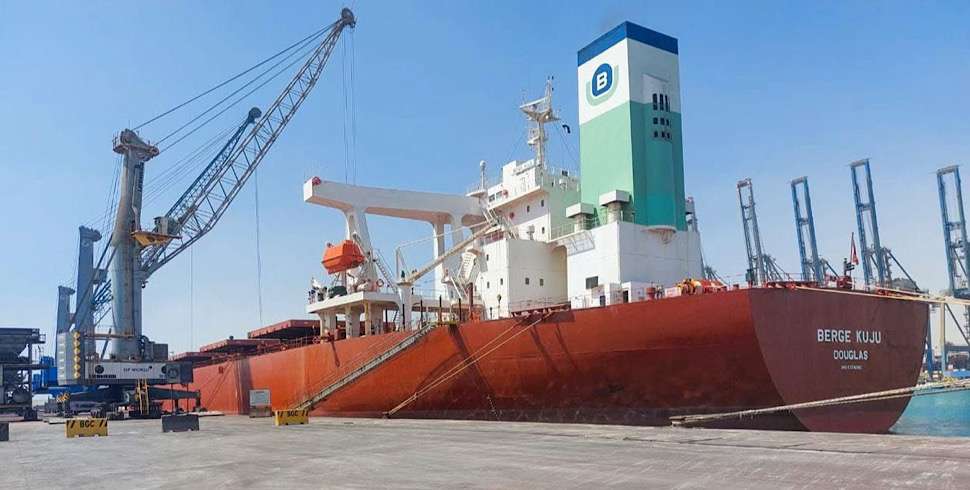
Egypt plans to continue LNG imports until 2030 while also leasing four regasification vessels. Three units are currently operating in Ain Sokhna with a combined capacity of about 2.25 billion cubic feet per day, in addition to the Energos Winter vessel in Damietta, which can handle around 450 million cubic feet per day.