

























































































































































































































































































































































































































































































































































































































































































Friday, 09 October 2026
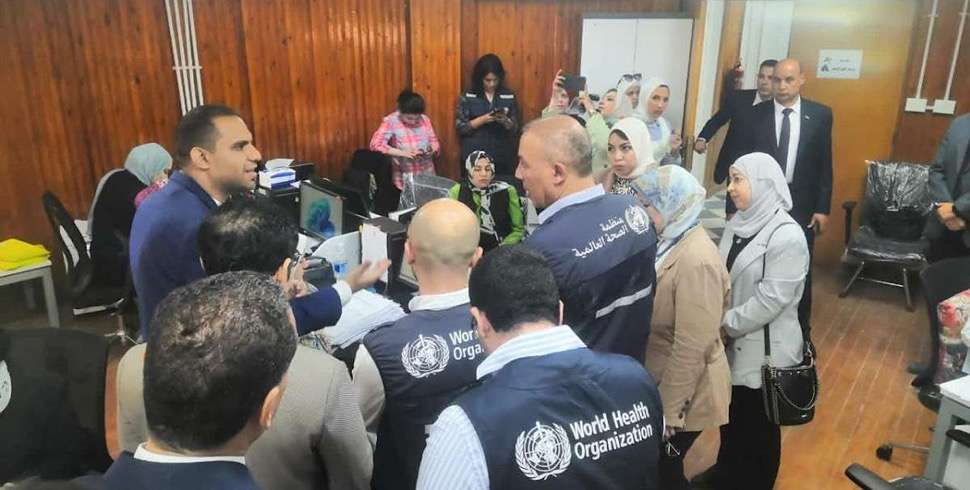
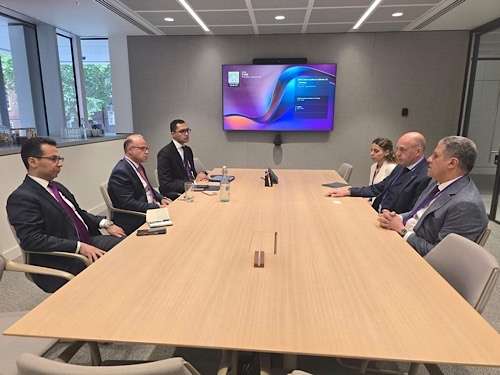
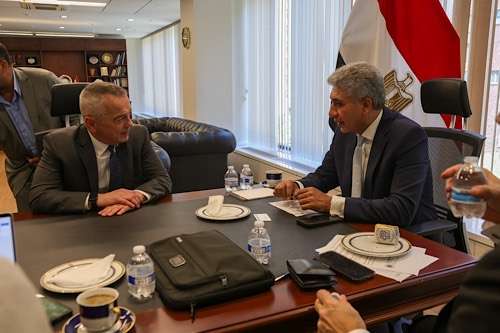
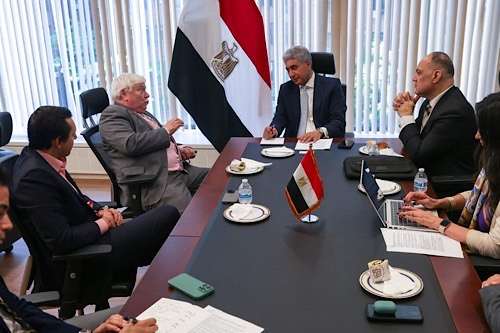
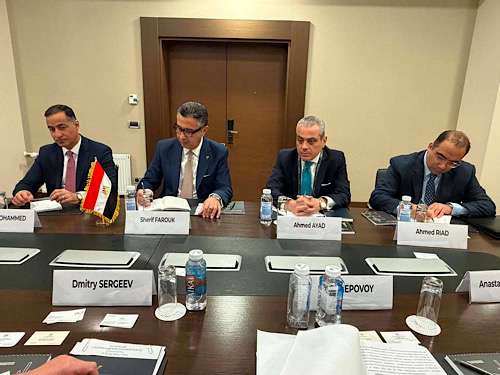
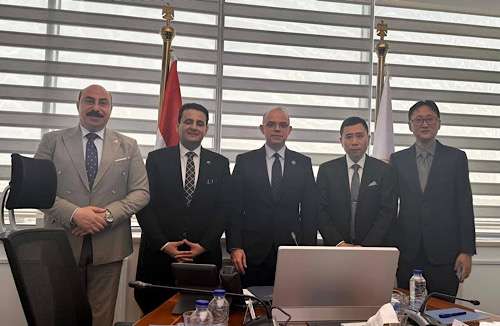
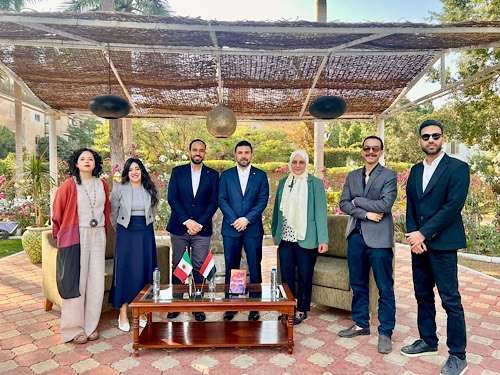
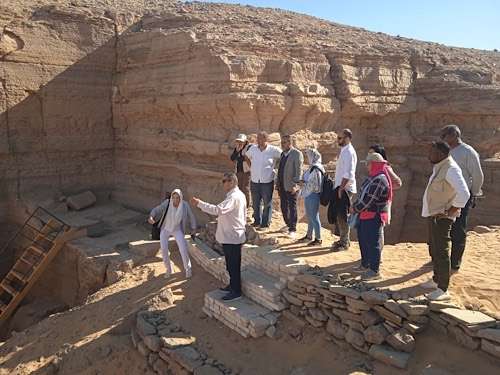
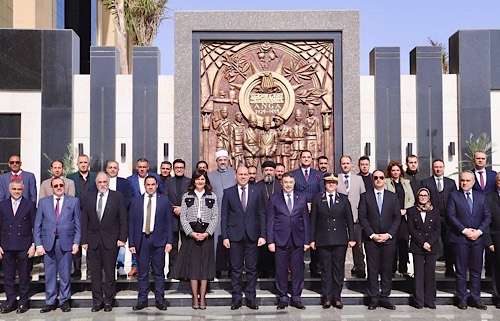
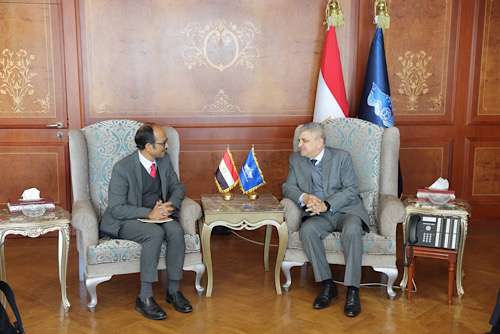
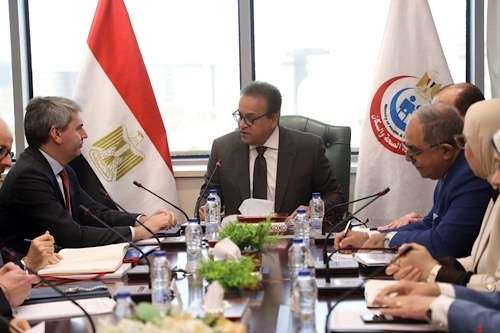
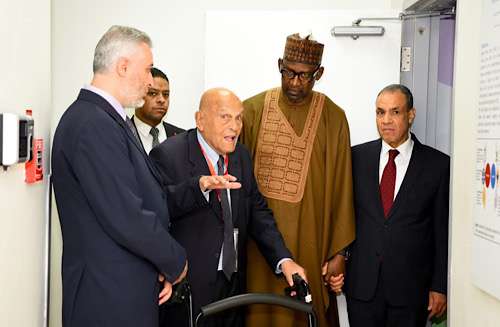
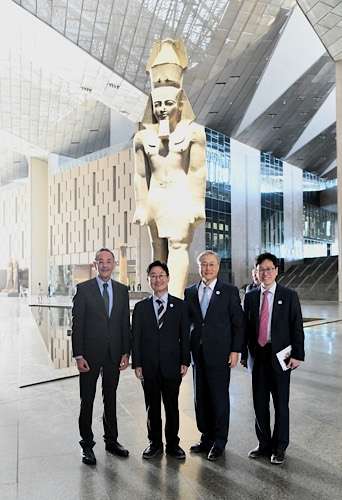
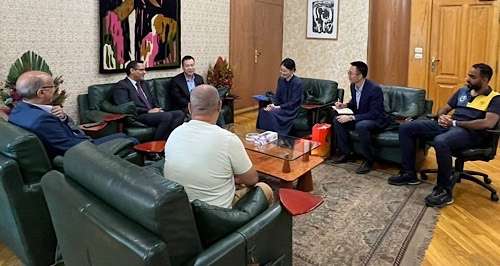
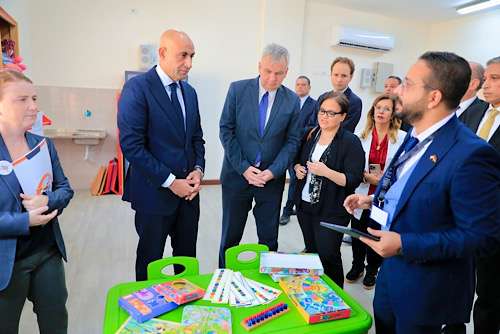
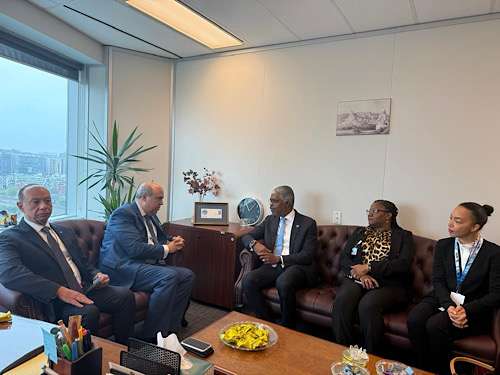
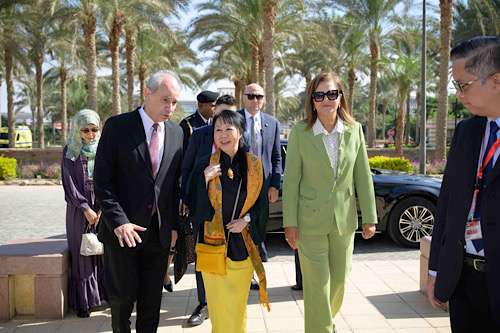
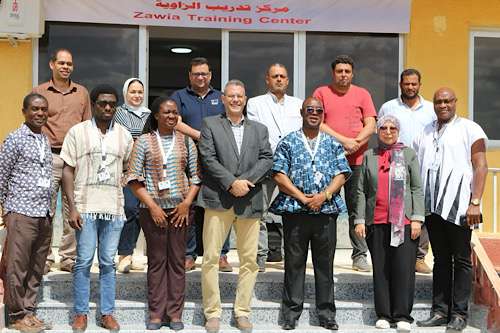
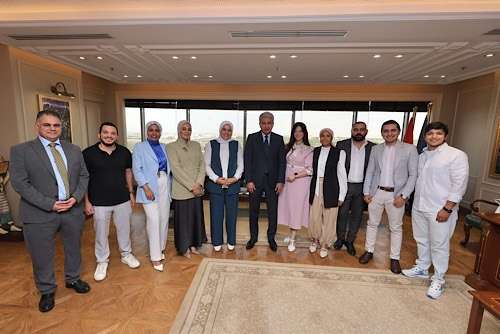
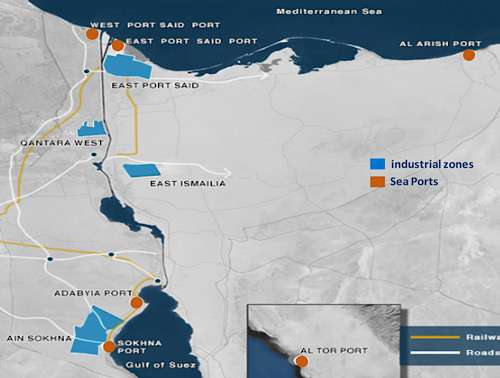
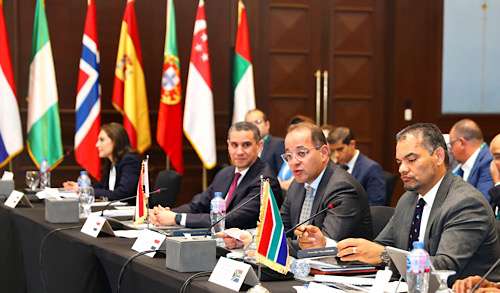
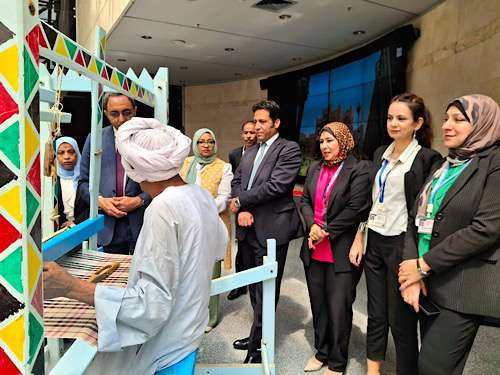
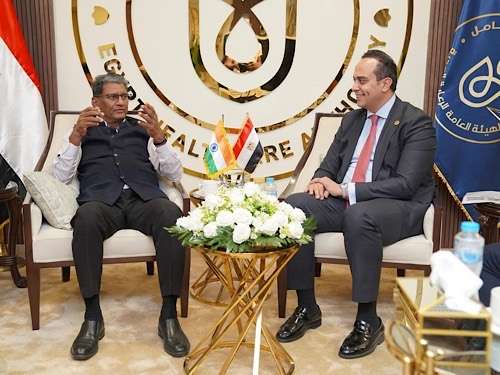
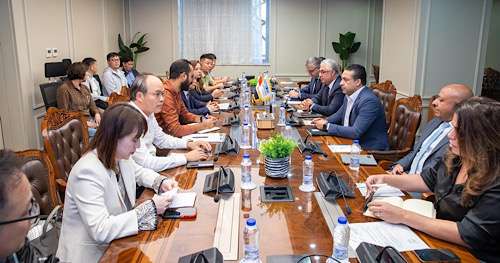
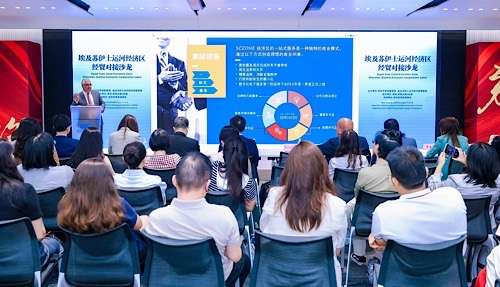
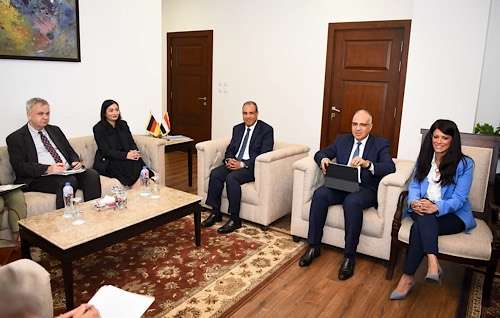
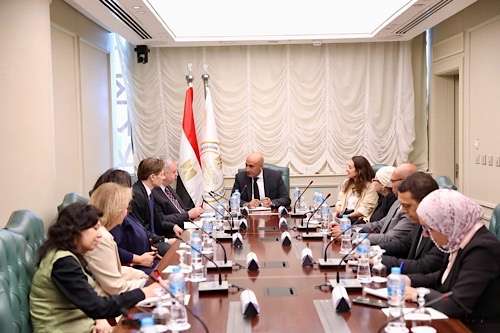
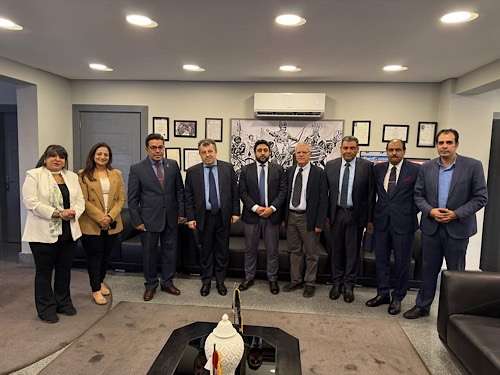
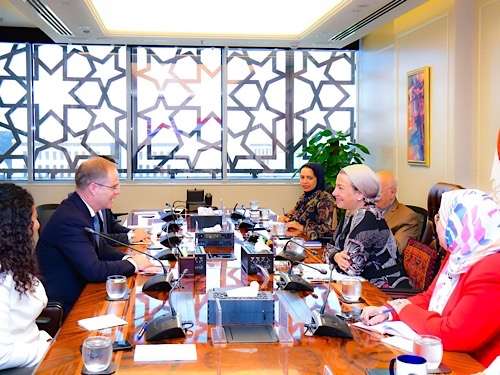
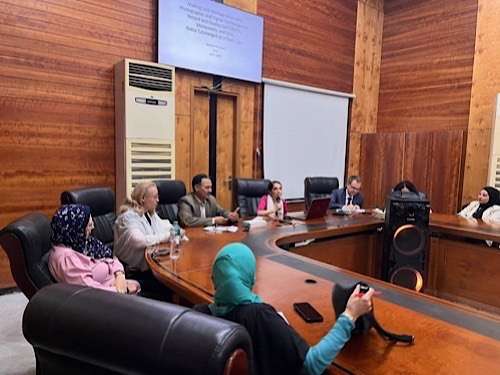
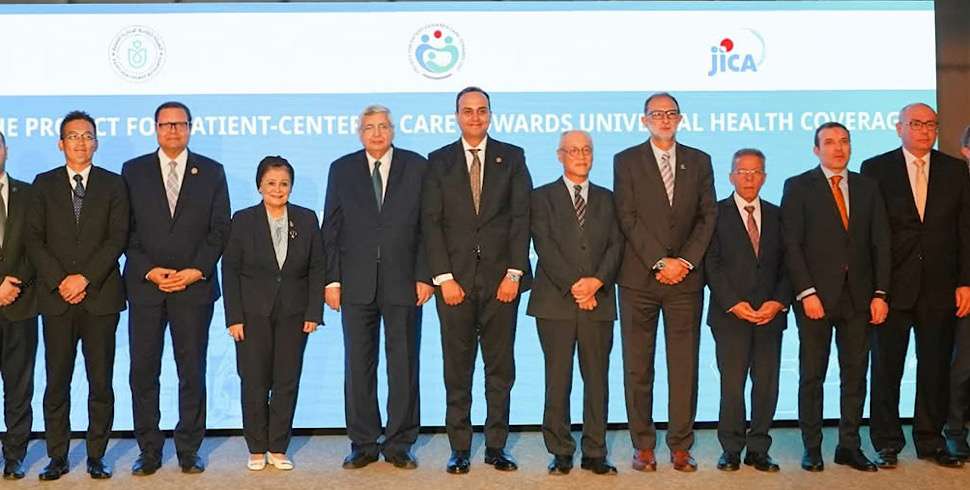
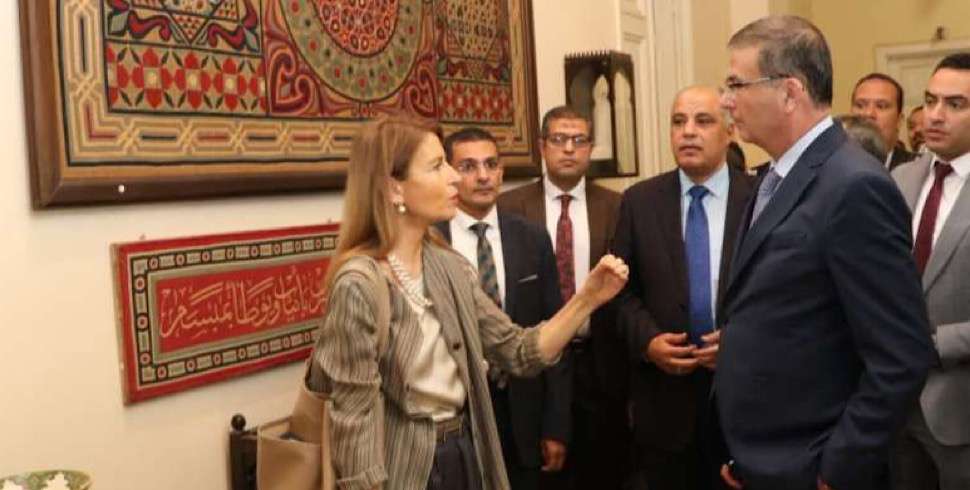
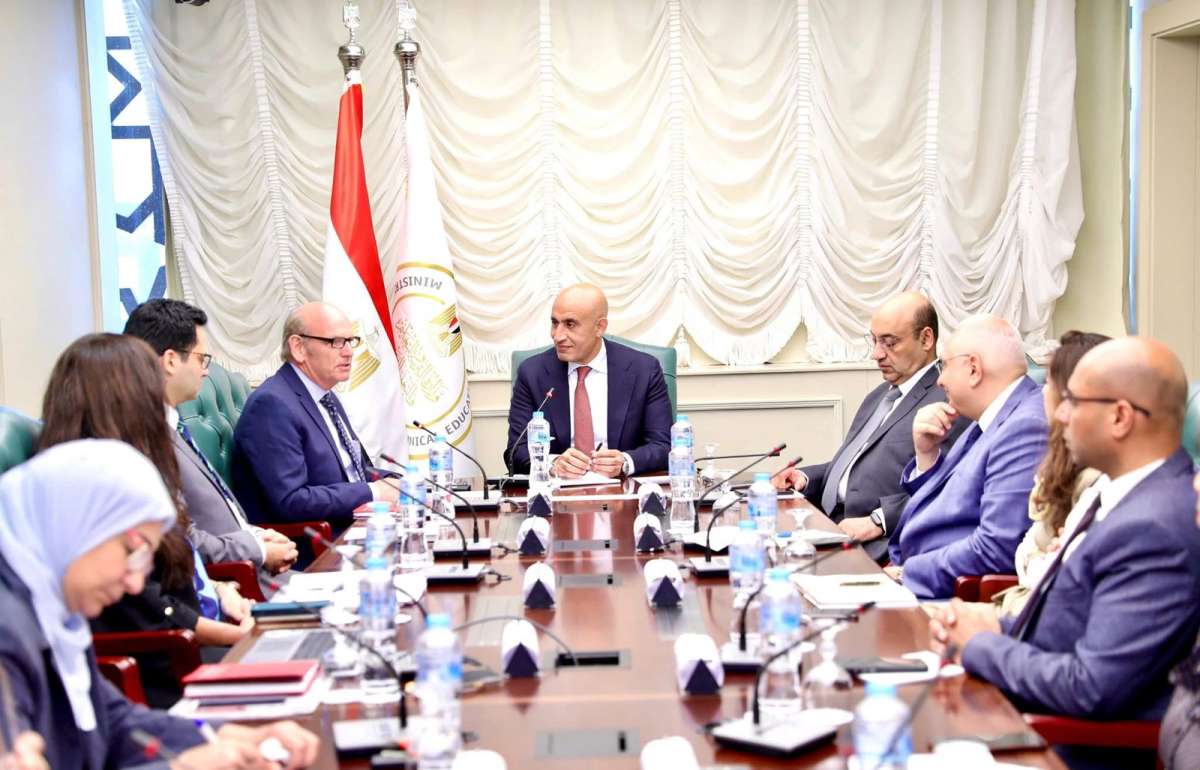
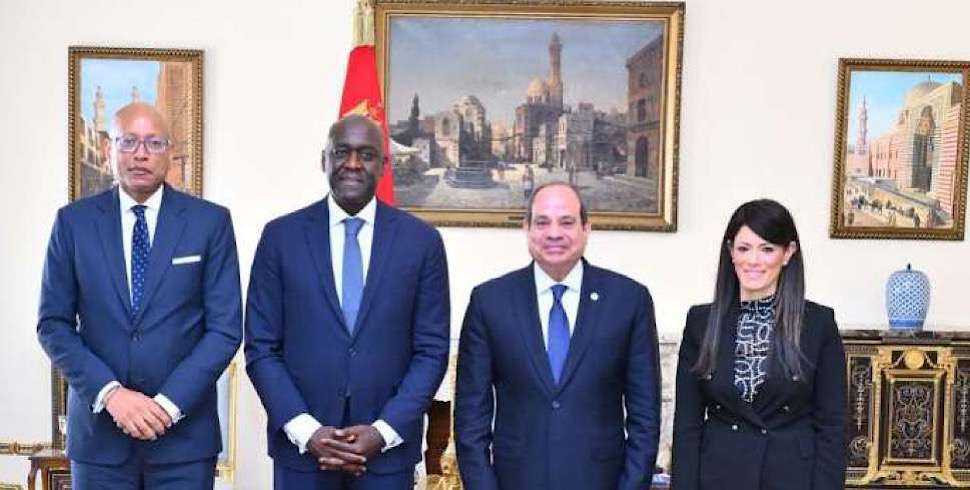
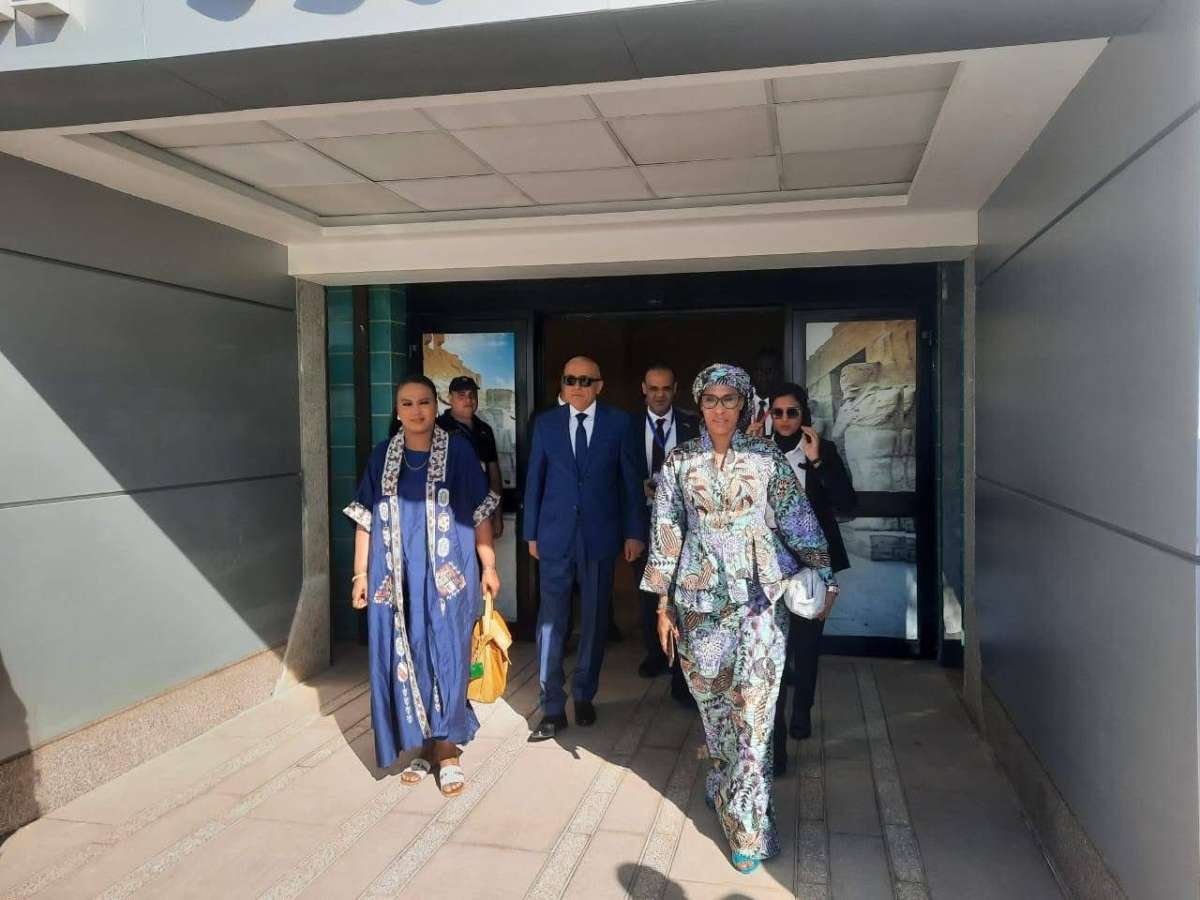
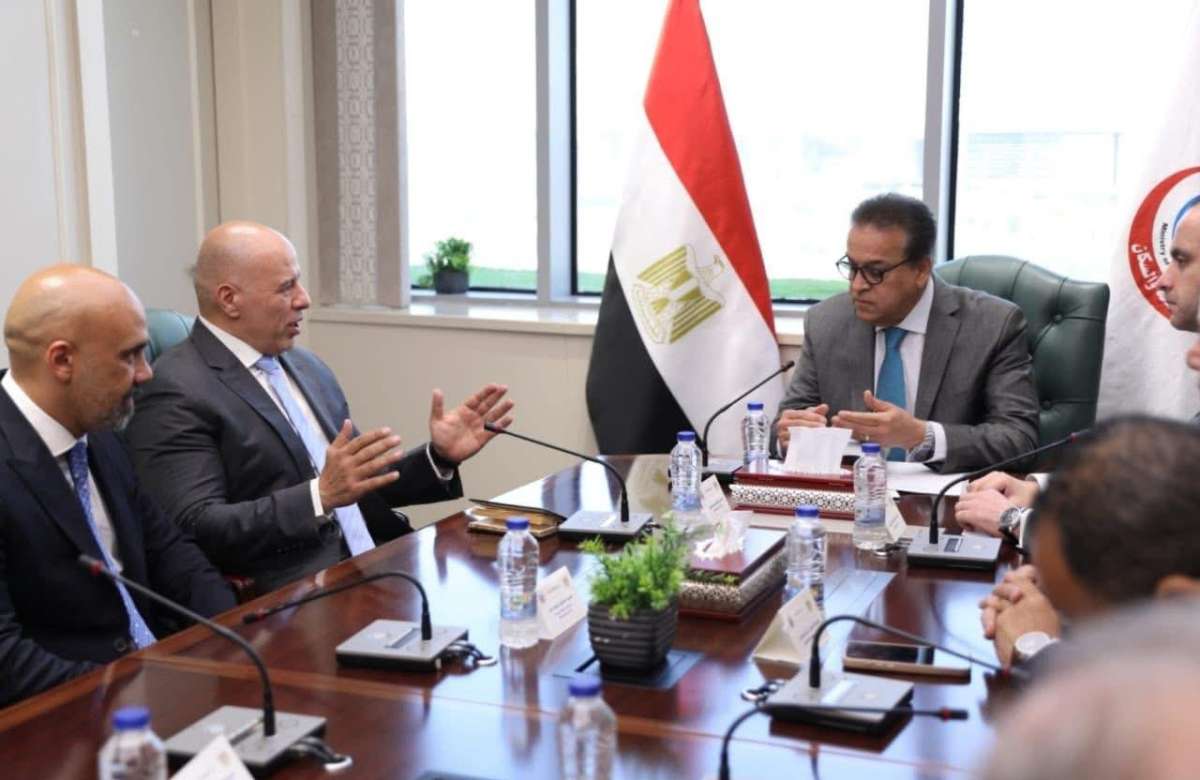
A distinguished delegation representing the World Health Organization (WHO), the World Bank, and the Japan International Cooperation Agency (JICA) has completed a successful field visit across Egypt’s Suez Canal cities—Port Said, Ismailia, and Suez—to review the country’s Universal Health Insurance (UHI) system.
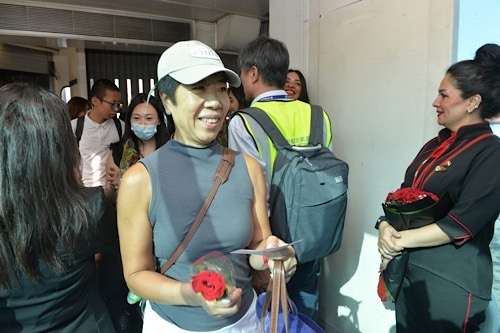
Their visit was warmly received by local officials and health workers, illustrating Egypt’s commitment to sharing its experience in health reform with the world.
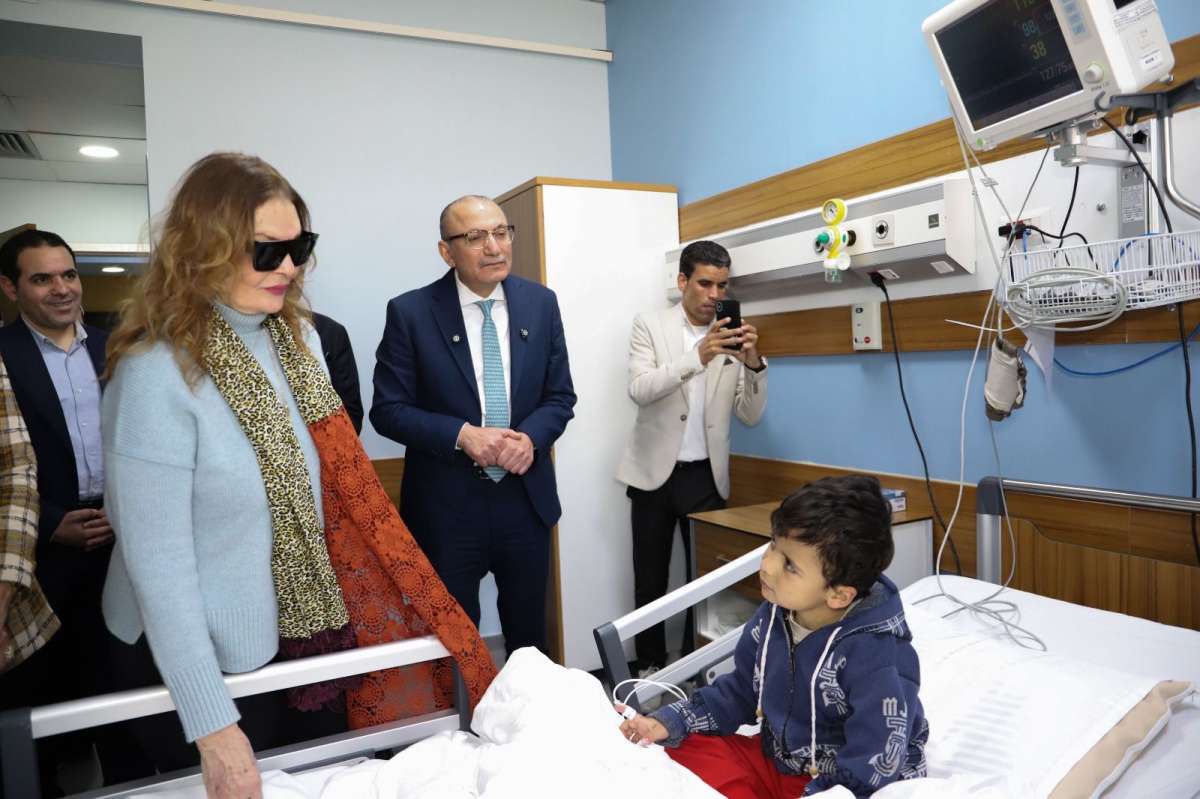
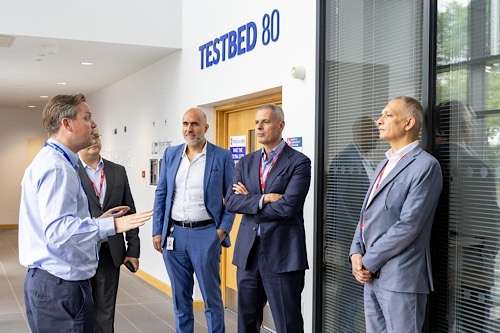
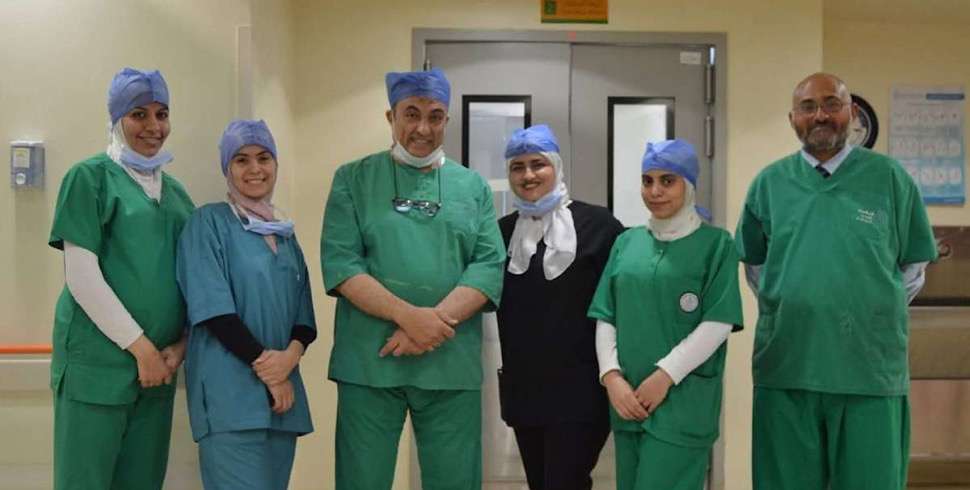
Over three days, the delegation closely reviewed service quality, financial sustainability, and beneficiary satisfaction at various public and private hospitals and clinics now operating under Egypt’s expanding UHI law. The team met with front-line medical staff, administrators, and patients, with many remarking on the system’s remarkable progress.
A model for high-quality, sustainable healthcare
In interviews following their tour, the delegation members expressed high praise for the speed of UHI implementation, the quality assurance measures in place, and the sound financial footing of the entire system.
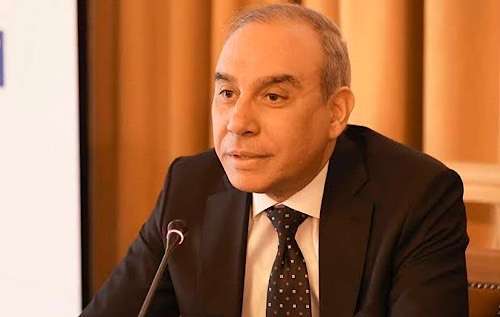
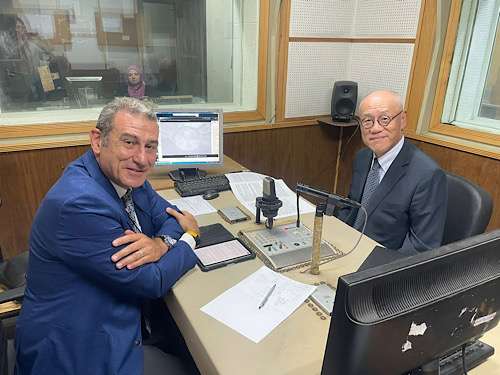
“The high level of beneficiary satisfaction and the sustainable funding mechanisms are outstanding,” noted Dr. Gasser Gad El kareem, WHO Health Systems Coordinator. “This model could serve as an example for many countries seeking universal health coverage.”
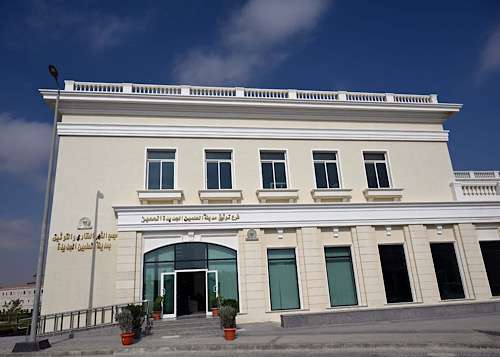
Delegates were particularly impressed by Egypt’s success in welcoming private-sector healthcare providers into the fold. Such partners, once strictly vetted and accredited, now deliver insured services to thousands of citizens. At Ismailia’s privately run Al-Freed Primary Healthcare Center, the delegation saw firsthand how over 45,000 residents benefit from seamless access to care under the insurance scheme.
Efficiency and inclusion
A major highlight was the efficiency and fairness in financial settlements to care providers, with most claims paid in less than a month. Healthcare staff and private partners spoke of significant improvements in reimbursement and case resolution since joining the UHI network. The delegation also praised Egypt’s steps toward inclusive coverage, especially for vulnerable groups, and observed the transparent complaint management process.
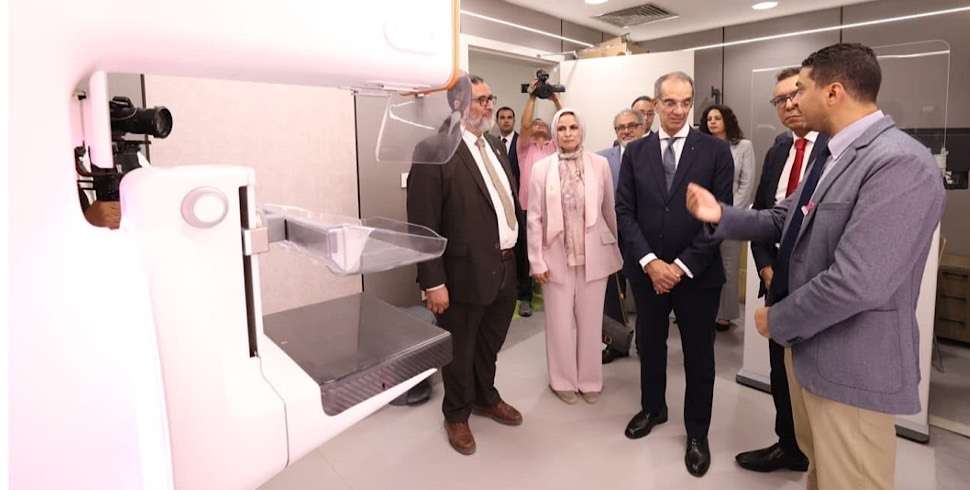
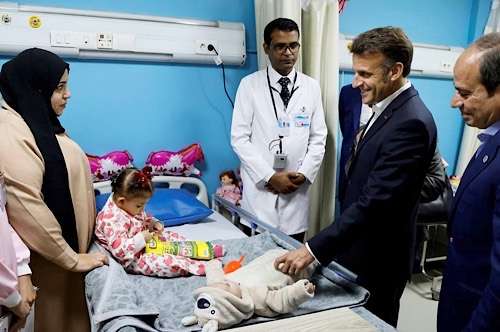
Throughout the visit, delegates toured both public and private facilities, including hospitals, clinics, pharmacies, and diagnostic centers. They described the patient journey in Egypt’s UHI system as comprehensive and compassionate, reflecting ongoing efforts to meet people’s real needs.
A blueprint for the region
The international team encouraged neighboring countries to study Egypt’s approach—particularly its strong public-private cooperation, rigorous accreditation for service providers, and strong monitoring systems.
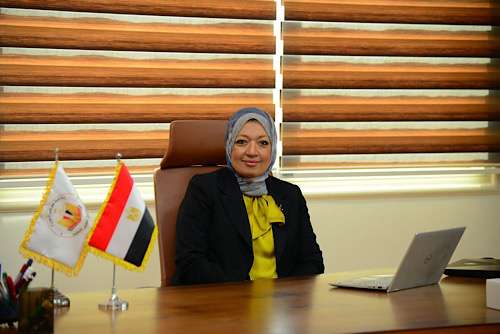
As Dr. Nasreen Hassan, Advisor to the General Authority for Universal Health Insurance in the Suez Canal region, put it: “We are grateful for this recognition and eager to share Egypt’s journey towards health for all. Our citizens deserve the very best, and we are proud of the progress made so far.”
With continued support from global partners, Egypt’s Universal Health Insurance system stands as a beacon of accessible, high-standard healthcare, and a source of inspiration throughout the region.