


























































































































































































































































































































































































































































































































































































































































































Friday, 09 October 2026
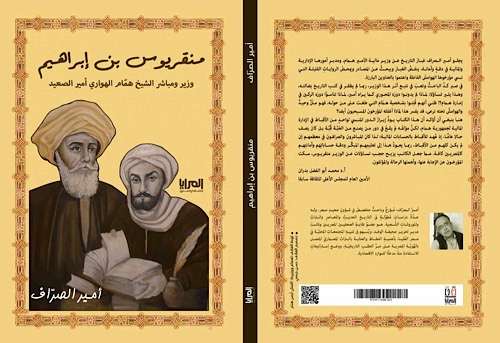
Historian and researcher specializing in Upper Egypt affairs, Amir al-Saraf, has unveiled an insightful study that sheds much-needed light on one of Upper Egypt’s most significant yet largely unheralded administrative figures: Manqarius ibn Ibrahim, also known in historical documents as Boulos Manqarius.
As the chief minister and right-hand man to Emir Hammam bin Yusuf, the charismatic tribal leader who sought autonomy for Upper Egypt in the eighteenth century, Manqarius’ story is not just a tale of personal achievement, but an entry point into a remarkable episode in regional governance, minority inclusion, and social transformation.
The book takes us into the heart of a volatile era when Hammam bin Yusuf, head of the powerful Hawwara tribe, flirted with the creation of an independent state stretching from Minya to Aswan. This “Republic of Hammam,” as described both by Egyptian intellectuals like Rifa’a al-Tahtawi and by French campaign scholars, paralleled contemporary republican ideals of justice and equality, drawing a fascinating comparison with the French Revolution.
At the core of this ambitious project was a technocratic government that blended rigorous administration with economic ingenuity. Here, Manqarius emerges as a pivotal architect. Entrusted by Hammam with near-complete administrative authority, he managed the burgeoning fiefdom’s vast resources—overseeing everything from agricultural production to military provisioning and social welfare. The author deftly details how Hammam’s government, under Manqarius’ stewardship, not only rivalled but often surpassed the Ottoman-controlled central state, filling its coffers and feeding its armies when needed.
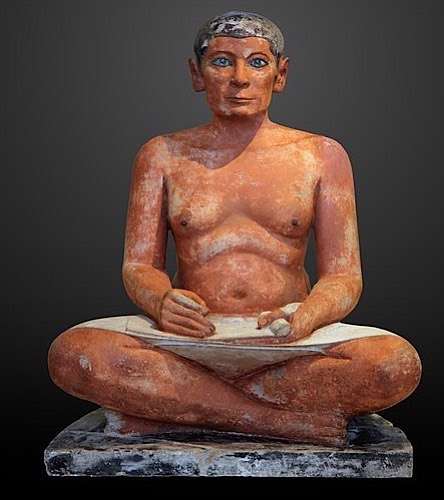
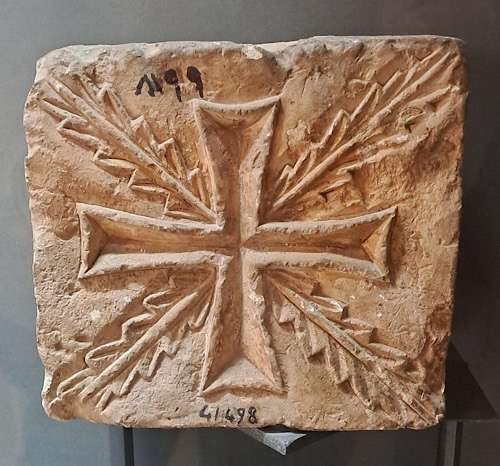
One of the most touching aspects of the book is its nuanced portrayal of Egypt’s Coptic Christian technocrats, a community with centuries-old traditions of state service, whose expertise outlasted shifting regimes and changing religious tides. Manqarius stands among such luminaries, his contributions both a testament to the integrative possibilities of Egyptian society and a reminder of often-overlooked minority agency.
The narrative gracefully interweaves political intrigue, economic innovation, and human drama. We learn about Manqarius’ sensitive negotiations during fierce contests with rival Mamluk leaders. We glimpse the complex web of familial succession, social alliances, and the gradual rise (and eventual eclipse) of his descendants, meticulously traced down to the mid-nineteenth century.
Perhaps most commendable is the author’s commitment to filling the gaps left by mainstream chronicles, which have largely ignored Manqarius’ legacy. Through painstaking archival work and careful genealogical research, the study reconstructs not only the man’s origins and career but also charts the socio-economic trajectory of his family across generations.
In presenting this compelling microhistory, the book invites readers to reconsider the broader narrative of Egyptian history, recognizing the vital roles played by regional actors and minority communities in moments of profound change. It is a heartwarming and thoroughly researched tribute to a forgotten statesman, and an invaluable resource for anyone interested in the rich, diverse tapestry of the Middle East.
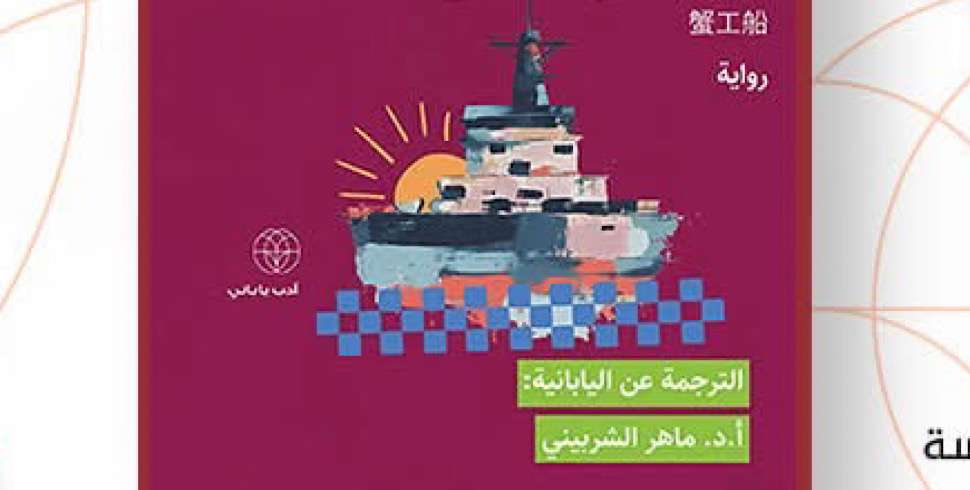
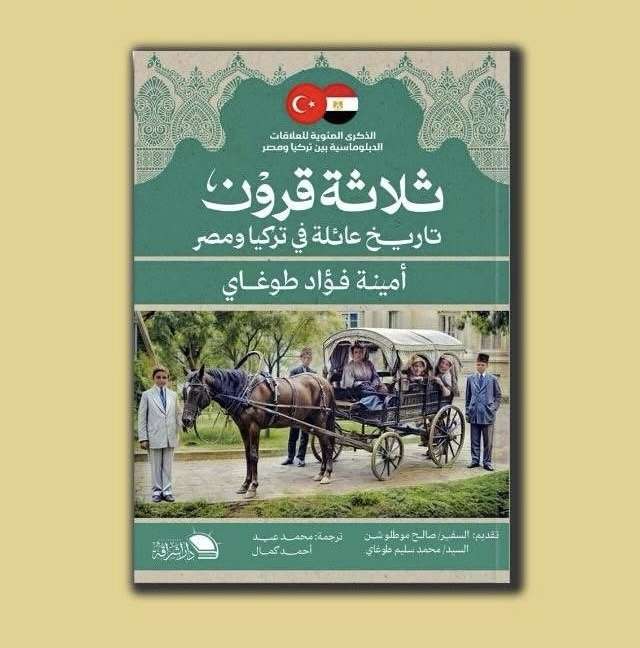
The Arabic-language book is a masterful blend of biography, social history, and political analysis—one that is both deeply rooted in local context and resonant with global themes of governance, inclusion, and resilience.