






















































































































































































































































































































































































































































Friday, 09 October 2026
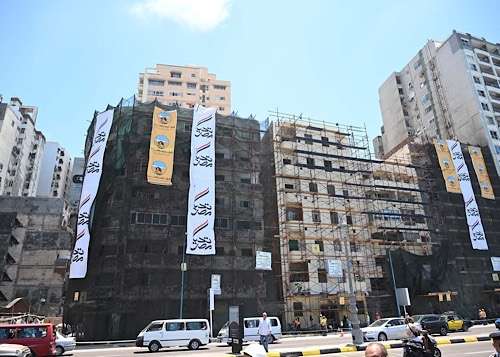
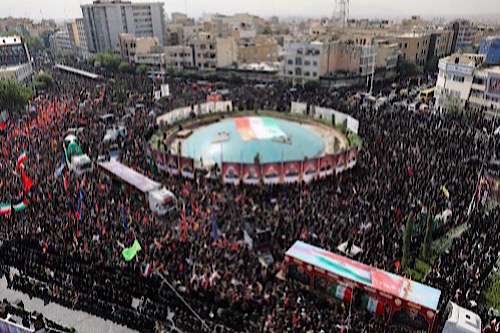
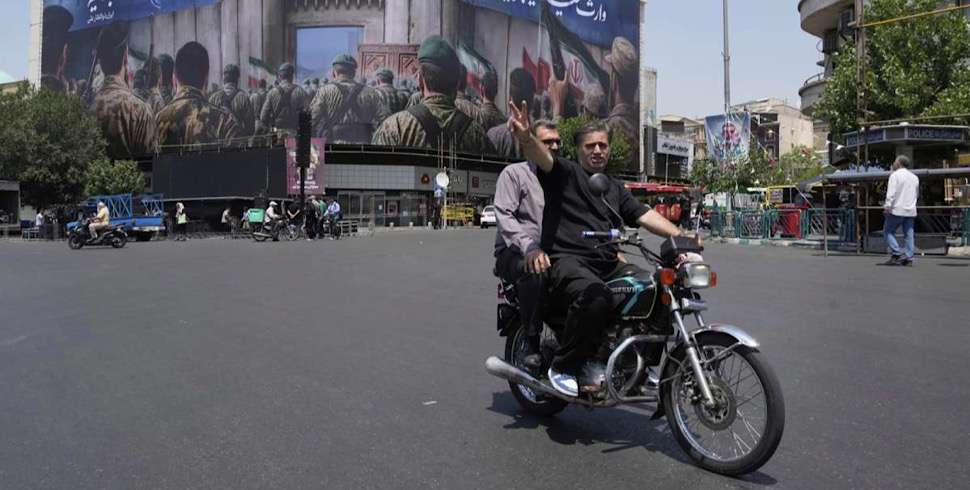 A man flashes a victory sign while riding his motorbike past an anti-Israeli banner depicting Iranian soldiers heading to attack Israeli territory, at Islamic Revolution Square in Tehran, Iran, Saturday, June 14, 2025. (AP Photo/Vahid Salemi)
DUBAI, United Arab Emirates — When Ellie, a British-Iranian residing in the UK, dialed her mother’s number in Tehran, she was met with an unexpected voice—an automated woman answering instead.
“Alo? Alo?” the robotic voice began, then switched to English and asked, “Who is calling?” After a brief pause, it continued: “I can’t heard you. Who you want to speak with? I’m Alyssia. Do you remember me? I think I don’t know who are you.”
Ellie, 44, is among nine Iranians living abroad—in the UK and the US—who told The Associated Press they’d encountered unsettling, machine-like voices intercepting their calls to family in Iran after Israel launched airstrikes there a week prior.
Fearing for their families’ safety, these individuals spoke to AP anonymously or permitted only their first names or initials to be used.
Recordings of these bizarre messages, reviewed by five experts, were likely generated by low-tech artificial intelligence, chatbots, or pre-recorded messages redirecting oversea calls. While the source remains unclear, four of the experts suspected Iranian authorities, while one leaned toward Israeli involvement.
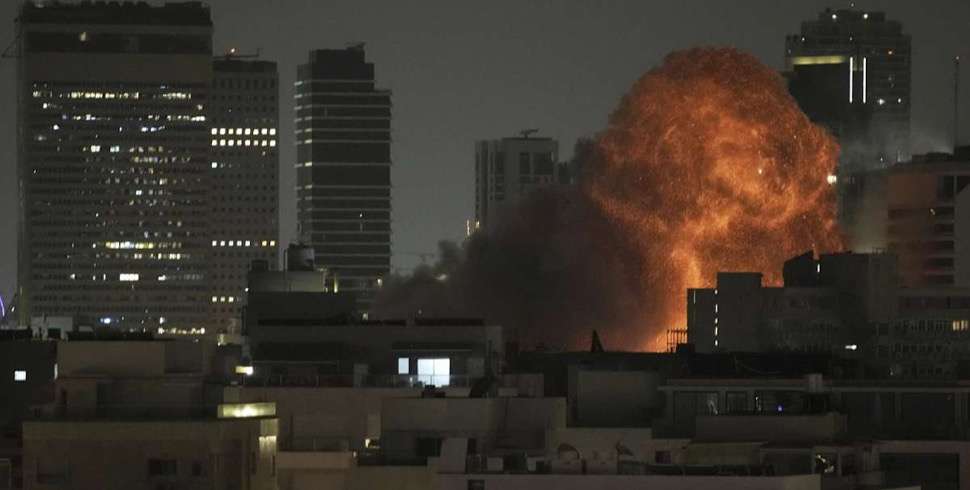
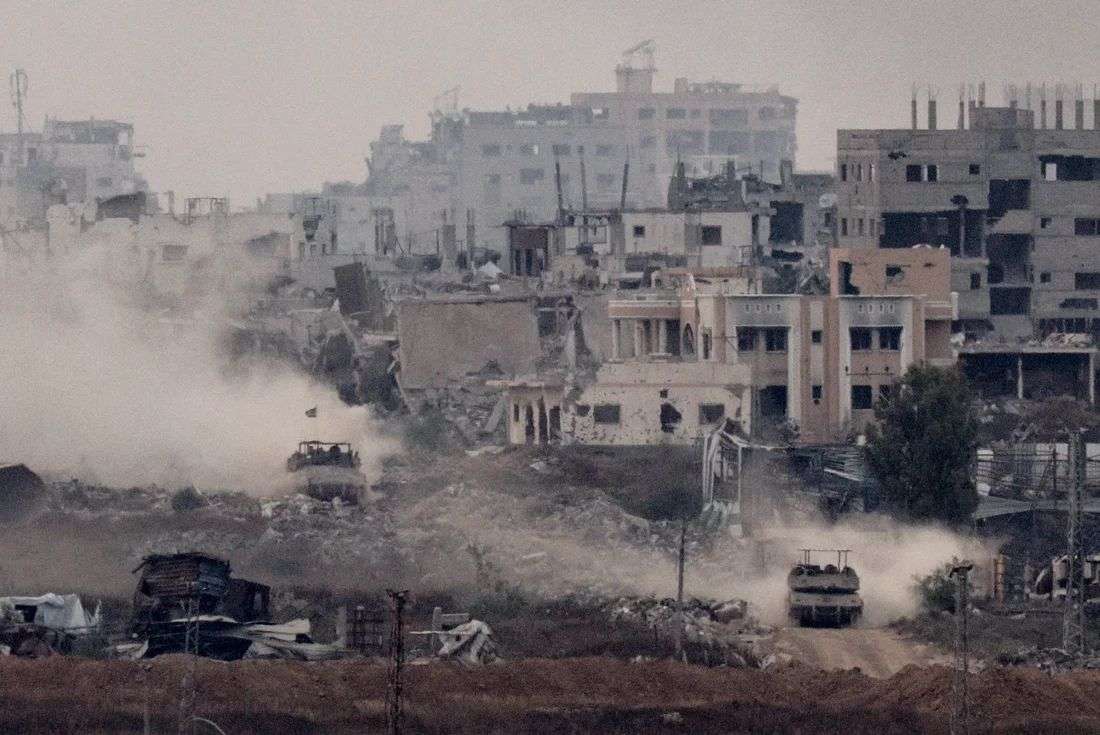
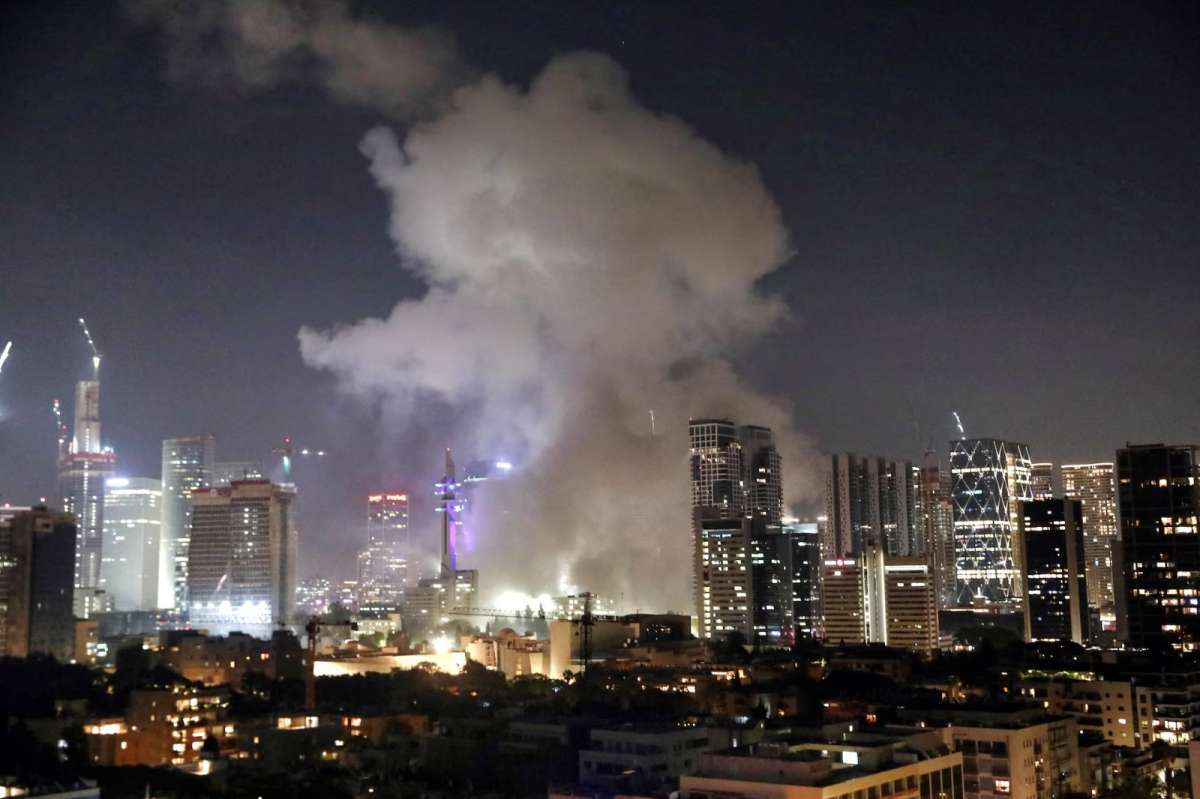
These unnerving messages have left members of Iran’s diaspora deeply unsettled as they try desperately to reach loved ones, all while Israeli strikes pound Tehran and other major cities targeting nuclear and military sites. In response, Iran has fired hundreds of missiles and drones and enforced a sweeping internet blackout, officially to “safeguard” the nation.
This blackout has isolated ordinary Iranians, cutting them off from information and their families abroad.
“I don’t know why this is happening,” said Ellie, whose diabetic mother is stranded near Tehran with dwindling insulin supplies. She wants to urge her mother to evacuate, but communication is impossible.
A request for comment sent to Iran’s diplomatic mission at the United Nations went unanswered.
According to Colin Crowell, a former Twitter vice president for global policy, Iranian telecommunication companies appear to be forwarding calls to a default message system, preventing connections. Amir Rashidi, a US-based Iranian cybersecurity analyst, concurred—he believes the messages are a government tactic designed to block hackers, although there is no concrete proof.
In the initial days of Israel’s campaign, Iranians reportedly received waves of voice and text alerts urging them to prepare for “emergency conditions,” which, Rashidi says, seemed intended to sow panic—mirroring mass calls used by anti-government groups during the Iran-Iraq war in the 1980s.
The content of the robotic messages, with their attempts at reassurance, reflects how the Iranian government has historically addressed crises, said Rashidi, now director of Texas-based Miaan, an organization reporting on digital rights in the Middle East.
Mobile and landline communications in Iran are ultimately regulated by the country’s Ministry of Information and Communications Technology, yet intelligence agencies have long been believed to surveil conversations.
“It would be difficult for anyone else to hack this system. While Israeli involvement is technically possible, I don’t believe they’d be motivated to do so,” said Mehdi Yahyanejad, a technology entrepreneur and internet freedom advocate.
Most intercepted calls feature English-speaking synthetic voices, though at least one has used Farsi. Anyone responding finds that the messages simply persist.
A 30-year-old Iranian woman in New York, who encountered the same robotic voice as Ellie, described the experience as “psychological warfare.”
“Expecting to hear my mother’s voice and instead being greeted by an AI was terrifying—one of the scariest moments of my life,” she said. “It was a visceral feeling.”
The content of the messages can also be strangely incongruous. One woman in the UK, desperate to reach her mother, instead received a call delivering reassuring platitudes.
“Thank you for taking the time to listen,” the message began in a recording she provided to AP. “Today, I’d like to share some thoughts with you and share a few things that might resonate in our daily lives. Life is full of unexpected surprises, and these surprises can sometimes bring joy while at other times they challenge us.”
Not all expatriate Iranians have encountered these robotic voices. Some say their calls simply ring unanswered, never connecting at all.
Colin Crowell, former vice president of global policy at Twitter, noted that Iranian telecom providers seemed to be rerouting calls to a standard message system, effectively blocking the completion of calls.
Amir Rashidi, an Iranian cybersecurity expert based in the United States, concurred, suggesting that these recordings likely represented a government tactic to prevent hacking attempts, though concrete proof was lacking.
Rashidi explained that during the first two days of Israel’s operation, mass voice and text alerts were sent to Iranian citizens, warning them to prepare for “emergency conditions.” These messages appeared designed to incite panic—reminiscent of the mass calls opposition groups conducted during the Iran-Iraq War in the 1980s.
He added that the calming messages being disseminated echoed the Iranian government’s historical approach to handling critical situations. Rashidi is the director of Miaan, a Texas-based organization focused on reporting on digital rights in the Middle East.
Control over both mobile and landline communications in Iran ultimately falls under the Ministry of Information and Communications Technology, although intelligence agencies have long been suspected of surveilling these communications.
“It would be difficult for any outside entity to hack this system. Of course, Israel could be involved, but I doubt they have sufficient motivation,” said Mehdi Yahyanejad, a technology entrepreneur and advocate for internet freedom.
Marwa Fatafta, policy and advocacy director at Access Now, a Berlin-based digital rights group, posited that the situation might represent "a form of psychological warfare by the Israelis." She pointed out that Israel has previously used broad direct messaging tactics targeting Lebanese and Palestinians during military actions in Gaza and operations against Hezbollah.
She suggested these messages were intended to “torment” Iranians overseas, many of whom are already anxious.
When approached for comment, the Israeli military declined to respond, and the office of the prime minister did not issue a statement.