

























































































































































































































































































































































































































































































Friday, 09 October 2026
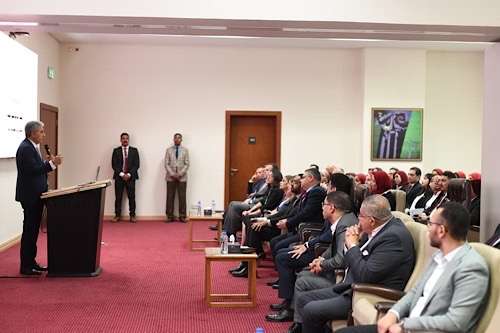
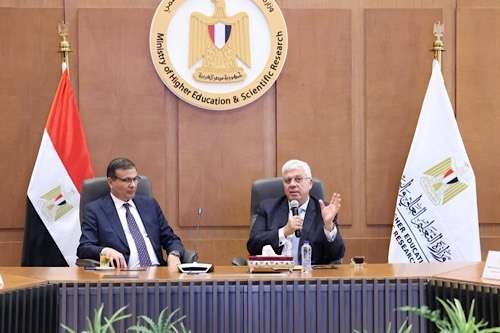
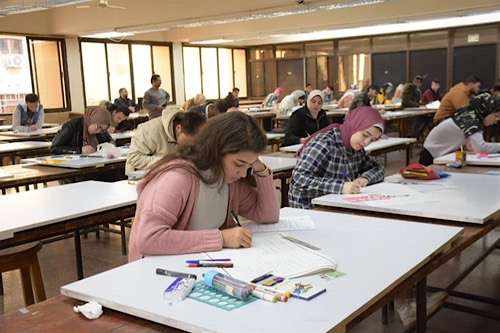
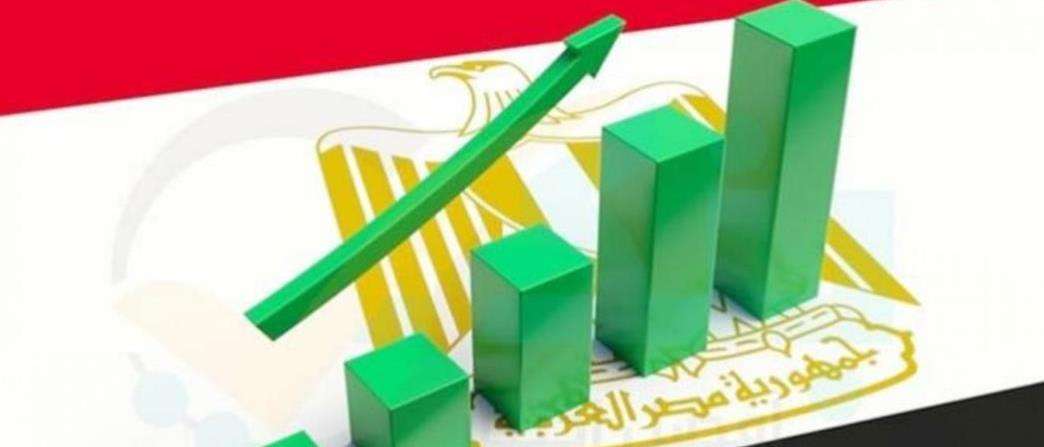
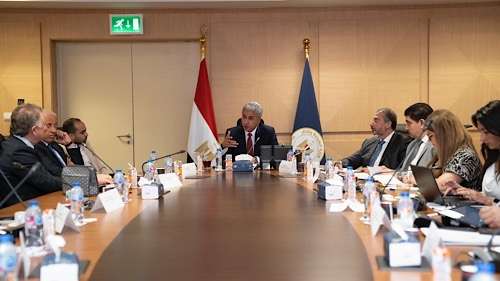
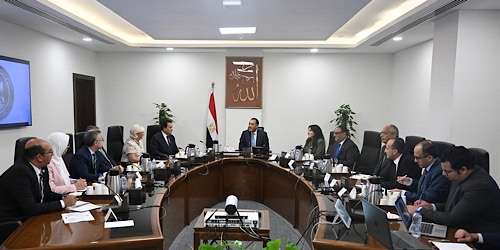
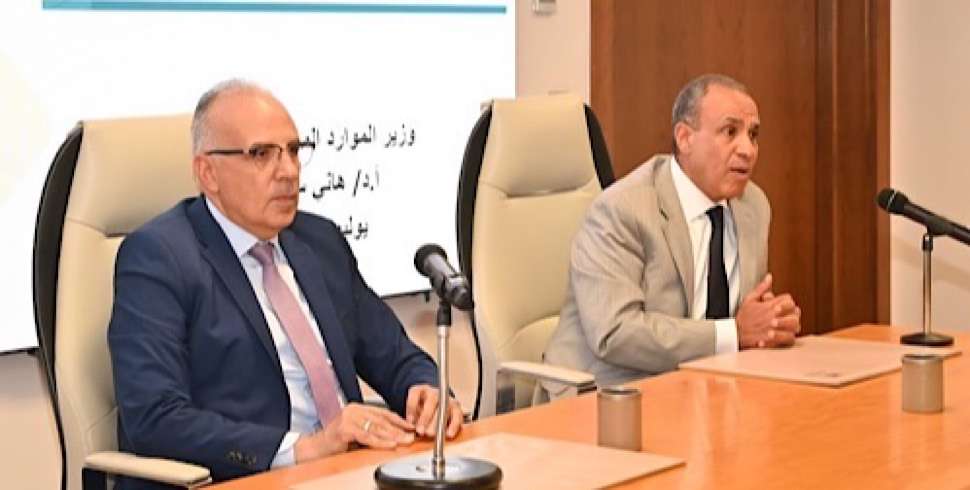
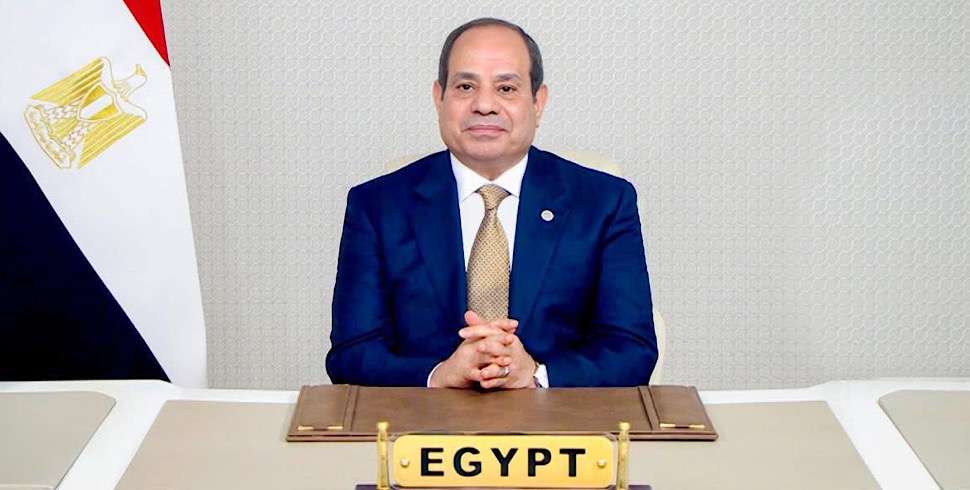
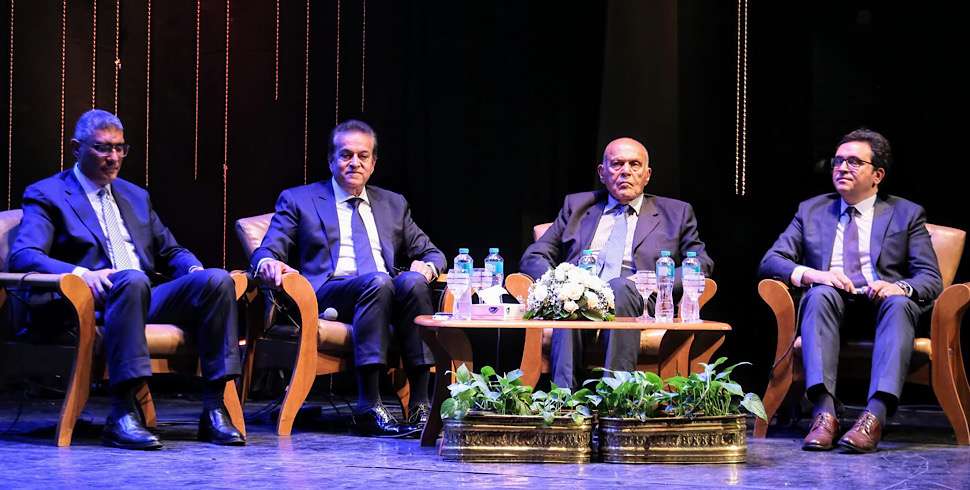
Egypt’s higher education system is celebrating 11 years of ongoing support and investment from the country’s political leadership, a period marked by remarkable advancements in global university and research center rankings, the Ministry of Higher Education and Scientific Research announced.
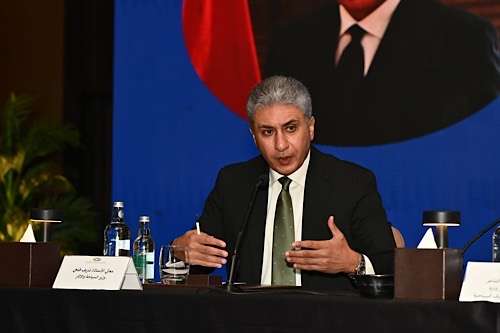
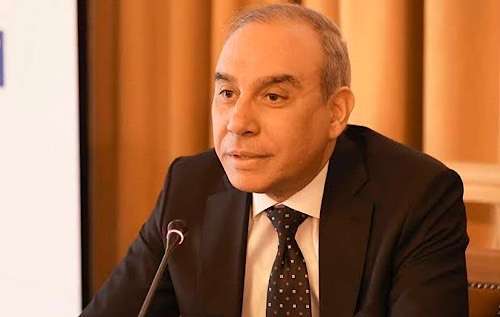
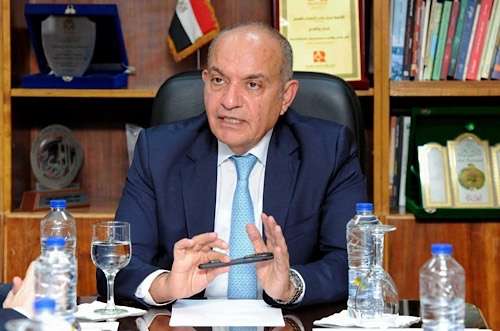
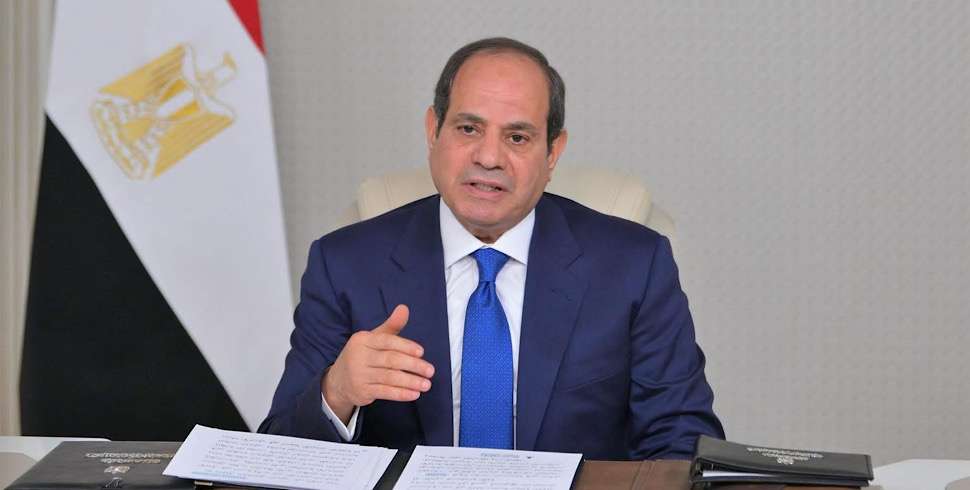
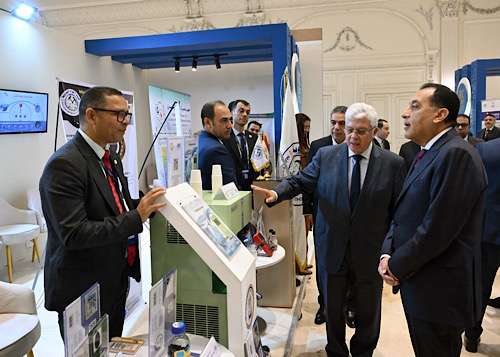
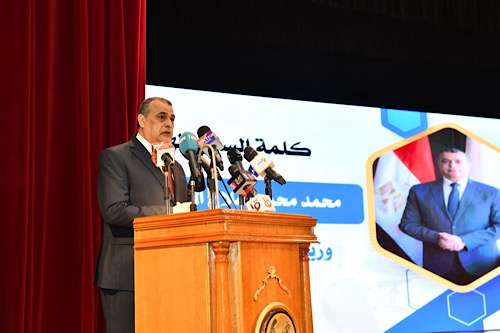
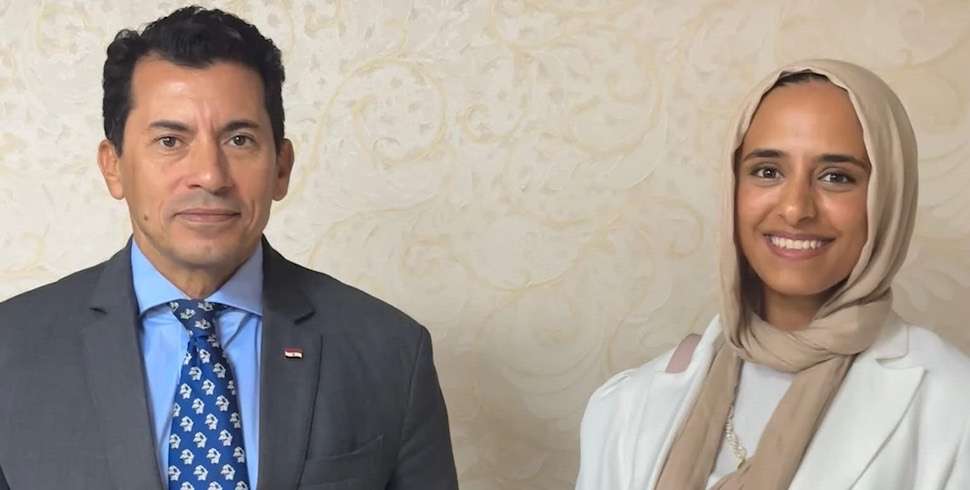
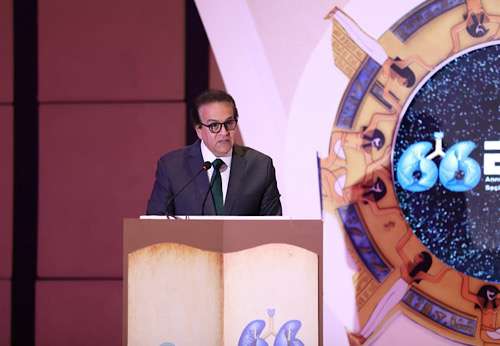
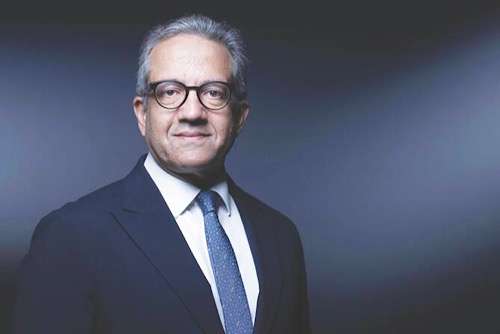
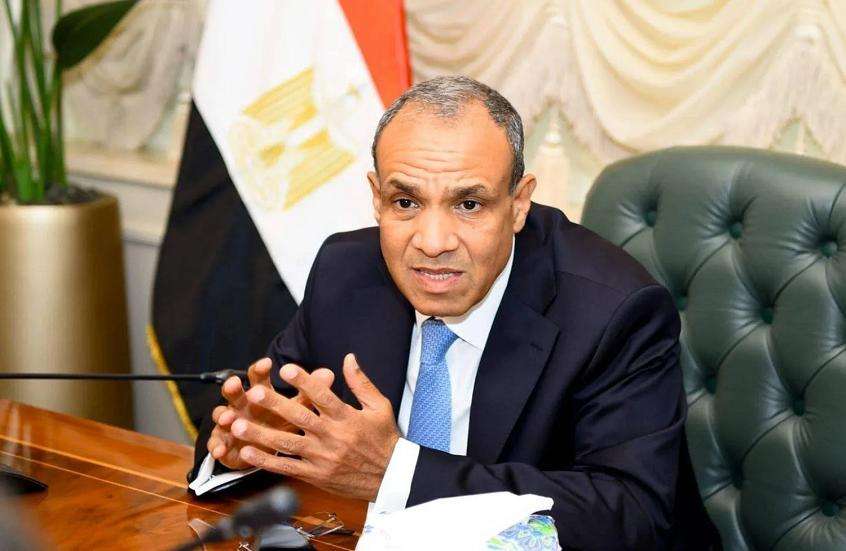
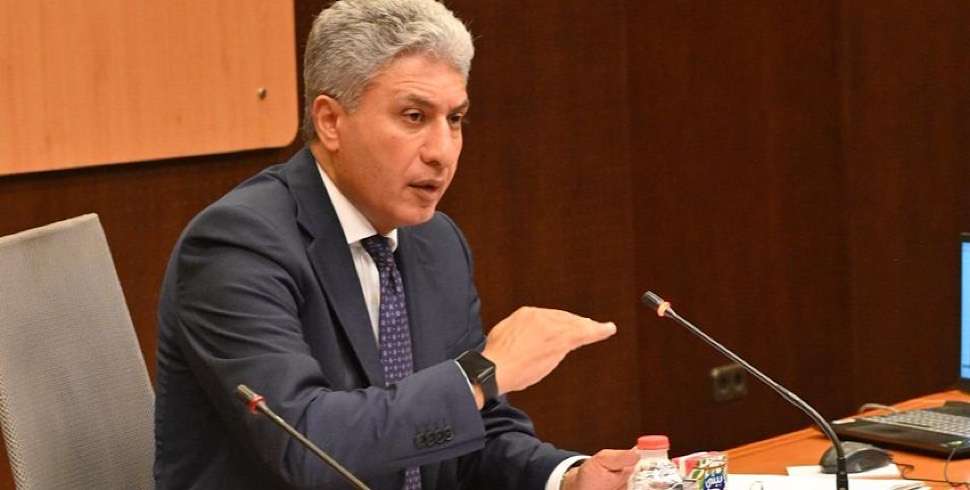
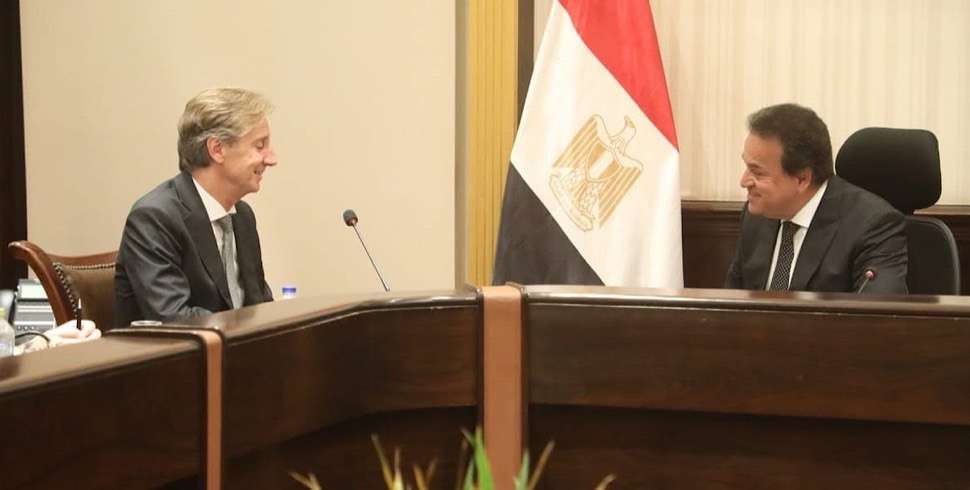
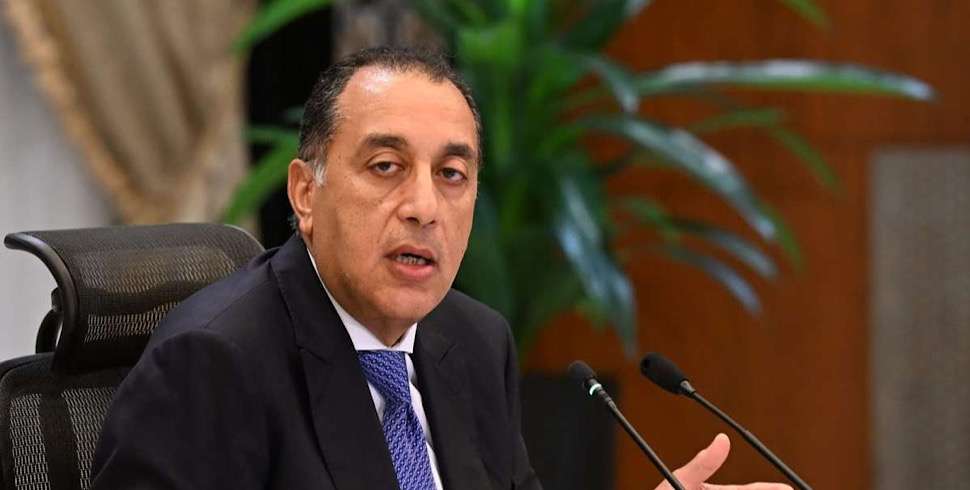
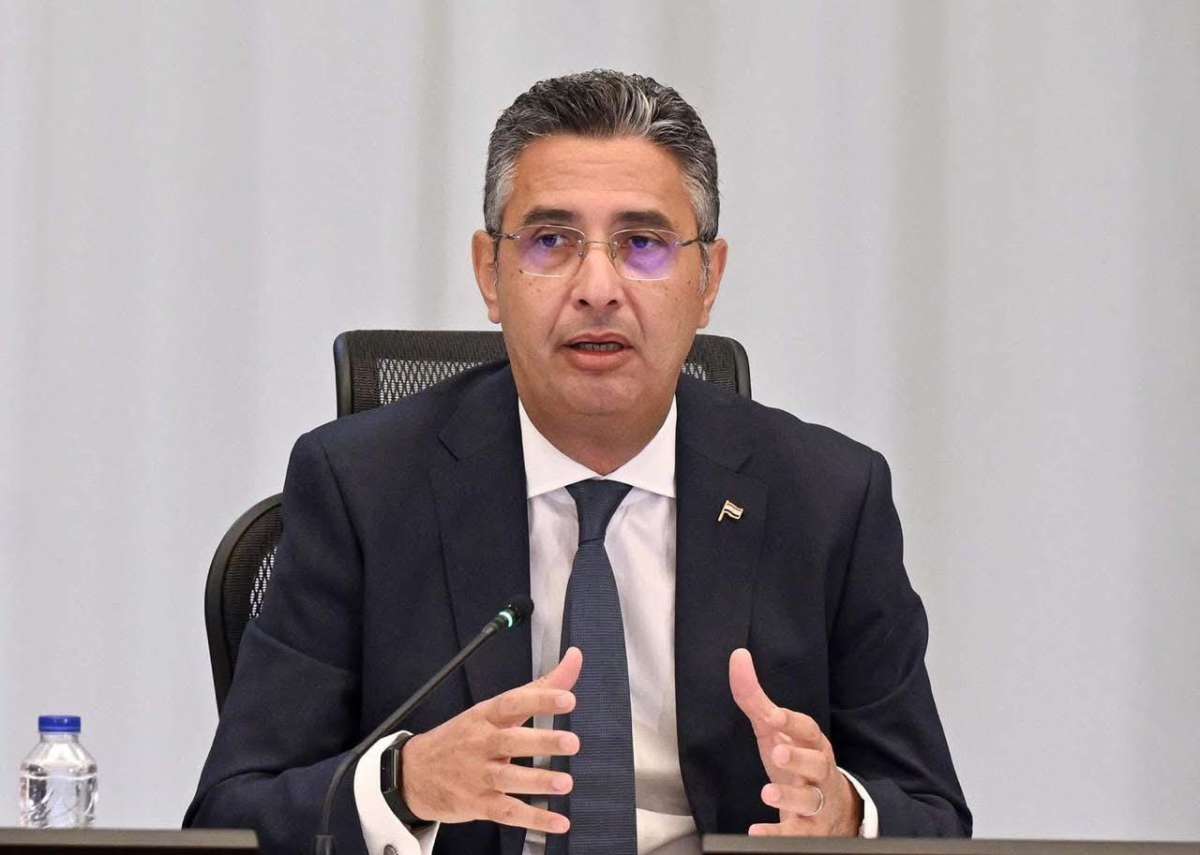
Minister Dr. Ayman Ashour emphasized that sustained governmental backing has transformed the competitiveness of Egyptian institutions on the world stage. Egyptian universities and research centers are now increasingly recognized as benchmarks for academic and research excellence, reflecting major progress in global indices.
In the 2025-2026 U.S. News & World Report rankings, a record 27 Egyptian universities were listed among the world’s best, with 22 featured in the top 1,000, up from 19 in 2023. Similarly, the Times Higher Education Impact Rankings for 2025 included 51 Egyptian universities, an increase of 23 compared to two years prior, highlighting the nation’s commitment to sustainable development goals.
The QS World University Rankings for 2025 provide further evidence of upward momentum, with 20 Egyptian universities recognized, five more than last year. Egyptian universities also received strong recognition for their performance in specialized fields, particularly medicine, engineering, and the sciences.
Egypt’s universities now feature prominently across an expanded range of academic disciplines in global subject rankings. In the 2025 Times Higher Education subject listings, Egyptian universities scored notable entries across nine academic fields, from engineering and medical sciences to social sciences and humanities.
Regionally, Egypt achieved the highest representation of any Arab country in the 2024 Arab Universities Ranking, with 48 institutions listed—a 70% increase over last year. Egyptian research centers similarly excelled, with prominent placements in the Simago rankings for the Middle East and North Africa.
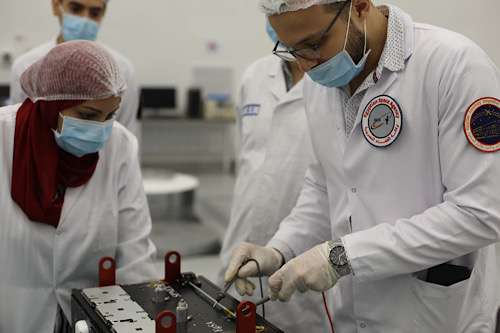
The Ministry credited the Egyptian Knowledge Bank, an open-access platform for researchers, along with partnerships and international collaboration, for driving these results. The government’s 2030 national strategy for higher education seeks to position Egypt as a regional academic and research leader, drawing students and scholars from across Africa and the Middle East.
“These achievements reflect Egypt’s deep conviction that education is the engine of comprehensive, sustainable development,” Dr. Ashour said, commending universities and research centers for their contributions. “By continuing to support international standards and global best practices, Egypt is building an academic system positioned for lasting global impact.”